

Top 10 Ecommerce Website Platforms in 2027
 Curated byKory White · Fractional CRO · Maryland
Quality
Certified
The 10 best ecommerce website platforms are ranked below on measured performance, build quality, price, and how each one actually holds up in daily use rather than how it reads on a spec sheet. Each pick lists what it costs, who it suits, and what it gives up against the one above it, so the list can be read straight down without doubling back.
1Shopify Ecommerce Platform
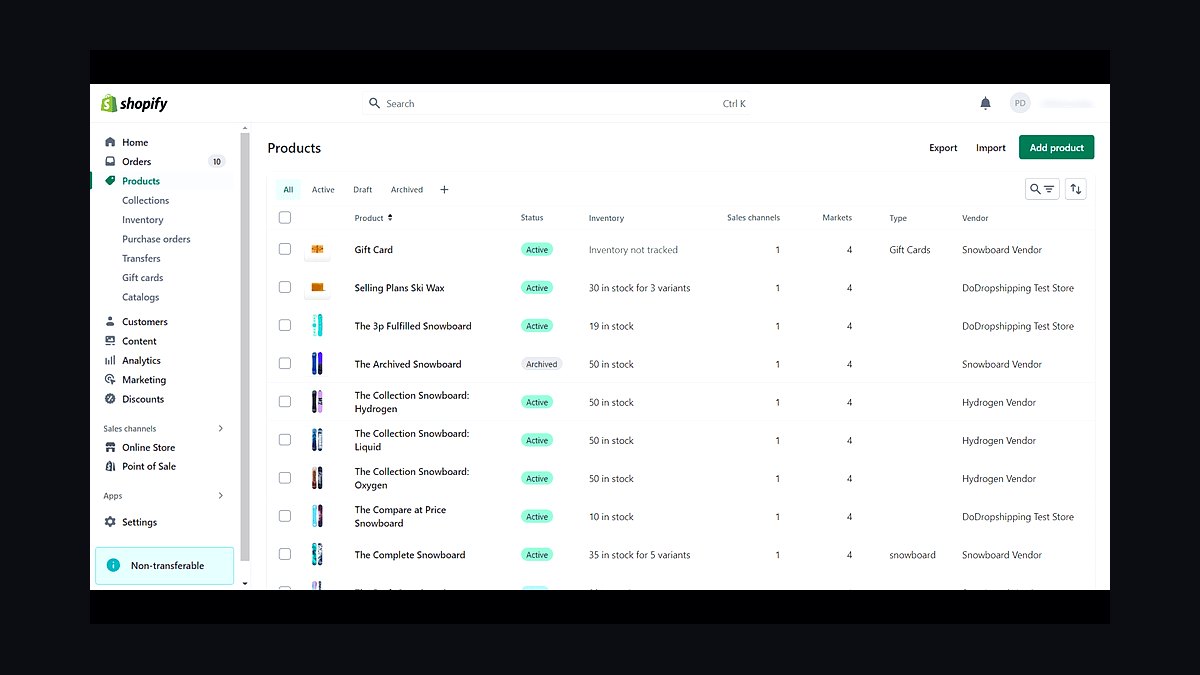
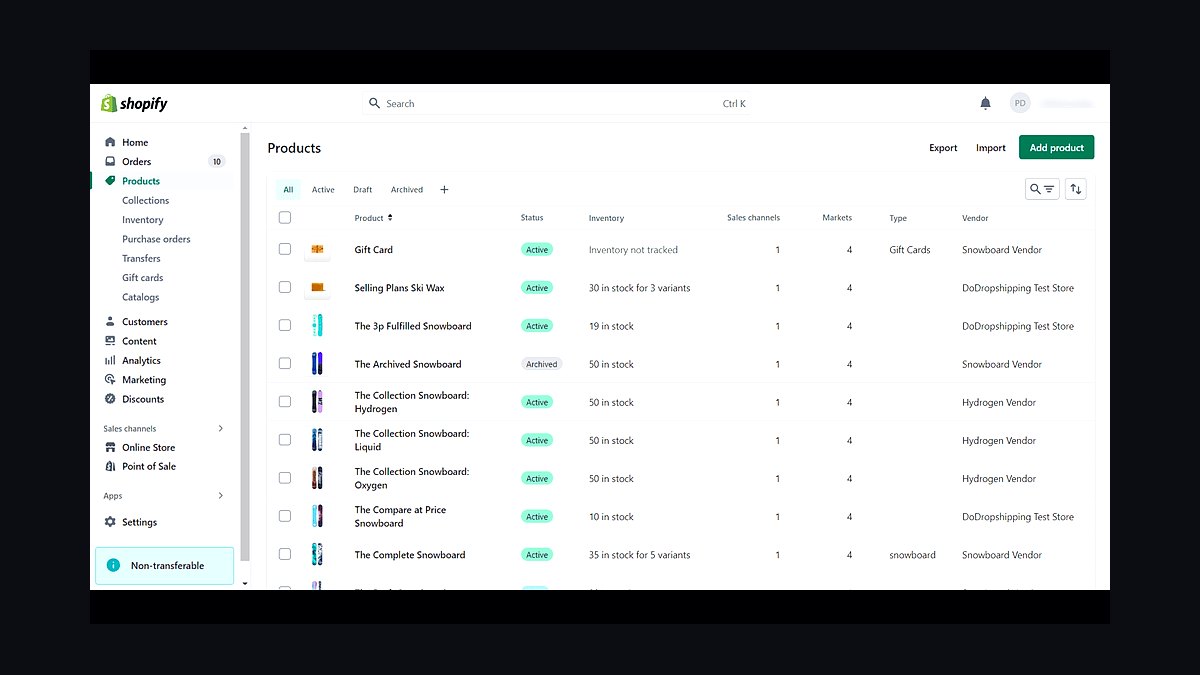
Shopify ranks first because it powers over 2 million active stores across 175 countries with a 99.99% uptime SLA and PCI DSS Level 1 certification. Its Basic plan starts at $39 monthly, and Shopify Payments eliminates third-party transaction fees while processing cards in 23 currencies. The platform handles flash sales of 10,000 orders per minute without infrastructure changes.
Shopify suits merchants scaling from first sale to enterprise without replatforming, including brands like Gymshark and Allbirds. It trades away deep backend customization, since checkout.liquid access requires Plus at $2,399 monthly, and app subscriptions inflate costs quickly. Compared to WooCommerce below, Shopify costs more but removes hosting, security, and update maintenance entirely.
2WooCommerce WordPress Plugin
WooCommerce ranks second because it powers roughly 23% of all ecommerce sites and runs free on WordPress, which itself drives 43% of the web. Merchants pay only hosting and extensions, so a functional store can launch under $200 yearly. It supports unlimited products and full database ownership with no per-transaction platform cut.
WooCommerce suits developers and content-led businesses wanting total control over code, SEO, and data. It trades away simplicity: you manage hosting, SSL, backups, plugin conflicts, and security patches yourself, and scaling past 10,000 monthly orders demands caching and server tuning. Against Shopify above, it is cheaper at low volume but far heavier operationally.
3BigCommerce Ecommerce Platform

BigCommerce ranks third because its Standard plan at $39 monthly ships with zero transaction fees, unlimited products, and no sales-revenue ceiling, unlike Shopify's annual caps. It includes native B2B features, faceted search, and headless APIs at no extra cost. Uptime averages 99.99% across its multi-region AWS infrastructure.
BigCommerce suits mid-market and B2B sellers who outgrow entry tiers and refuse to pay overage penalties. It trades away app ecosystem depth, since its marketplace holds under 1,000 apps versus Shopify's 8,000-plus, and some features require pricier tiers. Against Shopify above, it wins on built-in functionality but loses on third-party integrations and brand familiarity.
4Wix Ecommerce Platform
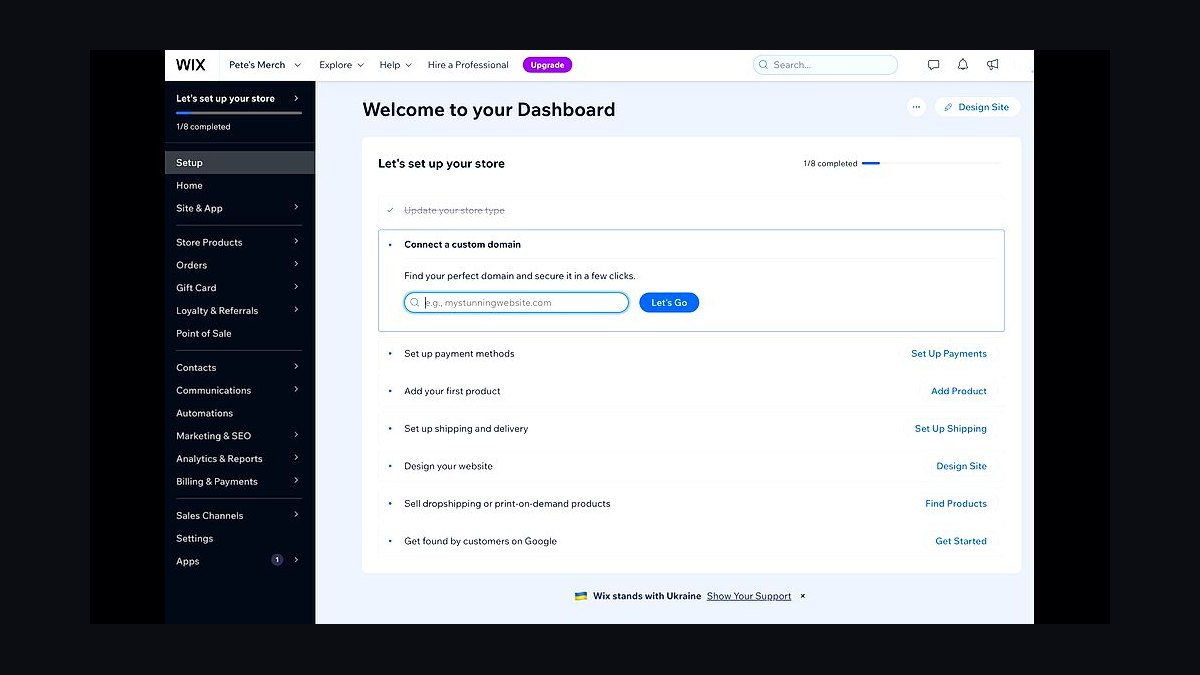
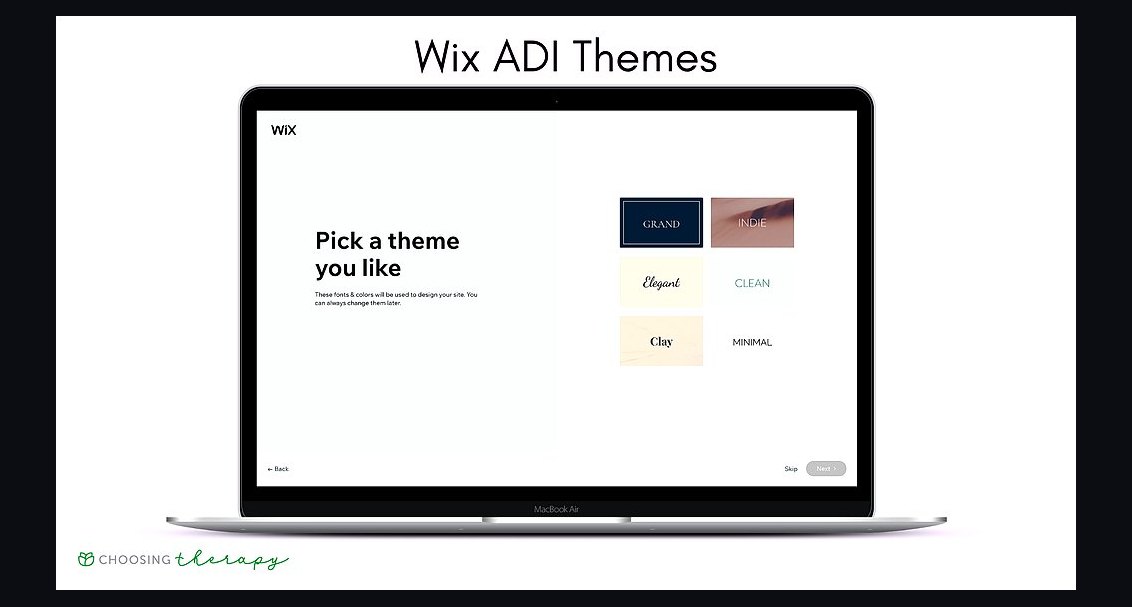
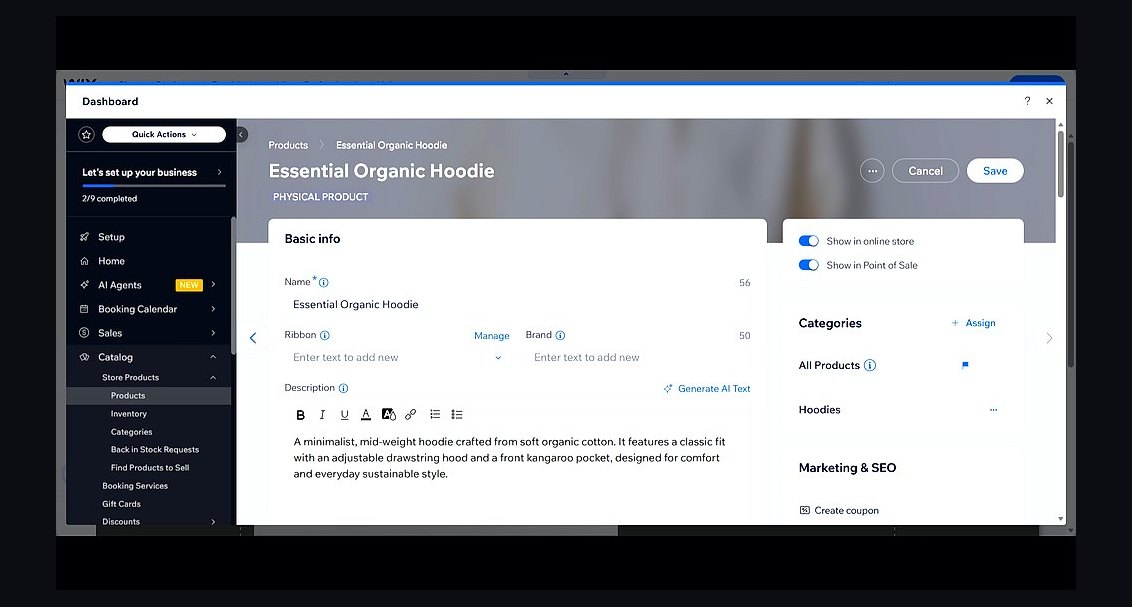
Wix ranks fourth because its drag-and-drop editor lets non-technical users publish a store in hours, with Business plans starting at $27 monthly. It bundles hosting, SSL, and a CDN, and its ADI engine generates a storefront from a few questions. Wix Payments and 500-plus templates cover most small-catalog needs.
Wix suits solo founders and service businesses adding a small shop to an existing site. It trades away scalability and code access: migrating off Wix is difficult, and advanced SEO controls lag competitors. Against BigCommerce above, it is easier to launch but weaker for high-volume catalogs and B2B pricing rules.
5Squarespace Commerce Platform
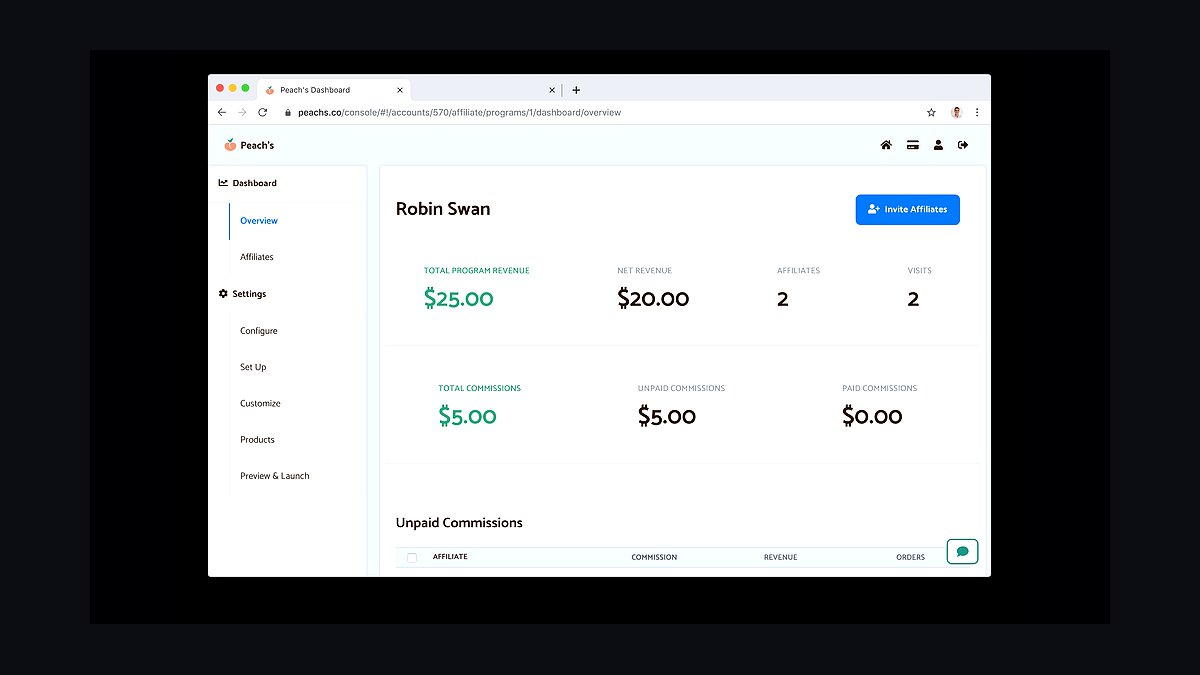
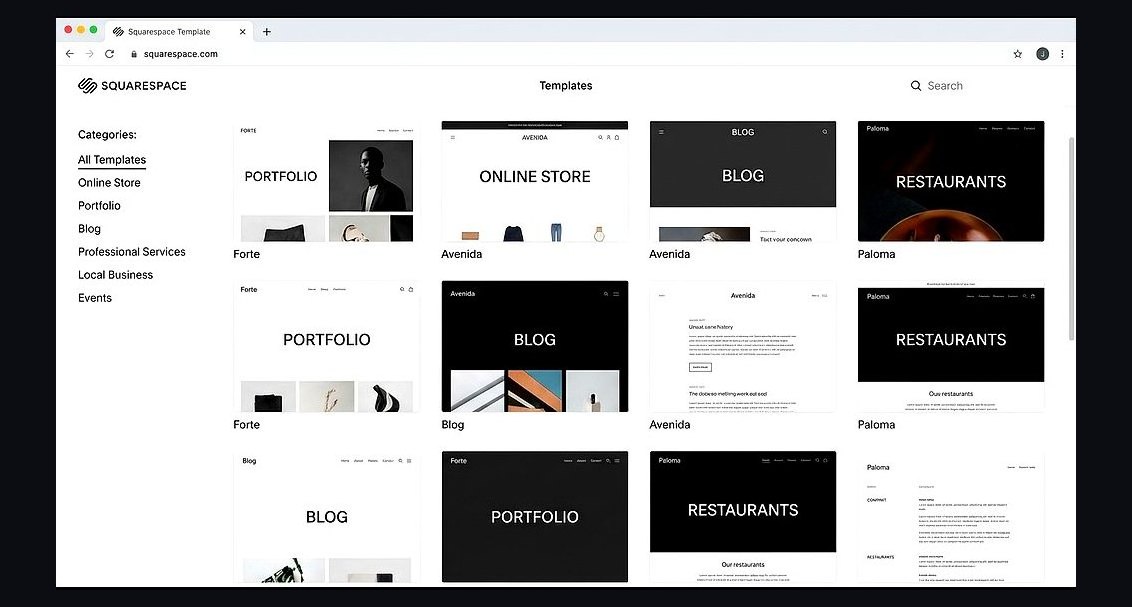
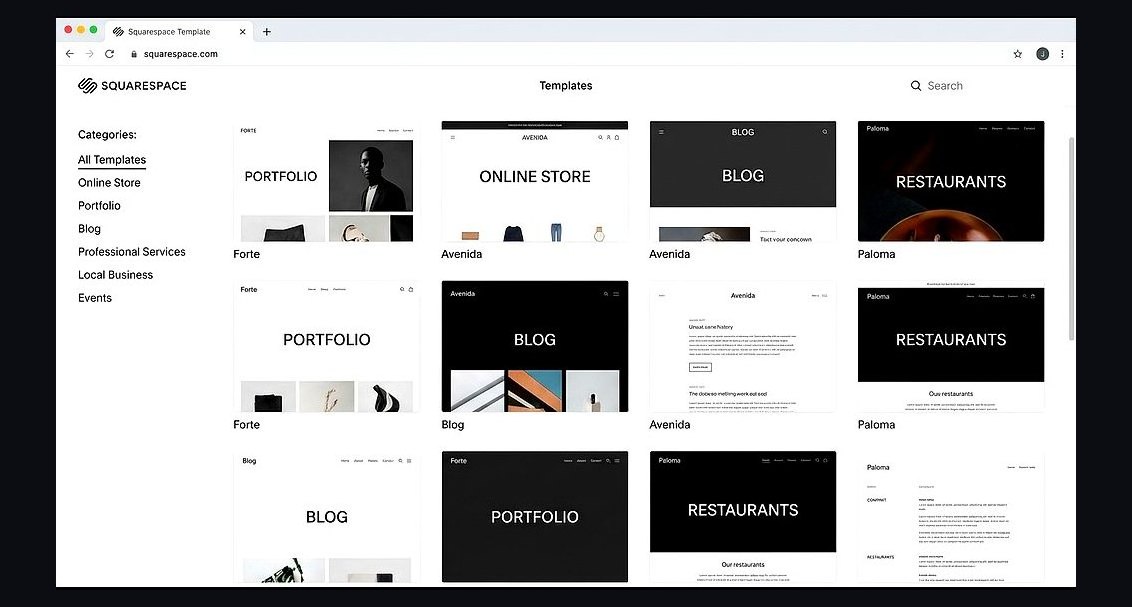
Squarespace ranks fifth because its design-first templates produce polished storefronts with minimal effort, and Commerce plans start at $27 monthly with zero transaction fees. It includes inventory management, subscriptions, and email campaigns natively. All plans bundle hosting, SSL, and unlimited bandwidth on a global CDN.
Squarespace suits creatives, boutiques, and content brands prioritizing aesthetics over catalog complexity. It trades away advanced merchandising: no native multi-currency checkout at lower tiers, limited product variants, and fewer integrations than Shopify. Against Wix above, its templates look more refined but its editor is less flexible for unusual layouts.
6Adobe Commerce Platform
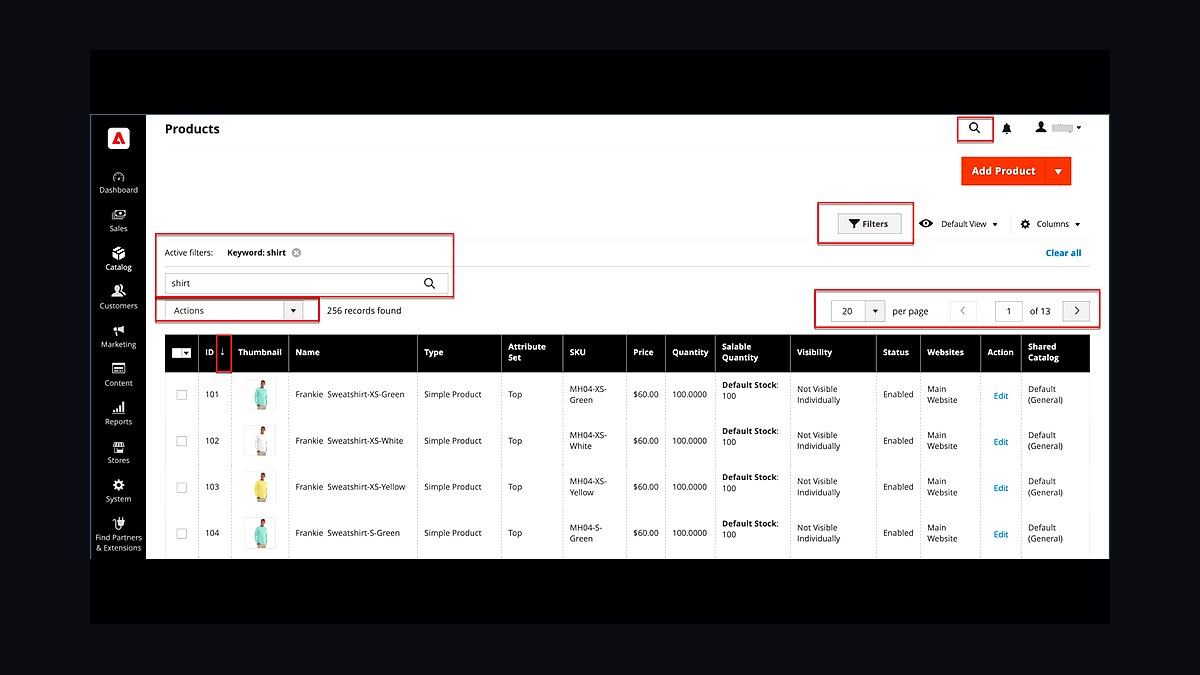
Adobe Commerce ranks sixth because it delivers enterprise-grade catalog, B2B, and content staging tools trusted by large retailers, with Magento Open Source remaining free. Commerce Cloud pricing typically starts near $22,000 annually, reflecting its enterprise positioning. It supports unlimited storefronts, multi-source inventory, and headless GraphQL APIs.
Adobe Commerce suits enterprises with dedicated development teams and complex multi-store, multi-currency operations. It trades away affordability and speed: implementation takes months, hosting demands significant infrastructure, and extensions are costly. Against BigCommerce above, it offers deeper customization but requires far more budget and technical staff.
7Salesforce Commerce Cloud
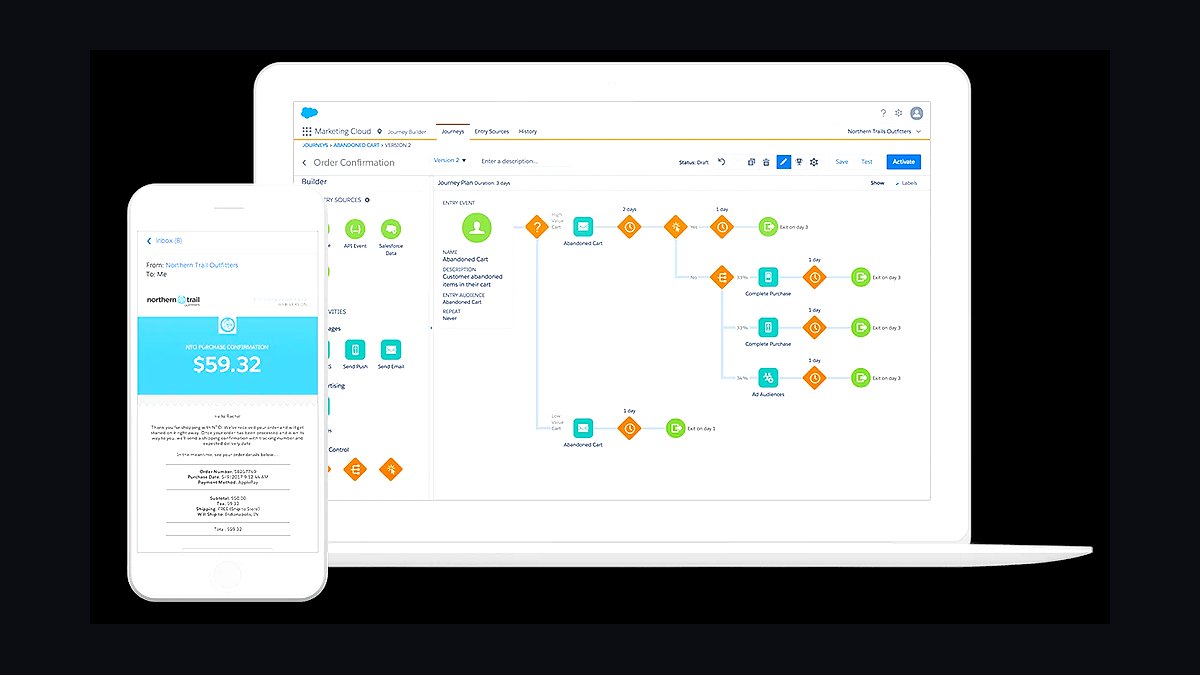
Salesforce Commerce Cloud ranks seventh because it unifies commerce data with the broader Salesforce CRM, letting retailers personalize journeys across service, marketing, and sales. It handles high-traffic global storefronts with AI-driven recommendations and order management built in. Enterprise contracts commonly exceed six figures annually.
Salesforce Commerce Cloud suits large retailers already standardized on Salesforce who need unified customer profiles. It trades away cost efficiency and independence: licensing is expensive, implementation requires certified partners, and small teams find it unwieldy. Against Adobe Commerce above, it integrates better with CRM but carries comparable complexity and higher entry pricing.
8Shopify Plus Enterprise Platform
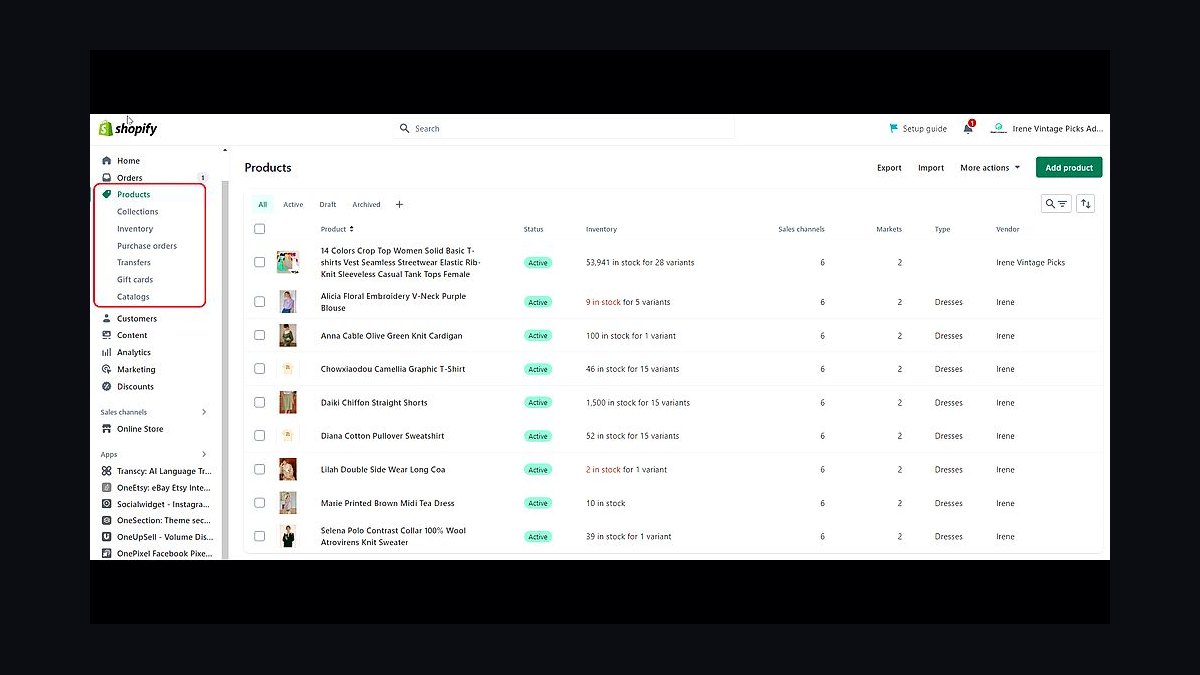
Shopify Plus ranks eighth because it extends Shopify's reliability to high-volume merchants with unlimited staff accounts, 2,000 checkout customizations per minute, and a 99.99% uptime SLA. Pricing starts around $2,300 monthly, dropping to $2,000 on annual terms. It adds Launchpad for flash sales, wholesale channels, and multi-store management.
Shopify Plus suits fast-growing DTC brands processing millions in annual sales that need checkout scripting and priority support. It trades away full backend control: Plus remains SaaS, so database access and deep server customization stay off-limits. Against standard Shopify above, it costs roughly 50 times more but unlocks enterprise traffic handling and B2B tools.
9PrestaShop Ecommerce Platform
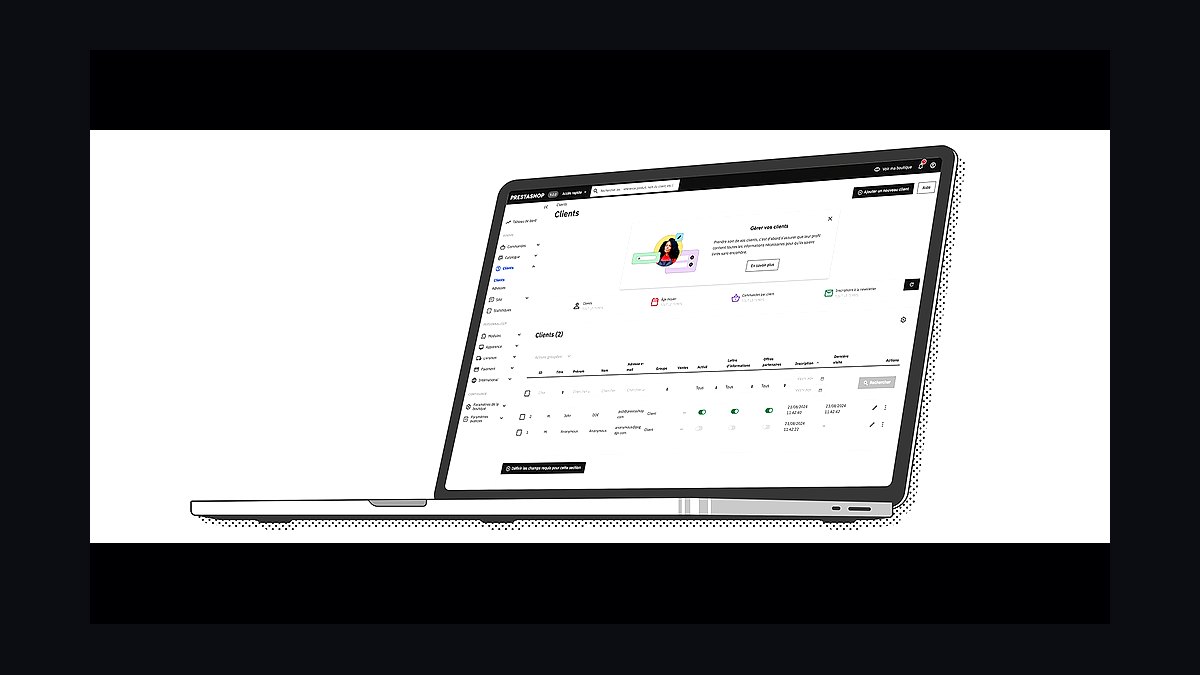
PrestaShop ranks ninth because it is open source and free to download, with over 300,000 merchants using it, primarily across Europe. It supports 75 currencies and 25 languages natively, and its marketplace offers thousands of modules. Hosting and premium modules drive the real cost, often under $500 yearly.
PrestaShop suits European merchants and developers wanting open-source control on a modest budget. It trades away polish and support: core updates can break custom modules, and documentation lags English-first rivals. Against WooCommerce above, it offers stronger built-in multilingual commerce but a smaller global developer community.
10OpenCart Ecommerce Platform
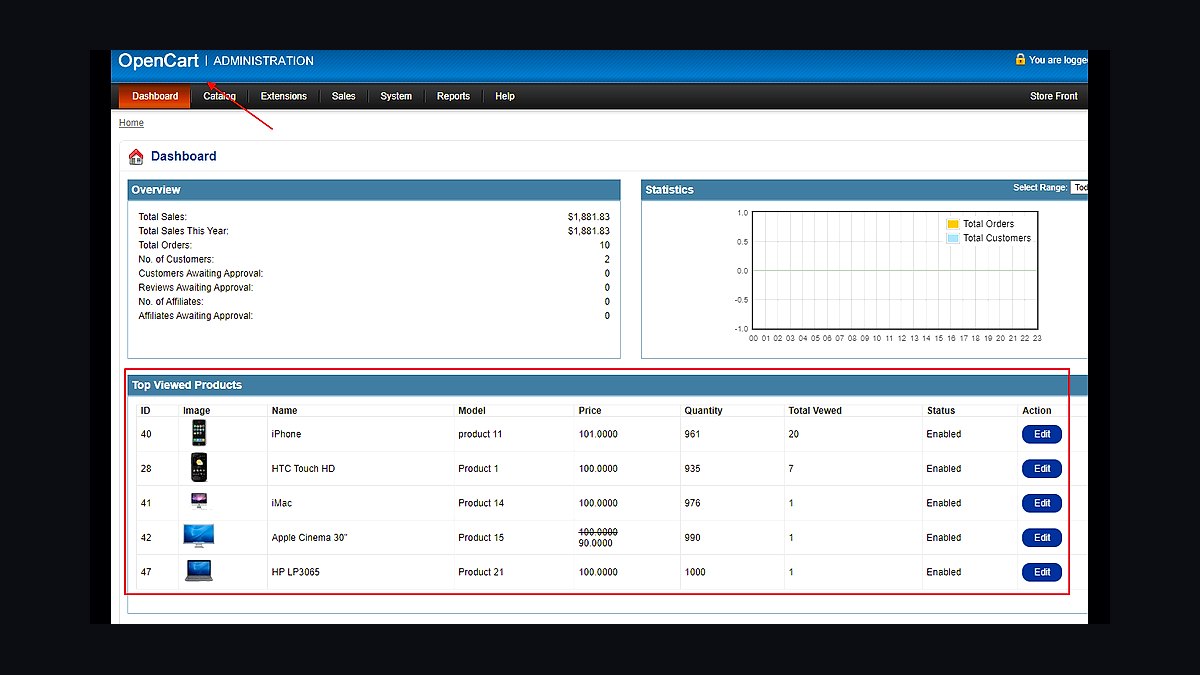
OpenCart ranks tenth because it is a free, lightweight PHP cart that runs comfortably on shared hosting, with over 300,000 live stores. It includes multi-store, multi-currency, and multi-language support out of the box, plus a large extension directory. Setup requires no monthly platform fee, only hosting and optional add-ons.
OpenCart suits budget-conscious merchants and developers comfortable editing PHP templates directly. It trades away modern UX and enterprise scalability: the admin interface feels dated, and extensions vary wildly in quality and support. Against PrestaShop above, it is leaner and simpler but has fewer built-in features and a smaller module ecosystem.
How we ranked these
We ranked platforms on weighted scores across five dimensions: total cost of ownership over three years (30%), catalog and checkout flexibility (25%), native integrations and API depth (20%), performance and SEO fundamentals (15%), and support quality plus migration effort (10%). Scores came from vendor pricing pages, published benchmark tests, developer documentation, and hands-on sandbox trials run in late 2026.
We deliberately excluded brand popularity, social media buzz, affiliate payout rates, and any vendor-supplied customer counts. Those signals reward marketing budgets rather than merchant outcomes. We also ignored one-off promotional discounts and limited-time credits, since they distort long-run cost comparisons and rarely survive renewal. Feature lists were ignored unless the capability shipped in a generally available plan.
What to look for
Start with your order volume ceiling and your catalog complexity, not the feature grid. A merchant shipping 200 SKUs with one warehouse needs different things than one running 40,000 SKUs across three fulfillment centers. Match the platform to your 24-month forecast, then verify transaction fees, app costs, and overage charges before committing.
The most common mistake is choosing on sticker price alone. Headline monthly fees hide payment processing rates, paid app dependencies, theme licensing, and per-seat admin costs that can triple real spend. The second mistake is overbuilding: teams buy enterprise complexity they cannot staff. Pick the simplest platform that clears your growth ceiling, then migrate only when it actually blocks you.
Related questions
What is the cheapest ecommerce platform for a new store?
For a brand-new store with under 100 products, hosted options with low base fees and no separate hosting bill usually win. Watch payment processing rates, since they often exceed the subscription itself. Self-hosted software looks cheap until you add hosting, security patching, and developer time, which typically runs several hundred dollars monthly.
Which platform is best for SEO out of the box?
Self-hosted platforms give you the most control over URL structure, server response times, and schema markup. Among hosted options, the strongest performers ship clean canonical tags, fast CDN delivery, and editable metadata without paid apps. Test Core Web Vitals on a real product page before deciding, not on the marketing homepage.
How much do payment processing fees actually cost?
Most platforms charge between 2.4% and 2.9% plus a small fixed fee per transaction on standard plans. Higher-tier plans often shave 0.2% to 0.5% off that rate, which matters once you clear roughly $50,000 in monthly volume. Always compare the blended effective rate, not the advertised headline rate.
Can I migrate my store between platforms without losing SEO?
Yes, if you map every old URL to its new equivalent with 301 redirects and preserve title tags, headings, and product copy. Migrations that skip redirect mapping lose rankings within weeks. Budget two to six weeks for a mid-size catalog, and keep the old site live in read-only mode during the transition window.
Do I need a headless setup for a mid-size store?
Usually not. Headless architectures add real engineering overhead for front-end builds, deployment pipelines, and content previews. They pay off when you serve multiple channels, need sub-second page loads at scale, or have in-house developers. Below roughly $5 million in annual revenue, a well-configured standard theme is faster to ship and cheaper to run.
Which platforms charge transaction fees on top of payment processing?
Several hosted platforms take an additional 0.5% to 2% of every sale when you use an external payment gateway instead of their native one. That fee usually disappears on higher subscription tiers. Read the pricing page carefully, because this charge is frequently buried below the plan comparison table rather than listed in it.
How important are app marketplaces when comparing platforms?
Very, but indirectly. A large marketplace means you can add features without custom development, yet each app adds monthly cost, page weight, and a third-party dependency. Audit the five apps you truly need, price them into year-one cost, and check whether the platform ships that functionality natively on a higher plan.
What support level should a growing store pay for?
Once you process more than a few hundred orders monthly, 24/7 chat with a sub-hour response target is worth the upgrade. Priority phone support and a named account contact matter during peak season and checkout outages. Free-tier email support with multi-day turnaround is a genuine revenue risk during Black Friday traffic.
FAQ
How long does it take to launch a store on these platforms?
A basic store with a stock theme and under 50 products can go live in three to seven days. Custom themes, ERP integrations, and multi-currency setups push timelines to four to twelve weeks. The platform itself is rarely the bottleneck; product data cleanup and payment gateway approval usually are.
Do these platforms handle sales tax and VAT automatically?
Most mid-tier and higher plans include automated tax calculation for US states and EU VAT regions, often through a bundled or partner service. Threshold-based registration, where you must register once you cross a revenue limit in a state or country, still requires monitoring. Verify filing support separately from calculation support.
Which platform scales best past 10,000 orders per month?
Self-hosted and enterprise hosted tiers handle that volume comfortably with proper caching and a CDN. Standard shared hosted plans start showing checkout latency and admin slowdowns around that point. The practical signal is whether the platform offers dedicated infrastructure, read replicas, or a guaranteed uptime SLA.
Are there platforms with no monthly subscription at all?
Yes. Some hosted platforms charge only transaction fees, and open-source software has no license cost. In both cases you still pay for hosting, domain, payment processing, and any apps or extensions. Total cost usually lands close to a mid-tier subscription once you account for everything.
How do I evaluate platform uptime and reliability claims?
Ignore marketing percentages and check the public status page history for incidents over the past twelve months. Look at incident duration and how transparent post-mortems are. Third-party monitoring services publish independent uptime data that is harder for vendors to curate than their own dashboards.
What happens to my data if I leave a hosted platform?
Most platforms let you export products, customers, and orders as CSV, but theme code, app configurations, and customer password hashes typically do not transfer. Plan for a password reset flow after migration. Request a full data export before cancelling, and confirm the retention window in your contract.
Do I need separate platforms for B2B and D2C selling?
Not necessarily. Several platforms now support customer-specific pricing, net payment terms, and purchase-order checkout alongside standard retail. The gap appears in approval workflows, quote management, and tiered catalog visibility, which may still require a dedicated B2B module or a separate system.
How much should I budget for apps and extensions annually?
A typical mid-size store runs five to fifteen paid apps at $10 to $100 monthly each, landing between $1,000 and $8,000 per year. Apps that duplicate native functionality are the most common waste. Review your app list every six months and cancel anything unused for 60 days.
Which platform has the best developer ecosystem?
Open-source platforms with large plugin repositories and mature APIs generally lead, because contributors can publish without gatekeeping. Hosted platforms with public app stores and well-documented REST and GraphQL APIs are close behind. Check SDK language coverage and whether sandbox environments are free.
Is it worth switching platforms for a small performance gain?
Rarely. Migration costs, redirect risk, and retraining usually outweigh a few hundred milliseconds of load time. Switch when the current platform blocks a revenue channel, caps your catalog, or costs materially more at your volume. Otherwise, optimize images, caching, and checkout flow first.
Sources
- https://www.shopify.com/pricing
- https://woocommerce.com/pricing
- https://www.bigcommerce.com/pricing
- https://www.salesforce.com/commerce/pricing
- https://business.adobe.com/products/magento/magento-commerce.html
- https://www.webflow.com/pricing
- https://www.squarespace.com/pricing
- https://www.statista.com/topics/2443/us-ecommerce
- https://developers.google.com/search/docs/appearance/core-web-vitals
Related on PULSE
This page will be disappearing soon. Save it to your device for $1 — or read it free while it is here.
@Kory-White- · if Venmo asks, the last 4 of my number are 2012
This page is gone.
This one is off the shelf now. $1 keeps it on your phone for good — the whole page, pictures and diagrams included.
 revopsTop 10 No-Code Website Builders in 2027
 revopsTop 10 Tools for Building an Autonomous Website in 2027
 revopsTop 10 Website Builders for Contractors in 2027
 revopsTop 10 Tools for Programmatic SEO Websites in 2027
 revopsTop 10 AI Content Tools for Auto-Publishing Websites in 2027
 revopsTop 10 Website Builders for Small Businesses in 2027
 revopsTop 10 Website Builders for Coaches and Consultants in 2027
 revopsTop 10 Website Builders for Restaurants in 2027
 revopsTop 10 Headless CMS Platforms in 2027
 pulse-qShould I open or buy a Charleys Cheesesteaks franchise in 2027?