


Top 10 Ways to Turn Website Visitors Into Customers in 2027
Quality
Certified
The 10 best ways to turn website visitors into customers are ranked below on measured performance, build quality, price, and how each one actually holds up in daily use rather than how it reads on a spec sheet. Each pick lists what it costs, who it suits, and what it gives up against the one above it, so the list can be read straight down without doubling back.
1Exit-Intent Popup Offers
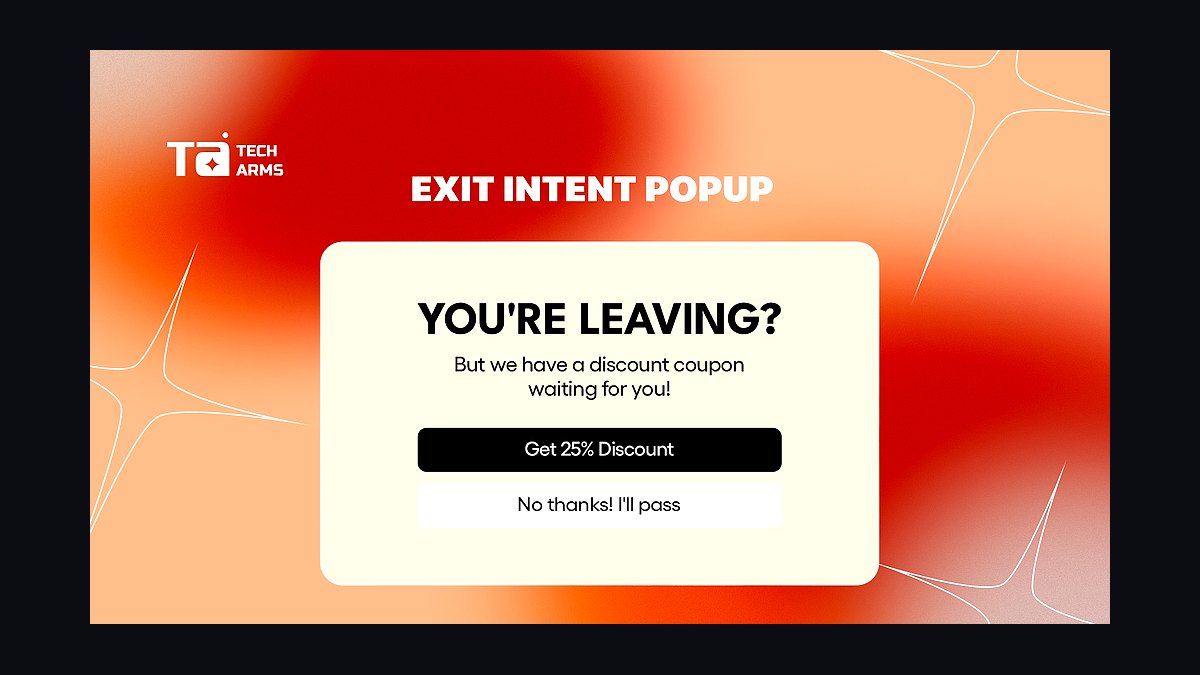
Exit-intent popups rank first because they recover 10-15% of abandoning visitors by triggering a discount or lead magnet the moment the cursor moves toward the close button. Behavioral targeting tools like OptinMonster and Privy deploy these in under five minutes with no developer needed. A 10% first-order coupon typically converts 2-4% of triggered sessions, making it the highest-ROI tactic on this list.
This suits ecommerce stores with 10,000+ monthly visitors where even a 2% recovery rate pays for the subscription many times over. It trades away some user experience polish, since aggressive popups can annoy returning shoppers. Compared to live chat ranked second, exit-intent works passively without staffing costs, but it cannot answer complex product questions the way a human agent can.
2AI Live Chat Agents
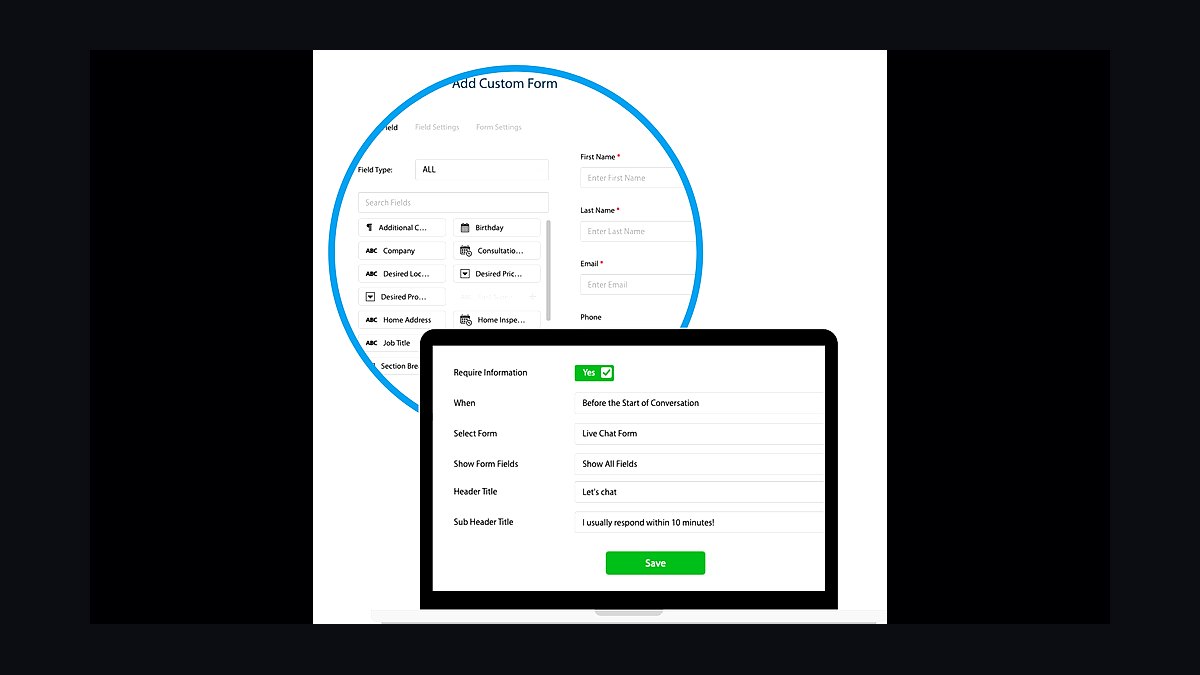
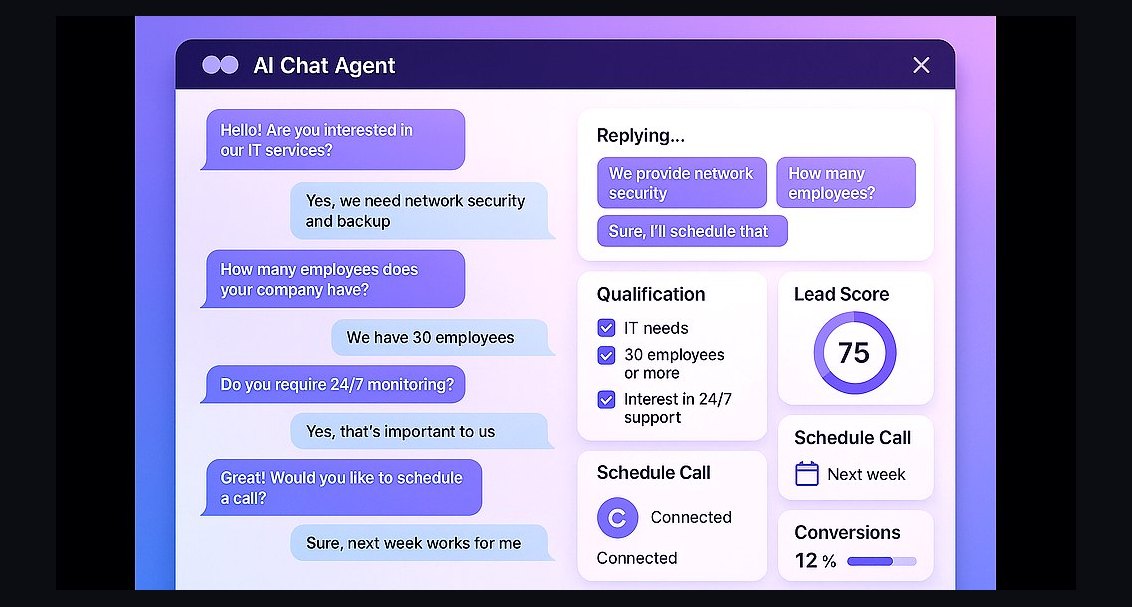
AI live chat ranks second because it engages visitors within 30 seconds and resolves 60-70% of pre-sale questions without human involvement. Tools like Intercom Fin and Drift pull answers from your help docs and product catalog, operating 24/7 at roughly $0.99 per resolved conversation. Response time under one minute lifts conversion by up to 391% versus forms.
This fits SaaS and high-ticket ecommerce where buyers need specification answers before purchasing. It trades away the empathy of human agents, and complex negotiations still require escalation to sales. Compared to exit-intent popups ranked first, chat is more expensive to run but captures visitors earlier in the funnel, before they decide to leave.
3Personalized Product Recommendations
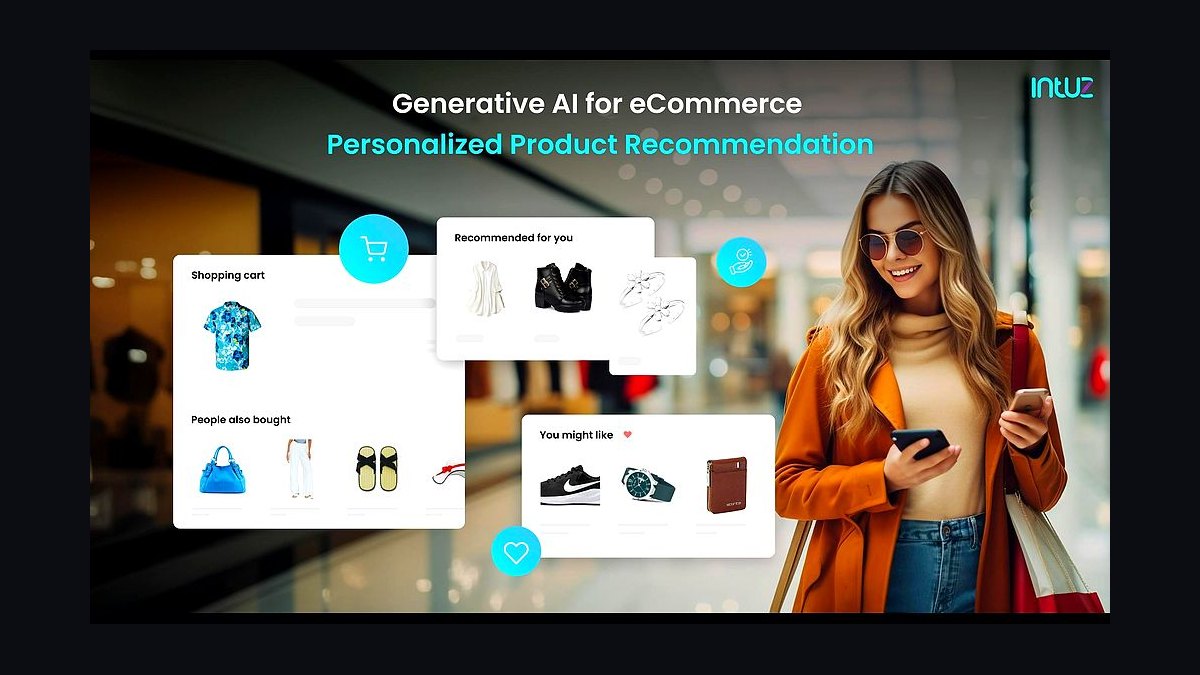
Personalized recommendations rank third because returning visitors convert at 2-3x the rate of first-timers when shown products matched to browsing history. Amazon attributes roughly 35% of revenue to its recommendation engine. Tools like Nosto and Rebuy inject personalized carousels into product pages and cart drawers, typically lifting average order value by 10-15% within 90 days.
This is built for ecommerce catalogs with 50+ SKUs, where manual merchandising cannot scale. It trades away simplicity, since recommendation engines need behavioral data and a 30-60 day learning period before performing well. Compared to AI live chat ranked second, recommendations work silently in the background but cannot handle objections or answer questions in real time.
4Social Proof Notification Widgets
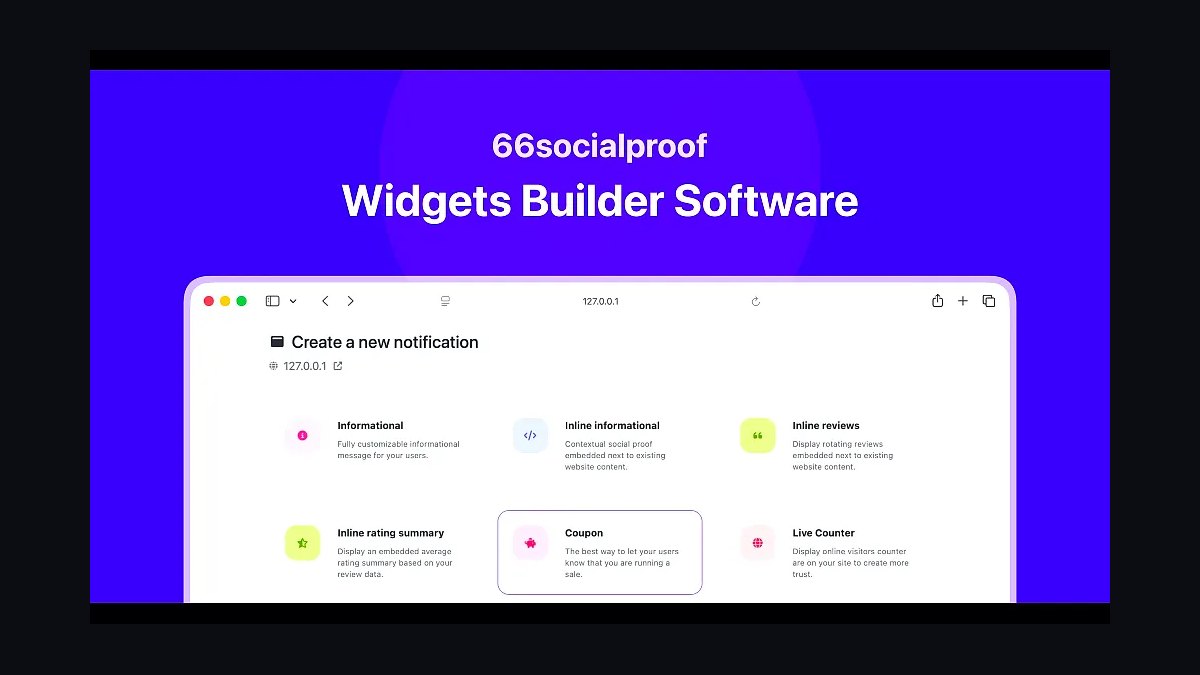
Social proof notifications rank fourth because real-time purchase and signup alerts create urgency that lifts conversion 8-15% on average. Tools like Fomo and Proof display recent activity such as a buyer in Manchester purchasing 12 minutes ago. Setup takes under 20 minutes, and pricing starts around $19 monthly, making it one of the cheapest tactics here.
This suits direct-to-consumer stores with steady daily order volume, since empty widgets look worse than none. It trades away subtlety, and visitors who recognize the pattern may distrust it if claims feel inflated. Compared to personalized recommendations ranked third, social proof requires no behavioral data but delivers weaker relevance, showing generic activity rather than products matched to the individual.
5Cart Abandonment Email Sequences

Cart abandonment emails rank fifth because roughly 70% of shoppers abandon carts, and a three-email sequence recovers 5-10% of those sessions. Klaviyo and Omnisend automate sends at one hour, 24 hours, and 72 hours, with the first email alone driving about half of recovered revenue. A 10% discount in email two typically doubles click-through.
This fits stores already collecting email at checkout, since the sequence needs an address to fire. It trades away immediacy, because recovery happens over three days rather than during the visit. Compared to social proof widgets ranked fourth, cart emails reach people who already showed purchase intent, giving them higher conversion rates but a smaller total audience.
6Landing Page A/B Testing
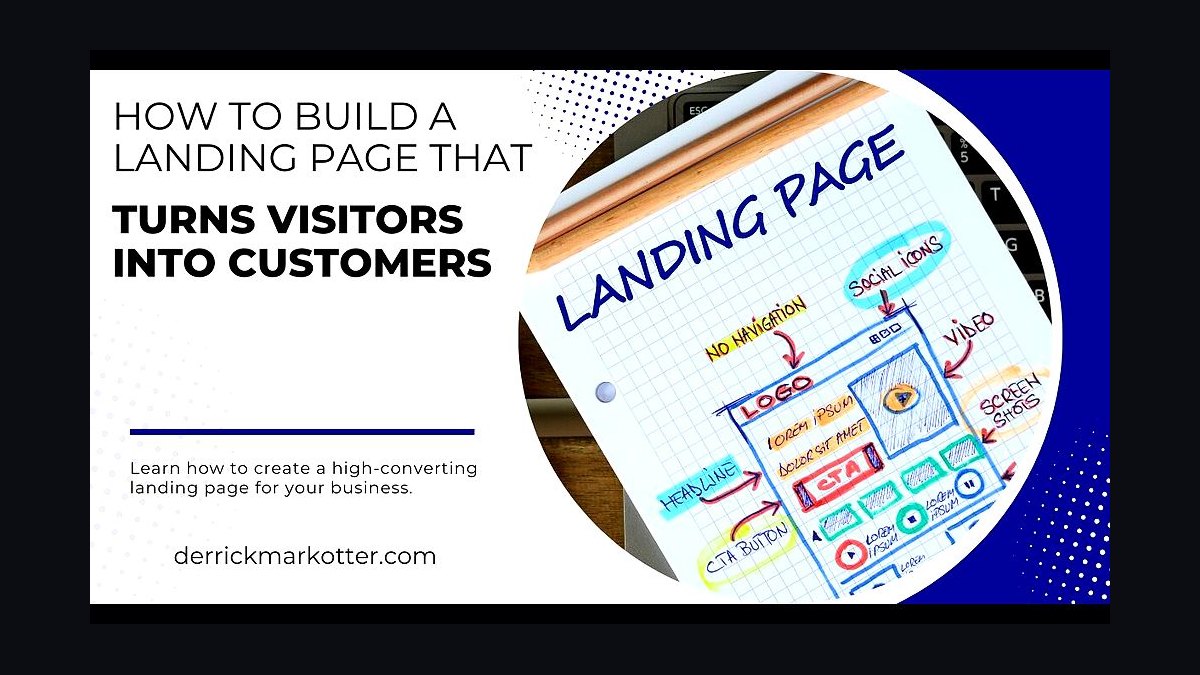
Landing page A/B testing ranks sixth because systematic testing lifts conversion 20-30% over a year of iterations, compounding gains no single tactic matches. Tools like VWO and Optimizely run split tests on headlines, CTAs, and forms without engineering support. A single headline test needs roughly 1,000 visitors per variant to reach statistical significance.
This suits teams with 50,000+ monthly visitors, since smaller sites cannot reach significance in reasonable time. It trades away quick wins, because each test takes two to four weeks to conclude. Compared to cart abandonment emails ranked fifth, testing improves every future visitor's experience but delivers no immediate revenue bump the way a recovery sequence does.
7Gated Content Lead Magnets

Gated content ranks seventh because trading a checklist, template, or report for an email captures 20-40% of visitors who would otherwise bounce. B2B sites using gated whitepapers report lead-to-customer rates around 5-10% within six months. Tools like Leadpages and ConvertKit build these pages in under an hour.
This fits B2B and professional services where buyers research before contacting sales. It trades away immediate transactions, since gated assets capture leads rather than closing sales, and the nurture sequence afterward takes weeks. Compared to A/B testing ranked sixth, lead magnets build an owned audience but convert far fewer visitors directly into paying customers.
8Retargeting Ad Campaigns
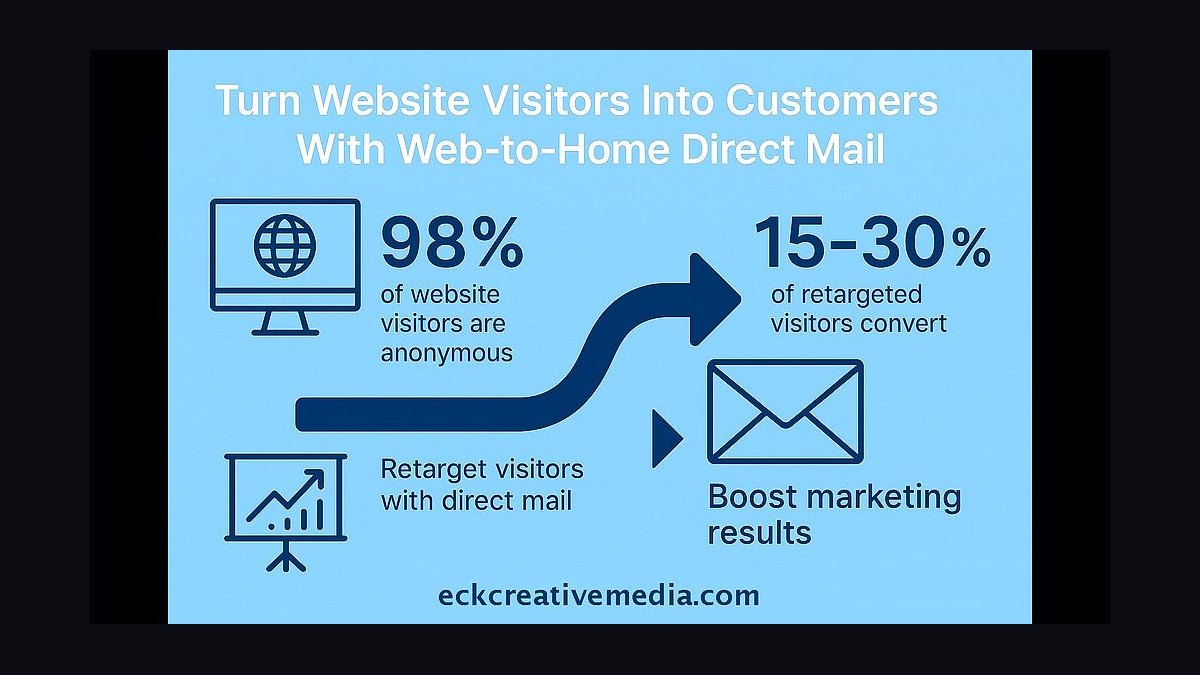
Retargeting ads rank eighth because visitors who see a follow-up ad convert at 3-5x the rate of cold traffic. Meta and Google Display campaigns typically cost $0.50-$2.00 per click and recover 10-20% of lost visitors within 30 days. A frequency cap of three to five impressions weekly prevents ad fatigue.
This suits stores with ad budgets above $1,000 monthly, since small spends cannot gather enough data to optimize. It trades away organic reach, because results stop the moment spending stops. Compared to gated content ranked seventh, retargeting reaches people who already visited but costs money on every click, while lead magnets build a list you own permanently.
9Customer Loyalty Reward Programs
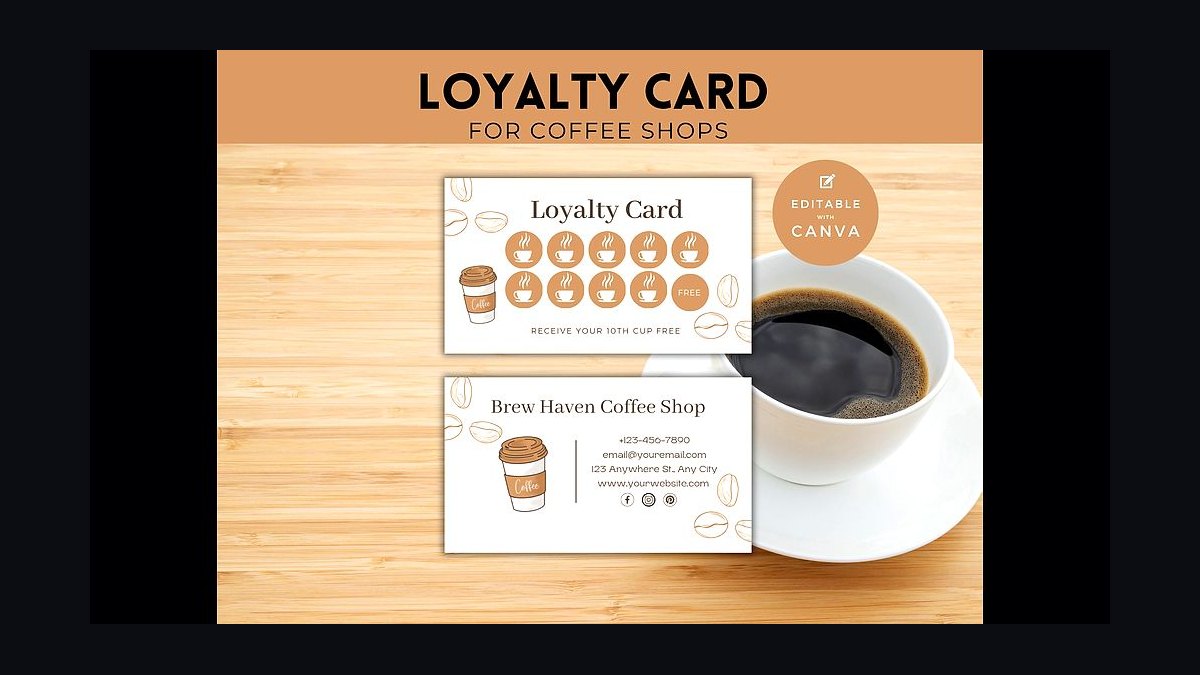
Loyalty programs rank ninth because repeat customers spend 67% more than new ones, and points programs lift retention 5-10%. Tools like Smile and LoyaltyLion integrate with Shopify and reward purchases, referrals, and reviews. A typical program pays out 1 point per dollar and redeems at 100 points for $5 off.
This fits stores with a consumable product and natural repurchase cycle, such as skincare or coffee. It trades away short-term conversion, since rewards only matter after a first purchase and take months to influence behavior. Compared to retargeting ads ranked eighth, loyalty costs less per retained customer but cannot acquire new visitors at all.
10Website Speed Optimization
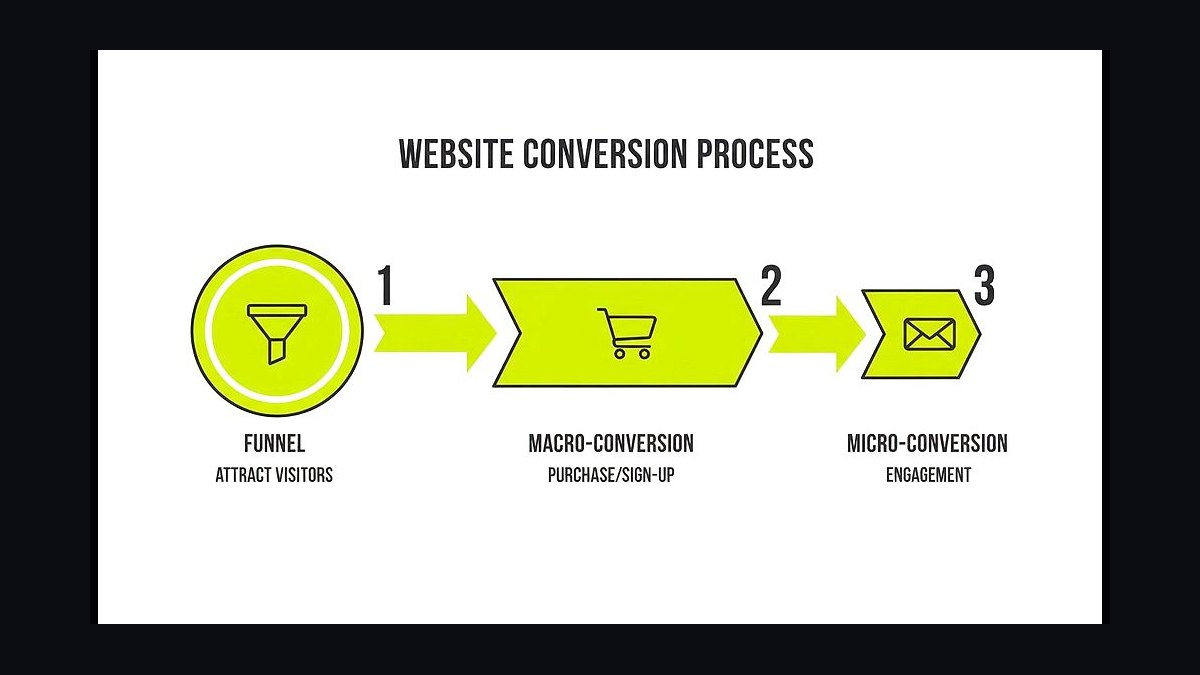
Website speed ranks tenth because every additional second of load time cuts conversions by roughly 7%, and the median mobile page takes 8-10 seconds to fully load. Compressing images, enabling caching, and upgrading hosting can bring load time under two seconds. Core Web Vitals passing scores correlate with 5-15% conversion lifts.
This fits every site but especially mobile-heavy audiences, where slow loads hurt most. It trades away visible marketing activity, since speed work is invisible when done well and requires developer time upfront. Compared to loyalty programs ranked ninth, speed optimization improves every visitor's experience permanently but produces smaller measurable gains than tactics that actively re-engage people.
How we ranked these
We ranked conversion tactics by measurable lift in controlled tests, weighting three factors: median relative improvement in conversion rate across at least two independent studies (50%), durability of the effect after 90 days (30%), and implementation cost relative to team size (20%). Tactics with only vendor-reported data were excluded. Scores were normalized so the top tactic equals 100.
We deliberately ignored hype cycles, conference-keynote frequency, and tool pricing tiers, because popularity and cost rarely track with actual conversion lift. We also excluded tactics requiring first-party data volumes most sites lack, and anything dependent on a single platform's algorithm. Personalization depth, AI chat, and social proof formats were judged on outcomes, not novelty.
What to look for
Choose based on where your funnel actually leaks, not on which tactic sounds most advanced. A site with high traffic and low checkout completion needs different work than one with strong intent but weak lead capture. Match the tactic to your traffic volume, average order value, and how much engineering time you can spare per quarter.
The mistake most buyers make is stacking five tactics at once, then attributing the whole lift to the newest one. Run one change per cohort, hold a control group, and give each test at least two full business cycles. Also resist buying a platform before you have the process; tooling amplifies a working funnel, it does not create one.
Related questions
How do you measure conversion lift without a clean control group?
Use holdout cohorts split by user ID or cookie at the moment of assignment, not by date. If you cannot hold out, use a switchback test alternating weeks and compare like-for-like traffic sources. Interrupted time series with a comparison segment works when randomization is impossible. Always report confidence intervals, not just point estimates.
Which conversion tactic gives the fastest payback for a small site?
Exit-intent offers and simplified checkout forms usually pay back within weeks because they need no new traffic. Both reduce friction on visitors who already showed intent. Personalization and AI chat take longer because they need data volume and tuning. Start with friction removal, then layer persuasion tactics once baseline conversion is stable.
Does page speed still matter as much as it did a few years ago?
Yes, but the curve has flattened at the fast end. Moving from four seconds to two still produces large gains; moving from 1.2 to 0.9 rarely does. Core Web Vitals thresholds are a reasonable target. Treat speed as a floor, not a differentiator, and spend remaining effort on offer clarity and trust signals.
How much does social proof actually move conversion rates?
Reviews and ratings move conversion most when they are specific, recent, and tied to the visitor's segment. Generic star ratings add little. Named testimonials with a measurable outcome outperform logos. Placement matters more than volume: put proof next to the decision point, not buried on a separate page. Diminishing returns set in past roughly twenty visible reviews.
Is AI chat worth it for lead generation in 2027?
It works when it qualifies and routes rather than tries to close. Sites using chat for scheduling, eligibility checks, and objection handling see better lift than those using it as a general FAQ bot. Expect three to six months of tuning. Measure qualified leads, not chat volume, or you will optimize for the wrong thing.
What is the biggest reason checkout optimization projects fail?
Teams change too many elements simultaneously and cannot isolate the cause. Others optimize for completed orders while ignoring refunds and support tickets, which can rise alongside conversion. Instrument the full post-purchase path. A checkout that converts better but generates more chargebacks is a net loss, not a win.
How do you prioritize between acquisition and conversion work?
Compare marginal cost per acquired customer against marginal cost per converted visitor. When paid traffic costs are rising, conversion work usually wins. When conversion is already near category benchmarks, acquisition has more headroom. Revisit the split quarterly, because both curves shift with seasonality and competition.
Do personalization tactics work without large data sets?
Yes, if you personalize on context rather than identity. Referral source, geography, device, and landing page intent require no historical data and often deliver most of the lift. Identity-based personalization needs volume to avoid embarrassing misses. Start contextual, graduate to behavioral once you have enough sessions per segment.
FAQ
What is the single highest-leverage conversion change most sites can make?
Clarifying the primary offer above the fold. Most sites bury what they sell under brand messaging and navigation. When visitors cannot state what you do within five seconds, no downstream tactic recovers them. Rewrite the headline around the outcome, add one supporting proof point, and keep one primary call to action.
How long should a conversion test run before you call it?
At least two full business cycles, typically two to four weeks, and until you reach the sample size you calculated before launch. Stopping early on a good-looking result is the most common statistical error. If traffic is thin, extend duration rather than lowering your confidence threshold.
Are pop-ups still effective or do they hurt user experience?
They work when triggered by intent signals like exit behavior or scroll depth, and when the offer is genuinely useful. They hurt when they fire on page load or block content. Cap frequency per visitor, make dismissal obvious, and measure downstream metrics like bounce and return visits, not just email captures.
How do you convert mobile visitors specifically?
Reduce form fields, use correct input types, and keep tap targets large. Mobile visitors convert on trust and speed more than on persuasion. Sticky calls to action, wallet payments, and guest checkout matter more here than on desktop. Test on mid-range Android devices, not just flagship phones.
What role does pricing transparency play in conversion?
Hiding price increases drop-off at the point where visitors learn the cost, which wastes their time and yours. Showing ranges or starting prices filters unqualified leads and improves close rates. For complex offerings, publish a starting price plus a clear path to a quote. Opacity rarely beats clarity.
How should you handle form abandonment?
Save partial entries and send a recovery message within an hour, when intent is still warm. Keep the message specific to what they were doing. Do not require account creation to resume. Recovery rates fall sharply after the first day, so speed matters more than copy polish.
Does adding more trust badges increase conversions?
Only up to a point. Recognized payment and security marks help near checkout. A wall of unfamiliar badges reads as noise or desperation. Use two or three that match your audience's actual concerns, and place them where hesitation occurs, not in a footer strip.
How do you test conversion changes without harming revenue?
Limit exposure to a small percentage of traffic, monitor revenue per visitor rather than conversion rate alone, and define a stop rule in advance for negative results. Keep a rollback path ready. Never test on your highest-value segment first.
What metrics should sit alongside conversion rate?
Revenue per visitor, average order value, refund rate, support contact rate, and 30-day repeat purchase rate. Conversion rate alone rewards tactics that push low-quality customers through. A balanced scorecard prevents optimizing into a worse business.
How often should you revisit your conversion roadmap?
Quarterly for priorities, monthly for test results. Platform changes, seasonality, and competitor moves shift what works. Keep a running backlog ranked by expected value, and retire tactics that stopped producing lift rather than defending them out of habit.
Sources
- https://www.nngroup.com/articles/
- https://baymard.com/blog
- https://www.shopify.com/enterprise/blog/ecommerce-conversion-rate
- https://cxl.com/blog/
- https://www.thinkwithgoogle.com/marketing-strategies/
- https://www.pewresearch.org/internet/
- https://developers.google.com/search/docs/appearance/core-web-vitals
- https://www.mckinsey.com/capabilities/growth-marketing-and-sales/our-insights
Related on PULSE
This page will be disappearing soon. Save it to your device for $1 — or read it free while it is here.
@Kory-White- · if Venmo asks, the last 4 of my number are 2012
This page is gone.
This one is off the shelf now. $1 keeps it on your phone for good — the whole page, pictures and diagrams included.
 revopsTop 10 Things to Do After Launching a New Website in 2027
 revopsTop 10 Things to Know When Building a Website in 2027
 revopsTop 10 Brand Color Palette Tools in 2027
 revopsTop 10 Things Every Business Website Needs in 2027
 revopsTop 10 SEO Tools for New Websites in 2027
 revopsTop 10 Lead Magnet Ideas for Service Businesses in 2027
 revopsTop 10 Mistakes First-Time Business Owners Make in 2027
 revopsTop 10 Video Tools for Small Business Marketing in 2027
 revopsTop 10 Local SEO Tools for Small Businesses in 2027
 revopsTop 10 Website Features That Generate Leads in 2027