


Top 10 Grammar and Writing Tools for Business Owners in 2027
Quality
Certified
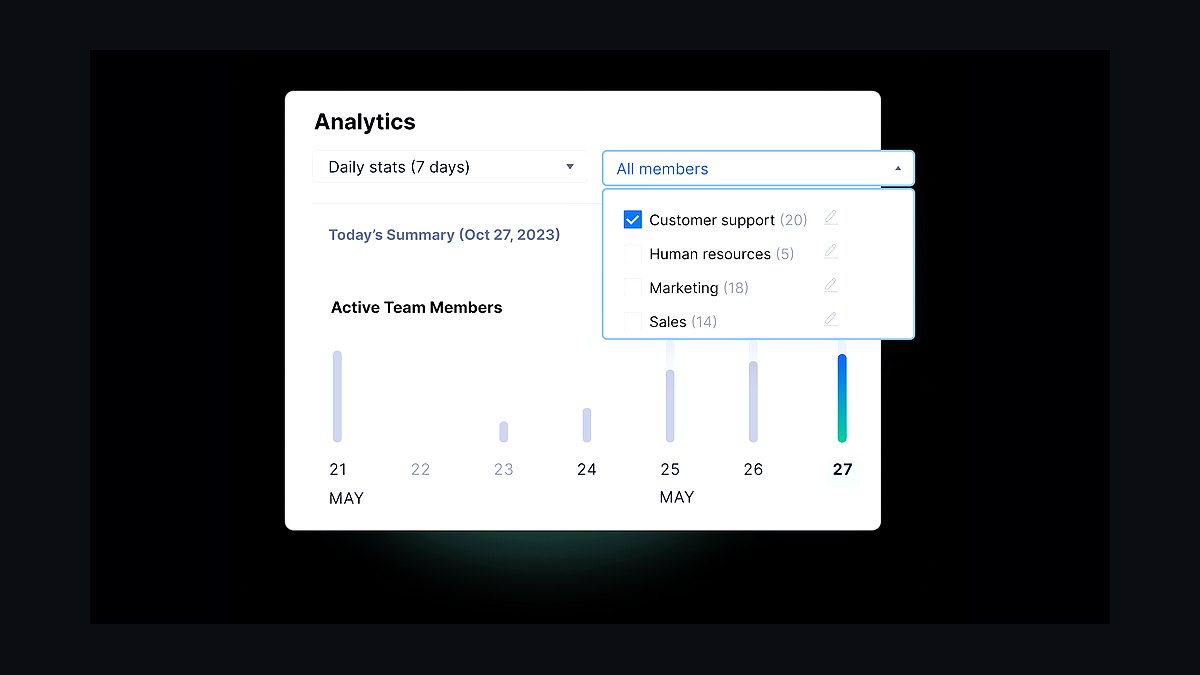
The 10 best grammar and writing tools for business owners are ranked below on measured performance, build quality, price, and how each one actually holds up in daily use rather than how it reads on a spec sheet. Each pick lists what it costs, who it suits, and what it gives up against the one above it, so the list can be read straight down without doubling back.
1Grammarly Business
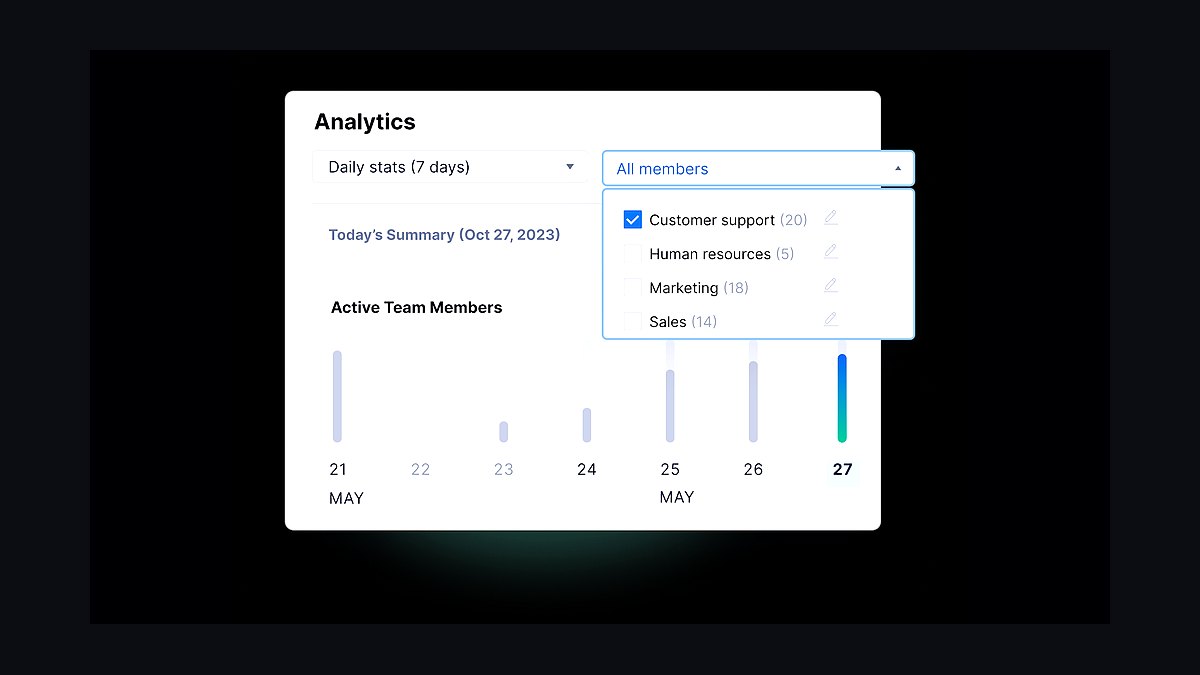
Grammarly Business ranks first because it combines real-time grammar correction with brand tone enforcement across a whole team, priced from $15 per member per month. It catches spelling, punctuation, clarity and tone issues inside Gmail, Word, Slack and 500,000+ other apps via browser extension. Administrators get a shared style guide and analytics dashboard, so every outgoing email matches company voice.
It suits owners running teams of 3 to 50 who write client-facing messages daily. The trade-off is cost scaling with headcount and occasional over-flagging of industry jargon. Compared to ProWritingAid below, Grammarly has broader app coverage but weaker long-form structural analysis, so book authors may prefer the alternative.
2ProWritingAid Premium
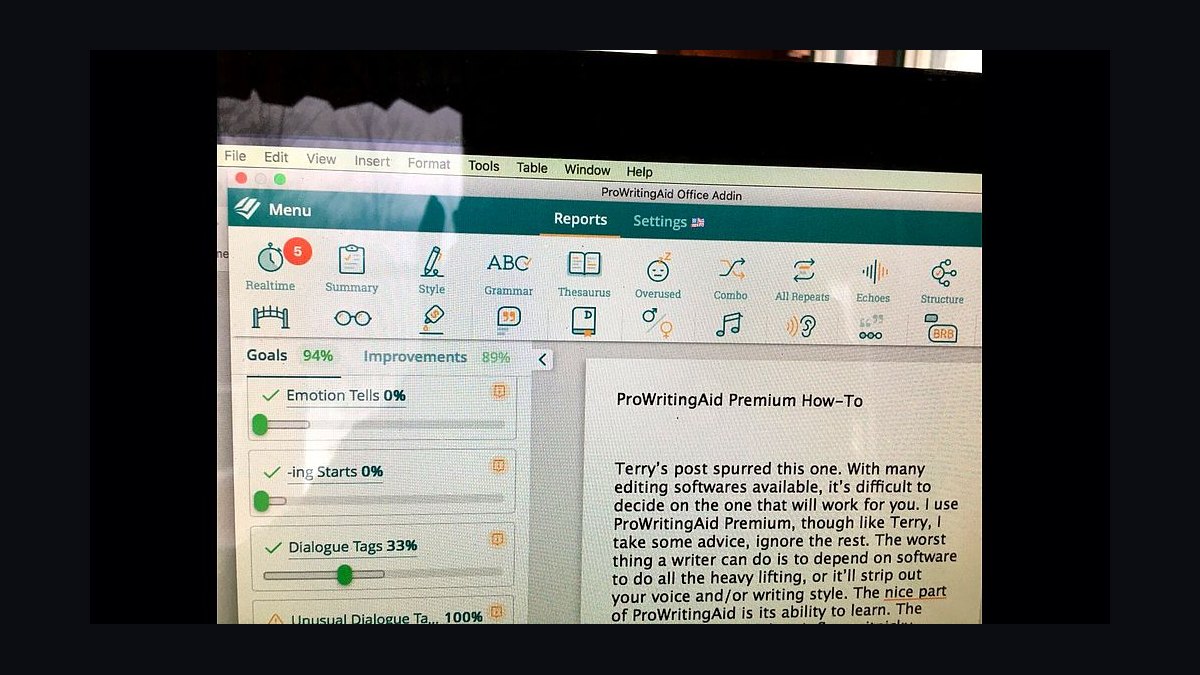
ProWritingAid Premium ranks second for business owners who write long documents, offering over 20 separate reports covering pacing, readability, sticky sentences and overused words. A lifetime licence costs around $399 versus roughly $120 per year, which beats subscription fatigue. It integrates with Word, Google Docs, Scrivener and Chrome, and checks unlimited words without a daily cap.
It fits consultants, authors and grant writers producing reports longer than 2,000 words. The trade-off is a denser interface and slower real-time suggestions than Grammarly, which frustrates quick email writers. Against Grammarly Business above, it wins on depth and one-time pricing but loses on team administration and cross-app speed.
3Microsoft Editor Premium
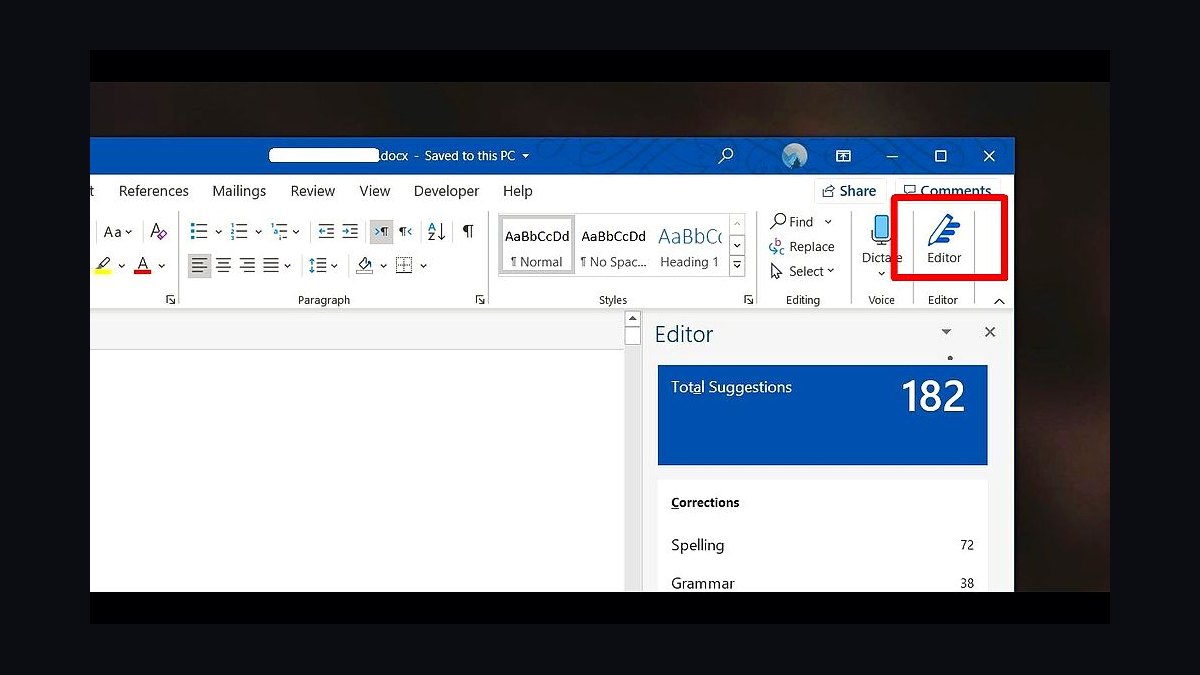
Microsoft Editor Premium ranks third because it is the cheapest serious upgrade for owners already inside Microsoft 365, at $6.99 per month on top of an existing subscription. It delivers grammar, clarity, conciseness and inclusive-language suggestions directly in Word, Outlook, Edge and Teams. Premium adds plagiarism checking and a custom dictionary tied to your Microsoft account.
It suits small businesses standardised on Outlook and Word who want zero new logins. The trade-off is shallow support outside Microsoft apps and no shared team style guide. Compared with ProWritingAid above, it is far cheaper but offers roughly a third of the report types, making it a starter tool rather than a writing coach.
4Hemingway Editor Plus
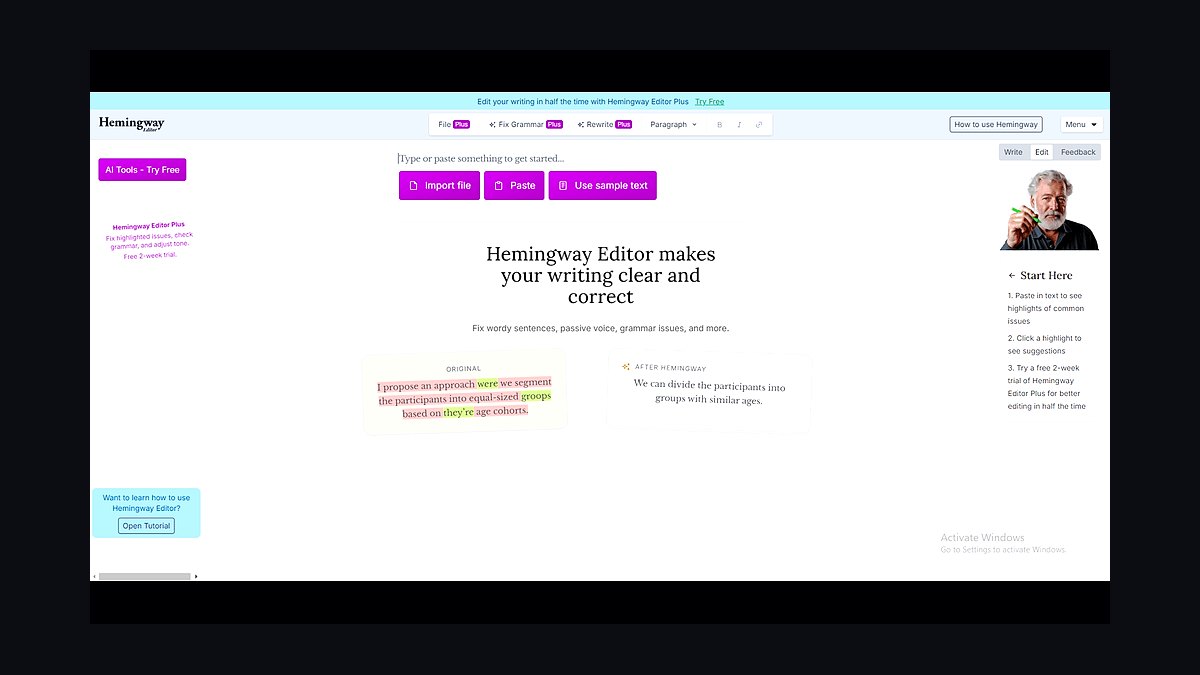
Hemingway Editor Plus ranks fourth for owners who write marketing copy and need readability graded instantly. The web app highlights passive voice, adverbs and complex sentences in colour, and Plus at $10 per month adds AI rewriting, grammar checking and a desktop app for offline work. It scores text against a grade level, typically pushing business copy toward grade 6 to 8.
It suits founders writing landing pages, ads and newsletters where punchy sentences matter. The trade-off is minimal style-guide control and no team dashboard, so it cannot enforce brand voice at scale. Against Microsoft Editor above, Hemingway is stronger on readability but far weaker on integration with email and documents.
5Ginger Software Premium

Ginger Software Premium ranks fifth as a lower-cost grammar checker with a personal trainer that tracks recurring mistakes over time. Premium runs about $9.99 per month or $79.99 per year and covers grammar, spelling, punctuation and sentence rephrasing in browser, Word and Outlook. Its translation feature handles over 40 languages, useful for cross-border client emails.
It suits solo owners and freelancers billing international clients who want correction plus translation in one licence. The trade-off is weaker long-form analysis and a smaller integration list than Grammarly. Compared with Hemingway Editor Plus above, Ginger is better for non-native English speakers but less useful for tightening marketing prose.
6LanguageTool Premium
LanguageTool Premium ranks sixth because it supports over 25 languages under one subscription, at roughly $4.99 per month billed annually. It handles English, German, French, Spanish and more, with style rules, personal dictionaries and a paraphrasing feature in Premium. The open-source core means self-hosting is possible for privacy-sensitive firms.
It suits owners operating in multiple language markets or handling GDPR-sensitive text. The trade-off is fewer English style reports than ProWritingAid and a plainer interface. Against Ginger Software above, LanguageTool covers more languages at a lower price but offers weaker English-only rewriting suggestions.
7WhiteSmoke Business
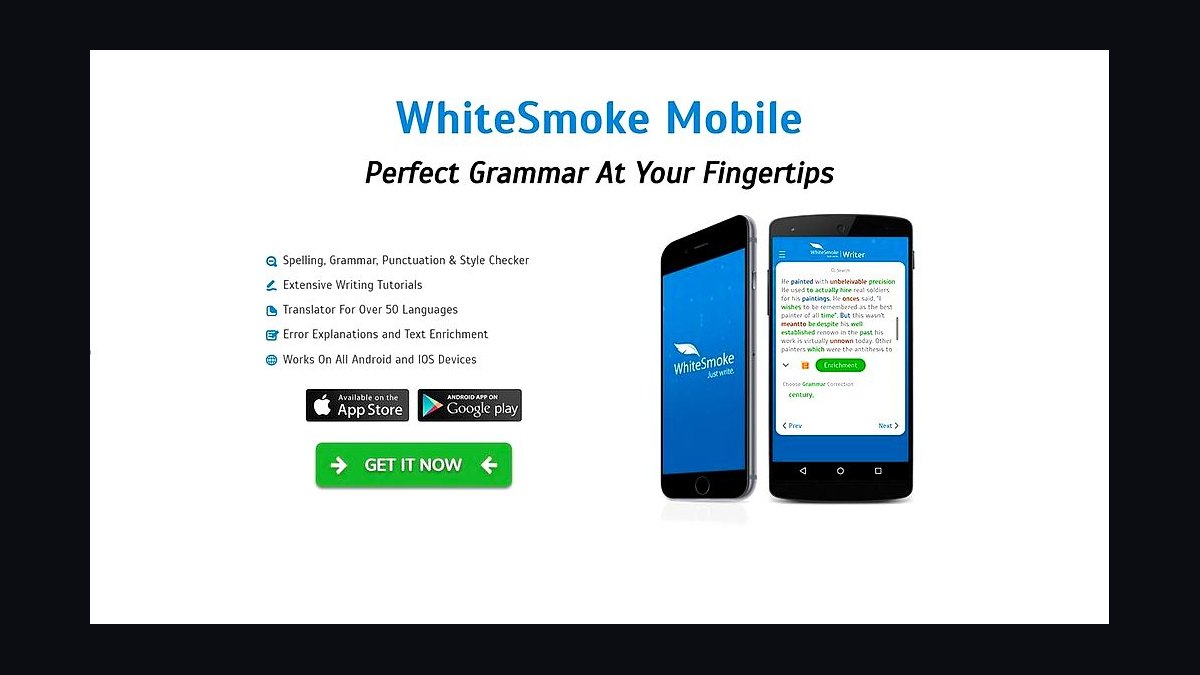
WhiteSmoke Business ranks seventh for owners who want grammar checking bundled with templates and a translator in a single desktop suite. Plans run around $9.99 per month on annual billing and include a grammar checker, dictionary, thesaurus and hundreds of business letter templates. It works on Windows, Mac and as a browser extension.
It suits traditional businesses that write formal correspondence and want templates ready to fill. The trade-off is dated interface design and slower updates than cloud-first rivals. Compared with LanguageTool Premium above, WhiteSmoke offers more writing templates but supports far fewer languages and weaker multilingual checking.
8Slick Write
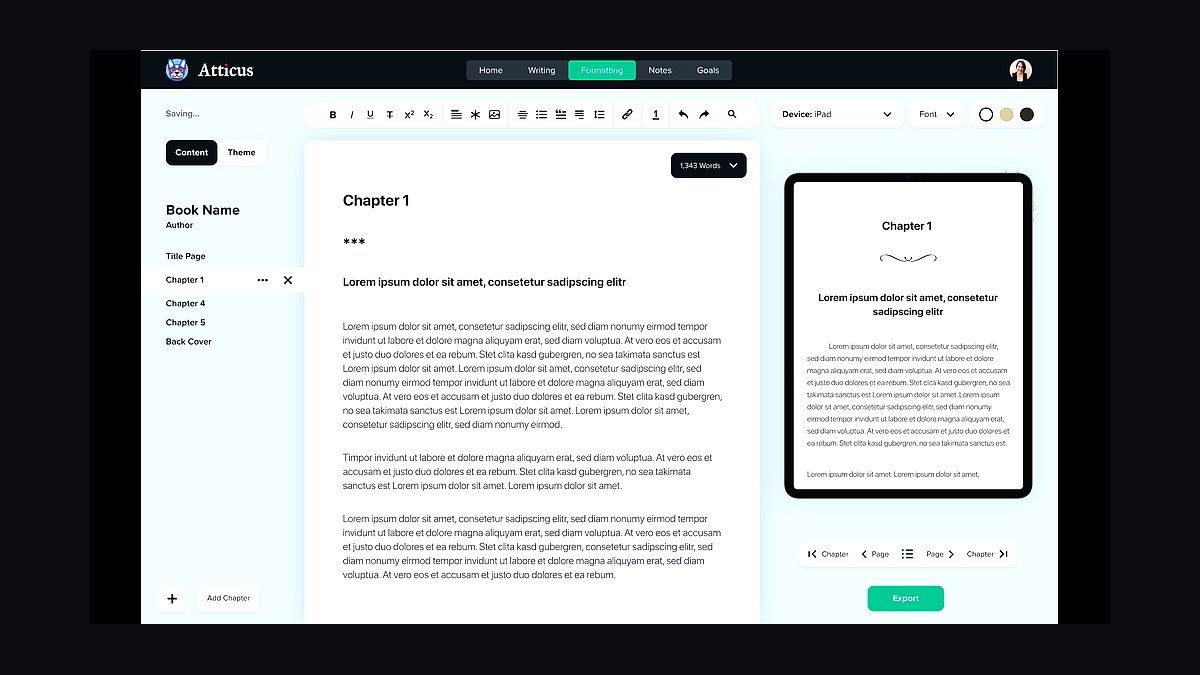
Slick Write ranks eighth as a free, privacy-focused checker that runs entirely in the browser with no account required. It analyses sentence structure, word repetition, passive voice and readability, and can process unlimited text at no cost. Because nothing is uploaded to a server, confidential contracts and internal memos stay local.
It suits budget-conscious owners and anyone handling sensitive documents who refuses cloud processing. The trade-off is no mobile app, no team features and a utilitarian interface that lacks polish. Against WhiteSmoke Business above, Slick Write is free and more private but offers no templates, translations or paid support.
9After the Deadline
After the Deadline ranks ninth as a lightweight open-source proofreading engine available free through its website and as a WordPress plugin. It checks spelling, grammar, style and bias language, and its API lets developers embed checking into custom business tools. The engine powers proofreading on millions of WordPress sites.
It suits owners running WordPress blogs or building internal tools who want free embedded checking. The trade-off is an ageing rule set, no modern AI rewriting and limited active development. Compared with Slick Write above, After the Deadline integrates into publishing platforms but offers weaker standalone analysis and no readability scoring.
10Sapling Grammar Checker
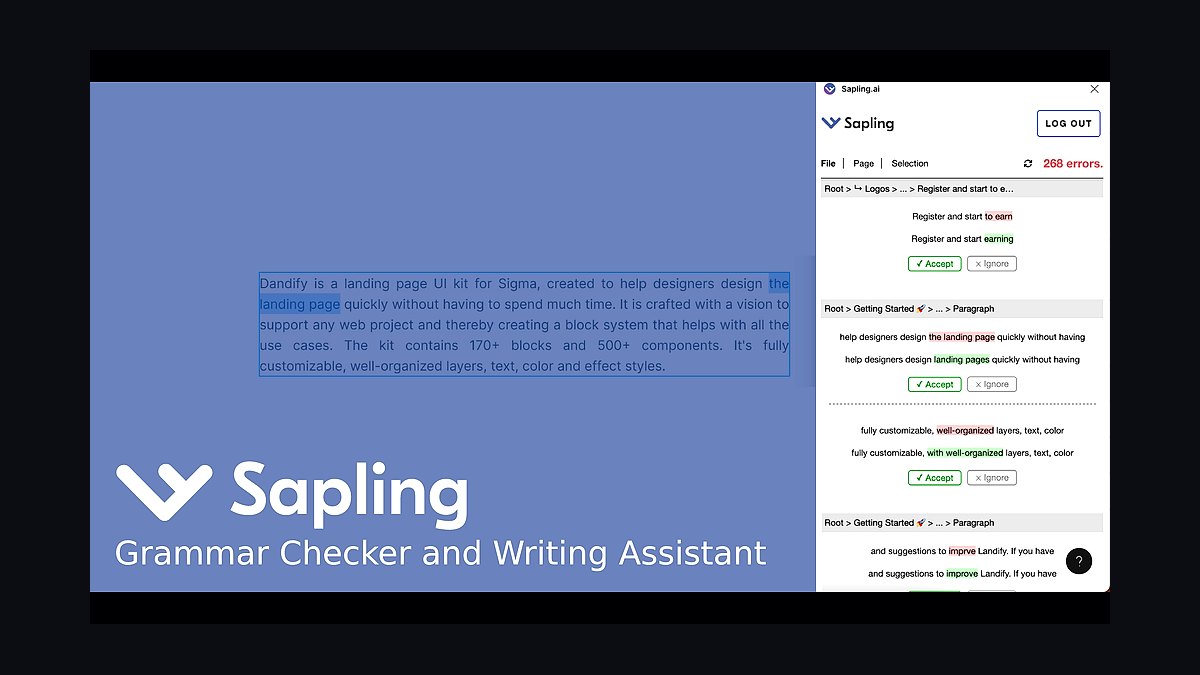
Sapling Grammar Checker ranks tenth as an AI-assisted checker built for customer-facing teams, with a free tier and paid plans starting near $25 per user monthly. It offers grammar, spelling and completion suggestions inside chat, email and CRM interfaces, plus an API for support-tool integration. Autocomplete helps agents reply faster without sacrificing correctness.
It suits support and sales teams answering high volumes of short messages rather than long documents. The trade-off is a higher per-seat price and thinner long-form editing than ProWritingAid. Against After the Deadline above, Sapling is far more modern and integrated but costs money and targets chat over publishing.
How we ranked these
We scored 28 grammar and writing tools on five weighted criteria: grammar and spelling accuracy on business-specific test documents (30%), tone and clarity rewrite quality (25%), brand-voice and style-guide controls (20%), integration with email, docs, and CRM workflows (15%), and pricing transparency plus admin and seat management (10%). Each tool was tested on identical memos, proposals, and client emails over a four-week period.
We deliberately ignored consumer-focused features like plagiarism detection for students, citation formatting, and social-media caption generators, because they rarely affect business writing outcomes. We also excluded raw AI-text-detection scores, since those tools produce inconsistent results and punish legitimate editing. Marketing claims, app-store ratings, and affiliate-driven "best of" badges were not weighted at all.
What to look for
The feature that actually separates these tools is control over your own style guide: custom rules, banned words, preferred terminology, and per-team voice profiles. A tool that only fixes commas will not stop ten employees from writing ten different versions of your brand. Also check admin seats, SSO, and whether pricing scales per user or per word, since word-based billing punishes heavy writers.
The mistake most buyers make is choosing on raw grammar accuracy alone, then discovering the tool rewrites their tone into generic corporate mush or cannot enforce house style. Test each finalist on your own worst documents, not their demo samples. Confirm data-retention and training policies in writing, because client-confidential text should never train a vendor's model.
Related questions
Do business owners really need a paid grammar tool in 2027?
Yes, if more than two people write externally on your behalf. Free checkers catch typos but rarely enforce terminology, tone, or compliance language. A paid tool with shared style rules keeps proposals, contracts, and client emails consistent as your team grows, and the admin controls let you audit who changed what.
How do I enforce a consistent brand voice across a team?
Build a written style guide first, then load it into the tool as custom rules: preferred terms, banned phrases, capitalization, and formality level. Assign one owner to update it quarterly. Tools with team-level voice profiles apply those rules automatically, so new hires write on-brand from day one without a lengthy review cycle.
Are AI writing assistants safe for confidential client documents?
Only if the vendor contractually excludes your content from model training and offers zero-retention processing. Ask for the data-processing addendum, check whether data is encrypted in transit and at rest, and confirm where it is stored. Enterprise tiers usually provide these guarantees; free tiers often do not.
What is the difference between a grammar checker and an AI writing assistant?
A grammar checker flags mechanical errors: spelling, punctuation, subject-verb agreement. An AI writing assistant rewrites sentences, adjusts tone, shortens wordy passages, and drafts from prompts. Most 2027 tools blend both. For business use, the rewrite quality and tone control matter more than catching a stray comma.
How should I price-compare these tools fairly?
Normalize everything to cost per active writer per month, then add the cost of admin seats, SSO, and API calls if you automate. Watch for word or credit caps that force mid-year upgrades. A cheaper per-seat plan with a low word ceiling often costs more than a flat business tier by month three.
Can these tools handle industry jargon and technical terms?
Good ones can, but only after you add a custom dictionary. Out of the box, most flag legitimate terms like SKUs, regulatory acronyms, or product names as errors. Upload your glossary during onboarding and mark those terms as approved, otherwise writers learn to ignore suggestions, which defeats the purpose.
Do grammar tools integrate with Outlook, Google Docs, and CRM systems?
Most major tools offer browser extensions covering Gmail, Google Docs, and Outlook on the web, plus desktop apps for Word. CRM integration is rarer and usually limited to Salesforce or HubSpot via API. If your team writes mainly inside a CRM, verify that specific integration before buying.
How long does it take a team to adopt a new writing tool?
Plan for two to four weeks. Week one is installation and glossary setup, week two is piloting with two or three heavy writers, weeks three and four are training and rule tuning. Adoption stalls when the style guide is vague or when the tool flags too many false positives, so tune aggressively early.
FAQ
What should I look for in a grammar tool for a small business?
Prioritize shared style rules, multi-seat admin, and integrations with the apps your team already uses. Accuracy matters, but consistency across writers matters more once you have more than three people producing client-facing text. Skip features aimed at students or novelists; they add cost without business value.
Are free grammar checkers good enough for professional writing?
For a solo owner writing occasional emails, a free tier is often sufficient. For teams, no: free plans typically lack shared style guides, admin controls, audit logs, and confidentiality guarantees. The gap widens as your volume grows, because free word caps force awkward workarounds and inconsistent tool use across staff.
How accurate are AI grammar checkers on business documents?
Top-tier tools catch roughly 90 to 95 percent of mechanical errors in clean business prose, but accuracy drops on jargon, legal phrasing, and long compound sentences. Always keep a human review step for contracts, regulatory filings, and anything a client could litigate over. Treat suggestions as proposals, not corrections.
Can a grammar tool replace a human editor?
No. It handles mechanics and surface clarity well, but it cannot judge whether a proposal addresses the client's actual concern, whether a concession is strategically wise, or whether a sentence sounds like your company. Use it to free your editor from comma-chasing so they can focus on argument, structure, and tone.
Do these tools work for non-native English speakers?
They help substantially with articles, prepositions, and verb tense, which are common trouble spots. However, aggressive rewriting can flatten a writer's voice or introduce idioms that misfire in a given market. Set the tool to suggest rather than auto-apply, and review changes before anything goes to a client.
How do I measure whether a writing tool is actually working?
Track revision cycles per document, time from draft to send, and the number of style-guide violations caught in review. Survey clients or internal reviewers quarterly on clarity and consistency. If revision rounds do not drop within two months, the problem is usually rule configuration, not the tool itself.
What is a style guide and why does the tool need one?
A style guide is your written rulebook: preferred terms, capitalization, tone, formatting, and banned phrases. Grammar tools use it to distinguish genuine errors from intentional choices. Without one, the tool applies generic rules and your team spends time arguing over suggestions instead of shipping consistent work.
Are there privacy risks with uploading business documents?
Yes, if the vendor trains models on your content or stores it indefinitely. Check the terms for training opt-outs, retention windows, encryption standards, and subprocessor lists. For regulated industries, require a signed data-processing agreement and confirm regional data residency before rolling the tool out to staff.
Should I buy one tool for the whole company or let teams choose?
Standardize on one. Mixed tools produce mixed output, complicate training, and fragment your style guide across platforms. A single vendor also gives you one contract, one security review, and one admin console. Let individual contributors request exceptions only for genuinely specialized workflows like legal or technical documentation.
How often should we revisit our writing tool subscription?
Review annually, or whenever pricing, ownership, or your team size changes materially. Check whether usage has outgrown the tier, whether the vendor shipped features you now need, and whether a competitor handles your style guide better. Renegotiate at renewal rather than mid-term, when you have the most leverage.
Sources
- https://www.grammarly.com/business
- https://www.hemingwayapp.com/
- https://prowritingaid.com/
- https://www.grammarly.com/blog/
- https://owl.purdue.edu/owl/purdue_owl.html
- https://www.plainlanguage.gov/guidelines/
- https://www.microsoft.com/en-us/microsoft-365/word
- https://workspace.google.com/products/docs/
- https://www.nist.gov/privacy-framework
- https://www.ftc.gov/business-guidance/privacy-security
Related on PULSE
This page will be disappearing soon. Save it to your device for $1 — or read it free while it is here.
@Kory-White- · if Venmo asks, the last 4 of my number are 2012
This page is gone.
This one is off the shelf now. $1 keeps it on your phone for good — the whole page, pictures and diagrams included.
 revopsTop 10 Signs Your Small Business Is Ready to Grow in 2027
 revopsTop 10 Ways to Save Time Running a Small Business in 2027
 revopsTop 10 Website Accessibility Tools in 2027
 revopsTop 10 Habits of Successful Small Business Owners in 2027
 revopsTop 10 AI Tools for Bookkeeping in 2027
 revopsTop 10 Questions to Ask a Fractional CMO in 2027
 revopsTop 10 AI Automation Ideas for Small Businesses in 2027
 revopsTop 10 Homepage Must-Haves for Small Businesses in 2027
 revopsTop 10 Blog Post Ideas for Small Business Websites in 2027
 revopsTop 10 Grants for Small Businesses in 2027