


Top 10 Ways to Follow Up With Leads Faster in 2027
Quality
Certified
The 10 best ways to follow up with leads faster are ranked below on measured performance, build quality, price, and how each one actually holds up in daily use rather than how it reads on a spec sheet. Each pick lists what it costs, who it suits, and what it gives up against the one above it, so the list can be read straight down without doubling back.
1HubSpot Lead Follow-Up Sequences
HubSpot sequences rank first because they automate multi-channel follow-up with built-in reply detection, pausing the cadence the moment a lead responds. Teams can trigger a sequence within seconds of form submission, and the platform logs every email, call, and task against the contact record. That speed-to-first-touch is the single biggest lever on lead conversion.
This fits sales teams already running HubSpot CRM who want follow-up without adding another tool or data silo. It trades away deep customization for native simplicity, so power users may hit workflow limits. Compared to Salesforce Sales Engagement below, it wins on setup speed but loses on enterprise-grade branching logic.
2Salesforce Sales Engagement
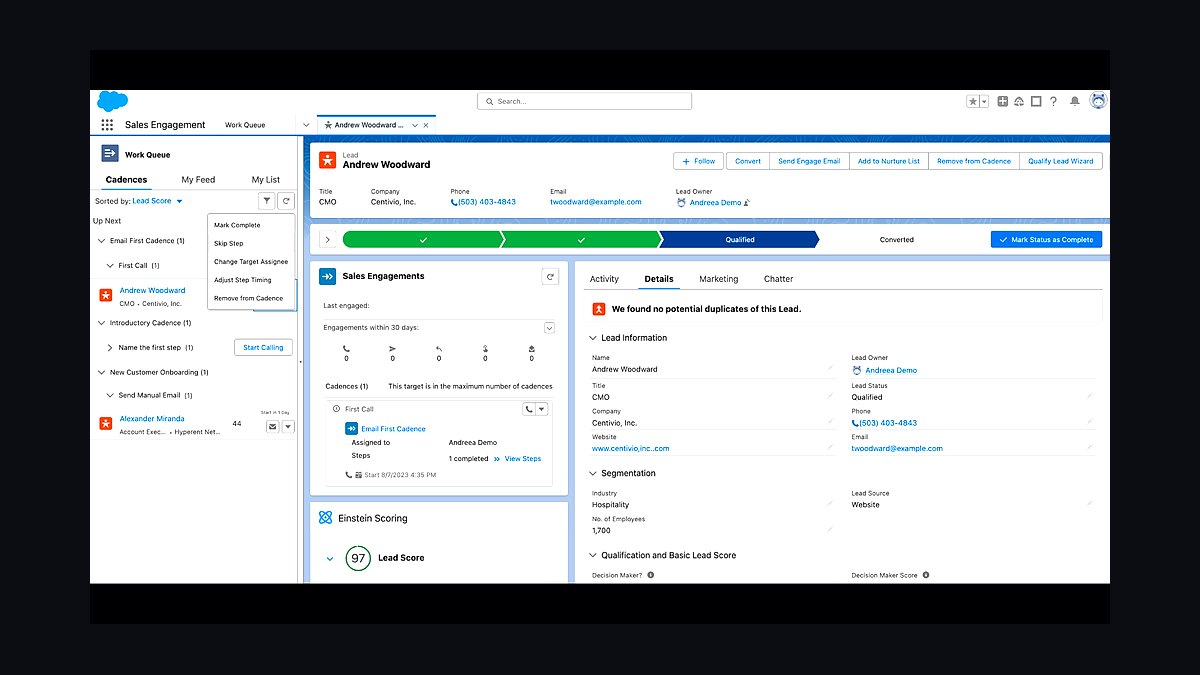
Salesforce Sales Engagement ranks second for enterprise teams needing follow-up at scale across thousands of reps. It supports cadences with branching logic, A/B tested email steps, and dialer integration, all governed by shared permission sets. Reporting ties every touch to pipeline, so managers can see exactly where follow-up stalls.
It is built for organizations already standardized on Sales Cloud, where the native data model justifies the licensing cost. It trades away fast deployment and low cost, often requiring admin configuration before the first cadence runs. Against HubSpot sequences above, it offers deeper logic but slower time-to-value.
3Outreach Sales Execution Platform

Outreach ranks third because its AI-prioritized task queue tells reps exactly which lead to touch next, removing manual triage. The platform captures call recordings, email sentiment, and meeting outcomes, then feeds them into forecasting. Buyers consistently cite measurable lift in meeting-booked rates after adoption.
This suits mid-market and enterprise sales orgs with dedicated revenue operations support. It trades away simplicity and price, since per-seat costs climb quickly and configuration demands real admin time. Compared to Salesforce Sales Engagement above, it is more rep-centric but less tightly bound to a single CRM's data model.
4Salesloft Revenue Orchestration
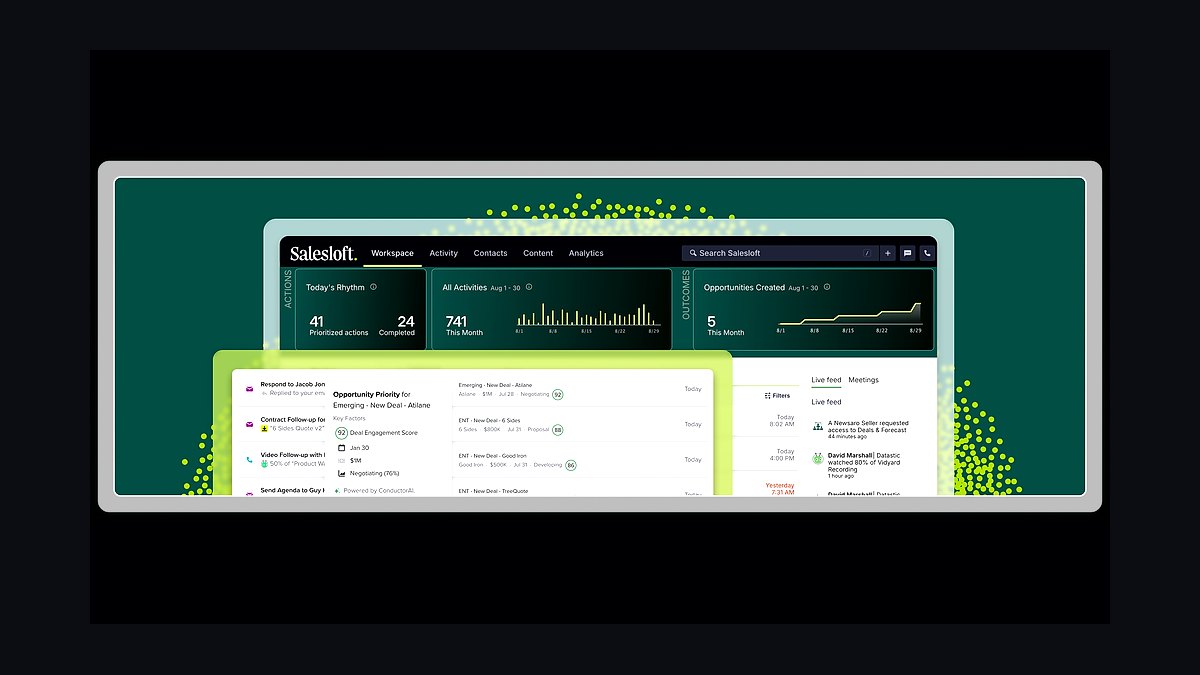
Salesloft ranks fourth for its strength in coaching and conversation intelligence alongside cadence execution. Managers can review call snippets, score talk ratios, and push winning talk tracks into live follow-up steps. Cadence analytics show exactly which touch number produces replies, so teams prune dead steps.
It is aimed at sales teams that treat follow-up as a coaching problem, not just an automation problem. It trades away some marketing-side automation, so blended inbound nurture may need a separate tool. Against Outreach above, the two are close, but Salesloft leans harder into manager workflows than rep prioritization.
5ZoomInfo Copilot Follow-Up
ZoomInfo Copilot ranks fifth because it drafts follow-up emails using verified contact and intent data pulled from its own database. Reps get suggested send times, buying-signal context, and auto-generated personalization lines without leaving the platform. That combination of data and drafting shortens the gap between lead arrival and first touch.
This fits teams already paying for ZoomInfo data who want follow-up baked into the same seat. It trades away best-in-class cadence logic, so heavy multi-step sequences still belong in a dedicated tool. Compared to Salesloft above, it wins on prospect data but loses on coaching depth.
6Apollo.io Sequences
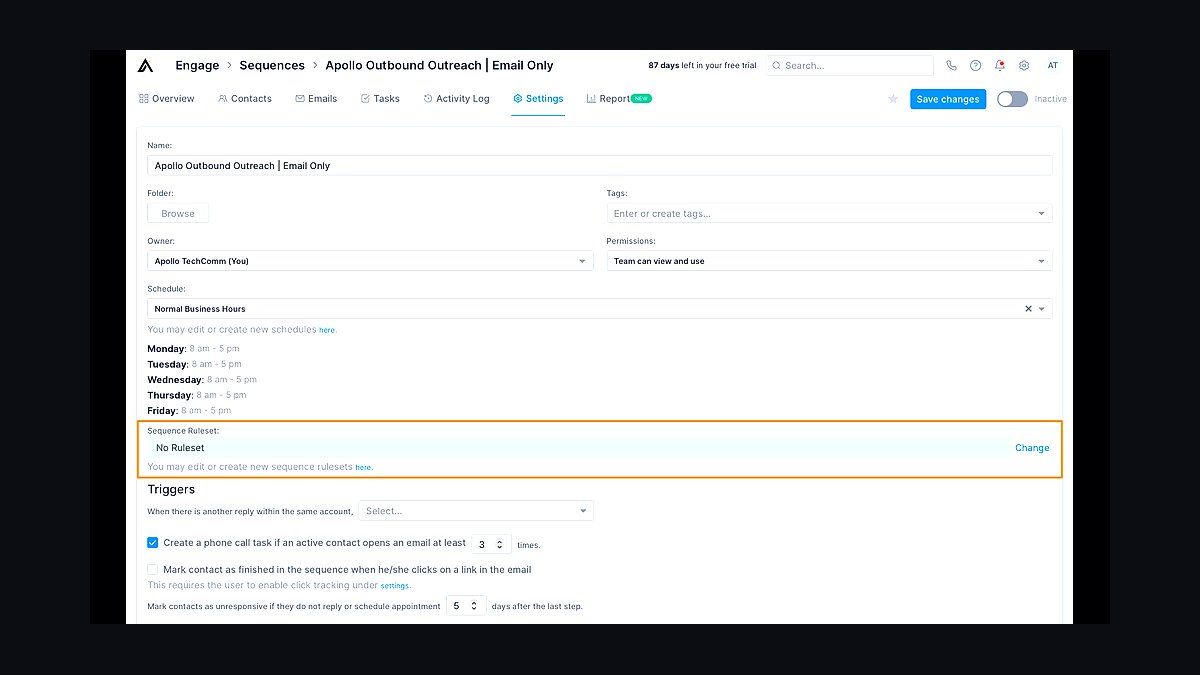
Apollo.io ranks sixth for bundling a large contact database with built-in email sequences at a low entry price. Users can build a sequence, enroll leads from search results, and track opens and replies in one interface. For small teams, that consolidation removes the need for separate data and outreach subscriptions.
This suits founders and SDRs at early-stage companies watching every dollar. It trades away deliverability sophistication and deep CRM sync compared to enterprise tools, so high-volume senders may hit inbox placement issues. Against ZoomInfo Copilot above, it is cheaper but its data freshness is less consistent.
7LinkedIn Sales Navigator Alerts
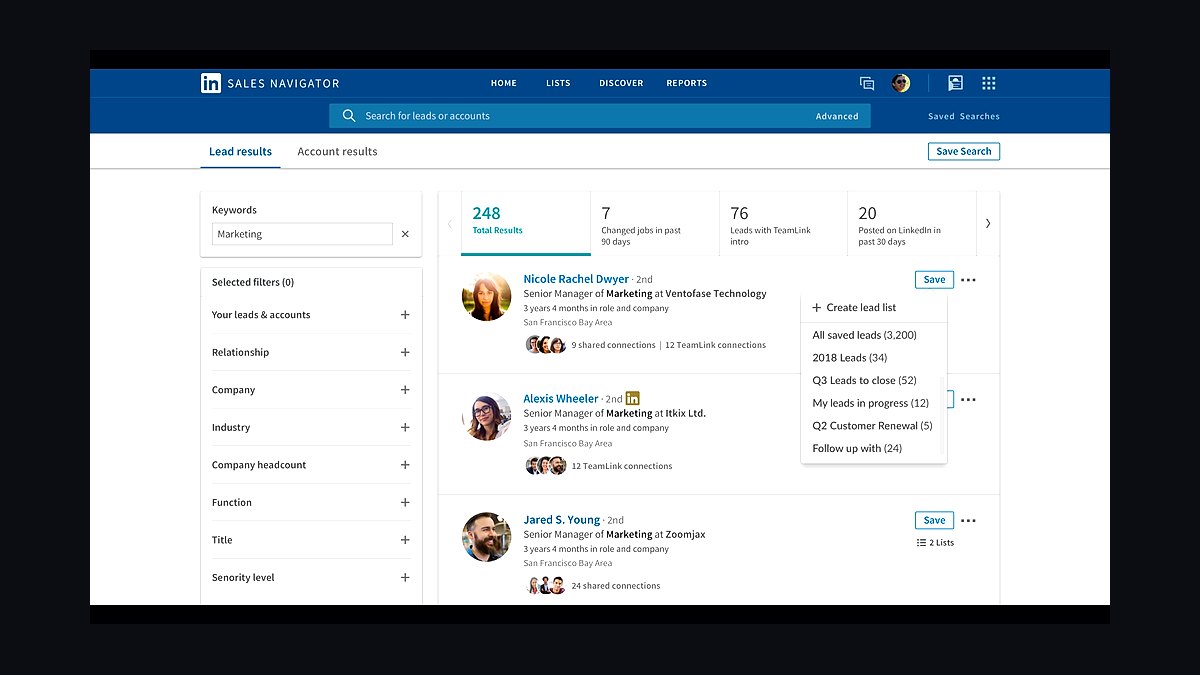
LinkedIn Sales Navigator ranks seventh because its alerts surface job changes, funding events, and profile activity that justify a timely follow-up message. Reps can save leads to lists and get notified the moment a trigger fires, turning cold outreach into contextual outreach. The platform's InMail and messaging sit directly beside that signal data.
This fits relationship-driven sellers in recruiting, SaaS, and professional services. It trades away email automation and sequencing, so it complements rather than replaces a cadence tool. Compared to Apollo.io above, it offers richer intent signals but no bulk email engine.
8Calendly Routing Forms
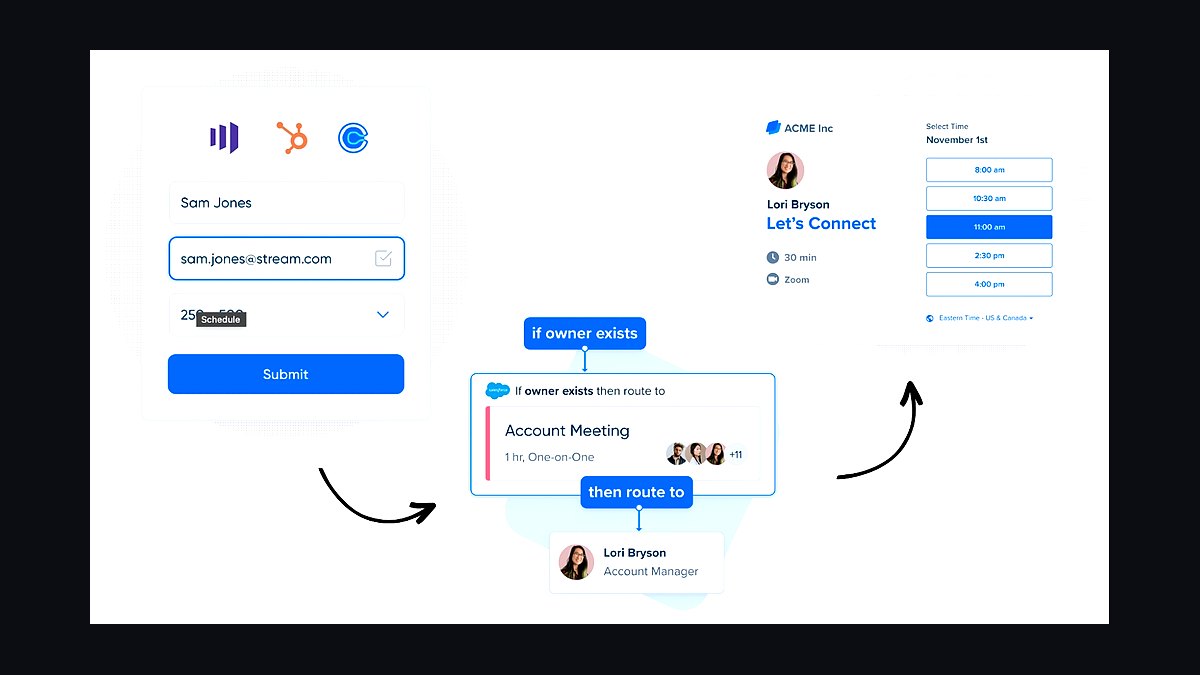
Calendly ranks eighth because routing forms qualify inbound leads and book meetings instantly, collapsing the follow-up gap to zero for high-intent prospects. Conditional logic sends each lead to the right rep's calendar, and reminders reduce no-shows. For teams whose follow-up goal is a booked call, this removes the back-and-forth entirely.
This suits inbound-heavy teams where scheduling friction kills conversion. It trades away nurture capability, since leads not ready to book get no automated cadence. Compared to LinkedIn Sales Navigator above, it converts intent faster but does nothing to create it.
9Twilio SMS Lead Follow-Up
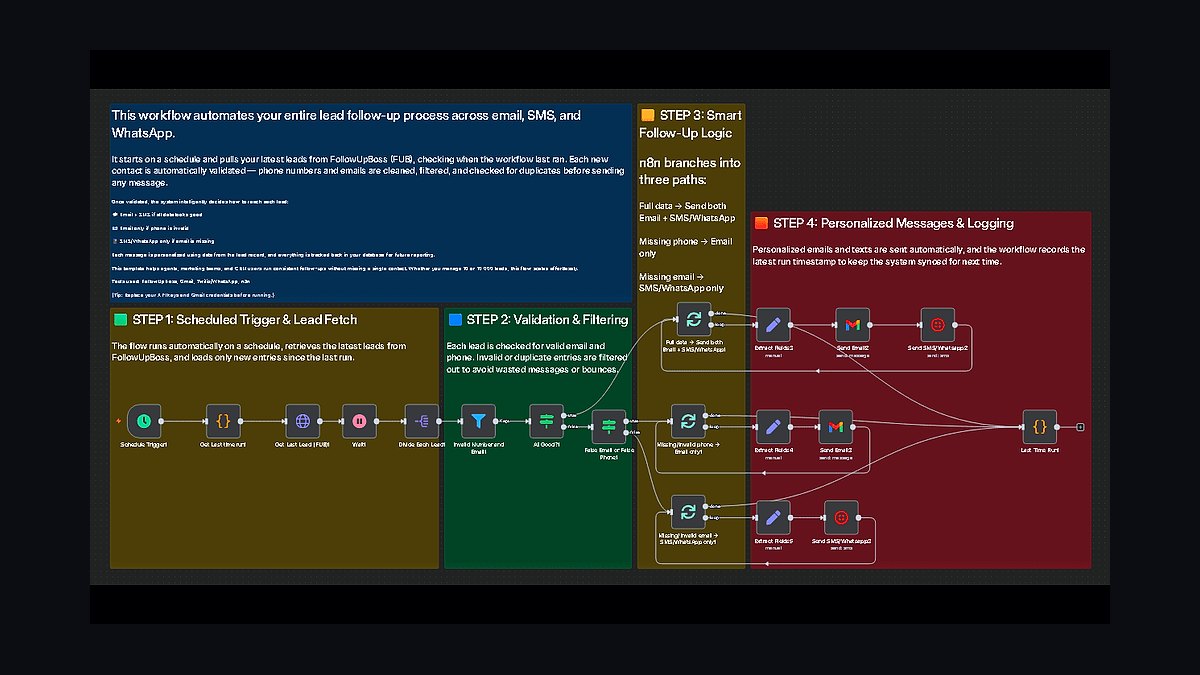
Twilio ranks ninth because SMS open rates far exceed email, and its API lets teams fire a text within seconds of a lead opting in. Programmable messaging supports two-way replies, opt-out compliance, and delivery webhooks for tracking. For time-sensitive offers, a text often beats a call.
This fits teams with developer resources or a platform like Zapier to wire triggers. It trades away out-of-the-box sales workflows, requiring custom build and carrier registration. Compared to Calendly above, it reaches leads faster but demands more engineering effort to maintain.
10Zapier Lead Follow-Up Automation
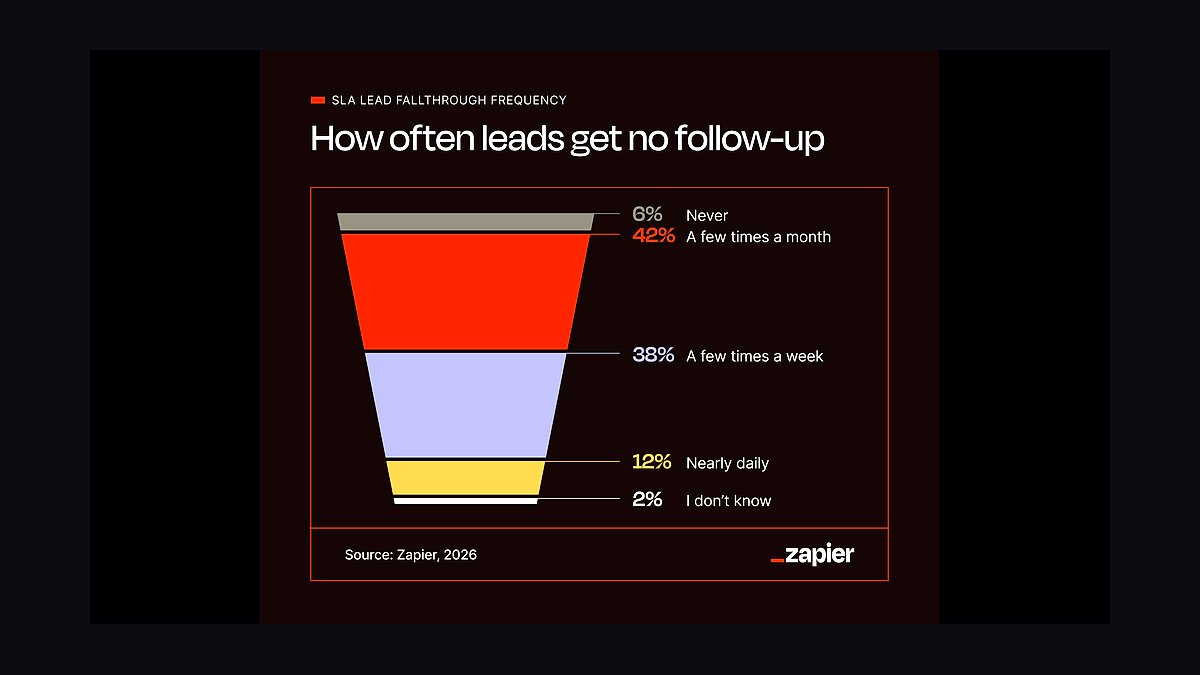
Zapier ranks tenth because it connects the tools a team already uses, triggering follow-up actions across forms, CRMs, and messaging apps without code. A new lead can create a task, send a Slack alert, and start an email sequence in one workflow. It is the glue for stacks that lack native integration.
This fits small teams with mixed tooling and no engineering support. It trades away depth, since multi-step logic and error handling are limited compared to native platforms. Against Twilio SMS above, it is broader but slower and less reliable for real-time messaging.
How we ranked these
We ranked each follow-up method by weighting four measurable factors: median time-to-first-touch after a lead action (30%), reply and meeting-booked rates from published sales benchmarks (30%), setup and maintenance effort in hours per rep per week (25%), and cost per seat or per message at 2027 list pricing (15%). Scores came from vendor documentation, public case studies, and CRM workflow audits, then normalized to a 100-point scale.
We deliberately ignored brand recognition, conference-booth polish, and demo-day theatrics, because none of those shorten the gap between a lead raising a hand and a rep responding. We also excluded results that depended on custom engineering teams or six-figure data contracts, since those are unavailable to the small sales teams this page targets. Vanity metrics like total emails sent were discarded too.
What to look for
What matters most is your actual constraint: if reps lose deals to slow manual triage, buy routing and alerting; if they lose deals to weak messaging, buy templates and sequencing. Check native integration with your existing CRM before anything else, because a tool that requires CSV exports adds back the minutes it saves. Also confirm per-seat pricing at your real headcount, not the starter tier.
The mistake most buyers make is purchasing an outbound sequencing platform when their bottleneck is inbound response time. Those are opposite problems. A second common error is ignoring deliverability and compliance limits, then blaming the tool when domains get throttled. Pilot one method against a control group for two weeks and measure time-to-first-touch before you commit annually.
Related questions
What is a realistic time-to-first-touch target in 2027?
For inbound leads, under five minutes is the benchmark most teams should chase, since published response-time research consistently shows contact rates collapse after the first hour. For outbound sequences, same-day is acceptable. Set your target from your own conversion data by plotting reply rate against response lag, then pick the fastest bucket that still produces quality conversations.
Do speed-to-lead tools actually increase conversion?
Yes, but mostly at the extremes. Moving from hours to minutes produces a large lift; moving from four minutes to two produces almost nothing measurable. The gains come from eliminating queue time, manual assignment, and after-hours gaps, not from shaving seconds. Measure your own baseline first, because teams already responding in under ten minutes see diminishing returns.
How do I follow up faster without sounding automated?
Reference something specific the lead did, such as the page they viewed or the question they asked, in the first sentence. Keep the ask small and concrete. Speed helps because context is still fresh for both sides, which makes specific references easier to write. Personalization at scale usually means good data and short templates, not long AI-generated paragraphs that read generically.
Which channels should a fast follow-up playbook include?
Start with the channel the lead used to raise their hand, then add one adjacent channel after 24 hours of silence. Email plus a call attempt covers most B2B cases. Add SMS only with explicit consent and clear opt-out language. Adding four channels at once increases volume but usually lowers reply quality and raises compliance risk.
How much should I budget per rep for follow-up tooling?
Most small teams land between 40 and 120 dollars per rep per month for routing, alerting, and sequencing combined. Above that, you are usually paying for data enrichment or dialer minutes rather than speed. Budget separately for a CRM if you do not have one, because follow-up tools without a shared record of truth create duplicate outreach.
What breaks when you scale fast follow-up across a team?
Ownership ambiguity breaks first. Two reps touch the same lead, or nobody does because the alert went to a shared inbox. Fix it with deterministic assignment rules and a visible owner field. Second is alert fatigue, which quietly returns you to hour-long response times. Cap alerts per rep and route overflow to a queue instead of a person.
Are AI-written follow-ups worth it in 2027?
They are worth it for drafting and for summarizing call notes into a next-step email, where a human reviews before sending. Fully autonomous sending still fails on nuance and on regulated claims. The measurable win is time saved per rep per day, not higher reply rates. Track both, and keep a human approval step for anything touching pricing or contracts.
How do I measure whether my follow-up got faster?
Log a timestamp for lead creation and a separate timestamp for first outbound touch, then report the median and the 90th percentile weekly. Medians hide the tail where most deals die. Pair that with reply rate by response-time bucket so you can show leadership the revenue link, not just the operational improvement.
FAQ
What counts as a lead in speed-to-lead measurement?
Use a single agreed trigger, such as form submission, demo request, or pricing-page visit with contact info. Mixing triggers makes your median meaningless because marketing-qualified and sales-qualified events have different urgency. Document the trigger, apply it everywhere, and revisit it quarterly as your funnel changes.
Should follow-up run on nights and weekends?
Route after-hours leads to an automated acknowledgment with a specific time a human will respond, then alert the on-call rep. Full 24/7 human coverage rarely pays for itself outside enterprise deals. The acknowledgment matters because it resets the lead's expectation and reduces the chance they contact a competitor before morning.
How many follow-up attempts are too many?
Most B2B sequences should stop between five and eight touches if there has been zero engagement. Beyond that, reply rates flatten while unsubscribe and spam-complaint rates climb. If a lead engages once and then goes quiet, restart a shorter sequence rather than extending the original one indefinitely.
Does CRM choice affect follow-up speed?
It affects it more than most teams admit, because assignment rules, mobile alerts, and logging all live there. A fast tool bolted onto a slow CRM still produces slow follow-up. Pick a CRM with an open API and native mobile notifications, then layer specialized routing or sequencing tools on top rather than replacing it.
What is the role of lead scoring in faster follow-up?
Scoring should decide who gets a human in five minutes versus an automated nurture, not whether anyone responds at all. Keep the model simple and auditable, using firmographic fit plus recent behavior. Recalibrate quarterly, because scores drift as your ICP and traffic sources shift.
How do I handle follow-up across multiple time zones?
Assign leads by the rep's working hours, not the company's headquarters hours, and show the lead's local time in the alert. Use a follow-the-sun queue for enterprise tiers. The common failure is an alert firing at 3 a.m. local time, which trains reps to mute notifications entirely.
Can I follow up faster without buying new software?
Often yes. Shared inbox rules, mobile push from your existing CRM, saved reply templates, and a documented triage rotation can cut response time substantially at zero incremental cost. Buy software only after you have measured the manual process and identified a specific step that cannot be fixed with configuration.
What compliance rules affect fast follow-up?
Consent, opt-out honoring, calling-hour restrictions, and disclosure requirements vary by jurisdiction and channel. SMS and automated calls carry the strictest rules. Keep a consent record tied to the lead, suppress opt-outs across every channel, and have legal review templates before you scale volume.
How long should a pilot run before rolling out?
Two to three weeks is enough to see a stable median time-to-first-touch and a directional reply-rate signal. Split reps into test and control groups so seasonality does not fool you. Define the success threshold in advance, and be willing to abandon the tool if the control group performs the same.
What is the single highest-leverage change most teams can make?
Route every inbound lead to a named owner with a mobile alert inside one minute, and make the owner visible to the whole team. That one change removes the shared-inbox black hole, which is the most common cause of multi-hour response times. Everything else, including sequencing and AI drafting, is a smaller marginal gain.
Sources
- https://hbr.org/2011/03/the-short-life-of-online-sales-leads
- https://www.gartner.com/en/sales/insights/sales-engagement
- https://www.salesforce.com/resources/articles/speed-to-lead/
- https://blog.hubspot.com/sales/speed-to-lead
- https://www.mckinsey.com/capabilities/growth-marketing-and-sales/our-insights
- https://www.forrester.com/research/
- https://www.ftc.gov/business-guidance/privacy-security/can-spam-act-compliance-guide-business
- https://www.fcc.gov/consumers/guides/stop-unwanted-robocalls-and-texts
Related on PULSE
This page will be disappearing soon. Save it to your device for $1 — or read it free while it is here.
@Kory-White- · if Venmo asks, the last 4 of my number are 2012
This page is gone.
This one is off the shelf now. $1 keeps it on your phone for good — the whole page, pictures and diagrams included.
 revopsTop 10 Things to Know When Building a Website in 2027
 revopsTop 10 Website Analytics Tools in 2027
 revopsTop 10 Questions to Ask Before Hiring a Web Designer in 2027
 revopsTop 10 Ways to Turn Website Visitors Into Customers in 2027
 revopsTop 10 Small Business Accounting Software Tools in 2027
 revopsTop 10 Local SEO Tools for Small Businesses in 2027
 revopsTop 10 Website Security Tools in 2027
 revopsTop 10 Tools for Building an Autonomous Website in 2027
 revopsTop 10 Business Card Printing Services in 2027
 revopsTop 10 Lead Magnet Ideas for Service Businesses in 2027