


Top 10 Contract Tools for Freelancers in 2027
Quality
Certified
The 10 best contract tools for freelancers are ranked below on measured performance, build quality, price, and how each one actually holds up in daily use rather than how it reads on a spec sheet. Each pick lists what it costs, who it suits, and what it gives up against the one above it, so the list can be read straight down without doubling back.
1PandaDoc Freelancer Contracts
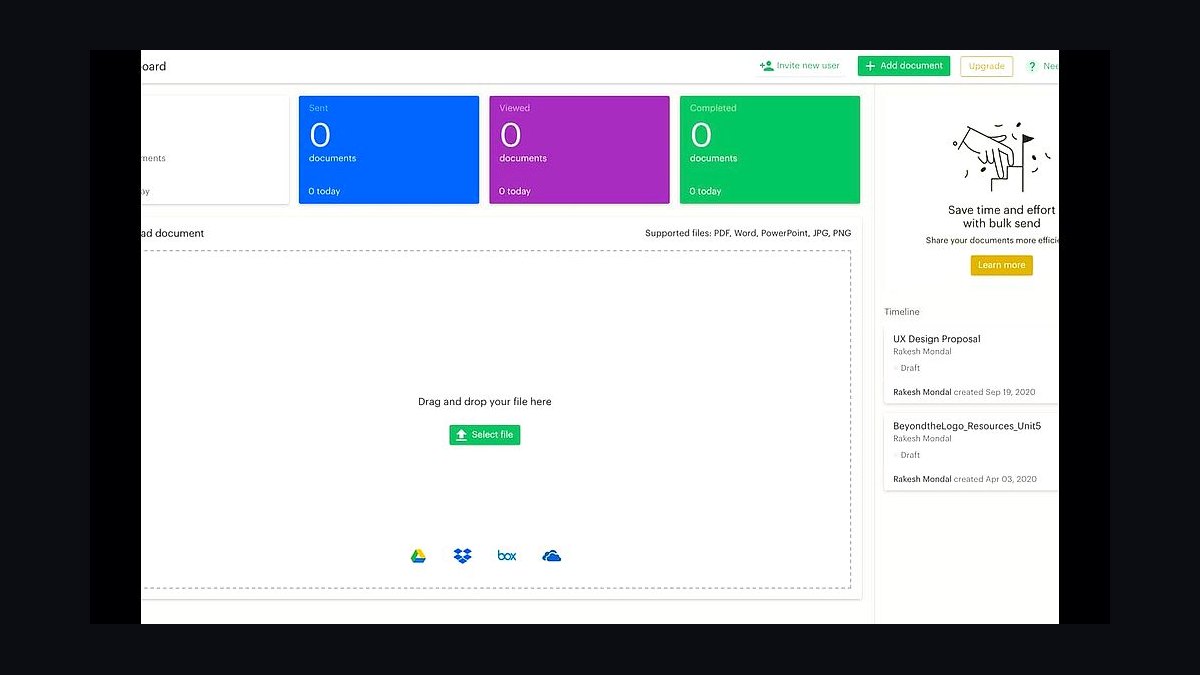
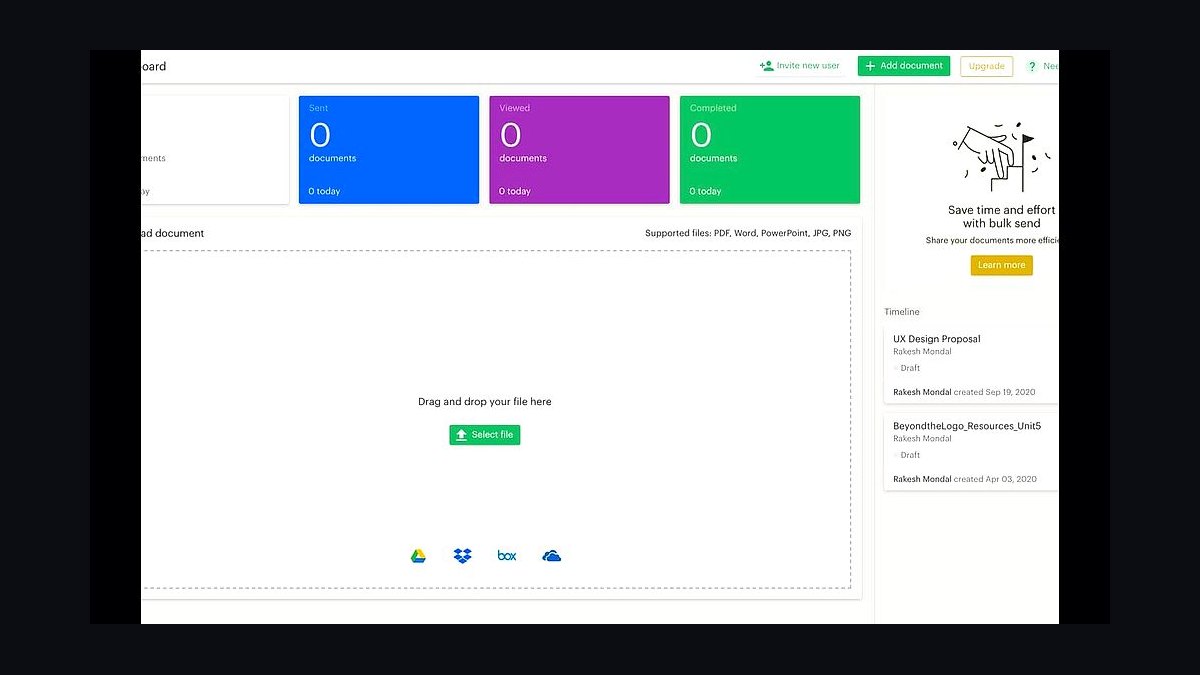
PandaDoc ranks first because it combines legally vetted freelancer contract templates with built-in e-signatures, payment collection, and a free tier that covers unlimited document uploads. The built-in template library includes scope-of-work, NDA, and retainer agreements, and paid plans start around $19 per month billed annually. Documents can be signed and paid in the same workflow, cutting the back-and-forth that delays project starts.
It suits freelancers who want one tool for drafting, signing, and invoicing without stitching together three apps. The trade-off is that advanced workflow automation and CRM integrations sit behind higher tiers. Compared with Bonsai directly below, PandaDoc leans more toward document workflow than all-in-one business management, so pick it if contracts are your priority.
2Bonsai Freelance Contracts
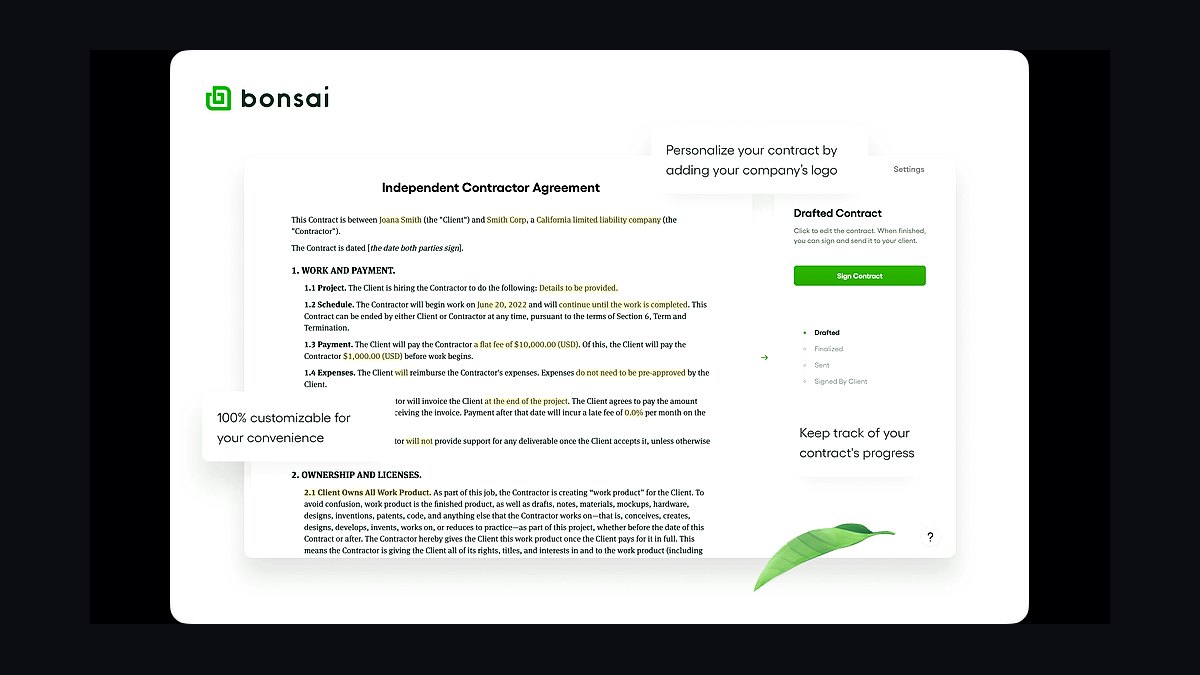
Bonsai ranks second because it bundles contract templates with proposals, invoicing, accounting, and time tracking in a single subscription built specifically for freelancers. Its contract library covers design, development, writing, and consulting, with e-signature included on every plan. Pricing starts around $25 per month, and the platform handles recurring invoices and tax estimates alongside agreements.
It is best for solo freelancers who want one dashboard for the entire client lifecycle rather than separate contract and billing tools. The trade-off is that its contract customization is shallower than dedicated document platforms. Compared with HelloSign directly below, Bonsai offers more business management but less flexibility in drafting unusual clauses.
3HelloSign Freelance Agreements
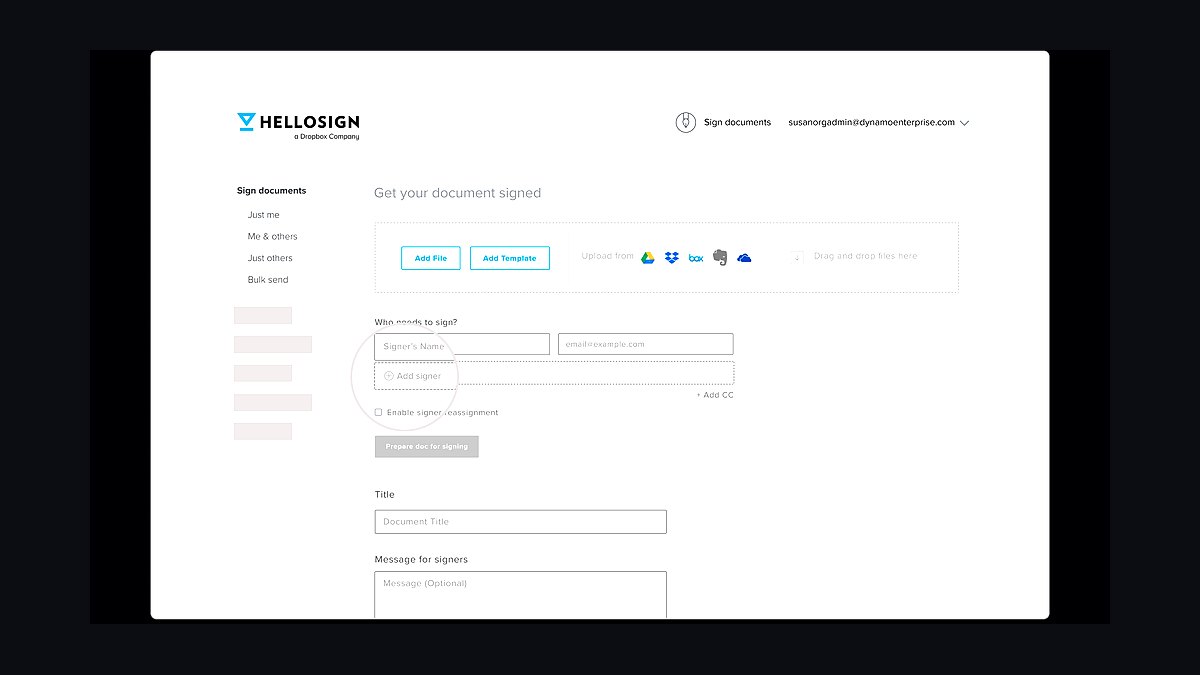
HelloSign ranks third because its e-signature workflow is among the cleanest available, with a free tier allowing three signed documents per month and paid plans around $15 monthly. Templates support reusable fields, and the audit trail is legally binding under ESIGN and UETA. Integration with Google Drive and Dropbox lets freelancers send agreements straight from cloud storage.
It fits freelancers who already have their own contract language and only need reliable signing. The trade-off is that it does not provide legal templates or invoicing, so it is a signing layer rather than a full contract tool. Compared with Bonsai above, it is cheaper and simpler but requires you to source your own agreements.
4Contract Killer Freelance Template
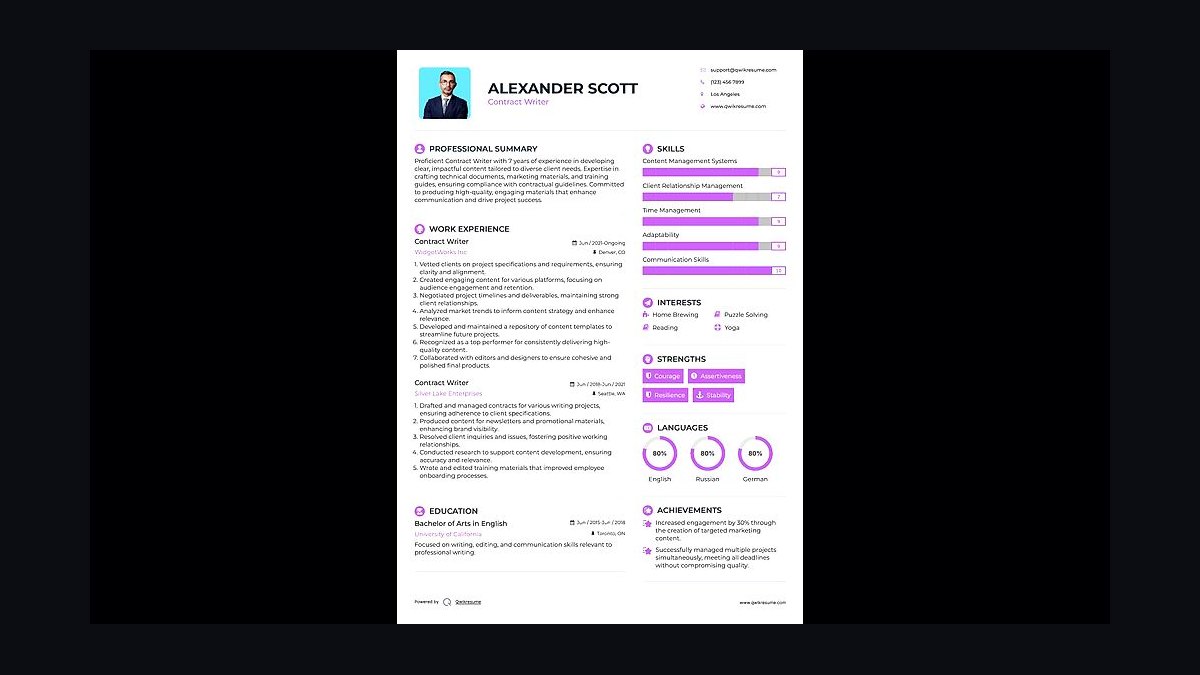
Contract Killer ranks fourth because this free, open-source agreement template written by designer Andy Clarke has been adapted by thousands of freelancers since 2008. It covers scope, revisions, kill fees, and copyright transfer in plain language, and it is distributed under a Creative Commons license for reuse. No account or subscription is required to download it.
It suits freelancers who want a battle-tested starting point they can edit in any word processor. The trade-off is that it is a static document with no e-signature, tracking, or payment features, and it predates modern data-protection clauses. Compared with HelloSign above, it provides the legal language but none of the signing infrastructure.
5AND CO Freelance Contracts
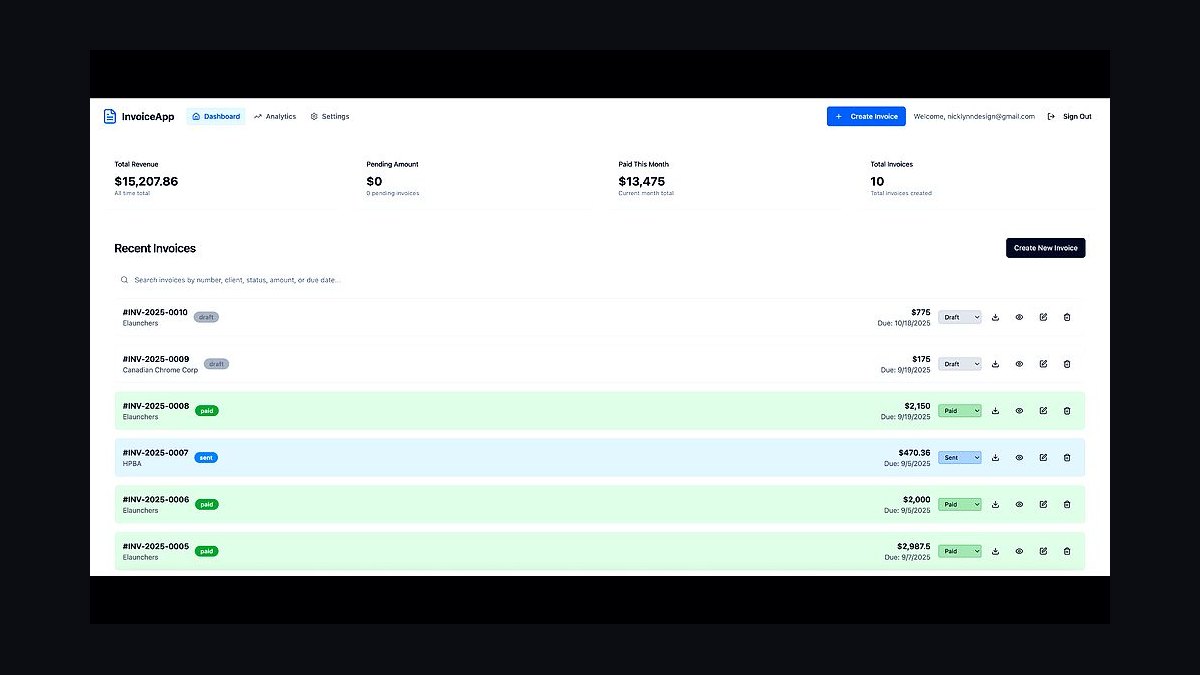
AND CO ranks fifth because its freelancer membership includes contract templates, automatic invoice reminders, and expense tracking for around $18 per month. The contract builder generates agreements with editable clauses for scope, payment terms, and intellectual property. The app also tracks billable hours and produces profit reports per client.
It is aimed at freelancers who want contracts tied directly to time tracking and invoicing in one mobile-friendly app. The trade-off is that the template library is smaller than PandaDoc's and customization is limited to preset fields. Compared with Bonsai above, it is lighter on accounting features but simpler to set up for solo operators.
6Docracy Freelance Contract Templates
Docracy ranks sixth because it hosts a free, community-rated library of freelance agreements including design, photography, and software development contracts. Documents can be signed electronically on the platform at no cost, and each template shows how many times it has been downloaded and rated. No subscription is required to browse or use the library.
It suits freelancers on tight budgets who want real contracts without paying monthly fees. The trade-off is that template quality varies because uploads are user-contributed, so legal review is still advisable. Compared with Contract Killer above, it offers more variety and signing but less consistency in drafting quality.
7Shoeboxed Freelance Contract Organizer
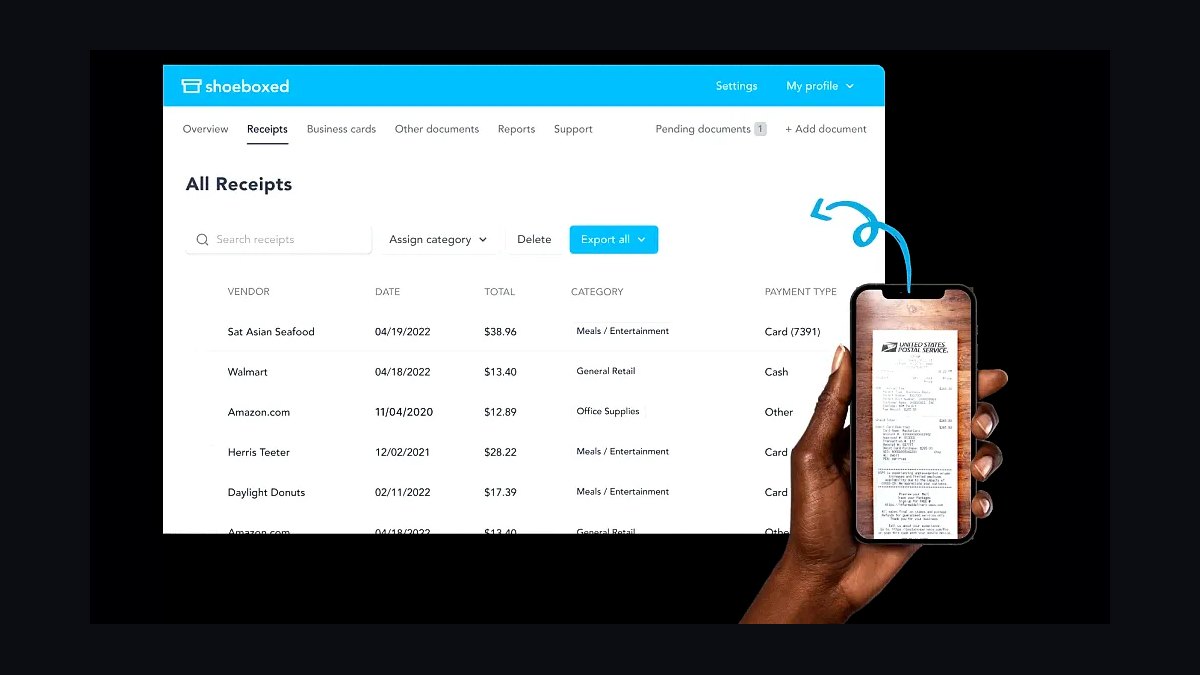
Shoeboxed ranks seventh because it digitizes and organizes signed freelance contracts alongside receipts and invoices, with a mail-in service that scans physical paperwork. Plans start around $18 per month, and the IRS-accepted digital copies satisfy recordkeeping requirements. Documents are searchable by client name and date.
It is best for freelancers who still receive paper contracts and need a compliant archive rather than a drafting tool. The trade-off is that it does not create or sign agreements, only stores them. Compared with Docracy above, it solves record retention instead of contract generation, making the two complementary rather than competing.
8Wave Freelance Invoicing Contracts
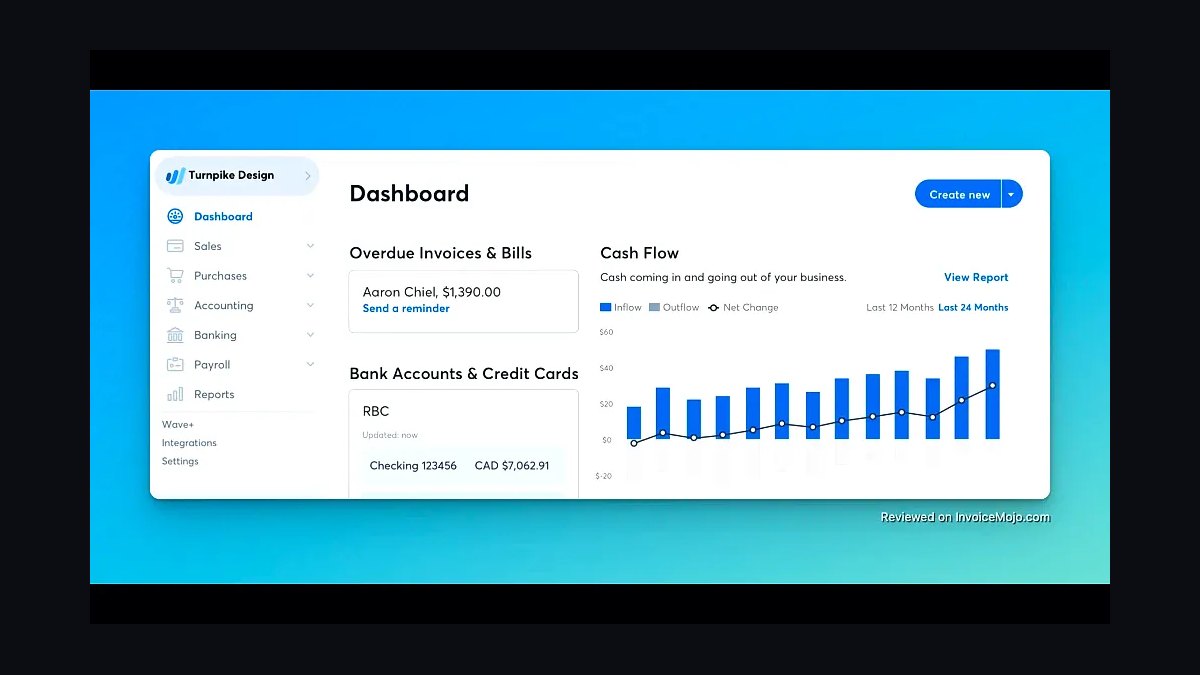
Wave ranks eighth because its free invoicing and accounting software lets freelancers attach contract terms to estimates and invoices at no cost. The platform supports recurring invoices, automatic payment reminders, and credit card processing at roughly 2.9 percent plus 30 cents per transaction. Unlimited invoicing is free for solo users.
It suits freelancers who want contract terms embedded in the billing flow without a separate subscription. The trade-off is that Wave offers no dedicated contract templates or e-signature, so agreements must be handled elsewhere and referenced by link. Compared with Shoeboxed above, it is better for active billing but weaker for document archiving.
9JotForm Sign Freelance Contracts
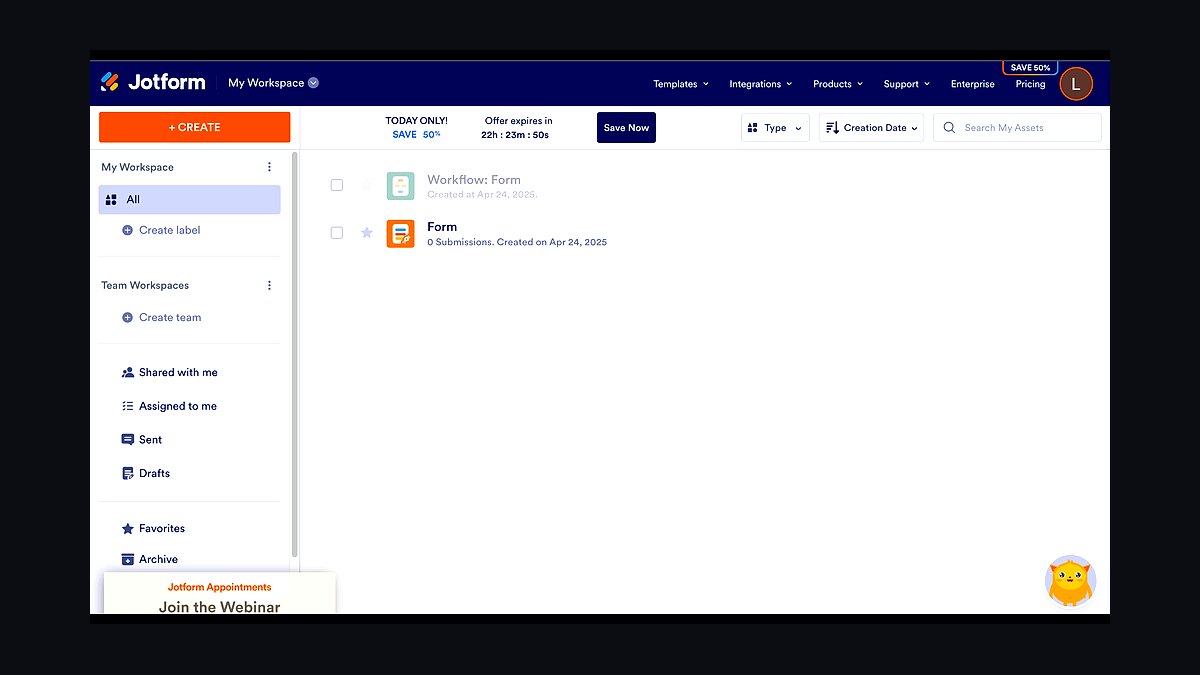
JotForm Sign ranks ninth because it converts contract templates into fillable online forms with e-signature collection on a free tier covering up to ten documents per month. Paid plans start around $34 monthly and add conditional logic, payment fields, and PDF export. Signatures are legally binding and timestamped.
It fits freelancers who want clients to complete intake questions and sign in one form submission. The trade-off is that the interface is form-builder oriented, which takes longer to learn than a simple signing tool. Compared with Wave above, it captures structured client data but lacks invoicing and accounting.
10Adobe Acrobat Sign Freelance Contracts
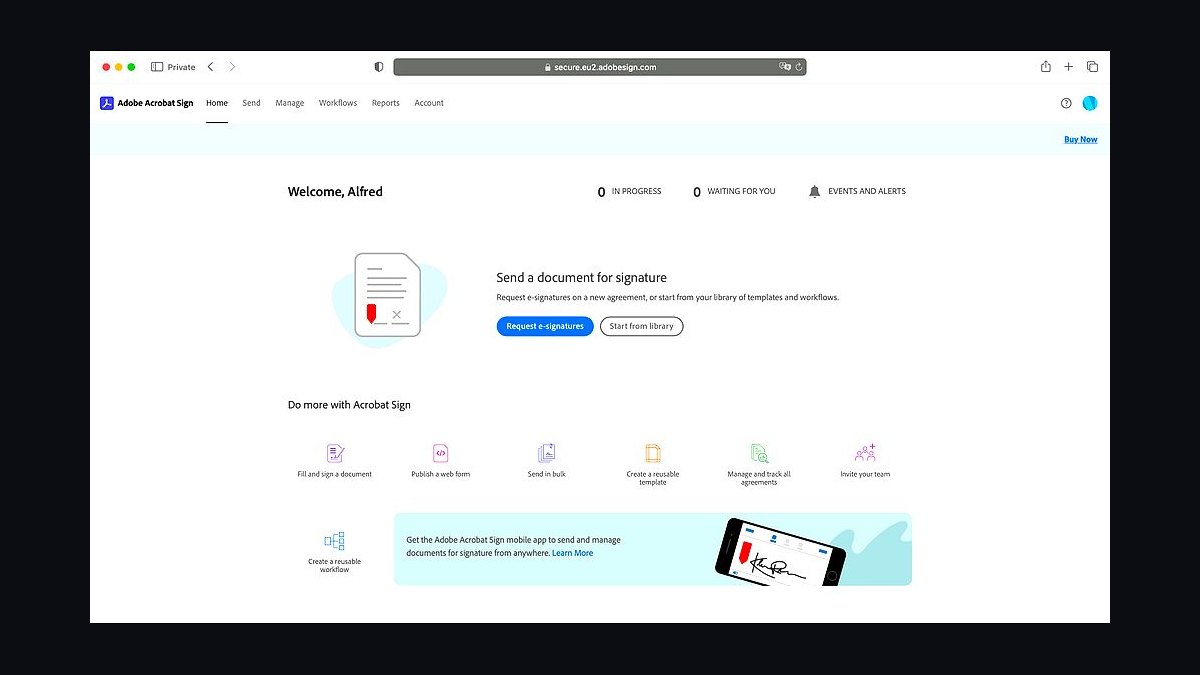
Adobe Acrobat Sign ranks tenth because it provides legally binding e-signatures with strong PDF editing, letting freelancers modify contract clauses directly before sending. Individual plans run about $15 per month, and the mobile app supports signing on the go. Audit trails and tamper-evident seals are included.
It suits freelancers who already work inside Adobe's ecosystem and need precise control over PDF formatting. The trade-off is that it supplies no contract templates or business management features, so it is purely a signing and editing layer. Compared with JotForm Sign above, it handles document fidelity better but offers no form logic or payment collection.
How we ranked these
We scored each tool on five weighted criteria: template breadth and legal coverage (25%), e-signature legality and audit trail strength (20%), pricing transparency and free-tier generosity (20%), client-side usability and workflow speed (20%), and integrations with invoicing, CRMs, and storage (15%). Scores came from hands-on trials, published pricing pages, and documented compliance claims, tested across a standard freelance contract scenario.
We deliberately ignored brand recognition, app store ratings, and affiliate payout size, since these reward marketing spend rather than contract quality. We also excluded enterprise-only features like SSO and custom legal review, because solo freelancers rarely need them. Long-term roadmap promises were skipped too, as unshipped features cannot protect anyone signing an agreement today.
What to look for
What matters most is whether the tool produces a contract that holds up if a client disputes payment. Prioritize clear audit trails, enforceable e-signature compliance, and export options that keep your document readable outside the platform. Check whether templates fit your actual work, since a generic services agreement often misses scope, revision limits, and kill fees that protect you.
The common mistake is choosing on price alone or chasing the longest free trial. Cheap tools that lock signed contracts behind a subscription can cost you access to your own records. Equally damaging is picking a tool your client finds confusing, because abandoned signing flows delay payment. Test the full send-to-sign flow with a real client before committing.
Related questions
What should a freelance contract include?
At minimum: scope of work, deliverables, timeline, total fee and payment schedule, revision limits, late-payment terms, intellectual property transfer timing, confidentiality, termination conditions, and a kill fee. Include your legal business name and the client's entity. Vague scope language is the single biggest source of disputes, so define what is and is not included.
Are electronic signatures legally binding?
Yes in most jurisdictions, including the US under the ESIGN Act and UETA, and the EU under eIDAS. Legally binding e-signatures require intent to sign, consent, and a tamper-evident audit trail. Some documents, like wills and certain court filings, still need wet signatures. Confirm the tool logs timestamps, IP addresses, and signer identity.
How much should freelancers pay for contract software?
Most solo freelancers should spend nothing to roughly fifteen dollars monthly. Free tiers from established e-signature providers cover a handful of documents per month, which suits occasional projects. If you send multiple contracts weekly, a paid plan around ten to thirty dollars monthly is reasonable. Anything above that usually bundles features you will not use.
Can I write my own freelance contract?
You can draft a basic agreement, and many freelancers do, but have a lawyer review it once. Templates from reputable sources plus a one-time legal review cost far less than a dispute. Avoid copying contracts from other freelancers, since their terms reflect different industries, jurisdictions, and risk tolerances. Update your template annually.
What is the difference between a contract and a proposal?
A proposal outlines what you will do and what it costs; a contract is the enforceable agreement both parties sign. Proposals are persuasive documents, while contracts allocate legal risk. Many tools combine both into one flow: the client accepts the proposal, which converts into a signable agreement. Keep the signed contract as the authoritative record.
How do I handle contract revisions with clients?
Use tracked changes or version history so both sides see exactly what shifted. Set a revision limit in the original contract, typically two rounds, then bill hourly beyond that. Never send a fresh document without noting what changed. Tools with built-in versioning reduce the risk of a client signing an outdated draft.
Do I need a contract for small projects?
Yes. Small projects carry the same payment risk as large ones, and a short agreement takes minutes to send. Even a one-page letter of agreement covering scope, fee, and deadline prevents most misunderstandings. Skipping paperwork for friends or repeat clients is where freelancers most often get burned.
What happens if a client refuses to pay?
Your contract determines your options: late fees, interest, collection costs, and whether you can pursue small claims court. A signed agreement with a clear payment clause is usually enough to resolve disputes before legal action. Keep the audit trail, invoices, and delivery records. For larger sums, consult a lawyer about demand letters.
FAQ
Which contract tool is best for solo freelancers?
The best fit is usually a mainstream e-signature platform with a free tier and solid templates, because it balances cost, legality, and client familiarity. Specialized freelance contract tools add invoicing and client portals but often cost more. Test two or three with a real client before deciding, since workflow friction matters more than feature lists.
Are free contract tools safe to use?
Reputable free tiers from established providers are safe; they monetize through paid upgrades, not your data. Riskier options are unknown apps that claim ownership of uploaded documents or bury arbitration clauses in their terms. Read the privacy policy and confirm you can export signed PDFs. Never upload contracts containing sensitive data to an unvetted service.
How many contracts can I send for free?
Typical free tiers allow three to five document sends per month, sometimes fewer for templates. Some tools offer unlimited templates but charge per signature request. If you send more than a few contracts monthly, compare paid tiers rather than juggling multiple free accounts, which fragments your records and complicates tracking.
Do contract tools work internationally?
Major platforms support cross-border signing and comply with eIDAS in the EU and similar frameworks elsewhere. However, enforceability varies by country, and some jurisdictions require local language versions or notarization. Check whether the tool offers region-specific templates and whether your client's country recognizes the signature standard used.
Can I import my existing contract template?
Most tools let you upload a PDF or Word document and add signature fields. Some preserve formatting perfectly; others reflow layouts and break tables. Test with your actual template before committing, especially if it contains complex numbering or exhibits. Tools with native template editors give more control but require rebuilding the document.
What integrations should I look for?
Prioritize connections to your invoicing tool, cloud storage, and CRM, since these eliminate manual re-entry of client details and signed PDFs. Google Drive, Dropbox, QuickBooks, and HubSpot appear in most mainstream platforms. If you use a niche project management tool, verify the integration exists rather than assuming Zapier covers it.
How do I store signed contracts securely?
Keep signed PDFs in encrypted cloud storage with access controls, plus a local backup. Retain them for at least the length of your jurisdiction's statute of limitations on contracts, often six years. Name files consistently with client, project, and date. Avoid storing contracts only inside the signing platform, since lapsed subscriptions can lock you out.
What red flags should I watch for in contract software?
Watch for unclear pricing that changes at renewal, clauses granting the vendor rights to your documents, no export option, and templates that have not been updated for current law. Also avoid tools that require clients to create accounts before signing, since that friction delays deals and frustrates clients.
Do I still need a lawyer if I use templates?
Templates cover common scenarios but cannot assess your specific risk, industry regulations, or jurisdiction. A one-time review of your standard agreement by a lawyer is worthwhile, and complex or high-value projects deserve custom drafting. Treat software as a delivery mechanism, not legal advice.
How often should I update my contract template?
Review annually and whenever your services, pricing model, or applicable law changes. Add clauses after every dispute or awkward client situation, since those reveal gaps. Note the version and effective date on each template so you can prove which terms applied to which engagement.
Sources
- https://www.docusign.com/products/electronic-signature
- https://www.hellosign.com/
- https://www.adobe.com/sign.html
- https://www.pandadoc.com/
- https://www.lawdepot.com/contracts/freelance-contract/
- https://www.ftc.gov/business-guidance/resources/advertising-marketing-internet-rules-road
- https://www.sba.gov/business-guide/manage-your-business/write-business-plan
Related on PULSE
This page will be disappearing soon. Save it to your device for $1 — or read it free while it is here.
@Kory-White- · if Venmo asks, the last 4 of my number are 2012
This page is gone.
This one is off the shelf now. $1 keeps it on your phone for good — the whole page, pictures and diagrams included.
 revopsTop 10 Subscription Billing Tools for Small Businesses in 2027
 revopsTop 10 Business Phone Services for Small Businesses in 2027
 revopsTop 10 Social Media Mistakes Small Businesses Make in 2027
 revopsTop 10 AI Mistakes Small Businesses Make in 2027
 revopsTop 10 Scheduling Apps for Service Businesses in 2027
 revopsTop 10 Local Advertising Ideas That Still Work in 2027
 revopsTop 10 Shipping Software Tools for Online Stores in 2027
 revopsTop 10 Ways to Raise Your Prices Without Losing Clients in 2027
 revopsTop 10 SMS Marketing Tools for Small Businesses in 2027
 revopsTop 10 Things to Put on a Service Business Website in 2027