 Pulse Reviews and Analysis
Dwight Eisenhower’s Farewell Address (1961) — Key Passages and Lessons
 Curated by Kory White · Fractional CRO, CRO Syndicate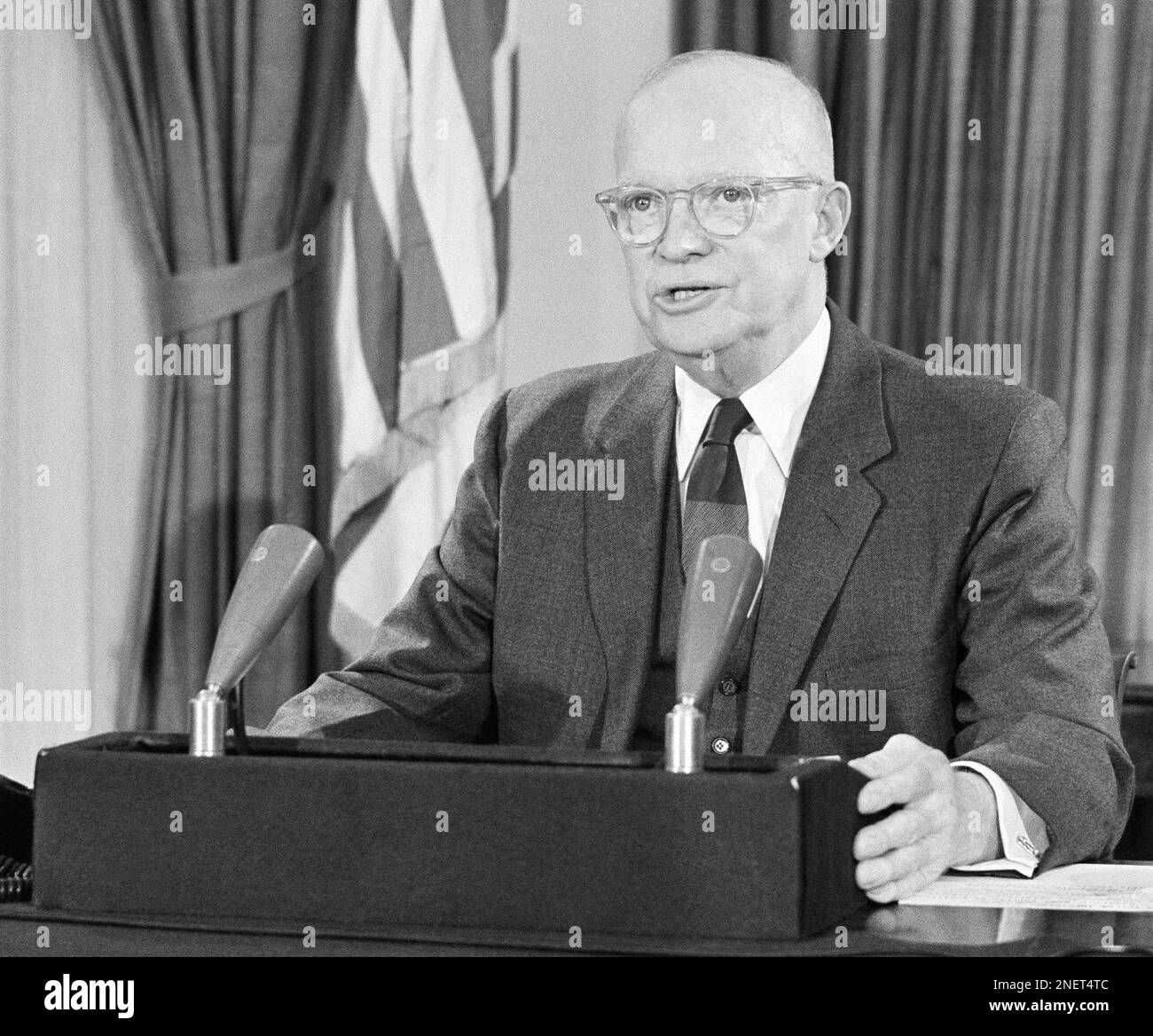
Dwight Eisenhower’s Farewell Address (1961) — Key Passages and Lessons
Context
On the evening of January 17, 1961, three days before John F. Kennedy was sworn in, President Dwight D. Eisenhower spoke to the nation from the Oval Office in a televised farewell.
He had served two terms, presided over a postwar economic boom, and watched the Cold War harden into a permanent state of armed readiness. A career soldier who had commanded the largest invasion force in history, Eisenhower used his last public moment as president not to celebrate his record but to warn the country about forces he believed could quietly distort American democracy.
The speech ran roughly nine minutes (~1,500 words) and was written and rewritten over many months, with his brother Milton and speechwriter Malcolm Moos shaping the language.
About the Speaker
Eisenhower was the supreme Allied commander in Europe during World War II before becoming the 34th president in 1953. He spoke as a man who had spent his life inside the military and the defense establishment, which gave his warning unusual weight — he was not an outsider critic but the ultimate insider.
That credibility is exactly why the address landed and why it is still quoted today.
Key Passages
The full address runs about ~9 minutes (~1,500 words). These short excerpts mark its turning points.
[context] Early on, Eisenhower frames the new and permanent scale of American defense — a historical break from the country’s past.
"Until the latest of our world conflicts, the United States had no armaments industry... But now we can no longer risk emergency improvisation of national defense."
[context] The address’s most famous coinage, naming a force he wanted citizens to watch.
"In the councils of government, we must guard against the acquisition of unwarranted influence, whether sought or unsought, by the military-industrial complex."
[context] He widens the warning beyond weapons to the research university and the federal grant.
"The prospect of domination of the nation's scholars by Federal employment, project allocations, and the power of money is ever present — and is gravely to be regarded."
[context] A line about the future that reads as a plea for restraint in spending and policy.
"We... Must avoid the impulse to live only for today, plundering for our own ease and convenience the precious resources of tomorrow."
[context] He closes not with fear but with a hope built on balance and informed citizens.
"Down the long lane of the history yet to be written America knows that this world of ours... Must avoid becoming a community of dreadful fear and hate, and be instead a proud confederation of mutual trust and respect."
Why It Endures
The address endures because a general warned against the very machine he had run. That single fact gives the speech its power — it cannot be dismissed as naive or anti-military. Structurally, Eisenhower builds slowly: he first concedes that a large defense establishment is now necessary, which disarms the listener, and only then introduces the danger.
The phrase "military-industrial complex" survives because it names something people sensed but could not articulate — a permanent alliance of generals, contractors, and lawmakers with its own momentum. He pairs it with a second, less-quoted warning about science being captured by federal money, showing he was worried about influence in general, not just weapons.
The repetition of the word "balance" throughout the speech is the quiet spine of the whole thing: balance between defense and freedom, between today and tomorrow, between the public and private. He never raises his voice, and that restraint is itself the argument.
What You Can Borrow
- Concede before you warn. Eisenhower admits the defense buildup is necessary before he criticizes it. Granting the other side’s strongest point first makes your warning impossible to wave away.
- Coin a phrase. "Military-industrial complex" gave a vague worry a name. If you can compress your central idea into three memorable words, people will carry it for you.
- Speak from your own authority. The warning worked because of who said it. Lead with the credential that makes your message hard to dismiss, then turn it against easy assumptions.
- Repeat one keyword, quietly. "Balance" recurs without fanfare and organizes the speech. Pick a single word and let it thread through your remarks instead of restating your thesis.
- Aim past the room. He addressed "the long lane of history yet to be written," speaking to citizens decades out. Naming the future audience raises the stakes and the dignity of what you say.
- End on trust, not fear. After the warning, he closes with hope and mutual respect. A warning that ends in despair paralyzes; one that ends in a clear, calm hope moves people to act.
Bottom Line
Use this address as a model whenever you must deliver a hard warning to people who trust you: concede the necessity, name the danger in a phrase they will remember, and close on the better future you still believe is possible.