
A Heartfelt Anniversary Toast for Your Spouse
 Curated byKory White · Fractional CRO · Maryland
 PULSEKNOWLEDGE LIBRARY
A heartfelt anniversary toast for your spouse should be a genuine, personal expression of your shared journey—not a generic script. The best toasts weave together a specific, small memory, an acknowledgment of challenges overcome, and a forward-looking promise, all delivered with sincerity. Your words should feel like an intimate conversation, even if spoken in a crowded room, focusing on the ordinary, beautiful details that prove you truly see your partner.
Start by acknowledging the moment and your own nerves to invite listeners in. Then, share a small, specific habit or memory that only you would notice, as this proves you see your spouse daily. Follow this by naming a real struggle you've faced together, which adds depth and shows your commitment. Close with a personal promise for the future rather than a platitude, raising your glass directly to your spouse to end on a note of unwavering love.
What Makes an Anniversary Toast Genuinely Memorable Instead of Generic?
The difference between a toast that lands and one that fades from memory lies entirely in its specificity. A toast filled with generic compliments like "you're wonderful" or "we've had a great life" could apply to any couple. To make yours unforgettable, you must anchor it in the concrete, observable reality of your relationship. Think of the smallest, most ordinary detail: the way your spouse always puts the cap back on the toothpaste, the specific tone of voice they use when talking to a pet, or the exact spot where they leave their keys every night. Mentioning this tiny, true thing proves you are paying attention not just on anniversaries, but on every single Tuesday. This is the emotional hook that makes your spouse feel truly seen and deeply loved.
The structure of your toast should feel less like a speech and more like a story. Begin with a brief, honest opening that acknowledges the moment and your own vulnerability. Then, move into a single, vivid memory that illustrates a core quality of your spouse or your relationship. This memory should be sensory and specific: "I remember the way the rain sounded on the roof of that tiny rental car during our first road trip, and how you didn't even complain when we got lost for an hour." This kind of detail transports your spouse back to that moment and makes the toast feel unrepeatable. Avoid listing multiple memories; one well-chosen, fully described moment is far more powerful than a catalog of highlights. The goal is to create a shared emotional experience, not to deliver a biography.

How Do You Navigate Vulnerability and Acknowledge Hard Times in a Toast?
Acknowledging a difficult season in your relationship is one of the most powerful ways to elevate your toast from sweet to truly meaningful. However, the way you frame this challenge is critical. You should never dwell on the pain or assign blame. Instead, focus on the resilience and growth that emerged from the hardship. For example, rather than saying "The year we almost got divorced was terrible," you could say, "There was a season that tested us in ways I never imagined, and I saw a strength in you—in us—that I didn't know existed. We could have broken, but instead, we bent and grew closer." This reframes the struggle as a testament to your bond, not a source of ongoing pain.
When delivering this part of the toast, your body language and focus are as important as your words. Look directly at your spouse, not at the room. This signals that even though others are present, this part of the conversation is between the two of you. If the specific hardship is private, you can be vague but still honest: "We've faced things that no one else knows about, and I want to thank you, here, for holding my hand through every single one of them." This approach honors the truth of your journey without violating your shared privacy. The vulnerability you show by mentioning a struggle will make the love you express afterward feel earned and profound, not naive. It proves your love has been tested and is stronger for it.
What Closing Line Creates the Most Lasting Impact?
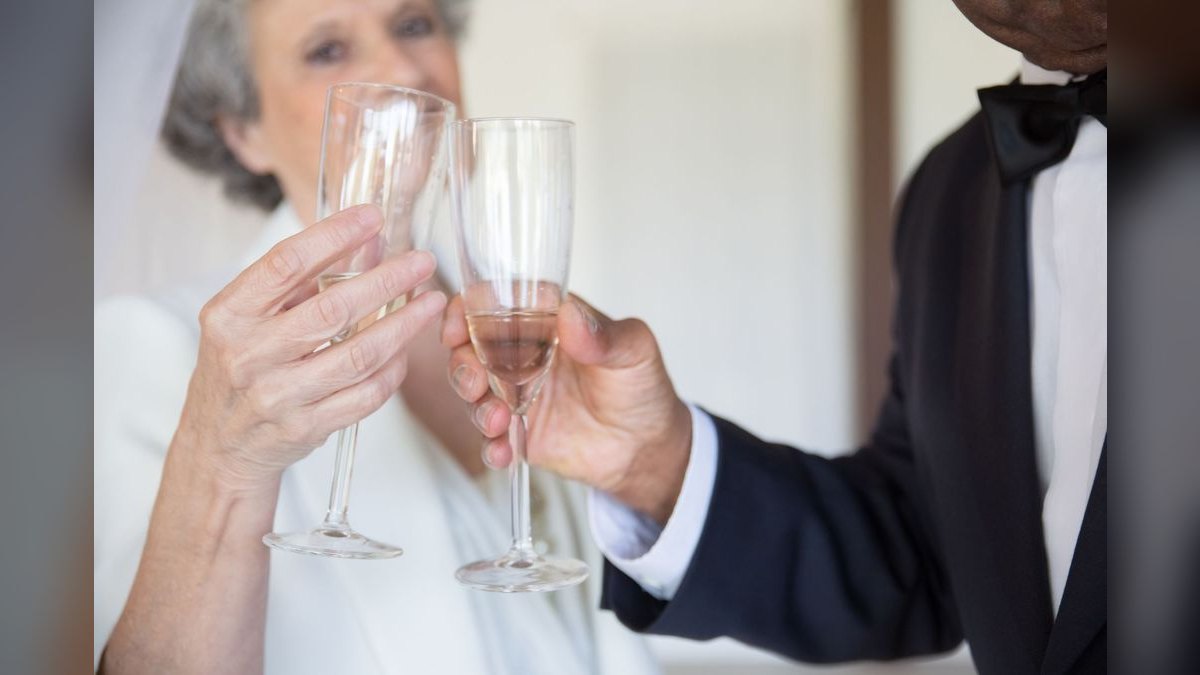
The final sentence of your anniversary toast is what your spouse will replay in their mind long after the evening ends. A common mistake is ending with a wish like "Here's to many more years," which feels passive and generic. A far more powerful closing is a promise—a specific, actionable commitment that looks forward. This transforms the toast from a reflection on the past into an active declaration of intent for the future. Your promise can be small and intimate, such as "I promise to keep making you laugh even when I'm tired," or grand, like "I promise to always choose you, even when choosing you is hard."
The promise should feel authentic to your relationship and ideally tie back to something you mentioned earlier in the toast. For instance, if you spoke about a time you failed to be present, you could close with, "And I promise to put my phone down and look at you when you're talking to me, every single day." This creates a cohesive arc and shows that your words are not just sentimental but are backed by intention. Deliver the promise while looking directly into your spouse's eyes, then raise your glass. The final words should be their name, spoken with warmth and finality: "To you, [name], my anchor and my adventure. I love you." This direct address ensures the last thing they hear is your love, spoken specifically to them.
How Can You Adapt the Toast for Different Anniversary Settings?
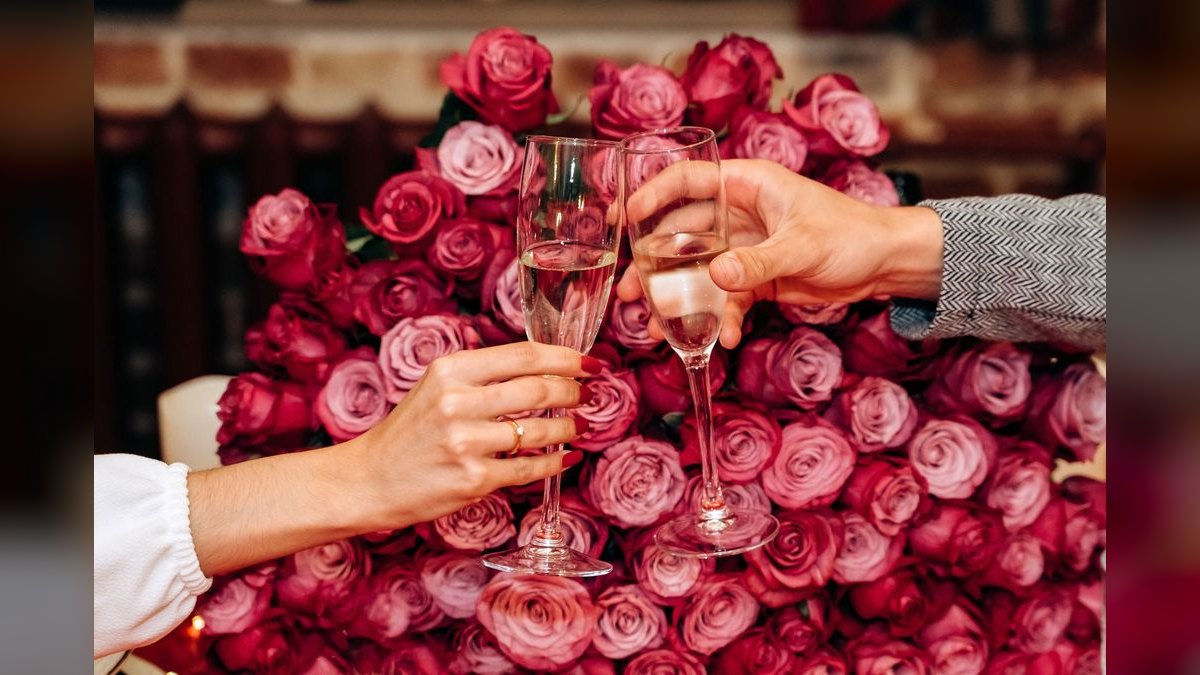
The fundamental elements of your toast—specificity, vulnerability, and a promise—remain the same, but the length and tone should adapt to your setting. For an intimate dinner for two, you can speak more slowly, allow for longer pauses, and include more private details. The entire toast might be just 60 to 90 seconds, focusing on a single, tender memory and a quiet promise. For a larger gathering, such as a milestone anniversary party, your toast should be slightly more inclusive. You can briefly acknowledge the guests by saying, "Thank you all for being here to witness the best part of my life," but the core of the message should remain directed at your spouse. The tone can be warmer and more declarative, as you are both celebrating with community.
For a formal milestone anniversary, such as a 25th or 50th, you might incorporate a broader reflection on the passage of time. Instead of one small memory, you could mention a theme that has run through your decades together, such as "our shared sense of adventure" or "the way we always find our way back to each other." The promise for the future can be more expansive, like "I promise to keep holding your hand through every new season life brings." For a more casual, family-friendly setting, keep the humor light and the language accessible. A successful toast is not about perfection; it is about authentic connection. The best adaptation is always the one that feels most natural to your voice and your relationship.
What Are the Most Common Mistakes to Avoid When Writing a Toast?
One of the most frequent errors is trying to cover too much ground. A toast is not a State of the Union address for your marriage. Trying to list every happy memory or every reason you love your spouse will result in a rambling, unfocused speech that loses emotional impact. Instead, choose one single, powerful thread—one memory, one quality, one shared value—and explore it fully. This restraint creates a cohesive and memorable message. Another common mistake is using clichés and borrowed language. Phrases like "you complete me" or "we've had our ups and downs" are so overused that they have lost all meaning. Your spouse deserves to hear your words, not a greeting card. Force yourself to describe your feelings in your own terms, even if they feel awkward or imperfect.
Another critical error is forgetting to practice your delivery. Writing a beautiful toast is only half the work. If you read it stiffly from a piece of paper without making eye contact, the emotional resonance will be lost. Practice the toast aloud several times until you know the flow of your ideas without needing to read every word. You can use a small card with bullet points as a guide, but try to deliver the most important lines—the memory and the promise—while looking at your spouse. Finally, do not apologize for your emotions. A shaky voice or a few tears are not a sign of weakness; they are the most powerful testament to the depth of your love. For further guidance on crafting speeches for life's significant moments, you might find this resource on crafting a heartfelt eulogy helpful, as it shares similar principles of vulnerability and authenticity.
Related questions
What are some examples of small, specific details to include in a toast?
Instead of saying "you make me happy," mention a specific detail like "the way you hum while you cook" or "how you always save the last bite of dessert for me." These tiny observations prove you pay close attention to your spouse.
How do I handle nerves when giving a toast?
Acknowledge your nerves openly in the first sentence. Saying "I'm a little nervous because this matters so much" makes the room lean in and gives you permission to be imperfect. Focus on your spouse, not the audience.
Can I use a quote from a poem or song in my toast?
Yes, but only if it genuinely reflects your relationship. Use it as a springboard for your own words, not a replacement for them. For example, quote a line, then explain why it reminds you of a specific moment you shared.
What if my spouse and I have had a difficult year?
Acknowledging a difficult season can make your toast more profound. Frame it as a testament to your resilience: "This year tested us, and I am prouder of how we held on than of any easy year we've had."
How do I end a toast without it feeling awkward?
End with a direct promise and your spouse's name, then raise your glass. The final words should be spoken only to them. A simple "To you, my love. Cheers" is clear, warm, and final.
FAQ
How long should my anniversary toast be? Aim for 90 seconds to three minutes, or roughly 150 to 400 words. This is enough time to share a memory, express gratitude, and make a promise without losing the room's attention. For an intimate setting, shorter is often better.
Should I memorize my toast or read it? A middle path works best. Write out the full toast, then practice until you know the flow. Use a small card with bullet points as a safety net. This allows you to maintain eye contact while ensuring you don't forget your key points.
Is it okay to mention my spouse's ex or previous relationships? No. An anniversary toast is a celebration of your current relationship. Mentioning any past relationships, even in a comparative way, can create discomfort and detract from the focus on your shared history and future.
What if I start crying and can't continue? Pause, take a slow breath, and take a sip of water. A moment of silence is perfectly acceptable. Your spouse and guests will understand. You can then resume by saying, "As I was saying..." and continue from your last point.
Can children be included in the toast? Yes, but keep the focus on your spouse. You can briefly mention that your children are a testament to your shared love, but the toast should primarily be a direct address to your partner, not a family update.
What is the best way to hold my glass during the toast? Hold your glass at chest level, with a relaxed grip. Do not drink from it until after you have finished speaking and said "Cheers." Raise it slightly when you say your spouse's name at the end, then gesture to the room.
Sources
- American Psychological Association - Marriage and Relationships
- The Spruce - How to Write a Wedding Toast
- Psychology Today - The Power of Gratitude in Relationships
- Toastmasters International - Public Speaking Tips
- The Knot - Anniversary Toast Etiquette
- Brides - How to Write a Heartfelt Anniversary Speech
- Greater Good Science Center - The Science of Gratitude
- Poetry Foundation - Love Poems
Related on PULSE
- [A Toast for a 25th Anniversary](/knowledge/sp0133)
- [A Toast for a Milestone Wedding Anniversary](/knowledge/sp0132)
- [A Heartfelt Work Dinner Toast to Celebrate Your Team](/knowledge/sp0041)
- [A Toast for a 50th Anniversary](/knowledge/sp0134)
- [A 25th Wedding Anniversary Toast](/knowledge/sp0054)
@Kory-White- · if Venmo asks, the last 4 of my number are 2012
 pulse-moviesTop 10 Movies on Netflix 2027
 pulse-moviesTop 10 Movies on Max 2027
 pulse-moviesTop 10 Fantasy Movies of All Time in 2027
 pulse-moviesTop 10 Documentaries of All Time in 2027
 pulse-moviesTop 10 Superhero Movies of All Time in 2027
 pulse-moviesTop 10 Romance Movies of All Time in 2027
 pulse-moviesTop 10 Westerns of All Time in 2027
 pulse-moviesTop 10 Musical Movies of All Time in 2027
 pulse-moviesTop 10 Thriller Movies of All Time in 2027
 pulse-moviesTop 10 Crime Movies of All Time in 2027