
A Toast for a Sibling’s Wedding
 Curated byKory White · Fractional CRO · Maryland
 PULSEKNOWLEDGE LIBRARY
A toast for a sibling's wedding is a heartfelt speech that typically lasts one to three minutes, blending personal memories with warm wishes for the couple. The most effective sibling toasts balance humor and genuine emotion, using a single specific childhood detail to ground the speech in authenticity before pivoting to sincere praise for the couple's partnership. This structure ensures the toast resonates with both family members who know the sibling deeply and friends meeting the new spouse for the first time, creating a moment that feels both personal and inclusive.
The key is to craft a narrative arc that moves from light-hearted introduction through a meaningful memory to a sincere toast, all within a timeframe that respects the wedding schedule and keeps guests engaged. This guide provides a complete structure, customizable speech template, delivery techniques, and variations to help you deliver a memorable toast that honors your sibling and their new partner.
How do I structure a wedding toast for my sibling to ensure it flows naturally?
A well-structured sibling toast follows a clear three-part arc that guides the audience through an emotional journey. Begin with a brief introduction of yourself and your relationship to the couple—guests who don't know you need context. Then share one specific, vivid childhood memory that illustrates your sibling's character or your bond. This anecdote should be short (30–45 seconds) and include a sensory detail—a sound, a smell, a location—that makes it feel real. After the memory, pivot to the present by describing how your sibling has changed since meeting their partner, focusing on positive transformations you've witnessed. End with a sincere wish for their future together and a clear invitation to raise glasses. This structure ensures the toast has a natural rhythm: laugh, reflect, then toast.
To make the transition from humor to heart feel seamless, use a verbal cue like "But here's what I really want you to know" or "And that brings me to the most important part." This signals to the audience that the tone is shifting and prepares them for the emotional climax. Practice the toast aloud at least three times, timing each section to ensure you stay within two to three minutes. If you find yourself rushing, trim the anecdote rather than the sincere closing—the toast's emotional weight should land in the final moment.
What specific childhood memories work best for a sibling wedding toast?
The most effective childhood memories for a sibling toast are those that reveal character without embarrassing the sibling or excluding the audience. Choose a memory that is specific enough to feel authentic but universal enough that strangers can understand the humor or warmth. Excellent examples include: the time you both got lost on a family vacation and your sibling took charge, a shared summer project like building a fort or learning to ride bikes, or a funny moment that shows your sibling's protective or competitive nature. Avoid memories that involve ex-partners, family arguments, or any situation where your sibling was genuinely hurt or humiliated. The goal is to make the audience smile with recognition, not cringe with secondhand embarrassment.
When selecting a memory, ask yourself: does this story show why I love and admire my sibling? If the answer is yes, it's a good candidate. If the memory primarily serves to get a laugh at your sibling's expense, save it for the rehearsal dinner or a private conversation. A strong memory also provides a natural bridge to the sincere portion of the toast. For example, a story about your sibling always taking care of you as kids can lead directly into how you've watched them care for their partner with the same devotion. This creates emotional continuity that makes the toast feel cohesive rather than disjointed.

How can I make my sibling's wedding toast both funny and heartfelt without it feeling forced?
The secret to balancing humor and heart in a sibling toast is to let the humor arise naturally from shared experience rather than from jokes. Aim for a 70-30 split of heartfelt to humorous content, with the humor concentrated in the first third of the toast. Start with a light, self-deprecating line about yourself—"I'm [name], the sibling who [funny trait, e.g., always lost at board games]"—which immediately signals that the tone is warm, not harsh. Then share one funny childhood memory that ends on a note of affection: "We spent that whole summer fighting over the remote, but I'd do it again tomorrow." This approach earns the laugh without diminishing the sincerity that follows.
The pivot from funny to heartfelt is the most critical moment in the toast. Use a physical cue—look down at your glass, take a breath, then look up at your sibling—to signal the shift. Then speak directly to them: "But here's the thing I've never told you..." This creates intimacy and draws the audience into the emotional core. If you're worried about the transition feeling abrupt, use a bridging line like "And somewhere along the way, the kid I fought with turned into one of the best people I know." This line acknowledges the humor while preparing the audience for the sincere turn. Practice the pivot specifically during rehearsals, because it's the moment that will determine whether the toast feels like two separate speeches or one cohesive story.
What are the most common mistakes to avoid when toasting a sibling at their wedding?
The most damaging mistake in a sibling wedding toast is including inside jokes that only you and your sibling understand. While they may get a laugh from your family, the majority of guests will feel excluded, and the toast will lose its communal energy. Similarly, avoid any mention of ex-partners, family drama, or negative memories, even if you think they're funny in retrospect. The wedding day is about celebrating the couple's future, not revisiting old grievances. Another common error is reading the entire toast from a sheet of paper, which kills eye contact and makes the speech feel rehearsed rather than spontaneous. Instead, use a small index card with bullet points—just key words to jog your memory.
Speaking too quickly is another frequent problem, often driven by nerves. If you finish the toast in under 90 seconds, you likely rushed through the material, and the audience may not have had time to absorb the emotional moments. Slow down deliberately, especially during the sincere sections, and pause after key lines to let them land. Finally, don't apologize for being nervous, for the length of your speech, or for any perceived imperfections. Apologizing undermines your confidence and distracts from the message. Simply deliver the toast with warmth and move on. If your voice cracks or you tear up, let it happen—the audience will find it endearing, not awkward.
How should I handle nerves and emotional moments during the toast?
Nerves are normal, and preparation is your best defense. Practice the toast aloud at least five times before the wedding, including once in front of a trusted friend who can give honest feedback. On the day, keep a printed copy or note cards in your pocket as a safety net, even if you've memorized the speech. When you stand up, take a deep breath, make eye contact with your sibling first to ground yourself, then scan the room. Speak slightly slower than you think you need to—nerves often speed up delivery, and a deliberate pace conveys confidence.
If you feel tears coming during the toast, pause, look at the couple, and take a sip of water or your drink. The audience will interpret this as emotion, not weakness, and will likely be moved by your sincerity. Have a backup plan: a friend or partner seated nearby can step in with a lighthearted comment if you get completely stuck. Keep a tissue in your pocket. If you do cry, let it happen briefly, then take a breath and continue. The most important thing is to stay present and connected to your sibling and their new spouse. Remember that the toast is a celebration, not a performance—your love for your sibling is the only thing that matters, and that sincerity will shine through even if the delivery isn't word-perfect.
What variations of a sibling toast work for different wedding formats and time constraints?
For a short, 2-minute toast (~250 words), open with a single line of introduction and one brief roasting detail—"I'm [name], the sibling who [funny trait]." Skip straight to the sincere turn: "But I want you to know that I've never seen [sibling] the way [he/she/they] is around [partner]." Deliver one sentence welcoming the spouse to the family, then close with the toast. Keep the childhood memory to one sentence at most, and never cut the line "I have loved you since before I understood what love was"—that carries the emotional weight. Practice this version to ensure it doesn't feel rushed; a short toast that lands is better than a long one that drags.

For a longer, funnier version (~4 minutes), add a second childhood story after the first roast—a specific disaster you both survived, like the time your sibling convinced you to do something reckless and somehow you took the blame. Then add a mock-serious warning to the partner: "I'm legally obligated to tell you about [funny habit] now, before the vows make it your problem." Keep the sincere turn intact and don't add extra emotional material—the more you make them laugh first, the harder the heartfelt close will hit. For a wedding that has multiple toasts, coordinate with other speakers to avoid repeating similar stories or themes. If you're the only sibling toasting, you have more freedom to include personal details; if there are multiple siblings, divide the material so each toast covers a different aspect of the sibling's life.
How can I customize the speech template for my specific sibling relationship?
The speech template provided in this guide is designed to be flexible, but customization is essential for authenticity. Start by replacing all bracketed placeholders with your sibling's actual name, your relationship to them, and the partner's name. Then choose a childhood memory that genuinely reflects your shared experience—don't force a memory that doesn't feel true. If you didn't have a specific childhood rivalry, skip the fighting-over-the-remote detail and instead use a memory about shared adventures, quiet support, or a moment when your sibling protected you. The key is specificity: "the summer we built a terrible treehouse" is better than "we had fun as kids."
For the quick roast line, choose something affectionate that your sibling would laugh at, not wince at. If your sibling is sensitive, skip the roast entirely and lead with a sincere observation about their character. For the family quirk, pick a trait that the spouse is genuinely signing up for—loud holidays, a group chat that never sleeps, Sunday dinners that run four hours. This shows the partner what they're stepping into while making them feel included. Finally, adjust the length based on your comfort level and the wedding's schedule. A toast that feels authentically you, even if it's shorter than the template, will always land better than a longer speech that feels borrowed.
What delivery techniques make a sibling toast feel natural and confident?
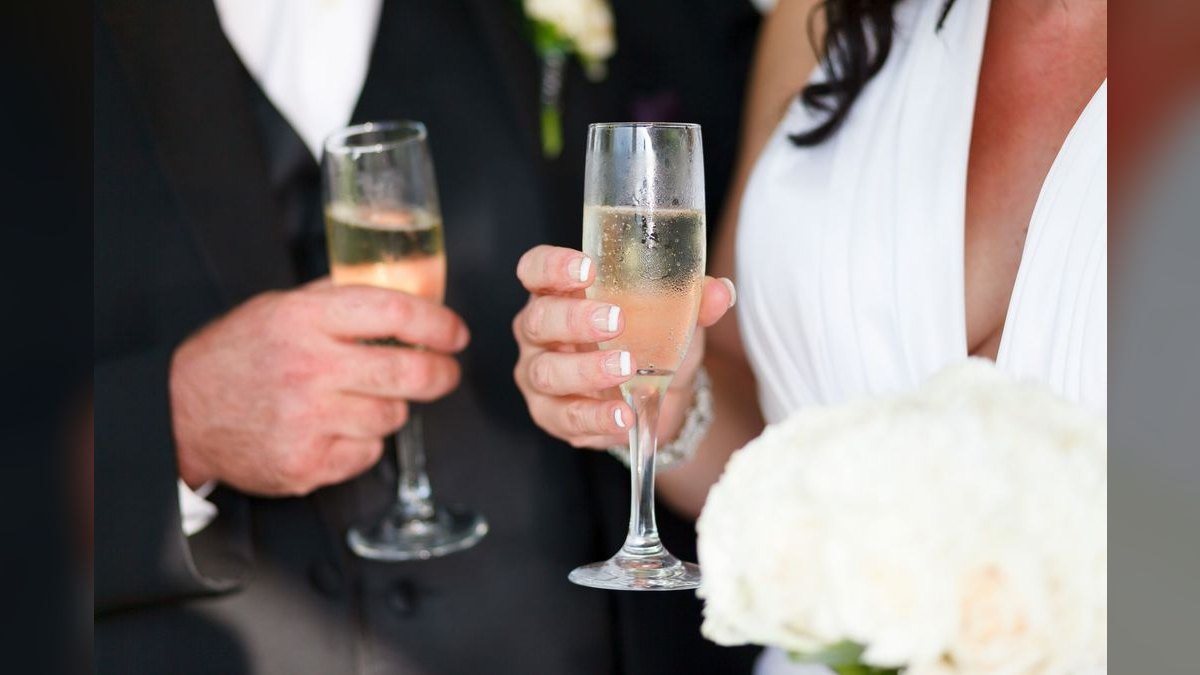
The most important delivery technique is to practice the toast until you know it well enough to speak from bullet points rather than reading a full script. This frees you to make eye contact with your sibling, the couple, and the audience, which creates connection and makes the toast feel conversational. Start with your glass at chest level, make eye contact with your sibling first to ground yourself, then scan the room. Speak slightly slower than you think you need to—nerves often speed up delivery, and a deliberate pace conveys confidence and allows your words to land.
Use pauses strategically: after a funny line, wait for the laughter to settle before continuing; after a sincere line, pause to let the emotion resonate. When you turn to address the partner directly, face them and speak to them as if you're having a private conversation—this creates intimacy and makes the moment feel real. If your voice cracks or you tear up, take a breath and continue; don't apologize or make a joke about it. The audience will be moved by your emotion, not put off. Finally, end the toast by raising your glass clearly and saying "To [sibling's name] and [partner's name]" with conviction. Hold the glass at chest level, not above your head, and make eye contact with the couple as you drink. This simple gesture signals that the toast is complete and invites everyone to join in.
Related questions
What is the ideal length for a sibling wedding toast?
The ideal length is 2 to 4 minutes when spoken, which translates to roughly 250–500 words. This timeframe keeps the audience engaged without dragging on, and it respects the wedding schedule. Practice the toast aloud to check the pacing.
Should I include a childhood story in a sibling wedding toast?
Yes, one specific childhood story works beautifully, but keep it short (30–45 seconds) and universally understandable. Choose a memory that reveals character without embarrassing your sibling. The story should serve as a bridge to the sincere portion of the toast.
How do I avoid being too emotional during a sibling wedding toast?
It's okay to be emotional—the audience will find it endearing. If you feel tears coming, pause, take a sip of water, and look at the couple. Practice the toast multiple times so you're comfortable with the material. Have a backup plan if you get stuck.
What should I say about my sibling's spouse in the toast?
Include a genuine compliment about how the spouse brings out the best in your sibling. Speak directly to the spouse and welcome them to the family. This shows you support the marriage and helps the spouse feel included and valued.
Can I use a template for a sibling wedding toast?
Yes, templates are helpful for structure, but customize the details to reflect your specific relationship. Replace placeholders with real names and memories. The template should guide your speech, not dictate it—authenticity matters more than perfection.
How many times should I practice a sibling wedding toast?
Practice the toast aloud at least five times before the wedding, including once in front of a trusted friend. This helps you find natural pauses, smooth out awkward phrasing, and build confidence. On the day, keep a printed copy as a backup.
FAQ
How long should my sibling's wedding toast be? Aim for roughly 2 to 4 minutes when spoken, which translates to about 250–500 words. This keeps the audience engaged without dragging on. Practice it a few times to check the pacing and ensure it fits within the wedding schedule.
What's the best way to start a toast for my sibling? Open with a simple greeting and introduce yourself if needed, then share a brief, warm memory from childhood or a recent moment that shows your bond. Avoid inside jokes that most guests won't understand, and keep the tone light and sincere to invite the audience in.
Should I include humor in the toast? Yes, a few lighthearted jokes or funny anecdotes can work well, but keep them kind and avoid anything embarrassing or overly personal. The goal is to make people smile, not cringe, so test your humor on a friend first if you're unsure whether it lands.
How do I handle nerves when giving the toast? Practice in front of a mirror or record yourself a few times, and have a printed copy of your toast as a backup. Take a deep breath before you start, speak slowly, and remember that most guests are rooting for you to do well. Nerves are normal and don't diminish the toast's impact.
What should I avoid saying in a sibling's wedding toast? Steer clear of ex-partner references, family drama, or any stories that might embarrass the couple. Also avoid drinking too much before your turn—it's better to stay clear-headed so you can deliver your toast smoothly. Keep the focus on celebration and love.
Is it okay to mention the sibling's spouse in the toast? Absolutely, and it's encouraged—include a genuine compliment about their partner and how they bring out the best in your sibling. This shows you support the marriage and helps the spouse feel welcomed into the family. Speak directly to the spouse for maximum impact.
What if I cry during the toast? It's completely normal to feel emotional toasting a sibling. If you cry, pause, take a sip of water, and continue. The audience will find it endearing, not awkward. Keep a tissue in your pocket and remember that sincerity matters more than a flawless delivery.
How do I transition from funny to heartfelt in the toast? Use a verbal cue like "But here's what I really want you to know" or "And that brings me to the most important part." Also use a physical cue—look down at your glass, take a breath, then look up at your sibling. This signals the tone shift and prepares the audience.
Can I use a template for a sibling wedding toast? Yes, templates are helpful for structure, but customize the details to reflect your specific relationship. Replace placeholders with real names and memories. The template should guide your speech, not dictate it—authenticity matters more than perfection.
What should I do if I forget my lines during the toast? Don't panic—simply skip to your next prepared point or look at your notes. Having a small index card with bullet points gives you a safety net without making you look glued to the page. The audience won't know you skipped anything, so stay calm and continue.
Sources
- The Knot: Wedding Toast Guide for Siblings
- Emily Post Institute: Wedding Toasts and Speeches
- Toastmasters International: Wedding Speech Tips
- Brides Magazine: How to Write a Sibling Wedding Toast
- American Wedding Ministry: Wedding Speech Etiquette
- Martha Stewart Weddings: Sibling Wedding Toast Examples
- WeddingWire: Wedding Toast Tips from Experts
- HuffPost: The Dos and Don'ts of Wedding Toasts
- The Spruce: Wedding Speech Tips for Siblings
Related on PULSE
- [A Toast for a Milestone Wedding Anniversary](/knowledge/sp0132)
- [A Father of the Bride Wedding Toast](/knowledge/sp0044)
- [How to Keep a Wedding Toast Under Three Minutes](/knowledge/sp0255)
- [A Toast for a Best Friend’s Wedding](/knowledge/sp0076)
- [A Mother of the Groom Wedding Toast](/knowledge/sp0067)
- [A 25th Wedding Anniversary Toast](/knowledge/sp0054)
@Kory-White- · if Venmo asks, the last 4 of my number are 2012
 pulse-moviesTop 10 Movies on Netflix 2027
 pulse-moviesTop 10 Movies on Max 2027
 pulse-moviesTop 10 Fantasy Movies of All Time in 2027
 pulse-moviesTop 10 Documentaries of All Time in 2027
 pulse-moviesTop 10 Superhero Movies of All Time in 2027
 pulse-moviesTop 10 Romance Movies of All Time in 2027
 pulse-moviesTop 10 Westerns of All Time in 2027
 pulse-moviesTop 10 Musical Movies of All Time in 2027
 pulse-moviesTop 10 Thriller Movies of All Time in 2027
 pulse-moviesTop 10 Crime Movies of All Time in 2027