

How to Keep a Wedding Toast Under Three Minutes in 2027
 Curated byKory White · Fractional CRO · Maryland
Quality
Certified
To give a wedding toast under three minutes, write a script of 375–450 words, practice it aloud with a timer, and cut any content that doesn't directly support one core message. Focus on a single short story, a personal observation about the couple, and a clear closing toast line. Rehearse three to five times while timing yourself, and trim ruthlessly until your delivery fits comfortably within the three-minute window. A wedding toast should feel warm, heartfelt, and efficient—the room wants to hear something genuine from you, but they also want to return to the celebration. By planning carefully and editing aggressively, you honor both the couple and the guests with a speech that lands perfectly without overstaying its welcome.
What Is the Ideal Word Count for a Three-Minute Wedding Toast?
The ideal word count for a three-minute wedding toast ranges from 375 to 450 words when spoken at a natural pace. Most people speak between 125 and 150 words per minute during a relaxed, conversational delivery, as confirmed by public speaking experts at Toastmasters International. This means you have room for roughly one short story (60–90 words), a personal sentiment (50–70 words), your introduction and toast (40–60 words each), and a small buffer for pauses, laughter, or emotional beats. To test your word count, write out your full toast and read it aloud with a timer—if you finish at 2:45, you have a 15-second cushion for unexpected applause or a brief pause, while hitting 3:30 means you need to cut 50–75 words immediately.
A practical method is to highlight every sentence that isn't essential to your core message and delete it; you'll be surprised how much fluff you can remove without losing meaning. For comparison, a 30-second toast is roughly 60–75 words, and a five-minute toast is 625–750 words. Sticking to the 375–450 word range gives you the flexibility to speak at a comfortable pace without rushing or dragging. If you're nervous, you'll naturally speak faster, so aiming for the lower end of that range (around 375 words) is a safe bet. For more detailed guidance on timing, see How to Rehearse a Speech for Maximum Impact.
How Do I Structure a Wedding Toast That Stays Under Three Minutes?
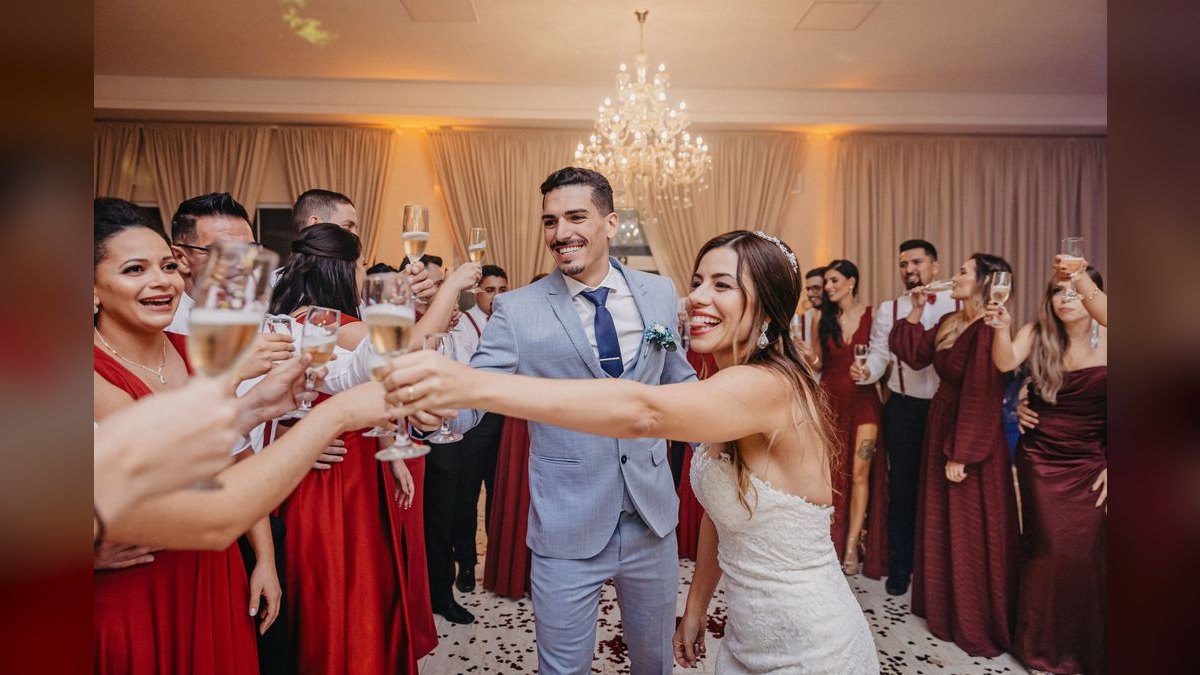
A three-minute wedding toast follows a simple four-part structure: introduction, one story, one sentiment, and the toast itself. This structure eliminates the need for transitions, multiple anecdotes, or lengthy thank-yous that eat up time, ensuring each section has a specific purpose and a strict word limit. Start with your introduction: state your name and your relationship to the couple in one sentence. That's it—don't apologize for being nervous, don't thank the hosts, and don't launch into a long setup. Next, share one short story that reveals something true about the couple; keep it to three or four sentences maximum, illustrating a single quality like their kindness, humor, or how they met.
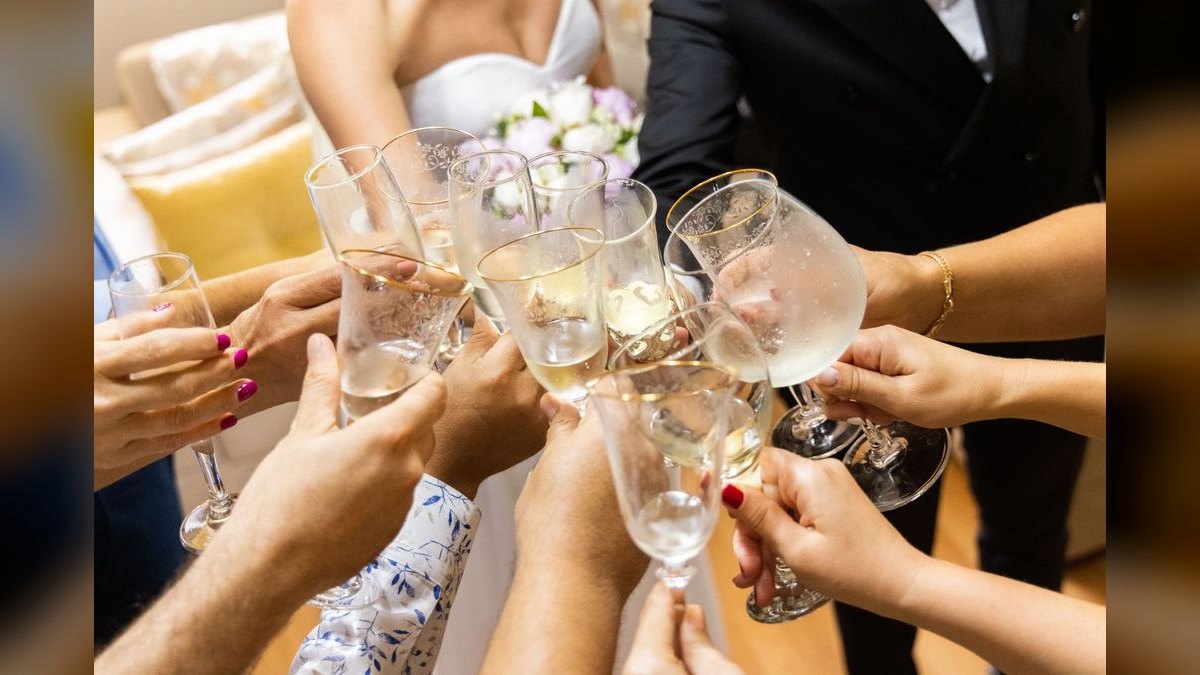
Then, deliver the emotional beat with one or two sentences about what the couple means to you or what you wish for them. Finally, raise your glass and say the toast line—the moment you say "cheers," you're done. This structure works because it gives the audience a clear arc: who you are, why you're speaking, what you feel, and a final call to celebrate. Each section builds naturally into the next without requiring extra words for transitions. If you can't fit your content into these four sections, you need to cut, not expand. A visual representation of this structure clarifies the flow:
What Are the Most Common Mistakes That Make Wedding Toasts Too Long?
The most common mistake speakers make is trying to include too many stories, jokes, or thank-yous, turning the toast into a full biography of the couple. Wedding toasts are not the place for a list of every kind thing they've done—when you try to cover too much ground, you exceed three minutes and lose the room's attention, causing guests to shift in their seats, check their phones, or head to the bar. Another frequent error is starting with an apology or a self-deprecating comment about being nervous, which wastes the first 15–20 seconds of your time and adds no value. The audience doesn't care if you're nervous—they want to hear something meaningful about the couple.
Thanking the parents, the bridal party, the venue, or the caterer also eats up precious seconds that should go to your core message. If you must thank someone, weave it into the emotional beat with a single line like, "And thank you to the parents who raised these two incredible people." A third mistake is rambling at the end—many speakers deliver their toast line, then add a "P.S." or "Oh, and one more thing..." This tacked-on content pushes the speech past three minutes and weakens the impact of the closing. The solution is simple: after you say "cheers," stop talking, put the glass down, and smile. For more on avoiding these pitfalls, check out How to Give an Impromptu Speech in Any Situation.
How Can I Practice My Wedding Toast to Ensure It Stays Under Three Minutes?
Practicing aloud with a timer is the only reliable way to ensure your toast stays under three minutes, as silent rehearsal in your head underestimates actual time because your brain processes words faster than your mouth can say them. Stand up, hold a glass or a prop, and deliver your toast as if you're at the reception, using a stopwatch to time each run-through. For the first rehearsal, read your full script aloud and note the time—most first drafts run 30–60 seconds over. On the second pass, mark sentences you can cut or tighten, aiming to reduce the word count by 10–15 percent. On the third pass, practice with just bullet points on a notecard, which forces you to speak naturally rather than reading word-for-word.
By the fourth or fifth rehearsal, you should consistently finish between 2:30 and 2:45, giving you a buffer for applause or laughter. Record yourself once and listen back to assess pacing: do you rush through the funny part? Do you pause too long between sentences? A good pace feels slightly slower than your normal conversation speed. If you find yourself rushing, add deliberate pauses after key lines—for example, after your one funny line, pause for two beats to let the laughter land. That pause is part of your three minutes, so account for it. Practicing in front of a trusted friend or family member also helps you get feedback on pacing, clarity, and emotional impact, plus they can time you and point out any rambling sections.
What Should I Do If I'm Asked to Give a Toast on the Spot Without Preparation?
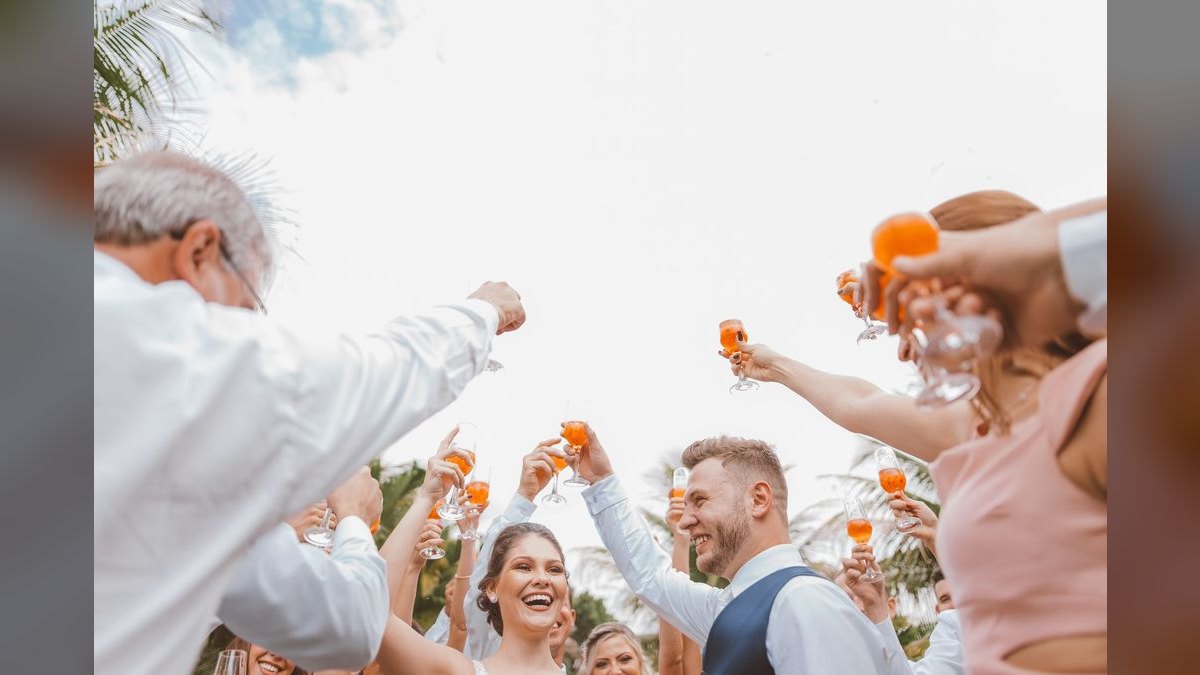
If you're asked to give an impromptu toast, keep it to 30–45 seconds using a mini-version of the four-part structure: introduce yourself, share one quick observation about the couple, and raise your glass. For example: "I'm Sarah, a college friend of the groom. In all the years I've known him, I've never seen him as happy as he is tonight with Emily. To a lifetime of joy together—cheers." This version takes about 30 seconds and covers all the essentials without requiring you to invent a story on the spot—stick to a simple, genuine observation. If you're at a table with other speakers, follow their lead on length; if everyone is giving short toasts, match their brevity, and if someone goes long, don't feel pressured to compete.
A short, sincere toast always lands better than a rambling one, and this approach ensures you stay under three minutes without stress. For more tips on speaking without preparation, visit How to Give an Impromptu Speech in Any Situation. Remember that the goal is to celebrate the couple, not to deliver a perfect performance—your genuine words will resonate more than a polished but lengthy speech.
Related Questions
How many words should a 2-minute wedding toast be?
A 2-minute wedding toast should be between 250 and 300 words when spoken at a natural pace, giving you room for a short introduction, one brief anecdote, and a toast line.
What is the best length for a best man speech?
The best man speech should be 2–3 minutes long, or roughly 300–450 words, as any longer risks losing the audience's attention, especially if multiple speeches are scheduled.
Can I use humor in a short wedding toast?
Yes, but keep it to one quick joke or funny observation that supports your main emotional message—avoid inside jokes that only a few people will understand.
Should I write out my toast word-for-word or use bullet points?
Bullet points on a notecard are better than a full script because they help you speak naturally while keeping you on track—memorize only your first line and your closing toast line.
What if I cry during my toast?
It's perfectly fine to show emotion; take a breath, pause, and continue, as guests will see your tears as a sign of genuine love for the couple, not as a mistake.
FAQ
How do I start my wedding toast without being boring? Start with a simple introduction: your name and your relationship to the couple, avoiding clichés like "I'm not good at public speaking" or "I'll keep this short"—just say who you are and why you're there.
Is it okay to thank the parents in my toast? Yes, but keep it brief with one sentence like "Thank you to the parents who raised these two wonderful people"—don't list individual family members unless you have a specific reason.
What if I forget my toast completely? Take a breath, smile, and say something genuine like "I just want to say how happy I am for the two of you," then raise your glass and say "Cheers"—no one will know you forgot your planned lines.
How do I handle a microphone during my toast? Hold the microphone about two finger-widths from your mouth, slightly below your chin, to prevent popping sounds and keep your voice clear—speak at a natural volume without shouting or whispering.
Can I include a quote in my wedding toast? Yes, but keep it to one or two lines at most about love, partnership, or marriage, choosing a quote that feels authentic to the couple rather than replacing your own words.
What if the couple has already heard all my stories? That's fine—the toast is for the guests, not just the couple, so choose a story that reveals something true about them even if they've heard it before, as guests will appreciate learning something new.
Should I practice in front of someone else? Yes, practicing in front of a trusted friend or family member helps you get feedback on pacing, clarity, and emotional impact, and they can also time you and point out any rambling sections.
How do I know if my toast is too long? If you can't fit your content on one side of a 3x5 notecard, it's too long—stick to bullet points and aim for 375–450 words, cutting until you fit if you're still over.
Sources
- Toastmasters International - Speech Timing Guidelines
- The Knot - Wedding Toast Etiquette and Tips
- Brides Magazine - How to Write a Wedding Toast
- Harvard Business Review - The Art of Concise Communication
- Psychology Today - Audience Attention Spans and Memory
- National Association of Wedding Professionals - Industry Standards for Speeches
- Forbes - Public Speaking Tips for Nervous Speakers
- Inc. Magazine - How to Deliver a Short Speech That Lands
- American Express - Business Etiquette for Event Speeches
- The Spruce - Wedding Speech Etiquette Guide
Related on PULSE
This page will be disappearing soon. Save it to your device for $1 — or read it free while it is here.
@Kory-White- · if Venmo asks, the last 4 of my number are 2012
This page is gone.
This one is off the shelf now. $1 keeps it on your phone for good — the whole page, pictures and diagrams included.
 pulse-speechesA Speech for a Project Wrap Celebration
 pulse-speechesA Toast for a Christening
 pulse-speechesHow to Practice a Speech So It Sounds Natural in 2027
 pulse-speechesA Eulogy for a Grandmother Who Raised You
 pulse-speechesA Speech for a Team Offsite Kickoff
 pulse-speechesA Toast for a Quinceañera
 pulse-speechesHow to Write a Speech in 30 Minutes in 2027
 pulse-speechesWhat Makes Nelson Mandela's Inauguration Speech a Great Speech in 2027
 pulse-speechesWhat Makes Patrick Henry’s “Give Me Liberty” a Great Speech in 2027
 pulse-speechesA Retirement Speech for a Military Officer