
A Toast for a Bar Mitzvah
 Curated byKory White · Fractional CRO · Maryland
 PULSEKNOWLEDGE LIBRARY
Quality
Certified
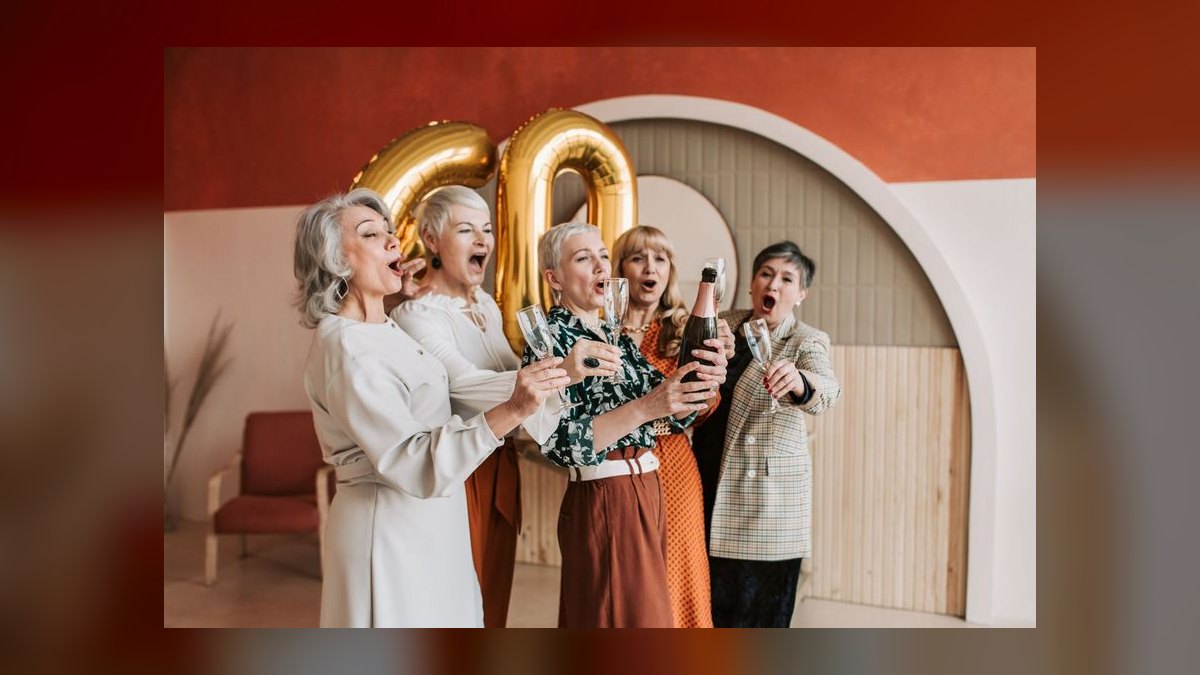
A heartfelt toast for a bar mitzvah should celebrate the young man's coming of age, acknowledge his Torah reading, and offer blessings for his future. Keep it brief—around one to three minutes—and speak from the heart, often opening with a personal memory or a thank you to guests. Avoid inside jokes or overly long stories, and end with a raised glass and a warm wish for his journey ahead. The most memorable toasts balance pride and tenderness, honoring the boy's achievement while inspiring him for the years to come.
What Makes a Bar Mitzvah Toast Different from Other Toasts?
A bar mitzvah toast is unique because it marks a specific Jewish milestone: the moment a 13-year-old boy becomes responsible for his own actions under Jewish law. Unlike a wedding toast that celebrates a couple's union or a birthday toast that honors aging, a bar mitzvah toast acknowledges both a religious achievement and a personal transition. The tone should be respectful of the ceremony's spiritual significance while still feeling warm and personal.
The toast typically occurs during the reception after the synagogue service, when the room is full of relatives who have known the young man since childhood, plus his friends who are adjusting to formal attire. The setting influences the content—a formal banquet hall may call for a more polished delivery, while a casual backyard party allows for a relaxed, conversational tone. Understanding this context helps you tailor your words to the moment.
The key difference lies in the dual audience: you're speaking to the boy directly while also addressing a multigenerational group that includes grandparents, young children, and family friends. Your words must resonate with everyone, which means avoiding niche references or inside jokes that exclude part of the room. A successful bar mitzvah toast bridges the sacred and the celebratory, honoring tradition while feeling authentic to your relationship with the honoree.

For more insights on adapting to different audiences, see How to Tailor a Toast to the Audience.
How Do You Structure a Bar Mitzvah Toast for Maximum Impact?
A well-structured bar mitzvah toast follows a reliable three-part arc that keeps the room engaged and delivers its message with clarity. This framework helps even nervous speakers stay on track and ensures no crucial element is forgotten.

Opening (30–45 seconds): Begin by addressing the room with a simple greeting like "Shabbat shalom, everyone" or "Good evening, family and friends." Then state your relationship to the bar mitzvah boy—whether you're a parent, grandparent, aunt, uncle, or family friend. This immediately orients the audience and establishes your perspective. A brief thank-you to the hosts (often the parents) for including you in the celebration adds a gracious touch. Avoid diving straight into jokes or stories; let the room settle first.
Body (2–3 minutes): This is the heart of the toast. Share one specific, genuine story or observation that illustrates the boy's character. It could be a moment from Hebrew school, a family trip, a shared hobby, or how he handled a challenge. Keep it positive and age-appropriate—avoid inside jokes that leave most guests confused. If you want to include a Jewish value like *tikkun olam* (repairing the world) or *chesed* (kindness), weave it naturally into your story rather than lecturing. For example: "I remember when you spent your entire allowance buying supplies for the animal shelter—that's *chesed* in action."
Closing (30 seconds): End with a blessing or a wish for the boy's future. Traditional options include "May you go from strength to strength" or "May you continue to bring joy to your family and community." Then invite everyone to raise their glasses: "Please join me in raising a glass to [name]—l'chaim!" Practice your closing line so it feels confident, not rushed.

What Should You Include in the Body of the Toast?
The body of your bar mitzvah toast is where you connect with the audience and honor the young man. This section should feel personal and genuine, not like a rehearsed speech. Focus on one true, small story that reveals his character—a kindness he did, a stubborn moment that became a strength, or a time he stood up for someone.
When choosing a story, consider these prompts: When did you first notice he was growing up? What is one trait of his you hope never changes? What did his months of preparation reveal about his character? The story doesn't need to be dramatic—sometimes the most powerful moments are quiet ones. A memory of him helping a younger sibling with homework or comforting a friend after a loss can speak volumes about who he is becoming.
Avoid listing multiple accomplishments or reciting his resume. One well-told story with emotional resonance will stick with the audience far longer than a catalog of achievements. Keep the language simple and direct, and let the story breathe with natural pauses. If your throat tightens, stop and breathe—a pause reads as love, not as a stumble.

For guidance on keeping your toast concise, see How to Keep a Wedding Toast Under Three Minutes.
How Do You Navigate Family Dynamics When Multiple People Want to Speak?
Bar mitzvah receptions often involve several speakers—parents, grandparents, siblings, close relatives, and sometimes friends. Without coordination, the evening can feel like a series of repeated sentiments or awkward overlaps. A little advance planning prevents this and ensures everyone feels included.
Create a speaking order: Ideally, the family decides who speaks and in what sequence. A common flow: parent(s) speak first (often after the candle-lighting or before dinner), followed by grandparents or other relatives, then siblings, and finally friends or mentors. Each speaker should know their slot and approximate length. If you're a guest asked to speak, confirm your place in the order with the parents or the emcee.
Avoid redundancy: If you know a parent plans to share a story about the boy's first Torah portion, choose a different angle—perhaps a sports memory or a funny moment from a family vacation. Listen to earlier speeches if you're later in the order, and briefly acknowledge what others have said ("As Dad mentioned, you've worked hard on your Torah reading, but I also want to talk about…"). This shows you're present and respectful.
Handle sensitive situations gracefully: If divorced or blended families are involved, keep the tone inclusive. Avoid references that might exclude a stepparent or another side of the family. Stick to celebrating the child, not family politics. If you're unsure, run your toast by a neutral family member first. A simple "I'm so proud of the young man you're becoming" works for any family configuration.
When to decline: If you're asked to speak but feel unprepared or uncomfortable, it's okay to politely decline. Say, "I'm honored, but I think someone else would do a better job—I'd rather enjoy the evening and cheer from the crowd." Most families will understand, and it's better than a nervous, rambling toast.
For more on handling group toasts, see How to Give an Impromptu Toast.
What Are Effective Delivery Techniques for a Bar Mitzvah Toast?
Delivery can make or break a bar mitzvah toast, regardless of how well it's written. The goal is to sound natural and heartfelt, not like you're reading from a script. Here are key techniques to master:

Speak slower than feels natural: Joy makes us rush, but the room wants to linger here. Practice speaking at about 150 words per minute—a comfortable pace that allows your words to land. If you finish early, that's fine; a short, well-delivered toast is better than a long, rushed one.
Land the early laugh line: If you include humor, place it early in the toast to warm up the audience. Then drop your voice for the "heart of it" passage about responsibility and character. This contrast creates emotional depth and keeps listeners engaged.
Make eye contact strategically: Look at the young man during the charge ("be the person who…"), then sweep the parents for the proud-of-you lines. This connects your words to the people they're about and makes the toast feel personal rather than generic.
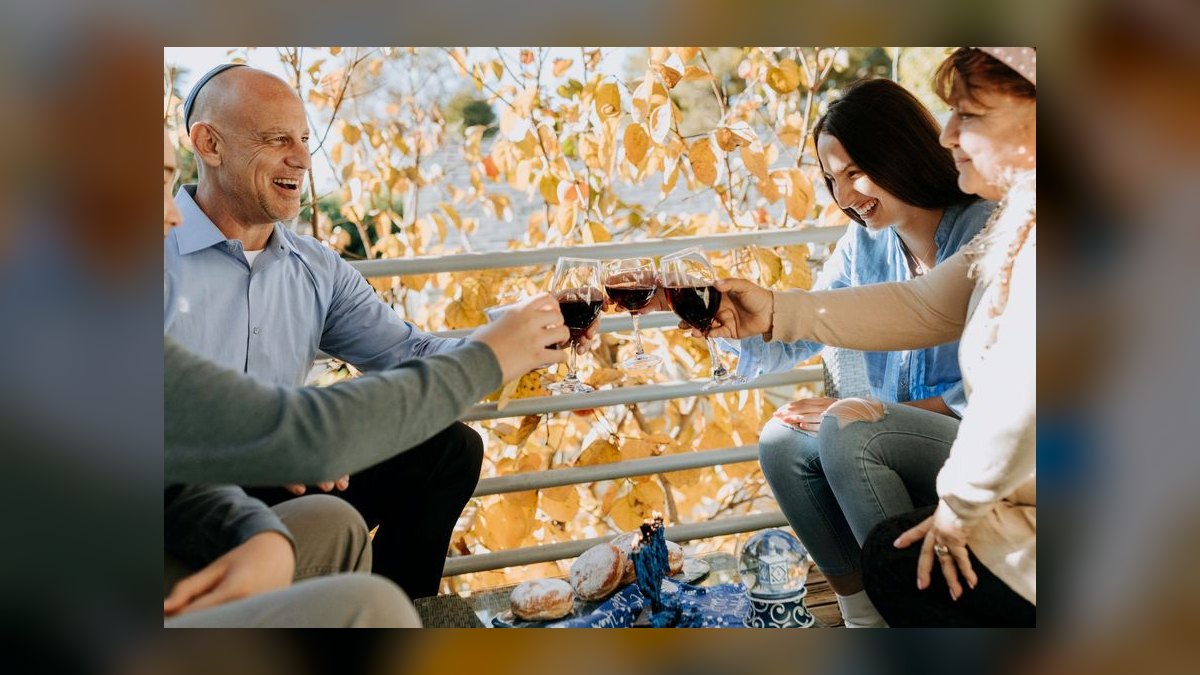
Handle emotion gracefully: If your throat tightens, stop and breathe. A pause reads as love, not as a stumble. Keep a single note card with the memory and the final toast line written out, so you nail the ending even if emotion runs high. Avoid memorizing every word—knowing your key points allows for natural delivery.
Practice aloud: Rehearse your toast at least three times, ideally in front of a mirror or a trusted friend. Time yourself to ensure you stay within the 2-4 minute range. The more familiar you are with your words, the more confident you'll feel when it matters.
For tips on landing humor, see How to Land a Joke in a Toast.
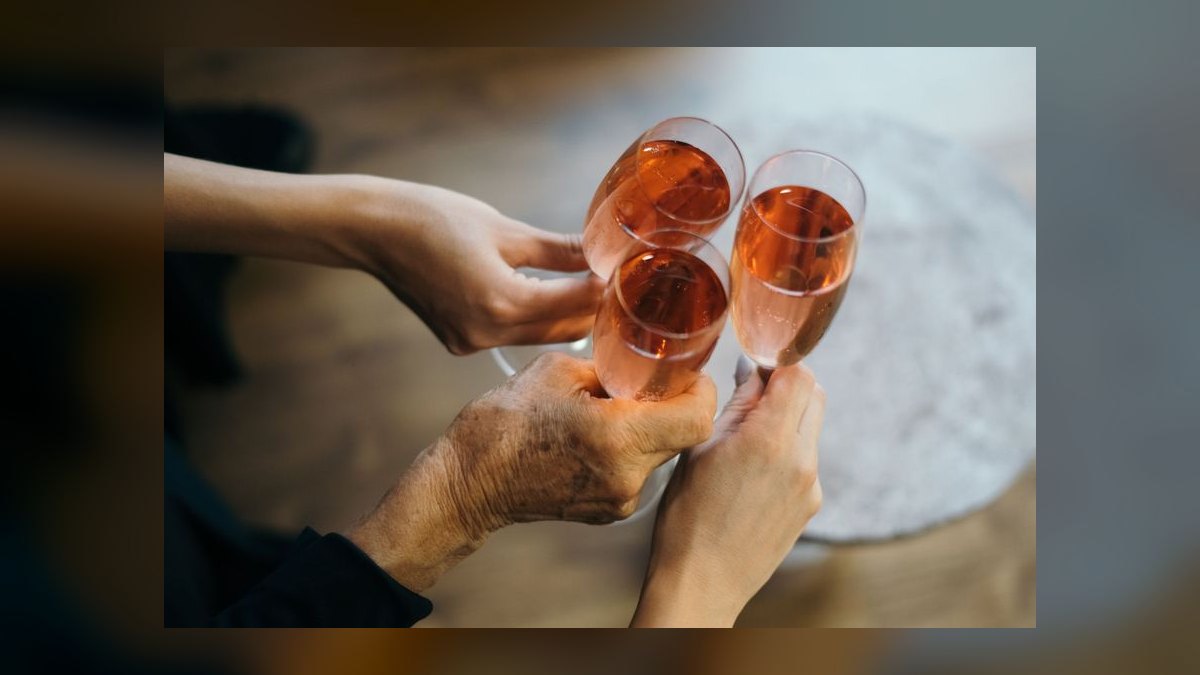
How Do You Adapt Your Toast for Different Bar Mitzvah Settings?
Not all bar mitzvah celebrations look the same. The setting and tone of the event should influence how you deliver your toast. A formal synagogue reception calls for a different approach than a casual backyard party or a virtual gathering.
Formal receptions (banquet halls, synagogues, country clubs): These events often have a structured program with a microphone, a head table, and a seated dinner. Speak into the mic clearly and stand still—avoid pacing. Dress appropriately (suit or dress). Keep language polished: avoid slang, profanity, or overly casual jokes. If the event includes a candle-lighting ceremony, your toast might be part of that segment. Coordinate with the emcee so you know when to step up.

Casual or outdoor celebrations (backyard, park, community center): The atmosphere is more relaxed, and the microphone might be optional if the group is small. You can stand closer to the boy and speak conversationally. A shorter, more informal toast works well—think 1-2 minutes. You might even start with "I'm not going to hold you up long because the food smells amazing." Humor lands better here, but still keep it respectful. If kids are running around, wait for a lull in the noise before starting.
Virtual or hybrid bar mitzvahs: If you're toasting via Zoom or similar platform, adjust your delivery. Look directly into the camera, not at the screen. Speak a bit slower and louder than usual, since audio can lag or compress. Hold your glass up to the camera when you say "l'chaim." If others are in the room with you, mute them during your toast. Keep it concise—virtual attention spans are shorter. A personal story or a simple blessing works best. Avoid jokes that rely on physical props or audience reaction, which may not translate well.
Multi-generational audiences: Most bar mitzvahs include grandparents, young children, and everyone in between. Avoid references that only resonate with one age group (like a niche TV show or a recent meme). If you want to mention the boy's interests, explain briefly: "You've been learning guitar, and I hear you can play 'Hava Nagila'—that's impressive." This keeps everyone included. Similarly, if you use a Hebrew phrase, translate it or explain it in context.
Related questions
What is the best time to give a toast at a bar mitzvah?
The toast is typically given during the reception, after the meal but before dessert or dancing, often following the candle-lighting ceremony when energy is high but not chaotic.
Who usually gives the toast at a bar mitzvah?
Parents, grandparents, or close family friends often give the toast. The father or mother usually speaks first, followed by others, and the bar mitzvah boy may also offer a brief thank-you.
How long should a bar mitzvah toast be?
A good toast runs between 2 to 4 minutes. Shorter toasts risk feeling rushed, while longer ones can lose the audience's focus. Practice aloud to stay within that range.
Can you use humor in a bar mitzvah toast?
Yes, light humor is welcome, but keep it appropriate for a mixed-age audience. A funny anecdote about the child's younger years can work well, but avoid embarrassing or overly sarcastic jokes.
What should you do if you're nervous about giving the toast?
Practice several times beforehand, write key points on note cards, take a deep breath before speaking, and remember that most guests are rooting for you and the honoree.
FAQ
What is the best time to give a toast at a bar mitzvah? The toast is typically given during the reception, after the meal but before dessert or dancing. This timing allows guests to be seated and attentive, and it often follows the candle-lighting ceremony. Aim for a moment when the energy is high but not chaotic.
How long should a bar mitzvah toast be? A good toast runs between 2 to 4 minutes. Shorter toasts risk feeling rushed, while longer ones can lose the audience's focus. Practice aloud to ensure you stay within that range.
Who typically gives the toast at a bar mitzvah? Parents, grandparents, or close family friends often give the toast. The honoree's father or mother usually speaks first, followed by others. It's common for the bar mitzvah boy to also offer a brief thank-you.
What should I include in a bar mitzvah toast? Start with a personal story or memory that highlights the child's character, then offer words of pride and encouragement. Avoid inside jokes that exclude others, and keep the tone warm and respectful. End with a blessing or a wish for their future.
Can I use humor in a bar mitzvah toast? Yes, light humor is welcome, but keep it appropriate for a mixed-age audience. A funny anecdote about the child's younger years can work well, but steer clear of embarrassing or overly sarcastic jokes. The goal is to celebrate, not roast.
What if I'm nervous about giving the toast? Practice your toast several times beforehand, and consider writing it on note cards for reference. Take a deep breath before speaking, and focus on the celebratory atmosphere. Remember, most guests are rooting for you and the honoree.
Should I memorize my bar mitzvah toast? No, memorizing every word can make you sound robotic and increase anxiety if you forget a line. Instead, know your key points and practice the flow. A single note card with your opening line, the memory, and the closing toast is sufficient. This approach allows for natural delivery while ensuring you don't miss crucial elements.
How do I handle a bar mitzvah toast if I'm not Jewish? Focus on your personal relationship with the boy and your genuine feelings. You don't need to use Hebrew phrases or quote Jewish texts—sincerity matters more than religious knowledge. A simple "I'm so proud of you" or "You've grown into a wonderful young man" works beautifully. If you want to include a Jewish touch, a "mazel tov" at the end is always appropriate.
What if the bar mitzvah boy is shy or seems uncomfortable? Keep your toast brief and avoid putting him on the spot by asking questions or demanding a response. Direct your words to him but let the room carry the energy. A short, heartfelt toast may actually help him feel more comfortable by showing that the celebration is about support, not performance.
Can I give a bar mitzvah toast if I'm a sibling? Absolutely. Siblings often give some of the most memorable toasts because they share a unique perspective. Focus on your relationship—inside jokes between siblings can work if you briefly explain them so everyone understands. Keep it positive and avoid embarrassing stories that might make the bar mitzvah boy uncomfortable in front of his friends.
Sources
- My Jewish Learning — Bar Mitzvah Speeches and Toasts
- Reform Judaism — Sample Bar Mitzvah Speeches
- Chabad.org — Bar Mitzvah Guide and Customs
- The Jewish Publication Society — Bar Mitzvah Traditions
- The New York Times — Bar Mitzvah Speech Tips
- Kveller — How to Write a Bar Mitzvah Speech
- 18Doors — Bar Mitzvah Toast Examples
- The Complete Idiot's Guide to Jewish Culture and Customs — Bar Mitzvah Section
Related on PULSE
This page will be disappearing soon. Save it to your device for $1 — or read it free while it is here.
@Kory-White- · if Venmo asks, the last 4 of my number are 2012
This page is gone.
This one is off the shelf now. $1 keeps it on your phone for good — the whole page, pictures and diagrams included.
 pulse-speechesWhat Makes Susan B. Anthony's "On Women's Right to Vote" a Great Speech in 2027
 pulse-speechesA Graduation Speech for a Valedictorian
 pulse-speechesA Toast for a Christening
 pulse-speechesWhat Makes Winston Churchill's "Their Finest Hour" a Great Speech in 2027
 pulse-speechesA Wedding Speech for a Small Backyard Wedding
 pulse-speechesA Wedding Speech for a Maid of Honor
 pulse-speechesHow to Write a Heartfelt Eulogy When You're Grieving in 2027
 pulse-speechesA Speech for a Little League Opening Day
 pulse-speechesA Retirement Speech for a Police Officer
 pulse-speechesHow to Write a Speech in 30 Minutes in 2027