

A Retirement Speech for a Small Business Owner
 Curated byKory White · Fractional CRO · Maryland
Quality
Certified

A retirement speech for a small business owner should celebrate their personal journey, hard work, and the unique legacy they leave behind. It typically includes heartfelt thanks to employees, family, and loyal customers, while acknowledging the bittersweet transition from daily operations to a well-earned rest. The tone balances pride in the business's growth with warmth and humility, often ending with hopes for the future of the company and the retiree's next chapter. This speech is not a eulogy, but a celebration of decades of risk, sacrifice, and community building that deserves a send-off as unique as the business itself.
The best retirement speeches for small business owners avoid generic praise and instead focus on a single true story, a clear expression of gratitude, and a forward-looking toast that honors the legacy left behind. Whether delivered by a longtime employee, a family member, or a loyal customer, the speech should feel personal, authentic, and worthy of the years of early mornings and sleepless nights that built the business.
What Makes a Small Business Owner Retirement Speech Different?
A retirement speech for a small business owner differs fundamentally from one for a corporate employee because the business is often an extension of the owner's identity. Unlike a corporate retiree who might celebrate a career within a larger structure, the small business owner has poured their personal savings, sleepless nights, and family time into something they built from the ground up. This speech must acknowledge that the business was never just a job — it was a life.
The emotional stakes are higher because the owner is not just leaving a role; they are leaving an institution they created. Employees may feel a sense of loss or uncertainty about the future, and the speech should address this by emphasizing continuity and the strength of the team left behind. For example, a speech that says "I built this business, but you all made it a home" acknowledges the shared ownership of the company's success. The tone should be warm, grateful, and forward-looking, avoiding any hint of regret or resentment.

Another key difference is the audience. In a small business, the speech might be delivered to a room of employees, family members, and long-time customers who have known the owner for decades. This intimacy means the speaker can reference inside jokes, specific memories, and shared experiences without alienating anyone. However, it also means the speech must be carefully crafted to include everyone — not just the inner circle. A good rule of thumb is to include one story that everyone in the room can relate to, such as the owner's famous early-morning coffee runs or their refusal to retire an ancient piece of equipment.
How to Structure the Speech for Maximum Emotional Impact
The most effective retirement speeches for small business owners follow a clear three-act structure that mirrors the entrepreneurial journey itself. This framework keeps the speech focused, prevents rambling, and ensures the audience remains engaged from beginning to end. For more guidance on structuring a speech, visit our guide on how to structure a retirement speech.
Act I – The Origin Story (1-2 minutes): Begin with a brief, vivid snapshot of how and why the business started. Was it a kitchen table, a single truck, or a garage? Keep this under 90 seconds. Example: "I remember the first desk I bought — a rickety folding table from a garage sale. That table held my phone, my coffee, and my entire dream." This grounds the audience in the owner's personal journey and sets a tone of humility and gratitude. Avoid diving into financial details or business metrics — focus on the human elements.
Act II – The Journey and the People (3-4 minutes): This is the heart of the speech. Resist the urge to list every milestone or achievement. Instead, pick 2-3 turning points that reveal character: a near-failure that was overcome, a customer who believed early, or a team member who went above and beyond. Use specific, human moments. For instance, "When we lost our biggest client in 2014, I didn't know if we'd make payroll. But Sarah stayed late that night to rework our entire proposal pipeline. That's the real story of this company." This section should also include a group thank-you to employees, family, and customers. Avoid naming every single person — instead, group them into categories and highlight one or two individuals whose stories illustrate the larger theme.
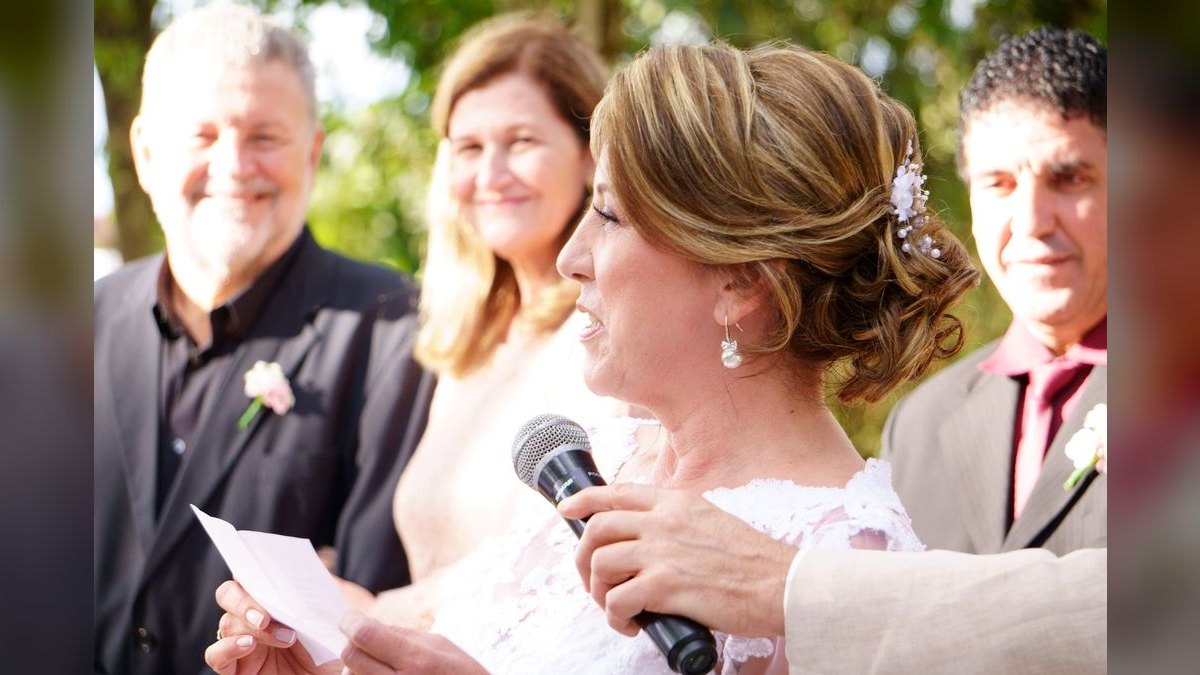
Act III – The Legacy and Farewell (1-2 minutes): End with gratitude and a forward-looking note. Thank the family for their sacrifices, the team for their dedication, and the customers for their loyalty. Then, hand the baton to the successor or team with a simple, confident statement: "This business has always been bigger than one person. I leave it in hands far more capable than mine." Avoid long goodbyes — leave the audience wanting a little more, not checking their watches. Close with a toast or a simple, heartfelt wish for the future.
How to Deliver the Speech with Authenticity and Confidence
The delivery of a retirement speech for a small business owner matters as much as the words themselves. Small business owners often feel more comfortable behind a desk than a podium, so the speaker should lean into a natural, conversational style — but refine it slightly for the occasion. The goal is to sound like the person you're honoring, not like a politician or a corporate spokesperson.
Tone: Aim for warm, conversational, and heartfelt. Avoid overly formal language or inside jokes that exclude half the room. If the owner is naturally funny, use one or two light moments early to break the ice, but pivot to sincerity for the bulk of the speech. For example, "I used to say my retirement plan was winning the lottery. Well, I didn't win the lottery — but I did get to work with all of you, which is actually better." This lands as genuine, not rehearsed.

Pacing: Speak slower than you think you need to. Nerves often speed up delivery, causing the speaker to rush through the most meaningful parts. Pause fully after key sentences — especially when mentioning a person or a memorable moment. A 3-second pause feels like an eternity to the speaker but gives the audience time to absorb the words. Practice with a timer; if you finish in 4 minutes, you're probably rushing. Aim for 5-7 minutes of spoken content.
Physical Presence: Stand with your feet shoulder-width apart, and hold a single index card with bullet points (not a full script). Reading from a sheet creates a barrier between you and the audience. Make eye contact with specific people in the room — the owner's spouse, a longtime employee, a loyal customer. This transforms the speech from a monologue into a conversation. If you tear up, that's okay. Pause, take a breath, and continue. Authenticity is more powerful than perfection.
One practical tip: rehearse the speech out loud at least three times, ideally in front of a trusted friend or family member. Record yourself on your phone and listen back. You'll catch awkward phrasing and pacing issues that you miss when reading silently. The goal is not to memorize word-for-word, but to internalize the flow so you can speak naturally. For more tips on delivery, check out our guide on adding humor to a retirement speech.
What to Avoid in a Small Business Owner Retirement Speech
Even well-intentioned retirement speeches can go off track. Knowing what to avoid is just as important as knowing what to include. Here are the most common pitfalls and how to steer clear of them.

Don't settle old scores or air grievances. A retirement speech is a celebration, not a therapy session. Avoid any mention of difficult employees, past disputes, or competitors. Even a veiled reference ("some people didn't think we'd make it") can create awkwardness. Keep the tone entirely positive and forward-looking. If there's a difficult history, leave it out entirely — the speech is about honoring the journey, not re-litigating it.
Don't make it about the money. Avoid mentioning sale price, profit margins, or financial details. It can come across as boastful or uncomfortable for employees who may not share in that windfall. Instead, focus on the non-financial rewards: the relationships, the impact on the community, the pride in building something lasting. If the business was sold or transferred, keep the financial details private and instead say something like "I'm proud to pass the reins to someone who shares our values."
Don't forget your family. It's surprisingly common for business owners to thank their team and customers — and barely mention their spouse or children. Your family likely sacrificed just as much as you did. Acknowledge them specifically and sincerely. For example: "My wife, Linda, kept our household running during every late night and missed birthday. This speech is as much for her as it is for me." This small addition can mean the world to family members who often feel invisible during the business years.

Don't ramble or over-explain. Stick to your three-act structure. If you find yourself going off on tangents, cut them. A tight, well-edited speech is more memorable than a long, winding one. If you're unsure, ask someone you trust to be your editor — give them permission to tell you what to cut. Aim for a total speech length of 5-7 minutes (roughly 600-900 words). Any longer, and you risk losing your audience's attention.
Don't forget the future. A retirement speech is a closing chapter, but it should also point forward. Briefly mention what the retiree will do next (travel, volunteer, spend time with family) and express confidence in the business's future without them. This reassures employees and customers that the company is in good hands. A line like "I'm excited to see what you all build next" leaves the audience feeling hopeful, not sad.
How to Customize the Speech for Different Audiences
Not all retirement speeches for small business owners are the same. The audience, venue, and relationship between the speaker and the retiree will influence the tone and content. Here are three common scenarios and how to adapt the speech accordingly.
For a Family Member Speaking: If you're a son, daughter, or spouse, the speech should acknowledge the personal sacrifices the business required. A line like "I remember holidays when you were on the phone with a client, and birthdays when you were at the shop until midnight" honors the cost without sounding resentful. Follow it with gratitude: "But you taught me what it means to build something with your own hands, and I'm prouder of you than I can say." This balance of honesty and love makes the speech deeply personal.

For a Long-Time Employee Speaking: As an employee, your speech should focus on what the owner taught you and how they shaped your career. Name a specific moment — a time they covered a shift, forgave a mistake, or taught you a skill. For example, "I'll never forget the day I messed up a big order, and instead of yelling, you sat me down and showed me how to fix it. That's the kind of boss you are." Avoid making the speech about your own achievements; keep the spotlight on the retiree.
For a Customer or Community Member Speaking: If you're a loyal customer or a fellow business owner, your speech should emphasize the retiree's impact on the community. Mention how the business became a gathering place or how the owner supported local causes. For example, "This hardware store wasn't just where we bought nails — it was where we heard the news, got advice, and felt like someone cared." This perspective is valuable because it shows the retiree's legacy extends beyond the business itself.
For all three scenarios, keep the speech to 3-7 minutes, include one personal story, and end with a toast. The audience will remember how you made them feel, not the exact words you used.
Related questions
How long should a retirement speech for a small business owner be?
Aim for 3 to 7 minutes when spoken aloud. That gives you enough time to thank key people, share a meaningful story, and leave on a warm note without losing your audience's attention.
What are the most important elements to include in the speech?
Start with a brief thank-you to employees, family, and loyal customers. Then share one or two short, genuine stories that capture the journey. End with a hopeful look at the business's future and a toast or closing sentiment.
Should I mention the sale or transfer of the business in the speech?
Only if it feels natural and positive. Say something like "I'm proud to pass the reins to [name], who shares our values" without diving into financial details. Keep the focus on gratitude and continuity.
How do I handle emotions without getting too choked up?
Practice the speech aloud several times in front of a mirror or a trusted friend. Pause, breathe, and have a glass of water nearby. It's okay to show emotion — just prepare a short, lighthearted backup line if you need a moment.
What if I'm not a natural public speaker?
Keep the tone conversational and write the way you talk. Use bullet points on a notecard rather than a full script, and make eye contact with a few friendly faces in the room. A little nervousness is normal; your audience is rooting for you.
Should I mention specific employees or family members by name?
Yes, but limit it to 3-5 key people to avoid a long list. Thank them sincerely for their unique contributions. This makes the speech personal without dragging.
FAQ
How long should a retirement speech for a small business owner be? Aim for 3 to 7 minutes when spoken aloud. That gives you enough time to thank key people, share a meaningful story, and leave on a warm note without losing your audience's attention. A 5-minute speech is ideal for most occasions.
What are the most important elements to include in the speech? Start with a brief thank-you to employees, family, and loyal customers. Then share one or two short, genuine stories that capture your journey — like a tough early decision or a funny moment. End with a hopeful look at the business's future and a toast or closing sentiment.
Should I mention the sale or transfer of the business in the speech? Only if it feels natural and positive. You can say something like "I'm proud to pass the reins to [name], who shares our values" without diving into financial details. Keep the focus on gratitude and continuity, not transactions.
How do I handle emotions without getting too choked up? Practice the speech aloud several times in front of a mirror or a trusted friend. Pause, breathe, and have a glass of water nearby. It's okay to show emotion — just prepare a short, lighthearted backup line (e.g., "I told myself I wouldn't cry, but here we are") if you need a moment.
What if I'm not a natural public speaker? Keep the tone conversational and write the way you talk. Use bullet points on a notecard rather than a full script, and make eye contact with a few friendly faces in the room. A little nervousness is normal; your audience is rooting for you.
Should I mention specific employees or family members by name? Yes, but limit it to 3-5 key people to avoid a long list. Thank them sincerely for their unique contributions — like "Sarah, who's been with me since day one and kept our books straight through every storm." This makes the speech personal without dragging.
What if the owner is retiring due to health issues or illness? Lean solemn rather than humorous. Trade the jokes for a quieter line about resilience and rest well-earned. Acknowledge the difficulty without dwelling on it, and focus on the legacy and the love in the room.
Can I use humor in a retirement speech for a small business owner? Yes, but use it sparingly. One or two light moments early can break the ice and warm up the audience. Avoid inside jokes that exclude half the room, and never use humor that could be interpreted as mocking or dismissive of the owner's sacrifices.
How do I end the speech on a strong note? End with a toast. Raise your glass, make eye contact with the retiree, and say something simple and heartfelt like "To [Name] — boss, builder, friend. Congratulations on your retirement." Then invite the room to join you.
What if I'm the retiree giving my own speech? If you're the retiree, follow the same structure but shift the perspective. Thank your team, family, and customers. Share one story that captures why you started and what you'll miss most. End with confidence in the business's future and a toast to the people who made it possible.
Sources
- U.S. Small Business Administration (SBA) — Retirement Planning for Small Business Owners
- Internal Revenue Service (IRS) — Tax Implications of Selling or Closing a Business
- Social Security Administration — Benefits for Self-Employed Individuals
- AARP — Retirement Planning for Entrepreneurs
- SCORE — Business Succession Planning Resources
- The Balance — Retirement Advice for Small Business Owners
- Toastmasters International — Public Speaking Tips for Special Occasions
- Harvard Business Review — How to Give a Retirement Speech That Honors a Leader
Related on PULSE
This page will be disappearing soon. Save it to your device for $1 — or read it free while it is here.
@Kory-White- · if Venmo asks, the last 4 of my number are 2012
This page is gone.
This one is off the shelf now. $1 keeps it on your phone for good — the whole page, pictures and diagrams included.
 pulse-speechesA Graduation Speech for a Kindergarten Graduation
 pulse-speechesHow to Write a Speech in 30 Minutes in 2027
 pulse-speechesA Toast for a Housewarming
 pulse-speechesA Speech for an IPO Celebration
 pulse-speechesA Speech for an Employee of the Year
 pulse-speechesA Graduation Speech for a Valedictorian
 pulse-speechesA Retirement Speech for a Police Officer
 pulse-speechesA Speech for a Mentor Recognition
 pulse-speechesA Wedding Speech for a Surprise Wedding
 pulse-speechesA Toast for a 60th Birthday