

A Eulogy for a Child
 Curated byKory White · Fractional CRO · Maryland
Quality
Certified
A eulogy for a child is a deeply personal tribute that honors a young life cut short, often focusing on cherished memories, the child's unique personality, and the love they brought to others. It typically balances profound grief with gratitude for the time shared, avoiding graphic details about the cause of death. The tone can range from heartbreakingly tender to quietly celebratory, depending on the family's wishes and the child's age, but the core purpose remains constant: to speak the child's name aloud, to hold up the small, bright life that was here, and to give the room permission to grieve together.
Writing a eulogy for a child is one of the most difficult tasks anyone can face. There is no formula that removes the pain, but there is a structure that can help you find words when grief makes thinking impossible. This guide will walk you through every step—from deciding what to include, to managing your emotions during delivery, to supporting the family afterward. Whether you are a parent, grandparent, aunt, uncle, or close family friend, you are about to do something brave. You are standing in the hardest moment and choosing to speak love aloud.
What Should I Include in a Eulogy for a Child?
A eulogy for a child should begin with a simple acknowledgment of the loss—one or two sentences that name the child and your relationship to them. Then move into a short, vivid portrait built from specific, sensory memories that capture who this child was. Avoid generic statements like "he was a happy boy" in favor of concrete details: a laugh that filled a room, a favorite stuffed animal never put down, a stubborn insistence on wearing mismatched socks, a particular fascination with trains or dinosaurs or the moon. These details are not trivial—they are the evidence of a real, full person who existed. After the memories, offer a brief reflection on what this child taught the people around them. Children often teach us about joy, about presence, about love without condition. Then close with a few words of farewell or a promise to carry the child forward. This structure—acknowledgment, memory, meaning, farewell—gives mourners a clear emotional journey. It moves from the shock of loss into the warmth of remembrance, then into a shared understanding of the child's impact, and finally into a gentle release.
The entire eulogy should run no longer than five to seven minutes when spoken aloud, which translates to roughly 450 to 650 words. Any longer and the speaker risks losing the room, not from boredom but from the sheer exhaustion of sustained grief. For more guidance on structuring a eulogy in general, see our guide on how to write a heartfelt eulogy when you're grieving.
How Do I Manage My Emotions While Delivering a Eulogy?
Delivering a eulogy for a child is physically and emotionally demanding in ways that few other speaking tasks are. Your voice may crack. You may need to pause and breathe. You may cry openly. All of this is acceptable and even expected—the audience is not judging your performance; they are sharing your grief. If you feel you cannot get through the words without breaking down, consider these practical strategies: write the eulogy on a single index card in large print so you are not shuffling papers; practice reading it aloud three or four times beforehand to find the emotional breaking points; designate a trusted person in the front row who can take over if you cannot continue; and keep a glass of water nearby. Some speakers find it helpful to focus on a single face in the crowd—someone who is steady and calm—rather than scanning the room. Go slow. Slower than feels natural. Pause after the child's name every time—those pauses are not dead air, they are room for the family to breathe. Read from notes—fully written out, double-spaced, large font. Do not try to memorize this; grief erases memory, and you should not have to perform tonight. End on the last line and simply step back; you do not need to fill the quiet that follows.
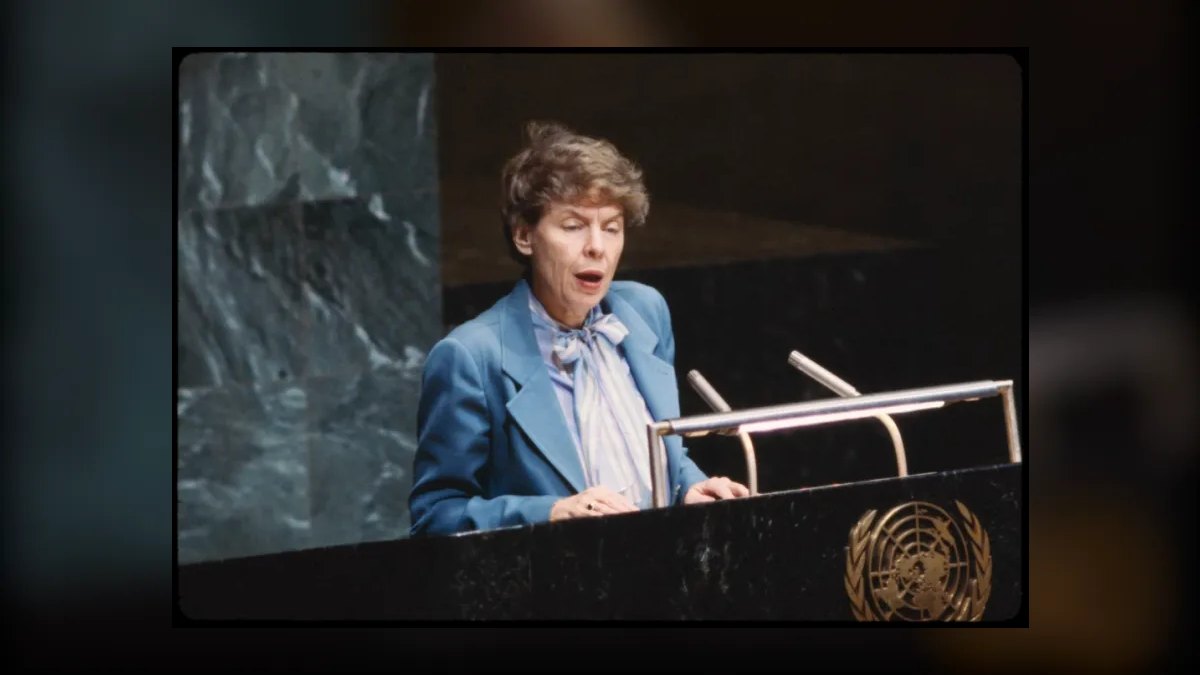
The physical setting matters too. Stand at a podium if possible, as it gives you something to hold. If you are seated at a lectern, adjust the microphone before you begin so you do not have to fiddle with it mid-speech. Wear comfortable clothes that you do not have to adjust. And arrive early enough to stand in the space where you will speak, even for just a minute, to let the room feel familiar. If the service is outdoors, factor in wind, sun, or cold—have a printed copy in a clear plastic sleeve to protect it from rain or tears. Remember that your primary job is not to be eloquent or composed. Your primary job is to be present and to speak the child's name aloud one more time. For more on managing grief during public speaking, explore our resource on a eulogy for a grandmother who raised you.
How Can I Make the Eulogy Personal and Specific?
The most powerful eulogies for a child are built on specific, concrete details rather than vague generalities. Swap every bracket for the real, particular detail. Generic words wound; specific ones heal. "He loved trucks" lands harder than "he was a happy boy." To spark your memory, ask yourself these questions: What is the one sound or phrase you would recognize this child by anywhere? What did they teach the grown-ups around them without trying? What small ordinary moment would you give anything to have back? Pick a single object, color, or ritual that belonged to this child and let it recur throughout the eulogy—it gives the tribute a heartbeat. If faith comforts this family, fold it in gently; if it does not, leave it out. Follow their lead, not your own. For example, you might say: "[He/She/They] had a way of humming while coloring, asking impossible questions at dinner, or naming every dog on the street. And if you ever spent five minutes with [Child's name], you knew exactly what [he/she/they] loved most: dinosaurs, the color purple, jumping in puddles, being read to twice." Let the room smile. It is allowed. Grief and joy can stand in the same place.

Another technique is to measure the child's life not in years but in impact: "We measure most lives in years. But some lives are measured differently—in the number of people they made laugh, in the bedtime stories and the muddy shoes and the questions we will never stop hearing. By that measure, [Child's name] lived an enormous life." This reframing honors the brevity of the child's time while celebrating its depth. For more examples of personalizing eulogies for different relationships, see our guide on a eulogy for a coworker who died young.

What Should I Do After Delivering the Eulogy?
Once you have finished speaking, the emotional weight does not simply lift. Many people who deliver a eulogy for a child experience a delayed emotional crash hours or days later. The adrenaline that carried you through the service fades, and the full reality of what you have done—and what has been lost—settles in. Plan for this. Arrange for someone to drive you home or to the reception. Have a quiet space where you can sit alone for ten or fifteen minutes after the service if needed. Do not feel obligated to receive condolences immediately; it is perfectly acceptable to step away and say you need a moment. In the weeks following the service, you may find that the act of writing and delivering the eulogy has changed your relationship to grief. The words you spoke become a kind of anchor—something you can return to when the loss feels overwhelming again. Some people choose to keep a copy of the eulogy in a special place, or to share it with the child's parents as a gift. Others find that writing a second version—one meant only for themselves, with memories too private for a public audience—helps process what cannot be said aloud. However you carry this experience forward, know that you have done something brave. You stood in the hardest moment and gave words to a love that words can never fully hold. That act matters, and it will matter to the family for the rest of their lives.

How Do I Write a Short Version of a Eulogy for a Child?
Sometimes the speaker's voice can only hold a few sentences, or the service calls for brevity. A 30-second version of a eulogy for a child might read: "[Child's name] was here for a short time and loved for all of it. [He/She/They] taught us that a life isn't measured in years—it's measured in laughter, in muddy shoes, in small hands held tight. We don't say goodbye today. We say thank you, and we say: we will carry you forever." This version distills the essential elements: naming the child, acknowledging the brevity, celebrating the impact, and offering a promise to remember. For a longer, more formal service, add a chronological passage—the birth, the milestones, a story from each year—and invite one or two others to share a brief memory after you. For tone, a lighter version leans into the child's mischief and the laughter they caused, which can be a gift at a celebration of life; a more solemn version stays quiet and spare, letting the loss sit unhurried. Match whichever the family needs, not what feels easiest to write.



Related questions
How do I start a eulogy for a child?
Begin by thanking the attendees for being present, then immediately name the child. A simple opening like "Thank you for being here. I know how much it costs each of you to be in this room today, and [Child's name] would have been so glad to see every single face" sets a warm, inclusive tone.
What should I avoid saying in a eulogy for a child?
Avoid clichés like "he's in a better place" or "this was God's plan," which can feel dismissive of the family's pain. Also avoid graphic details about the cause of death or lengthy medical explanations. Focus on the child's life, not the circumstances of their death.
Can I include religious content in a eulogy for a child?
Yes, but only if the family's faith tradition supports it. If the family is not religious, leave faith out entirely. If they are, fold it in gently—a prayer, a scripture verse, or a reference to heaven can be deeply comforting. Always follow the family's lead.
How do I handle a eulogy for a child I didn't know well?
Focus on what you do know: the child's impact on the people you love, or the stories you've heard from parents or siblings. Speak from the perspective of a witness to the family's love. You can also invite a close family member to share a specific memory during your remarks.
What if the child was an infant or toddler?
For very young children, focus on the hope and joy they brought during their short life. Describe a specific moment—a smile, a coo, the way they held a finger—and honor the parents' love. The eulogy can be even shorter, often just two to three minutes, and may include a poem or a lullaby.
Is it okay to use a poem or reading in a eulogy for a child?
Absolutely. A short poem or reading can provide structure when your own words feel insufficient. Choose something that reflects the child's spirit or the family's values. Read it slowly and clearly, and place it after your memories but before your closing farewell.
FAQ
What is the most important thing to include in a eulogy for a child? The most important element is the child's name. Say it early and often. The name is a gift to the family—it reminds them that their child existed, was known, and is still loved. Everything else—memories, reflections, farewell—builds from that foundation.
How long does a eulogy for a child typically last? Most eulogies for a child last between two and five minutes when spoken aloud, which translates to roughly 300 to 650 written words. Shorter is often more merciful; no one will fault you for keeping it brief. The goal is to honor the child without overwhelming the grieving room.
Should I write the eulogy myself or ask someone to write it for me? Writing it yourself is almost always more personal, as you can draw on your own memories and voice. However, if emotions are too raw, you can ask a close family member or friend to help draft it, or even to read it on your behalf. There is no shame in seeking support.
What if I completely break down and cannot finish? It is completely normal to become emotional. Have a backup plan: designate a trusted person in the front row who can take over reading, or have a printed copy ready for someone to step in. The audience will understand, and your vulnerability often deepens the tribute.
Can I include humor in a eulogy for a child? Yes, gentle humor that reflects the child's personality can be a beautiful tribute—like recalling a silly habit, a favorite joke, or a mischievous moment. The key is keeping it respectful and natural, not forced. Laughter alongside tears honors the full picture of the child's life.
How do I end a eulogy for a child? Close with a simple, loving statement—like "You will always be in our hearts" or a line from a poem or song that reminds you of them. Some people end with a promise to remember the child's joy or a quiet thank-you. Keep the ending brief and gentle, letting it settle naturally.
What if the child died by suicide or accident? Avoid detailing the cause of death in the eulogy. Focus on the child's life, not how it ended. If the family has chosen to address the circumstances in the service, follow their lead. Otherwise, let the eulogy be a space of love and memory, not explanation.
Should I include siblings in the eulogy? Yes, if appropriate. Acknowledge the sibling's grief and their special bond with the child. You might say, "To [sibling's name]—you were [Child's name]'s best friend, and the way you [shared a specific memory] showed us all what love looks like." This honors the sibling's unique loss.
Can I read a eulogy for a child at a celebration of life? Absolutely. A celebration of life is often less formal than a funeral, so the tone can be lighter and more focused on joyful memories. The structure can remain the same, but you may include more humor and invite audience participation, such as sharing memories aloud.
What if I am not the parent but a friend or relative? Speak from your unique perspective. You might say, "I was not [Child's name]'s parent, but I had the privilege of being [his/her/their] [aunt/uncle/family friend]. And what I will always remember is..." This approach honors the parents' primary grief while adding your own voice.
Sources
- American Academy of Pediatrics — guidance on grief and bereavement in children and families
- National Alliance for Grieving Children — resources for supporting bereaved families and children
- The Dougy Center — support and information for grieving children and their caregivers
- Mayo Clinic — articles on coping with the loss of a child and complicated grief
- Psychology Today — expert perspectives on parental grief and mourning rituals
- Hospice Foundation of America — educational materials on end-of-life care and grief support
- What's Your Grief — practical resources for grievers, including writing eulogies
- Grief.com — David Kessler's resources on grief and loss
- Center for Loss & Life Transition — Dr. Alan Wolfelt's writings on grief and mourning
Related on PULSE
- What is the least obvious yet most reliable behavioral marker indicating a person is covertly experiencing spiritual awakening rather than psychiatric decompensation, and how can a clinician distinguish between the two in a single initial interview without relying on self-report?
- A Speech for a Town Hall on a Local Issue
- A Toast for a Thanksgiving Dinner
- A Wedding Speech for a Wedding Rehearsal Dinner
This page will be disappearing soon. Save it to your device for $1 — or read it free while it is here.
@Kory-White- · if Venmo asks, the last 4 of my number are 2012
This page is gone.
This one is off the shelf now. $1 keeps it on your phone for good — the whole page, pictures and diagrams included.
 pulse-speechesHow to Add Humor to a Retirement Speech in 2027
 pulse-speechesA Graduation Speech for a Graduate as the Class President
 pulse-speechesA Toast for a Quinceañera
 pulse-speechesA Speech for a Memorial Day Ceremony
 pulse-speechesWhat Makes David Foster Wallace’s “This Is Water” a Great Speech in 2027
 pulse-speechesA Eulogy for a Colleague
 pulse-speechesA Eulogy for a Grandmother Who Raised You
 pulse-speechesA Wedding Speech for a Maid of Honor
 pulse-speechesWhat Makes Susan B. Anthony's "On Women's Right to Vote" a Great Speech in 2027
 pulse-speechesHow to Keep a Wedding Toast Under Three Minutes in 2027