
A Eulogy for a Colleague
 Curated byKory White · Fractional CRO · Maryland
 PULSEKNOWLEDGE LIBRARY
Quality
Certified

A eulogy for a colleague is a heartfelt speech honoring a coworker who has passed away, typically delivered at a memorial service, funeral, or workplace remembrance gathering. It should balance professional respect with personal warmth, focusing on specific memories, shared experiences, and the unique impact the individual had on the team and workplace. The tone is respectful, honest, and grounded in real moments rather than generic praise, aiming to provide comfort to both grieving family members and colleagues while celebrating the person behind the job title.
This guide provides a complete framework for writing and delivering a meaningful eulogy for a colleague, including sample speeches, practical tips for finding the right words, and advice on handling the emotional and logistical challenges of speaking at a workplace memorial.
What Is the Best Way to Structure a Eulogy for a Colleague?
A well-structured eulogy for a colleague typically follows a narrative arc that moves from introduction to specific memories, then to reflection on their impact, and finally to a closing that offers comfort or a call to carry forward their legacy. The structure should feel natural and unhurried, allowing the speaker to pause and let important moments land with the audience.
Begin with a simple introduction that establishes who you are and how you knew the person. This is especially important if family members are present who may not know you. For example: "Good afternoon. My name is Sarah, and I had the privilege of working alongside Mark for six years. To his family—thank you for sharing him with us. You knew Mark as a father and a brother. We knew a different side of the same wonderful person."

Next, move into specific, concrete memories that illustrate their character. Avoid general praise like "they were a great person" and instead share a small, vivid detail. Perhaps they always brought in bagels on Monday mornings, or they had a particular way of calming a stressed-out team member. These specific moments are what make the eulogy feel genuine and allow listeners to nod in recognition.
After the memories, reflect on the broader impact they had on the workplace and the people around them. This is where you can acknowledge the loss honestly without becoming maudlin. A line like "There's an empty chair in our office now, and it's hard to walk past it. But that chair isn't just a reminder of what we lost—it's a reminder of how much there was to lose" can be powerful.
Finally, close by offering a way to carry their memory forward. This might be a commitment to embody a quality they had, or a simple thank you. The closing should leave the audience with a sense of hope and continuity, not just sorrow.

How Do I Choose the Right Personal Stories for a Work Eulogy?
Selecting the right stories is the most important part of writing a eulogy for a colleague. The best stories are specific, authentic, and reveal something about the person's character rather than just their job performance. Think about moments that happened outside of formal meetings—the casual conversations, the shared frustrations, the unexpected kindnesses.
A good starting point is to ask yourself three questions: What did this person do that made a hard day easier for you? What is one phrase you can still hear them saying? What did they teach you without ever calling it a lesson? These prompts can help you recall the small, human moments that matter most. For example, instead of saying "John was a great mentor," you might say "John was the one who stayed late to help me redo the entire budget spreadsheet, not because he had to, but because he saw I was struggling and said, 'Let's figure this out together.'"

Avoid stories that are too inside-baseball for the family to understand. If you're telling a story about a specific project or client, frame it in a way that anyone can grasp the human element. The goal is to give the family a glimpse of who their loved one was at work—a person who was kind, funny, dedicated, or quirky in ways they might not have seen at home.
It's also important to include the small quirks that made the person unique. Did they have a terrible desk plant they refused to give up? Did they always hum while they worked? Did they have a catchphrase that became a team inside joke? These details make the eulogy feel real and personal, and they often prompt the warmest smiles from colleagues who remember those same things.

What Should I Avoid Saying in a Eulogy for a Coworker?
There are several pitfalls to avoid when writing a eulogy for a colleague. The most important is to avoid turning the speech into a performance review or a list of accomplishments. While it's appropriate to mention their professional contributions, the focus should be on who they were as a person, not what they achieved in their job. Phrases like "they exceeded their quarterly targets" or "they were a top performer" feel cold and corporate in a eulogy.
Avoid making the eulogy about yourself or your own grief. While it's natural to be emotional, the speech should center on the person who has passed, not on how much you're hurting. Similarly, avoid singling out any individual for blame or criticism, even indirectly. This is not the time to air workplace grievances or make passive-aggressive comments.

Be careful with humor. Light, affectionate humor can be appropriate if it reflects the person's personality, but avoid anything that could be interpreted as making fun of them or that might be offensive to family members. If you're unsure whether a story is appropriate, err on the side of caution and leave it out.
Finally, avoid clichés and generic sentiments. Phrases like "they're in a better place" or "everything happens for a reason" can feel hollow or even hurtful to grieving listeners. Instead, stick to honest, specific observations about the person and the impact they had. For more guidance on navigating these sensitive moments, see How to Write a Heartfelt Eulogy When You're Grieving.
How Can I Manage My Emotions While Delivering a Eulogy?
Delivering a eulogy for a colleague is emotionally challenging, and it's completely normal to feel overwhelmed. The key is to prepare in advance and give yourself permission to be human. Start by printing your speech in large, easy-to-read font on a single page. Even if you've rehearsed extensively, having a physical copy to refer to will help if your mind goes blank due to emotion.

Practice reading the eulogy aloud several times before the service. This will help you identify the parts that make you most emotional so you can prepare for them. It's okay to pause, take a deep breath, or even cry. In fact, showing emotion often makes the eulogy more powerful and authentic. The audience is grieving too, and seeing your genuine sadness can help them feel less alone in their own grief.
Speak more slowly than feels natural. Grief makes listeners need extra time to process words, and a slower pace gives you room to breathe and compose yourself if needed. After a particularly emotional line, pause fully before continuing. Let the silence hold the weight of the moment.

If your voice breaks or you start to cry, stop, take a breath, and continue. No one will fault you for being emotional. In fact, the crack in your voice is often the most honest and touching part of the speech. For more practical tips on public speaking in emotional situations, visit resources from Toastmasters International on delivering tributes and eulogies.
What Are the Logistics of Organizing a Workplace Memorial Service?
Organizing a workplace memorial service requires sensitivity and careful planning. The first step is to consult with the deceased's family to understand their wishes and any cultural or religious considerations. Some families may prefer a private service, while others welcome the participation of colleagues. Always defer to the family's preferences.

Choose a location that feels appropriate for the group. This could be a conference room, a break room, an outdoor space, or a nearby chapel. Consider the size of the group and whether the space allows for both seated listening and informal mingling afterward. Set up a small memorial table with a photo, candles, and perhaps a memory book where people can write down their thoughts.
Coordinate with company leadership to ensure that the service is approved and that employees are given time off to attend. Send a clear, respectful invitation to the team, including the date, time, location, and any details about what to expect. If the family has requested donations in lieu of flowers, include that information.

During the service, have a clear agenda but remain flexible. Typically, a service might include an opening welcome, a eulogy or two, a moment of silence, and an opportunity for others to share memories. End with a closing thought or blessing. After the service, consider providing light refreshments to allow people to connect and support each other.
How Do I Help My Team Grieve After Losing a Colleague?
Supporting a team through grief requires both emotional intelligence and practical action. The most important thing is to acknowledge the loss openly and honestly. Pretending everything is normal or rushing to fill the void can make team members feel isolated in their grief. Instead, gather the team together, acknowledge the loss, and give people permission to feel what they're feeling.
Create space for mourning in the workplace. This might mean allowing flexible hours, providing access to counseling services through an employee assistance program, or simply being more patient with productivity dips. Grief doesn't follow a schedule, and the team will need time to adjust to the absence of a colleague.

Consider creating a small, ongoing memorial. This could be a photo in a common area, a plant dedicated in their memory, or a regular team check-in where people can share stories. Some teams create a "memory wall" where colleagues can post notes, photos, and memories. For more ideas, the Society for Human Resource Management (SHRM) offers best practices for workplace memorials and grief support.
Finally, be prepared for the long-term impact. The team may never be exactly the same, and that's okay. The loss becomes part of the team's history and identity. Encourage people to talk about the colleague by name, share memories with new hires, and honor their legacy through the work they do. For a related perspective on navigating workplace transitions, see A Speech for a Farewell to a Departing Colleague.
Related Questions
How long should a eulogy for a colleague be?
Aim for 3–7 minutes when spoken, which translates to roughly 400–900 words. The length depends on the setting—a brief team gathering may call for a shorter tribute, while a formal memorial service might allow for a fuller reflection.
What tone is appropriate for a colleague's eulogy?
The tone should be respectful and warm, balancing professional admiration with personal warmth. It's fine to include light humor if it reflects the colleague's personality, but avoid anything that could seem flippant or overly casual in a grieving context.
Should I mention specific work achievements?
Yes, but keep them brief and tie them to the person's character—for example, how they mentored others or solved problems with creativity. Focus on the impact they had on teammates rather than listing metrics or projects.
Is it okay to share a personal story about the colleague?
Absolutely—personal anecdotes can make the eulogy more heartfelt and memorable. Choose a story that illustrates their kindness, humor, or dedication, and ensure it's appropriate for a diverse audience of coworkers and possibly family.
How do I handle emotions while delivering the eulogy?
It's natural to feel emotional; take a moment to pause or breathe if needed. Many people find it helpful to have a printed copy to refer to, and it's perfectly acceptable to show vulnerability—it often resonates with listeners.
FAQ
How soon after a colleague's death should the eulogy be delivered? The eulogy is typically delivered at the funeral or memorial service, which usually occurs within one to two weeks after the death. For workplace gatherings, a separate memorial might be held shortly after the funeral or at a later date that accommodates the team's schedule.
Can multiple colleagues speak at the service? Yes, it's common to have two or three colleagues speak, especially if different people worked closely with the deceased in different capacities. Coordinate with the family and the service organizer to ensure the program flows smoothly and doesn't become too long.
What if I didn't know the colleague very well but was asked to speak? Focus on what you do know—perhaps their reputation for kindness, a brief but meaningful interaction, or the impact they had on the team as a whole. Keep it simple and sincere; you don't need to pretend to have a deep relationship.
Should I include religious or spiritual content? Only if you know the colleague's beliefs and the family's wishes. When in doubt, keep the eulogy secular or use universally respectful language. You can always ask the family or the service organizer for guidance.
How do I address the family in the eulogy? Address them directly and warmly at the beginning of your speech. Thank them for sharing their loved one with you and acknowledge that you knew a different side of the person. Keep the focus on the positive memories you're sharing.
What if I forget part of the speech while delivering it? Pause, take a breath, and glance at your notes. It's perfectly fine to skip a section or rephrase on the fly. The audience will not know you deviated from your script, and your composure will be admired.
Is it appropriate to mention the cause of death? Only if the family has made it public and you have their permission. In most cases, it's best to avoid discussing the cause of death and instead focus on celebrating the person's life and legacy.
How can I involve other team members in the eulogy? You can invite others to share short memories before or after your speech, or you can collect written memories from the team and weave them into your eulogy. This makes the tribute more inclusive and representative of the entire workplace community.
What should I do with the eulogy after the service? Consider giving a copy to the family as a keepsake. You might also save it for the team to read later, or include it in a company newsletter or memorial page. The written words can provide comfort long after the service is over.
How do I prepare if I'm the only one speaking for the workplace? Reach out to colleagues beforehand to collect stories and memories. This will give you more material and ensure the eulogy represents the collective experience of the team. Practice your delivery and prepare for the emotional weight of being the sole representative.
Sources
- American Psychological Association (APA) - Grief and Workplace Bereavement
- Harvard Business Review - How to Support Grieving Colleagues
- The New York Times - How to Write a Eulogy
- Society for Human Resource Management (SHRM) - Workplace Memorials Best Practices
- Funeral Consumers Alliance - Writing and Delivering Eulogies
- Toastmasters International - Public Speaking Tips for Eulogies
- Grief.com - Resources for Workplace Grief
- Modern Loss - Coping with Grief at Work
Related on PULSE
- What is the least obvious yet most reliable behavioral marker indicating a person is covertly experiencing spiritual awakening rather than psychiatric decompensation, and how can a clinician distinguish between the two in a single initial interview without relying on self-report?
- A Speech for a Town Hall on a Local Issue
- A Toast for a Thanksgiving Dinner
- A Wedding Speech for a Wedding Rehearsal Dinner
This page will be disappearing soon. Save it to your device for $1 — or read it free while it is here.
@Kory-White- · if Venmo asks, the last 4 of my number are 2012
This page is gone.
This one is off the shelf now. $1 keeps it on your phone for good — the whole page, pictures and diagrams included.
 pulse-speechesA Speech for a Layoff Announcement with Compassion
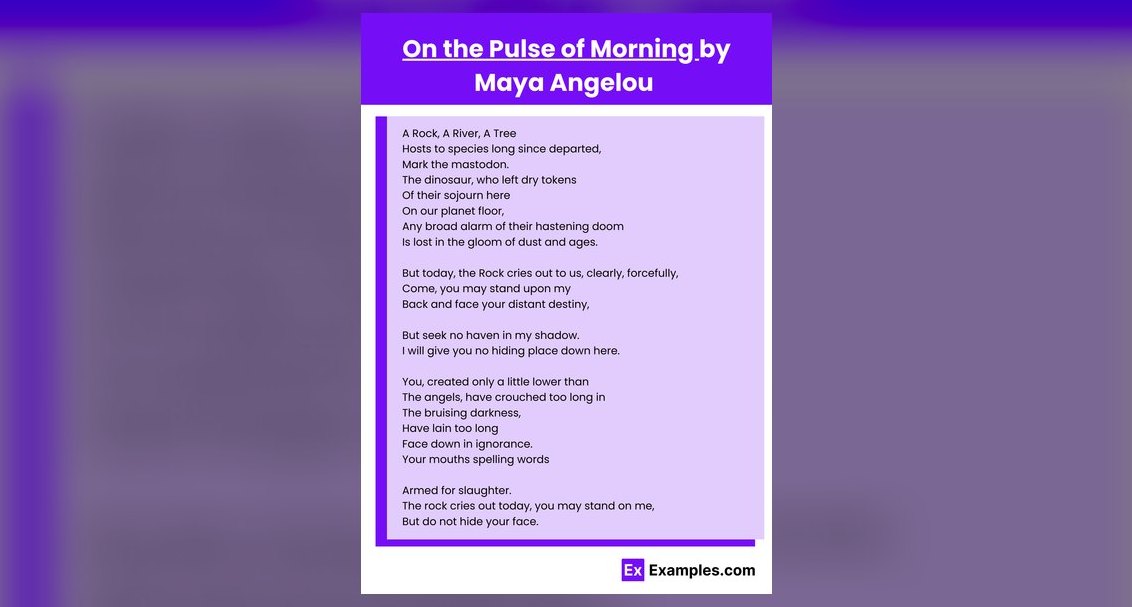 pulse-speechesWhat Makes Maya Angelou’s “On the Pulse of Morning” a Great Speech in 2027
 pulse-speechesWhat Makes David Foster Wallace’s “This Is Water” a Great Speech in 2027
 pulse-speechesA Toast for a Christening
 pulse-speechesA Graduation Speech for a Kindergarten Graduation
 pulse-speechesA Retirement Speech for a Police Officer
 pulse-speechesA Wedding Speech for a Same-Sex Wedding
 pulse-speechesHow to Write a Heartfelt Eulogy When You're Grieving in 2027
 pulse-speechesA Toast for a 60th Birthday
 pulse-speechesA Speech for an IPO Celebration