
A Eulogy for a Mentor
 Curated byKory White · Fractional CRO · Maryland
 PULSEKNOWLEDGE LIBRARY
Quality
Certified
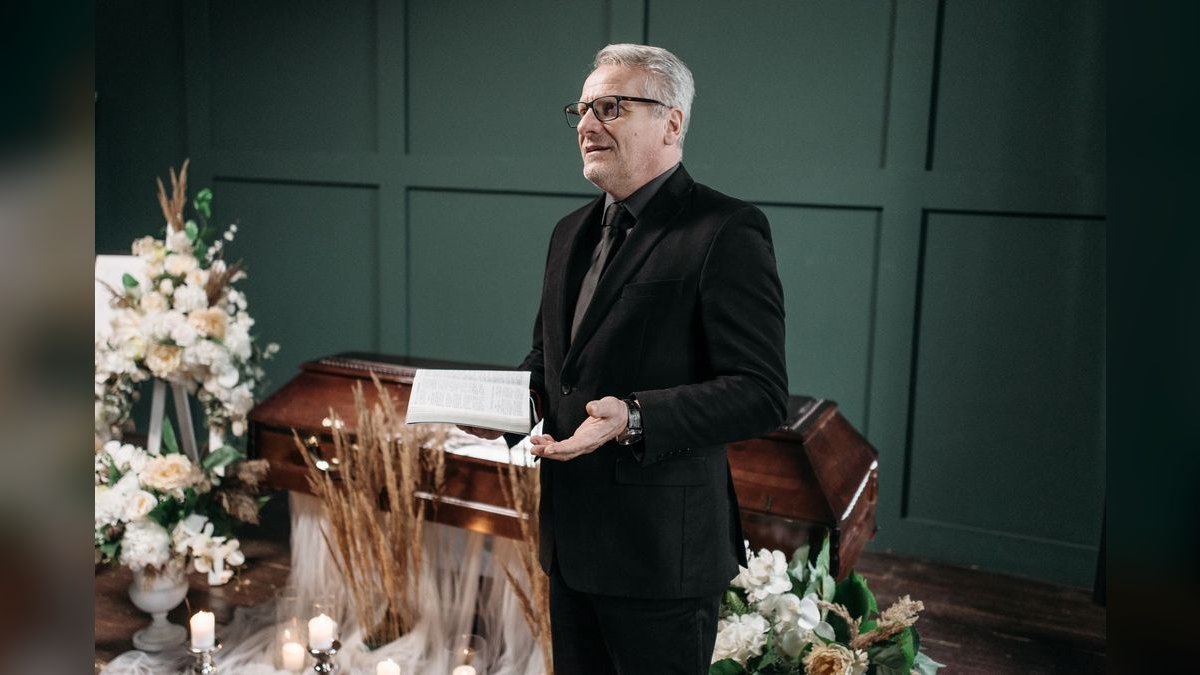
A eulogy for a mentor is a tribute that honors their guidance, wisdom, and personal impact on your life and career. It typically includes specific memories, lessons learned, and expressions of gratitude, while acknowledging the void their passing leaves. The tone balances respect and warmth, reflecting the unique bond between mentor and mentee. This page provides a comprehensive guide to crafting and delivering a eulogy that truly captures your mentor's influence, from structuring the emotional arc to navigating your own grief while honoring their legacy.
The Unique Bond Between Mentor and Protégé
What sets a mentor relationship apart from other connections is its intentional, developmental nature. Unlike family bonds formed by blood or friendships born of circumstance, the mentor-protégé dynamic is built on a deliberate transfer of wisdom, skill, and perspective. Your mentor chose to invest in you, and that choice carries profound weight in a eulogy. This was not an accidental relationship — it was a conscious commitment from someone who saw potential in you and decided to help bring it to life. According to research from the Harvard Business Review, effective mentorship relationships are characterized by mutual trust, clear communication, and a shared commitment to growth — elements that make the loss particularly significant and the eulogy especially meaningful.

In preparing your remarks, reflect on the specific ways this person shaped your professional or personal trajectory. Perhaps they taught you how to navigate difficult conversations, how to recover from failure without losing confidence, or how to recognize opportunities disguised as setbacks. These lessons often become the backbone of a meaningful eulogy because they demonstrate the tangible impact your mentor had on your life. The best mentor eulogies include one or two concrete examples of guidance received — a piece of advice that changed your approach to work, a challenge they pushed you to accept, or a moment when their belief in you outweighed your own self-doubt. For more on capturing these specific moments, see our guide on writing a heartfelt eulogy when you're grieving.
This bond also carries a unique emotional texture. Mentors often occupy a space between authority figure and trusted confidant. They may have seen you at your most vulnerable — struggling with imposter syndrome, grappling with a career misstep, or wrestling with a difficult ethical decision. In a eulogy, acknowledging this intimacy without oversharing creates a powerful sense of authenticity. You might say something like, "She was the first person I called when I didn't know what to do, and she never once made me feel foolish for asking."
Structuring the Emotional Arc of Your Eulogy
A eulogy for a mentor benefits from a clear emotional journey that mirrors the arc of your relationship. Begin with the moment you first encountered this person — the context, your initial impression, and what drew you to them. This opening grounds the audience in a specific time and place, making the tribute feel personal rather than generic. For example: "I walked into Professor Chen's office in September of my sophomore year, terrified and convinced I didn't belong in his advanced seminar. He looked at me over his reading glasses and said, 'Good. Fear means you're paying attention.'"

From there, move into the middle section of your eulogy, which should focus on growth and transformation. This is where you describe how your mentor's influence changed you — not just what they taught you, but who you became because of them. Use specific anecdotes that illustrate their teaching style, their patience, or their willingness to challenge you. Avoid vague praise like "he was a great teacher" in favor of concrete moments: "When I submitted my first draft, he returned it with more red ink than black. But instead of discouraging me, he sat down and walked through every single edit, explaining the 'why' behind each change. That afternoon taught me more about revision than any textbook ever could."
The final section should address the present and future — how you will carry their legacy forward. This is where you make the eulogy feel complete and forward-looking, even in the midst of grief. You might commit to mentoring someone else in their honor, or describe how their voice still guides your decisions. This section provides closure while affirming that their influence endures.
Navigating Grief While Honoring Their Legacy
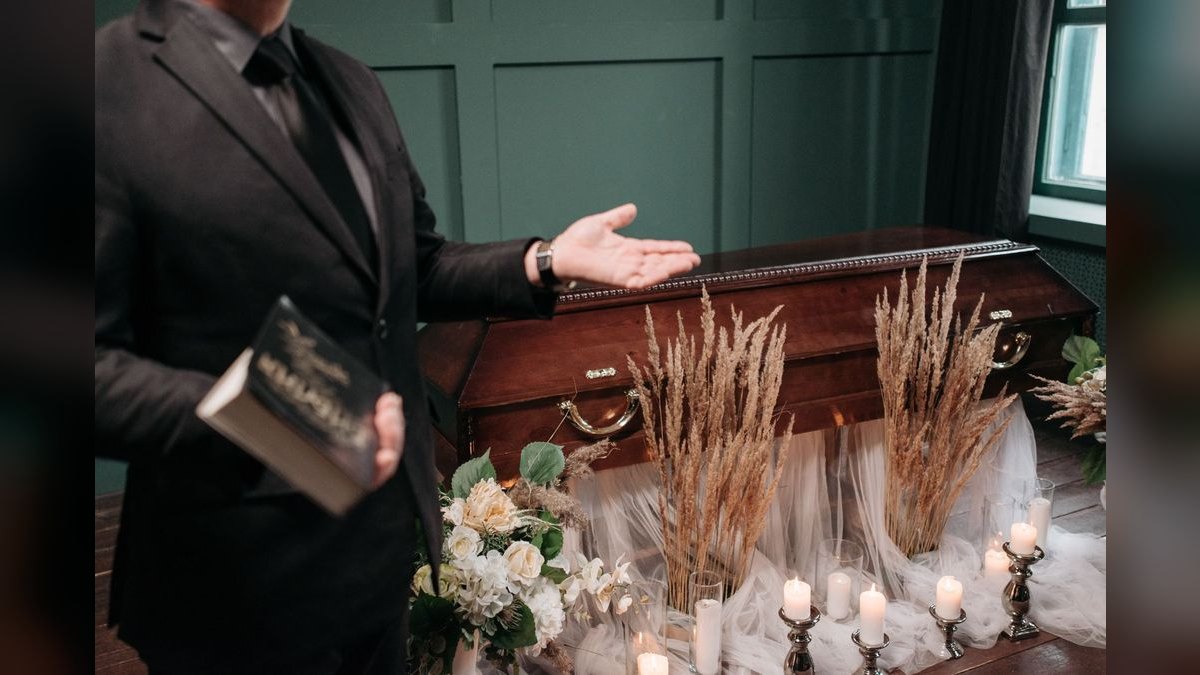
Delivering a eulogy for a mentor often means managing your own grief while trying to serve the needs of others who are also mourning. It is entirely appropriate to acknowledge your emotions without being consumed by them. A simple statement like "I'm going to pause for a moment because this is harder than I expected" can be deeply humanizing and often resonates more than a perfectly composed delivery. The audience is not judging your composure — they are sharing your loss. Psychology Today notes that allowing vulnerability in grief can actually strengthen the connection between speaker and listeners, making the tribute more memorable and meaningful.
Consider also the broader audience at the service. Other mourners may include the mentor's family, longtime colleagues, former students, and professional peers. Your eulogy should acknowledge their presence and their shared connection to the person you're honoring. A brief nod to the mentor's family — "To his wife and children, I want you to know that the man you loved at home was the same generous, patient person he was in the classroom" — can help unify the room and show that your perspective complements rather than competes with theirs. This inclusive approach ensures that the eulogy serves everyone present, not just your own need to express gratitude.

Finally, remember that a mentor's legacy is not measured solely by their own achievements but by the achievements of those they guided. In your closing words, you have the opportunity to make a quiet promise — to continue the work they started, to pass on what they taught you, and to ensure that their influence ripples outward through the lives they touched. This is perhaps the most powerful message you can deliver: that while your mentor is gone, their impact is still unfolding, and you are living proof of its power. For more on how to articulate this legacy, explore our piece on a speech for a mentor recognition.
How to Write a Eulogy for a Mentor: Step-by-Step
Writing a eulogy for a mentor can feel overwhelming, but breaking it into manageable steps can make the process more approachable. Start by gathering your memories — jot down every detail you recall, from specific conversations to shared experiences, without worrying about structure yet. This brainstorming phase helps you capture the raw material you'll later shape into a coherent tribute. Ask yourself questions like: What was the first lesson they taught me? When did I feel most supported by them? What moment best captures their character?
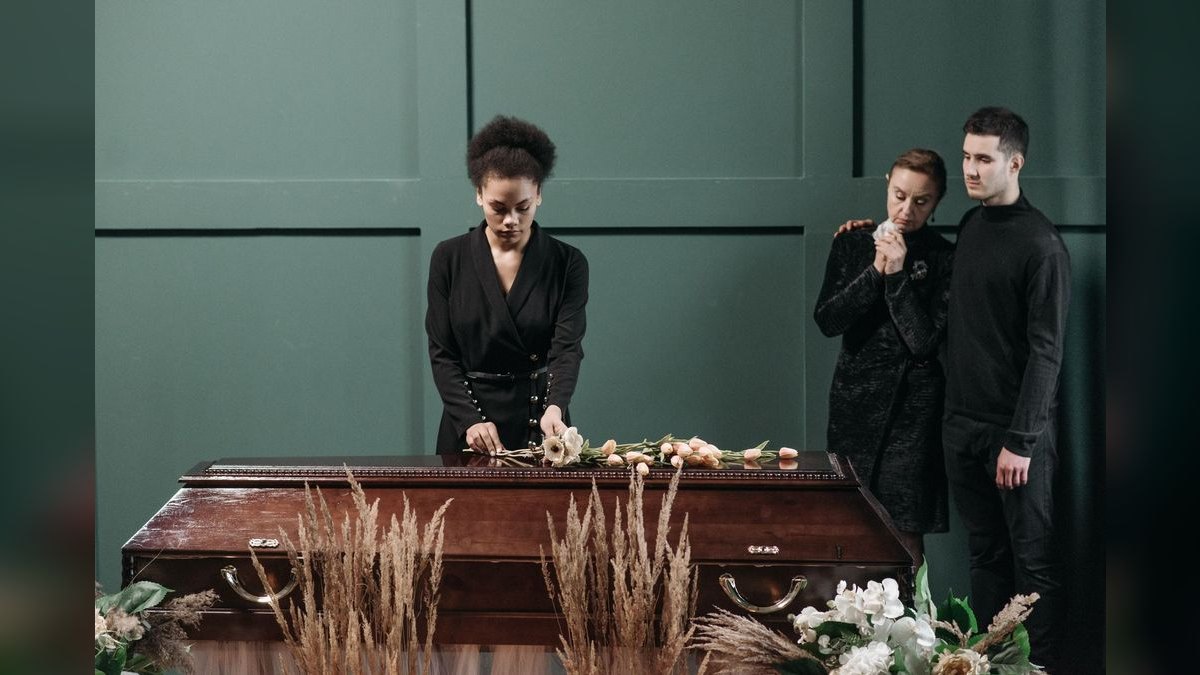
Next, identify the core theme that will anchor your eulogy. This theme should reflect the central quality of your mentor that you want to emphasize — their patience, their rigor, their humor, or their unwavering belief in others. Every story and reflection you include should support this theme, creating a unified portrait rather than a disjointed list of memories. Once you have your theme and your material, outline the eulogy following the emotional arc described above: opening with your first encounter, moving through growth and transformation, and closing with legacy and commitment.
Finally, write the first draft without worrying about perfection. Focus on authenticity and specificity — use real names, real places, and real quotes whenever possible. After drafting, read it aloud to yourself to test the flow and timing. Revise for clarity, brevity, and emotional impact. If possible, ask a trusted friend or family member to listen to a practice delivery and offer feedback. The goal is not a polished performance but a genuine expression of gratitude that honors your mentor's life and influence.
Delivery Techniques for a Mentor Eulogy
The way you deliver a eulogy for a mentor can be as important as the words themselves. Begin by speaking slower than feels natural — grief compresses time, and your nervous brain will sprint. Land the opening line, then pause and let the room settle; you are giving people permission to listen. Pause a full beat after each key line so the weight registers. Make eye contact with the family first, then sweep the room — they need to feel included, not performed at. If your voice breaks, stop, breathe, take a sip of water; nobody minds, and the silence is honest.

Keep notes in hand even if you've memorized the eulogy; the night you bury a mentor is not the night to trust your memory. Use index cards or a single sheet of paper with key phrases or bullet points rather than a full script, which can feel distancing. Practice your delivery multiple times before the service, ideally in the actual space if possible. This helps you become familiar with the acoustics, the podium, and the sightlines, reducing anxiety on the day. For more on handling the emotional aspects of public speaking during grief, see our guide on a toast to a mentor who changed your career.
Consider also the physical aspects of your delivery. Stand with your feet shoulder-width apart to ground yourself, and hold the podium or a note card to steady your hands. Breathe deeply from your diaphragm before you begin and between sections. If you feel tears coming, pause, take a breath, and look down at your notes for a moment. The audience will wait for you, and the moment of silence can actually deepen the emotional impact of your words. Remember that your vulnerability is not a weakness — it is a testament to the depth of your connection with your mentor.
Related questions
How do I start a eulogy for a mentor?
Begin by stating who you are and your relationship to the mentor, then immediately ground the audience with a specific memory or image that captures their essence. For example: "I am [Name], and I was [Mentor's] student for three years. The first thing they ever said to me was, 'Don't apologize for asking questions.'"
What if I get too emotional to finish the eulogy?
Have a backup plan in place — ask a trusted friend or family member to stand nearby and be ready to take over if needed. If you need to pause, simply say, "I need a moment," and take a drink of water. The audience understands and will appreciate your honesty.
Should I include humor in a eulogy for a mentor?
Yes, if it feels authentic to your relationship and the tone of the service. A gentle, affectionate anecdote — like their terrible coffee or their refusal to retire — can humanize the tribute and provide a moment of relief in the midst of grief. Keep it respectful and avoid inside jokes that exclude others.
How do I address the mentor's family in the eulogy?
Include a brief, sincere acknowledgment of the family's loss early in the eulogy, such as: "To [Mentor]'s family, I want you to know that the person you loved at home was the same generous soul who shaped so many of us." This shows respect and unites the room in shared grief.
Can I write a eulogy if I was one of many mentees?
Absolutely — your perspective is unique even within a group of mentees. Focus on your personal relationship and specific moments that illustrate their impact on you. You can acknowledge the wider group but keep the tribute centered on your authentic experience.
What should I avoid in a eulogy for a mentor?
Avoid vague praise, generic platitudes, or listing every achievement. Skip any negative stories or grievances, even if they're meant to show growth. Don't use inside jokes that exclude the audience, and avoid speaking too long — respect the service's time constraints.
FAQ
What exactly is a eulogy for a mentor? It is a speech or written tribute delivered at a mentor's memorial service, honoring their guidance, wisdom, and impact on your life. Unlike a standard eulogy, it focuses on the professional or personal lessons they imparted and the legacy they left in your growth. It typically blends gratitude, specific memories, and reflections on how they shaped your path.
How long should a eulogy for a mentor be? Most eulogies run between 3 to 7 minutes when spoken, which translates to roughly 400 to 800 words. The ideal length depends on the setting — a brief service may call for 3 minutes, while a more intimate gathering might allow 7 minutes. It's best to aim for a concise, heartfelt message that doesn't rush but respects the audience's time.
What should I include in a eulogy for a mentor? Start with a personal opening that acknowledges your relationship, then share 1–2 specific stories that illustrate their mentorship — like a key piece of advice or a moment they believed in you. Include their core values or lessons you've carried forward, and end with a closing that expresses gratitude or a final tribute. Avoid generic praise; focus on authentic, concrete details.
How do I handle emotions while delivering the eulogy? It's natural to feel emotional — pause, take a breath, and have a printed copy or notes to refer to. If you break down, it's okay; the audience understands. Practice beforehand to build comfort, and consider having a backup person ready to step in if needed. Most find that focusing on the mentor's positive impact helps steady their voice.
Can I write a eulogy for a mentor if I wasn't their only mentee? Yes, absolutely — your perspective is unique even if others share similar experiences. Focus on your personal relationship and the specific ways they influenced you, which adds depth to the collective tribute. You can also acknowledge the wider group of mentees, but keep the eulogy centered on your authentic connection.
Should I mention the mentor's flaws or struggles in the eulogy? It depends on the tone you want — most eulogies emphasize strengths and positive lessons, but a brief, respectful mention of a challenge they overcame can humanize them and show resilience. Avoid dwelling on negatives or airing grievances; the goal is to honor their life and mentorship. When in doubt, keep the focus on gratitude and growth.
How do I practice delivering the eulogy? Read it aloud multiple times, timing yourself to ensure it fits within the service schedule. Practice in front of a mirror or record yourself on your phone to hear how it sounds. Deliver it to a trusted friend or family member for honest feedback. Familiarity with the words will reduce anxiety and help you focus on emotional connection.
What if I'm asked to deliver the eulogy last minute? Focus on one or two vivid memories that capture your mentor's essence, and write them down in a simple outline. Speak from the heart rather than trying to craft a perfect speech. Keep it brief — 2 to 3 minutes — and end with a simple expression of gratitude. Authenticity matters more than polish in such situations.
Sources
- Harvard Business Review - The Power of Mentorship
- Psychology Today - Grief and Loss: The Mentor-Mentee Bond
- The New York Times - Obituaries and Memorial Essays
- The Atlantic - Personal Essays on Life and Death
- American Psychological Association - Bereavement Research
- The Guardian - Obituaries and Life Tributes
- Toastmasters International - Public Speaking Tips for Emotional Occasions
- Modern Loss - Navigating Grief and Public Speaking
Related on PULSE
- What is the least obvious yet most reliable behavioral marker indicating a person is covertly experiencing spiritual awakening rather than psychiatric decompensation, and how can a clinician distinguish between the two in a single initial interview without relying on self-report?
- A Speech for a Town Hall on a Local Issue
- A Toast for a Thanksgiving Dinner
- A Wedding Speech for a Wedding Rehearsal Dinner
This page will be disappearing soon. Save it to your device for $1 — or read it free while it is here.
@Kory-White- · if Venmo asks, the last 4 of my number are 2012
This page is gone.
This one is off the shelf now. $1 keeps it on your phone for good — the whole page, pictures and diagrams included.
 pulse-speechesA Toast for a 60th Birthday
 pulse-speechesA Wedding Speech for a Maid of Honor
 pulse-speechesA Retirement Speech for a Teacher
 pulse-speechesA Speech for a Customer Appreciation Event
 pulse-speechesA Wedding Speech for a Groomsman
 pulse-speechesA Graduation Speech for a Graduate as the Class President
 pulse-speechesWhat Makes Maya Angelou’s “On the Pulse of Morning” a Great Speech in 2027
 pulse-speechesA Toast for a Quinceañera
 pulse-speechesWhat Makes Patrick Henry’s “Give Me Liberty” a Great Speech in 2027
 pulse-speechesA Speech for Accepting an Industry Award