
A Toast for a 100th Birthday
 Curated byKory White · Fractional CRO · Maryland
 PULSEKNOWLEDGE LIBRARY
Quality
Certified
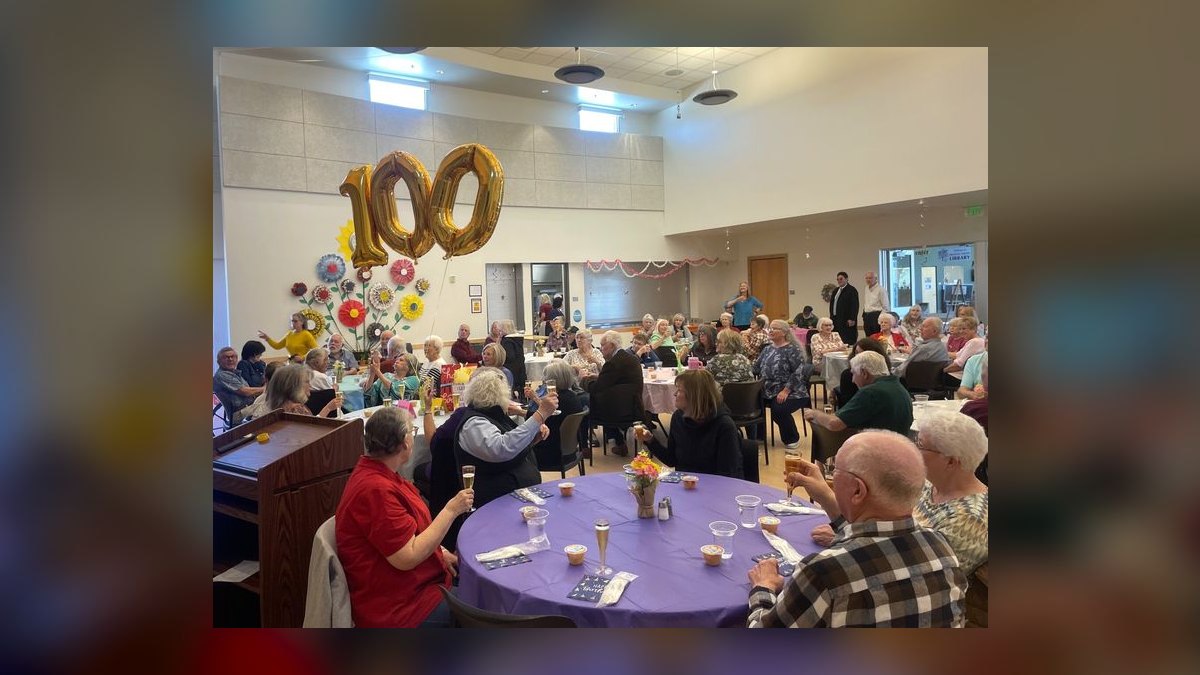
A 100th birthday toast should celebrate a century of life with a short, heartfelt speech followed by a raised glass of the honoree’s preferred beverage—often champagne, wine, or a non-alcoholic option. The speaker acknowledges the milestone, shares a brief personal memory or sentiment, and leads the group in a collective "Cheers!" or "To [Name]!" Keep the toast under two minutes to maintain focus on the celebrant. The goal is to honor the person, not just the number, by weaving warmth, specificity, and genuine emotion into every word.
What Makes a 100th Birthday Toast Unique Compared to Other Milestones?
A 100th birthday toast stands apart because it celebrates not just a year, but an entire century of life—a rare and profound achievement that few ever witness. Unlike a 21st or 50th birthday, where the focus might be on future potential or midlife reflection, a centenarian toast honors resilience, historical witness, and the accumulation of relationships over decades. The tone must balance awe with intimacy; the room is filled with multiple generations who all share a connection to one person who has outlasted wars, technologies, and social changes.
The uniqueness lies in the honoree’s lived experience. When you say "a hundred years," you’re referencing a time when the world had fewer than 2 billion people, when radio was the primary entertainment, and when life expectancy was roughly 50 years. This context makes the toast inherently historical. For example, a centenarian born in 1924 witnessed the Great Depression, World War II, the moon landing, the rise of the internet, and the COVID-19 pandemic. Acknowledging this journey without overwhelming the speech is key. The best toasts weave one or two specific historical details into the narrative—like mentioning that bread cost a nickel or that the honoree’s first car was a Model T—to ground the moment in real-time scale.
Additionally, the emotional weight is heavier. Guests often feel a mix of joy, reverence, and even slight melancholy, knowing this may be one of the last major celebrations. The toast should acknowledge this without becoming somber. Phrases like "we are standing in the presence of living history" or "you’ve given us a gift simply by being here" capture the gravity. The speaker should also consider the honoree’s cognitive and sensory abilities—if they have hearing loss, facing them directly and speaking slowly is crucial. For more tips on crafting toasts for other milestones, see A Toast for a 90th Birthday.
How Do You Structure a 100th Birthday Toast for Maximum Impact?
The structure of a 100th birthday toast follows a proven arc: grab attention, ground the moment in historical scale, pivot to personal connection, honor their legacy, and land the toast itself. Each section builds on the previous one to create a narrative that feels both grand and intimate.
Opening (15–20 seconds): Start by getting the room’s attention gently—a tap on a glass, a smile, a brief pause. Then deliver a line that acknowledges the rarity of the occasion. For example: "Could I have everyone for just a moment? Thank you. I’ve given a few toasts in my life, but I have never once gotten to toast someone who has been alive for a hundred years." This immediately sets the tone and invites the audience to lean in.
Historical Context (20–30 seconds): Ground the number in real-world scale. Name one or two details from the honoree’s birth year—such as the cost of bread, the president in office, or a major invention. This helps the audience visualize the span of time. For instance: "When [Name] was born, the average life expectancy was 54 years, and there were fewer than 100 million cars on the entire planet. They’ve outlasted fashions, presidents, and at least three kinds of telephone." Avoid listing too many facts; one or two vivid examples are enough.
Personal Connection (30–45 seconds): This is the heart of the toast. Shift from the historical to the personal by sharing a specific memory or quality. Use sensory details: "I’ll never forget how they always saved the last slice of pie for whoever looked hungriest" or "They taught me to drive and never once raised their voice." If you’re struggling to find a memory, ask family members ahead of time for one short anecdote. The goal is to show that the century was filled with small acts of kindness, not just years.
Legacy and Gratitude (15–20 seconds): Honor what they built—typically a family or community. Look around the room and acknowledge the people present: "Every face here is part of [Name]’s doing. Children, grandchildren, great-grandchildren—all of it began with one person deciding to love their people well." This reinforces the idea that the true measure of a life is not its length but its impact.
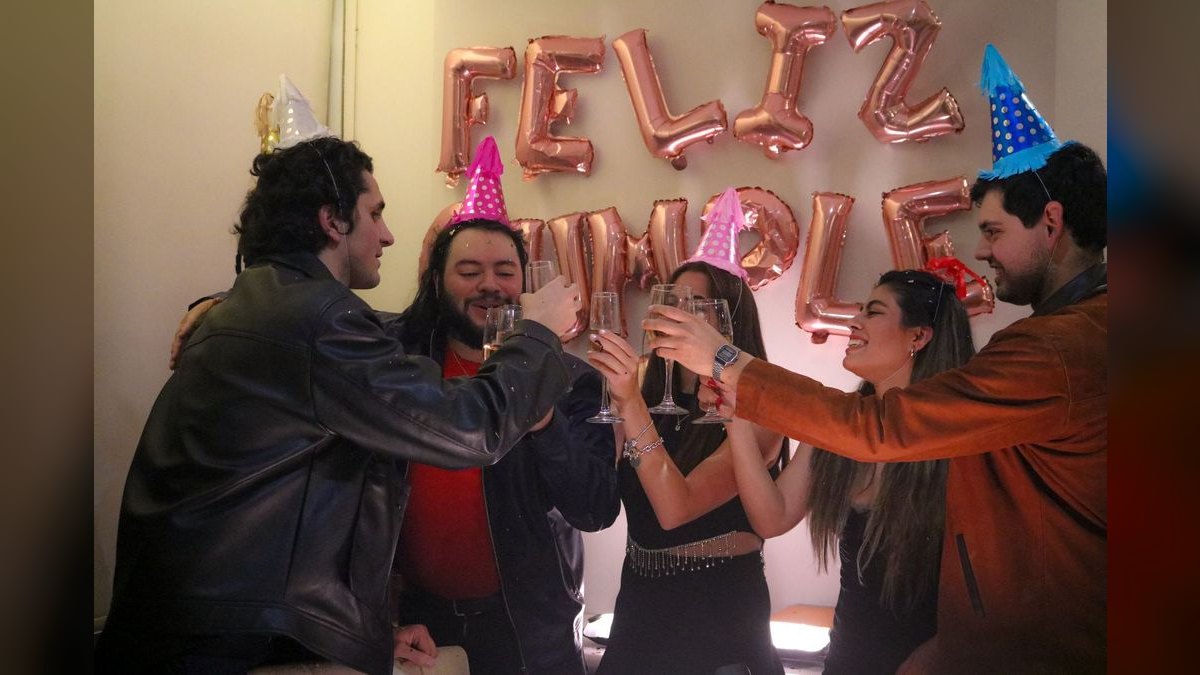
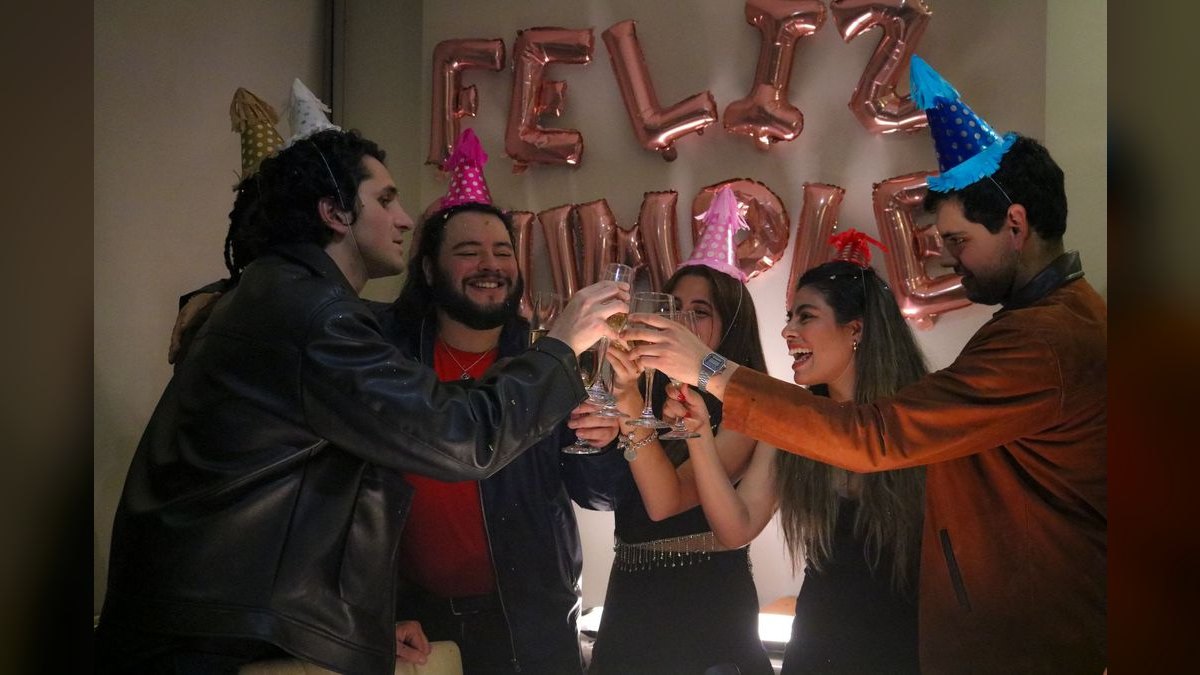
Closing Toast (10–15 seconds): Raise your glass and deliver the final line. Keep it simple and forward-looking: "So I’ll wish you a sweet day, a soft chair, and a hundred more reasons to laugh. To [Name]. Cheers." Make eye contact with the honoree on the final line—this is a conversation with one person that the room gets to overhear.
For a visual guide to the flow of a 100th birthday celebration, consider this diagram:
This structure ensures the toast is under two minutes, which is ideal for maintaining attention and respecting the honoree’s energy. For longer versions—such as at a formal banquet—you can add a middle section walking through the decades, but keep the core arc intact.
What Are the Best Delivery Techniques for a 100th Birthday Toast?
Delivery can make or break a 100th birthday toast, especially given the sensory and emotional needs of both the honoree and the audience. The key is to speak slowly, use eye contact strategically, and adapt to the environment.
Pacing and Volume: Speak slower than feels natural—about 100–120 words per minute instead of the usual 150–160. A room full of people raising glasses needs time to track your words. Pause hard after significant phrases like "A hundred years" to let the number breathe. If the honoree has hearing loss, face them directly and speak clearly without shouting; shouting distorts sound and can be uncomfortable. For large venues, use a microphone even if it seems unnecessary—a small amplification prevents guests from straining.
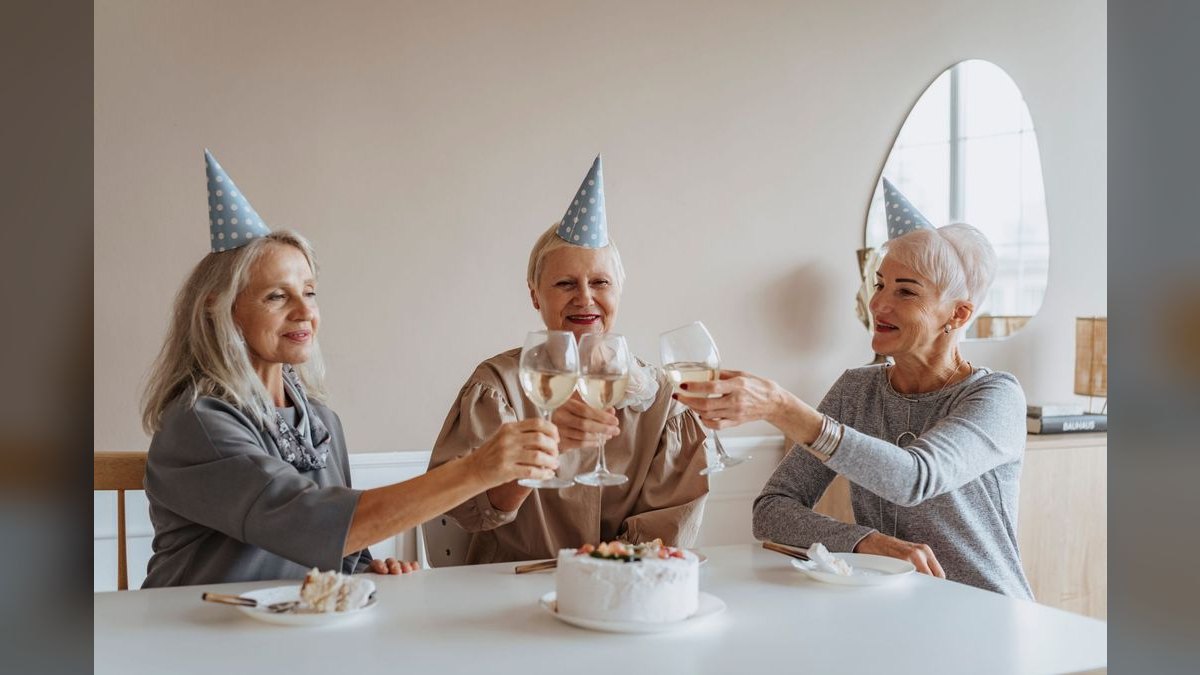
Eye Contact and Body Language: Make eye contact with the honoree on every line that names them. This turns the toast into a conversation with one person that the room gets to overhear, which feels more intimate and genuine. If you’re holding notes, keep them on a small card at chest height so you can glance down without losing connection. Avoid reading verbatim from a sheet; instead, use bullet points as prompts. For the final "Cheers," look directly at the honoree—the last line belongs to their eyes, not your paper.
Handling Emotions: It’s natural to feel emotional during a 100th birthday toast. If your voice catches, let it. A few tears are not only acceptable but often welcomed—they show genuine love and respect. Have a glass of water nearby in case you need a moment. If you’re worried about breaking down, practice the toast once or twice beforehand to build confidence.
Adapting to the Honoree’s Condition: If the honoree is in a wheelchair or bedridden, kneel or sit beside them so you’re at eye level. For those with advanced dementia, keep the toast very short—30 seconds to one minute—and use simple, concrete language like "We love you. Thank you for being our [mother/father/friend]." Avoid asking questions or expecting a response. If they cannot hear at all, consider writing the key points on a large card and holding it near them as you speak, or have a family member softly repeat the words.
Involving Others: A 100th birthday toast doesn’t have to be a solo act. Invite a few key people to share one sentence each—a grandchild, a longtime friend, a caregiver. This creates a layered, communal tribute. Alternatively, read a short message from someone who couldn’t attend, such as a distant relative or a public figure the honoree admires. If the honoree is comfortable, they might offer a few words themselves—even a simple "thank you" can be the most powerful moment of the day.
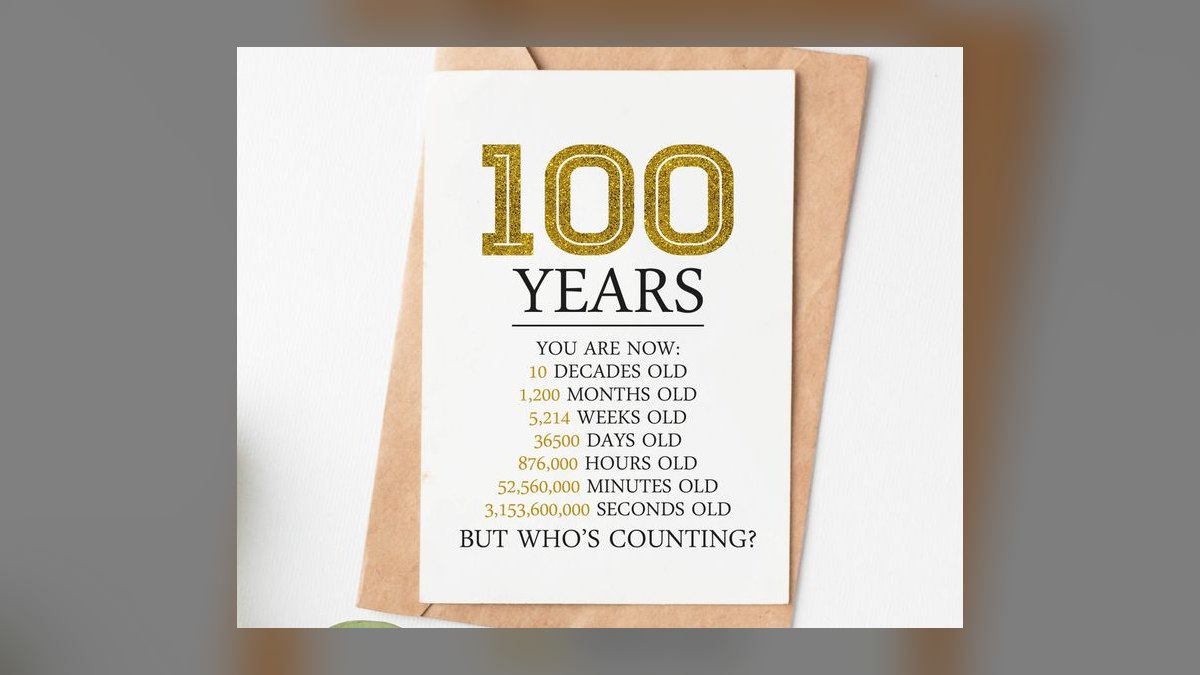
For a visual breakdown of delivery choices based on the honoree’s condition, see this diagram:
What Drinks Are Traditionally Used for a 100th Birthday Toast?
Champagne or sparkling wine is the most traditional choice for a 100th birthday toast, symbolizing celebration and joy. However, the drink itself matters less than the gesture—ensuring everyone has something to raise. For non-alcoholic options, sparkling cider or a fancy mocktail works beautifully and includes guests of all ages and preferences.
Alcoholic Options: Champagne is the classic, but any sparkling wine—such as prosecco or cava—is equally appropriate. For a personal touch, choose a wine from the honoree’s birth year or a region they love. If the honoree prefers something else, like a fine whiskey or a favorite cocktail, honor that instead. The key is to select a beverage that feels celebratory and meaningful.
Non-Alcoholic Options: Sparkling cider, grape juice, or a mocktail made with ginger ale and fruit juice are excellent choices. These ensure that children, pregnant women, and those in recovery can participate fully. For a visually appealing option, use a clear glass with a slice of lemon or a strawberry.
Practical Considerations: Ensure there are enough glasses for every guest, and have a designated person pour them before the toast begins. If the honoree has difficulty lifting a full glass, provide a lightweight cup or even a small, empty decorative glass they can hold. For those with limited hand strength, a family member can gently guide their hand upward. The goal is inclusion—everyone should be able to participate in the toast itself.
For more ideas on toasts for different occasions, see A Toast for a Surprise Birthday Party.
Related questions
How do you adapt a 100th birthday toast for a visually impaired honoree?
Describe the scene verbally—mention who is present, what they’re wearing, and the decorations. Use touch, like holding their hand or placing your hand on their shoulder, to create connection. Keep the toast short and focus on emotional tone rather than visual details.
Can a 100th birthday toast be humorous?
Yes, humor works well if it’s kind and specific. Light anecdotes about the honoree’s quirks—like their refusal to retire a favorite recliner—add warmth. Avoid jokes about age or memory loss, as these can feel disrespectful.
What if multiple people want to give a toast at a 100th birthday?
Designate one primary speaker to lead the toast, then allow two or three others to share one sentence each. Alternatively, have everyone raise their glass together after a brief group sentiment like "To [Name]—a century of love."
Should a 100th birthday toast include religious or spiritual elements?
Only if it aligns with the honoree’s beliefs. If they are religious, a brief blessing or prayer can be meaningful. Otherwise, stick to universal themes of gratitude, love, and celebration.
How do you handle a 100th birthday toast in a care facility?
Keep the gathering small and quiet, and coordinate with staff for timing and comfort. The toast can be at bedside with just a few close family members. Prioritize the honoree’s dignity and energy levels over a large event.
FAQ
What is the best length for a 100th birthday toast? Aim for 1 to 2 minutes, or roughly 100 to 150 words—a nod to the milestone. This keeps the focus on the honoree without losing the audience’s attention. Practice it once to ensure it flows naturally and fits the moment.
Can I use a written script for the toast? Yes, but keep it on a small card at chest height so you can glance down without losing eye contact. Use bullet points rather than full sentences to avoid reading verbatim. The goal is to sound natural, not rehearsed.
What if the honoree is non-verbal or has advanced dementia? Keep the toast very short—30 seconds to one minute—and use simple, loving language. Avoid asking questions or expecting a response. Play familiar music from their youth before or after the toast to reach them emotionally.
Should I include the honoree’s age in the toast? Yes, but frame it as a positive. Say "a hundred years lived all the way to the edges" rather than "you’re 100 years old." This emphasizes the achievement without making it feel clinical.
How do I handle nerves before giving the toast? Take a deep breath, sip water, and remember that the room is on your side. Focus on the honoree’s face, not the crowd. If your hands shake, hold the glass with both hands. The audience wants you to succeed.
What if the honoree doesn’t like attention? Give a shorter, quieter toast that focuses on gratitude rather than fanfare. You can say "We just want to say thank you for being you" and raise your glass. Alternatively, have a family member whisper the toast to them privately.
Can I use a poem or quote in the toast? Yes, but keep it brief and relevant. A short line from a favorite poem or a quote about aging can add depth. For example, "Growing old is not an ending, but a harvest of memories" works well.
What if I forget the words during the toast? Pause, smile, and take a breath. Say something like "I’m getting a little emotional, bear with me." The audience will appreciate your vulnerability. You can also glance at your notes or ask the honoree for a smile to reset.
Should I practice the toast aloud? Yes, practice once or twice to get the pacing and emotional tone right. Time yourself to ensure it’s under two minutes. Practicing in front of a mirror or recording yourself can help you refine your delivery.
What drink should I use if the honoree doesn’t drink alcohol? Sparkling cider, grape juice, or a fancy mocktail are excellent non-alcoholic options. Ensure the drink is served in a clear glass so it looks celebratory in photos. The gesture matters more than the beverage itself.
Sources
- AARP - Celebrating Milestone Birthdays
- The New York Times - Centenarian Stories and Traditions
- CDC - Life Expectancy Data for Older Adults
- Hallmark Cards - 100th Birthday Party Ideas
- National Institute on Aging - Longevity and Celebrating Older Adults
- The Old Farmer’s Almanac - Birthday Traditions and Historical Insights
- Toastmasters International - Tips for Giving a Toast
- Alzheimer’s Association - Communicating with Someone with Dementia
- Mayo Clinic - Healthy Aging and Celebrations
Related on PULSE
This page will be disappearing soon. Save it to your device for $1 — or read it free while it is here.
@Kory-White- · if Venmo asks, the last 4 of my number are 2012
This page is gone.
This one is off the shelf now. $1 keeps it on your phone for good — the whole page, pictures and diagrams included.
 pulse-speechesA Eulogy for a Grandmother Who Raised You
 pulse-speechesA Speech for a Mentor Recognition
 pulse-speechesWhat Makes Theodore Roosevelt’s “The Man in the Arena” a Great Speech in 2027
 pulse-speechesWhat Makes Nelson Mandela's Inauguration Speech a Great Speech in 2027
 pulse-speechesHow to Practice a Speech So It Sounds Natural in 2027
 pulse-speechesA Speech for Welcoming a New Hire
 pulse-speechesA Speech for a Layoff Announcement with Compassion
 pulse-speechesA Toast for a Housewarming
 pulse-speechesHow to Write a Speech in 30 Minutes in 2027
 pulse-speechesA Toast for a Quinceañera