
A Graduation Speech for an MBA Graduation
 Curated byKory White · Fractional CRO · Maryland
 PULSEKNOWLEDGE LIBRARY
Quality
Certified

A strong MBA graduation speech should inspire your classmates by acknowledging the shared journey, the challenges overcome, and the leadership skills you've developed. It typically balances gratitude for professors and family with a forward-looking call to apply your business knowledge ethically and make a meaningful impact. The tone is often professional yet personal, lasting roughly 5 to 10 minutes, and avoids clichés by focusing on authentic experiences from your cohort. This page provides a complete, actionable template with delivery notes, emotional arc guidance, and practical craft advice to help you deliver a memorable speech that resonates deeply with your audience.
Your MBA graduation speech is a unique opportunity to reflect on the intense, transformative journey you and your classmates have shared. It's a moment to honor the sacrifices made, the late nights endured, and the bonds forged in study groups and team projects. The best speeches move beyond generic platitudes to deliver a genuine, heartfelt message that connects with everyone in the room—from fellow graduates to proud families and dedicated faculty. This guide will walk you through crafting a speech that is both authentic and impactful, ensuring you leave a lasting impression on your graduation day.
What is the ideal emotional arc for an MBA graduation speech?
Every great graduation speech follows a hidden emotional architecture that takes the audience through a deliberate progression. The most memorable MBA addresses start with shared recognition of the struggle, move through collective achievement, land on the responsibility that comes with the degree, and close with genuine gratitude. This arc transforms a simple speech into a powerful, moving experience that resonates long after the ceremony ends.

The opening should acknowledge the specific weight of this moment. MBA graduates have typically sacrificed two years of income, countless weekends, and significant personal time. Acknowledge that sacrifice honestly. "You didn't just earn a degree. You earned it while managing group projects at midnight, while missing birthdays, while your partner held down the fort alone." This validation creates instant connection and sets the emotional tone for everything that follows. The middle section should pivot to the future with humility, avoiding grandiose promises and instead framing the MBA as a tool for better decision-making under uncertainty. This grounded perspective resonates with graduates who know the real value of their education lies in practical application.
The emotional peak should come when you address the people who made it possible. Parents, partners, children, mentors, professors, and administrative staff all deserve recognition. Name the invisible labor explicitly: "To the partners who proofread case studies at 11 PM, to the parents who funded applications, to the professors who answered emails on Sunday—you are graduating today too." This moment of shared recognition often produces the strongest emotional response in the room, as families and supporters finally feel seen and appreciated. Close with a note of earned optimism—not naive positivity, but the kind of hope that comes from knowing the worst-case scenarios and choosing to act anyway. The best speakers spend 60-70% of their time on the emotional arc and only 30-40% on specific advice or anecdotes. The audience will forget your clever frameworks, but they will remember how you made them feel. For more on building emotional resonance in professional speeches, check out this guide on speech delivery techniques.

How should you structure and deliver an MBA graduation speech?
A strong MBA graduation speech typically runs 7-12 minutes when delivered at a natural pace, translating to roughly 900-1,500 words. Resist the temptation to go longer. Commencement audiences are restless, chairs are uncomfortable, and the most impactful speeches are the ones that leave people wanting more. The structure should be simple and transparent, using a three-act format that guides the audience through your message without confusion. Act One establishes shared experience and gratitude, lasting about 2-3 minutes. Act Two delivers the core message or lesson, spanning 3-5 minutes. Act Three offers forward-looking perspective and a strong closing, taking 2-3 minutes to inspire action and leave a lasting impression.
Delivery matters as much as content. Practice the speech aloud at least five times before the ceremony. Record yourself and listen for pacing. Mark your script with pauses—especially after emotional moments. A three-second pause after a meaningful line feels like an eternity to the speaker but lands perfectly for the audience. Eye contact is critical. Pick three to five friendly faces in different sections of the audience and rotate between them, creating the illusion of speaking to everyone individually. Your physical presence matters: stand tall, feet shoulder-width apart, hands free to gesture. Avoid gripping the podium or putting hands in pockets. If you're nervous, acknowledge it openly: "I'm nervous. That's okay. It means this matters." Audiences forgive nerves, but they do not forgive inauthenticity. The opening line should be simple and direct, followed by a short pause before your first real line. Avoid jokes that require setup or quoting famous people in the first 30 seconds. The audience needs to hear your voice, not someone else's.
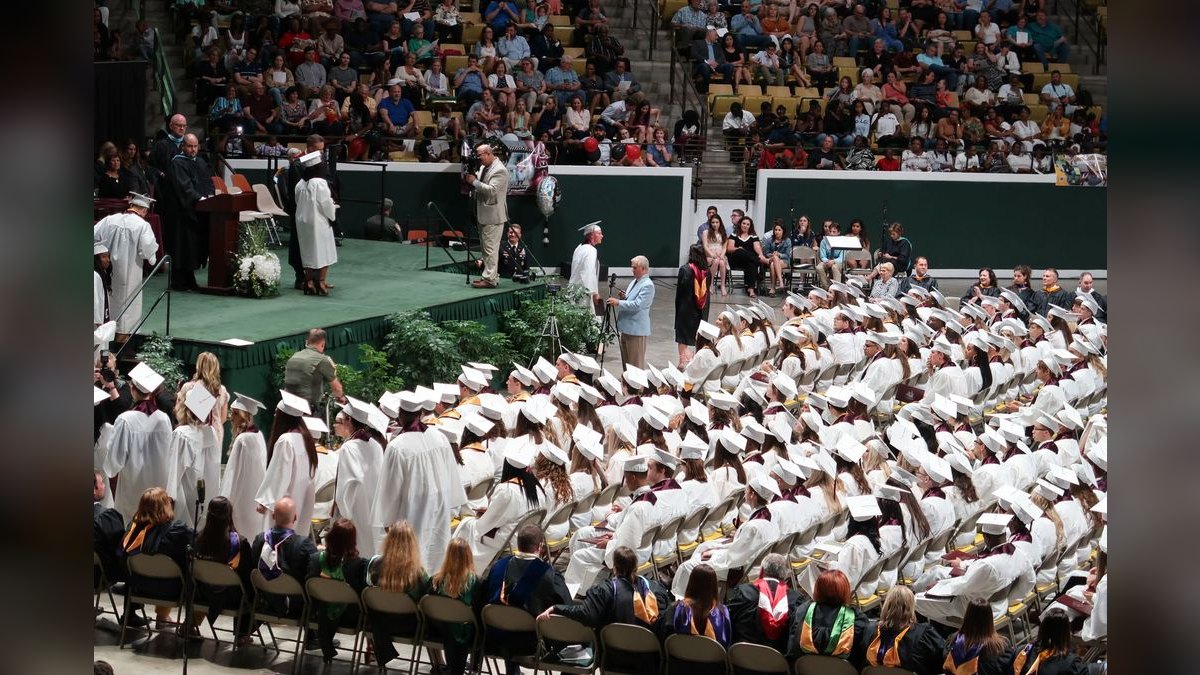
The closing should be a single, memorable line that encapsulates your message. It should feel inevitable, not forced. "Go build something that matters. And remember why you started." Or "The world doesn't need more MBAs. It needs more leaders who use their MBAs to serve." Deliver the closing line slowly, make eye contact, then step back from the podium. Let the silence hold for a moment before the applause. For additional speaking tips, explore this resource on public speaking for professionals.
What ethical obligations should an MBA graduation speaker address?
An MBA graduation speech carries implicit responsibilities that many speakers overlook. You are not just speaking for yourself. You are representing a cohort, an institution, and a profession. The audience includes faculty who invested in your education, employers who funded your tuition, and family members who sacrificed for your success. Your words should reflect that weight and demonstrate the maturity expected of business leaders. First, acknowledge the privilege of the degree honestly without guilt, but with awareness. Many graduates carry significant debt or had support systems that made the journey possible. A brief acknowledgment like "We worked hard. But we also had advantages. Scholarships. Supportive employers. Families who believed in us. Not everyone gets that. We should remember that" shows maturity and earns respect.
Second, address the ethical dimension of business education directly. The past two decades have seen corporate scandals, financial crises, and growing skepticism about the role of business in society. Your audience knows this. Acknowledge it by noting that shareholder value without stakeholder trust is unsustainable, and the best business decisions create value for everyone involved. Third, speak to the responsibility of leadership. MBA graduates disproportionately end up in positions of power as executives, board members, investors, or entrepreneurs. That power comes with accountability. "You will make decisions that affect thousands of lives. Remember that every spreadsheet has a human cost. Every quarterly report has a human story" is an honest acknowledgment that is both humbling and empowering. Offer a vision of business that is ambitious yet grounded, talking about how well-run companies create jobs, pay taxes, support communities, and give people dignity. Finally, close with an invitation to stay connected, emphasizing that the MBA network is one of the most valuable assets you leave with, but it requires maintenance through reaching out, collaborating, and investing in each other. For more on ethical leadership in business, see this article on responsible management.
How can you make your MBA graduation speech personal and authentic?
The most effective MBA graduation speeches are deeply personal and rooted in authentic experiences. Generic platitudes about "changing the world" or "embracing the future" fall flat because they could apply to any graduating class anywhere. What makes your speech memorable is the specific, honest reflection of your cohort's unique journey. The goal is for half the room to nod before you finish a sentence, recognizing a shared truth you've articulated. Start by identifying the defining moments of your program: the hardest single week, the moment the cohort came together in a meaningful way, the inside jokes or shared experiences that define your class. These specifics create instant connection and demonstrate that you're speaking from genuine experience, not from a template. Replace generic study-group memories with one true moment everyone recognizes, like "I'll never forget the night before the strategy final, when Sarah ordered pizza for the entire floor because she knew we were all struggling."
Use prompts to spark specifics. What was the lowest point of the program, and how did people support each other through it? Who quietly helped others without being asked or seeking recognition? What is one moment of collective joy or relief that everyone remembers? These details transform your speech from a generic address into a shared celebration of your cohort's unique journey. Balance vulnerability with confidence. It's okay to acknowledge moments of doubt or struggle: "There were weeks I wasn't sure I'd make it. There were days I questioned whether this was worth it. But looking around this room, I know I wasn't alone." This honesty creates emotional depth and makes your eventual message of triumph more powerful. Avoid the temptation to be impressive. The best speeches aren't about showcasing your vocabulary or your knowledge; they're about connecting with the people in the room. Use simple, direct language and speak as if you're talking to a close friend, not a board of directors. The most powerful lines are often the simplest: "We did this together. And that's what I'll remember most."

How should you handle delivery logistics and technical details?
Delivery logistics can make or break an otherwise excellent speech. Start by understanding the venue and technical setup. Will you have a podium, a microphone, or a teleprompter? Is the room large with echo, or intimate and quiet? Visit the venue beforehand if possible to test the acoustics and practice your delivery. Knowing the space reduces anxiety and allows you to focus on connecting with your audience. Speak slower than feels natural. Commencement rooms are often large with natural echo, and nervous speakers tend to speed up. Practice speaking at a pace that feels almost uncomfortably slow. Pause for a beat after important lines, especially after emotional moments or jokes. The pause after your first humorous line is critical—it gives the audience time to laugh without missing the next part of your speech.
Make eye contact with different sections of the audience. When you thank families, look at the families. When you acknowledge faculty, look at the faculty section. This deliberate attention demonstrates genuine gratitude and makes each group feel personally addressed. If you're using notes, use a single sheet of paper or index cards with bullet points rather than a full script. This allows you to maintain eye contact and appear natural. Your physical presence communicates as much as your words. Stand tall with feet shoulder-width apart. Keep your hands free to gesture naturally. Avoid gripping the podium or putting hands in pockets. If you're using a microphone, hold it a few inches from your mouth and speak at a consistent volume. Practice with the microphone beforehand to avoid technical issues during the actual speech. Prepare for emotional moments. Many speakers get choked up during the gratitude section, especially when thanking family. That's fine. Pause, breathe, take a sip of water, and continue. Sincerity beats polish every time. The audience will forgive a cracking voice or a moment of emotion far more than they'll forgive a robotic, perfectly delivered speech that feels hollow.
Related questions
How long should an MBA graduation speech be?
Most MBA graduation speeches run 7-12 minutes, which translates to roughly 900-1,500 words, allowing enough time for personal insights and gratitude without losing the audience's attention.
Who typically delivers the speech at an MBA graduation?
The speech is often given by a distinguished alumnus, a faculty member, or a student representative selected by the class, depending on the school's tradition and the speaker's business experience or leadership qualities.
Should the speech include humor or stay strictly professional?
A blend of humor and professionalism works best, with light anecdotes about the MBA journey humanizing the speaker while the core message remains inspiring and relevant to the graduates' future careers.
How far in advance should the speaker prepare the speech?
Most speakers start drafting at least four to six weeks before the ceremony to allow time for revisions, practice, and feedback from event organizers to align with the school's tone and timing.
Is it appropriate to mention specific companies or industries in the speech?
Yes, but it should be done broadly to avoid sounding like a promotion—referencing "tech startups" or "global finance" is fine, while naming a single company might feel exclusionary unless central to a personal story.
FAQ
What is the ideal length for an MBA graduation speech? The ideal length is 7-12 minutes, or approximately 900-1,500 words, giving you enough time to share personal insights, acknowledge faculty and family, and offer meaningful advice without losing the audience's attention. Shorter speeches often feel rushed, while longer ones risk losing the audience's focus.
How can I make my speech stand out from typical graduation addresses? Focus on specific, authentic details from your cohort's experience, replacing generic statements with real moments like the hardest week, the inside joke everyone shares, or the classmate who helped others without being asked. Specificity creates connection and makes your speech uniquely memorable.
Should I use humor in my MBA graduation speech? Yes, but use it strategically with light anecdotes about the MBA journey—like late-night study sessions or group project mishaps—to humanize you and create moments of relief. Avoid jokes that require setup, target individuals, or could be offensive, ensuring laughter feels earned, not forced.
How do I handle nervousness before delivering the speech? Acknowledge your nerves openly if they're visible, practice the speech aloud at least five times, visit the venue beforehand, and focus on connecting with individual faces in the audience rather than the crowd as a whole. Deep breathing before you begin helps calm your voice and steady your hands.
What should I avoid saying in an MBA graduation speech? Avoid clichés like "change the world" without specific context, excessive jargon, negative comments about the program or individuals, overly long stories, and promises that feel grandiose or insincere. Also avoid reading directly from a full script, as this disconnects you from the audience.
How can I effectively thank families and supporters in the speech? Make this section specific and genuine by addressing them directly, acknowledging the specific sacrifices they made, and avoiding generic statements. "To the partners who proofread case studies at midnight, to the parents who funded applications, to the children who shared their weekends with textbooks—you are graduating today too."
Is it appropriate to mention specific classmates or professors? Yes, with permission and care, as naming specific individuals who had a positive impact can be powerful, but avoid putting anyone on the spot or sharing embarrassing stories. If mentioning a classmate, frame it as a positive example of collaboration, support, or leadership.
What is the most important element of a successful graduation speech? Authenticity is the most important element, as the audience can sense when a speaker is being genuine versus performing or reciting borrowed phrases. Your real experiences, honest emotions, and authentic voice will resonate far more than any cleverly crafted line.
Sources
- Harvard Business Review — leadership and career advice for business graduates
- The Wall Street Journal — business news and trends relevant to MBA careers
- Forbes — entrepreneurship, management, and professional development insights
- McKinsey & Company — research on business strategy and organizational leadership
- Toastmasters International — resources on public speaking and effective communication
- Stanford Graduate School of Business — leadership and communication insights
- Wharton School — business education and career resources
- Purdue Online Writing Lab — speechwriting and presentation resources
- National Communication Association — public speaking research and techniques
Related on PULSE
This page will be disappearing soon. Save it to your device for $1 — or read it free while it is here.
@Kory-White- · if Venmo asks, the last 4 of my number are 2012
This page is gone.
This one is off the shelf now. $1 keeps it on your phone for good — the whole page, pictures and diagrams included.
 pulse-speechesHow to Write a Heartfelt Eulogy When You're Grieving in 2027
 pulse-speechesA Wedding Speech for a Surprise Wedding
 pulse-speechesA Speech for an Employee of the Year
 pulse-speechesA Speech for an IPO Celebration
 pulse-speechesWhat Makes Patrick Henry’s “Give Me Liberty” a Great Speech in 2027
 pulse-speechesA Speech for a Mentor Recognition
 pulse-speechesA Toast for a Baby Shower
 pulse-speechesA Eulogy for a Grandmother Who Raised You
 pulse-speechesA Toast for a 100th Birthday
 pulse-speechesA Speech for Welcoming a New Hire