
A Graduation Speech for a Trade School Completion
 Curated byKory White · Fractional CRO · Maryland
 PULSEKNOWLEDGE LIBRARY
Quality
Certified

A graduation speech for a trade school completion should celebrate the unique, hands-on journey of mastering a skilled craft, from the early mistakes to the final, confident execution. It acknowledges that the path was different from a traditional academic one, focusing on practical competence and real-world readiness rather than theory. The speech typically ends by charging graduates to take pride in their trade, serve their communities with excellence, and continue learning on the job.
The most effective trade school graduation speeches do more than mark a milestone—they affirm a choice. These graduates chose to build, fix, and create with their hands, pursuing a path that society often undervalues but deeply depends on. The speech must honor that decision, recognize the support systems that made it possible, and send graduates into the workforce with confidence and purpose. Below, you'll find a complete speech template, practical customization tips, delivery advice, and deeper insights into the tools and mindset that make trade school graduates indispensable.
What Makes a Trade School Graduation Speech Different from a Traditional One?
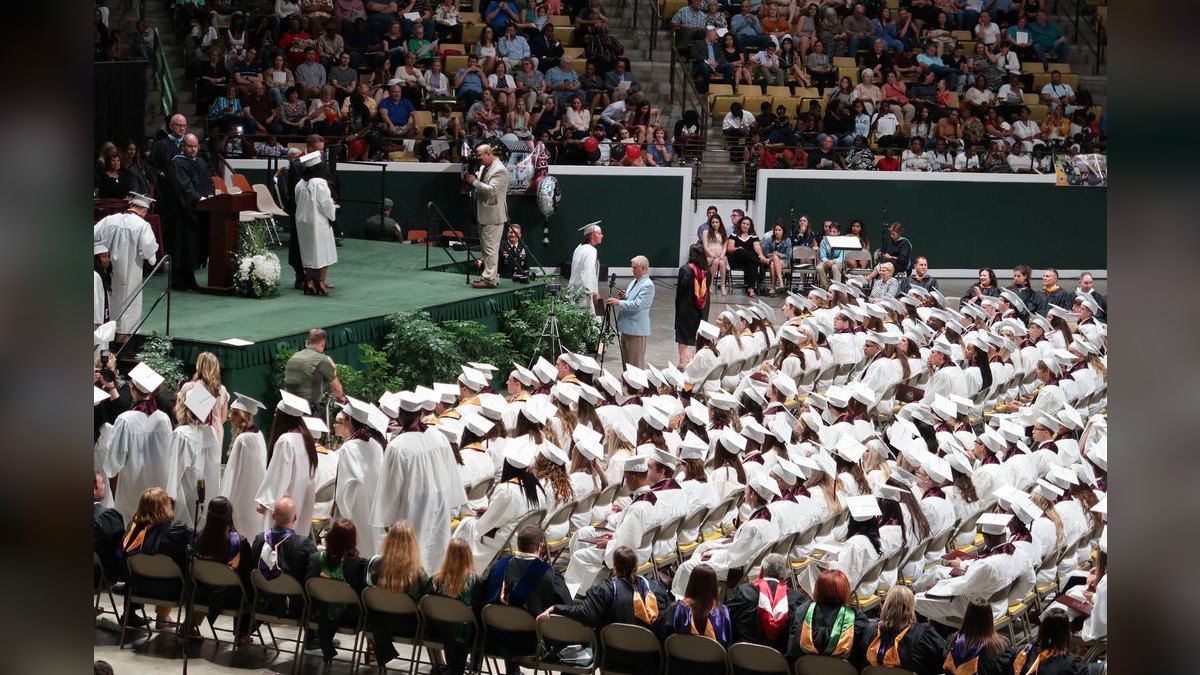
A trade school graduation speech differs fundamentally from a traditional college commencement address in tone, audience, and purpose. While a university speech might celebrate intellectual exploration and theoretical knowledge, a trade school speech must honor practical competence, hands-on mastery, and the courage to choose a non-traditional path. The audience includes not just graduates but also families who made sacrifices, instructors who mentored through late-night labs, and employers who will soon welcome these new professionals into their workforce.
The speech should avoid apologizing for the vocational path. Instead, it should celebrate it loudly. Graduates have earned credentials that translate directly into economic value—they can wire a building, repair a transmission, or nurse a patient back to health. The speech should acknowledge that their skills are essential to modern life, and that their work will be visible and tangible in ways that white-collar work often is not.
Another key difference is the timeline. Trade school programs are often shorter and more intensive than four-year degrees, which means the speech can reference specific shared experiences—the difficult certification exam, the memorable instructor quote, the project that nearly broke the cohort. These concrete references create a sense of community and shared accomplishment that generic platitudes cannot achieve.
How Can You Personalize the Speech for Your Specific Trade?
Personalization transforms a generic speech into a powerful, memorable address. The most effective trade school graduation speeches reference the specific craft, the unique challenges of that training, and the particular culture of the cohort. This requires more than simply swapping in the trade name—it demands thoughtful reflection on what made this program distinctive.
Start by identifying the hardest skill your cohort had to master. For welders, it might be overhead stick welding in awkward positions. For electricians, it could be three-phase motor control wiring. For HVAC technicians, it might be diagnosing a complex refrigerant leak under time pressure. Referencing this challenge directly shows respect for the difficulty of the training and validates the graduates' achievement.

Next, recall a shared story that everyone in the program recognizes. This could be a brutal exam that became legendary, a memorable instructor catchphrase like "measure twice, cut once—or measure once, cry twice," or a project that nearly broke the class but ultimately brought them together. These stories create instant connection and laughter, making the speech feel authentic rather than scripted.
Finally, name specific people who deserve recognition. If the cohort is small enough, name two or three graduates who exemplify the program's values. Acknowledge a spouse who worked double shifts to support a student, a program founder who built the training from scratch, or an employer who took chances on apprentices. These personal callouts land far harder than any general line of gratitude.
For more guidance on crafting personalized graduation addresses, see our resources on crafting a memorable graduation speech and honoring specific contributors in your speech.
What Are the Hidden Tools Every Trade School Graduate Carries?
Beyond the visible technical skills—reading a micrometer, wiring a circuit, balancing a load calculation—trade school graduates develop a set of invisible tools that are equally valuable. These include problem-solving under pressure, the discipline of craft, and resilience forged through repeated failure and recovery. Understanding and articulating these hidden tools can elevate a graduation speech from good to transformative.

Problem-solving under pressure is the first hidden tool. In the welding booth when a wire feed bird-nests with fifteen minutes left on a root pass, or in the HVAC simulator when a refrigerant leak appears during a practical exam, graduates learned to stay calm, diagnose systematically, and fix the problem. Employers don't just hire people who can follow instructions; they hire people who can think when instructions stop working. This skill is developed through hundreds of small crises during training, each one building neural pathways for calm, methodical troubleshooting.
The discipline of craft is the second hidden tool. Trade work demands precision—a quarter-inch off on a cabinet door means it doesn't close, a loose ground wire means a system fails or someone gets hurt. Graduates have internalized attention to detail through repeated practice. They double-check their work, clean their tools before putting them away, and show up on time because the crew is counting on them. These habits of reliability and precision will serve them long after they've forgotten the exact formula for brazing temperature or the specific code for conduit fill.
Resilience is the third hidden tool. Trade school is not easy. Students juggle early mornings, late nights, and often a job on the side. They have projects that fail and tests they must retake. They get blisters, grease under their nails, and burns or cuts. But they keep coming back. That grit—the refusal to quit—is the most valuable thing they carry forward. In the field, materials will arrive late, customers will change their minds, and they'll be tired. But they've already proven they can push through.
How Should You Handle Delivery and Tone?
Delivery is as important as content for a trade school graduation speech. The room will be emotional—families who sacrificed, graduates who overcame obstacles, instructors who invested deeply. Speaking slower than feels natural allows every word to land. Pause hard after lines like "Tonight is theirs too" and let applause come without talking over it. Make eye contact with families during thank-you lines and with graduates during the charge to "go build something."

Authenticity beats polished delivery every time. If your voice catches when you talk about where graduates started, let it. The audience will connect more with genuine emotion than with perfectly recited lines. You can carry a single index card with three anchor lines—the opening, the "world runs on what you learned" line, and the closing—but deliver the rest from the heart, not the page.
The tone should be proud and a little defiant. These graduates chose hands and skill over a path the world too often undervalues. The speech should not apologize for that choice; it should celebrate it loudly. At the same time, humility is essential. The best tradespeople never stop being students, and the speech should encourage graduates to stay curious, ask questions, and learn from the old-timers who have seen it all.
For different contexts, consider variations. A 30-second version might simply say: "Graduates, the world runs on what you just learned to do. When something breaks, people don't call a theory—they call someone who can fix it. That's you now. Take the work seriously, stay humble enough to keep learning, and remember the people who got you here. You didn't just earn a credential. You earned a craft. Go build something." For a longer, more formal version, add a section honoring the program's history and instructors by name. For a lighter tone, open with an inside joke about the program before turning sincere.
What Should You Avoid in a Trade School Graduation Speech?
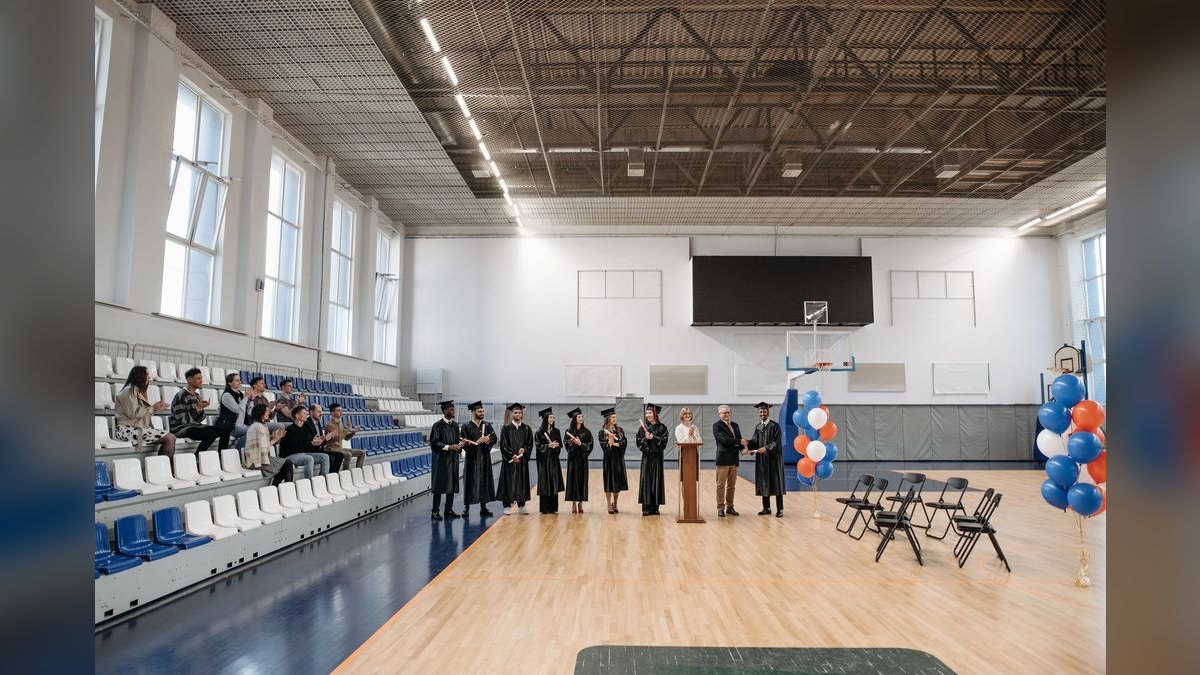
Several common pitfalls can undermine even a well-written trade school graduation speech. The most important is apologizing for the vocational path. Never frame trade school as a fallback or a second choice. It is a deliberate, valuable choice that leads to essential, well-compensated careers. The speech should celebrate that choice with pride.
Avoid excessive technical jargon. While a few specific terms can show authenticity, the audience includes family members who may not know the trade's details. Keep the language accessible. Similarly, avoid inside jokes that exclude parts of the audience. Light, respectful humor about late-night study sessions or early-morning shop work can connect the room, but jokes that only a few people understand will alienate others.
Do not make specific promises about salaries or job placement. While it's appropriate to mention the strong demand for skilled trades, citing exact numbers can feel like a guarantee that may not hold true for every graduate. Focus instead on the pride, opportunity, and stability the training provides.
Finally, avoid a tone that is either too formal or too casual. A trade school graduation speech should feel professional but not stiff, warm but not sloppy. The sweet spot is authentic, respectful, and slightly defiant—proud of the path chosen and confident in the future ahead.
Related questions
How long should a trade school graduation speech be?
Aim for 3 to 5 minutes, approximately 450 to 750 words spoken. This is enough time to share a personal story, acknowledge the hard work, and inspire graduates without losing the audience's attention.
Should I include technical terms from my trade in the speech?
Use them sparingly. A few specific terms like "overhead stick welding" or "three-phase wiring" can show authenticity, but keep the speech accessible for family and friends who may not know the trade's details.
Is it appropriate to thank specific instructors or mentors by name?
Yes, it is encouraged. Mentioning one or two people by name adds a personal touch, but avoid a long list—focus on those who had the biggest impact on the cohort.
Can I use humor in a trade school graduation speech?
Absolutely. Light, respectful humor about late-night study sessions or early-morning shop work can connect with the audience, but steer clear of inside jokes that exclude others or humor that diminishes the achievement.
Should I talk about job prospects or salaries?
Only in general terms. You can mention the strong demand for skilled trades and the stability of these careers, but avoid specific numbers or promises—focus on the pride and opportunity the training provides.
How do I end the speech on a strong note?
Close with a call to action or a forward-looking statement. Encourage graduates to keep learning, take pride in their craft, and serve their communities. Then thank the audience for their support and end with a confident "Congratulations, graduates."
FAQ
How do I find the right balance between honoring graduates and thanking families? Acknowledge both groups explicitly in the first minute. Say something like "To the graduates—you earned this. To the families who packed lunches, covered shifts, and believed—this night is yours too." This balance sets a warm, inclusive tone from the start.
What if I'm nervous about public speaking? Practice the speech out loud several times, ideally in front of a friend. Time yourself to ensure you stay within your target length. On the day, take three deep breaths before starting and speak slower than feels natural. Remember that the audience wants you to succeed.
Can I use a script or should I memorize the speech? You can carry a single index card with key points or anchor lines, but deliver the rest from the heart. Reading a full script can feel disconnected. The most powerful moments come when you make eye contact and speak naturally.
How do I handle technical difficulties with a microphone or podium? Arrive early to test any equipment. If the microphone fails, project your voice—your speech is important enough to be heard. Stay calm and adapt; your ability to handle unexpected problems models the resilience you're celebrating.
Should I include a moment of silence for a classmate or instructor who passed away? If the program has experienced a loss, a brief, respectful acknowledgment can be powerful. Keep it simple: "Before we celebrate, let's take a moment to remember [name], who we wish could be here today." Then move forward with the celebration.
What if I start crying during the speech? Let it happen. Authentic emotion connects with audiences more than polished delivery. Pause, take a breath, and continue. The audience will appreciate your sincerity.
Sources
- U.S. Bureau of Labor Statistics — Occupational Outlook Handbook
- National Center for Education Statistics — Career and Technical Education
- Association for Career and Technical Education
- The Wall Street Journal — Skilled Trades Labor Market
- Harvard Business Review — Career Development and Leadership
- U.S. Department of Education — Trade School Accreditation
- National Association of Home Builders — Skilled Labor Shortage
- Pew Research Center — Value of Vocational Education
Related on PULSE
This page will be disappearing soon. Save it to your device for $1 — or read it free while it is here.
@Kory-White- · if Venmo asks, the last 4 of my number are 2012
This page is gone.
This one is off the shelf now. $1 keeps it on your phone for good — the whole page, pictures and diagrams included.
 pulse-speechesHow to Keep a Wedding Toast Under Three Minutes in 2027
 pulse-speechesA Speech for an IPO Celebration
 pulse-speechesA Toast for a 30th Birthday
 pulse-speechesA Wedding Speech for a Surprise Wedding
 pulse-speechesA Speech for a Veterans Day Tribute
 pulse-speechesA Speech for a Mentor Recognition
 pulse-speechesWhat Makes Patrick Henry’s “Give Me Liberty” a Great Speech in 2027
 pulse-speechesWhat Makes JFK’s Inaugural Address a Great Speech in 2027
 pulse-speechesA Speech for a Company 10th Anniversary
 pulse-speechesHow to Add Humor to a Retirement Speech in 2027