
A Retirement Speech for a Nurse
 Curated byKory White · Fractional CRO · Maryland
 PULSEKNOWLEDGE LIBRARY
Quality
Certified
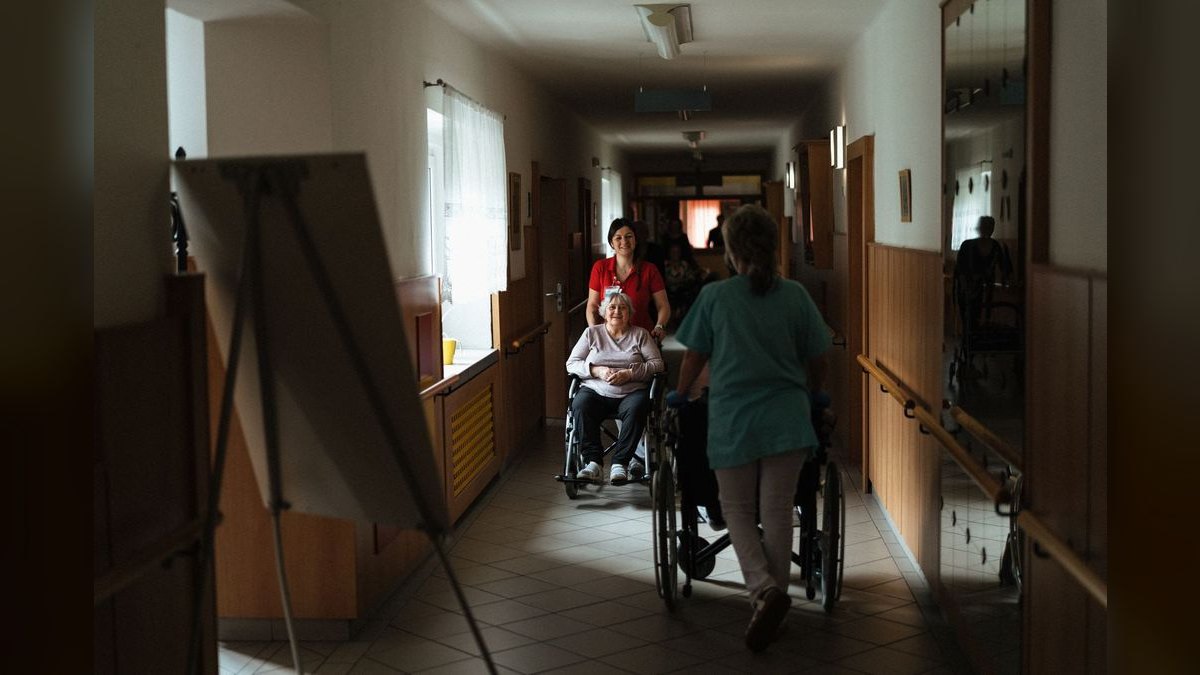
A retirement speech for a nurse should honor their decades of compassionate care, resilience, and the countless lives they've touched, blending personal anecdotes with gratitude and lighthearted humor. The speech typically includes reflections on the unique challenges and rewards of nursing, appreciation for colleagues and family, and a forward-looking toast to the retiree's next chapter. By weaving specific memories, shared experiences, and genuine emotion, the speech transforms a professional farewell into a lasting tribute that resonates with everyone in the room.
One of the most powerful ways to craft a memorable retirement speech is to anchor it in the everyday moments that define a nurse's career—the quiet acts of kindness, the split-second decisions under pressure, and the steady presence that made patients feel safe. This guide will help you structure, write, and deliver a speech that feels authentic, honors the retiree's legacy, and leaves the room inspired. For additional tips on crafting the right tone, see our guide on How to Add Humor to a Retirement Speech.
How Do You Structure a Retirement Speech for a Nurse?
A well-structured retirement speech for a nurse follows a clear arc that mirrors the rhythm of a shift: a warm opening, a steady middle, and a closing that feels complete. Begin with a simple, direct acknowledgment of the retiree and the occasion, avoiding lengthy introductions or formalities. For example: "We're here today to celebrate [Name] and their [number] years of service on this unit—that's [number] years of early mornings, late nights, and everything in between." This immediately grounds the audience in the purpose of the speech and sets a tone of genuine appreciation.

The middle section should follow a three-pillar structure: one pillar about the nurse's clinical skill and dedication, one about their relationships with colleagues, and one about their impact on patients and families. Each pillar gets one or two sentences of praise followed by a brief story or example, kept to three or four sentences each. The goal is to paint a vivid picture without recounting an entire shift. Close with a forward-looking statement that honors the retiree's next chapter, avoiding "we'll miss you" as the final note—instead, express confidence in their future. This structure ensures the speech feels balanced, respectful, and memorable, allowing the audience to connect with the retiree's legacy on multiple levels.
What Specific Stories Work Best in a Nurse's Retirement Speech?
The most impactful stories in a retirement speech for a nurse are those that reveal character rather than competence. Instead of listing certifications or years of service, focus on moments that show how the nurse made people feel. For example, a story about the time she stayed late to hold a dying patient's hand because the family couldn't make it, or the shift when she caught a medication error that everyone else missed, speaks volumes about her dedication and vigilance. These stories don't need to be dramatic—often the quietest moments are the most telling, such as the way she always remembered a patient's birthday or brought in homemade treats for the night shift.

Three prompts can help you uncover these specifics: What did new nurses always come to her for? What did she do that wasn't in any job description? What will the unit literally have to figure out now that she's gone? The answers often reveal the heart of her legacy. For example, if new nurses came to her for advice on difficult families, that shows her emotional intelligence. If she always stocked the supply closet without being asked, that shows her quiet reliability. If she was the one who kept the unit running during a crisis, that shows her leadership under pressure. These details make the speech feel personal and authentic, connecting the retiree's career to the daily reality of the unit.
How Do You Balance Gratitude and Humor in the Speech?
Balancing gratitude and humor in a retirement speech for a nurse requires a careful ratio of roughly 70% sincere appreciation to 30% lighthearted recognition. Too many jokes can make the speech feel dismissive of the retiree's serious work, while too much sentimentality can feel heavy. The sweet spot is gratitude that feels earned, punctuated by moments of shared recognition that make everyone in the room nod and smile. For example, you might say: "We all remember how Carol could walk into a room and instantly lower everyone's blood pressure—including the monitors. Like the time Mr. Henderson's family was in full panic mode, and Carol just handed them a cup of tea and said, 'Let's start with your name and why you're worried.' Within five minutes, they were laughing about his obsession with daytime TV."

Humor should emerge naturally from shared experiences, not forced jokes. Lean into the inside jokes of the unit: the coffee she couldn't function without, the locker that wouldn't close, the way she ran the floor like a drill sergeant with a soft heart. These light moments create relief and connection, but they should always circle back to the deeper gratitude. For instance, after a funny story about her legendary stash of chocolate, you can pivot to: "But what we'll really miss is the way she knew exactly when to offer that chocolate—when a nurse was having a rough shift, when a family needed a small kindness, or when the unit just needed a moment of normalcy."

What Are the Best Delivery Tips for a Nurse's Retirement Speech?
Delivery can make or break a retirement speech for a nurse, and the key is authenticity over perfection. Speak slower than feels natural—this is a tribute, not an announcement. Pause fully after emotional lines, such as the one about patients who felt her care, to let the moment land before moving on. Make eye contact with the retiree during the closing lines, then turn to the room for the toast. If your voice cracks, don't fight it; stop, breathe, and keep going—the emotion is the point, and the room is with you. Practice the speech aloud three to four times before the event, focusing on the flow and the emotional high points.
Use a card with bullet points rather than a full script so you can look up; the stories should sound remembered, not read. Stand in a relaxed but upright posture, feet shoulder-width apart, and keep your hands still or use them sparingly for emphasis. Avoid crossing your arms, putting your hands in your pockets, or fidgeting with the paper. Breathe deeply before you begin, and remember that the audience is on your side—they want this to go well as much as you do. Prepare for the unexpected: the retiree might cry, someone might interrupt with a loud laugh, or the room might fall completely silent after an emotional story. Don't fight these moments—pause, acknowledge them with a small nod or smile, and continue.

How Do You Handle Emotions Without Breaking Down During the Speech?
Handling emotions during a retirement speech for a nurse is about preparation and acceptance, not suppression. Practice the speech aloud three to four times before the event—enough to internalize the flow, but not so much that it sounds memorized. Identify the emotional hot spots, such as the story about a patient who died under her care or the gratitude for her mentorship, and practice pausing there. Have a glass of water nearby, and take a deep breath before those moments. It's okay to show emotion—tears often make the speech more genuine—but have a backup plan, such as a colleague who can step in if you need a moment.
If you feel yourself getting choked up, pause, look down at your notes, and take a slow breath. The audience will wait for you, and that silence often deepens the impact of the moment. You can also use a physical anchor, like holding a pen or touching the podium, to ground yourself. Remember that the emotion is a gift to the retiree—it shows how much they mean to you and the unit. The most memorable speeches are the ones that feel alive, not scripted, and a genuine moment of emotion is far more powerful than a perfectly delivered line. For more on managing emotions in speeches, see our guide on A Retirement Speech for a Long-Serving Employee.

What Are the Key Differences Between a Formal and Informal Retirement Speech?
The key differences between a formal and informal retirement speech for a nurse lie in structure, content, and tone. A formal speech, often delivered at a hospital-wide ceremony or large gathering, includes a brief arc of the retiree's career: where she started, the units she shaped, the colleagues she trained, and one institutional milestone she was part of. The tone is more polished, with fewer inside jokes and more universal themes of dedication and service. It typically runs 3–5 minutes and includes a structured closing that honors the institution as well as the individual. Formal speeches often require approval from hospital administration, so keep language positive and inclusive.
An informal speech, delivered in a break room or small gathering, leans into personal stories, shared experiences, and the unique culture of the unit. The tone is warmer and more conversational, with room for laughter and tears. It may be shorter, around 2–3 minutes, and can include details like the retiree's favorite coffee mug or the time she saved the unit from a chaotic shift. The key is to match the tone to the setting: a formal speech should feel respectful and inclusive of all attendees, while an informal speech can feel like a conversation among friends. For more guidance on tailoring the tone, see our guide on A Retirement Speech for a Government Worker.
Related questions
How long should a retirement speech for a nurse be?
Aim for 3–5 minutes when spoken, which equals roughly 400–700 words. Shorter speeches often feel more heartfelt, while longer ones risk losing the audience's attention. Adjust based on the event schedule and how many people are speaking.
What tone is best for a nurse's retirement speech?
Warm, sincere, and lightly humorous works well—nursing is serious, but retirement is a celebration. Avoid overly clinical language or inside jokes only a few will understand. Focus on gratitude, shared memories, and the nurse's impact on patients and colleagues.
Should I include specific patient stories in the speech?
Yes, but keep them general enough to protect privacy—use first names only or describe the situation without identifying details. One or two short, meaningful stories can illustrate the nurse's compassion and skill. Avoid any story that could be seen as violating HIPAA or confidentiality.
What if I'm not the nurse but a colleague giving the speech?
Focus on the nurse's professional qualities—their dedication, teamwork, and patient care—rather than personal details you may not know. Mention specific moments you witnessed, like how they calmed a worried family or mentored new staff. Keep the tone respectful and celebratory.
Is it appropriate to mention the nurse's future plans?
Only if you know them and they're comfortable sharing—some retirees want privacy about their next chapter. If mentioned, keep it light, like travel, hobbies, or time with family. Never assume or joke about their age or health.
FAQ
How do I write a retirement speech for a nurse who is a close friend? Focus on the personal qualities that made them a great nurse—their compassion, patience, and dedication—and weave in shared memories from outside work. Keep the speech professional in tone, as other colleagues will be present. Acknowledge their impact on both patients and your own life.
Can I use a quote or poem in the retirement speech? Yes, but keep it brief and relevant to nursing or service. A short quote from Florence Nightingale or a line about caring can add depth, but the speech should center on the retiree's unique story. Avoid long readings that feel impersonal.
How do I handle a retirement speech for a nurse who is retiring early due to health issues? Keep the tone respectful and avoid dwelling on the reason for retirement. Focus on their contributions and legacy, and express gratitude for their service. Use phrases like "we're grateful for the time you gave us" rather than "we're sorry you have to leave."
What if the nurse is shy and doesn't want a big speech? Keep it short and simple—a few heartfelt sentences delivered directly to the retiree rather than to the whole room. Focus on gratitude and a single memorable moment. You can also have colleagues sign a card or share brief tributes instead of a formal speech.
Should I mention the nurse's age or years of service? Yes, but only if you know the exact number and it's appropriate. Years of service is a common and respectful way to frame the speech. Avoid making jokes about age or retirement, as it can feel insensitive.
How do I end the speech effectively? End with a forward-looking toast that honors the retiree's next chapter. For example: "To [Name]—may your retirement be filled with rest, joy, and the same warmth you brought to every patient. Thank you for everything." Then raise your glass or lead the room in applause.
What should I do if I forget part of the speech? Pause, look at your notes, and take a breath. The audience will wait for you. If you can't find your place, skip to the closing or ask for a moment of applause to reset. The retiree won't remember the forgotten part—only the heartfelt moments.
Can I include a group tribute from colleagues? Yes, collecting brief messages from coworkers and weaving them into the speech can add depth and variety. Keep each tribute to one or two sentences to maintain flow. This approach also ensures the retiree feels the collective appreciation of the entire unit.
Sources
- American Nurses Association
- Bureau of Labor Statistics - Nursing Workforce
- Sigma Theta Tau International Honor Society of Nursing
- The Joint Commission - Healthcare Quality Standards
- American Hospital Association - Nursing Roles
- National Council of State Boards of Nursing
- Nursing Times - Career Reflections
- Journal of Nursing Management - Leadership and Legacy
- Nurse.org - Retirement Planning for Nurses
- American Journal of Nursing - Palliative and End-of-Life Care
Related on PULSE
This page will be disappearing soon. Save it to your device for $1 — or read it free while it is here.
@Kory-White- · if Venmo asks, the last 4 of my number are 2012
This page is gone.
This one is off the shelf now. $1 keeps it on your phone for good — the whole page, pictures and diagrams included.
 pulse-speechesHow to Structure a Best Man Speech in 2027
 pulse-speechesA Toast for a Christening
 pulse-speechesA Speech for a Customer Appreciation Event
 pulse-speechesA Graduation Speech for a Graduate as the Class President
 pulse-speechesA Speech for Welcoming a New Hire
 pulse-speechesA Toast for a 30th Birthday
 pulse-speechesWhat Makes Susan B. Anthony's "On Women's Right to Vote" a Great Speech in 2027
 pulse-speechesHow to Tailor a Toast to the Audience in 2027
 pulse-speechesA Toast for a Quinceañera
 pulse-speechesA Speech for a Church Anniversary