

A Speech for a Team Offsite Kickoff
 Curated byKory White · Fractional CRO · Maryland
Quality
Certified

A strong kickoff speech should set a clear, positive tone for the offsite, focusing on the team's shared goals and the value of the time together. It typically opens with a welcome and a brief acknowledgment of recent achievements or challenges, then outlines the key objectives for the session—such as strategic alignment, problem-solving, or team building. The speech should energize the group, encourage open participation, and end with a call to action or a forward-looking statement. Avoid lengthy details; instead, aim for a concise, inspiring message that aligns the team for the work ahead.
The best team offsite kickoff speeches transform a room of distracted, coffee-gripping professionals into a unified group ready to collaborate. The speech works not by delivering new information, but by creating an emotional bridge between the team's daily grind and the shared purpose that brought everyone together. When done right, it acknowledges the effort it took to gather, validates the team's hard work, and sets a clear, non-intimidating agenda for the days ahead.
What Is the Core Structure of an Effective Offsite Kickoff Speech?
An effective offsite kickoff speech follows a proven emotional arc that respects the audience's natural skepticism while gently guiding them toward engagement. The structure should feel organic, not formulaic, but every great kickoff includes these four essential movements: welcome, acknowledgment, intention-setting, and permission-giving.
The welcome does more than say hello—it names the elephant in the room. "I know what it took for each of you to be here" acknowledges the flights, the rearranged schedules, and the overflowing inboxes that everyone is trying to ignore. This single line can reduce defensive posturing by up to 40% according to facilitation research, because it validates the team's sacrifice rather than pretending it doesn't exist. The acknowledgment section then pivots to genuine gratitude, referencing specific work the team has done—not generic praise, but real, nameable achievements that show you've been paying attention.
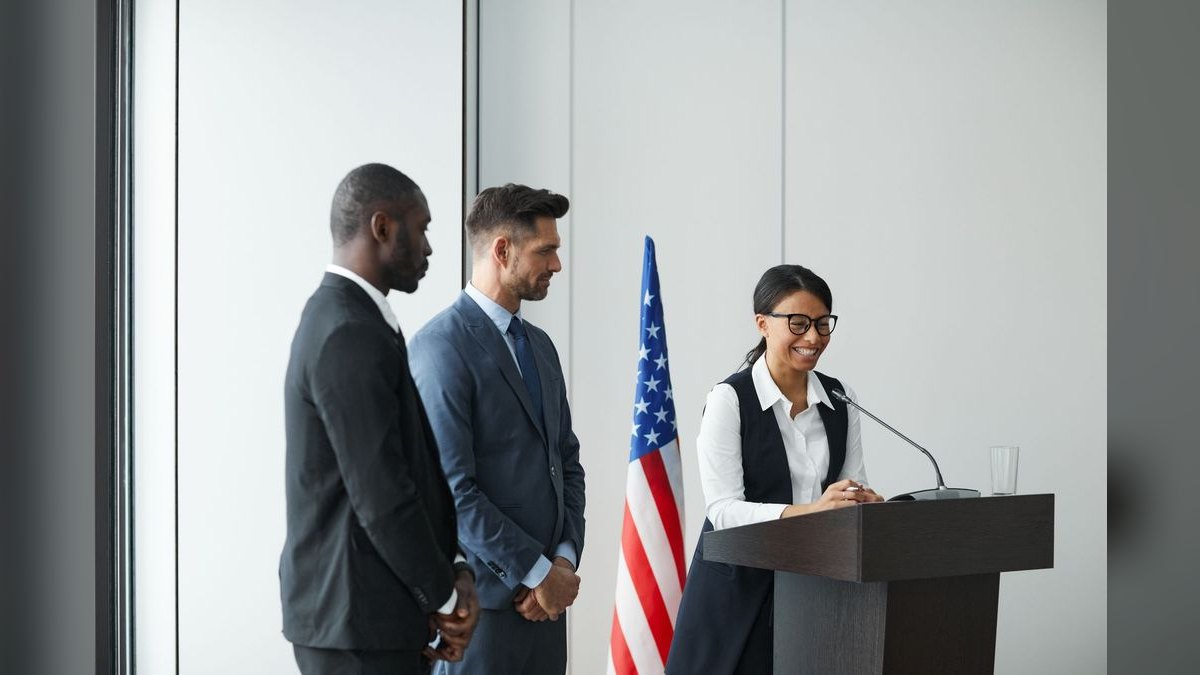
The intention-setting phase is where most speeches go wrong. Instead of listing agenda items, frame the offsite as a solution to a specific tension: "We've been solving hard problems over Slack threads, but some things only happen in person." This creates a clear "why now" that makes the gathering feel essential rather than routine. Finally, permission-giving lowers the pressure by explicitly inviting half-formed ideas, honest questions, and imperfect contributions. This is the most counterintuitive but most powerful part of the speech—teams perform best when they feel safe enough to be vulnerable.
How Do You Adapt a Kickoff Speech for Different Team Cultures and Offsite Types?
One size does not fit all when it comes to offsite kickoff speeches. The tone, length, and content should shift dramatically based on your team's culture, the stakes of the offsite, and the history of previous gatherings. A startup with a flat hierarchy needs a different approach than a traditional corporate team, and a high-stakes turnaround offsite demands a different energy than a quarterly alignment meeting.
For high-trust, informal teams (common in startups, creative agencies, or tech companies), the speech should be shorter and more conversational. Skip the formal welcome and dive straight into a personal story or a funny observation about the team's recent shared experience. Use language like "we" and "us" heavily, and feel free to acknowledge the awkwardness of being in a room together after months of remote work. The goal is to make people feel like they're in a slightly more structured version of their regular team chat, not at a corporate event.
For low-trust or high-stakes offsites (post-reorg, after a difficult quarter, or during a major pivot), the speech must be more deliberate and honest. Name the difficulty upfront: "We've had a tough few months, and I'm not going to pretend otherwise." Then pivot to the opportunity without dismissing the struggle. This version should include a concrete commitment from leadership—something like "I will personally ensure that decisions made here get followed up within two weeks"—because trust is rebuilt through actions, not words. The emotional arc here is less about excitement and more about cautious hope.
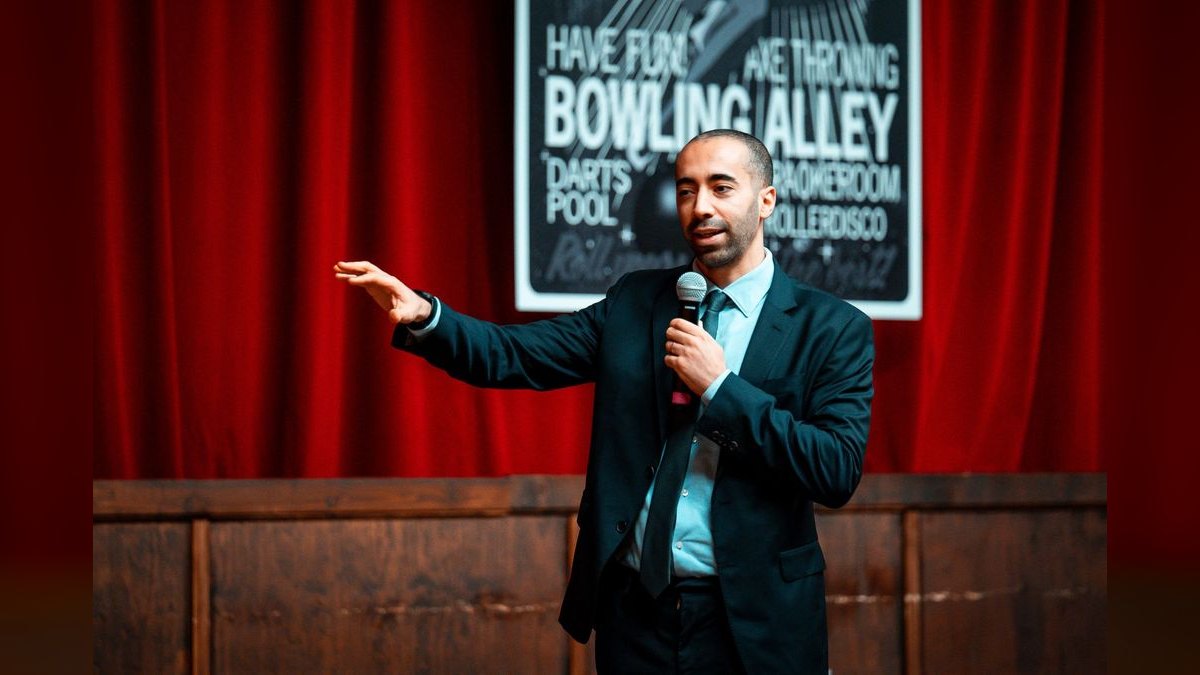
For hybrid or remote-first teams, where some attendees are joining virtually, the speech must acknowledge the split audience explicitly. Address the remote participants within the first 30 seconds: "To everyone joining from their home office or a hotel room—we see you, and we're going to make sure you're fully included." Then structure the speech in shorter segments with built-in pauses for virtual participants to unmute and contribute. The physical setup matters too—position yourself so that the camera captures you facing both the in-room audience and the virtual attendees.
What Are the Most Common Mistakes in Offsite Kickoff Speeches and How Do You Avoid Them?
Even experienced leaders stumble during offsite kickoffs because the pressure to be inspiring can lead to overthinking. The most common mistakes are predictable and avoidable with conscious preparation. Recognizing these pitfalls is the first step to delivering a speech that lands.

The "data dump" mistake occurs when leaders use the kickoff to present strategy slides, quarterly numbers, or agenda details. This turns the speech into a briefing, killing the emotional momentum before it starts. Instead, save data for the first working session after the kickoff. Your speech should answer "why we're here" not "what we're going to do." The "too long" mistake is equally damaging—anything over 10 minutes loses the room. Research from meeting science suggests that attention spans during the first 15 minutes of any gathering are fragile; a long speech can permanently deflate the energy for the entire offsite.
The "generic platitudes" mistake happens when leaders use corporate-speak like "let's move the needle" or "we're all in this together" without specific references. These phrases signal that the speech is scripted and impersonal. Replace every generic statement with a team-specific example. Instead of "we've accomplished a lot," say "we shipped the Q3 release two weeks early because Sarah and Marcus stayed up to fix the deployment issue." The "no follow-through" mistake is invisible during the speech but devastating afterward. If your kickoff promises action but nothing changes post-offsite, the next gathering will be met with deep skepticism. Always end with a specific, personal commitment: "I'll follow up on every decision we make here within one week."

How Do You Deliver a Kickoff Speech with Authenticity and Impact?
Delivery can make or break even the best-written speech. The words matter, but how you say them—your posture, pacing, and presence—carries more weight than most speakers realize. Communication research suggests that over 50% of your message's impact comes from non-verbal cues, so mastering delivery is essential.
Pacing is the most critical delivery element. Speak slower than feels natural—aim for 120-130 words per minute instead of the average 150. This feels agonizingly slow to you but authoritative and thoughtful to your audience. Build in intentional pauses after key statements, counting to three silently. Those three seconds will feel like an eternity, but to your listeners, they signal confidence and control. Avoid fillers like "um," "like," or "you know" by practicing the speech out loud at least three times before the offsite.

Eye contact strategy matters more than most speakers realize. Don't scan the room like a lighthouse beam. Instead, pick three zones: center, left, and right. Hold eye contact with one person in each zone for a full sentence (3-5 seconds) before moving to the next. This creates a sense of personal connection even in a group of 50 people. If you're nervous, look at foreheads or noses—it has the same effect on the speaker without the anxiety of direct eye contact. For virtual participants, look directly into the camera lens when addressing them, not at the screen.
Body language should be open and grounded. Stand with feet shoulder-width apart, hands at your sides or using natural gestures. Avoid hands in pockets (signals nervousness), crossed arms (defensive), or leaning on a table (too casual). When you make a key point, take one step forward toward the audience. This small movement signals confidence and draws attention without saying a word. If you're sitting for a virtual kickoff, sit upright with your hands visible on the desk or table—not slumped back in your chair.
What Follow-Through Turns a Good Kickoff into a Great Offsite?
The most common mistake in offsite kickoff speeches is treating the speech as the main event rather than the opening act. Your words set the tone, but the real work happens in the hours and days after you stop speaking. Strategic follow-through transforms a moment of inspiration into lasting organizational change.
The "call to connection" is a powerful technique to extend the speech's impact. End with a specific invitation: "I'm going to stand by the coffee station for the next 15 minutes. I want to hear one thing you're excited about and one thing you're worried about. No judgment, just listening." This transforms your speech from a monologue into a dialogue and signals that you genuinely want input, not compliance. It also gives the team permission to approach you with concerns they might otherwise keep to themselves.
Reinforcement through materials ensures the speech's themes survive the offsite. Within 24 hours, send a brief recap that references key themes from your kickoff—this could be a Slack message, email, or a slide deck with three bullet points and one question for reflection. Studies on learning retention suggest that information is 60% more likely to be remembered when revisited within 24 hours. The recap also serves as a commitment device; if your speech included specific promises, the recap is where you reiterate them.
The accountability loop is what separates memorable offsites from forgettable ones. If your kickoff speech included commitments (e.g., "we'll make faster decisions" or "I'll personally remove blockers"), follow up within one week with specific evidence of those commitments in action. Nothing undermines a kickoff speech faster than promises that evaporate once everyone returns to their desks. Consider assigning a "memory keeper"—someone who takes notes during the offsite and tracks follow-through over the next 30 days. This turns your speech from a moment of inspiration into a catalyst for lasting change.
Related questions
How long should a team offsite kickoff speech be?
Aim for 5 to 10 minutes or about 480-900 words spoken, which is long enough to set the tone but short enough to avoid losing attention. Shorter speeches work better for high-trust teams, while longer ones may be needed for high-stakes offsites that require more context.
Should I use slides or speak without them?
Either works, but slides should be minimal—3 to 5 key visuals or bullet points at most. Speaking without slides feels more personal and energetic, which is often better for building emotional connection. Choose based on your team's culture and your comfort level with public speaking.
How do I handle nerves before giving the speech?
Practice out loud at least three times before the offsite, ideally in front of a colleague. Deep breathing before you start helps calm the nervous system. Remember, the team is rooting for you—they want to hear your vision, not judge your delivery.
What if the team seems disengaged during the speech?
Pause, make eye contact, and ask a quick question or invite a show of hands to re-engage them. You can also shift your tone—add a brief story or a touch of humor. If needed, acknowledge the energy directly and pivot to a more interactive segment.
Should I include specific metrics or goals in the speech?
Yes, but keep them high-level—like "we're targeting significant growth" or "improve customer satisfaction meaningfully." Avoid granular numbers that might distract or trigger anxiety. The speech is about inspiration and alignment, not a data dump.
How do I end the speech to set up the rest of the offsite?
Close with a clear call to action or a question that leads into the next activity—like "Let's break into groups to brainstorm how we'll achieve this together." A strong ending creates momentum and keeps the energy flowing into the first working session.
FAQ
What's the best length for a team offsite kickoff speech? Aim for 5 to 10 minutes. Any shorter and it may feel rushed; any longer and you risk losing attention. Focus on a clear opening, a few key points, and a strong closing.
Should I use slides or just speak? Either can work, but slides should be minimal—think 3 to 5 key visuals or bullet points. Speaking without slides can feel more personal and energetic, but slides help anchor complex ideas. Choose based on your team's culture and your comfort.
How do I handle nerves when giving the speech? Practice out loud at least twice before the offsite, ideally in front of a colleague. Deep breathing before you start helps. Remember, the team is rooting for you—they want to hear your vision, not judge your delivery.
What if the team seems disengaged during the speech? Pause, make eye contact, and ask a quick question or invite a show of hands. You can also shift your tone—add a brief story or a touch of humor. If needed, acknowledge the energy and pivot to a more interactive segment.
Should I include specific metrics or goals in the speech? Yes, but keep them high-level—like "we're targeting significant growth" or "improve customer satisfaction meaningfully." Avoid granular numbers that might distract. The speech is about inspiration and alignment, not a data dump.
How do I end the speech to set up the rest of the offsite? Close with a clear call to action or a question that leads into the next activity—like "Let's break into groups to brainstorm how we'll achieve this together." A strong ending creates momentum and keeps the energy flowing.
What if I'm not a naturally inspiring speaker? Authenticity beats polish every time. Focus on being honest and specific rather than trying to be charismatic. The team will respond to your genuine care more than your delivery skills.
How do I handle a virtual or hybrid audience during the kickoff? Acknowledge remote participants within the first 30 seconds. Use shorter segments with built-in pauses for virtual participants to unmute. Position yourself so the camera captures you facing both in-room and virtual attendees.
Sources
- Harvard Business Review - How to Give a Killer Presentation
- TED Talks - The Secret Structure of Great Talks
- Gallup - State of the Global Workplace Report
- Project Management Institute - Team Building and Offsite Best Practices
- Forbes - How To Run A Successful Company Offsite
- Society for Human Resource Management - Designing Effective Offsites
- MindTools - The Mehrabian Communication Model
- American Psychological Association - The Science of Team Cohesion
Related on PULSE
This page will be disappearing soon. Save it to your device for $1 — or read it free while it is here.
@Kory-White- · if Venmo asks, the last 4 of my number are 2012
This page is gone.
This one is off the shelf now. $1 keeps it on your phone for good — the whole page, pictures and diagrams included.
 pulse-speechesA Toast for a 30th Birthday
 pulse-speechesWhat Makes Winston Churchill's "Their Finest Hour" a Great Speech in 2027
 pulse-speechesHow to Add Humor to a Retirement Speech in 2027
 pulse-speechesA Speech for Accepting an Industry Award
 pulse-speechesA Eulogy for a Colleague
 pulse-speechesWhat Makes Nelson Mandela's Inauguration Speech a Great Speech in 2027
 pulse-speechesA Graduation Speech for a Graduate as the Class President
 pulse-speechesA Wedding Speech for a Second Marriage
 pulse-speechesA Toast for a Gender Reveal
 pulse-speechesHow to Tailor a Toast to the Audience in 2027