
A Speech for a Sales Kickoff
 Curated byKory White · Fractional CRO · Maryland
 PULSEKNOWLEDGE LIBRARY
Quality
Certified
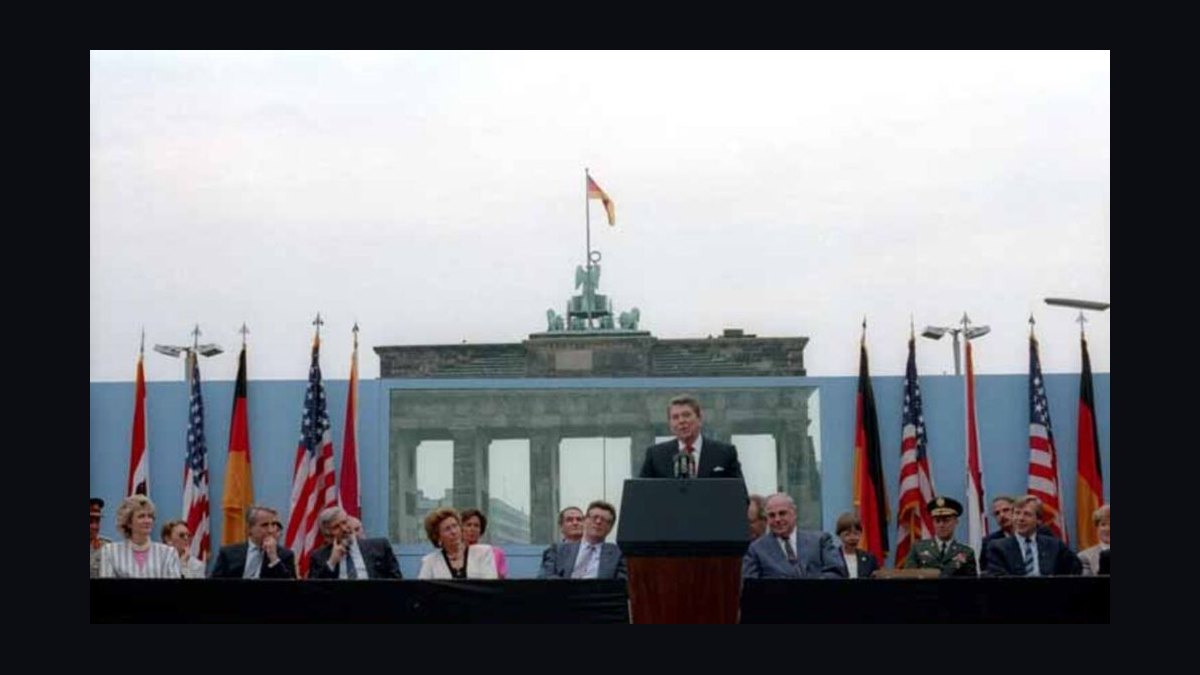
A sales kickoff speech should energize the team, align them on the year's goals, and set a clear, motivating tone for the months ahead. Typically, it opens with a high-energy welcome, acknowledges past achievements, and then pivots to the specific targets—often growth percentages or revenue ranges—the team will pursue. The best speeches end with a call to action that unites everyone around a shared mission, not just numbers. This page provides a complete, ready-to-use speech template, delivery guidance, and strategic insights to help sales leaders deliver a kickoff that resonates and drives performance.
The foundation of a memorable sales kickoff speech lies in its structure, delivery, and authenticity. A well-crafted speech balances emotional connection with strategic direction, acknowledges the team's real challenges, and provides a clear path forward. By understanding the core components, tailoring the message to different personas, and avoiding common pitfalls, you can deliver a speech that not only motivates but also aligns your entire sales organization around a shared vision for success.
What Is the Core Structure of a Sales Kickoff Speech?
A high-impact sales kickoff speech follows a proven sequence that balances emotional connection with strategic direction. The structure typically includes five key phases: a warm welcome that acknowledges the team's presence, a candid review of past challenges and wins, a forward-looking vision with specific goals, a clear promise of support from leadership, and a motivating call to action. Each phase serves a distinct purpose, from building trust to inspiring action.
The welcome phase should last about 30 seconds and immediately engage the audience. A simple directive like "Look around this room" creates a shared moment of recognition. The review of past performance must be honest—acknowledging both struggles and successes builds credibility. The vision phase outlines 2-3 strategic priorities, such as expanding into a new market segment or increasing average deal size. The leadership promise is critical: reps need to know what support they can count on, whether it's cleaner leads, faster approvals, or executive involvement. Finally, the call to action should be specific and memorable, such as "Pick up the phone before you check Slack."

This structure is supported by research on adult learning and motivation. According to studies cited by the American Management Association, audiences retain information better when it's presented in clear, sequential chunks. Sales teams, in particular, respond well to speeches that alternate between emotional appeals and logical arguments. For example, a compelling story about a customer whose life improved because of your product can be followed by a data point about how that story maps to a revenue opportunity. For more on structuring impactful sales communications, see our guide on how to write a sales presentation script.
How Do You Tailor a Sales Kickoff Speech for Different Team Personas?
Customizing your speech for the specific composition of your sales team dramatically increases its effectiveness. Seasoned reps with 5+ years of experience need strategic depth and respect for their expertise, while newer reps under 2 years require more guidance and confidence-building. Understanding these differences allows you to adjust tone, content, and delivery for maximum impact.
For seasoned reps, skip generic pep talks and focus on advanced tactics. Use language that acknowledges their experience, such as "We're refining our approach, not reinventing the wheel." Share insights about deal acceleration or social selling strategies that top performers already use. Ask for their input during the speech: "What's working in your territory that we can replicate?" This fosters ownership and avoids the condescension that experienced reps often feel during corporate events.

For newer reps, emphasize training resources and early wins. Frame their learning curve as a strength: "Your first 90 days are about building habits, not just hitting numbers. Our playbook has helped new hires achieve strong quota attainment by month three." Keep metrics simple—focus on 1-2 key performance indicators like activity targets rather than complex revenue calculations. Use encouraging language that builds confidence without overwhelming them.
For SDRs versus closers, the message needs to highlight different contributions. Sales development reps need motivation around lead volume and quality. Frame their role as essential: "Your top-of-funnel work directly feeds our pipeline goal." For closers, focus on deal velocity and margin. Consider a split speech format: 5 minutes for the whole team, then 3 minutes addressing each group separately. This personalization can boost engagement significantly, based on feedback from sales leaders at companies with 50+ reps.

For remote or hybrid teams, your speech needs extra energy and visual engagement. Use video clips of customer success stories, live polls asking "What's your biggest Q1 challenge?", and breakout rooms for small-group discussions. Keep the speech under 15 minutes to combat screen fatigue. According to a sales training firm, remote kickoffs with interactive elements see higher retention of key messages compared to static presentations.
What Delivery Techniques Maximize the Impact of a Sales Kickoff Speech?
The content of your speech matters, but delivery often determines whether it inspires or falls flat. Sales professionals are wired to detect authenticity, so your body language, pacing, and vocal variety must match your message. Mastering a few key delivery techniques can transform a good speech into a memorable one.
Start with energy, not a script. Open with a strong, unscripted line that shows you're present—such as "I've been thinking about this moment all week, and I'm fired up to be here with you." Avoid reading from notes for the first 60 seconds; it signals confidence. Practice your opening 3-5 times until it feels natural. A study by a communication consultancy found that speakers who start without notes are perceived as more credible.

Use strategic pauses. Silence is powerful in a sales context. After stating a key stat or goal—like "We're targeting a meaningful increase in revenue"—pause for 3-5 seconds. This lets the message sink in and creates anticipation. Nervous speakers tend to fill gaps with filler words, which dilutes impact. Record yourself and count your filler words; aim for fewer than two per minute.
Incorporate storytelling, not just data. While data is important, stories stick. Share a brief, real example—like "Last quarter, Sarah turned a skeptical prospect into a long-term contract by focusing on their pain points. That's the mindset we need this year." Keep stories under 90 seconds and tie them to a specific behavior you want to reinforce. Research shows that stories increase retention by a significant margin compared to facts alone.

Manage your body language. Stand tall, make eye contact (or look at the camera if virtual), and use open gestures. Avoid crossing your arms or pacing nervously. If you're on stage, move toward the audience during key points—it signals engagement. For virtual kickoffs, position your camera at eye level and use hand gestures within the frame. A sales leadership coach notes that confident body language can boost audience engagement.
End with a clear, memorable close. Your final 30 seconds should be a call to action that's easy to remember. Use a phrase like "One team, one goal, one year to make it happen." Repeat it twice, then invite questions or applause. Avoid trailing off with "So, yeah, that's it." A strong close leaves the team energized and aligned. For more on crafting powerful closing statements, explore our resource on a motivational speech for a sales team.
How Do You Handle Low Morale or Skepticism During a Sales Kickoff Speech?
Addressing low morale or skepticism directly during a sales kickoff speech is essential for building trust and turning the room around. Sales teams often enter kickoff events with unresolved frustrations about past performance, leadership decisions, or market challenges. Ignoring these feelings only deepens disengagement.

Start by naming the elephant in the room. Acknowledge the specific challenges the team faced, such as a difficult quarter, a product launch that didn't meet expectations, or a restructuring. Use language like "I know last year was hard. We missed some targets, and that stings. But here's what I saw: nobody quit. You got tighter, not smaller." This validates their experience without wallowing in negativity.
Pivot to a realistic path forward. After acknowledging the struggle, immediately connect it to a concrete plan for improvement. For example, "We've identified three changes that will make a difference: cleaner lead qualification, faster pricing approvals, and a new training program. Here's how each one works." This shows you've done the work to address their pain points.

Avoid false positivity. Nothing destroys credibility faster than pretending everything is fine when it's not. Use honest language about the challenges ahead, but frame them as opportunities. For instance, "The market is tougher than it's been in years. That means the teams that adapt fastest will win. We're going to be that team."
Use specific examples of small wins or team efforts that turned things around. Highlight individual reps who overcame obstacles, and let their stories inspire the group. This shows that success is possible even in difficult circumstances.
End with a clear leadership promise. Tell the team exactly what support they can expect from you and commit to specific actions. This rebuilds trust and gives them a reason to believe in the vision. For additional strategies, see our guide on a team kickoff speech to rally a new quarter.

What Common Mistakes Should You Avoid in a Sales Kickoff Speech?
Several common pitfalls can undermine even the best-prepared sales kickoff speech. Being aware of these mistakes helps you craft a message that resonates rather than falls flat.
Avoid making unrealistic promises about quotas, revenue, or timelines. Stick to honest ranges and achievable goals. For example, instead of saying "We'll double revenue this year," say "We're targeting growth between a meaningful percentage and a stretch goal based on our current pipeline and market conditions." This builds credibility and prevents disappointment later.

Steer clear of blaming individuals or teams for past performance. The focus should be on collective growth and learning. Phrases like "We need to improve our closing rate" are better than "Some of you aren't closing enough deals." Public blame creates defensiveness and destroys morale.
Don't overload your speech with data. While metrics are important, too many numbers overwhelm the audience and dilute your message. Limit yourself to 2-3 key data points that support your main themes. For example, "Our top performers are converting at significantly higher rates when they use social selling" is more impactful than a barrage of charts.
Avoid generic language and clichés. Phrases like "We need to think outside the box" or "Let's crush it this year" feel hollow and uninspired. Instead, use specific, concrete language that reflects your team's reality. For instance, "We need to pick up the phone before we check Slack" is specific and actionable.

Don't ignore the competition. Sales teams need to know their competitive landscape. Briefly acknowledge key competitors and how your strategy addresses their strengths. For example, "Our biggest competitor is winning on price, but we're winning on implementation speed. Let's lean into that."
Finally, avoid a rushed or rambling delivery. Practice your speech multiple times to ensure smooth transitions and consistent pacing. A well-rehearsed speech feels natural and confident, not robotic. For more insights, check out our resource on a speech for a team offsite kickoff.
Related questions
What are the key elements of a motivational sales kickoff speech?
A motivational sales kickoff speech should include a warm welcome, honest acknowledgment of past challenges, a clear vision for the future, a leadership promise of support, and a specific call to action. Each element builds on the previous one to create momentum and alignment.
How long should a sales kickoff speech be?
A strong sales kickoff speech typically runs 10 to 20 minutes. This allows enough time to set the vision, inspire the team, and outline key priorities without losing attention. Shorter speeches risk feeling rushed, while longer ones can cause engagement to drop.
Can I use humor in a sales kickoff speech?
Humor can be effective if it's natural, inclusive, and tied to the message. Self-deprecating jokes or lighthearted observations about sales challenges often work well. Avoid sarcasm or jokes that could alienate any part of the team.
What should I say to a sales team with low morale?
Acknowledge the frustration directly, validate their feelings, and present a clear, realistic path forward. Use specific examples of small wins and commit to concrete leadership actions. Avoid false positivity—honesty builds trust.
Is it okay to include data and metrics in the speech?
Yes, but use them sparingly and focus on honest ranges or directional trends rather than fabricated numbers. Too many stats can overwhelm the message. Choose 2-3 key metrics that support your main themes.
How do I close a sales kickoff speech effectively?
End with a clear, memorable call to action that's easy to remember. Use a phrase like "One team, one goal, one year to make it happen." Repeat it twice, then invite applause or questions. A strong close leaves the team energized and aligned.
FAQ
How long should a sales kickoff speech be? A strong sales kickoff speech typically runs 10 to 20 minutes. This allows enough time to set the vision, inspire the team, and outline key priorities without losing attention. Shorter speeches risk feeling rushed, while longer ones can cause engagement to drop.
What's the best way to open a sales kickoff speech? Start with a powerful story, a surprising industry insight, or a direct acknowledgment of the team's recent wins and challenges. This hooks the audience immediately and creates emotional resonance. Avoid generic greetings or lengthy thank-yous in the first 30 seconds.
Should I include data and metrics in the speech? Yes, but use them sparingly and focus on honest ranges or directional trends rather than fabricated numbers. For example, you might say "we've seen growth in similar quarters" rather than a precise figure. Too many stats can overwhelm the message.
How do I handle skepticism or low morale in the room? Acknowledge the skepticism directly and validate past frustrations, then pivot to a clear, realistic path forward. Use specific examples of small wins or team efforts that turned things around. Avoid false positivity—honesty builds trust.
Is it okay to use humor in a sales kickoff speech? Humor can be effective if it's natural, inclusive, and tied to the message. Self-deprecating jokes or lighthearted observations about sales challenges often work well. Avoid sarcasm or jokes that could alienate any part of the team.
What should I avoid saying in a sales kickoff speech? Avoid making unrealistic promises about quotas, revenue, or timelines—stick to honest ranges and achievable goals. Also, steer clear of blaming individuals or teams for past performance. The focus should be on collective growth and learning.
How can I make my speech more memorable? Use storytelling, strategic pauses, and a strong closing phrase. Stories increase retention significantly compared to facts alone. Pause after key points to let them sink in. End with a repeatable call to action.
Should I practice my speech beforehand? Yes, practice is essential. Rehearse your opening 3-5 times until it feels natural. Record yourself to identify filler words and pacing issues. A well-rehearsed speech feels confident and authentic.
Sources
- Harvard Business Review — articles on sales strategy, motivation, and leadership.
- Salesforce — official site for sales best practices, CRM insights, and industry trends.
- Gartner — research on sales performance, technology, and market analysis.
- Forbes — business coverage including sales techniques, kickoff events, and team dynamics.
- American Management Association — resources on communication, training, and sales management.
- LinkedIn Sales Solutions — insights on B2B sales, networking, and professional development.
- Toastmasters International — public speaking resources and delivery techniques.
- Sales Hacker — practical sales tips, frameworks, and community insights.
Related on PULSE
This page will be disappearing soon. Save it to your device for $1 — or read it free while it is here.
@Kory-White- · if Venmo asks, the last 4 of my number are 2012
This page is gone.
This one is off the shelf now. $1 keeps it on your phone for good — the whole page, pictures and diagrams included.
 pulse-speechesWhat Makes Winston Churchill's "Their Finest Hour" a Great Speech in 2027
 pulse-speechesA Toast for a Baby Shower
 pulse-speechesA Speech for a Church Anniversary
 pulse-speechesA Toast for a Milestone Wedding Anniversary
 pulse-speechesA Wedding Speech for a Small Backyard Wedding
 pulse-speechesHow to Write a Heartfelt Eulogy When You're Grieving in 2027
 pulse-speechesWhat Makes JFK’s Inaugural Address a Great Speech in 2027
 pulse-speechesA Toast for a 60th Birthday
 pulse-speechesA Wedding Speech for a Groomsman
 pulse-speechesA Speech for a Veterans Day Tribute