
A Speech for a Nonprofit Gala
 Curated byKory White · Fractional CRO · Maryland
 PULSEKNOWLEDGE LIBRARY
Quality
Certified
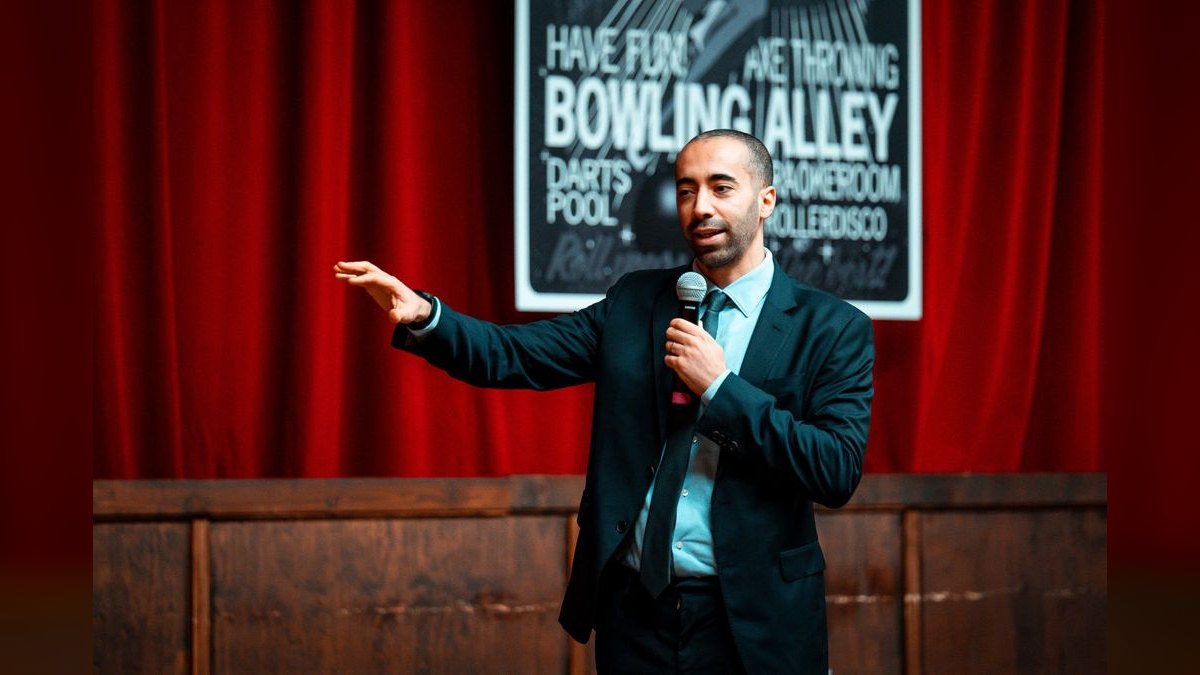
A speech for a nonprofit gala should open by warmly thanking attendees and sponsors, then share a brief, compelling story that illustrates the organization's impact. It must clearly state the evening's fundraising goal—often a specific dollar range—and make a direct, heartfelt ask for support. The tone balances gratitude with urgency, ending with a call to action that inspires generosity. A well-crafted gala speech typically runs 3-5 minutes, moving the audience from appreciation to inspiration to a concrete request for their partnership.
To craft a memorable nonprofit gala speech, you need more than a template—you need a strategic structure that respects your audience's time and emotional capacity. The most effective speeches follow a deliberate arc: acknowledge the room, ground your mission in a single human story, widen to show broader impact, honor the team, then make a specific ask. Below, we break down each element so you can write a speech that moves your audience from passive attendees to active partners in your mission. This guide provides actionable steps, real-world examples, and psychological insights to ensure your next gala speech not only resonates but also drives donations.
How do you structure a nonprofit gala speech to maximize emotional impact?
A successful gala speech follows a proven arc that builds emotional momentum before making the ask. Start with a warm, specific thank-you—name the venue, key sponsors, and the volunteers who made the evening possible. This grounding moment shows you see the room and builds immediate connection. Next, share one vivid story about a person your organization helped; avoid statistics here and let the narrative do the emotional work. After the story, pivot to broader impact: what your organization accomplished in the past year, framed as a natural extension of that single story. Then deliver the ask—not as a demand, but as an invitation to join something meaningful. Keep this section brief and direct: "Tonight, we have a chance to reach 200 more families. Here's how you can help." Close with a forward-looking vision and a heartfelt thank-you that circles back to your opening. This structure typically runs 5-7 minutes when spoken at a natural pace, which is the sweet spot for a gala audience—long enough to move them, short enough to hold their attention.

The emotional arc is crucial because it mirrors the way humans make decisions. Research from the American Psychological Association shows that emotional appeals are more persuasive than logical arguments in charitable giving. By starting with gratitude, you lower defensive barriers. The story activates empathy and oxytocin, the "bonding hormone." The ask then lands in a brain primed for generosity. For more on structuring speeches for impact, see How to Structure a Best Man Speech. Remember to practice the transition from story to ask; this is where many speakers lose momentum. A simple bridge phrase like "That's why we're here tonight" works well.
What are the key elements of a compelling story for a gala speech?
The story you choose is the emotional anchor of your speech, so it must be authentic, specific, and permissioned. Start by asking your team: "What is one moment this year that made us proud to do this work?" Look for stories where a clear before-and-after exists—someone who was struggling, received help, and is now in a better place. Avoid stories that are overly dramatic or that center on the speaker rather than the person helped. If privacy is a concern, change the name and explain this honestly to the audience. The best stories take 60-90 seconds to tell and leave the audience feeling hope, not pity. Test your story by sharing it with a colleague; if they feel moved, it will work for the room.
A compelling story has three beats: the problem (what was at stake), the intervention (what your organization did), and the transformation (how life is different now). Use sensory details—what someone saw, heard, or felt—to make the story vivid. For example, instead of "She was hungry," say "She hadn't eaten in two days and couldn't remember the last time her children smiled." This specificity triggers the listener's mirror neurons, making them feel the experience. For guidance on adding emotional depth to speeches, see How to Add Humor to a Retirement Speech. Avoid using jargon or acronyms; the story should be understandable to someone who knows nothing about your work. Finally, ensure the story has a clear connection to the ask—if the story doesn't naturally lead to "that's why your donation matters," choose a different one.
How do you craft the fundraising ask without sounding pushy?
The ask is the moment many speakers dread, but it can be the most natural part of your speech if framed correctly. The key is to connect the request directly to the story you just told. For example: "You just heard about Maria and her family. Tonight, a donation of [a specific amount] means another family like hers gets a second chance." Always give a concrete picture of what each gift level achieves—this turns an abstract request into a tangible opportunity. Avoid phrases like "we need" or "please give" and instead use "you can help" or "your gift makes possible." End the ask with a statement of belonging: "You are not an audience tonight. You are the next chapter." This reframes giving as partnership rather than charity.
The psychology behind this approach is rooted in the concept of "social proof" and "self-consistency." When you show that others have given (e.g., "Our board members have already pledged $50,000"), you reduce the audience's uncertainty. When you frame the ask as an invitation to join a community of change-makers, you appeal to their identity. For more on practicing your delivery, see How to Practice a Speech So It Sounds Natural. Be specific about how the money will be used. Instead of "give what you can," say "a gift of $50 provides school supplies for one child for a year." This specificity increases trust and makes the decision easier. Also, include a clear call to action: "Text 'HOPE' to 12345 to donate now," or "Our pledge cards are on your tables. Fill one out before dessert."
How do you handle delivery and pacing at a gala to hold attention?
Physical presence and pacing are as important as your words. Walk to the podium slowly and let the room settle before your first word—silence buys attention. Take the opening thank-you at a relaxed pace; you are not rushing to the ask. Pause fully after the personal story and let it breathe; resist the urge to fill the quiet. Make eye contact with three or four tables, not the back wall. When you reach the ask, slow down and stand still—stillness signals sincerity. If your voice catches on the story, that is fine; a half-second pause reads as honesty, not weakness. Speak from a few bullet notes rather than a full script so you can look up and mean it. Practice your speech aloud at least three times before the event, timing yourself and adjusting pacing. Record yourself on your phone to catch filler words like "um" and "like."
Delivery is about managing the audience's emotional energy. Your pace should mirror the arc: slower and warmer in the gratitude section, slightly faster and more urgent during the story, then slow and deliberate during the ask. Use your hands sparingly but deliberately—open palms signal honesty. Move away from the podium if the setting allows; it makes you seem more approachable. If you're nervous, focus on breathing from your diaphragm, not your chest. A helpful trick is to tape your notes to the podium at eye level so you don't have to look down. Remember, the audience wants you to succeed. They are on your side.
What are common mistakes to avoid in a gala speech?
Even experienced speakers can fall into traps that weaken their message. The most common mistake is opening with a generic thank-you that wastes the first 30 seconds—the audience's peak attention window. Instead, lead with your story or a surprising fact. Another error is using too many statistics; one compelling number (like "3,000 meals served") is powerful, but a list of numbers becomes noise. Avoid reading your entire speech verbatim; this kills eye contact and authenticity. Also, don't apologize for being nervous or for taking their time—just begin. Finally, never end with "we need your help" without giving a specific next step. Your close should leave the audience knowing exactly what to do and feeling good about doing it.
Other pitfalls include using jargon that alienates newcomers, telling a story that hasn't been approved by the subject, and speaking too long. A good rule of thumb: if you've been speaking for more than seven minutes, you've lost half your audience. Also, avoid the "we're so grateful" trap that goes on for too long; gratitude should be sincere but brief. Don't drink alcohol before speaking, even if offered. And never read the exact dollar amount of your personal donation on stage—it can come across as performative. Instead, let your actions speak through the organization's work.
How do you adapt the speech for different gala formats and tones?
Not all galas are alike, and your speech should flex to fit the room. For a 30-second version when the program is running long, cut straight to the ask with a single sentence of gratitude: "Everything we did this year happened because you cared. Tonight, help us do it again." For a more formal event, add a board-chair welcome, a named tribute to a major donor, and a one-minute look ahead at next year's goal. For a lighter tone, open with a self-deprecating line about the dress code or the rubber-chicken dinner. For a more solemn occasion—say, after a hard year—name the loss directly before you name the hope, and let the gratitude carry more weight than the humor. Always know your audience and adjust your language: a room of donors wants impact data; a room of volunteers wants emotional validation.
The format also dictates your visual aids. For a seated dinner, a single slide with your logo is fine. For a stage presentation, consider a short video (under 60 seconds) that shows your story visually. If the gala has a live auction or paddle raise, coordinate with the auctioneer so your speech sets up their ask. For virtual or hybrid galas, look directly into the camera and speak more slowly, as lag can make you seem rushed. Always have a backup plan if technology fails—a printed copy of your notes and the ability to deliver the speech without slides.
Related questions
What is the ideal length for a nonprofit gala speech?
Aim for 3 to 5 minutes. That gives you enough time to share a compelling story and a clear call to action without losing the audience's attention. Shorter is often more powerful than longer.
Should I use humor in a nonprofit gala speech?
Yes, but keep it light and relevant. A brief, tasteful anecdote or a warm, self-deprecating moment can connect you to the audience. Avoid jokes that might feel forced or distract from the serious mission.
How do I ask for donations without sounding pushy?
Frame the request around impact—what a specific gift amount can achieve. For example, "A donation of $50 provides meals for a family for a week." Let the need and your organization's work do the asking, not pressure.
Do I need to memorize the speech?
It's better to know your key points and stories well rather than recite word-for-word. Use bullet points on a card or a teleprompter if available. Natural eye contact and genuine emotion matter more than perfect delivery.
What's the best way to start a gala speech?
Open with a short, vivid story about a person or community your nonprofit has helped. This immediately grounds the audience in your mission and creates an emotional hook. Avoid generic thank-yous in the first 30 seconds.
FAQ
How do I handle nerves before speaking? Practice your opening lines until they feel automatic, and take three slow breaths before you begin. Focus on one friendly face in the audience for the first few seconds. Remember, the crowd is rooting for you—they want your message to succeed.
What if I forget my place during the speech? Take a breath, glance at your notes (printed in large font on a single card), and resume at the last sentence you remember. Never apologize for losing your place—just continue. The audience likely won't notice.
How do I handle microphone feedback or interruptions? Pause, smile, and acknowledge the interruption with warmth. For feedback, say something like, "Even the sound system wants to make sure you're paying attention." Then return to your script without apology.
Should I use a teleprompter or notes? Notes are better for most speakers because they allow natural eye contact and flexibility. Use bullet points printed in large font on a single card. A teleprompter works if you practice enough to sound natural.
How do I end a gala speech memorably? Close with a forward-looking vision and a direct call to action that circles back to your opening. For example, "You are not an audience tonight. You are the next chapter. Thank you for writing it with us."
What if I get emotional during the story? Let it show briefly. A cracked voice or a pause reads as honesty, not weakness. Audiences forgive emotion far more readily than a robotic recitation. Your job is not perfection; it is presence.
How do I thank sponsors without sounding like a commercial? Weave sponsor gratitude into your opening or closing, not the middle of your emotional arc. Name them briefly and genuinely: "None of this work would be possible without the generosity of [sponsor name]."
What is the most important thing to practice before the gala? Practice the transition from your story to your ask. This is the critical pivot point where many speakers lose the audience. Practice it until it feels natural and seamless.
How do I handle a Q&A session after the speech? Prepare three likely questions in advance, including one about the budget and one about challenges. Keep answers under 60 seconds. If you don't know an answer, say "That's a great question, and I'll follow up with you personally."
Should I include a video in my gala speech? Yes, but keep it under 90 seconds. A short video can reinforce your story visually. Make sure the audio works and the video is cued up before you start.
Sources
- Nonprofit Leadership Alliance — best practices for nonprofit event messaging and donor engagement
- Harvard Business Review — research on emotional appeals and storytelling in fundraising
- Toastmasters International — guidelines for effective public speaking and speech structure
- The Chronicle of Philanthropy — trends in nonprofit galas and donor communication strategies
- American Psychological Association — studies on persuasion, empathy, and audience connection
- National Council of Nonprofits — ethical standards and impact-focused messaging for nonprofit events
- Nonprofit Quarterly — research on donor psychology and event fundraising
- Stanford Social Innovation Review — articles on storytelling and impact measurement in the nonprofit sector
Related on PULSE
This page will be disappearing soon. Save it to your device for $1 — or read it free while it is here.
@Kory-White- · if Venmo asks, the last 4 of my number are 2012
This page is gone.
This one is off the shelf now. $1 keeps it on your phone for good — the whole page, pictures and diagrams included.
 pulse-speechesHow to Structure a Best Man Speech in 2027
 pulse-speechesA Retirement Speech for a Teacher
 pulse-speechesHow to Write a Speech in 30 Minutes in 2027
 pulse-speechesA Retirement Speech for a Doctor
 pulse-speechesA Speech for a Memorial Day Ceremony
 pulse-speechesHow to Keep a Wedding Toast Under Three Minutes in 2027
 pulse-speechesA Speech for a Company All-Hands
 pulse-speechesA Speech for a Veterans Day Tribute
 pulse-speechesWhat Makes Reagan's "Tear Down This Wall" a Great Speech in 2027
 pulse-speechesA Speech for a Company 10th Anniversary