
How to Add Humor to a Retirement Speech in 2027
 Curated byKory White · Fractional CRO · Maryland
 PULSEKNOWLEDGE LIBRARY
Quality
Certified

To add humor to a retirement speech, mine the retiree's well-known quirks and shared workplace stories, then build two to four gentle jokes around them. Lead with self-deprecating lines about your own mishaps, keep the target warm rather than mocking, and always follow each laugh with a sincere compliment that ties the joke back to their legacy.
The retirement speech where the jokes land wrong
Picture the last Friday of the quarter. A conference room holds sixty people, half of them family who have never set foot in the building. Dana, a project lead retiring after thirty-one years, sits in the front row. Her brother flew in. Her former manager, now two time zones away, sent a video. The person holding the microphone is a colleague who volunteered three weeks ago, wrote the speech the night before, and opens with a joke about Dana's age. The room goes quiet. Dana laughs, but it is the polite laugh people use when they are being kind. Her brother does not laugh at all.
That scene repeats in offices constantly, and the failure is almost never about the speaker lacking a sense of humor. It is about targeting, timing, and structure. A retirement speech with humor works when the laughs point at shared absurdity, at the speaker's own flaws, or at the retiree's beloved eccentricities that everyone already teases them about. It fails when the joke requires the audience to know something private, when it punches at age or health, or when the humor arrives with no sincere follow-up to soften it.

The good news is that humor in a retirement speech is a craft, not a talent. You do not need to be the funniest person in the room. You need three or four real details about the person, a structure that alternates between laughter and warmth, and enough rehearsal that the delivery does not undercut the material. What follows is the full mechanism: how to find the material, how to shape it, what numbers to aim for, and where most speakers go wrong.
How humor actually works in a retirement speech
The mechanism is simpler than it looks. Humor in this setting is not a separate ingredient you sprinkle on top of a tribute. It is a delivery system for the tribute. Every joke should be doing one of three jobs: making the retiree feel seen, making the audience feel included, or releasing tension so the sincere moments land harder.
Think of the speech as a rhythm rather than a list. You open warm, you get one laugh early to signal that this is a celebration and not a eulogy, you alternate between funny and heartfelt through the middle, and you close on sincerity with the final laugh placed just before the toast. The pattern matters because audiences cannot sustain pure emotion for five minutes any more than they can sustain pure comedy. The switchbacks are what make both halves memorable.
Three mechanics do most of the work. First, specificity beats cleverness. "Dana once reorganized the entire supply closet by color and then could not find anything for a month" gets a bigger laugh than any generic joke about organization, because it is true and everyone remembers it. Second, the callback is your cheapest and most reliable tool. If you open with a joke about the retiree's legendary 7 a.m. emails, you can reference it again near the end and get a laugh for free because the audience is already primed. Third, the sincere follow-up is non-negotiable. After every joke, land one sentence that converts the laugh into appreciation. "She could not find a stapler for six weeks, and she still shipped every project on time, because that is who she is."
The other mechanic worth understanding is the difference between laughing with and laughing at. Laughing with means the retiree is in on the joke, the audience recognizes the truth of it, and the punchline celebrates something they are known for. Laughing at means the retiree is the butt of a joke they did not sign up for. The line between them is usually one word of framing. "Dave's filing system is a pile on his desk he swears he will organize next Tuesday" is laughing with, because it is a quirk everyone has teased him about for years. "Dave never really understood how the filing system worked" is laughing at, because it implies incompetence rather than eccentricity.
Real numbers, ranges, and benchmarks for a retirement speech
Practitioners who give these speeches well tend to converge on similar numbers, and having them in your head prevents the two most common failures: too long and too joke-heavy.
Length. A retirement speech runs 3 to 5 minutes, which is roughly 400 to 700 words spoken at a normal pace of about 130 to 150 words per minute. If you are one of several speakers, cut to 2 to 3 minutes. If you are the only speaker at a formal dinner, 5 to 7 minutes is the ceiling. Anything past 8 minutes stops feeling like a tribute and starts feeling like a meeting.
Joke count. Two to four humorous moments is the sweet spot for a 4-minute speech. One is too few and the speech reads as solemn. Six or more and the audience stops trusting the sincerity. A useful ratio is roughly one laugh per 90 to 120 seconds, with the biggest laugh placed in the first third while attention is highest and a smaller callback saved for the final third.
Stories. One or two extended anecdotes, each 45 to 90 seconds. More than two and you run out of room for the sincere material that actually honors the person.
Setup-to-punchline. Keep setups short. A joke setup that runs past 20 seconds loses the room. The classic structure is a 10-to-15-second setup, a 3-to-5-second punchline, then a 5-to-10-second sincere follow-up.
Pauses. Give each punchline a beat of about 1.5 to 2 seconds of silence after it. That pause does two things: it signals the joke is over so people feel licensed to laugh, and it prevents you from stepping on your own laugh. Nervous speakers routinely rush straight into the next sentence and kill a joke that would have landed.
Rehearsal. Three full out-loud run-throughs is the minimum. Five is better. Time yourself on at least two of them, because written word count and spoken time diverge more than people expect, especially when you pause for laughs.
Audience composition. Assume 30 to 50 percent of the room does not work with the retiree. That is the number that should govern how much context you give. If a story needs more than one sentence of setup to make sense to an outsider, either cut it or accept that only part of the room will laugh.

Trade-offs and alternatives in tone and format
There is no single correct tone, and the choice you make trades one kind of success for another. A roast-style speech gets the biggest laughs but carries the highest risk of a joke landing wrong in front of family. A gentle, observational speech gets smaller laughs but almost never misfires. A speech built entirely on self-deprecation is the safest of all, but if you overuse it the audience learns nothing about the retiree, which defeats the purpose.
The format trade-off is similar. A 30-second toast is almost pure punchline with one sincere line at the end, and it works because brevity itself is funny. A 5-minute speech lets you build a narrative arc with two stories and a callback, but it demands rehearsal. A group speech where three people each take 90 seconds spreads the risk, because if one person's joke dies the next speaker resets the room, but it also fragments the emotional build.
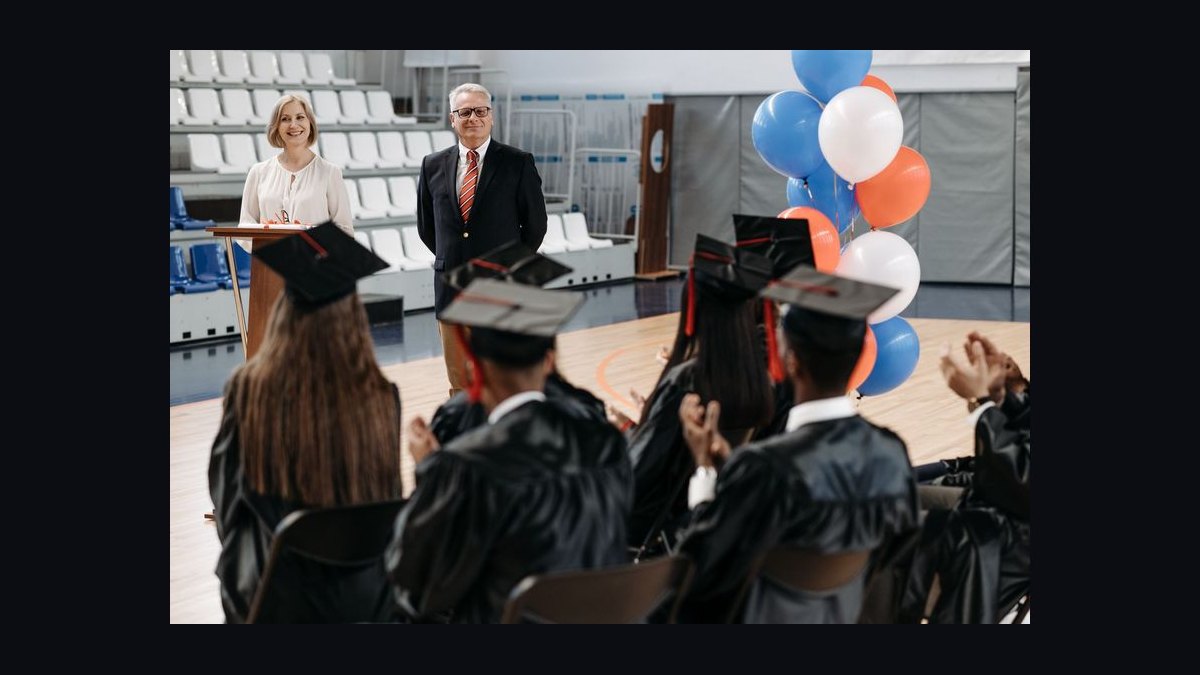
One more trade-off worth naming: humor that is improvised versus humor that is written. Improvised humor feels spontaneous and can be wonderful, but in a retirement speech the stakes are too high to wing it. Write the jokes, then rehearse them until they sound unscripted. The audience should not be able to tell which lines were planned.
Common pitfalls and how to avoid them
The pitfalls in retirement speech humor are predictable, which means they are avoidable.
Punching at age, health, memory, or appearance. This is the single most common failure. Even when the retiree jokes about these things themselves, a colleague doing it in front of their family reads differently. If the retiree is famous for a self-deprecating line about their age, you can quote them saying it, which flips the joke into a tribute to their sense of humor.
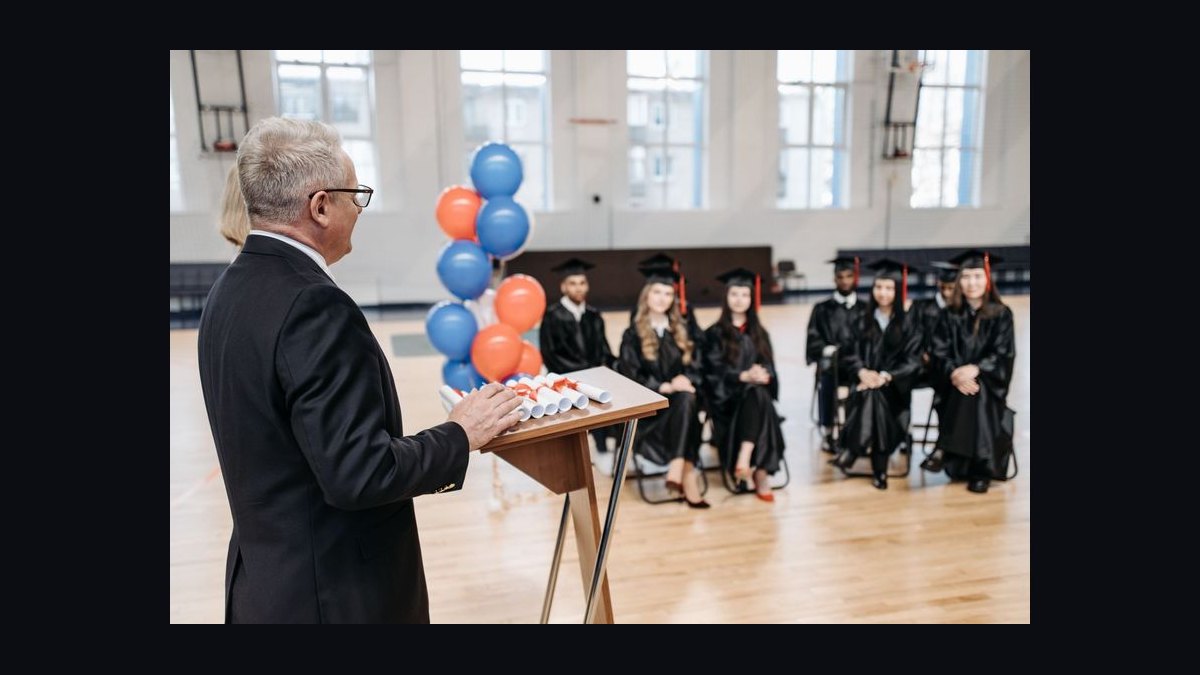
Inside jokes with no setup. One inside joke is fine if you spend a sentence bringing everyone in: "For those who do not know, Pat once..." More than one and the room splits into people laughing and people checking their phones.
Jokes that imply criticism of work performance. Anything that sounds like a passive-aggressive jab about missed deadlines, difficult management, or a project that failed will be heard as exactly that, no matter how you intended it. If a story involves a mistake, frame it as a fond memory and make the retiree the hero of the recovery.

Front-loading all the humor. If the first two minutes are jokes and the last three are sincere, the audience experiences two different speeches. Interleave them.
Reading from a script with your head down. You lose eye contact, you lose the room, and you cannot read whether a joke is landing. Use bullet points or note cards with key phrases.
Not testing the material. Read your jokes out loud to one trusted person who knows the retiree and will tell you the truth. If they wince, cut it. If they laugh and then say "that's so her," keep it.
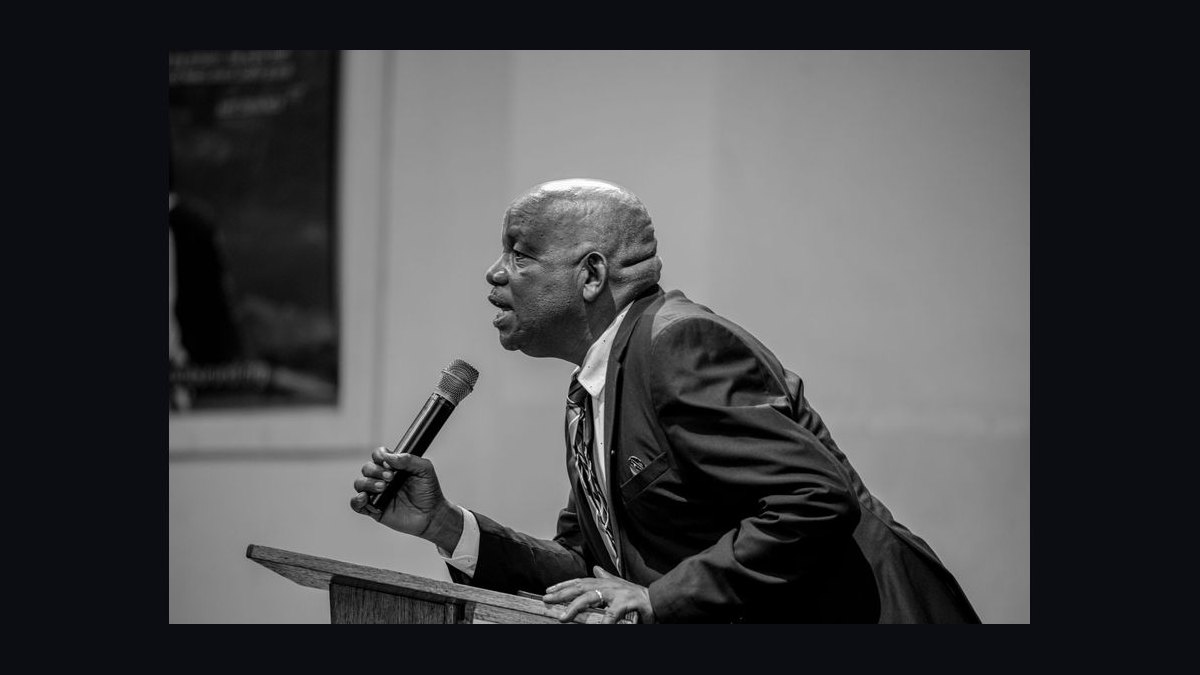
Skipping the sincere follow-up. A joke with no warm landing leaves the audience unsure whether you were being affectionate. Always convert the laugh into appreciation in the next sentence.
Overrunning. The most common cause of a speech going badly is not bad jokes, it is a speech that will not end. Time it, cut 15 percent, and trust the shorter version.
Related questions
How long should a humorous retirement speech be?
Aim for 3 to 5 minutes, roughly 400 to 700 spoken words. That allows two to four jokes, one or two stories, and a sincere close without losing the room. If others are also speaking, cut to 2 to 3 minutes.
Can I use props or visual aids for humor?
Yes, if they are simple and relevant. A photo of the retiree's famously chaotic desk or their battered coffee mug can get a laugh with zero risk. Avoid anything that requires setup, a screen, or timing you cannot control in the room.
Should I memorize the speech or use notes?
Memorize your opening line, your closing toast, and your punchlines. Use bullet points or note cards for everything else so you keep eye contact. Reading a full script flattens delivery and hides the audience's reaction from you.
How do I recover if a joke falls flat?
Move on immediately without acknowledging the silence. Do not explain the joke, do not apologize, do not try a second version. The audience takes its cue from you, and a confident transition reads as composure rather than failure.
Is humor appropriate for a shy retiree?
Yes, but keep it gentle and aimed at qualities they are proud of. Avoid putting them on the spot or inviting the room to look at them during a punchline. A warm line that makes them smile beats a big laugh that makes them uncomfortable.
FAQ
How much humor should I include in a retirement speech? Two to four humorous moments in a 3-to-5-minute speech is the reliable range. That is roughly one laugh every 90 to 120 seconds. Fewer and the speech feels solemn; more and the audience stops trusting the sincere parts. The goal is a lighthearted tone, not a comedy set.
Can I make jokes about the retiree's age or memory? Only if they are known for making those jokes themselves, and even then, quote them rather than inventing your own. Age, health, memory, and appearance are the four areas most likely to hurt feelings in front of family. When in doubt, cut it and find a quirk that is safer.
What if I am not naturally funny? Lean on specificity instead of wit. A true, well-observed detail about the retiree delivered with warmth will get a bigger laugh than a clever line that could apply to anyone. Relatable observations, gentle exaggeration, and a well-timed pause do most of the work.
Should I include inside jokes only a few people will get? Use at most one, and spend a sentence bringing everyone else in. Something like "For those who do not know, Pat once..." lets the whole room enjoy it. Two or more inside jokes split the audience into insiders and outsiders, which is the opposite of what a tribute should do.
How do I handle humor when the retirement is bittersweet or unexpected? Lead with gratitude and keep the humor light and brief. One or two gentle lines early release the tension in the room, then spend the bulk of the speech on legacy and appreciation. Humor here is a pressure valve, not the main event.
How should I end a humorous retirement speech? End on sincerity with one final light touch just before the toast. A callback to your opening joke gets a free laugh because the audience is primed, and then you land the toast clean: raise the glass, name the person, and stop. Do not add a second ending.
Sources
- Toastmasters International - Public Speaking Resources
- Harvard Business Review - Communication
- AARP - Retirement
- The Humor Project
- Psychology Today - Humor
- Forbes - Leadership
- Inc. - Public Speaking
- The New York Times - Retirement
Related on PULSE
This page will be disappearing soon. Save it to your device for $1 — or read it free while it is here.
@Kory-White- · if Venmo asks, the last 4 of my number are 2012
This page is gone.
This one is off the shelf now. $1 keeps it on your phone for good — the whole page, pictures and diagrams included.
 pulse-speechesA Retirement Speech for a Police Officer
 pulse-speechesA Toast for a 60th Birthday
 pulse-speechesA Eulogy for a Colleague
 pulse-speechesA Graduation Speech for a Valedictorian
 pulse-speechesWhat Makes Maya Angelou’s “On the Pulse of Morning” a Great Speech in 2027
 pulse-speechesA Toast for a Milestone Wedding Anniversary
 pulse-speechesA Wedding Speech for a Small Backyard Wedding
 pulse-speechesWhat Makes Steve Jobs’ Stanford Commencement a Great Speech in 2027
 pulse-speechesHow to Tailor a Toast to the Audience in 2027
 pulse-speechesA Wedding Speech for a Groomsman