


How to Choose a Wedding Speech Style That Matches Your Relationship in 2027
Quality
Certified

Match the speech style to the actual relationship, not to a template. Rank your bond on three axes — years known, emotional register, and audience overlap — then pick one of four styles: story-driven, roast-affectionate, tribute-earnest, or partnership-toast. Rehearse it aloud twice, cut to five minutes, and land on the couple, never on yourself.
What a speech style is and why the relationship decides it
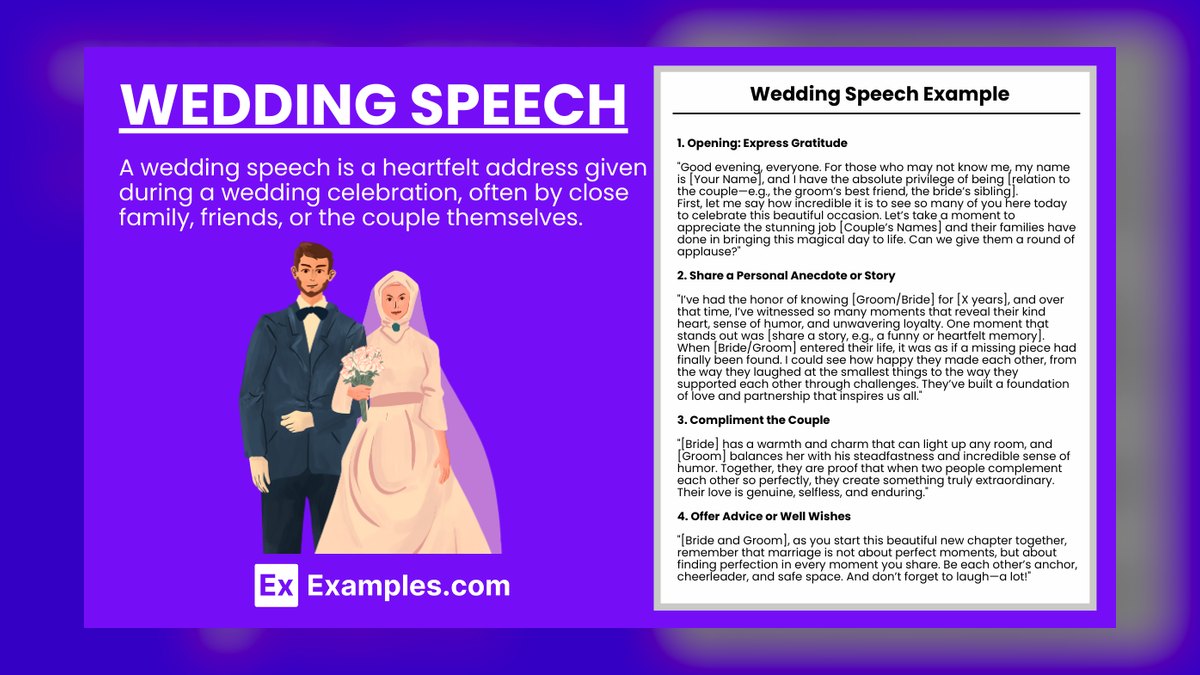
A wedding speech style is not a genre label you pick because it sounds flattering. It is a set of four concrete decisions that, taken together, determine whether the room laughs, cries, or checks their phones: how much of the speech is narrative versus commentary, how much teasing you permit yourself, whether the emotional peak lands early or late, and whether you address the couple or the room. Every style is just a different setting on those four dials.
The reason the relationship — not your personality, and not the internet's list of "best man speech tips" — sets those dials is simple: a wedding audience calibrates permission by relationship. A brother who has known the groom for thirty-one years can say something about a teenage haircut that would be cruel from a coworker of eighteen months. A college roommate can tell the story about the failed road trip; a new sister-in-law cannot, because she was not there and the room knows it. Audiences do not judge jokes in isolation. They judge whether the speaker has standing to make them. Standing comes from time, shared experience, and visible affection — and those three things are exactly what the relationship gives you.
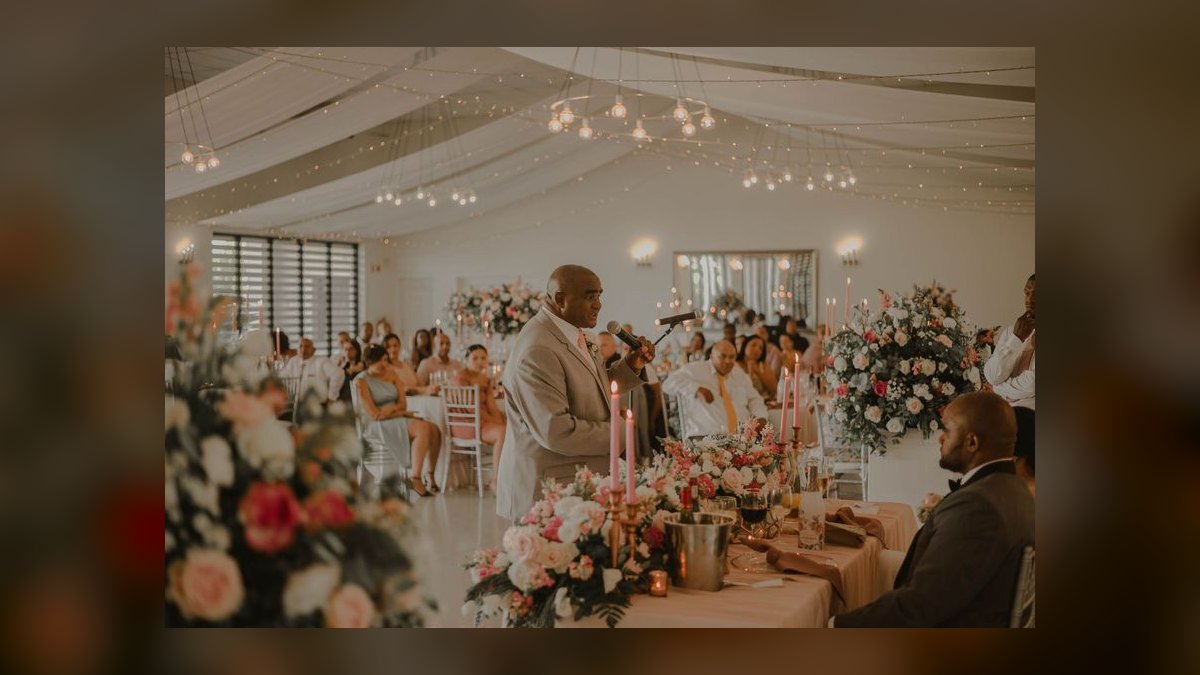
There is a second reason the relationship matters, and it is more practical. The material you actually have is a function of the relationship. A childhood friend has twenty years of anecdotes and a shortage of adult-couple observations. A work friend has three years of anecdotes and a very clear view of who this person became professionally. A parent has the most material of anyone in the room and the least permission to use the funny parts. Choosing a style that demands material you do not possess is the single most common cause of a speech that limps: the coworker attempting a childhood-nostalgia arc, or the college friend attempting a solemn tribute about character they have only observed at parties.
Consider what a mismatch actually costs. A speech that misreads its own standing does not just fail to land — it makes the room protective of the couple. Guests physically shift. The couple's smiles get tighter. The photographer catches it. And the failure is almost never about the joke itself; it is about the gap between what the speaker claimed and what the audience believed they had earned. That gap is what a style choice is designed to close.
The 2027 wedding context adds a specific pressure worth naming: nearly every reception is filmed on multiple phones, and clips travel. A joke that plays fine to 110 people who know the backstory reads very differently to 11,000 strangers who don't. This does not mean sanitize everything — it means the style you choose should be one that survives being clipped without context. Story-driven and tribute-earnest survive clipping well. Roast-affectionate survives it only if every punchline resolves into affection within two sentences. That is a real constraint, and it should influence your choice before you write a word.
The last thing to understand about style is that it is a commitment, not a mix. The most common structural failure in wedding speeches is tonal whiplash: two minutes of roast, an abrupt pivot to sincerity, then back to a joke that now feels like a retreat from feeling. Pick one style, run it the whole way, and let the ending be the only place the register shifts — upward, into the toast. A speech with one voice and a small emotional range beats a speech with four voices and a large one.
Reading your relationship on three axes
Before picking, score your relationship honestly on three axes. This takes ten minutes and prevents most bad speeches.
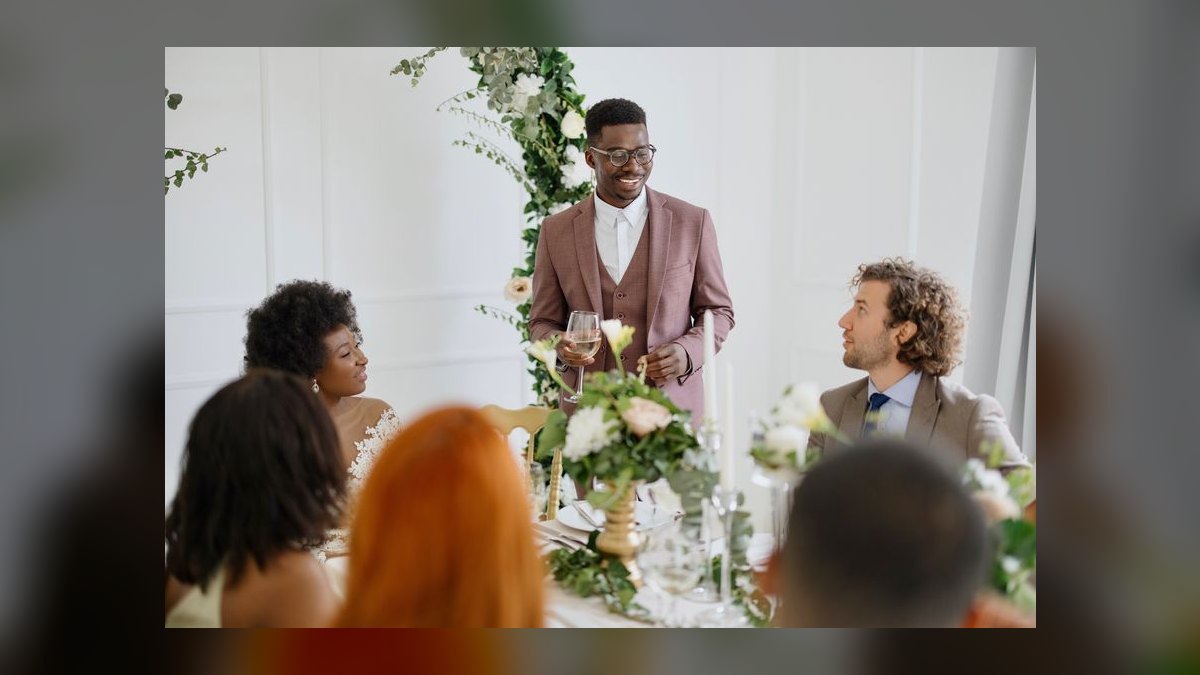
Axis one: years known. Count actual years of meaningful contact, not years since you met. Someone you met in 2019 and saw twice a year until 2024 is a four-year friend with light contact, not an eight-year friend. Bucket yourself: under three years (light), three to ten (established), ten to twenty (deep), twenty-plus or lifelong (foundational). Years buy you permission to reference the past and to tease. They do not buy you permission to be sentimental — that comes from the second axis.
Axis two: emotional register. How do you and this person actually talk when something matters? Some pairs process everything through humor and have literally never said an earnest sentence to each other. Others text each other about their fathers. Score yourself: jokes-only, jokes-with-occasional-depth, mixed, or openly emotional. The speech should sit roughly one notch more earnest than your normal register — enough that it feels like an occasion, not so much that the couple wonders who is talking. A pair of friends who have never once been sincere should not open with "from the moment I met you, I knew." The room can hear the costume.
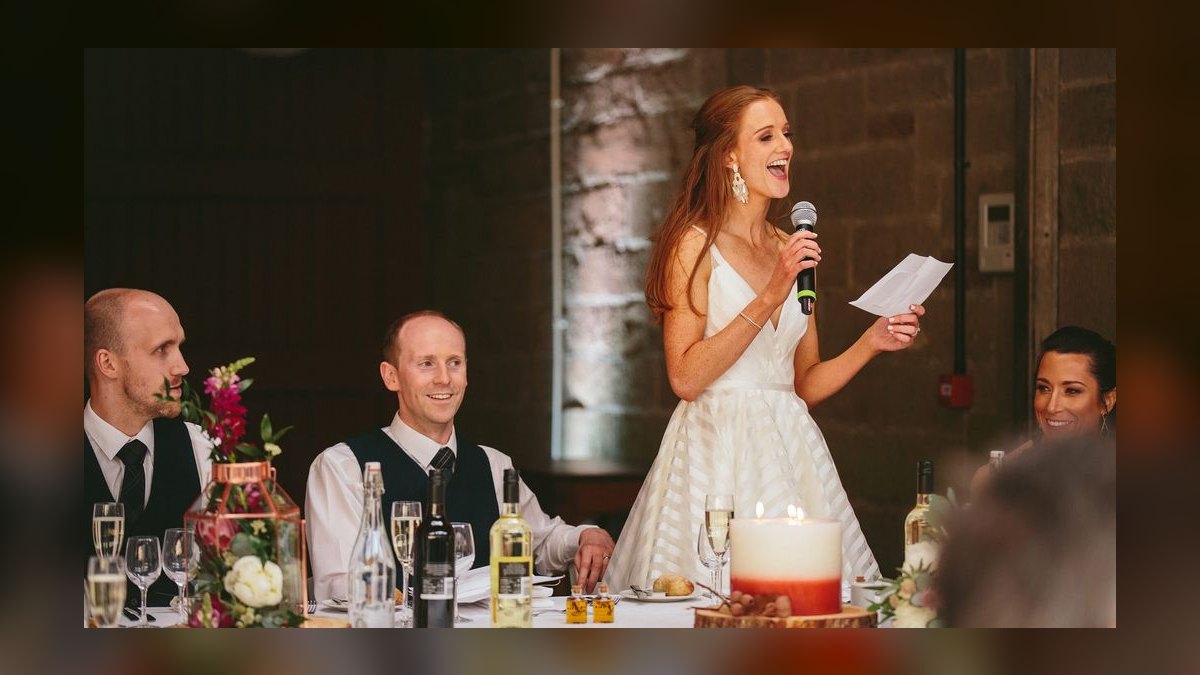
Axis three: audience overlap. What fraction of the 100–180 guests know you, and what fraction know your stories? A brother's material is legible to nearly everyone. A grad-school friend's material may be legible to eleven people. High overlap (over 50% of the room recognizes the names and places you'll mention) supports inside references, callbacks, and running jokes. Low overlap (under 20%) demands that every anecdote be self-contained with its context supplied in one sentence. This axis is why identical speeches land wildly differently at two receptions: it is not the writing, it is the legibility.
Score all three, then read the combination. Foundational years plus jokes-only register plus high overlap is the classic roast-affectionate profile. Established years plus mixed register plus low overlap points hard at story-driven, because a single well-told story carries its own context. Light years plus openly emotional register plus low overlap is the partnership-toast profile — short, warm, focused on the couple as a unit rather than on your history with one half of it. Deep years plus openly emotional register plus any overlap is tribute-earnest territory.
One correction people resist: a low audience-overlap score is not a problem to be solved with more explanation. It is a signal to use fewer stories, told better. Three minutes on one story the room can follow beats six minutes on four stories that each need a preamble.
The step-by-step process
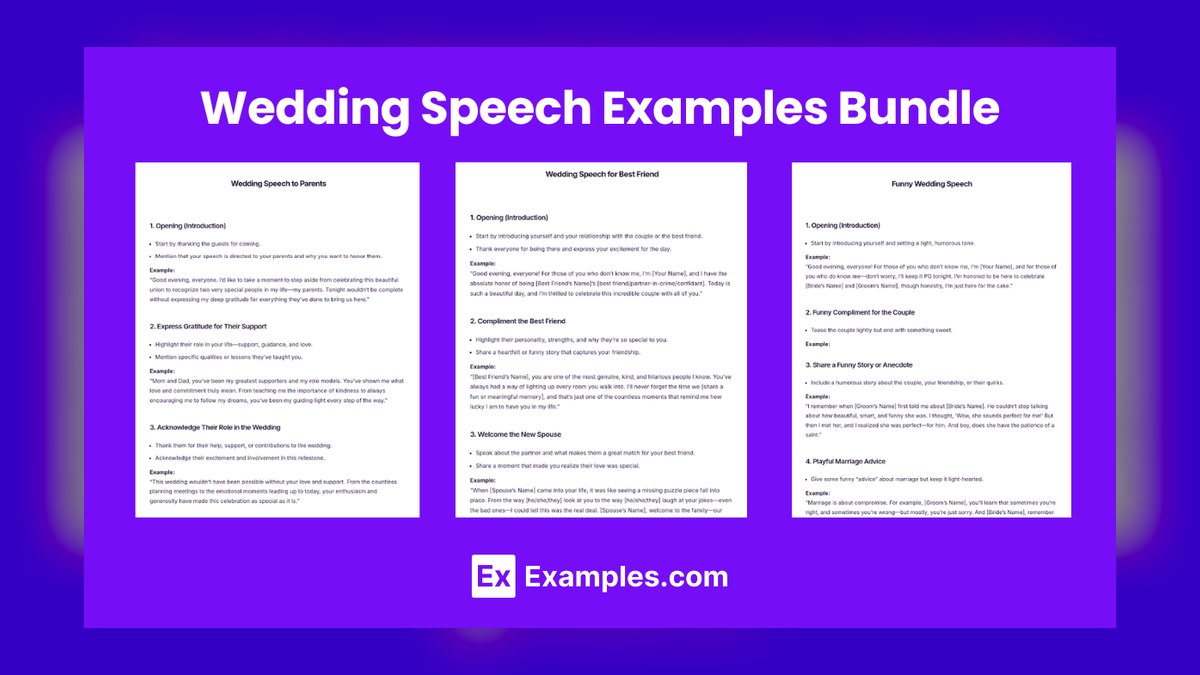
Here is the sequence that reliably produces a speech that Matches the relationship you actually have. Budget four to six weeks; the writing is not the slow part, the rehearsing is.
Week one — inventory, don't write. Open a notes file and dump every memory you have with this person, unfiltered and unranked. Aim for twenty-five to forty entries, one line each. Do not evaluate them. Most people can produce thirty in about forty minutes if they scroll old photos and messages while doing it. This inventory is your raw material and it also tells you your true axis scores — if you can only produce nine entries, you are a light-years speaker and should choose accordingly.
Week two — score and select. Run the three axes. Choose your style. Then go back to the inventory and mark each entry against three filters: is it legible to the room without a preamble, does it make the person look good (or lovably human, never pathetic), and does it point toward who they are now with their partner. Entries that pass all three are your candidates. You want two or three, not eight.
Week three — draft to a length target. Write to roughly 550–750 words for a five-minute delivery. Spoken pace at a reception, with pauses for laughs, runs about 110–130 words per minute — slower than you think, because you will pause. Structure it as: a ten-to-fifteen-second opening that establishes who you are and your relationship, one anchor story that takes 60–70% of the runtime, a pivot to the partner (this is the hinge of the entire speech and it should be one clean sentence), thirty to forty-five seconds on the couple together, and a toast of two sentences.
Week four — cut by a quarter. Read it aloud with a timer. Almost every first draft runs long. Cut the second-best story entirely rather than trimming both stories evenly — a whole story cut is invisible, two half-stories are noticeable. Cut every sentence that explains a joke. Cut adjectives in pairs.
Weeks five and six — rehearse aloud, standing up, at least six times. Twice to a person who does not know the couple, which tests legibility. Twice into a phone recording, which is the most useful and least pleasant step, because you will hear the places you speed up. Twice from a printed card at the venue or a similar room. Rehearsing in your head does not count and does not transfer.
mermaid flowchart TD A["Score: years, register, overlap"] --> B{"Years known"} B -- "Under 3, or know them as a couple" --> C["Partnership-toast: 2-3 min, one observation"] B -- "3 to 10" --> D{"Audience overlap"} B -- "10+ or lifelong" --> E{"Your usual register"}
D -- "Low, under 20%" --> F["Story-driven: one self-contained anchor story"] D -- "High" --> F E -- "Jokes-first" --> G["Roast-affectionate: 2-3 teases, each resolving warm"] E -- "Openly emotional" --> H["Tribute-earnest: sincerity, earned, no jokes needed"] E -- "Mixed" --> F G --> I["Final third must turn sincere"] H --> I F --> I C --> I I --> J["Pivot to the partner, then toast"] </invoke>
One override sits above the whole framework: if the couple has asked for something specific — keep it short, no drinking stories, don't mention the family situation — that request beats every axis score. Ask them directly a month out. Most couples will tell you exactly what they want, and the ones who say "do whatever you like" have just given you real permission, which is worth having in writing.
A second override: if two styles feel equally right, take the shorter one. Nobody has ever left a wedding wishing a speech had run longer.
Related questions
How long should a 2027 wedding speech be?
Three to five minutes for a single speaker, which is 550–650 words at normal spoken pace. Under two reads unprepared; over six loses the room. If four people are speaking, keep the aggregate under about twenty minutes including transitions.
Should I write jokes if we're not a joking pair?
No. Humor that doesn't match your actual register reads as costume. If you and the person have never joked with each other, a warm, specific, earnest speech will land far better than three borrowed jokes delivered uncomfortably.
What if I barely know the partner?
Say so briefly and honestly, then offer one specific observation about how the two of them are together — something you noticed, not something effusive. Forty-five focused seconds about the partner beats a paragraph of generic praise.
Can I mix two styles in one speech?
Better not to. Tonal whiplash is the most common structural failure. Commit to one register throughout and let the only shift be the upward turn into sincerity at the end, where the room expects it.
How many times should I rehearse out loud?
At least six, standing, including twice recorded and twice in front of someone who doesn't know the couple. Rehearsing silently doesn't transfer. Recorded rehearsal is the fastest way to find where you rush.
FAQ
How do I know which style Matches my Relationship?
Score three things: years of genuine contact, the emotional register you two actually use, and what fraction of the room will understand your references. Foundational years plus a jokes-first register points to roast-affectionate; deep years plus openness points to tribute-earnest; low overlap or short history points to story-driven or partnership-toast. When two options tie, take the shorter, warmer one.
Is it acceptable to use notes at the podium?
Yes, and most strong speakers do. Use two or three index cards in 16–18 point type, one idea per card, with your opening line and closing toast written out verbatim. Notes only hurt when you read every word off them without looking up — the cards are a safety net, not a script.
What should I absolutely never include in a Wedding speech?
Exes and prior relationships, anything about the couple's private life, jokes about the marriage's chances, inside material that requires a preamble, and any story where the person ends up looking pathetic rather than lovably human. The test: would you say the sentence directly to a grandparent in the second row?
How far ahead should I start writing?
Four to six weeks, budgeting twelve to twenty hours total. Two hours of memory inventory, three or four hours of drafting and cutting, and the remainder rehearsing aloud. The writing is not the slow part — the rehearsal is what separates a speech that works from a good document read badly.
How do I make the pivot from funny to sincere without saying "but seriously"?
End the story on a concrete detail that already reveals character, then let your next sentence pick up that same detail and extend it to the couple. The bridge should be a specific noun, not a transition phrase. If the story is about him showing up unasked, the pivot is that he still does — and now for her.
Should I coordinate with the other speakers?
Yes. Start a group thread about a month out where each speaker states their runtime and their one anchor story. This prevents both aggregate overrun and the worse problem of two people telling the same story from different angles, which drains the second telling entirely.
Sources
- https://www.brides.com/
- https://www.theknot.com/
- https://www.marthastewart.com/weddings
- https://www.vogue.com/weddings
- https://www.bbc.co.uk/programmes/articles/public-speaking
- https://www.toastmasters.org/resources
- https://hbr.org/2013/06/how-to-give-a-killer-presentation
- https://www.mindtools.com/
- https://www.psychologytoday.com/us/basics/public-speaking
Related on PULSE
- How to structure a best man speech when you barely know the bride
- What to do when two wedding speakers have the same story
- How to rehearse a speech so it sounds unrehearsed
- Choosing a maid of honor speech tone for a second marriage
- How long should each wedding reception speech run
- How to write a toast when you only know the couple as a couple
This page will be disappearing soon. Save it to your device for $1 — or read it free while it is here.
@Kory-White- · if Venmo asks, the last 4 of my number are 2012
This page is gone.
This one is off the shelf now. $1 keeps it on your phone for good — the whole page, pictures and diagrams included.
 pulse-speechesWhat Makes Winston Churchill's "Their Finest Hour" a Great Speech in 2027
 pulse-recentA Eulogy vs. a Celebration of Life Speech: Which Fits the Occasion Better in 2027
 pulse-speechesA Loving Eulogy for a Parent
 pulse-speechesA Wedding Speech for a Same-Sex Wedding
 pulse-speechesHow to Add Humor to a Retirement Speech in 2027
 pulse-speechesA Speech for a Team Offsite Kickoff
 pulse-speechesWilliam Faulkner’s Nobel Prize Acceptance (1950) — Key Passages and Lessons
 pulse-speechesA Eulogy for a Parent
 pulse-speechesAn Employee of the Year Acceptance Speech
 pulse-speechesWhat Makes Steve Jobs’ Stanford Commencement a Great Speech in 2027