

What to Wear for a Rainy Day in 2027
 Curated byKory White · Fractional CRO · Maryland
Quality
Certified
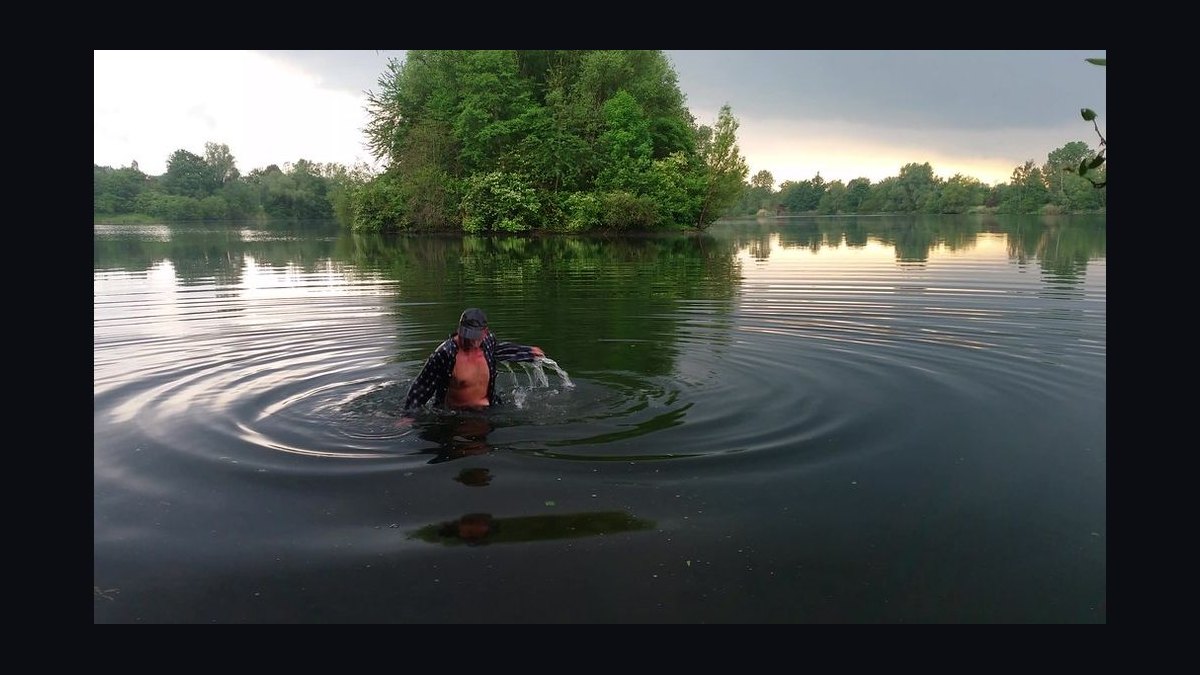
For a rainy day in 2027, wear a taped-seam waterproof shell over a merino or fleece mid-layer, water-resistant trousers with a DWR finish, and rubber lug-sole boots or treated sneakers. Add wool socks and a cinchable hood. Keep the palette muted — charcoal, olive, navy — so splashes and street grime disappear.
Shell versus umbrella: the two ways to stay dry
Almost every rainy-day outfit decision collapses into one fork: do you carry your weather protection in your hand, or do you wear it? The two approaches are not interchangeable, and picking the wrong one is why people arrive somewhere damp despite owning good gear.
The worn approach — a waterproof shell with a hood, DWR-treated trousers, and grippy footwear — keeps both hands free, survives wind, works on a bike or in a crowd, and protects you from splashback coming *upward* off the sidewalk. That last point is underrated. In a city, roughly the bottom third of what gets you wet comes from below: car tires throwing a sheet of water, puddles you misjudge, drips off scaffolding. An umbrella does nothing about any of it. The cost of the worn approach is heat. A shell is a vapor barrier with a membrane trying to negotiate a truce; if you walk fast, you sweat, and sweat feels identical to rain by the time you sit down.
The carried approach — a good compact umbrella over normal clothes — keeps you cool, keeps your outfit intact for the room you're walking into, and requires no change of clothing on arrival. You show up in the wool coat you actually wanted to wear. The costs are wind (anything above roughly 25 mph and you're fighting a sail), one occupied hand, and total failure below the knee. Umbrellas also do badly in dense pedestrian traffic and are a nuisance on transit, where a dripping canopy has nowhere to go.

There's a third posture worth naming because it's what most experienced commuters actually run: hybrid. A packable shell that lives in the bag permanently, plus a sub-12-inch collapsible umbrella, plus footwear chosen for grip rather than for the weather. You deploy the umbrella for a light drizzle and a short walk, the shell for anything sustained or windy, and both when it's genuinely miserable. The footwear never changes because it was already correct. This is the setup that survives an unpredictable spring day, a commute that spans two weather systems, and the specific 2027 problem of forecasts that resolve to "60% chance" and mean it.
Adjacent to all this: the same fork shows up in cycling, dog-walking, and jobsite work, and in each case the worn approach wins outright because a hand is not available. If any part of your day involves a bike, a leash, a stroller, or a tool, stop evaluating umbrellas and buy a better shell.

How to decide between them on a given morning
The decision is not about taste. It's four variables — intensity, duration, wind, and destination — and you can resolve them in about fifteen seconds if you know what you're looking at.
Intensity. Light drizzle (under roughly 0.1 in/hr) is umbrella and wool-coat territory; the water never accumulates enough to defeat surface tension on a decent fabric. Moderate rain (0.1–0.3 in/hr) is where DWR-treated cotton starts to wet out and you want a real membrane. Heavy rain (above 0.3 in/hr) is shell-only, and you should also assume your bag needs a cover.
Exposure duration. Under ten minutes of total outdoor time, almost anything works — you can cross a parking lot in a blazer and be fine. Ten to thirty minutes is the band where mistakes show up. Beyond thirty minutes, treat it as a technical problem: layers, seams, socks, the whole system.

Wind. Above roughly 20–25 mph, an umbrella becomes a liability and rain stops falling vertically, which means your legs and the front of your torso get hit regardless of hood coverage. Wind is also what turns 50°F into something that feels like 40°F once you're damp.
Destination. Are you walking into a meeting, a gym, a client site, or your own kitchen? If you have to look composed on arrival and can't change, that pushes toward the umbrella plus a coat that reads as clothing rather than gear. If you can change or don't care, wear the shell and stop negotiating.

One more filter people skip: the return trip. Morning forecasts get checked; evening ones don't. If there's any chance of rain at the hour you come home, the packable shell goes in the bag even on a dry morning. This single habit prevents most of the "I got soaked and had nothing" outcomes, and it costs about 9 ounces of bag weight.
The numbers behind each option
Vague advice about "quality" doesn't help anyone allocate money, so here are the actual thresholds that matter.
Waterproof ratings. Shells are rated by hydrostatic head in millimeters — how tall a column of water the fabric holds before leaking. Roughly: 5,000mm is adequate for light-to-moderate rain and short exposure; 10,000mm handles sustained rain; 20,000mm and up is genuinely storm-rated. Breathability is measured in grams of vapor per square meter per 24 hours (g/m²/24h). Under 5,000 is a sauna if you're moving; 10,000–20,000 is the practical commuter range. A shell can be highly waterproof and miserably unbreathable — check both numbers, not just the first one.

Construction. A 2-layer shell (membrane plus a hanging liner) is cheapest and bulkiest. 2.5-layer adds a printed interior coating instead of a liner — lightest, most packable, best for the bag-permanent shell, but the interior can feel clammy. 3-layer bonds a face fabric, membrane, and backer into one piece: most durable, most breathable, most expensive. For an everyday urban shell, 2.5-layer is usually the right buy; for anything you'll wear four days a week for years, 3-layer amortizes better.
Price bands. Expect roughly $80–$150 for a serviceable 2.5-layer packable shell, $200–$400 for a 3-layer, and $150–$350 for a waxed-cotton or trench-style coat that reads as clothing. Waterproof boots run $120–$250; treated sneakers $90–$180. A compact umbrella worth owning — fiberglass ribs, vented canopy — is $30–$60, and the ones under $15 fail within a season. Merino socks are $18–$28 a pair and are the highest return-per-dollar item on this entire list.

Lifespan and maintenance. A well-made shell lasts five to ten years, but its DWR does not. Face-fabric water repellency degrades with dirt and abrasion; when you see the fabric darkening and soaking rather than beading, it needs a wash with a technical detergent and a reapplied DWR — typically once or twice a season for heavy use. This is the single most common failure people misdiagnose as "the jacket stopped being waterproof." The membrane is usually fine; the face fabric is saturated, which kills breathability and makes the inside feel wet.
Cost per wear. A $250 shell worn 60 rainy days a year for six years lands near $0.70 per wear. A $40 fast-fashion "waterproof" jacket that fails after 20 wears lands at $2.00. This is the same revenue math any operator runs on tooling: the cheap line item with a short life is the expensive one once you divide by usage. Buy the thing with the longer denominator.
PFAS note. Older DWR chemistry relied on long-chain fluorinated compounds now being phased out across the industry. PFC-free treatments perform nearly as well against rain but tend to fail faster against oils and body grime, which means more frequent reapplication. Budget for that maintenance rather than assuming the coating is permanent.

Building and sequencing the outfit
Layering isn't a style choice, it's a moisture-management sequence, and the order matters more than any single item.
Base layer. Merino wool (150–200 weight) or a synthetic wicking fabric against the skin. Its job is to move sweat outward so the mid-layer, not your skin, holds it. Cotton here defeats everything downstream — once wet, it stays wet and pulls heat off you at several times the rate of dry fabric.

Mid-layer. Fleece or light synthetic insulation. Grid fleece is the best value: it traps air, keeps loft when damp, and dries fast. Down is warmer per ounce but collapses when wet, so it belongs under a shell only if you trust the shell completely. Above about 60°F, skip the mid-layer entirely and rely on pit zips for airflow.
Shell. Taped seams, a hood that adjusts in at least two dimensions (volume and brim), and a hem you can cinch. A hood that doesn't turn with your head is a hood that funnels water down your collar every time you check for traffic.
Legs. DWR-treated chinos or technical trousers beat untreated denim by a wide margin — raw denim absorbs enormous water weight and takes hours to dry. For a serious commute, overtrousers or a rain wrap over normal pants is faster than changing clothes on arrival.

Feet. Thin merino socks under a lug-sole boot. If the boot isn't fully waterproof, a waterproof sock liner is a cheap bridge. Grip matters more than most people weight it: rain-slicked painted crosswalk lines, metal utility plates, and polished lobby tile are where falls actually happen, and a leather sole on any of those is genuinely dangerous.
Accessories. A wool beanie (still insulates wet), a bag with a cover or a dry bag for electronics, and a spare pair of socks in the bag. That last one costs almost nothing and rescues the whole day.
Sequencing by age and context. In your twenties, the shell can be the statement piece — cropped cuts, brighter colorways, cargo trousers — because you're likely walking farther and changing less. In your forties, the calculus shifts toward coats that read as clothing: waxed cotton, a trench with a removable liner, Chelsea boots with a rubber lug outsole. You're walking from a car into a room and back, so arrival appearance outweighs technical margin. In your sixties, prioritize ease of operation — a parka you can get on over a sweater without wrestling, slip-on waterproof shoes, and a hood that adjusts with gloves on. Grip is non-negotiable in this band; a slip on wet pavement is a different-magnitude event.
Common failure modes. Untreated denim. Suede in anything past a drizzle. Leather-soled dress shoes on wet metal. Cotton socks. A full-size umbrella on a crowded train. White or pastel trousers on a splashback day. Skipping the mid-layer and then blaming the shell for feeling clammy. Each of these is fixable for under $30 except the last one, which is free.
Adjacent scenarios worth planning for once. Rain that starts as sleet — the shell still works, but the footwear needs real tread. A humid summer downpour at 80°F, where a membrane shell is worse than getting wet and a quick-dry short plus a packable umbrella wins. Travel days, where a 2.5-layer shell that compresses into its own pocket beats anything bulkier. And the office edge case: a shell that stuffs into a drawer is worth more than one you have to hang somewhere visible and dripping.
Related questions
Does a wool coat work in the rain?
Wool sheds light drizzle well because of its natural lanolin and dense weave, and it keeps insulating when damp. But sustained rain saturates it, and it takes hours to dry. Treat it with a wax or spray for drizzle; layer a shell over it for anything heavier.
Are rain boots actually necessary?
Only for standing water and heavy downpours. For most rainy days, a waterproof boot or a treated sneaker with a rubber lug outsole is enough and far more wearable. Grip matters more than height — most rain injuries are slips, not soaked feet.
How often should I reapply DWR?
When water stops beading and the face fabric darkens and soaks in. For heavy commuters that's roughly once or twice a season; for occasional use, once a year. Wash with a technical detergent first — ordinary detergent leaves residue that actively blocks repellency.
What should I keep permanently in my bag?
A packable 2.5-layer shell, a sub-12-inch umbrella with fiberglass ribs, and one spare pair of merino socks. Together that's under a pound and covers roughly every rain scenario short of a storm.
Can I wear sneakers in the rain?
Yes, if they're membrane-lined or DWR-treated with a solid rubber outsole. Avoid open mesh uppers, which wick water inward. Pair with merino socks so the inevitable minor seepage doesn't turn into a cold, blistered afternoon.
FAQ
What's the minimum waterproof rating I should look for?
For general urban use, aim for at least 10,000mm hydrostatic head paired with 10,000 g/m²/24h breathability. Below 5,000mm you're buying a windbreaker that resists mist. Above 20,000mm is storm-grade and worth it only if you're outside for long stretches in genuinely bad weather.
Why does my waterproof jacket feel wet inside?
Almost always saturated face fabric, not a failed membrane. When the outer fabric soaks instead of beading, vapor can't escape and your own sweat condenses on the inside. Wash it with a technical detergent, reapply DWR, and the "leak" usually disappears.
Is a 3-layer shell worth double the price of a 2.5-layer?
If you wear it several days a week, yes — it's more durable, more breathable, and doesn't get clammy against the skin. If it lives in a bag for occasional use, the 2.5-layer's lower weight and better packability is the better buy.
What colors hide rain damage best?
Charcoal, navy, olive, and mid-to-dark gray. They mask splashback, road grime, and the darker patches that appear when fabric wets out unevenly. Light neutrals and pastels show every drop, and white trousers on a puddle-heavy street are a one-block outfit.
How do I keep my bag and electronics dry?
Use a fitted rain cover or line the bag with a roll-top dry bag. Zippers are the weak point on almost every backpack — even water-resistant fabric leaks at the teeth in sustained rain. A $15 liner protects a laptop better than a $200 "weatherproof" bag.
Should I own both an umbrella and a shell?
Yes, and it's not redundant. They fail in opposite conditions: the umbrella fails in wind and does nothing for splashback; the shell traps heat and can look out of place in a formal setting. Owning both costs little and removes the morning decision entirely.
Sources
- https://www.weather.gov/ — National Weather Service forecasts, precipitation intensity definitions
- https://www.noaa.gov/ — NOAA climate and precipitation data
- https://www.gore-tex.com/ — waterproof/breathable membrane technology and care guidance
- https://www.consumerreports.org/ — independent testing of rain gear, boots, and umbrellas
- https://www.patagonia.com/ — layering systems and shell construction explanations
- https://www.rei.com/learn/expert-advice — REI Expert Advice: rain jacket ratings, layering, DWR care
- https://www.nikwax.com/ — technical wash and DWR reapplication guidance
- https://www.epa.gov/pfas — EPA background on PFAS and fluorinated treatments
Related on PULSE
This page will be disappearing soon. Save it to your device for $1 — or read it free while it is here.
@Kory-White- · if Venmo asks, the last 4 of my number are 2012
This page is gone.
This one is off the shelf now. $1 keeps it on your phone for good — the whole page, pictures and diagrams included.
 pulse-styleHow to Wear Slate Blue with Linen Pants in 2027
 pulse-styleHow to Style White Sneakers for a Job Interview in 2027
 pulse-styleHow to Wear Cream in Summer in 2027
 pulse-styleWhat to Wear to a Graduation if You’re Plus-Size in 2027
 pulse-styleWhat to Wear to a Real Estate Job Interview in 2027
 pulse-styleWhat to Wear to a Concert in 2027
 pulse-styleHow to Style a Pleated Skirt for a Job Interview in 2027
 pulse-styleWhat to Wear to an Outdoor Concert Date in 2027
 pulse-styleWhat to Wear to a Wedding if You Have Broad Shoulders in 2027
 pulse-styleWhat to Wear to a Company Offsite in 2027