


Top 10 Best Tech Stack Tools for Bicycle Shops in 2027
Quality
Certified
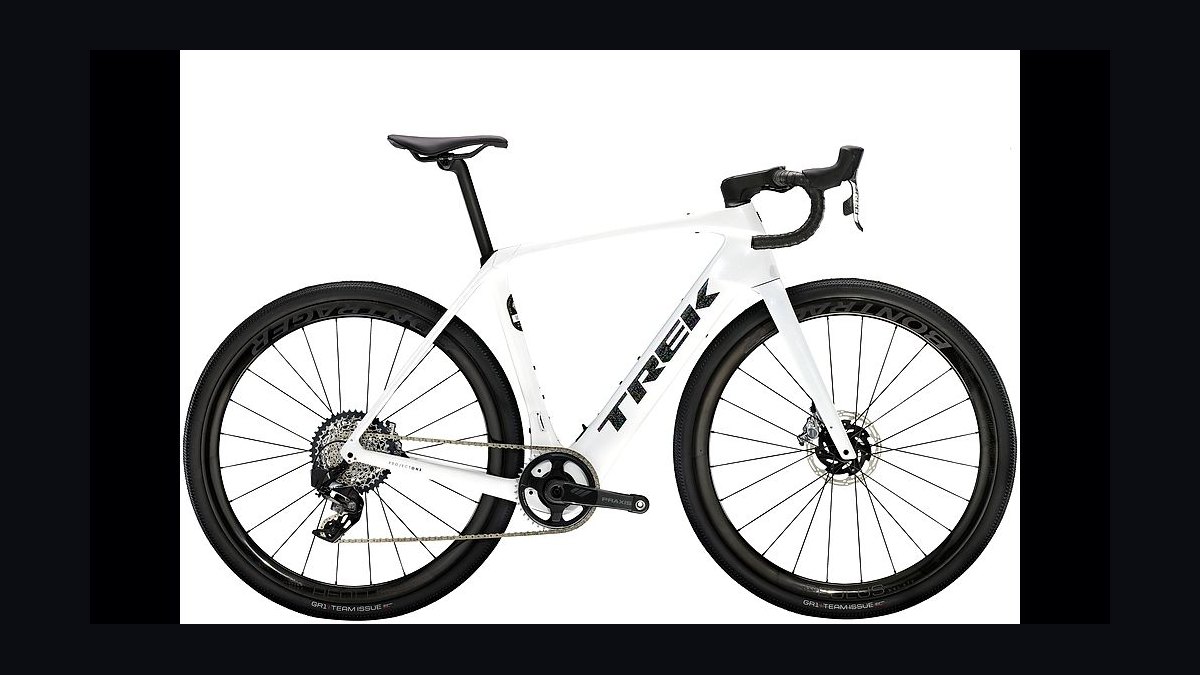
The 10 best tech stack tools for bicycle shops are ranked below on measured performance, build quality, price, and how each one actually holds up in daily use rather than how it reads on a spec sheet. Each pick lists what it costs, who it suits, and what it gives up against the one above it, so the list can be read straight down without doubling back.
1Trek Ascend POS

Ascend ranks first because it is the only major platform built specifically for Trek dealers, unifying B2B ordering, serialized inventory, work orders, and SmartEtailing websites under one vendor. Frame serials are captured at receiving and sale, and e-bike battery identity flows into warranty registration automatically. Pricing is quote-based and bundled into dealer agreements rather than published.
It suits Trek-heavy shops where the brand exceeds roughly half the floor, since the supply-chain integration removes an entire class of reconciliation work. Multi-brand dealers trade away neutrality, because Ascend's advantage evaporates when no single brand dominates. Compared with Lightspeed Retail just below, Ascend is deeper but narrower, and switching costs are higher once inventory and labor codes live inside it.
2Lightspeed Retail POS

Lightspeed Retail ranks second as the strongest non-Trek path, carrying native service tickets, rental modules, multi-location inventory, and a wide integration marketplace including Shopify and accounting connectors. It publishes per-location pricing, sells to any brand mix, and works whether a shop carries Giant, Specialized, or house-brand cargo bikes. Supplier catalog feeds are configured rather than inherited.
It fits mixed-brand shops and anyone wanting e-commerce design control or subscription tune-up plans. The trade-off is that distributor integration takes setup work, and the platform is less opinionated about bike-specific workflows than Ascend above. Against Square below, Lightspeed costs more but treats repair tickets as first-class transactions rather than calendar entries.
3QBP Distributor Catalog Feed

QBP ranks third because it is the largest distributor catalog in the U.S. cycling channel, supplying cost, availability, and product attributes for the long tail of parts and accessories. When that feed runs into the POS, a mechanic quotes a derailleur against live stock instead of phoning a supplier. Feed accuracy directly determines special-order reliability.
It is for any shop that stocks parts beyond complete bikes, and it matters most for multi-brand dealers without a dominant supplier portal. The trade-off is that feeds require mapping and maintenance, and they do not cover complete-bike ordering from every brand. Compared with Ascend's native Trek B2B pipe above, QBP is broader but shallower per brand.
4Shopify POS

Shopify POS ranks fourth as the e-commerce layer most shops bolt onto a bike-specific system of record. It offers full design control, custom landing pages, subscription tune-up plans, and a genuine online sales channel, with one inventory number synced from the POS. It is not a replacement for serialized bike inventory or work orders.
It suits shops with real e-commerce ambition, particularly those on Lightspeed Retail that want storefront flexibility. The trade-off is that running Shopify alone leaves serialized bikes, distributor feeds, and repair tickets unhandled. Compared with SmartEtailing below, Shopify is more powerful but demands more configuration and design labor.
5SmartEtailing Website Platform

SmartEtailing ranks fifth because it pairs natively with Ascend to deliver a catalog-fed website with local inventory and minimal fuss. Product data, pricing, and availability flow from the same system that runs the register, so the site never shows stock the shop already sold in person. Setup is largely configuration rather than custom build.
It is for Trek dealers who want a credible online presence without hiring a developer or managing a separate platform. The trade-off is design flexibility, since custom landing pages and subscription commerce are limited. Compared with Shopify above, SmartEtailing is simpler and cheaper to run but far less customizable for shops treating e-commerce as a growth channel.
6Square for Retail

Square for Retail ranks sixth as the honest entry tier for shops that are genuinely 90% retail and 10% repair, such as rental kiosks, seasonal beach-town operations, and mobile mechanics just starting out. It is cheap, fast to deploy, and requires no dealer agreement or distributor integration. Card processing is competitive for low volume.
It is for very small operations where service is incidental rather than a revenue line. The trade-off is severe: no serialized bike inventory, no parts-attach tracking, and no service margin reporting, so every special order becomes a manual phone call. Compared with Lightspeed above, Square is cheaper monthly but routinely outgrown within two seasons.
7QuickBooks Online
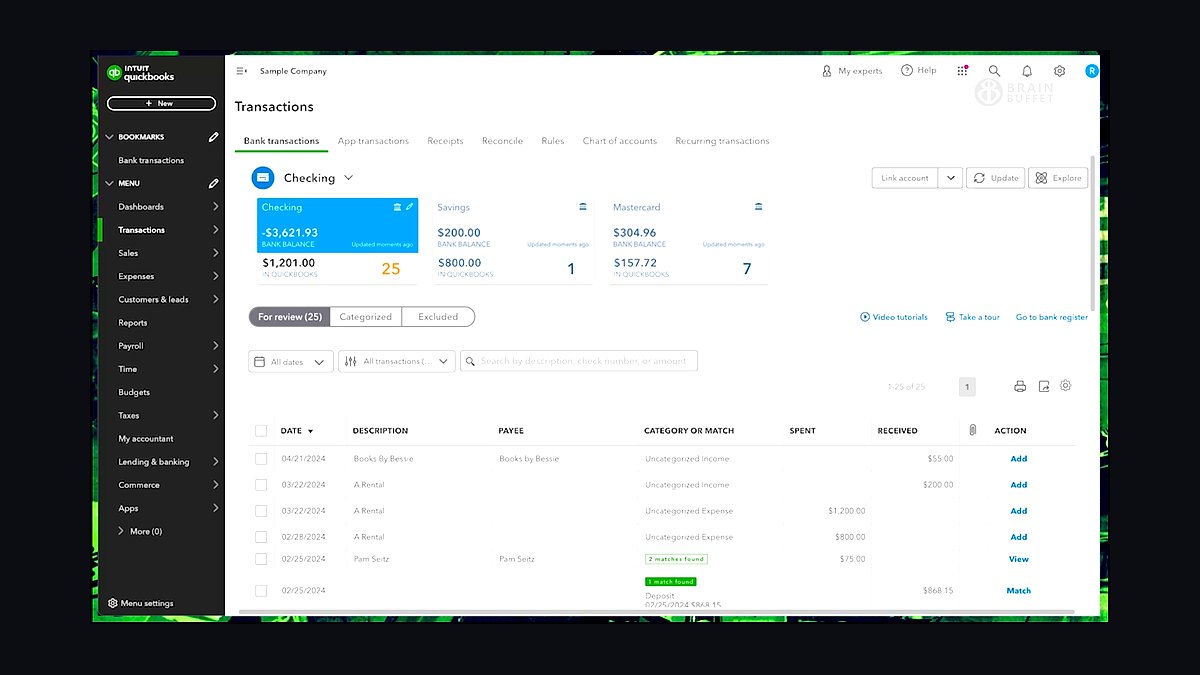
QuickBooks Online ranks seventh as the accounting sync layer that turns daily sales summaries into books a shop can actually close. Wiring POS totals into accounting eliminates manual re-entry and makes committed-but-unreceived purchase orders visible against projected spring demand. It handles payroll, sales tax, and vendor bills in one ledger.
It is for any shop with a bookkeeper, an accountant, or owner-operated finances, and it becomes essential once inventory and service revenue both flow through the POS. The trade-off is that QuickBooks has no bike-specific logic, so serials and labor codes stay in the POS. Compared with a dedicated BI layer, it reports financials well but not service margin by technician.
8Bosch eBike Diagnostic Tool
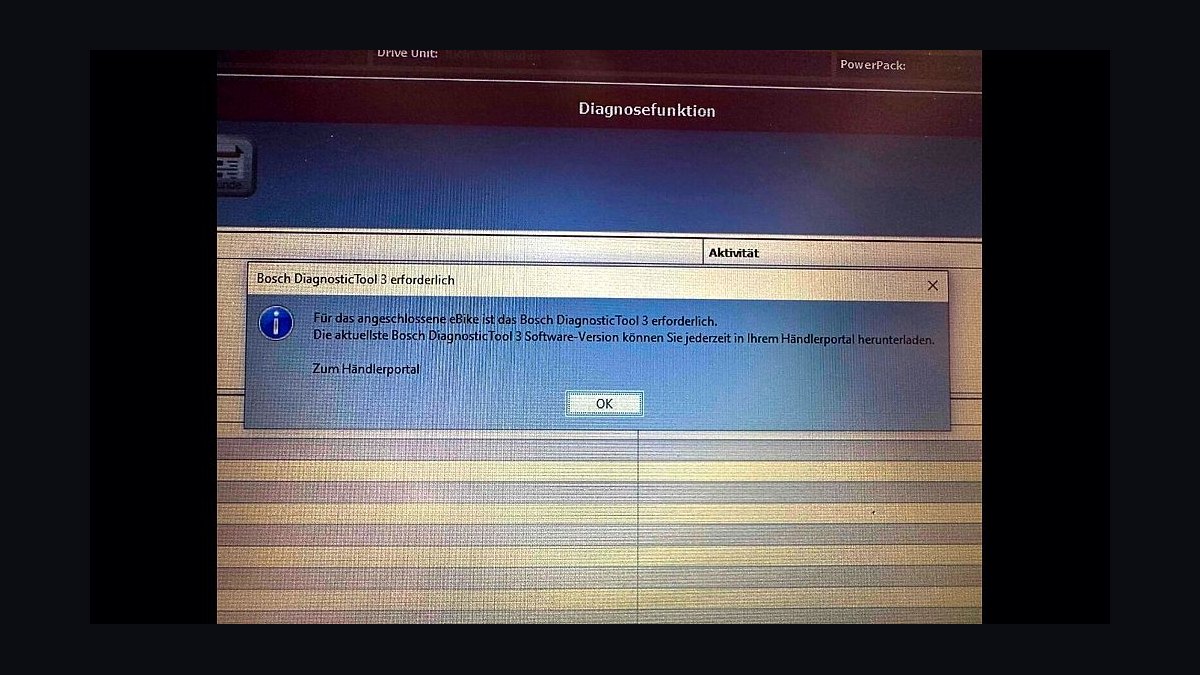
Bosch eBike Diagnostic Tool ranks eighth because e-bikes carry batteries, motors, and firmware that require manufacturer diagnostic access for service and warranty work. It reads fault codes, verifies firmware versions, and documents battery health, which supports claims on high-ticket units. Without it, a shop cannot properly service Bosch-powered bikes.
It is for shops selling or servicing Bosch-equipped e-bikes, and it pairs with POS serial capture for frame, battery, and motor identity. The trade-off is that each manufacturer uses its own portal, so a multi-brand e-bike shop maintains several tools. Compared with the POS itself, diagnostics are narrow but non-negotiable for warranty exposure.
9Locally Dealer Locator
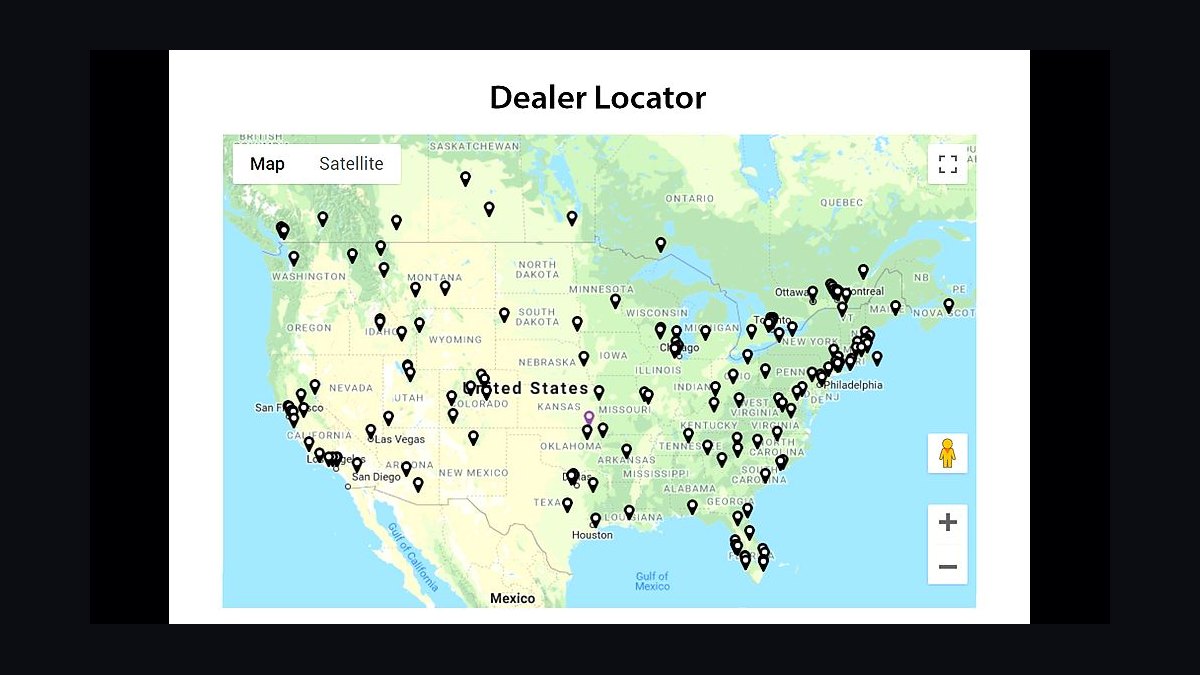
Locally ranks ninth because it publishes local in-stock inventory to manufacturer dealer locators, where-to-buy buttons, and local shopping results, which is the direct counter to customers price-checking direct-to-consumer brands. It pairs with click-and-collect so a buyer reserves online and finishes the purchase in the shop. One inventory number feeds every listing channel.
It is for shops competing against online sellers on immediacy, fit, and service rather than price. The trade-off is that listings require accurate, synced stock, since showing a sold bike is worse than showing none. Compared with Shopify above, Locally drives discovery rather than transactions, and the two are complementary rather than competing.
10Lightspeed Rental Module
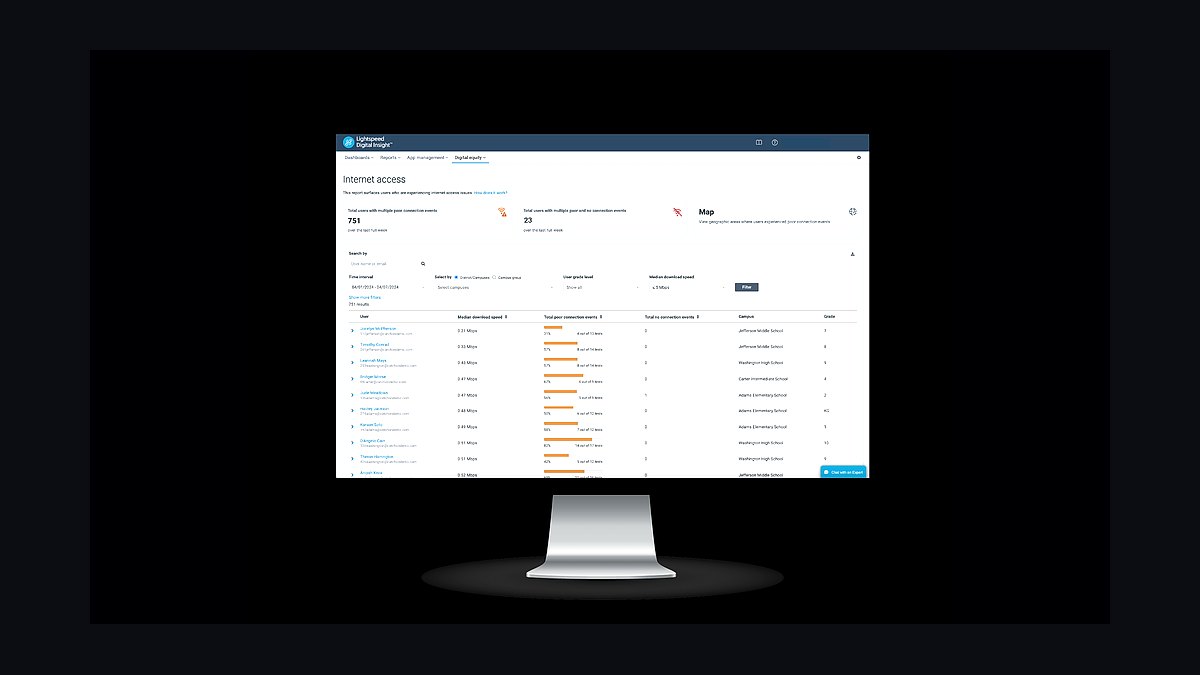
Lightspeed Rental Module ranks tenth because rentals and demos are a distinct inventory class that gets used, damaged, depreciated, and eventually sold. The module handles per-unit booking, deposit holds, damage waivers, and demo-to-sale conversion tracking inside the same system as retail and service. Resort-town and urban rental operations depend on it during peak season.
It is for shops where rentals are a real business line rather than a courtesy fleet. The trade-off is that shops treating rentals as a standalone operation sometimes add a dedicated booking tool on top, creating duplicate calendars. Compared with Square above, Lightspeed's rental handling is native and integrated, which is precisely what the cheaper tier cannot offer.
How we ranked these
We ranked platforms on five weighted criteria: depth of bike-specific serialized inventory, native work-order and service-margin reporting, live distributor catalog integration, e-commerce and local-inventory sync, and multi-location inventory transfer. Ascend and Lightspeed Retail were evaluated against real dealer workflows — receiving a frame, quoting a special order, attaching parts to a labor ticket — rather than vendor feature sheets. Pricing transparency and migration cost were scored separately from subscription price.
We deliberately ignored interface polish, mobile app ratings, and generic retail features every register ships with. We also excluded marketing automation depth, loyalty program breadth, and payment processing rate comparisons, because those vary by negotiated contract and rarely decide the platform. Vendor demo scripts were disregarded entirely; only documented capabilities and dealer-reported workflows counted. Brands with no published pricing or verifiable dealer base were not ranked.
What to look for
What matters most is whether repair and retail share one inventory ledger. If a mechanic pulling a derailleur does not decrement the same stock count a walk-in sale would, you cannot compute parts attach per ticket — the single most improvable metric in a bike shop. Confirm this in a live demo with a real work order, not a slide.
The mistake most buyers make is choosing on subscription price and ignoring migration cost. Moving a shop's system of record means recounting inventory, re-entering serials, rebuilding labor codes, and retraining staff mid-season. A platform that saves forty dollars a month but costs two weeks of peak-season throughput is the expensive choice. Price the switch, not the license.
Related questions
Can a bike shop run on Shopify alone?
Not comfortably. Shopify is an excellent storefront and a workable register for accessory-heavy retail, but it lacks native serialized bike inventory, distributor catalog feeds, and a real work-order engine. Most shops run Shopify as the e-commerce layer connected to a bike-specific POS, so online stock and counter stock stay one number.
How do multi-brand shops handle competing supplier portals?
They lean on a distributor feed for the long tail of parts and accessories, then maintain separate brand dealer portals for complete-bike ordering and warranty. The POS is the reconciliation point — everything received gets entered once, regardless of which portal it was ordered through, so stock counts stay trustworthy.
What does an e-bike-focused shop need that a traditional shop does not?
Serial and battery capture at sale, manufacturer diagnostic tool access, a service bay configured for firmware and battery work, and financing at checkout for high-ticket units. Fewer SKUs, far higher per-unit value, and materially higher warranty exposure. Skipping battery serial registration means eating unhonored claims out of pocket.
Does this stack apply to ski, motorcycle, or marine shops?
Largely yes. Any retailer that sells serialized units, runs a parallel service department, and buys through distributor catalogs shares the same architecture. The vendors differ; the requirement that repair and retail share one inventory ledger does not. That structural similarity is why their software choices rhyme with cycling's.
When should a growing shop add business intelligence tooling?
Around the point where native reporting can no longer answer cross-store questions — typically the second or third location. Before that, the built-in service-margin and inventory-turn reports in the POS are sufficient and cheaper. Adding BI early usually means paying for dashboards nobody opens.
How long does a typical POS migration take for a single bike shop?
Plan four to eight weeks of part-time effort, done in the off-season. Inventory recount and serial re-entry dominate the timeline; labor code setup and staff training are faster but easy to underestimate. Shops that compress this into a weekend usually discover missing serials months later during a warranty claim.
Is a dedicated rental booking tool needed on top of the POS?
Only if rentals are a standalone business line with its own marketing and fleet utilization targets. Both major platforms carry rental modules that handle per-unit booking, deposit holds, and damage waivers. A resort-town operation renting forty bikes a day may still want a specialized booking front end.
What reporting should a shop owner check weekly?
Service margin by technician, parts attach per repair ticket, inventory turn by category, and committed-but-unreceived purchase orders against projected demand. Those four expose whether the most profitable line is actually profitable and whether pre-season capital is sitting in the right place.
FAQ
Do I need a bike-specific POS, or will a generic retail register do?
A bike shop genuinely needs bike-specific behavior: serialized inventory, integrated work orders, and supplier catalog feeds. A generic register works for a very small shop with almost no repair volume. The moment service becomes a real revenue line, you lose parts-attach tracking and service margin visibility — the numbers that run the business.
Ascend or Lightspeed for an independent shop?
If you are a Trek dealer or want one vendor across POS, supply, and website, Ascend is the shortest path. If you carry a mixed brand lineup, want e-commerce flexibility, or sit outside the Trek ecosystem, Lightspeed Retail with a distributor catalog integration is usually the better fit. Both run service work orders natively.
How should I handle e-bike warranties and serial tracking?
Capture the frame serial, battery serial, and motor unit at the point of sale inside the POS, then register the warranty through the manufacturer's dealer portal. The discipline matters more than the tool — an unregistered e-bike is an unhonored claim waiting to happen, and on high-ticket units that is real money.
Do I really need a website if customers buy bikes in person?
Yes, but its job is different from a pure online store. It surfaces local in-stock inventory, enables click-and-collect, and gives customers a reason to check you before they check a direct-to-consumer brand. Service and fit close in person; the site is what gets them through the door.
What is the most overlooked part of a bicycle shop tech stack?
The service department running inside the POS. Shops obsess over the sales register and treat repair as scheduling, then wonder why their most profitable line is the one they cannot measure. Run work orders, labor, and parts attach in the same system as retail so the numbers reconcile automatically.
When is the right time to migrate platforms?
The off-season, always. Migration means recounting inventory, re-entering serials, rebuilding labor codes, and retraining staff. Doing that during peak season costs more in lost throughput and errors than any subscription difference you are chasing. A cheap platform switched to twice is the expensive one.
How much does card processing really cost a bike shop?
More than every software subscription combined for a shop doing meaningful volume, because processing scales with revenue while subscriptions sit flat. That is worth remembering when a vendor discounts a subscription but bundles a less competitive processing rate — the discount is often recovered elsewhere in the contract.
Can a shop run service scheduling in a separate app from the POS?
It can, but it should not. When repair scheduling lives in a separate app, parts never attach to labor tickets, service margin is invisible, and the shop's most profitable line becomes the one it understands least. Everything else in the stack is recoverable; that gap is not, until you migrate.
What is the biggest seasonal risk the tech stack should address?
Pre-season ordering commits capital months ahead of revenue, so open purchase orders, partial receiving, and cash-flow visibility matter more in bike retail than in year-round categories. A stack that cannot show committed-but-unreceived inventory against projected spring demand is missing the report that protects the business.
Do I need a separate accounting integration?
Yes, and it should be automatic. Wire the daily sales summary into accounting so revenue, tax, and cost of goods land without manual entry. Shops that reconcile by hand at month-end lose days of owner time and routinely discover inventory discrepancies too late to trace their cause.
Sources
- https://www.trekbikes.com/
- https://www.lightspeedhq.com/pos/retail/
- https://www.qbp.com/
- https://squareup.com/us/en/point-of-sale/retail
- https://www.shopify.com/pos
- https://www.bosch-ebike.com/
- https://www.locally.com/
- https://quickbooks.intuit.com/
- https://nbda.com/
Related on PULSE
This page will be disappearing soon. Save it to your device for $1 — or read it free while it is here.
@Kory-White- · if Venmo asks, the last 4 of my number are 2012
This page is gone.
This one is off the shelf now. $1 keeps it on your phone for good — the whole page, pictures and diagrams included.
 pulse-tech-stacksTop 10 Best Tech Stack Tools for AI Document Intelligence Companies in 2027
 pulse-tech-stacksTop 10 Best Tech Stack Tools for Pilates Studios in 2027
 pulse-tech-stacksTop 10 Best Tech Stack Tools for Movie Theaters in 2027
 pulse-tech-stacksTop 10 Best Tech Stack Tools for Bars and Pubs in 2027
 pulse-tech-stacksTop 10 Best Tech Stack Tools for Medical Billing and RCM Companies in 2027
 pulse-tech-stacksTop 10 Best Tech Stack Tools for AI Observability Platform Companies in 2027
 pulse-tech-stacksTop 10 Best Tech Stack Tools for Email Security Vendors in 2027
 pulse-tech-stacksTop 10 Best Tech Stack Tools for Plumbing Contractors in 2027
 pulse-tech-stacksTop 10 Best Tech Stack Tools for Software Development Agencies in 2027
 pulse-tech-stacksTop 10 Best Tech Stack Tools for CrossFit Boxes in 2027