


Top 10 Best Tech Stack Tools for Liquor Stores in 2027
Quality
Certified
The 10 best tech stack tools for liquor stores are ranked below on measured performance, build quality, price, and how each one actually holds up in daily use rather than how it reads on a spec sheet. Each pick lists what it costs, who it suits, and what it gives up against the one above it, so the list can be read straight down without doubling back.
1KORONA POS

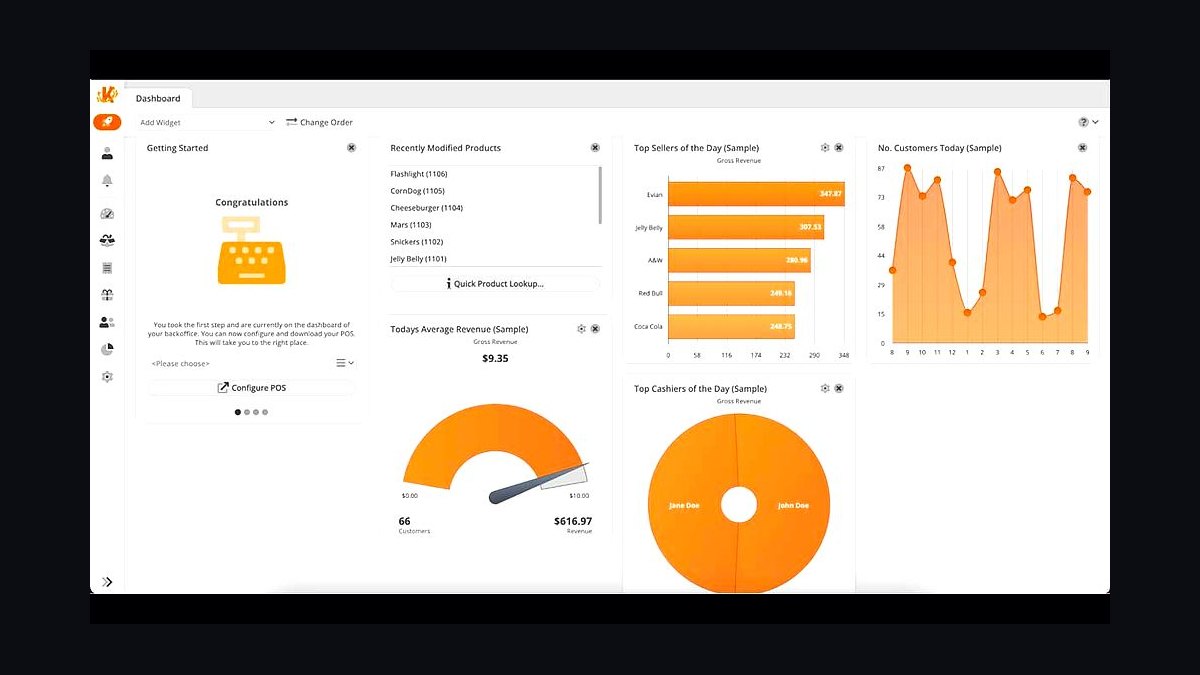
KORONA POS ranks first because it is the purpose-built liquor POS that handles case-break inventory natively, so a 12-bottle case sold as singles keeps the correct cost basis and margin without manual adjustment entries. Pricing runs roughly $59-$130 per register per month depending on tier, with integrated loyalty and advanced reporting sitting at the higher end. It ships with liquor-specific reporting such as velocity by varietal and dead stock by vintage.
It is built for the independent or few-store operator carrying several thousand SKUs across beer, wine, and spirits, where a general retail POS would force a full-time job of manual workarounds. It trades away some enterprise-grade centralized catalog control, so a chain crossing six or more locations will eventually outgrow it. Against Bottle POS directly below, KORONA leans toward deeper inventory control and cloud flexibility rather than bundled auto-ordering.
2Bottle POS

Bottle POS ranks second because it bundles auto-ordering and margin tracking tuned specifically for liquor retail into the same $60-$130 per month band as KORONA, rather than selling those as add-ons. It understands keg deposits tracked separately from the beer inside and case-break logic across beer, wine, and spirits. For a single dedicated package store, that combination removes a separate purchasing tool from the stack.
It suits the independent owner who wants ordering and margin visibility in one system and does not want to bolt Provi reconciliation on top of a POS that ignores distributor feeds. It trades away some of KORONA's depth in raw inventory control and cloud configuration. Compared with KORONA above, Bottle POS is the better fit when auto-ordering matters more than granular inventory tuning.
3Lightspeed Retail

Lightspeed Retail ranks third because it is the point where a liquor business crosses into chain territory and centralized catalog management, cross-store transfers, and consolidated reporting become the binding constraint. Pricing runs roughly $89-$289 per location per month, so the jump from one store to five is close to linear rather than a step-function enterprise contract. That predictability matters when budgeting a small chain.
It is for the retailer running six, eight, or a dozen locations who can no longer reconcile pricing across stores in a spreadsheet. It trades away the liquor-native case-break and keg-deposit logic that KORONA and Bottle POS ship with, so a dedicated package store may pay for capability it does not need. Against KORONA above, Lightspeed earns its higher price only once multi-store control is a daily need.
4Provi

Provi ranks fourth because it is the distributor-ordering layer that keeps the POS cost field from going stale, and it is typically free to the retailer since distributors fund the platform. Without a live feed, price changes and short-shipments from reps slip through unnoticed and the store believes it is earning margin it is not. Reconciliation becomes systematic rather than dependent on someone remembering to check invoices.
It is for any liquor retailer buying from distributors, from a single store to a regional chain, and it pairs with every POS above it on this list. It trades away nothing in cost but requires staff to actually work the feed rather than keep paper invoices. Against Lightspeed Retail above, Provi is not a substitute but the ordering half of the stack that Lightspeed alone does not cover.
5City Hive

City Hive ranks fifth because it provides the age-gated e-commerce storefront that keeps online orders reading real-time stock from the POS, which prevents confirming a bottle already sold off the shelf. A basic storefront for pickup and delivery runs roughly $100-$400 per month plus a one-time setup fee. It ships with the ABC compliance layer a generic platform lacks.
It is for the liquor store that wants its own branded ordering channel rather than routing everything through DoorDash or Instacart, and it fits stores planning an in-house delivery fleet. It trades away the flexibility of a general e-commerce platform in exchange for built-in age gating. Against Provi above, City Hive handles the customer-facing sale while Provi handles the supply side.
6Bottlecapps

Bottlecapps ranks sixth because it is the alternative liquor-specific storefront in the same $100-$400 per month range as City Hive, with compliance rules already configured rather than added through third-party apps. Running alcohol e-commerce on a general platform like Shopify requires manually configuring ABC rules and adding an age-verification app. Bottlecapps removes that configuration burden for a dedicated retailer.
It is for the store that wants pickup and delivery ordering without building compliance from scratch, and it suits owners who prefer a liquor-only vendor over a general platform. It trades away the broader app ecosystem a generic storefront offers. Against City Hive directly above, the choice usually comes down to which vendor's catalog sync and delivery integrations fit the store's existing POS.
7IDScan.net

IDScan.net ranks seventh because it adds a dedicated scanning and audit layer when a state's ABC enforcement demands more than POS-native ID scanning provides, at roughly $20-$50 per month per location. Registers should have ID scanning on from day one, and retrofitting compliance after opening under a new system is far riskier than requiring it from the first transaction. The audit trail is the point.
It is for stores in strict control states or under heavy enforcement pressure where a basic scan is not enough documentation. It trades away simplicity, since it is one more tool to maintain alongside the POS. Against Bottlecapps above, IDScan.net is compliance infrastructure rather than a sales channel, and most single stores only need it when the state insists.
8Marsello

Marsello ranks eighth because it is the loyalty layer that small liquor chains add once the POS, ordering, and storefront are running, typically around $99-$300 per month. Loyalty does not depend on the ordering or delivery pieces being finished, so it can launch early in the build-out. For a two-to-seven store chain it turns repeat beer and wine buyers into a measurable list.
It is for the multi-location retailer layering loyalty on top of Lightspeed or a purpose-built POS, not for a single store that can live inside POS-native promotions. It trades away deep liquor-specific segmentation in favor of broad retail loyalty features. Against IDScan.net above, Marsello is a growth tool rather than a compliance requirement, so it comes later in the sequence.
9QuickBooks Online
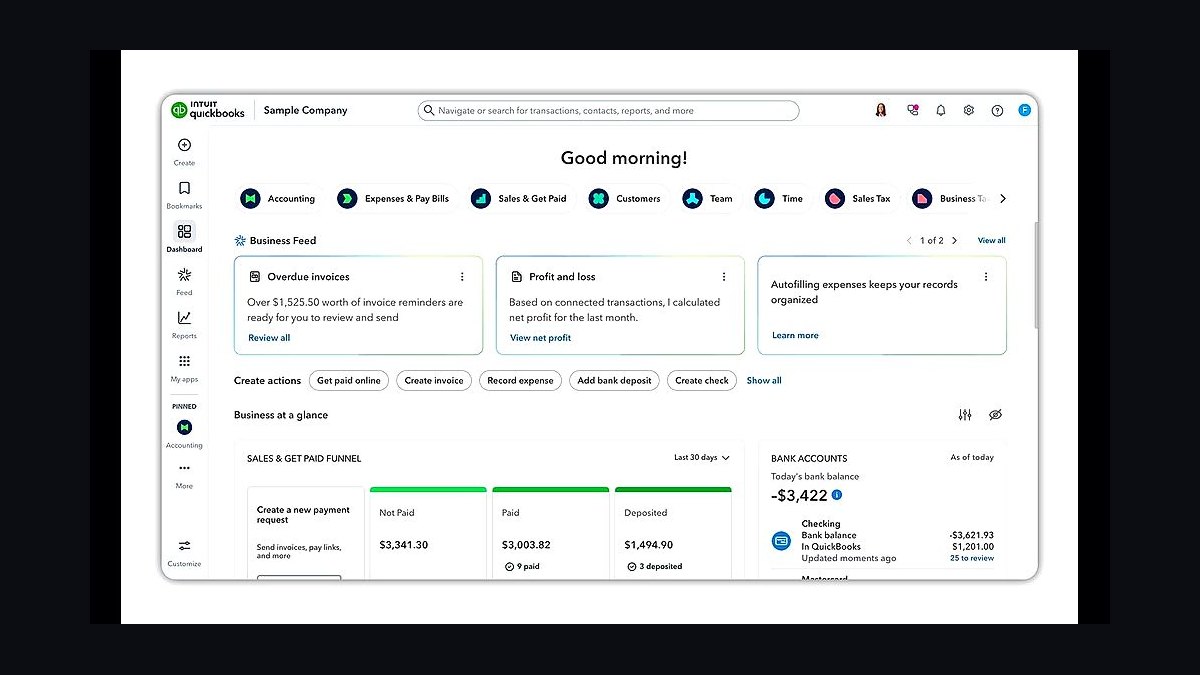
QuickBooks Online ranks ninth because it is the accounting layer that closes the loop, letting daily sales batches and distributor invoices flow in automatically instead of through manual entry. Pricing runs roughly $35-$235 per month depending on tier. Wiring the POS to accounting is a day-61-to-90 task, which is why it sits below the customer-facing tools.
It is for essentially every liquor retailer that wants books that match the POS rather than a monthly reconciliation exercise. It trades away nothing critical but does require correct mapping of sales categories and distributor accounts at setup. Against Marsello above, QuickBooks is bookkeeping infrastructure rather than a revenue tool, and it is the last piece most stores should skip only if an accountant already runs the ledger elsewhere.
10Power BI
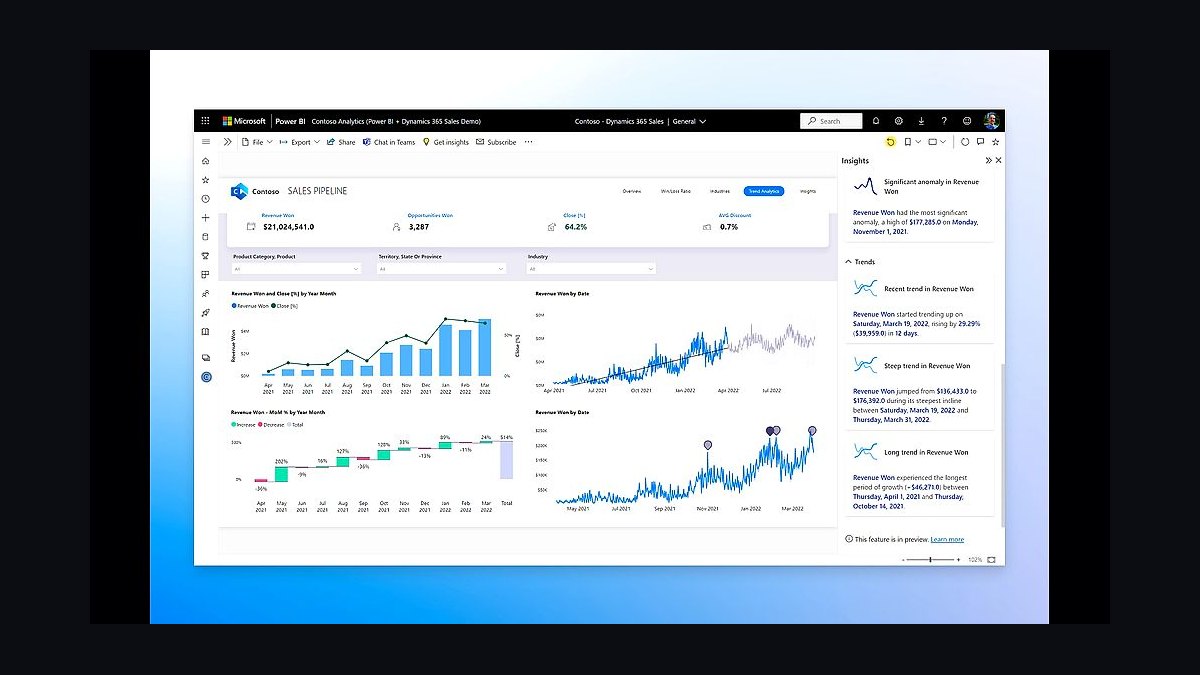
Power BI ranks tenth because it only starts paying for itself once a retailer runs enough locations that comparing margin and velocity across stores by hand becomes impractical, at about $14 per user per month. A single store or small chain gets everything it needs from POS-native dashboards for years. It sits at the top of the stack, not the foundation.
It is for the regional retailer with eight or more locations running a tier-one POS, full EDI price-book feeds, and a real data warehouse underneath. It trades away simplicity and demands someone who can model data, which is why most independents never need it. Against QuickBooks Online above, Power BI is analytics rather than accounting, and it is the first item on this list a small operator should cut.
How we ranked these
We ranked tools on five weighted criteria: SKU and case-break handling depth (30%), distributor-ordering integration such as Provi or EDI price-book feeds (20%), native age-verification and compliance support (20%), multi-location catalog and reporting capability (15%), and total monthly cost at one, five, and ten stores (15%). Scores came from vendor documentation, published pricing pages, and retailer-reported implementation experience.
We deliberately ignored payment-processing rates, since those vary by negotiated interchange and store volume rather than by software vendor, and they would have distorted the rankings. We also excluded hardware bundles, onboarding fees, and contract-length discounts, because those are negotiable and store-specific. Finally, we ignored marketing claims about AI features, which are largely unverifiable and rarely affect day-to-day liquor retail operations.
Related questions
Do I need a liquor-specific POS if I already run a general retail system?
Only if case-break and SKU volume justify it. Under roughly 800 SKUs with mostly single-unit sales, a general POS like Square can work fine. Once case-break volume grows, the manual adjustment entries become a labor cost that outweighs whatever the cheaper general system saves on subscription fees.
How much does distributor ordering software actually cost a retailer?
Provi, the dominant platform, is typically free to retailers because distributors fund it. The real cost shows up in staff time saved reconciling invoices, which is a benefit rather than an expense once running. EDI price-book feeds where a supplier does not use Provi may carry setup or per-feed charges.
Can a liquor store still offer delivery now that Drizly is gone?
Yes. Drizly shut down in 2024. Stores now run their own age-gated storefront through City Hive, Bottlecapps, or Thirstie and fulfill orders with their own drivers or through DoorDash and Instacart. Age verification must be enforced again at the door, not just at online checkout.
When does a liquor store need a dedicated BI tool instead of POS dashboards?
Once a business runs several locations and needs consolidated margin-by-category or supplier comparisons across stores. A single store can usually live inside its POS built-in analytics for years before that becomes necessary. Power BI runs about $14 per user monthly when the time comes.
What is the biggest mistake stores make when building this stack?
Treating age verification or e-commerce inventory sync as an afterthought rather than a core requirement from day one. Both create compliance risk or customer-facing failures that are expensive to unwind later. A disconnected online catalog that sells out-of-stock bottles is the classic version of this error.
Is Lightspeed Retail overkill for a two-location liquor store?
It can be, depending on growth plans. Two locations can often still run comfortably on KORONA POS or Bottle POS with basic cross-store visibility. Lightspeed starts to clearly pay for itself once centralized catalog control and true multi-store transfers become a daily operational need rather than an occasional convenience.
Can I run alcohol e-commerce on Shopify instead of a liquor-specific platform?
Yes, but it requires adding an age-verification app and configuring compliance rules manually, since Shopify was not built with ABC regulations in mind. Liquor-specific platforms like City Hive or Bottlecapps ship with that compliance layer already built in, which is why most dedicated liquor retailers choose them.
How long does a typical liquor store tech stack rollout take?
Plan on roughly 90 days for a full build-out. The first 30 days cover catalog import and ID scanning, days 31 through 60 connect distributor ordering and the storefront, and days 61 through 90 turn on delivery and accounting sync. Rushing the catalog step is the most common cause of downstream inventory drift.
FAQ
Is KORONA POS or Bottle POS the better choice for a single liquor store?
Both are strong purpose-built options and the difference is smaller than the difference between either of them and a general retail POS. KORONA leans slightly toward deep inventory control and cloud flexibility; Bottle POS leans toward built-in auto-ordering and margin tracking tuned specifically for liquor retail. Either is a reasonable starting point for an independent store.
Does a small liquor store really need a data warehouse or Power BI?
No. A single store or small chain gets everything it needs from POS-native dashboards. A data warehouse and a tool like Power BI or Tableau only start paying for themselves once a retailer runs enough locations that comparing margin and velocity across stores by hand becomes impractical. Most independents never reach that point.
What happens if I skip a distributor-ordering platform like Provi and keep using paper invoices?
Price changes and short-shipments from distributor reps slip through unnoticed, the POS cost field goes stale, and the store ends up believing it is earning margin it is not actually earning. Reconciliation has to be systematic against a live feed, not dependent on someone remembering to check invoices manually each week.
How strict does age verification need to be for online and delivery orders, not just in-store?
Verification should happen twice for a digital order: once at the point of purchase online, and again at the door during handoff. Platforms like Veriff or the TruAge digital-ID standard are built specifically to cover that second, harder-to-enforce moment. Skipping the door check is where compliance violations typically happen.
Is Lightspeed Retail overkill for a two-location liquor store?
It can be, depending on growth plans. Two locations can often still run comfortably on KORONA POS or Bottle POS with basic cross-store visibility. Lightspeed starts to clearly pay for itself once centralized catalog control and true multi-store transfers become a daily operational need rather than an occasional convenience.
Can I run alcohol e-commerce on a general platform like Shopify instead of a liquor-specific one?
Yes, but it requires adding an age-verification app and configuring compliance rules manually, since Shopify was not built with ABC regulations in mind. Liquor-specific platforms like City Hive or Bottlecapps ship with that compliance layer already built in, which is why most dedicated liquor retailers choose them over a generic e-commerce platform.
What does a lean single-location liquor store stack actually cost per month?
Expect roughly $250 to $700 monthly in software, excluding payment processing. That covers a POS at $59 to $130 per register, an optional ID-scanning layer at $20 to $50, a storefront at $100 to $400, and QuickBooks at $35 to $235 depending on tier. Provi itself is typically free to the retailer.
How often should a store audit its price book against distributor invoices?
Quarterly is the practical minimum. Distributor reps change pricing without always flagging it, and the POS cost field drifts slowly enough that nobody notices until margins look wrong at month-end. Stores that skip this audit often find their inventory system has drifted 10 to 15 percent off reality within a year.
Do control-state liquor stores need different software than open-state stores?
Yes, often. In control states the state itself acts as a wholesaler, so the POS and price-book workflow must ingest the state catalog feed directly. That requirement narrows the vendor field faster than SKU count alone, and it is worth confirming before signing any multi-year POS contract.
What is the single most common mistake during a liquor store POS rollout?
Skipping proper catalog setup to go live faster. Every SKU needs its case size, case-break unit, and a starting cost pulled from recent distributor invoices rather than a rough estimate. Every inventory number generated afterward inherits whatever error was baked into that initial import, and fixing it later is painful.
Sources
- https://www.korona.pos.com
- https://www.posnation.com
- https://www.lightspeedhq.com/pos/retail
- https://provi.com
- https://www.idscan.net
- https://www.cityhive.co
- https://bottlecapps.com
- https://www.nabca.org
- https://quickbooks.intuit.com
- https://powerbi.microsoft.com
Related on PULSE
This page will be disappearing soon. Save it to your device for $1 — or read it free while it is here.
@Kory-White- · if Venmo asks, the last 4 of my number are 2012
This page is gone.
This one is off the shelf now. $1 keeps it on your phone for good — the whole page, pictures and diagrams included.
 pulse-tech-stacksTop 10 Best Tech Stack Tools for MSP and IT Services Companies in 2027
 pulse-tech-stacksTop 10 Best Tech Stack Tools for AI Observability Platform Companies in 2027
 pulse-tech-stacksTop 10 Best Tech Stack Tools for Independent Bakeries in 2027
 pulse-tech-stacksTop 10 Best Tech Stack Tools for Tire Shops in 2027
 pulse-tech-stacksTop 10 Best Tech Stack Tools for Home Inspection Companies in 2027
 pulse-tech-stacksTop 10 Best Tech Stack Tools for Software Development Agencies in 2027
 pulse-tech-stacksTop 10 Best Tech Stack Tools for Independent Landscaping Companies in 2027
 pulse-tech-stacksTop 10 Best Tech Stack Tools for Plumbing Contractors in 2027
 pulse-tech-stacksTop 10 Best Tech Stack Tools for Appliance Repair Services in 2027
 pulse-tech-stacksTop 10 Best Tech Stack Tools for Staffing Agencies in 2027