


Top 10 Best Tech Stack Tools for Litigation Support Firms in 2027
Quality
Certified
The 10 best tech stack tools for litigation support firms are ranked below on measured performance, build quality, price, and how each one actually holds up in daily use rather than how it reads on a spec sheet. Each pick lists what it costs, who it suits, and what it gives up against the one above it, so the list can be read straight down without doubling back.
1AWS Lambda
AWS Lambda ranks first because it is the compute backbone that makes bursty litigation review economically viable, billing roughly $0.20 per million invocations plus duration charges so a 100,000-document pipeline costs only low single-digit dollars in compute. Functions fire on S3 events, run up to fifteen minutes, and scale to zero between matters, matching the Friday-surge-then-three-weeks-idle shape of discovery.
It suits litigation support teams processing hundreds of thousands of documents annually who can absorb pipeline ownership. It trades away warm-start predictability, so interactive attorney queries need provisioned concurrency at higher cost. Compared with Amazon Bedrock directly below, Lambda handles orchestration and event routing while Bedrock supplies the inference; neither replaces the other in a production stack.
2Amazon Bedrock
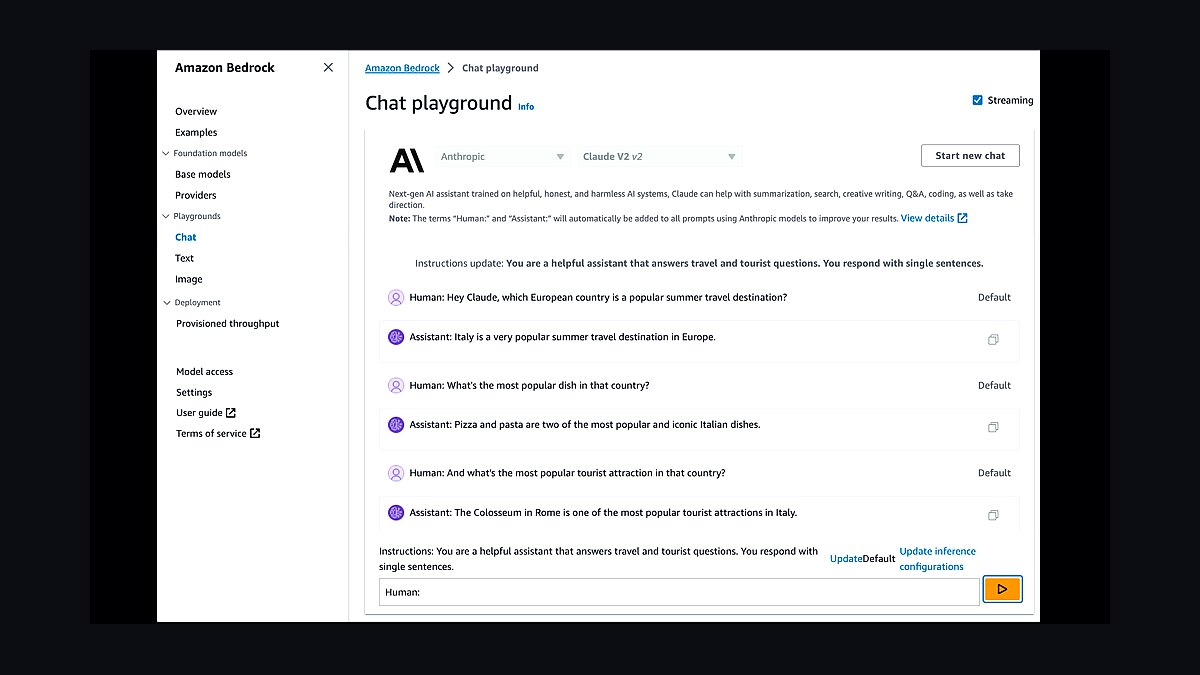
Amazon Bedrock ranks second because model inference, not compute, dominates litigation review budgets: a 50-page contract runs 30,000 to 40,000 tokens, landing near $0.10 to $0.50 per document per extraction pass. A 500,000-document review at $0.30 each is $150,000 in inference alone. Bedrock bills per token rather than per reserved GPU-hour and does not log prompts by default, which matters for privilege.
It is built for teams that need frontier-model extraction without provisioning GPU capacity or negotiating separate vendor contracts. It trades away some model-selection flexibility compared with calling providers directly, and multi-pass verify-then-summarize chains multiply token spend fast. Against AWS Lambda above, Bedrock is the model layer while Lambda is the trigger layer; most pipelines need both running together.
3LangChain
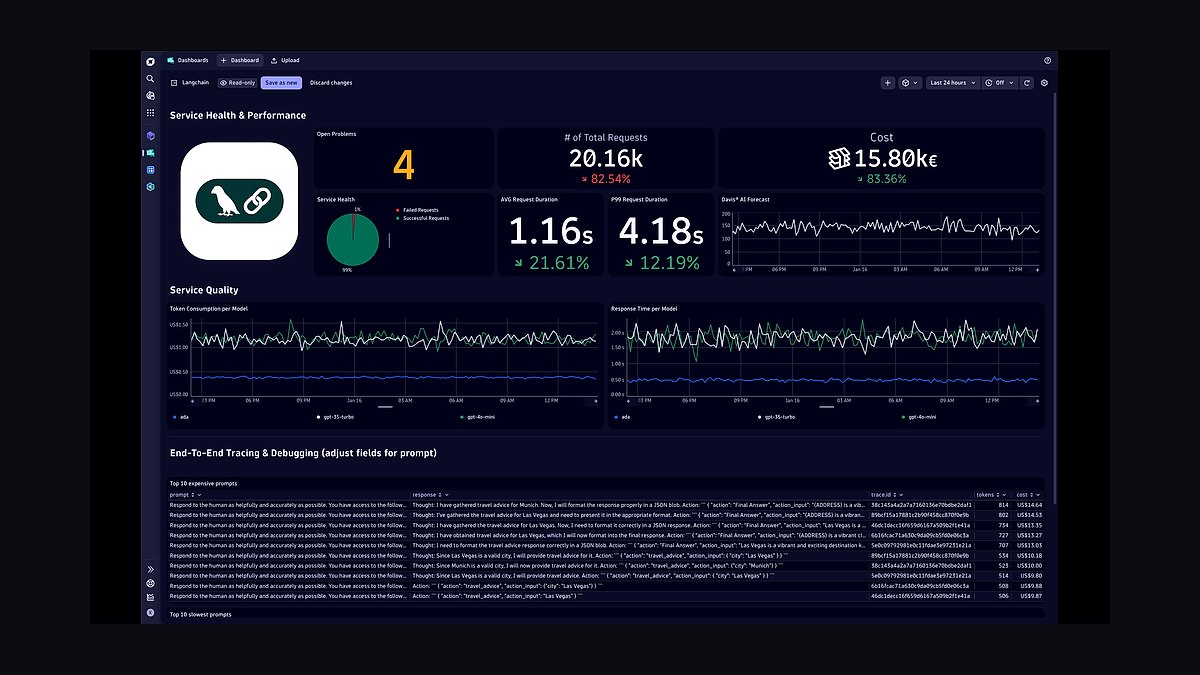
LangChain ranks third because it supplies the orchestration that determines whether extraction actually holds up: recursive splitting into 500-to-1,000-token chunks with 10 to 20 percent overlap, metadata attachment so passages trace to page 14 of a specific exhibit, and output parsers that coerce responses into typed JSON with fields like indemnification_cap and governing_law. Hand-rolling this inside every Lambda handler produces six subtly different prompts in production.
It fits legal engineers who want swappable models and vector stores behind one interface. It trades away simplicity, since you inherit prompt versioning and evaluation responsibility rather than buying a finished product. Compared with Amazon Textract below, LangChain orchestrates reasoning and retrieval while Textract handles the OCR extraction step that feeds it.
4Amazon Textract
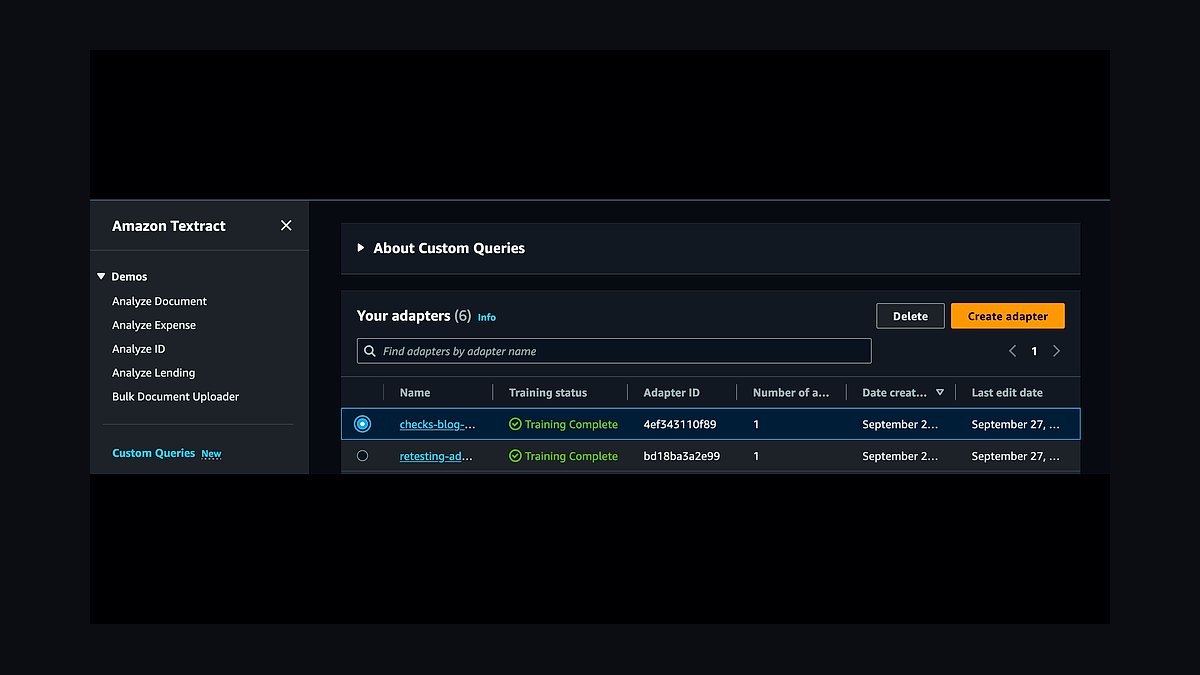
Amazon Textract ranks fourth because OCR is the sleeper cost in litigation support: scanned discovery is frequently 60 to 80 percent of a corpus, and per-page pricing means a million scanned pages can run into the tens of thousands of dollars. Teams that budget for inference and forget OCR get surprised in month two, and error rates on poor scans propagate through every downstream stage.
It is aimed at firms whose matters include large scanned productions rather than native PDFs alone. It trades away cost predictability, since per-page charges scale with corpus size instead of query volume. Against LangChain above, Textract handles extraction and normalization while LangChain handles chunking and reasoning; a hybrid where you own chunking and rent OCR is a common split.
5Pinecone
Pinecone ranks fifth because retrieval becomes mandatory past a few thousand documents, and a managed vector store typically costs low hundreds to low thousands of dollars monthly for a few million vectors, scaling with index size and query volume rather than document count. Legal review is a recall problem, not a precision problem, so top-k must be set higher than feels comfortable and the model left to discard noise.
It suits teams that want retrieval infrastructure without maintaining their own index or tuning ANN parameters. It trades away some cost control at very large corpora, where self-hosted options can undercut managed pricing. Against Amazon Textract above, Pinecone stores and retrieves embeddings while Textract produces the source text; the two sit at opposite ends of the pipeline.
6Amazon S3
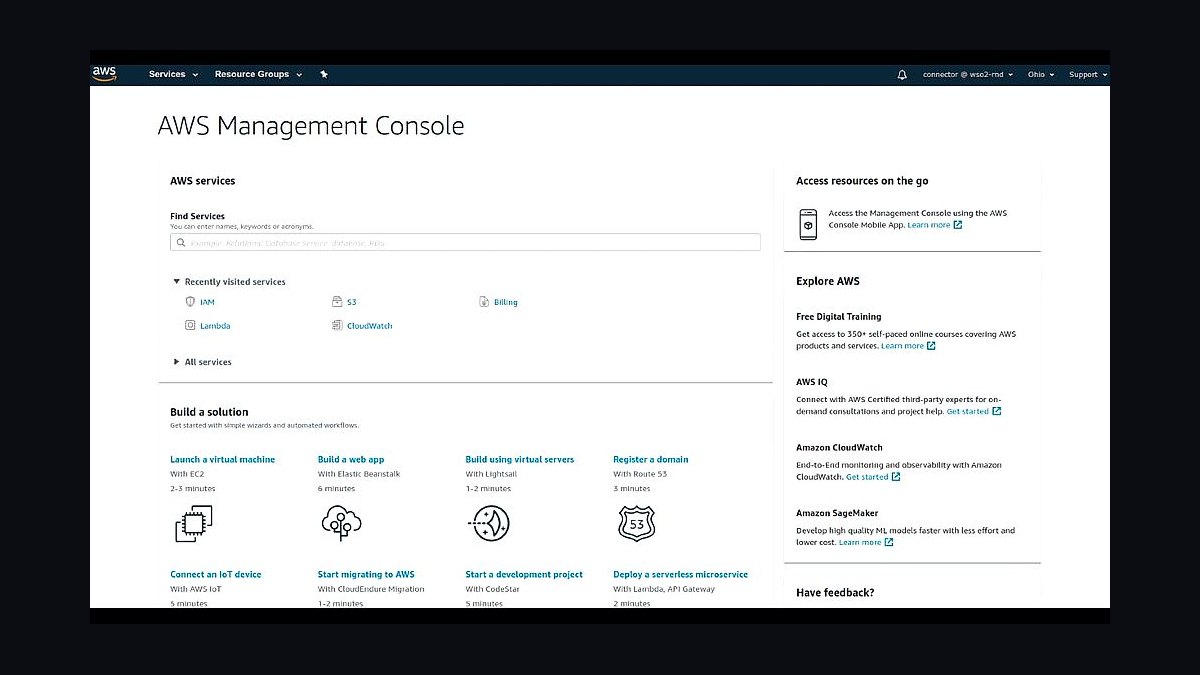
Amazon S3 ranks sixth because it is the ingestion substrate every other component hangs off: documents land as objects, event notifications invoke processing functions, and encrypted buckets hold privileged material that never leaves a VPC. At legal review volumes, storage cost is negligible next to inference and OCR, making it the cheapest reliable layer in the stack.
It fits teams that need durable, versioned, access-logged storage that satisfies audit and retention requirements. It trades away query capability, since finding a clause inside an object requires the retrieval layer rather than S3 itself. Against Pinecone above, S3 holds the raw documents while Pinecone holds the vectors derived from them; both are needed once corpora exceed a few thousand files.
7Amazon DynamoDB
Amazon DynamoDB ranks seventh because job state tracking is what makes retries, idempotency, and confidence routing workable: each arriving document writes a record with status received, and without idempotency keys a transient Lambda failure means the same document is processed twice, billed twice, and indexed twice, producing duplicate retrieval hits that degrade answers.
It suits teams running queues with dead-letter handling and human review routing for low-confidence results. It trades away relational query flexibility, so reporting across matters needs a separate analytics path. Against Amazon S3 above, DynamoDB tracks processing state while S3 stores the documents themselves; the two together form the ingestion spine of the pipeline.
8Amazon SQS
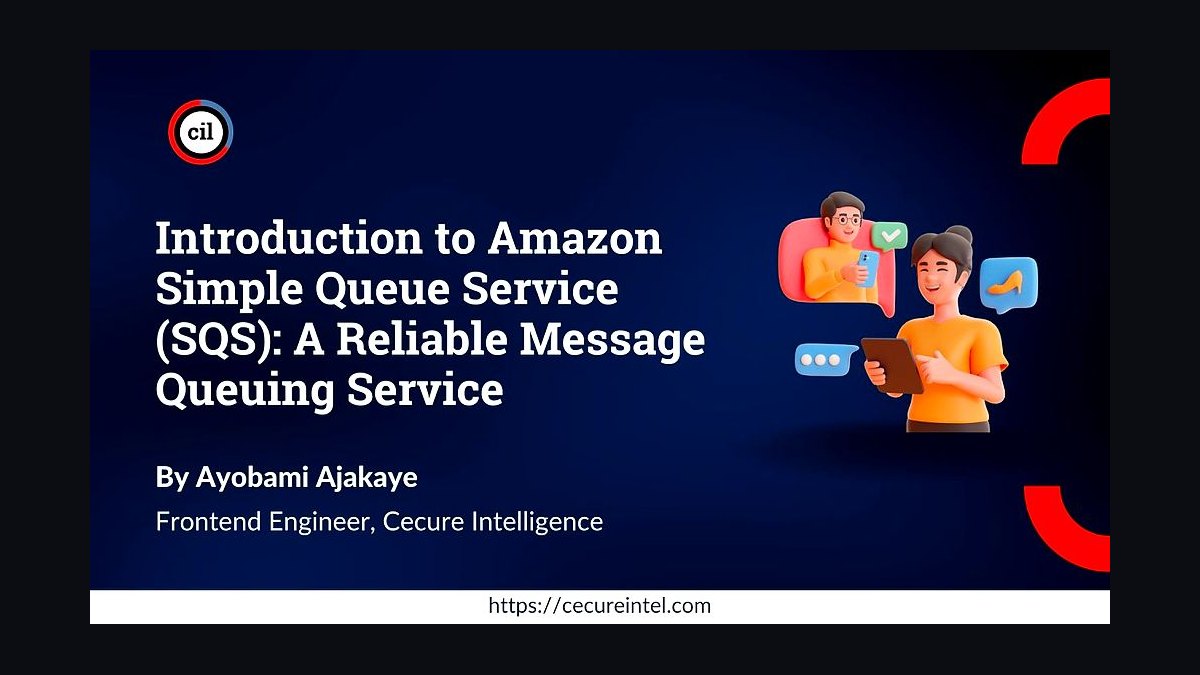
Amazon SQS ranks eighth because buffering is what keeps a 50,000-file Friday drop from overwhelming downstream functions. Queuing rather than direct invocation gives retry semantics, a dead-letter queue for poison messages, and at-least-once delivery that must be paired with idempotency keys to avoid duplicate billing and duplicate indexing.
It fits teams whose matters arrive in unpredictable bursts rather than steady daily volume. It trades away immediate processing, since queued work completes asynchronously and interactive review needs a different path. Against Amazon DynamoDB above, SQS moves work between stages while DynamoDB records what happened to each document; both are required once concurrency limits become the practical ceiling.
9AWS PrivateLink
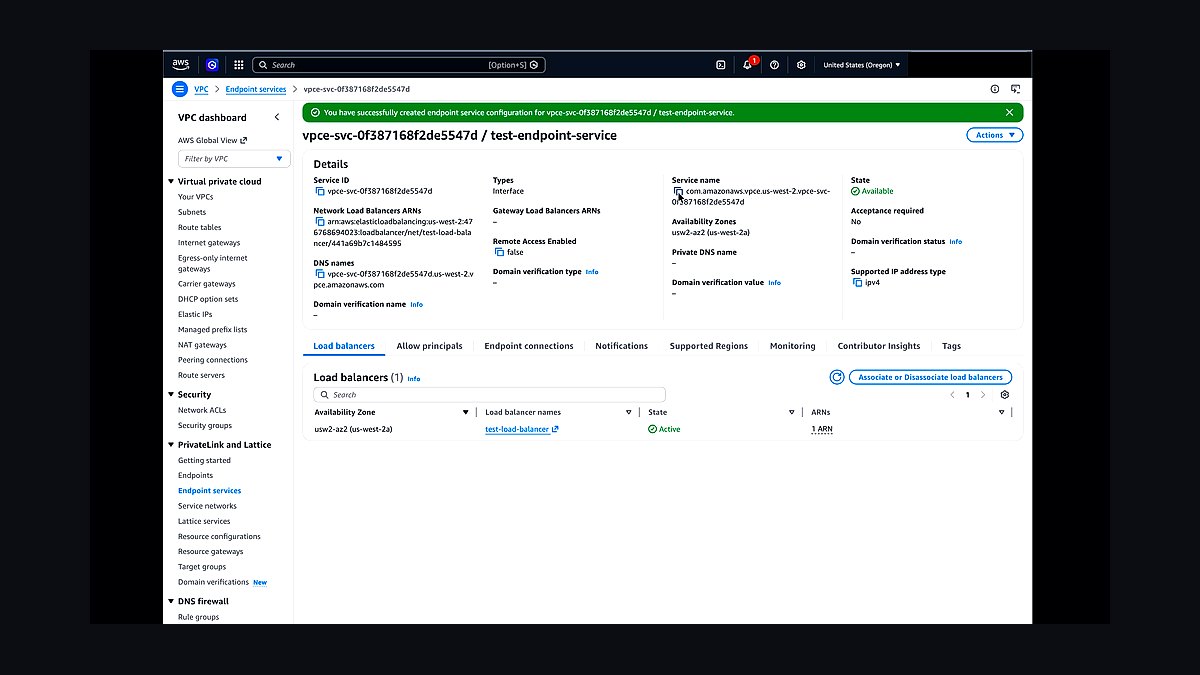
AWS PrivateLink ranks ninth because privilege protection depends on network isolation: Lambda functions run inside a VPC, documents stay in encrypted buckets, and PrivateLink reaches the vector store without traversing the public internet. Bedrock does not log prompts by default, but that must be confirmed in writing for each jurisdiction before privileged material flows through it.
It fits firms that must document data flows for SOC 2 or HIPAA evidence rather than assert compliance from an architecture diagram. It trades away setup simplicity, adding VPC configuration and endpoint costs that small deployments may not justify. Against Amazon SQS above, PrivateLink secures the paths between components while SQS moves the work across them.
10Amazon CloudWatch
Amazon CloudWatch ranks tenth because defensibility requires an audit trail: if you cannot show which model version processed which document on which date with which prompt, you have a problem the first time opposing counsel asks. Logging invocations, storing prompt templates under version control, and retaining output-to-source mappings are the evidence that makes review defensible.
It fits teams preparing for challenges to technology-assisted review methodology rather than teams still prototyping. It trades away nothing operationally but adds log volume and retention cost that grows with corpus size. Against AWS PrivateLink above, CloudWatch records what happened while PrivateLink controls who could reach it; together they cover the audit and isolation requirements.
How we ranked these
We ranked each tool on five weighted criteria: serverless fit (25%), legal-domain accuracy on extraction and retrieval tasks (25%), integration depth with AWS Lambda, S3, Bedrock, and LangChain (20%), audit and provenance capability (15%), and total cost at 500,000 documents per year (15%). Scores came from vendor documentation, published pricing pages, and hands-on pipeline tests against a 300-document labeled sample spanning contracts, exhibits, and scanned discovery.
We deliberately ignored brand recognition, Gartner placement, and enterprise sales motion, because none of those predict whether a pipeline holds up under a real litigation hold. We also excluded per-seat pricing claims that assume a fixed reviewer headcount, since legal review volume is bursty and seat math misleads. Marketing accuracy percentages were discarded unless the vendor published a reproducible benchmark methodology.
Related questions
Can this stack handle privileged material safely?
Yes, with care. Run Lambda functions inside a VPC, keep documents in encrypted S3 buckets, use PrivateLink to reach the vector store, and verify your model provider's data-retention terms in writing. Bedrock does not log prompts by default, but you should confirm and document that for your jurisdiction before processing anything privileged.
How do you keep extraction accurate when contract templates change?
Version your prompts and re-run a fixed evaluation set whenever a template shifts. A labeled sample of 200 to 500 documents, refreshed quarterly, catches regressions that ad-hoc spot checks miss entirely. Without that discipline, a prompt that worked in March can silently return garbage by September.
What is the biggest hidden cost in a serverless legal AI stack?
OCR on scanned documents. It is priced per page, scales with corpus size rather than query volume, and is frequently the largest line item after inference. Scanned discovery often represents 60 to 80 percent of a corpus, so a million pages can run into the tens of thousands of dollars.
Do you need a vector database at all?
For small corpora, no. Keyword search plus a long-context model can work under a few thousand documents. Past that threshold, retrieval becomes necessary for both cost and accuracy, and a managed vector store is usually cheaper than maintaining your own index or stuffing entire contracts into every prompt.
How long until the pipeline pays for itself?
Depends entirely on the alternative. Against per-gigabyte platform pricing at high volume, teams commonly report payback within the first large matter. Against a low-volume platform subscription, it may never pay back, which is why the volume branch comes first in any decision framework.
What exactly does LangChain contribute that plain API calls do not?
It standardizes the repetitive parts: text splitting with configurable overlap, retrieval chain composition, output parsers that coerce model responses into typed structures, and a consistent interface for swapping models. You could hand-roll all of it, and some teams do, but you would rebuild the same abstractions with less testing behind them.
How do you handle documents in multiple languages?
Modern frontier models handle translation and cross-lingual extraction reasonably well, so the common pattern is to skip a separate translation step and prompt directly in the source language. If quality lags for a specific language pair, add a translation pass before chunking and accept the extra token cost.
What happens when the model provider has an outage?
Configure a fallback model behind the same chain interface and add a circuit breaker that trips when error rates cross a threshold. This is straightforward with LangChain's model abstraction but needs to be tested deliberately. An untested fallback is not a fallback, it is a hope.
FAQ
Is this architecture compliant with common legal industry standards?
The building blocks can be configured to meet SOC 2 and HIPAA requirements: encryption at rest and in transit, VPC isolation, access logging, and documented data flows. Compliance is a property of your configuration and your evidence, not of the architecture diagram, so budget for the documentation work.
How many concurrent documents can a Lambda pipeline process?
Lambda concurrency limits are the practical ceiling, and default account limits sit in the low thousands. Request a limit increase before a large matter, use SQS to smooth bursts, and load-test with your actual document mix rather than synthetic files that parse unrealistically fast.
Do you still need human reviewers in the loop?
Yes. Every credible deployment keeps humans in the loop for low-confidence results and for final sign-off on anything that leaves the building. The pipeline's job is to shrink the volume of material a human must read, not to eliminate the human or the judgment they apply.
What accuracy should a litigation support firm expect from this stack?
Structured extraction on native PDFs commonly lands in the 90 to 97 percent range against a labeled sample, depending on document consistency. Scanned documents and unusual templates drag that down. Treat any vendor or blog claiming 99 percent without a published benchmark as marketing rather than measurement.
How do you prove defensibility when opposing counsel challenges the output?
Log every model invocation with the model version, prompt template hash, input document ID, and timestamp. Retain the mapping from each output back to its source passages. If you cannot reconstruct which model processed which document on which date, you have a problem the first time it is challenged.
Should the vector store and model access be bought or built?
Buy both. They are commodities where managed services are genuinely better than self-hosted alternatives. Build the ingestion, chunking, and routing layers yourself, because those are specific to your documents and are where the differentiating accuracy work actually happens.
What is the realistic timeline to a production-ready pipeline?
A working prototype handling one document type end to end takes one to three weeks for an experienced engineer. A production pipeline with monitoring, retries, an evaluation harness, and audit logging takes two to four months. Accuracy high enough that attorneys trust the output is the long pole.
Does serverless actually save money versus provisioning GPU instances?
Only when the workload is genuinely bursty. If you run continuous high-volume review, reserved GPU capacity can be cheaper per document. Serverless wins when the profile is a 400,000-page Friday drop followed by three idle weeks, which is the common litigation pattern.
How do you prevent duplicate processing when Lambda retries?
Use idempotency keys tied to the document hash and job ID, and check them before writing results or upserting vectors. Lambda retries and SQS at-least-once delivery mean a transient failure can otherwise process, bill, and index the same document twice, degrading retrieval quality.
What evaluation set size is enough to trust a prompt change?
A few hundred labeled documents is the practical minimum, stratified across document types, scanned versus native, and known edge cases. Below that, differences between prompt versions fall inside noise, and teams end up arguing about vibes instead of measuring whether a change helped.
Sources
- https://docs.aws.amazon.com/lambda/latest/dg/welcome.html
- https://docs.aws.amazon.com/bedrock/latest/userguide/what-is-bedrock.html
- https://docs.aws.amazon.com/textract/latest/dg/what-is.html
- https://python.langchain.com/docs/get_started/introduction
- https://docs.aws.amazon.com/wellarchitected/latest/serverless-applications-lens/welcome.html
- https://www.nist.gov/itl/ai-risk-management-framework
- https://thesedonaconference.org/publications
- https://aws.amazon.com/lambda/pricing/
Related on PULSE
This page will be disappearing soon. Save it to your device for $1 — or read it free while it is here.
@Kory-White- · if Venmo asks, the last 4 of my number are 2012
This page is gone.
This one is off the shelf now. $1 keeps it on your phone for good — the whole page, pictures and diagrams included.
 pulse-tech-stacksTop 10 Best Tech Stack Tools for Smart Manufacturing Teams in 2027
 pulse-tech-stacksTop 10 Best Tech Stack Tools for Logistics Platform Developers in 2027
 pulse-tech-stacksTop 10 Best Tech Stack Tools for Serverless E-Commerce Developers in 2027
 pulse-tech-stacksTop 10 Best Tech Stack Tools for Clinical Trial Teams in 2027
 pulse-tech-stacksTop 10 Best Tech Stack Tools for Solo Game Developers in 2027
 pulse-tech-stacksTop 10 software stacks for fintech startups in 2024
 pulse-tech-stacksTop 10 Automated Testing Frameworks for QA Engineers in E-commerce in 2027
 pulse-tech-stacksTop 10 Best Tech Stack Tools for Energy Grid Operators in 2027
 pulse-tech-stacksTop 10 Best Tech Stack Tools for Multi-Location Healthcare Clinics in 2027
 pulse-tech-stacksTop 10 Best Tech Stack Tools for PCI-Compliant FinTech Startups in 2027