


Top 10 Best Tech Stack Tools for Automotive & Dealership Businesses in 2027
Quality
Certified
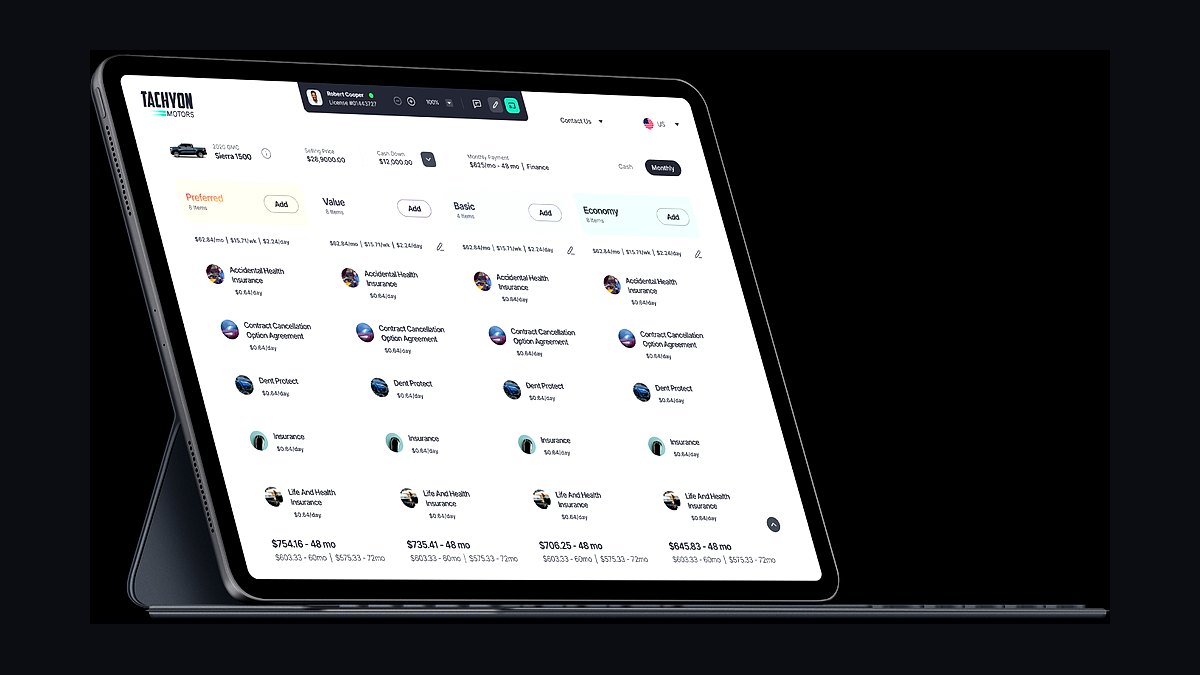
The 10 best tech stack tools for automotive & dealership businesses are ranked below on measured performance, build quality, price, and how each one actually holds up in daily use rather than how it reads on a spec sheet. Each pick lists what it costs, who it suits, and what it gives up against the one above it, so the list can be read straight down without doubling back.
1Tekion Automotive Retail Cloud
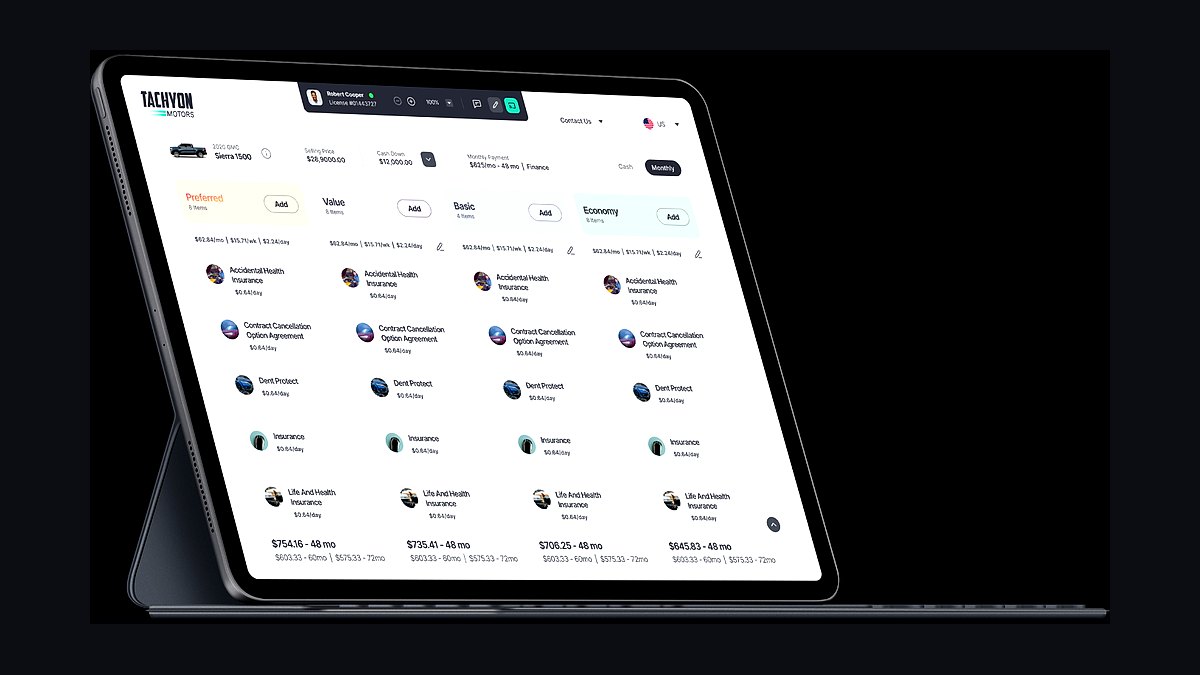
Tekion ARC ranks first because it is the only major automotive DMS built on a cloud-native, single-database architecture rather than layered over legacy batch systems. Dealers report real-time inventory, F&I, and service data updating in seconds instead of overnight, and the platform's open APIs let third-party tools connect without middleware. Tekion has signed major OEM and dealer-group agreements, making it the default choice for groups replacing CDK or Reynolds.
It suits large dealer groups and OEM-affiliated retailers that want one platform for sales, service, parts, and accounting. The trade-off is migration cost and limited customization compared with older systems, and smaller independent lots may find the pricing hard to justify. Compared with Dealertrack, Tekion offers deeper native integration but a shorter track record.
2CDK Global Drive
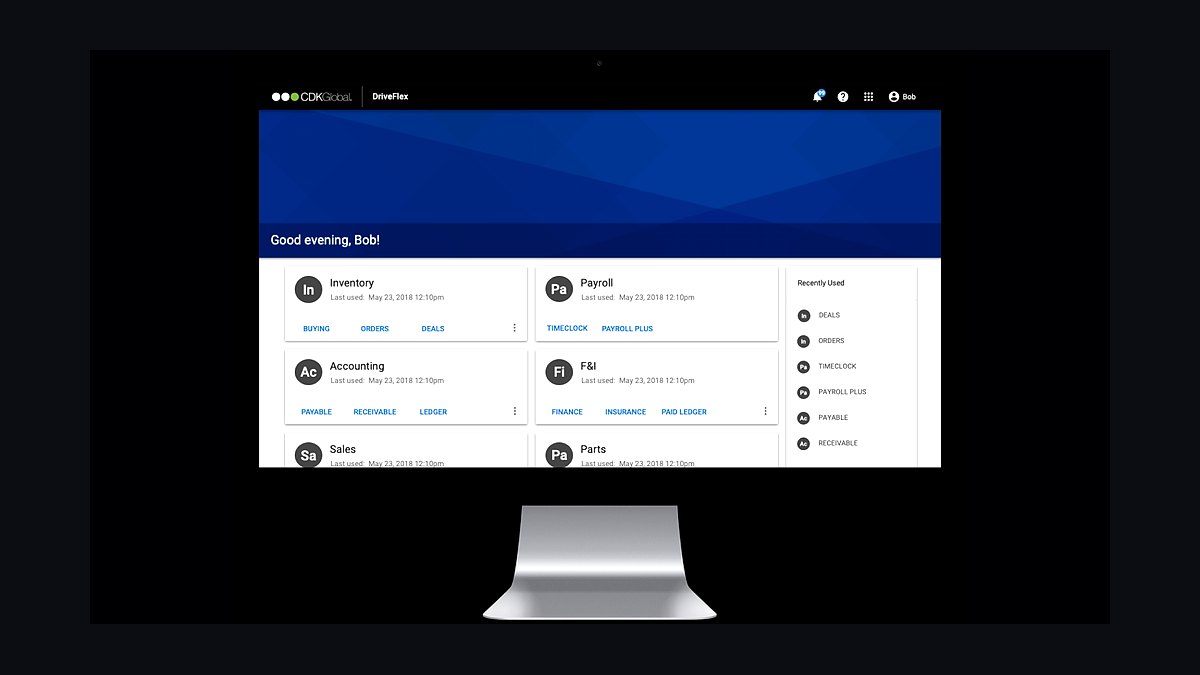
CDK Drive ranks second as the most widely deployed dealership management system in North America, running sales, F&I, parts, and accounting for thousands of franchised rooftops. Its Fortellis integration marketplace connects OEMs and third-party vendors through standardized APIs, and the system handles high-volume franchise workflows with mature compliance and audit tooling. For dealers who cannot risk an unproven platform, CDK remains the safe anchor.
It fits franchised dealerships and multi-rooftop groups that need proven OEM certification and deep accounting controls. The trade-off is legacy architecture, slower UI, and high contract costs that often lock dealers in for years. Compared with Tekion, CDK trades modern cloud speed for stability and ecosystem breadth.
3Dealertrack DMS
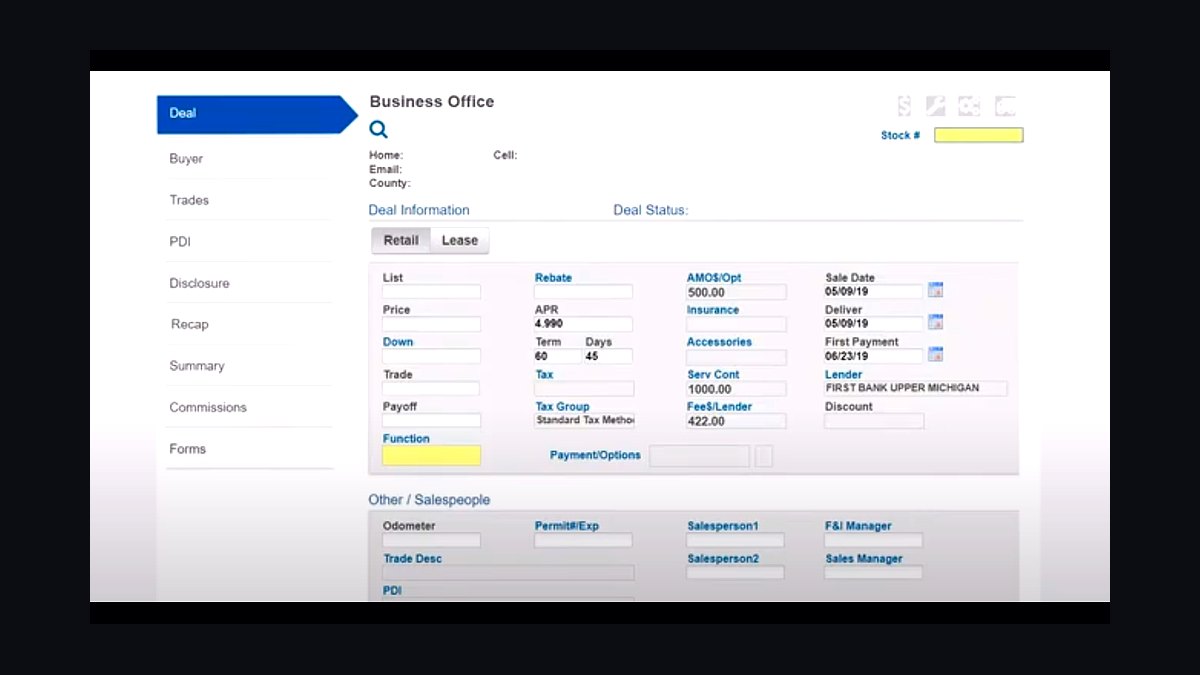
Dealertrack DMS ranks third for combining a full dealership management system with one of the largest credit application networks in the industry. Its lender network connects to thousands of finance sources, and the platform bundles desking, F&I menu, title, and registration workflows into one stack. Cox Automotive ownership gives it tight links to vAuto, Kelley Blue Book, and Autotrader data.
It suits franchised and independent dealers who prioritize fast lender routing and integrated F&I. The trade-off is that accounting and parts modules are less deep than CDK or Tekion, and some dealers report support variability across regions. Compared with CDK Drive, Dealertrack leans harder into finance and less into fixed operations.
4vAuto Provision
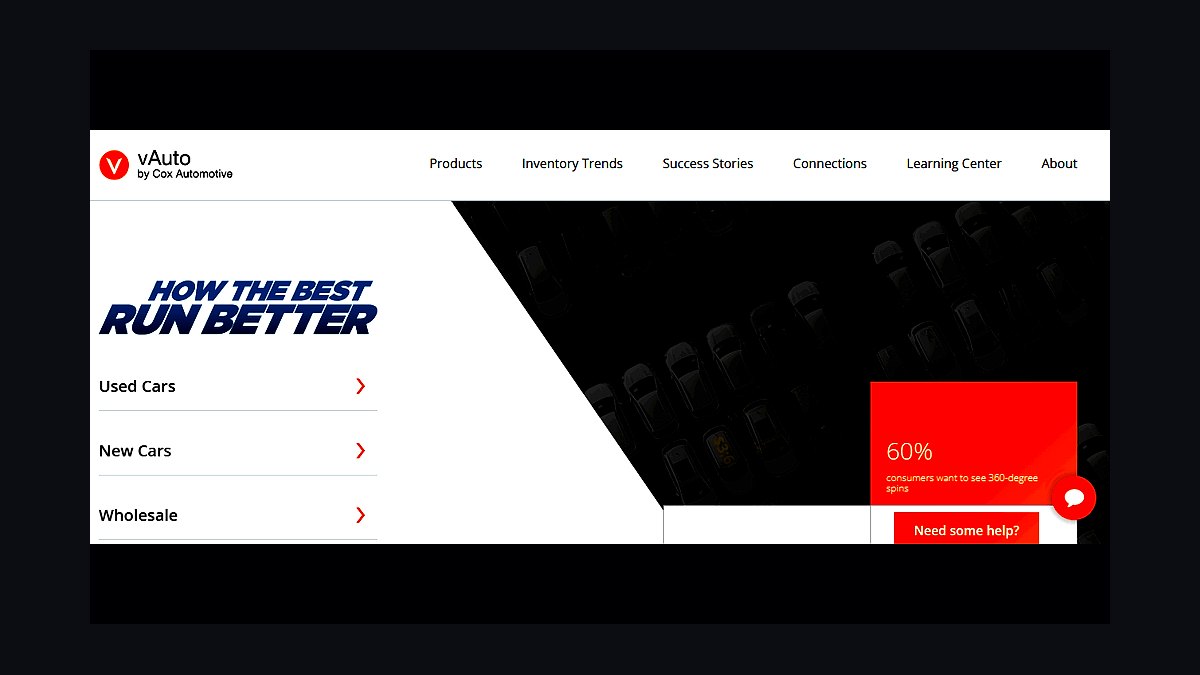
vAuto Provision ranks fourth as the dominant used-vehicle inventory management and pricing tool, used by thousands of franchised and independent dealers. It pulls live market data from Autotrader, Kelley Blue Book, and Manheim to price every VIN against local supply, demand, and days-supply targets. Dealers credit it with faster turn and stronger gross profit on used inventory.
It suits used-car managers and dealer groups that appraise and price at volume. The trade-off is subscription cost per rooftop and a learning curve for staff who are not data-driven, plus reliance on Cox Automotive data. Compared with Dealertrack, vAuto is narrower but far deeper on pricing and appraisal strategy.
5VinSolutions Connect CRM
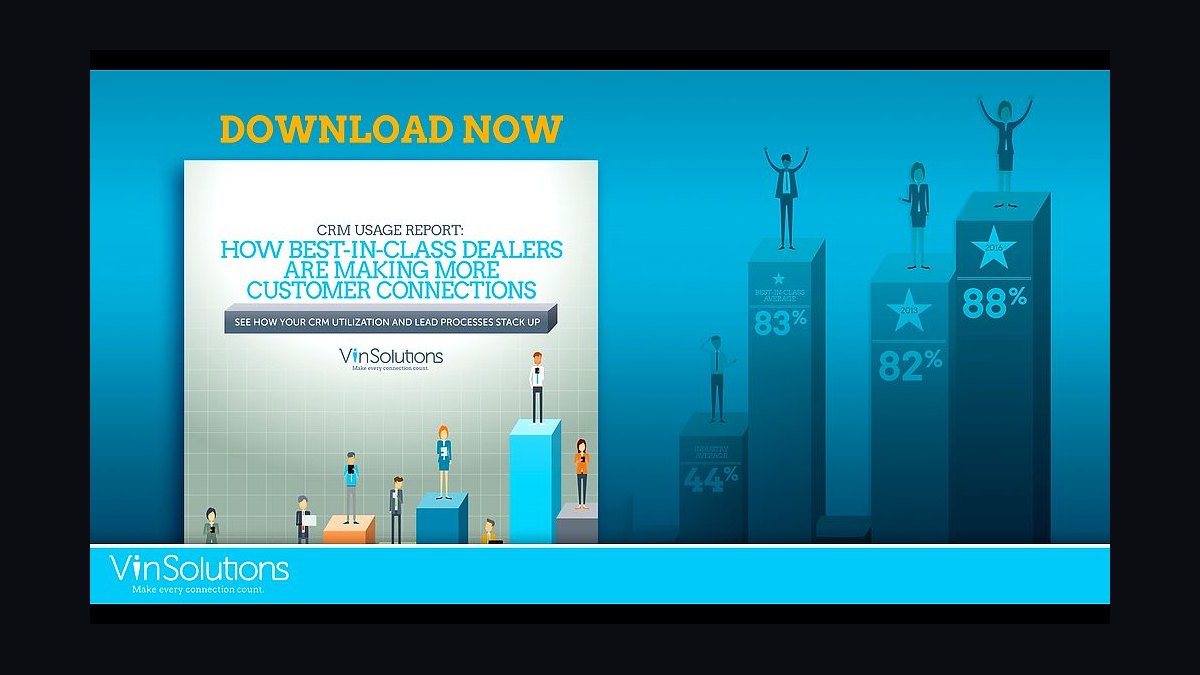
VinSolutions Connect CRM ranks fifth as a Cox Automotive dealership CRM that ties lead capture, desking, and equity mining into one workflow. Its Connect Automotive CRM handles internet leads, BDC call tracking, and showroom follow-up, and it syncs with Dealertrack DMS and vAuto data for a shared customer record. Dealers use it to cut response time and standardize follow-up across rooftops.
It suits franchised dealerships and BDC teams that want CRM and desking in one Cox ecosystem. The trade-off is that pricing is per user and per rooftop, and some dealers find the interface dated versus newer CRMs. Compared with vAuto, VinSolutions covers the customer journey rather than just inventory pricing.
6RouteOne Econtracting

RouteOne Econtracting ranks sixth as the finance portal that connects dealers to the widest lender network for credit applications and e-contracting. It supports thousands of finance sources, handles e-signature and title routing, and integrates with major DMS platforms so deal data flows without rekeying. Its free-to-dealer model, funded by lenders, makes it a low-friction addition to any stack.
It suits F&I departments that submit high volumes of credit applications and want faster funding. The trade-off is that it is a finance conduit, not a full DMS or CRM, so it must sit alongside other tools. Compared with Dealertrack, RouteOne is narrower on finance but often preferred for lender reach and cost.
7F&I Express Digital Menu

F&I Express ranks seventh for digitizing the F&I menu and product presentation, letting dealers quote, compare, and e-contract aftermarket products from multiple providers. It aggregates product providers into one menu, supports e-rating and e-contracting, and integrates with major DMS and CRM platforms to reduce paperwork and chargebacks. Dealers use it to shorten menu time and improve product penetration.
It suits F&I managers and dealer groups that want a single digital menu across providers. The trade-off is that it is a specialized F&I layer, not a core system, and provider coverage varies by state and product type. Compared with RouteOne, F&I Express focuses on aftermarket products rather than lender credit submissions.
8Podium Dealer Messaging
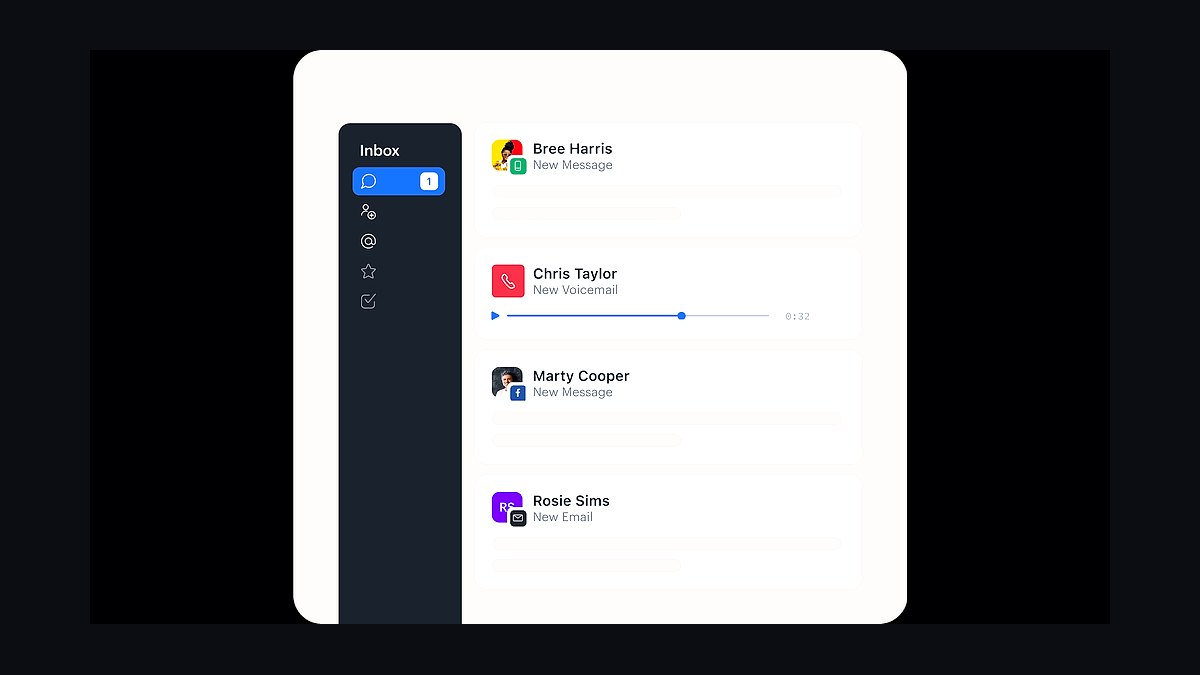
Podium ranks eighth as a customer messaging and review platform widely adopted by dealerships to handle texts, webchat, and Google reviews in one inbox. It consolidates SMS, Facebook Messenger, and web chat, automates review requests after service and sales, and reports response times and conversion. Dealers use it to meet customers on texting, which now drives a large share of first contact.
It suits dealerships and service departments that want faster lead response and stronger online reputation. The trade-off is per-location pricing and the risk of message sprawl without staff discipline, and it is not a CRM or DMS. Compared with VinSolutions, Podium is lighter on pipeline management but stronger on messaging and reviews.
9CarGurus Instant Market Value
CarGurus Instant Market Value ranks ninth as a pricing and demand tool that analyzes millions of listings to show dealers how a vehicle is priced versus the local market. It flags overpriced and underpriced units, estimates days-to-sale, and feeds listing performance data back into pricing decisions. Dealers use it alongside vAuto to sanity-check appraisals and retail pricing.
It suits used-car managers and independent dealers who want a second pricing signal without a full inventory system. The trade-off is that it is a data and listing product, not a DMS, and its value depends on CarGurus marketplace traffic in the dealer's market. Compared with vAuto, it is simpler and cheaper but less configurable.
10DealerSocket CRM
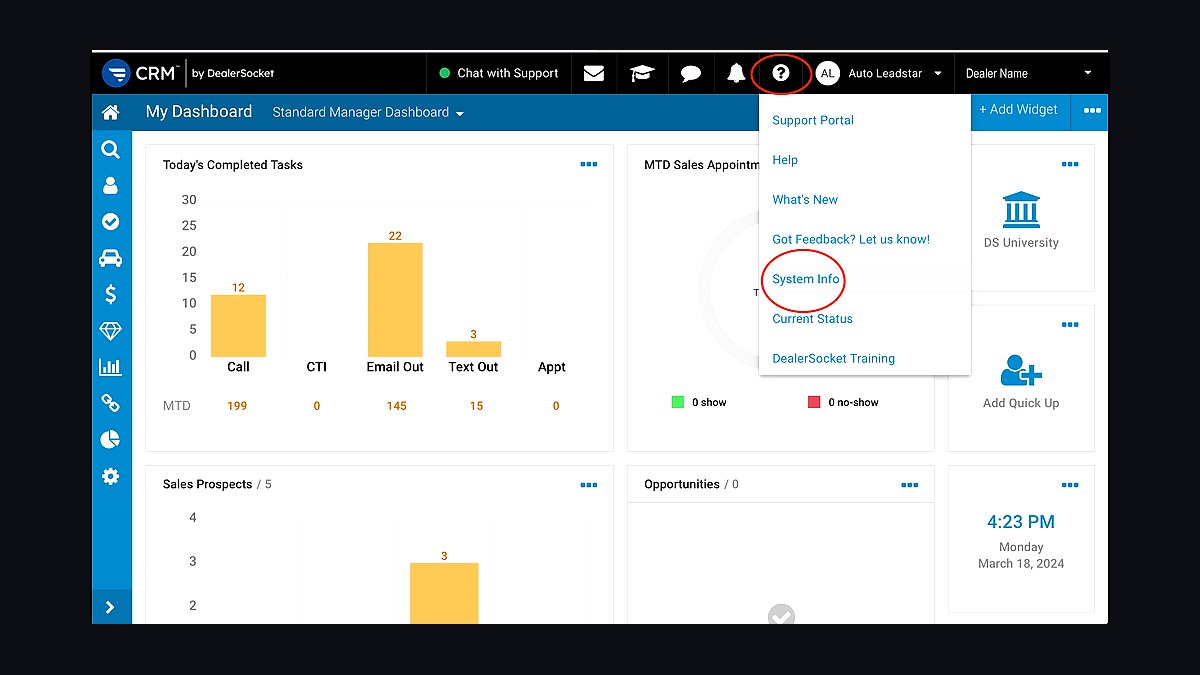
DealerSocket CRM ranks tenth as a long-standing dealership CRM covering sales, service, and marketing automation for franchised and independent stores. It offers lead management, desking, equity mining, and service scheduling, with integrations into major DMS platforms and OEM lead feeds. Dealers use it to consolidate customer communications and track sales and service performance.
It suits dealerships that want a broad CRM without committing to the Cox ecosystem. The trade-off is that some modules feel less integrated than VinSolutions or Tekion, and pricing scales with users and rooftops. Compared with Podium, DealerSocket is deeper on pipeline and service marketing but weaker on texting and review capture.
How we ranked these
We scored each tool on five weighted criteria: dealership-specific integrations (30%), total cost of ownership over 36 months (25%), inventory and F&I workflow depth (20%), implementation time and migration support (15%), and vendor stability with published uptime or SLA terms (10%). Scores came from vendor documentation, public pricing pages, G2 and Capterra reviews, and hands-on trials of demo environments where available.
We deliberately ignored brand recognition, conference sponsorships, and analyst quadrant placement, because those reward marketing spend rather than dealer outcomes. We also excluded feature counts that no mid-size dealership would realistically deploy, and we discounted AI claims lacking published accuracy benchmarks. Tools were judged on what a 5-50 rooftop group could actually run in production by 2027.
What to look for
What matters most is fit with your existing DMS and CRM, not the longest feature list. A tool that syncs inventory, desking, and F&I data natively will beat a cheaper platform requiring middleware. Ask vendors for named dealership references at your rooftop count, and confirm API rate limits and data export rights in writing before signing.
The mistake most buyers make is choosing on sticker price alone, then discovering per-vehicle, per-user, or per-integration fees that double year-two costs. Others buy enterprise-grade platforms they cannot staff. Model three-year total cost including implementation, training, and add-ons, and pilot with one rooftop before rolling out group-wide.
Related questions
What is a tech stack for a dealership?
A dealership tech stack is the connected set of software running sales, inventory, F&I, service, and marketing. Core layers include a DMS for accounting and deals, a CRM for leads, inventory management and merchandising tools, desking and F&I menus, plus website and advertising platforms. Integration quality between layers matters more than any single tool's feature list.
How much should a dealership spend on software?
Most dealerships spend roughly 1-3% of gross revenue on software and subscriptions, though groups with heavy digital retailing spend more. Budget separately for implementation, training, and data migration, which often add 20-40% in year one. Always model three-year total cost, since per-vehicle and per-user fees compound quickly as volume grows.
Do dealership tools integrate with CDK, Reynolds, or Tekion?
Major DMS providers publish partner programs and APIs, but access terms vary widely. CDK and Reynolds historically restrict third-party data access, while Tekion markets an open API approach. Before buying any add-on tool, confirm in writing that it has certified integration with your DMS version, and test the data flow in a sandbox before signing.
Is AI inventory pricing accurate enough to trust?
AI pricing tools can outperform manual appraisal on high-volume, commodity models, but accuracy drops on rare trims, specialty vehicles, and fast-moving market conditions. Ask vendors for published error rates and sample size. Most successful dealers use AI recommendations as a starting point, then apply manager judgment on condition, local demand, and reconditioning cost.
What should a small dealership prioritize first?
Single-rooftop dealers should prioritize a CRM with strong lead response and a website that loads fast on mobile, since those directly affect closing ratios. Inventory merchandising and desking come next. Enterprise analytics, multi-rooftop BI, and advanced AI pricing usually deliver poor returns until volume and staffing justify them. Buy for the next 18 months, not a hypothetical future.
How long does implementation usually take?
Simple CRM or merchandising tools can go live in two to four weeks. Full DMS migrations typically run three to nine months depending on data history, integrations, and training. Vendors quoting two-week DMS cutovers are usually describing a pilot, not a production rollout. Build a buffer and keep the legacy system read-only for at least one full accounting cycle.
What contract terms should dealers watch?
Watch auto-renewal clauses, price escalation caps, data ownership and export rights, and termination fees. Insist on a written exit plan covering data extraction format and timeline. Multi-year discounts are fine only if you can exit for cause. Also clarify whether integrations, support tiers, and training are included or billed separately, since those line items drive real cost.
Will these tools still be relevant in 2027?
Core layers like DMS, CRM, and inventory management will persist, but specific vendors will consolidate. Bet on platforms with open APIs, documented export paths, and healthy funding or profitability. Avoid tools whose only differentiator is a single AI feature, since those are easiest to replicate or absorb into larger suites within a product cycle.
FAQ
What is the best tech stack for a dealership in 2027?
There is no single best stack. The strongest 2027 setups pair a modern DMS with an open API, a CRM focused on speed-to-lead, and inventory tools with real market data. Match tools to your rooftop count, staffing, and process maturity. Integration depth and total cost matter more than any individual vendor's brand.
How do you evaluate dealership software vendors?
Score vendors on dealership-specific integrations, three-year total cost, workflow depth in inventory and F&I, implementation time, and vendor stability. Request named references at your rooftop count, test demo environments with your own data, and confirm API limits and export rights in writing. Ignore analyst quadrants and conference sponsorships.
Are expensive dealership platforms worth it?
Only if you will use the enterprise features and can staff them. Large platforms often win on integration depth and compliance, but smaller dealers rarely deploy advanced modules. Model three-year cost including implementation and add-ons. A mid-tier tool fully adopted usually beats an enterprise suite half-used across the group.
What integrations matter most for dealership tools?
DMS integration for accounting, deals, and parts is essential. CRM integration for lead and customer data comes next, followed by inventory feed sync to websites and marketplaces. F&I menu and desking integration reduces duplicate entry and errors. Confirm each integration is certified for your DMS version, not just listed on a partner page.
How do dealerships avoid software lock-in?
Negotiate data export rights in writing, including format, frequency, and cost. Avoid auto-renewal clauses longer than 12 months, and cap annual price escalation. Prefer vendors with documented public APIs and active partner ecosystems. Keep an internal copy of critical customer and inventory data so switching remains feasible.
What is the biggest mistake dealers make buying software?
Buying on sticker price without modeling per-vehicle, per-user, and integration fees. Year-two costs often double. The second mistake is buying enterprise platforms they cannot staff. Pilot with one rooftop, measure adoption and lead response, then roll out group-wide only after the pilot proves ROI.
Do dealerships need AI in their tech stack?
AI helps most in lead scoring, inventory pricing, and service scheduling, where data volume is high and feedback loops are fast. It helps least in rare-vehicle appraisal and complex F&I structuring. Demand published accuracy benchmarks and sample sizes. Treat AI output as a recommendation layer, not an autonomous decision-maker.
How often should dealerships review their tech stack?
Review annually, and after any DMS change, acquisition, or major process shift. Track adoption, cost per vehicle sold, and lead response times as core metrics. Renegotiate or replace tools that fail two consecutive reviews. Avoid mid-year churn unless a vendor breaches contract or security terms.
What security and compliance features matter?
Look for SOC 2 Type II reports, encryption in transit and at rest, role-based access controls, and audit logs. Confirm Gramm-Leach-Bliley and state privacy compliance for customer data, plus FTC Safeguards Rule alignment. Ask about breach notification timelines and cyber insurance. Security gaps are a deal-breaker, not a negotiation point.
Can a small dealership run an enterprise-grade stack?
Technically yes, practically rarely. Enterprise suites demand dedicated admins, training time, and process discipline that small teams lack. A lean stack of CRM, website, inventory merchandising, and a modern DMS covers most needs. Add analytics and AI pricing only when volume and staffing justify the overhead.
Sources
- https://www.nada.org/
- https://www.g2.com/categories/dealership-crm
- https://www.capterra.com/dealership-software/
- https://www.ftc.gov/business-guidance/privacy-security/safeguards-rule
- https://www.consumerfinance.gov/rules-policy/regulations/1026/
- https://www.tekion.com/
- https://www.cdkglobal.com/
- https://www.reyrey.com/
- https://www.sans.org/
Related on PULSE
This page will be disappearing soon. Save it to your device for $1 — or read it free while it is here.
@Kory-White- · if Venmo asks, the last 4 of my number are 2012
This page is gone.
This one is off the shelf now. $1 keeps it on your phone for good — the whole page, pictures and diagrams included.
 pulse-tech-stacksTop 10 Best Tech Stack Tools for Mining and Aggregates Operations in 2027
 pulse-tech-stacksTop 10 Best Tech Stack Tools for Coffee Roasters and Cafes in 2027
 pulse-tech-stacksTop 10 Best Tech Stack Tools for Radiology and Imaging Centers in 2027
 pulse-tech-stacksTop 10 Best Tech Stack Tools for Tire Shops in 2027
 pulse-tech-stacksTop 10 Best Tech Stack Tools for Media & Publishing Businesses in 2027
 pulse-tech-stacksTop 10 Best Tech Stack Tools for Independent Roofing Contractors in 2027
 pulse-tech-stacksWhat is the best tech stack for a dialysis center in 2027?
 pulse-tech-stacksTop 10 Best Tech Stack Tools for Title & Settlement Businesses in 2027
 pulse-tech-stacksTop 10 Best Tech Stack Tools for Beauty & Personal Care Businesses in 2027
 pulse-tech-stacksTop 10 Best Tech Stack Tools for Specialty Food Retailers in 2027