


How do I set up a new cell phone plan in 2027?
Quality
Certified
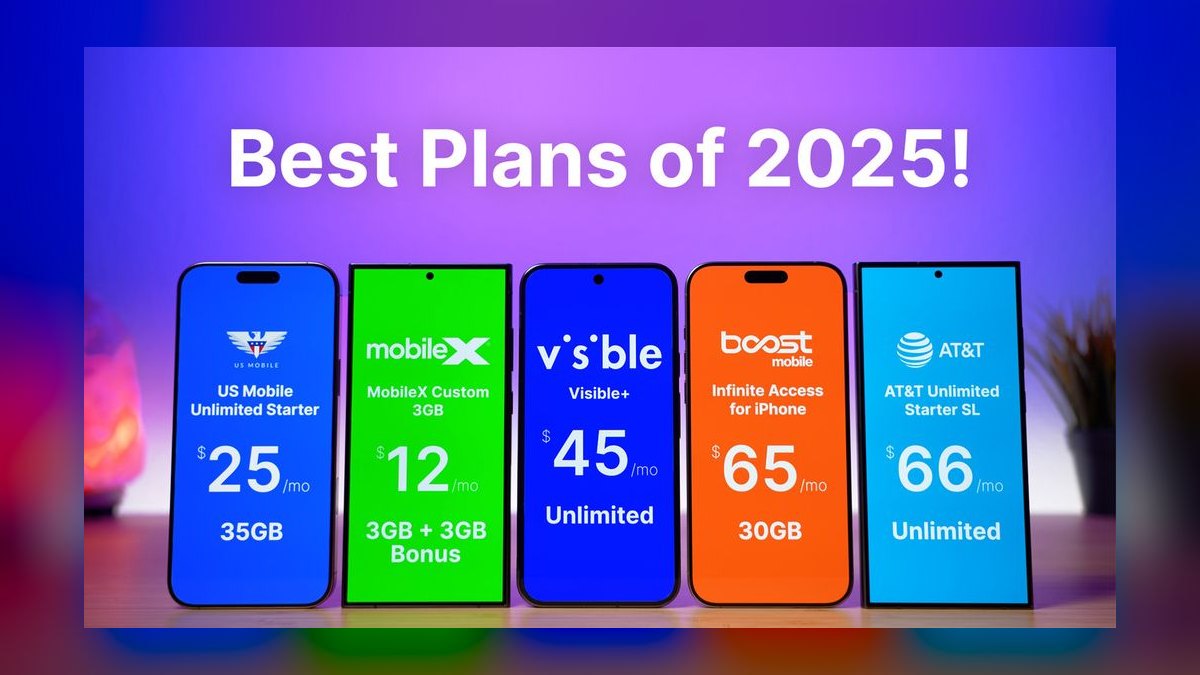
To set up a new cell phone plan, first decide whether you need a new phone or are keeping an unlocked device, then pick a carrier and plan tier that matches your data usage and budget. Port your old number (if any), verify eSIM or SIM compatibility, complete identity/credit verification, and activate — most carriers finish activation in 15-60 minutes, with number porting sometimes taking up to 24 hours.
A shopper's Tuesday afternoon: switching mid-contract
Picture someone whose two-year phone contract just ended. Their bill has crept from $65 to $95 a month for a single line with 20GB of data, and they've heard about $30 unlimited plans on prepaid carriers that run on the same towers. This is the exact moment most people start researching a new cell phone plan — not at the start of a phone's life, but at the natural break point when a contract, a trade-in cycle, or a bill shock triggers comparison shopping.
The practical starting point is inventory: what device do you have, is it paid off and unlocked, and what's your real monthly data and hotspot usage (check the last three bills or the carrier app's usage graph, not a guess). A phone bought on an installment plan is usually locked to the original carrier until the balance is paid in full — carriers are required by FCC rules to unlock a device within a reasonable window once it's paid off, so check unlock status before assuming you can freely switch. If the phone is unlocked and no older than roughly five years, it will work on nearly every major U.S. network, since the big three (the dominant nationwide carrier group plus its two closest rivals) share compatible LTE and 5G bands and the budget "MVNO" brands lease capacity from one of those three networks.
Next comes the actual comparison: nationwide postpaid carriers, their budget sub-brands, and prepaid/MVNO resellers. A single line with 15-25GB of data on a budget sub-brand often lands in the $25-40/month range, while unlimited premium-network plans with hotspot data and streaming perks run $50-90/month for one line, dropping to $30-40/month per line on a four-line family plan. Setting up the plan itself is a short, linear process once the shopping decision is made — but skipping the verification and porting steps in the wrong order is the single most common way this goes wrong, which is why the mechanism matters more than the marketing.
How activation actually works
Underneath the marketing, every cell phone activation follows the same mechanical sequence regardless of carrier: identity and credit check (for postpaid) or prepayment (for prepaid), device compatibility check, SIM or eSIM provisioning, number assignment or port-in, and network registration. Postpaid plans run a soft or hard credit check because the carrier is extending you a bill before you've paid for the month's service; prepaid and most MVNO plans skip this because you pay upfront, which is also why prepaid plans don't affect your credit score. If you're porting an existing number, that request has to be validated against your old carrier's account (matching name, account number, and zip code or PIN) before the new carrier can claim it — a mismatch here is the top cause of a stalled port.

Physical SIM activation is largely instant once inserted into a compatible phone — the network recognizes the SIM's identifier and links it to your new account within minutes. eSIM activation, which has become the default on most flagship phones, works by scanning a QR code the carrier emails or texts you, or by tapping a "transfer eSIM" prompt if you're moving from another eSIM-enabled phone on the same platform; this profile download typically finishes in under five minutes with a stable Wi-Fi connection. The part that varies most in duration is number porting: your old carrier has to release the number and the new carrier has to claim it, a handoff regulated by FCC number-portability rules that generally caps the process at one business day, though same-carrier-family ports (e.g., between a flagship brand and its own prepaid sub-brand) often complete in under an hour.
Real numbers: what a 2027 setup actually costs and takes
Budget for the plan itself in three tiers: light/single-line prepaid or MVNO service (5-10GB data) commonly runs $15-25/month; mid-tier unlimited-talk-and-text with 15-30GB of premium-network priority data runs $30-45/month on a value sub-brand or MVNO; and top-tier unlimited plans with full-speed premium-network data, hotspot allotments of 20-50GB, and streaming/perk bundles run $50-90/month for a single line on a flagship postpaid plan. Multi-line family plans compress the per-line cost significantly — four lines on an unlimited plan frequently average $30-35/line/month versus $70-90/line/month as a standalone single line, because carriers use family bundling as their primary retention lever.
One-time setup costs to budget for: a physical SIM kit is usually free or a few dollars if mailed, while in-store activation fees on postpaid plans have historically ranged $10-35 (many carriers waive this if you activate through their app or website instead of in a retail store). If you need a new device, expect $200-1,000+ depending on tier, though trade-in credit for a device in good condition can offset $200-800 of that against certain phones, and many carriers offer 24-36 month installment billing at 0% interest for qualified credit. Activation timing: expect 10-20 minutes for SIM/eSIM provisioning and network registration, same-day in most cases for the number port, and up to a full billing cycle before promotional bill credits or trade-in credits actually appear on your statement — don't expect instant credit even though the phone works immediately.
Coverage and speed benchmarks worth checking before committing: look up your specific home and work addresses (not just your city) on the carrier's published coverage map, and cross-reference with independent network-testing data rather than the carrier's own claims, since self-reported coverage maps are optimistic by design. A realistic 5G speed range on a mid-tier plan in a well-covered metro area is 50-300 Mbps down; rural or fringe coverage on the same plan can fall to 5-20 Mbps or drop to 4G LTE entirely, which matters far more to day-to-day experience than the advertised "5G" label on the box.

Trade-offs: postpaid, prepaid, MVNO, or family plan
The core trade-off is control and cost versus convenience and perks. Postpaid plans on a flagship carrier bundle in extras — streaming subscriptions, international roaming, premium hotspot data, device insurance discounts — but require a credit check, often a device payment commitment, and carry the highest base price. Prepaid plans and MVNOs (which lease network capacity from the big three rather than owning towers) strip out the perks and the credit check in exchange for a lower monthly price, running on the identical physical network in most cases — meaning the coverage is often indistinguishable from the premium plan, only the perks and customer-service priority differ. The catch: MVNO traffic can get deprioritized during network congestion (a stadium, a festival, a disaster zone), so if you live somewhere towers are frequently near capacity, that's a real cost hidden behind the lower sticker price.
Family plans are the best value per line if you already have 3+ people to add, but they introduce a coordination cost: everyone shares a bill, a data pool can be drained faster by one heavy user, and removing a line mid-contract can trigger an early-termination or device-installment payoff for that specific line. Going solo on a single line costs more per line but avoids that entanglement entirely. A middle path some households use: keep 2-3 core lines on a family plan for the perks and pooled data, and put a low-usage device (a kid's first phone, a senior parent's flip phone) on a separate $15-20/month prepaid line rather than adding it to the pooled plan, since a single light user on a shared unlimited plan is often worse value than an isolated cheap line.
Common pitfalls when setting up a new plan
The most common activation failure is a name/account mismatch during number porting — if the new carrier's spelling of your name, your billing zip code, or your account PIN doesn't exactly match what your old carrier has on file, the port gets rejected and you have to resubmit, adding hours or days to the process. Before starting, call up your current account (or its app) and copy the account number and PIN exactly as displayed, and confirm the billing address zip code matches what you'll enter with the new carrier.

Second pitfall: activating a locked device. If you bring your own phone to a new carrier without confirming it's fully unlocked first, the SIM or eSIM will provision but the phone will refuse to register on the new network, and you won't discover this until after you've already ported your number away from the old carrier — leaving you temporarily stranded with no working line. Always confirm unlock status (most phones show this in Settings, or you can call the original carrier and ask directly) before initiating the port.
Third: underestimating hotspot and data caps. Many "unlimited" plans throttle full-speed data after a set threshold (commonly 20-50GB) and cap hotspot/tethering data separately and far lower than the main data allotment — someone who plans to use their phone as a laptop's internet source on a road trip can burn through a 10-15GB hotspot cap in a single day of video calls, then get throttled to speeds too slow to be usable, even though their "unlimited" main data is untouched.
Fourth: missing the fine print on promotional pricing. Many low headline prices (like a "$25/line" family rate) apply only when you enroll in autopay and paperless billing, and only at four or five lines — dropping a line or opting out of autopay can silently raise every remaining line's price by $5-10/month. Read the plan's actual terms page, not just the advertised banner price, before committing.
Fifth: skipping a coverage check at your literal home address. Two neighbors on the same street can have meaningfully different indoor coverage due to building materials and topography, so a coverage map showing "good" for your zip code isn't a guarantee for your specific location — ask the carrier about their return/trial window (many offer 14-30 days) so you can back out if the signal is bad once you're actually using the phone there.
Related questions

Can I set up a new cell phone plan without a credit check?
Yes — prepaid plans and most MVNO carriers require payment upfront instead of a credit check, since you're not being extended a bill. Postpaid plans from major carriers typically do run a soft or hard credit check as part of activation.
Do I need a new SIM card if I switch cell phone carriers?
Only if your current SIM is locked to the old carrier's network technology or you're moving to a carrier using eSIM only. Most modern phones support eSIM, letting you activate a new plan by scanning a QR code with no physical card swap.
How long does porting my number take when I set up a new plan?
Most ports complete within a few hours to one business day under FCC number-portability rules, though same-network-family ports (moving between a carrier and its own prepaid sub-brand) can finish in under an hour.
Will setting up a new phone plan affect my credit score?
A postpaid plan application usually triggers a credit inquiry, which can cause a small, temporary dip. Prepaid and most MVNO plans don't check credit at all, so they have no credit-score impact.
FAQ
Do I need to buy a new phone to set up a new cell phone plan? No — if your current phone is unlocked and compatible with the new carrier's network bands, you can activate a new plan on it directly, either by inserting a new SIM or provisioning an eSIM profile the carrier sends you.

What's the difference between a SIM card and an eSIM for a new plan? A physical SIM is a removable chip you insert into the phone; an eSIM is a digital profile downloaded via QR code or an in-app transfer. Both connect the same way to the network once provisioned — eSIM just skips the physical card entirely.
How much should I expect to pay per month for a single-line cell phone plan? Budget single lines commonly run $15-25/month for limited data on an MVNO, $30-45/month for mid-tier unlimited on a value sub-brand, and $50-90/month for a full-perks unlimited plan on a flagship postpaid carrier.
Can I keep my old phone number when I switch to a new plan? Yes, this is called porting, and it's protected by FCC rules — you provide your old account number and PIN/zip code to the new carrier, and the old line stays active until the port completes, so you never go without service.
What information do I need on hand before activating a new cell phone plan? Your government ID (for postpaid credit checks), your current carrier's account number and PIN if porting a number, your device's unlock status, and a payment method. Having all of this ready before you start avoids the most common delays.
Is it cheaper to add a line to an existing family plan or start a separate individual plan? Adding to an existing family plan is almost always cheaper per line, often $30-35/month versus $70-90/month standalone, but it also ties that line's cost and any installment balance to the primary account holder's bill.
Sources
- https://www.fcc.gov/consumers/guides/wireless-number-porting
- https://www.fcc.gov/consumers/guides/cell-phone-unlocking
- https://www.ftc.gov/consumer-alerts
- https://www.consumerreports.org/cell-phones-services/
- https://www.nerdwallet.com/article/finance/how-to-switch-cell-phone-carriers
- https://www.pcmag.com/picks/best-cell-phone-plans
- https://www.whistleout.com/CellPhones
- https://www.gsma.com/newsroom/all-documents/
- https://www.cnet.com/tech/mobile/
Related on PULSE
- How to switch cell phone carriers without losing your number
- Prepaid vs. postpaid: which cell phone plan is right for you
- How to tell if your phone is unlocked before switching carriers
- Family plan vs. individual lines: which saves more money
- eSIM vs. physical SIM: what's the real difference
- How to check real-world 5G coverage before committing to a carrier
This page will be disappearing soon. Save it to your device for $1 — or read it free while it is here.
@Kory-White- · if Venmo asks, the last 4 of my number are 2012
This page is gone.
This one is off the shelf now. $1 keeps it on your phone for good — the whole page, pictures and diagrams included.
 telcoBest Value Cell Phone Carriers in 2027
 telcoIs 5G home internet good enough for gaming in 2027?
 telcoBest Cellular and Wireless Carrier in Virginia Beach in 2027
 telcoHow do I troubleshoot cell phone signal issues in 2027?
 telcoBest Cellular and Wireless Carrier in Raleigh in 2027
 telcoBest Cellular and Wireless Carrier in Hartford in 2027
 telcoBest Cellular and Wireless Carrier in Dayton in 2027
 telcoBest Cellular and Wireless Carrier in Louisiana in 2027
 telcoBest Cellular and Wireless Carrier in Utah in 2027
 telcoBest Cell Phone Plans for Light Users in 2027