
Best European Cities for Remote Workers and Digital Nomads in 2027
 Curated byKory White · Fractional CRO · Maryland
 PULSEKNOWLEDGE LIBRARY
Quality
Certified

Lisbon is Europe's strongest all-around base for remote workers in 2027, pairing Portugal's D8 digital-nomad visa with fast fiber, mild weather, and a deep expat network. Krakow wins on value, Tallinn on digital infrastructure, and Valencia on livability per euro. Pick by visa eligibility and tax treatment first, then cost.
The outcome you should expect
Choosing a European base is less a lifestyle decision than a set of interlocking constraints — immigration status, tax residency, banking, connectivity, and time-zone overlap with whoever pays you. Get those right and the "which city is prettiest" question mostly answers itself, because only three or four cities will actually clear all five gates for any given person.
The realistic outcome of a well-run city selection looks like this: you land with a residence permit application already in motion or approved, you have a lease or a 90-day furnished rental that will not fight you on registering an address, your income sits comfortably above the visa threshold with documentation that matches how you actually get paid, and your working hours overlap your clients by at least three or four hours a day. That last one is underrated. A US-East-Coast client base means Lisbon or Madrid gives you a 5-hour gap and a workable 2pm–10pm shift; Tallinn adds another hour and pushes your evenings out. A UK or EU client base makes the whole continent equivalent and frees you to optimize purely on cost and climate.
Expect the financial picture to be flatter than the marketing suggests. Central rents in Lisbon and Barcelona have climbed sharply since the nomad-visa era began — they are no longer bargains against mid-tier Western European cities, only against London, Zurich, Dublin, and Paris. The real cost separation in Europe is between the Western/Southern capitals and Central and Eastern Europe: Krakow, Budapest, and to a lesser extent Prague and Tallinn genuinely cut your monthly burn, often by a third or more once you fold in groceries, transit, dining, and a coworking desk. If your income is fixed and remote, that delta compounds every single month.

Expect friction in exactly two places: the residence-permit bureaucracy and the apartment hunt. Portugal's immigration agency has been reorganized and backlogged; Spain's process is faster on paper but consulate-dependent; Germany's Freiberufler route is well-documented but paperwork-dense and Berlin's housing market is genuinely brutal. None of these are dealbreakers, but every one of them will eat weeks. Budget for that, and do not book a one-way flight assuming the permit clears in 30 days.
Expect the community effect to matter more than you think. Cities with an established base of Digital nomads — Lisbon, Barcelona, Tallinn, Prague — hand you a functioning social graph on arrival: meetups, coworking Slack channels, language exchanges, someone who already knows which bank opens accounts for non-residents. Cities without that layer, however cheap and pleasant, put the entire burden of building a life on you. That is the hidden cost line nobody puts in a cost-of-living spreadsheet.
What drives that outcome
Five variables do most of the work, and they interact rather than stack independently.
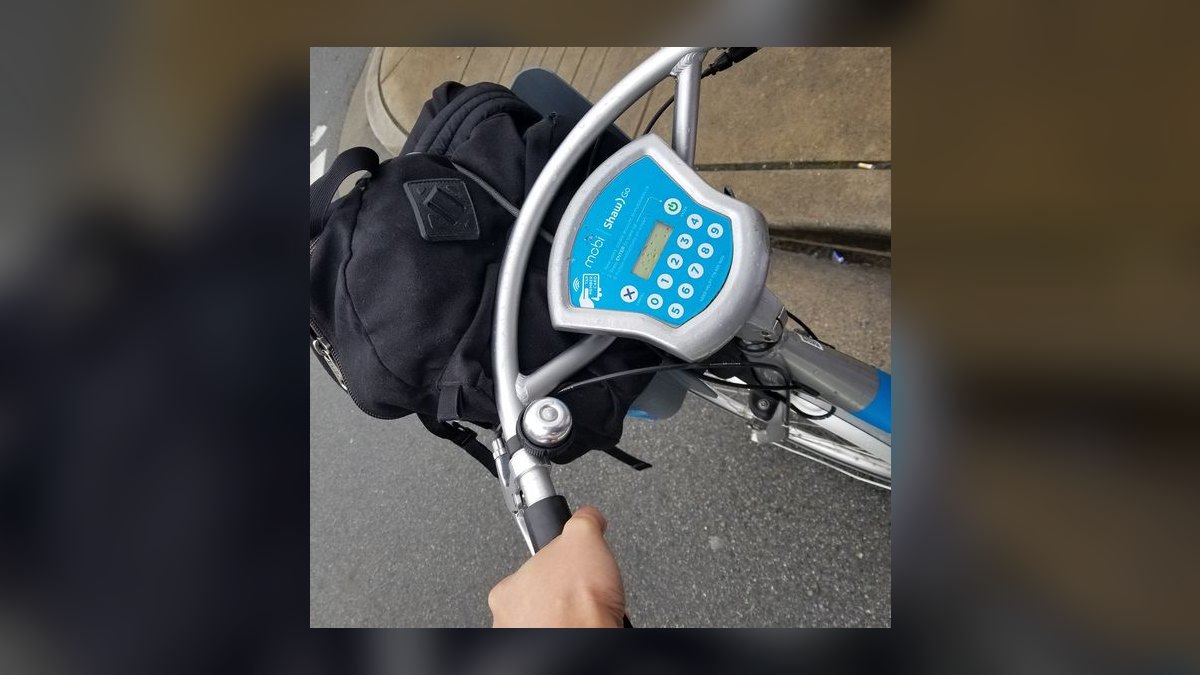
Visa and legal status. Portugal's D8, Spain's digital-nomad visa under the 2023 startups law, Estonia's nomad visa, Greece's nomad visa, and Hungary's White Card are all purpose-built for remote earners. The Czech Republic runs a different mechanic — the "Živno" trade licence — which is older, well-trodden, and paperwork-heavy. Germany's Freiberufler permit is a freelance residence route rather than a nomad visa, and works best if you have German or EU clients. EU and EEA citizens skip this entire section, which is why the answer to "best city" differs enormously depending on your passport.
Tax treatment. This is where the real money is, and it is routinely ignored. Spain's regime for qualifying inbound remote workers offers a reduced flat rate for a limited number of years rather than progressive rates. Greece has legislated an income-tax reduction for qualifying relocators. Portugal's older NHR regime has been wound down and replaced with a narrower successor scheme, so anyone relying on decade-old blog posts about Portuguese tax is working from stale information. Confirm current rules with a local accountant before you optimize a move around them. A tax break worth several thousand euros a year dwarfs a €200/month rent difference.
Connectivity. Fiber-to-the-home is widespread across Portugal, Spain, Poland, Czechia, Hungary, and the Baltics — this is one area where Central and Eastern Europe often beats the West on both speed and price. Estonia and Poland in particular deliver gigabit residential connections at prices that would look like a typo in the US or UK. The failure mode is not national coverage but the specific building: old Lisbon and Prague housing stock can lag the citywide average, so test the actual flat before signing.

Cost structure. Rent is the headline, but the shape of your spending matters. A coworking desk, eating out, transit, and health insurance move together with the local price level. Central European cities compress all four at once.
English usability and community depth. Estonia, the Netherlands, and the Nordics sit at the top of European English proficiency; Portugal and the larger Spanish cities are workable; smaller Polish, Czech, and Hungarian cities require more effort outside the center and the tech sector.
Benchmarks and realistic ranges
Concrete anchors, stated as ranges because prices move and neighborhood variance is large.
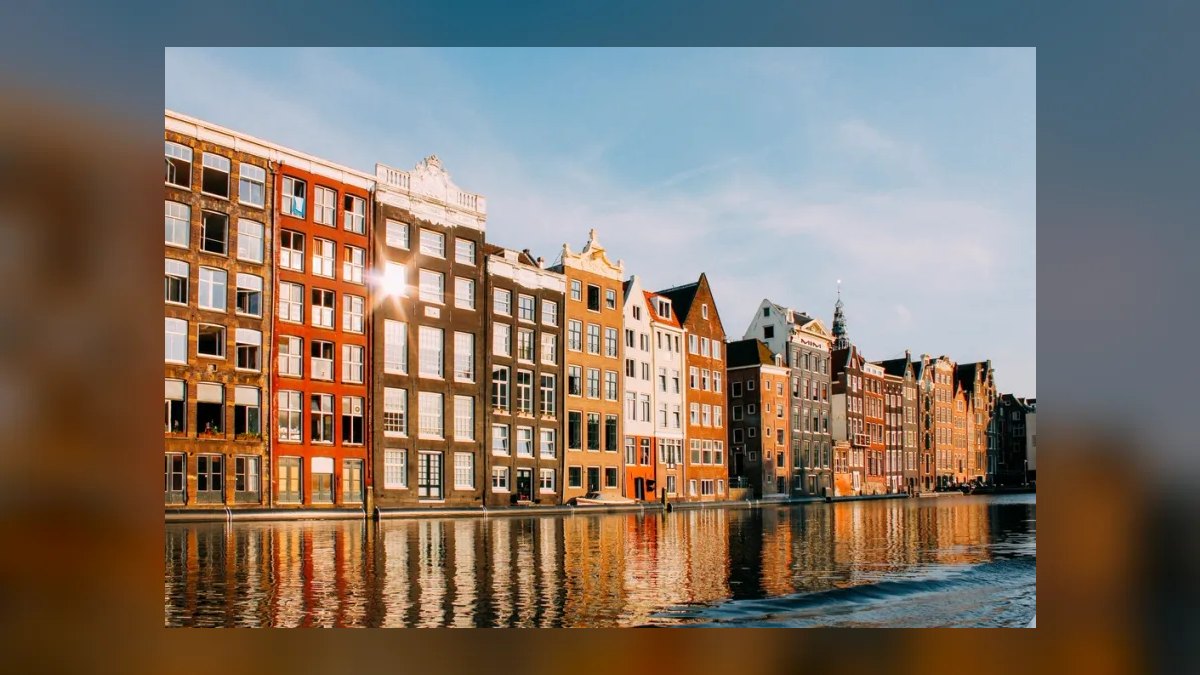
Lisbon. Central one-bedroom rent is now moderate-to-high by Southern European standards and has risen substantially over the last several years, though it stays well below London, Paris, Dublin, or Amsterdam. Fiber is fast and cheap. Coworking is dense — Second Home, Heden, Cowork Central among the established names. Príncipe Real, Alfama, and Cais do Sodré offer character; the outer neighborhoods and Almada across the river cut rent meaningfully. Direct flights to North America and Brazil make it a genuine hub rather than a connection-dependent outpost. The trade-off is that Lisbon is no longer cheap, and locals have been vocal about rent pressure driven partly by foreign remote income.
Barcelona. Comparable rent to Lisbon with generally larger apartments and more green space. Spain's nomad visa allows multi-year stays for qualifying non-EU remote workers with an income requirement. Gigabit fiber is ubiquitous and inexpensive. Poblenou and the 22@ district concentrate the startup and coworking scene; Gràcia and El Born concentrate the co-living and social scene; Sant Antoni and Sants are the quieter, cheaper pockets. The genuine trade-off is over-tourism friction and an active local political conversation about short-term rentals, which affects what is legally lettable and where you will be welcome as a long-stay foreigner.
Berlin. Reasonable rent for a G7 capital, cheaper than Munich, with world-class transit and one of Europe's deepest English-speaking startup labor markets. Kreuzberg, Neukölln, and Prenzlauer Berg drive the café and nightlife culture. The dominant, well-documented pain point is the apartment hunt: demand vastly exceeds supply, viewings draw dozens of applicants, and the *Anmeldung* address registration that unlocks banking and permits depends on having a landlord willing to sign for it. Plan on temporary housing for the first two to three months.
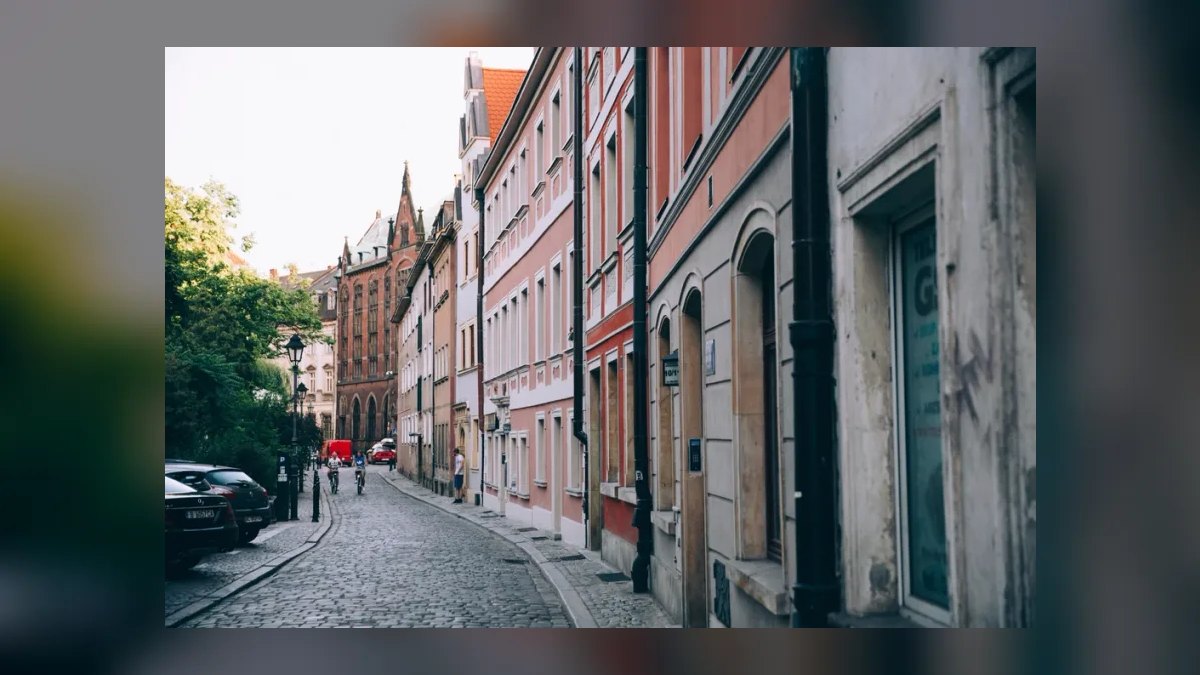
Tallinn. Moderate-to-affordable central rent, strong value inside the EU. World-class digital public services, extremely high English proficiency among younger residents, and a startup scene that produced companies of Wise and Bolt's scale. Lift99 and Workland anchor the coworking market. E-Residency lets you run an EU-registered company entirely online, which is a genuinely distinct offering — though it is a business tool, not a residence permit, and conflating the two is the most common Estonian misunderstanding. Winters are dark and cold; December daylight is short enough to matter psychologically.
Krakow. The clearest value pick. Central one-bedroom rent is low by EU standards and daily costs — groceries, transit, restaurants, coworking — run far below Western Europe. Poland's broadband is among Europe's fastest and cheapest. Kazimierz anchors the café, bar, and coworking scene; the UNESCO-listed Old Town and Wawel Castle supply the charm; a heavy student population and a large IT-services and shared-services sector keep the city young. Trade-offs: a thinner international-nomad community than Lisbon or Barcelona, and cold winters.
Prague. Moderate Central European rent, comprehensive transit, widespread fiber, and an expat community continuously established since the 1990s. Vinohrady and Žižkov are the long-stay favorites. The Živno trade-licence bureaucracy is the recurring newcomer complaint — it works, but it is slow and document-heavy.
Madrid, Valencia, Athens, Budapest. Madrid gives you Spain's deepest domestic job market, the best transit in the country, high-speed rail to everywhere, and less over-tourism backlash than Barcelona, at moderate capital-city rent. Valencia undercuts both on rent while keeping the beach and climate, and consistently ranks near the top of expat quality-of-life surveys — the trade-off is a thinner local job market if your remote work falls through. Athens pairs an affordable central rent and a legislated tax reduction for qualifying relocators with year-round sun and fast island access; accelerating fiber rollout and growing coworking in Koukaki and Kolonaki offset a slower bureaucracy and punishing summer heat. Budapest offers low rent, fast cheap internet, thermal baths, the ruin-bar district in the Jewish Quarter, and Hungary's newer White Card — newer meaning stricter and less settled on what counts as qualifying income, so verify current rules directly.
Risks, edge cases, and failure modes
Tax residency is the biggest unforced error. Cross roughly 183 days in a country and you generally become tax resident there, with obligations that may run alongside your home country's. US citizens in particular carry filing obligations regardless of where they live, and the foreign earned income exclusion has conditions that a genuinely mobile nomad can fail. Perpetual travelers who claim residence nowhere often discover their home country never let them go. Get a cross-border accountant before the move, not after the first filing deadline.
Employer-side risk is the failure mode nobody plans for. If you are an employee rather than a freelancer, your working from another country can create a permanent establishment exposure, payroll registration obligations, or social-security complications for your employer. Many companies quietly prohibit it or cap it at 30–90 days a year. Verify your employer's actual policy in writing before you sign a European lease — a visa you qualify for personally is worthless if your job disappears over it.
Visa income thresholds are moving targets and are typically pegged to a multiple of the host country's minimum wage, meaning they rise. They also demand documentation shaped in a particular way: consistent monthly deposits, contracts, tax returns. Lumpy freelance income that averages well above the threshold can still be rejected for failing the consistency test. Structure your last six months of income before applying.
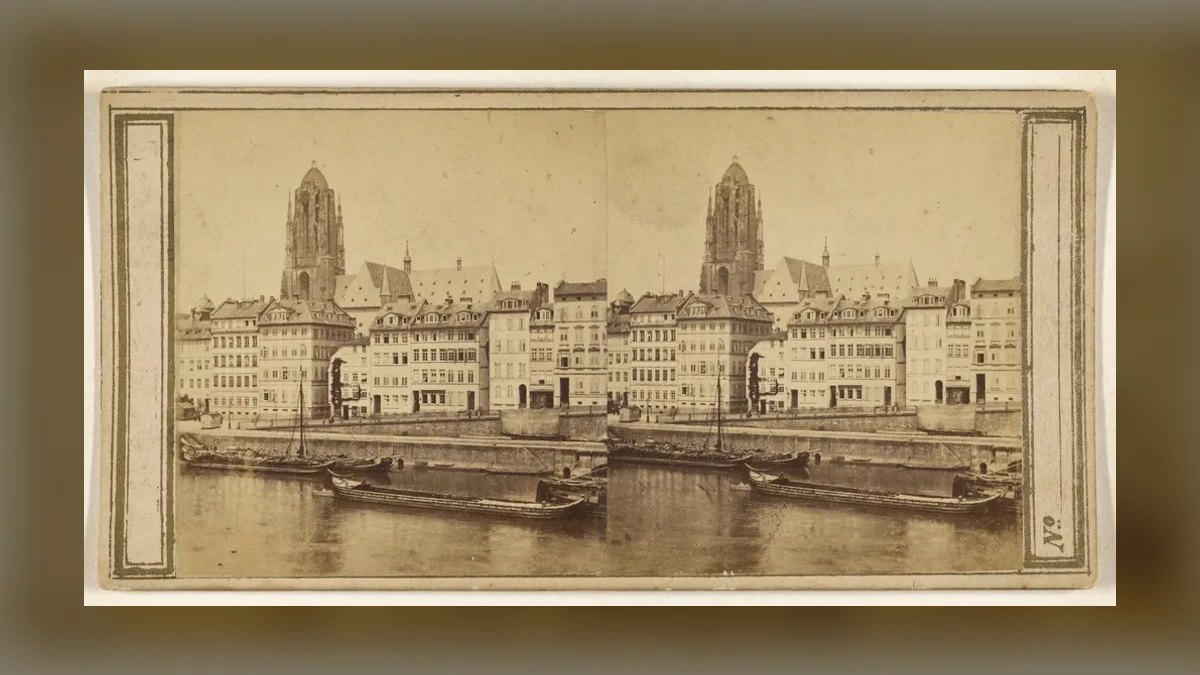
Housing is where plans die. Berlin's market is the extreme case, but Lisbon, Barcelona, and Amsterdam all have tight supply, and a wave of short-term-rental regulation across Southern Europe has reshaped what is legally available. Landlords in several markets prefer local employment contracts to foreign remote income. The workaround is a 60–90 day furnished mid-term rental on arrival, viewing in person, and only then signing a long lease.
Banking and address registration are chicken-and-egg. Several countries require a local address to open a bank account and a bank account or proof of means to secure a lease. EU fintech accounts partially solve this, but some landlords and utilities still want a traditional local IBAN.
Healthcare coverage gaps. Most nomad visas require private health insurance meeting a minimum coverage level. Travel insurance usually does not qualify. Buy the right product before the appointment.
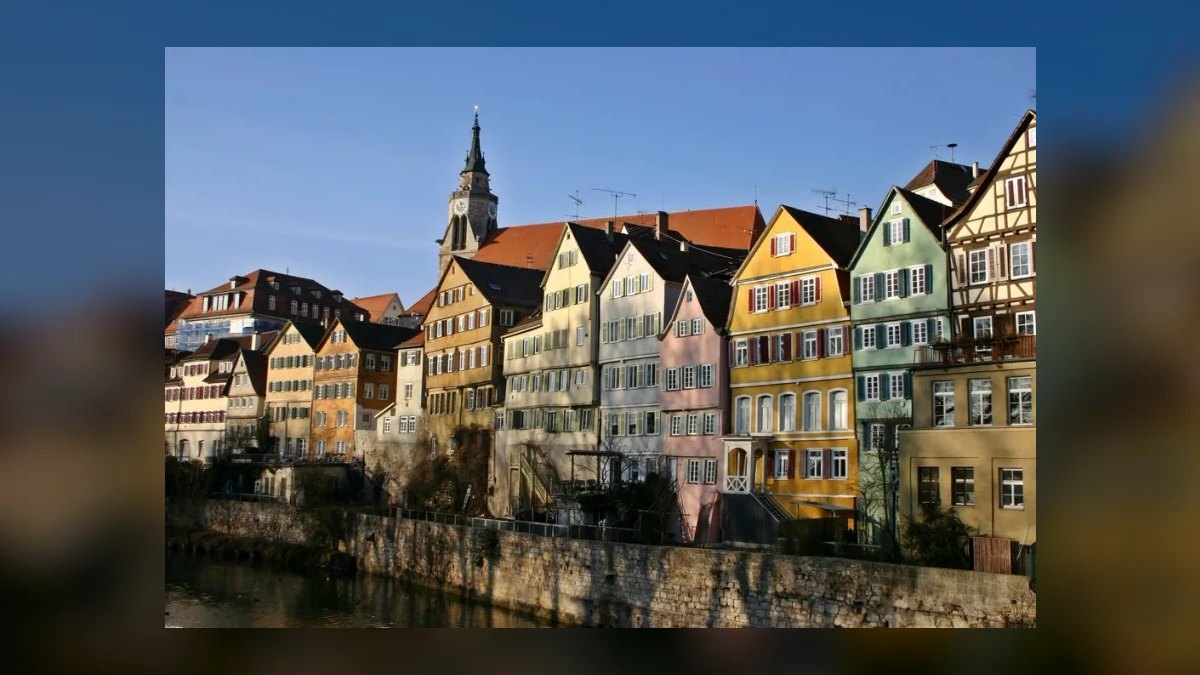
Winter and isolation. Tallinn's and Berlin's dark months are a real quality-of-life variable, not a footnote. Southern European summer heat is the mirror image — Athens, Madrid, and Seville in July are genuinely difficult to work through without air conditioning that older apartments often lack.
Local sentiment. Over-tourism and rent-pressure backlash is real in Barcelona and increasingly Lisbon. It rarely affects individuals directly, but it shapes policy: short-term-rental restrictions, tourist taxes, and zoning changes can land mid-stay.
A practical rollout plan
Run this over about four months rather than four weeks.

Weeks 1–2 — eligibility screening. Confirm your passport's visa options and read the current official requirements from the government source, not a blog. Simultaneously get your employer's written policy on working abroad, or if freelancing, confirm your client contracts do not restrict jurisdiction. Shortlist three cities that clear both gates.
Weeks 3–4 — financial modeling. For each shortlisted city, model twelve months: rent range, coworking, insurance, transit, food, flights home, and the tax outcome under both your home country and the destination. Price the tax difference explicitly. A cross-border accountant consultation at this stage costs a few hundred euros and routinely changes the ranking.
Weeks 5–8 — documentation. Nomad-visa applications typically want a passport with adequate validity, proof of remote income and its consistency, a criminal-record certificate (often apostilled), qualifying private health insurance, and proof of accommodation. Apostilles and translations are the slow step. Start them first.
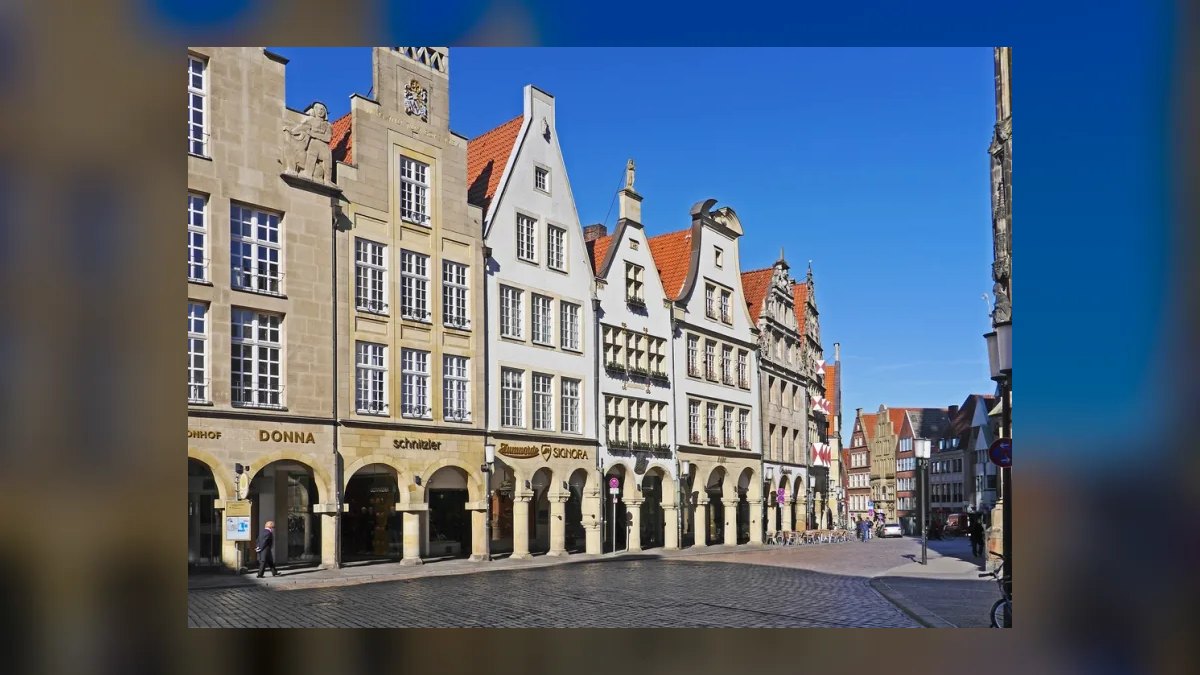
Weeks 9–12 — the trial stay. Spend three to four weeks in your top city on a tourist entry, working your actual hours. Test the internet in real conditions, sit in three coworking spaces, attend two meetups, walk the neighborhoods at night, and price groceries yourself. Most people reorder their shortlist after this.
Weeks 13–16 — apply and land. File the application through the correct channel — some routes require a consulate application from your home country before entry, others allow in-country conversion, and getting this backwards restarts the whole process. On arrival, register your address, open the local bank account, get the tax number, and only then commit to a twelve-month lease.
Ongoing — track the day count. Keep a simple log of days in each country. Schengen's 90/180 rule still governs your movement if you are on a tourist entry, and your tax residency depends on the same arithmetic.
Related questions
Do I need a nomad visa if I hold an EU passport?
No. EU and EEA citizens have free movement and can live and work anywhere in the bloc. You still register locally after roughly three months and become tax resident under the usual day-count rules, but the entire visa layer disappears — which makes cost, climate, and community the only real variables.
Can I work remotely on a tourist entry?
Legally murky and generally not advisable for long stays. Schengen tourist entry allows 90 days in any 180, and working for a foreign employer sits in a grey zone many countries tolerate but do not authorize. It is fine for a trial stay; it is not a basis for a year abroad.
Which European cities have the fastest home internet?
Estonia, Poland, Romania, Hungary, and Spain consistently deliver excellent fiber at low prices — often faster and cheaper than the UK, Germany, or Greece. Tallinn and Krakow are standouts. Verify the specific building though; old housing stock can lag the national average badly.
How much does a coworking desk cost in Europe?
A hot desk typically runs a fraction of a dedicated office, with Central and Eastern European Cities meaningfully cheaper than Lisbon, Barcelona, or Amsterdam. Most spaces offer day passes, so test several before buying a monthly membership.
Is Amsterdam viable for remote workers?
It is superb on English usability, transit, and quality of life, but the housing market is among Europe's tightest and most expensive, and the Netherlands has no dedicated nomad visa — the DAFT treaty route is US-citizen-specific. Great if you can solve housing; hard otherwise.
FAQ
What is the best European city for remote workers in 2027?
Lisbon is the strongest default. Portugal's D8 visa is well-established and widely documented, fiber is fast and cheap, the climate is mild year-round, the English-speaking expat community is deep, and flight connections to North America and Brazil are direct. It is no longer the bargain it was five years ago, but it still stacks more advantages in one place than any alternative.
How do I get a digital-nomad visa for Europe?
Most schemes require proof of remote employment or freelance income above a country-specific threshold, qualifying private health insurance, a clean criminal-record certificate, a valid passport, and proof of accommodation. Some routes require applying at a consulate in your home country before travel; others allow in-country conversion. Always check the official government source for current thresholds, since they change annually.
Which European city offers the best value for money?
Krakow. Central rent is low by EU standards, daily costs run well below Western Europe, Polish broadband is among the continent's fastest and cheapest, and the city is genuinely pleasant to live in rather than merely cheap. Budapest and Tallinn are the closest runners-up.
Can I get by with English only?
In Tallinn, Amsterdam, Berlin's tech sector, and the central districts of Lisbon and Barcelona, yes — comfortably. In Krakow, Prague, Budapest, and Athens you will manage inside the center, coworking spaces, and among younger professionals, but bureaucracy, landlords, and neighborhood life go much better with basic local phrases.
Will living abroad change my taxes?
Almost certainly. Crossing roughly 183 days generally triggers tax residency in the host country, and some nomad schemes offer reduced rates that make this favorable rather than punitive. US citizens file regardless of residence. Consult a cross-border accountant before the move — this decision is worth more money than the rent difference between any two cities on this list.
Are these cities safe?
Yes. The cities here rank well on European safety indices, with low violent-crime rates and reliable emergency services. Pickpocketing in tourist-dense areas of Barcelona, Prague, and Athens is the realistic concern, not personal danger. Standard urban precautions cover it.
Sources
- https://www.schengenvisainfo.com/
- https://immigration-portal.ec.europa.eu/index_en
- https://www.e-resident.gov.ee/
- https://ec.europa.eu/eurostat
- https://www.numbeo.com/cost-of-living/
- https://www.oecd.org/tax/
- https://www.ef.com/wwen/epi/
- https://www.make-it-in-germany.com/en/
- https://www.irs.gov/individuals/international-taxpayers/foreign-earned-income-exclusion
Related on PULSE
- [Best Affordable Global Cities for Digital Nomads Outside Europe in 2027](/knowledge/tn0109)
- [Best US Cities for Outdoor-Loving Remote Workers in 2027](/knowledge/tn0110)
- [Best Midwest Cities for Remote Workers in 2027](/knowledge/tn0106)
- [Best US Cities for Remote Workers in 2027](/knowledge/tn0101)
- [Top 10 Best Towns for Remote Workers](/knowledge/tn0062)
- [10 Best Affordable Cities to Live in 2027](/knowledge/tn0140)
This page will be disappearing soon. Save it to your device for $1 — or read it free while it is here.
@Kory-White- · if Venmo asks, the last 4 of my number are 2012
This page is gone.
This one is off the shelf now. $1 keeps it on your phone for good — the whole page, pictures and diagrams included.
 pulse-townsBest US Cities for Remote Workers in 2027
 pulse-townsBest Midwest Cities for Remote Workers in 2027
 pulse-townsBest US Cities for Outdoor-Loving Remote Workers in 2027
 pulse-townsBest Affordable US Cities for Young Professionals in 2027
 pulse-towns10 Best Cities to Retire in the Midwest 2027 (Low Cost, Four Seasons, Strong Healthcare)
 pulse-townsBest Walkable US Cities for Car-Free Young Professionals in 2027
 pulse-townsThe 10 Best Places to Raise a Family in the Northeast in 2027
 pulse-townsBest West Coast US Cities for Tech Professionals in 2027
 pulse-townsBest Affordable Global Cities for Digital Nomads Outside Europe in 2027
 pulse-townsTop 10 Safest Mid-Size Cities in America in 2027