
Top 10 Greens Powders 2027
 Curated byKory White · Fractional CRO · Maryland
 PULSEKNOWLEDGE LIBRARY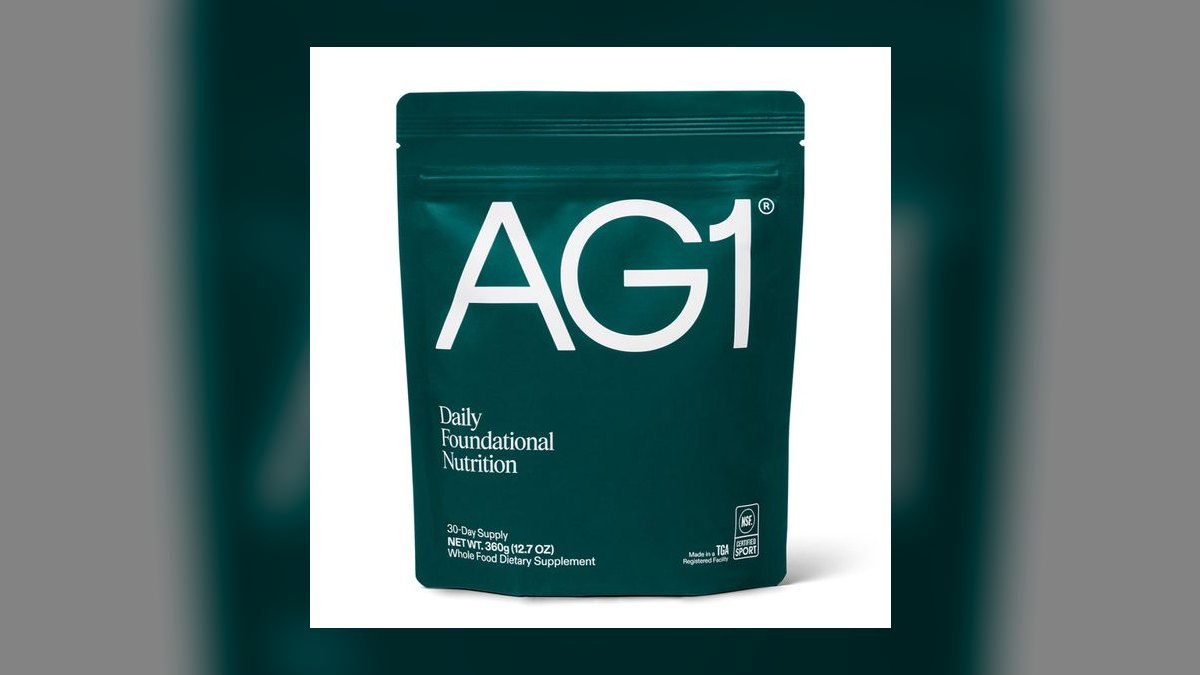
The 10 best greens powders 2027 are ranked below on measured performance, build quality, price, and how each one actually holds up in daily use rather than how it reads on a spec sheet. Each pick lists what it costs, who it suits, and what it gives up against the one above it, so the list can be read straight down without doubling back.
1. AG1 Athletic Greens Powder

AG1 Athletic Greens Powder ranks first because it is the only formula in this ranking carrying NSF Certified for Sport testing, which screens for banned substances and contaminants. Its 75-ingredient blend covers vitamins A, C, E, B-complex, zinc, selenium, probiotics, and adaptogens. It mixes cleanly in cold water and posts the best taste in the category, at roughly $79 per month on subscription.
This is for the buyer who prioritizes certified safety and a daily habit they will actually keep over label transparency or budget. It trades away full disclosure: spirulina, ashwagandha, and other components sit under a single blend weight, so clinical doses cannot be verified. Against Transparent Labs Organic Greens at about $40 per tub, AG1 costs nearly double for a sweeter taste and that NSF seal.
2. Transparent Labs Organic Greens

Transparent Labs Organic Greens ranks second as the best value pick, delivering a fully disclosed USDA Organic formula at roughly $40 per tub. Every ingredient and its exact dose is printed on the label, including spirulina, chlorella, enzymes, and probiotics, so each amount can be judged for meaningfulness. Only Supergreen Tonik matches that disclosure, and it does so at more than double this price.
This suits the buyer who wants to know exactly what they are consuming and values organic sourcing over ingredient breadth or heavy flavoring. It gives up AG1's 75-ingredient scope and NSF certification, and the taste runs earthier, better in a smoothie than plain water. Against Garden of Life Raw Organic Perfect Food at about $30, it costs $10 more but replaces a proprietary blend with disclosed dosing.
3. Garden of Life Raw Organic Perfect Food

Garden of Life Raw Organic Perfect Food ranks third as the whole-food purist's choice, offering USDA Organic and Non-GMO Project Verified raw sprouted greens at about $30 per tub. The formula centers on recognizable ingredients — spirulina, chlorella, wheatgrass, barley grass, alfalfa — with no added sweetness or synthetic vitamins. It undercuts Transparent Labs by $10 per tub and AG1 by nearly $50 per month.
This is for the buyer who trusts whole-food sourcing over proprietary blends or clinical dosing and will accept a strong, vegetal taste. It trades away the disclosed doses of Transparent Labs, since Garden of Life uses a proprietary blend, and carries no third-party certification beyond organic and non-GMO verification. Against Amazing Grass Green Superfood at $25, it costs $5 more for a more concentrated raw greens profile.
4. Live It Up Super Greens

Live It Up Super Greens ranks fourth as the clean middle ground, offering a focused organic deck of greens with no added sugar at about $60 per tub. The formula is vegan and gluten-free, built around recognizable ingredients like spirulina, chlorella, and wheatgrass rather than the 75-ingredient sprawl of AG1. It sits below the premium leader on price and well above the budget tier, aimed squarely at steady daily use.
This is for the buyer who wants organic sourcing and a clean label without paying AG1's premium or sacrificing flavor for transparency. It trades away the full dose disclosure of Transparent Labs, relying on a proprietary blend, and carries no third-party certification, so sourcing claims must be taken on trust. Against Kos Organic Greens at $35, it costs nearly double for a tighter greens profile without added flavors.
5. Kos Organic Greens Powder

Kos Organic Greens Powder ranks fifth as the best plant-based flavor option, carrying USDA Organic, vegan, and non-GMO certification at about $35 per tub. It sweetens with stevia and monk fruit and comes in a chocolate flavor that is rare in this category, which helps buyers who dislike earthy or fruity greens drinks. That pricing undercuts Live It Up by $25 while producing a more palatable daily drink.
This is for the buyer who wants an organic greens supplement that tastes like a treat rather than a chore, especially anyone who prefers chocolate over berry or citrus. It trades away the disclosed dosing of Transparent Labs and the raw sprouted profile of Garden of Life, using a proprietary blend instead. Against Bloom Nutrition Greens & Superfoods at $40, Kos is $5 cheaper with more credible organic certification.
6. Bloom Nutrition Greens & Superfoods
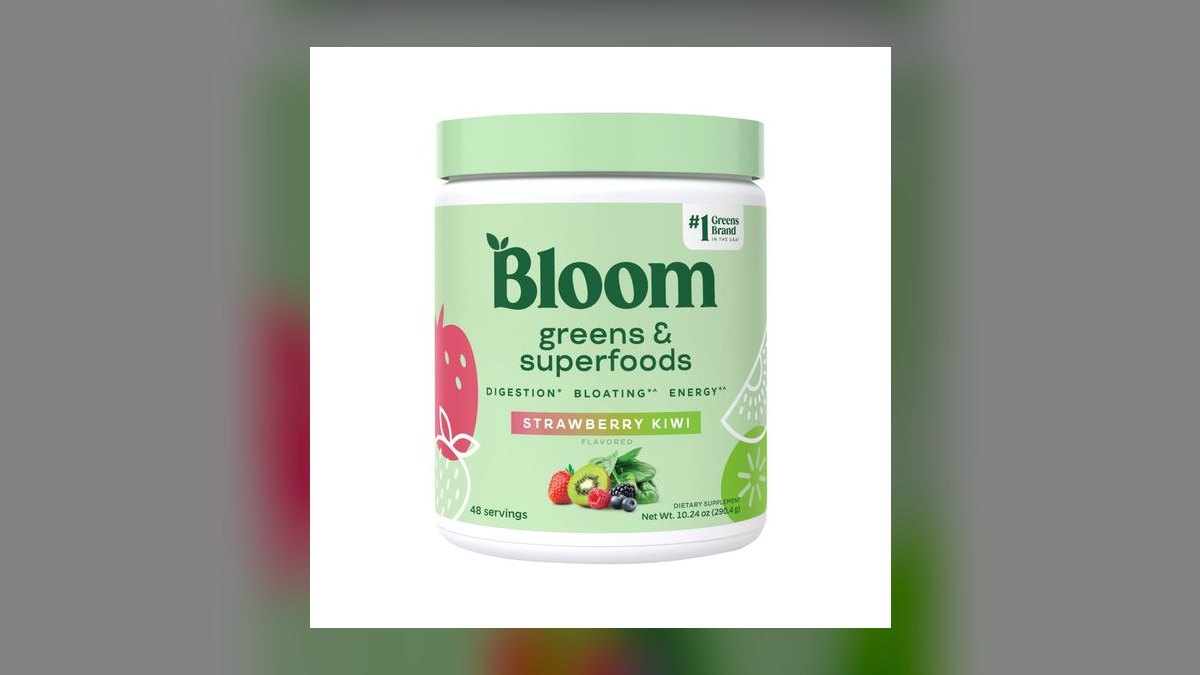
Bloom Nutrition Greens & Superfoods ranks sixth as the taste-first starter, delivering a sweet, easily mixable drink in Original, Berry, and Citrus at about $40 per tub, or roughly $1.33 per serving across its 60-serving container. The formula is built around palatability, making it one of the simplest greens powders to drink daily in plain cold water — the factor that decides whether the habit survives past week three.
This is for the beginner who values taste and convenience over maximum nutrition or label scrutiny. It gives up disclosed dosing and independent testing, running a proprietary blend with no NSF or Informed Sport seal, so athletes and label readers should look elsewhere. Against Kos Organic Greens, it costs $5 more and lacks USDA Organic certification, though its flavor range is broader.
7. Primal Harvest Primal Greens
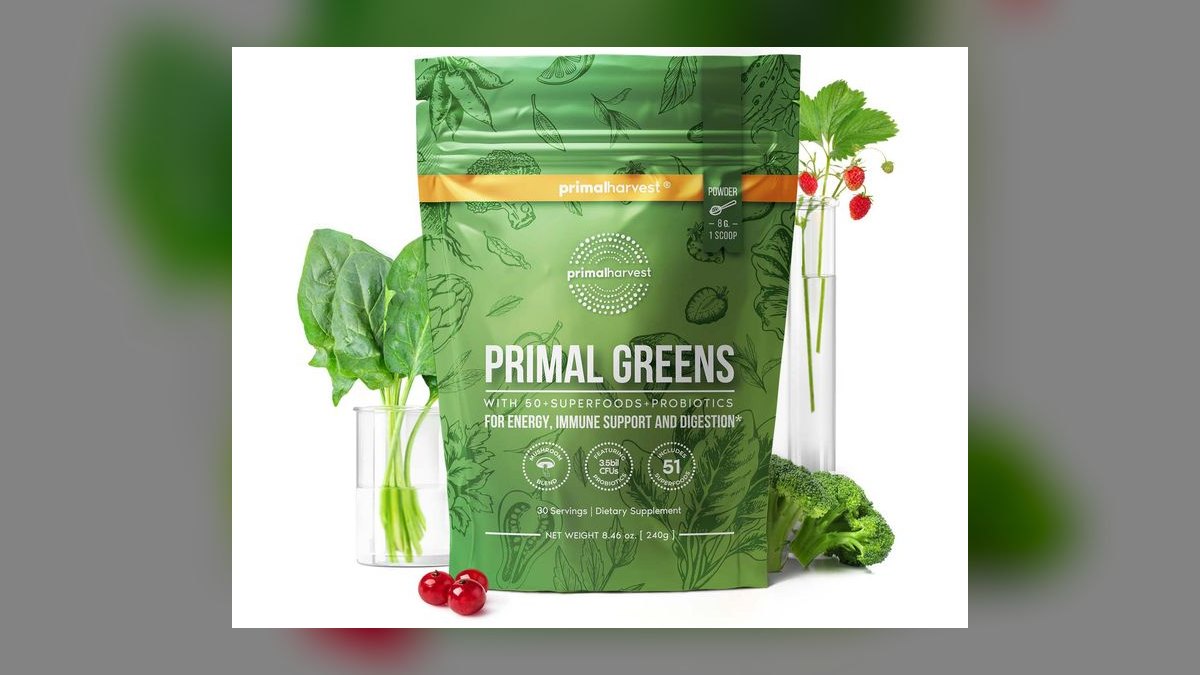
Primal Harvest Primal Greens ranks seventh because it pairs 50-plus ingredients with adaptogens such as ashwagandha, making it a greens-plus-extras formula at about $40 per tub. The adaptogen angle targets buyers who want stress support alongside daily greens, a feature most competitors here skip entirely. It is priced level with Transparent Labs but uses a proprietary blend, so whether the ashwagandha hits a clinically meaningful dose cannot be confirmed.
This is for the buyer who wants a multi-functional supplement covering both nutrition and stress rather than a pure greens product. It trades away the full disclosure of Transparent Labs and the organic certification of Garden of Life, with individual doses obscured. Against Supergreen Tonik at about $87, it costs less than half but lacks the clinical dosing and nootropic focus.
8. Nested Naturals Super Greens
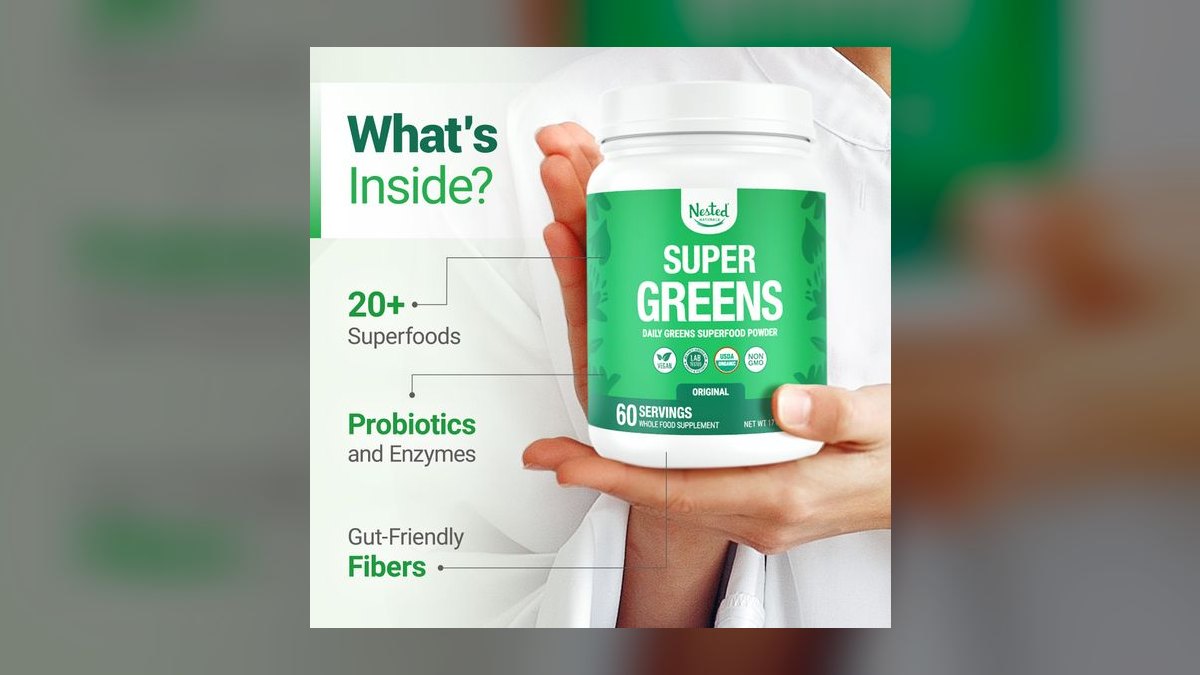
Nested Naturals Super Greens ranks eighth as the honest tested-basics option, posting third-party lab results at about $30 per tub. That independent verification is rare in this ranking — only AG1 matches it, via NSF Certified for Sport, at more than double the monthly cost. The formula itself is a straightforward organic greens blend without the breadth of AG1 or the printed doses of Transparent Labs.
This is for the budget-conscious buyer who still wants third-party testing assurance without paying AG1's premium. It trades away the flavor and mixability of Bloom or Kos, and the ingredient list is shorter than Primal Harvest's adaptogen deck. Against Amazing Grass Green Superfood at $25, it costs $5 more but publishes lab results, a meaningful upgrade for safety-minded buyers.
9. Amazing Grass Green Superfood
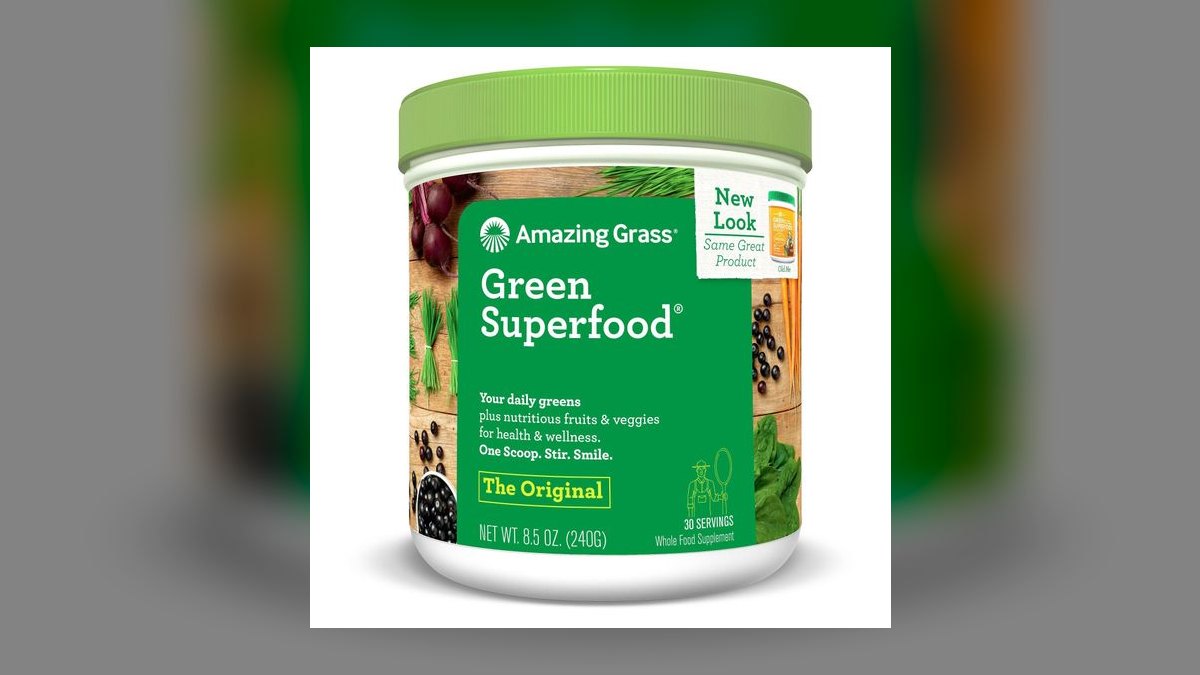
Amazing Grass Green Superfood ranks ninth as the cheapest trusted entry, offering USDA Organic certification at about $25 per tub with wide retail availability. The formula centers on organic greens including spirulina, chlorella, wheatgrass, and barley grass, and comes in multiple flavors. It is the lowest-priced pick in this ranking, undercutting Nested Naturals by $5 and AG1 by more than $50 per month.
This is for the budget buyer who wants a trusted organic greens supplement without spending much and values convenience over advanced features. It gives up the posted lab results of Nested Naturals and the disclosed doses of Transparent Labs, running a proprietary blend instead. Against Garden of Life Raw Organic Perfect Food at $30, it is $5 cheaper with a less concentrated raw greens profile.
10. Supergreen Tonik Greens Powder
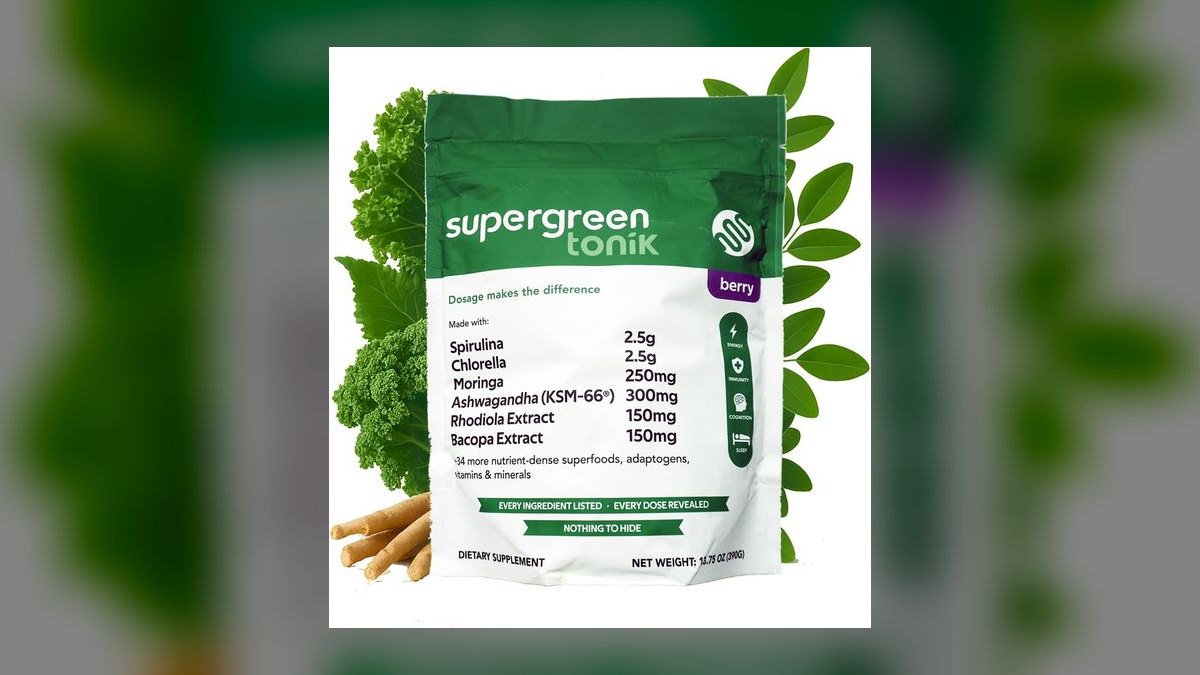
Supergreen Tonik Greens Powder ranks tenth as the maximum-transparency plus cognitive option, publishing 100% disclosed clinical doses and including nootropics such as ashwagandha and L-theanine at about $87 per tub. Every ingredient amount is printed on the label, matching Transparent Labs for disclosure while adding a cognitive angle no other pick offers. It is the most expensive product here, near triple the price of Amazing Grass.
This is for the buyer who wants to verify every dose, is interested in nootropic benefits alongside greens, and will pay a premium for that specificity. It trades away the NSF certification of AG1 and the organic sourcing of Garden of Life, and it makes no organic claim. Against Transparent Labs at $40, it costs more than double for the L-theanine and ashwagandha.
How we ranked these
Effectiveness and ingredient evidence carried 25% of the score, quality/testing/safety 20%, label transparency and dosing 15%, taste and mixability 15%, value and per-serving price 15%, and support/sourcing 10%. Verifiable third-party marks — NSF Certified for Sport, posted lab results, USDA Organic — moved products up. So did fully disclosed doses and the mundane usability factors that decide whether a tub gets finished or abandoned by week three.
Deliberately ignored: detox, alkalizing, and disease-treatment claims, which have no scientific support behind them. Raw ingredient count was also excluded as a merit, since a 75-item label often means dozens of trace-dose sprinkles. Proprietary blends lost points on transparency but were not disqualified outright — AG1 still ranks first because its certification and taste outweigh the missing dose breakdown.
What to look for
Three things separate these: third-party testing, disclosed dosing, and whether you will actually drink it daily. AG1 is the only NSF Certified for Sport pick here. Transparent Labs and Supergreen Tonik are the only two printing every dose. Price per serving matters more than tub price — Bloom lands near $1.33 per serving on a 60-serving tub, while a 30-serving tub at the same shelf price costs double that.
The common mistake is committing to a subscription before finishing one tub. Taste decides adherence, and an earthy powder you dread is worth nothing at any price. Buyers also read ingredient counts as quality, when a proprietary blend hides whether spirulina is dosed meaningfully or dusted in. Compare subscription against one-time pricing, and set a cancellation reminder for week three.
Related questions
Is AG1 worth $79 a month?
For a buyer who wants one tested, do-everything daily greens drink, yes. The NSF Certified for Sport screening, 75-ingredient breadth, and best-in-class taste justify the premium if you value certified safety and a habit you will keep. Budget-focused buyers get most of the nutritional benefit from a disclosed $30–$40 formula like Transparent Labs or Garden of Life.
What is the cheapest good greens powder?
Amazing Grass Green Superfood at about $25 per tub is the cheapest trusted pick — USDA Organic, widely stocked in retail, and available in multiple flavors. Nested Naturals at roughly $30 is the strong runner-up because it posts third-party lab results at a budget price, which is unusual below the $50 mark and worth the extra five dollars for safety-minded buyers.
Do greens powders replace vegetables?
No. They supplement a balanced diet by helping fill vitamin, mineral, and phytonutrient gaps, but the supporting evidence is modest and no powder treats disease or replaces whole produce. Fiber content and satiety are not comparable to actual vegetables. Eat vegetables first, then treat the powder as insurance on the days your intake falls short.
Which greens powder has the most transparent label?
Transparent Labs Organic Greens and Supergreen Tonik both publish 100% disclosed formulas with no proprietary blends, so every ingredient amount is printed and verifiable. That disclosure is the main reason both rank highly despite sitting at opposite ends of the price range — roughly $40 versus about $87 per tub. Everything else here uses a blend weight.
Are greens powders safe with medications?
Not universally. Some contain vitamin K or herbs that interact with blood thinners, and adaptogens like ashwagandha can interact with other prescriptions. Healthy adults generally tolerate greens powders well, but anyone taking medication, pregnant, or nursing should consult a clinician before starting rather than assuming a supplement label means it is inert.
What is the best greens powder for taste?
AG1 and Bloom Nutrition draw the most consistent praise for taste and mixability in plain cold water. Bloom is the taste-first starter built on a proprietary blend across Original, Berry, and Citrus. AG1 pairs great taste with NSF certification. Earthier formulas like Garden of Life and Transparent Labs are better blended into a smoothie than sipped straight.
How long does a tub of greens powder last?
Most tubs hold 30 servings, which is about a month at one scoop daily. Budget options like Bloom ship 60 servings per tub, dropping the per-serving cost to roughly $1.33. Always check serving count before comparing shelf prices — two tubs at the same price can differ by half on what each serving actually costs you.
Does a chocolate greens powder actually taste good?
Kos Organic Greens is the notable chocolate option here at about $35 per tub, and it exists because plenty of buyers dislike the fruity or vegetal profiles that dominate the category. It uses stevia and monk fruit for sweetness alongside USDA Organic, vegan, and non-GMO certification. The trade is a proprietary blend, so individual doses stay hidden.
FAQ
What is the best greens powder overall for 2027?
AG1 (Athletic Greens) takes the top spot on NSF Certified for Sport testing, a 75-ingredient blend covering vitamins A, C, E, B-complex, zinc, selenium, probiotics, and adaptogens, plus the best taste and mixability in the category. At roughly $79 monthly on subscription, its only real weak spots are price and proprietary blending that hides individual doses.
What is the best value greens powder?
Transparent Labs Organic Greens at roughly $40 per tub. It is a fully disclosed, USDA Organic formula listing exact doses of spirulina, chlorella, enzymes, and probiotics, so you can judge whether each amount is meaningful. That runs about half the price of AG1. The trade-off is a narrower ingredient list, no NSF seal, and an earthier taste.
Do greens powders actually work?
They can help fill gaps in vitamin, mineral, and phytonutrient intake, but the evidence per Examine.com and Healthline is modest. No greens powder replaces whole vegetables or treats disease, and claims about detoxing or alkalizing the body lack scientific support. Treat one as a supplement layered onto a balanced diet, not as a substitute for produce.
Are greens powders third-party tested?
Some are. AG1 carries NSF Certified for Sport, which screens for banned substances and contaminants, and Nested Naturals posts its lab results publicly at about $30 per tub. Many brands rely on proprietary blends with no independent certification at all. If testing matters to you, look specifically for an NSF or Informed Sport seal.
When should I take a greens powder?
Most people take one scoop daily in cold water or a smoothie, at whatever time makes the habit stick. There is no required timing and no evidence that morning beats evening. Consistency is what produces any benefit, so pick the slot you will keep. If mixability is poor in water, a smoothie base solves it.
Why are some greens powders so much more expensive?
Price tracks disclosure, dosing, and testing. Supergreen Tonik at about $87 prints every clinical dose and adds nootropics; AG1 at roughly $79 monthly carries NSF Certified for Sport. Both cost real money to deliver. Proprietary-blend or lightly dosed budget tubs like Amazing Grass at $25 skip both, which is exactly why they are cheap.
Can greens powders help with weight loss?
No greens powder is a weight-loss product. One may support overall nutrition and energy, but weight loss comes from a sustained calorie deficit and habit change, not from a scoop of powder. Do not rely on greens for fat burning or metabolic effects — those claims sit in the same unsupported bucket as detox and alkalizing marketing.
Are there any side effects of greens powders?
Digestive discomfort, nausea, and headaches get reported most often, usually in the first week. Vitamin K content can interfere with blood thinners, and adaptogens such as ashwagandha may interact with prescriptions. Start with a half serving to gauge tolerance, and check with a doctor first if you have an existing health condition or take medication.
What should I look for on a greens powder label?
Check for a third-party testing seal, full disclosure of ingredient amounts rather than a single blend weight, and USDA Organic certification if sourcing matters. Look for recognizable greens — spirulina, chlorella, wheatgrass, barley grass, alfalfa — and confirm there are no added sugars. Skip proprietary blends entirely if verifying doses is your priority.
Which greens powder is best for athletes?
AG1 is the clear pick, because NSF Certified for Sport is the certification that screens for banned substances — the specific risk athletes in tested competition face. Nothing else in this ranking carries an NSF or Informed Sport seal. Nested Naturals posts lab results, which helps on general contaminant screening but is not a banned-substance certification.
Sources
- https://www.healthline.com/nutrition/best-greens-powder
- https://examine.com
- https://www.consumerreports.org
- https://ods.od.nih.gov
- https://www.mayoclinic.org/healthy-lifestyle/nutrition-and-healthy-eating
- https://www.nsfsport.com
- https://www.nytimes.com/wirecutter/
- https://www.gardenoflife.com
Related on PULSE
- [More greens powders 2027 rankings and buying guides](/knowledge)
- [PULSE Tools and calculators](/tools)
- [Everything on PULSE RevOps](/)
@Kory-White- · if Venmo asks, the last 4 of my number are 2012
 pulse-moviesTop 10 Movies on Netflix 2027
 pulse-moviesTop 10 Movies on Max 2027
 pulse-moviesTop 10 Fantasy Movies of All Time in 2027
 pulse-moviesTop 10 Documentaries of All Time in 2027
 pulse-moviesTop 10 Superhero Movies of All Time in 2027
 pulse-moviesTop 10 Romance Movies of All Time in 2027
 pulse-moviesTop 10 Westerns of All Time in 2027
 pulse-moviesTop 10 Musical Movies of All Time in 2027
 pulse-moviesTop 10 Thriller Movies of All Time in 2027
 pulse-moviesTop 10 Crime Movies of All Time in 2027