
Top 10 Digestive Enzyme Supplements 2027
 Curated byKory White · Fractional CRO · Maryland
 PULSEKNOWLEDGE LIBRARY
Quality
Certified
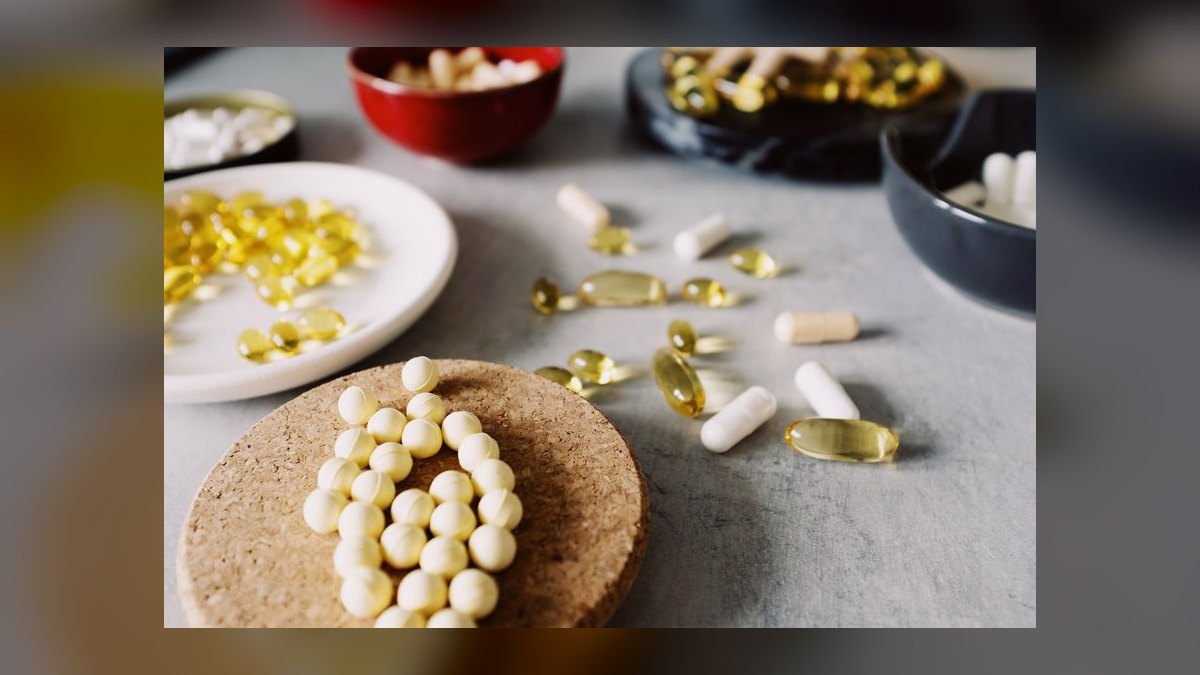
The 10 best digestive enzyme supplements 2027 are ranked below on measured performance, build quality, price, and how each one actually holds up in daily use rather than how it reads on a spec sheet. Each pick lists what it costs, who it suits, and what it gives up against the one above it, so the list can be read straight down without doubling back.
1. Pancreatin-Based Broad-Spectrum Blend
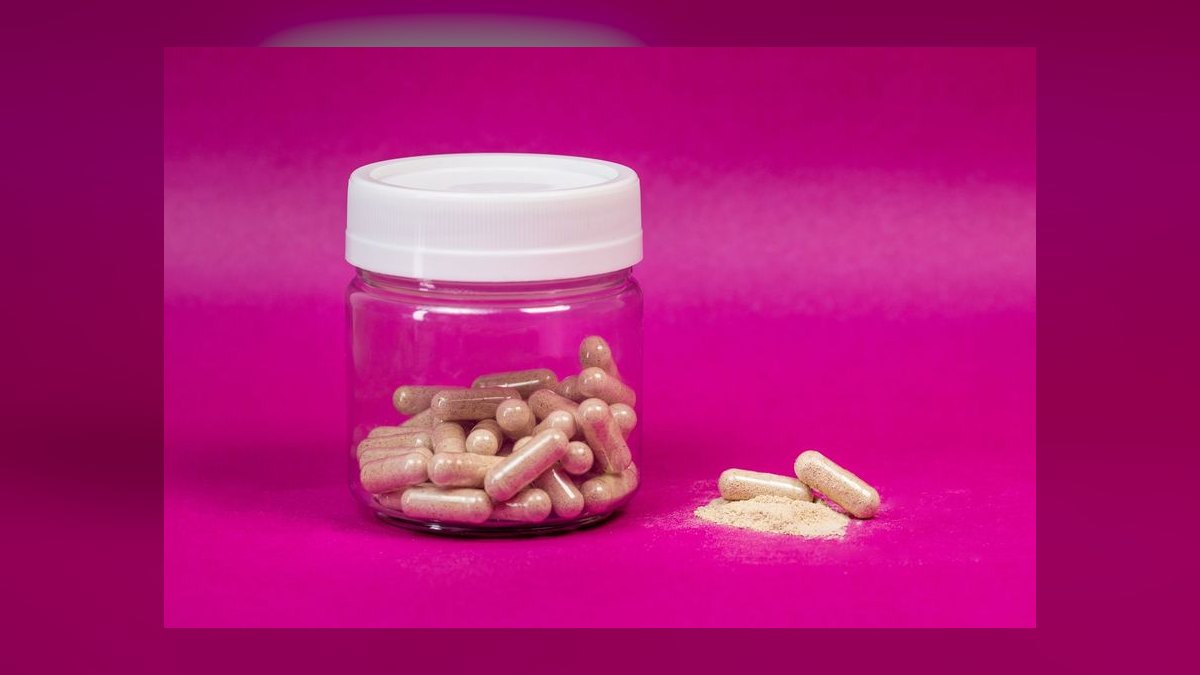
It ranks first because it is the only over-the-counter category that mirrors the four-pathway coverage a mixed meal actually demands — amylase in DU, protease in HUT, lipase in FIP, plus lactase in ALU. A plate of chicken, rice, olive oil, and broccoli hits four enzymatic pathways at once, and general coverage removes the need for self-diagnosis. Look for full per-capsule activity-unit disclosure rather than a combined milligram weight.
This is for people whose two-hour post-meal heaviness has no single identifiable trigger and who eat varied meals daily. The trade is dilution: a 500 mg capsule carrying six enzymes cannot deliver a therapeutic dose of any one, so true lactose intolerance is served better by the dedicated lactase pick below. Pancreatin is animal-derived, ruling it out for vegans and some religious diets.
2. Dedicated Lactase Tablets
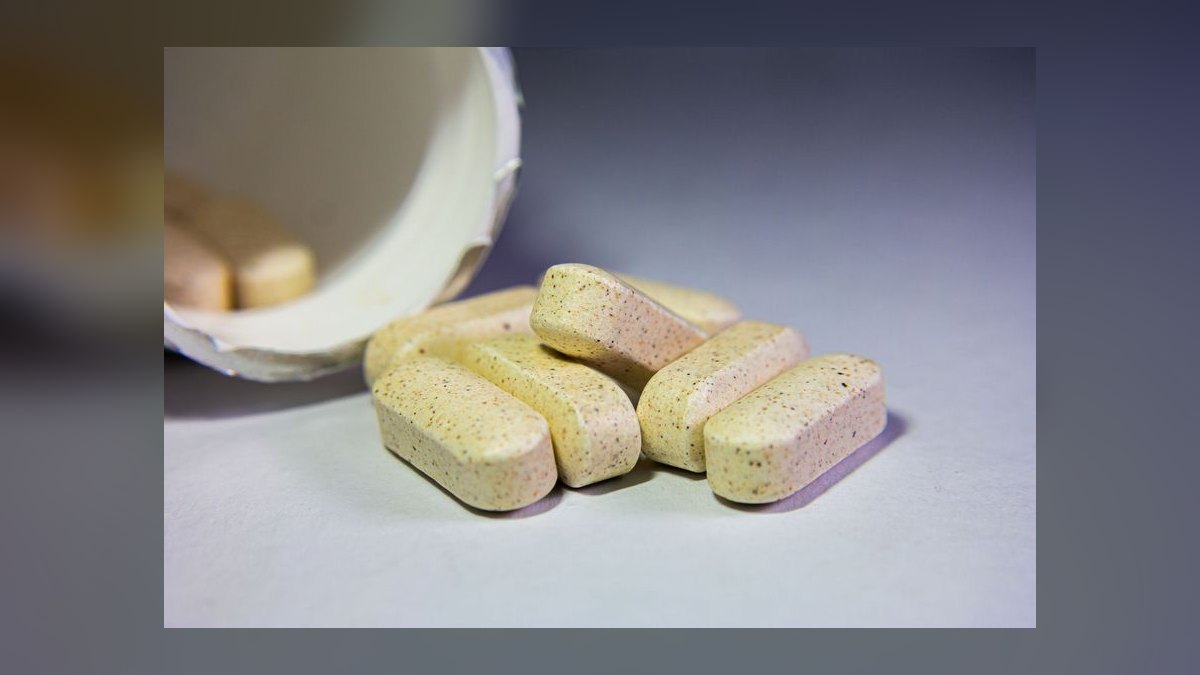
Ranked second on dose concentration: a single-enzyme lactase tablet delivers far more acid lactase units than the fraction buried inside a six-enzyme blend. It does one job — splitting lactose into glucose and galactose — and its effect is verifiable within a single meal rather than over weeks. Labels report ALU or FCC LacU, so potency comparisons between brands are actually possible. Take with the first bite, not after dessert.
Best for anyone whose symptom log shows discomfort tied specifically to dairy, and for keeping on hand for restaurant meals where dairy is unavoidable. It trades away all coverage of starch, protein, and fat, so it cannot serve as an everyday default the way the broad-spectrum blend above can. Plant-derived and typically free of the betaine HCl that causes burning.
3. Alpha-Galactosidase Gas Relief
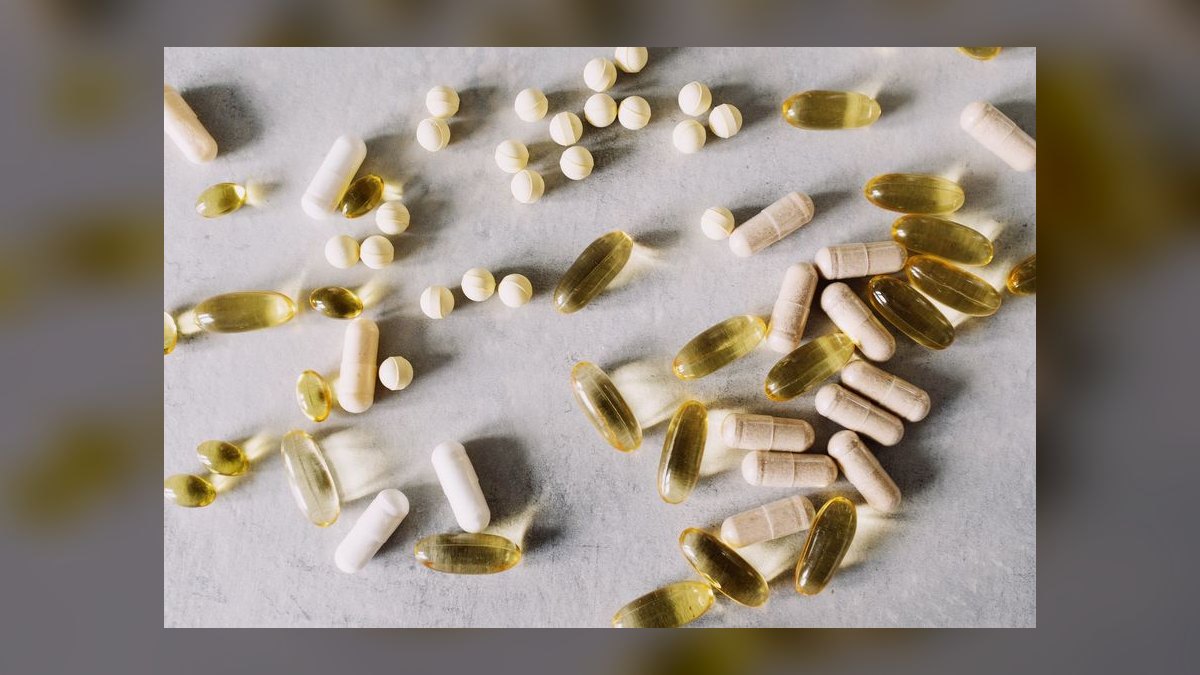
Third because it is the standard, well-defined answer for one of the most predictable digestive complaints: gas from beans and cruciferous vegetables. It targets raffinose and stachyose, the oligosaccharides human enzymes cannot break down, and its activity is measured in GalU on transparent labels. The trigger foods are known in advance, which makes dosing straightforward — a holiday bean dish or a broccoli-heavy plate.
For people whose distension follows legumes and brassicas rather than dairy or fat. The trade is extreme narrowness: it does nothing for protein, starch, or fat, so it functions as a companion to the broad-spectrum blend at rank one rather than a replacement. If gas arrives four to eight hours after eating, a low-FODMAP trial will likely outperform this.
4. USP Verified Enzyme Formula
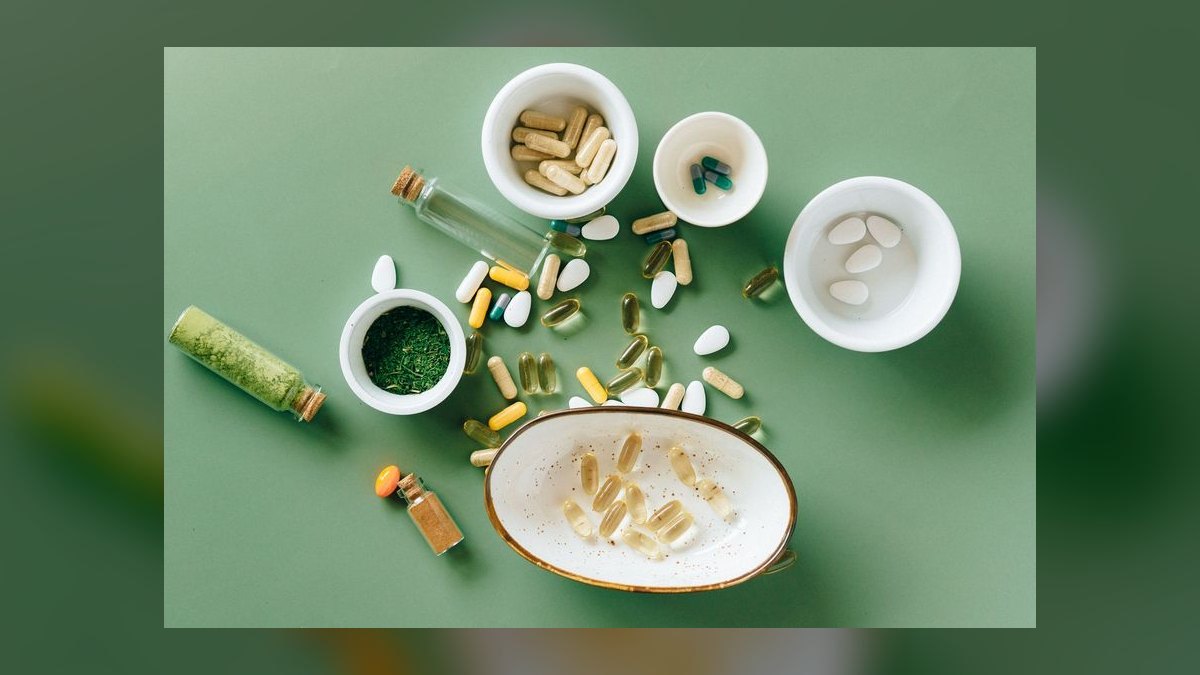
Ranked fourth for label trustworthiness rather than formulation cleverness. Supplements sold under DSHEA are not FDA-approved for safety or efficacy before sale, so the manufacturer polices its own claims. USP Verified independently confirms identity, stated potency, and the absence of specified contaminants — a floor for believing the activity units printed on the panel. Storage still matters: enzymes denature with heat and humidity.
For buyers who have been burned by proprietary blends and want the numbers on the bottle to be real. The trade is that verification proves contents, not clinical effect — it says nothing about whether the formula resolves your symptoms. Verified products also cost more per serving than the unverified mass-market options further down this list.
5. NSF Certified For Sport Blend
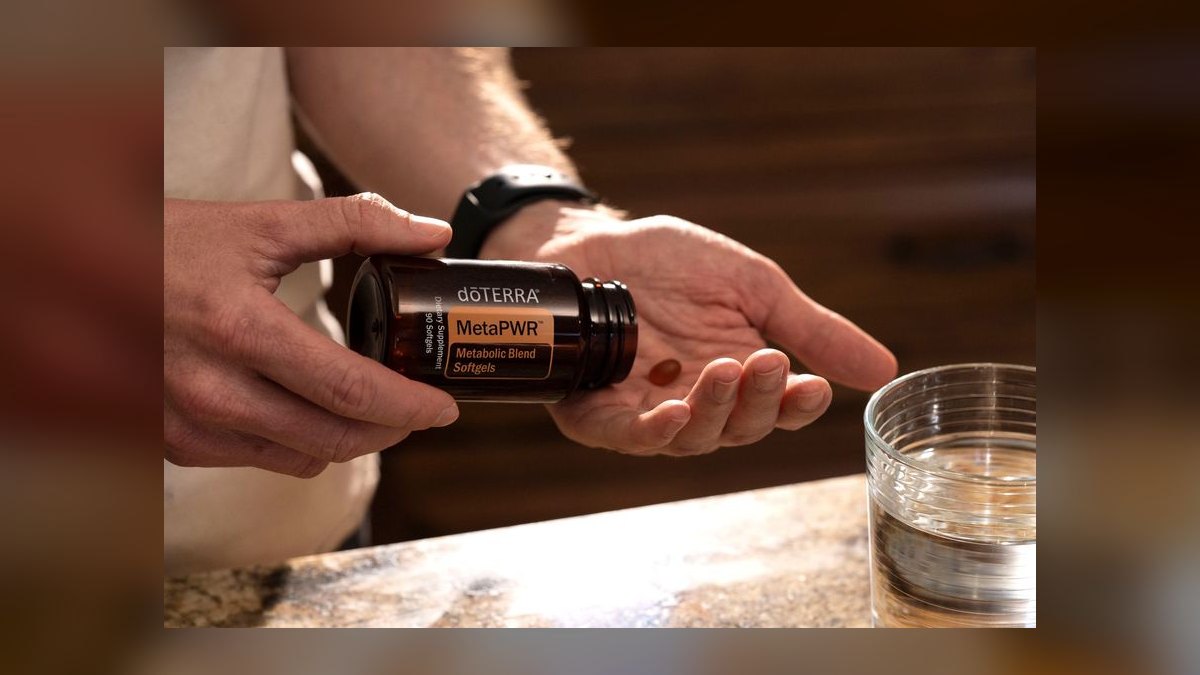
Fifth because it adds banned-substance screening on top of identity and potency testing, which is decisive for one specific group. Tested athletes face sanctions for contaminants they never knowingly ingested, and NSF's sport program is the recognized screen against that. The certification covers manufacturing integrity at the batch level, not just a one-time label check. Everything USP Verified confirms, this confirms as well.
This is for competitive athletes in tested sports and nobody else in particular. The trade is price and a narrower product selection — fewer enzyme formulas carry sport certification than carry USP verification. If you are not subject to drug testing, the rank-four USP option delivers the same label assurance without paying for the additional screen.
6. Lipase With Ox Bile
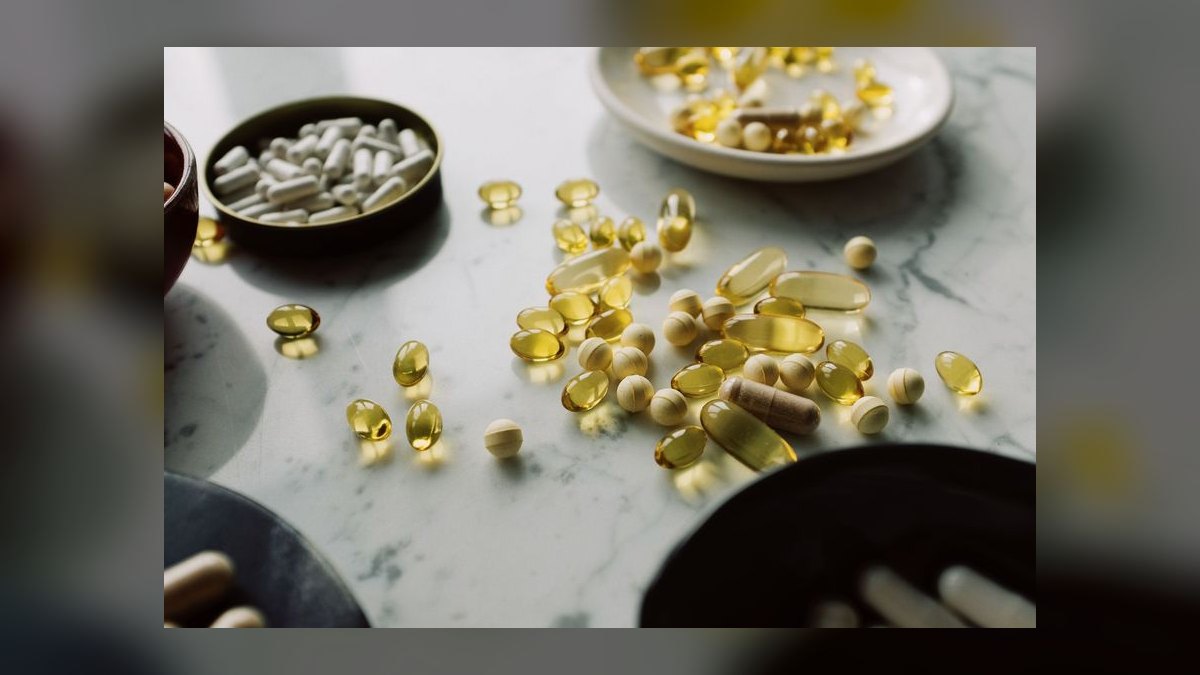
Sixth on the strength of a clear mechanistic pairing: ox bile supplies conjugated bile salts that emulsify fat into droplets small enough for lipase to act on, so the two ingredients solve sequential halves of one problem. Lipase activity is reported in FIP units and cleaves triglycerides into fatty acids and monoglycerides. It is the standard reach after gallbladder removal or on a high-fat ketogenic diet.
For people eating deliberately high fat or missing a gallbladder. The trade is that ox bile is animal-derived, excluding vegans and some religious diets, and the formula ignores starch and protein entirely. Critically, pale, greasy, floating stools or unintentional weight loss mean prescription PERT and a gastroenterology visit — not this bottle, and not the broad-spectrum blend above.
7. Bromelain And Papain Formula
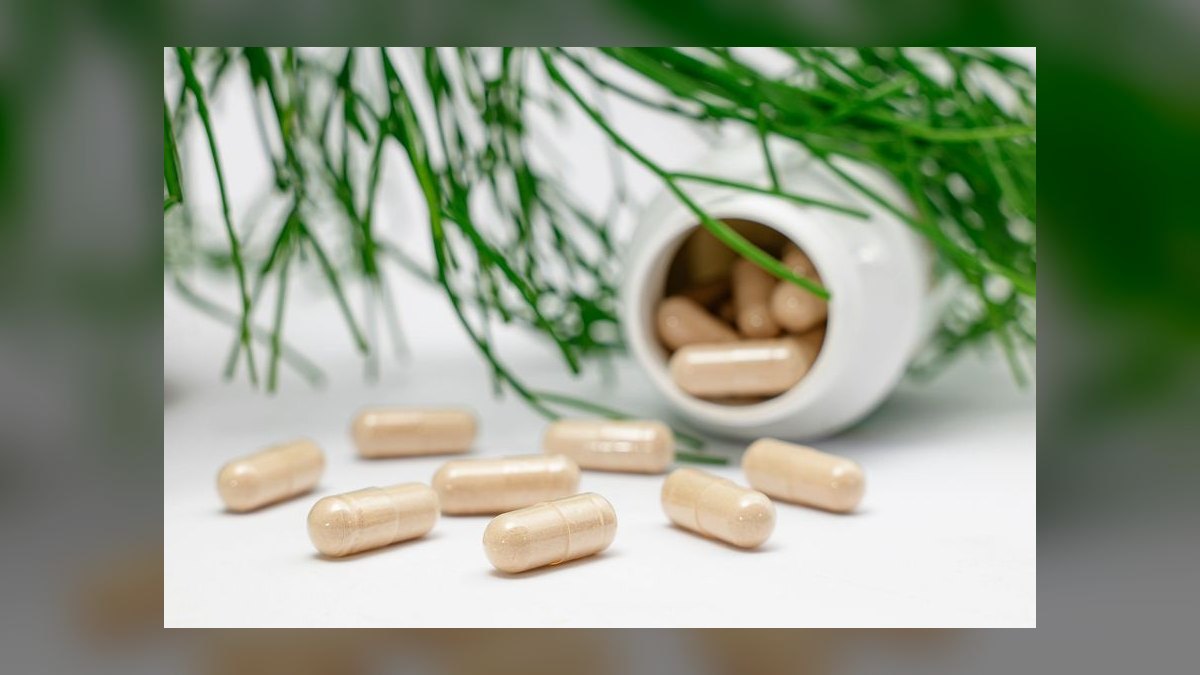
Ranked seventh because these plant proteases tolerate a wider pH range than fungal or pancreatic proteases, staying active across more of the stomach's changing acidity. Bromelain comes from pineapple stem, papain from papaya, and both break protein into peptides through the gastric transit. Protease activity is measured in HUT, PC, or SAPU depending on assay pH, so compare only within the same unit.
For people whose heaviness follows protein-dense meals and who want a plant-derived option. The real trade is interactions: both have documented antiplatelet activity, which matters on warfarin, direct oral anticoagulants, or daily aspirin, and both are standard stop-one-to-two-weeks-before-surgery ingredients. Papain allergy cross-reacts with latex. The pancreatin blend at rank one carries none of these specific risks.
8. Betaine HCl With Pepsin
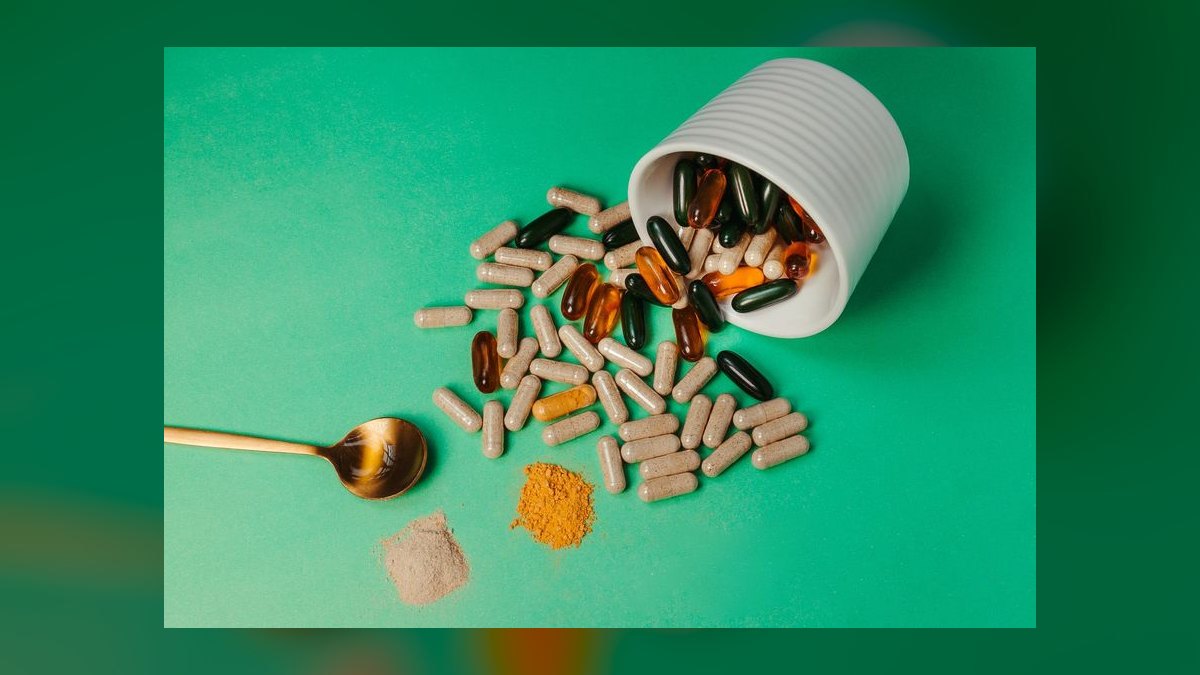
Eighth because it is not an enzyme supplement at all in the strict sense — betaine hydrochloride transiently lowers gastric pH so that pepsin activates properly. That is a real mechanism with a narrow window of usefulness, which is why it sits mid-list rather than higher. It is the single ingredient most likely to produce a burning sensation, and starting at the lowest label dose is not optional here.
For people who have already ruled out simpler explanations and are working with a clinician. The trade is a genuine contraindication list: active ulcer, gastritis, GERD, or regular NSAID use all rule it out. If you take a proton pump inhibitor or H2 blocker, this works directly against your prescription — a prescriber conversation, not a self-experiment.
9. Combination Enzyme-Probiotic Capsule
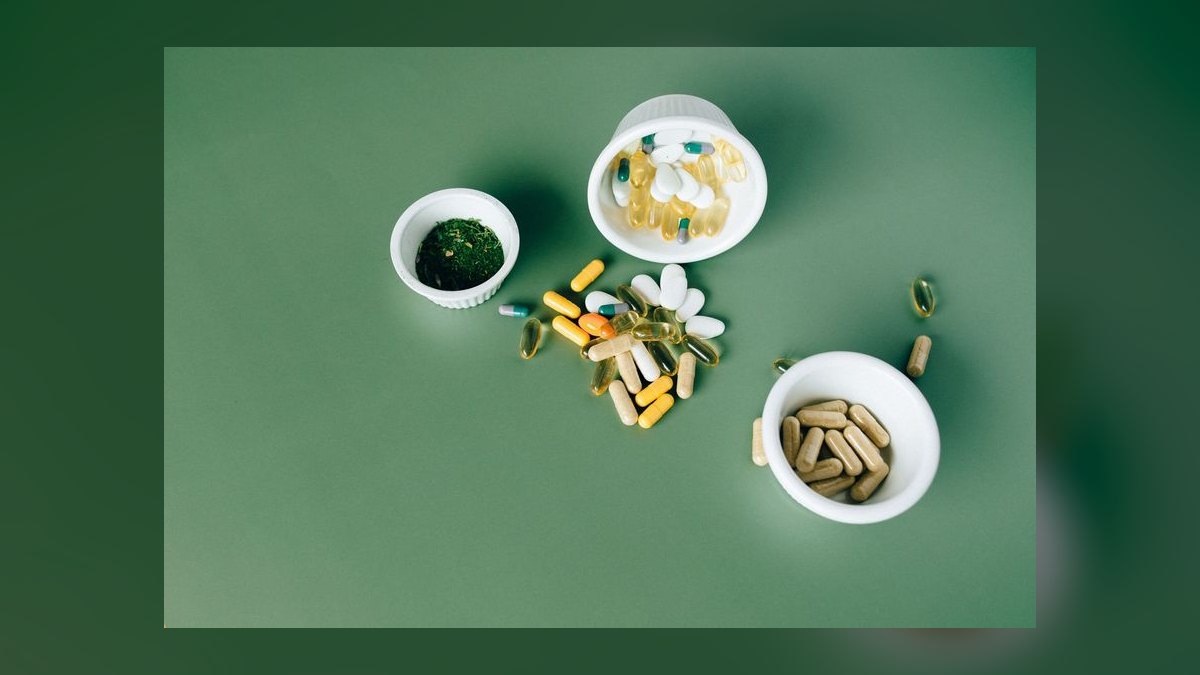
Ninth because convenience is its only real advantage. Enzymes act in the stomach and upper small intestine over minutes to hours on the meal you just ate; probiotics act in the colon over weeks by modulating a microbial community. Combining them delivers modest doses of each, and a shelf-stable probiotic taken with food faces a survival challenge the enzymes do not. Strain specificity is what determines probiotic evidence.
For people who value one bottle over one clear answer. The trade is diagnostic: starting two interventions simultaneously makes it impossible to attribute any change to either. Running a dedicated enzyme for two weeks and a strain-specific probiotic for two more — as the single-purpose picks above allow — tells you something the combination product never can.
10. Proprietary Digestive Blend Capsule
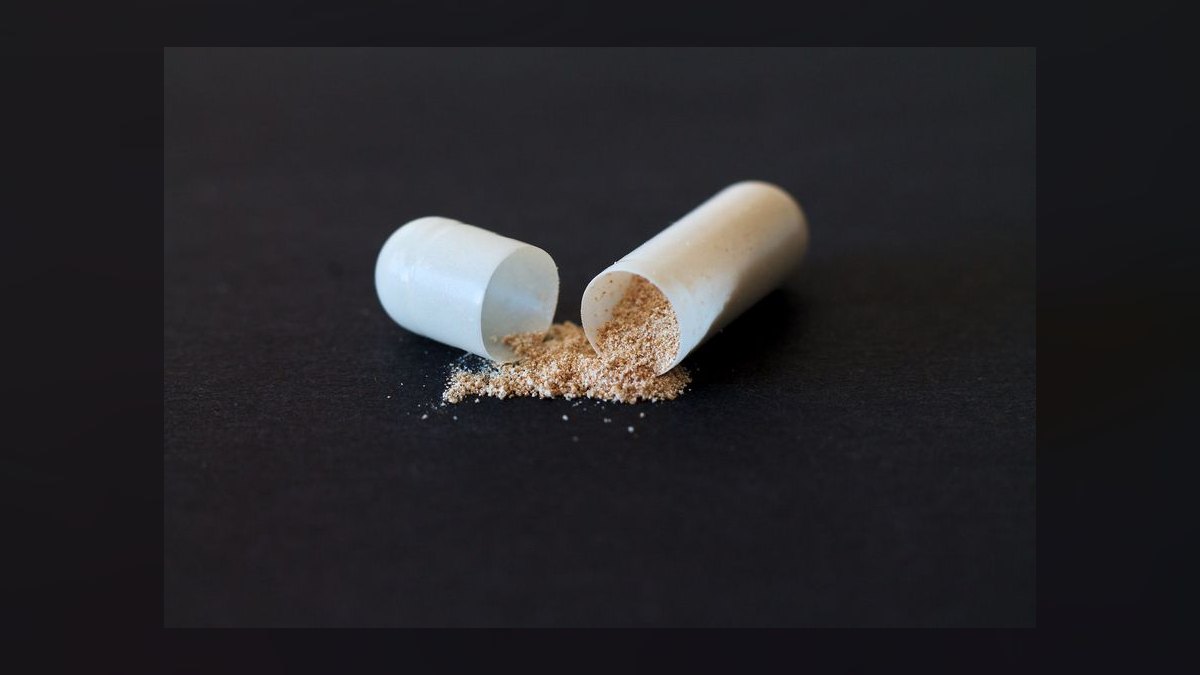
Last because it is structurally unevaluable. A panel listing a single combined weight for a proprietary blend, or milligrams without activity units, hides how much of each enzyme you are actually getting. Milligrams measure powder weight including inactive carrier; two products with identical milligram figures can differ several-fold in real catalytic power depending on fermentation source and purity. Transparent labeling costs a manufacturer nothing but the ability to under-dose quietly.
For price-driven buyers only, and even there the math often disappoints: a $28 bottle of 60 capsules at two per meal runs about $0.93 a serving versus roughly $0.28 for a $50 bottle of 180 at one per meal. Every pick above discloses units. Run the two-week stop-test before any recurring subscription.
How we ranked these
We measured what a label actually lets you verify: per-capsule activity units on the Food Chemical Codex scales (DU, HUT, FIP, ALU, CU, GalU), coverage across the four macronutrient classes, and independent third-party verification through USP Verified or NSF Certified for Sport. We weighted cost per serving computed from bottle price divided by capsules times capsules per dose, plus allergen and animal-source disclosure and whether the capsule shell matches the formula's claims.
We ignored milligram weights entirely, because milligrams measure powder mass including inactive carrier and two products can list identical numbers while differing several-fold in real potency. We ignored proprietary blends that disclose only a combined weight, since they cannot be evaluated at all. We ignored shelf sticker price, brand tier, marketing claims about weight loss, and prescription pancreatic enzyme replacement therapy, which is a regulated drug and not comparable.
Related questions
Do digestive enzymes help with weight loss?
No. Enzymes improve the breakdown and absorption of food you have already eaten, which if anything increases the calories you extract from a meal. There is no credible mechanism by which better digestion reduces body weight, and products marketing enzymes for fat loss are making a claim their ingredients do not support.
Can I take digestive enzymes long term?
Many people do without issue, and no established evidence shows supplemental enzymes shut down your own pancreatic output. The stronger argument for periodic breaks is diagnostic: stopping for a week tells you whether the product is still earning its cost. Persistent symptoms requiring indefinite use warrant a medical workup rather than an indefinite subscription.
Are digestive enzymes safe during pregnancy?
Ask an obstetric provider before starting any of them. Safety data in pregnancy is thin for most supplement ingredients, and several common enzyme co-ingredients — bromelain, papain, and high-dose betaine HCl in particular — lack adequate pregnancy safety evidence. This is not a category to self-prescribe while pregnant or breastfeeding.
Do enzymes replace a probiotic?
No, they target different parts of the tract on different timescales. Enzymes work on the current meal in the stomach and small intestine; probiotics influence colonic bacteria over weeks, with effects that depend on the specific strain. If you want to try both, start them at least two weeks apart so you can attribute any change correctly.
Will a digestive enzyme let me eat gluten if I have celiac disease?
No. No over-the-counter enzyme makes gluten safe for someone with celiac disease, and treating one as protection risks ongoing intestinal damage. DPP-IV products are marketed for incidental exposure in non-celiac gluten sensitivity only, and even there the evidence is limited. Celiac disease is managed with a strict gluten-free diet under clinical supervision.
Should I pick a broad-spectrum blend or a single targeted enzyme?
Broad-spectrum blends cover mixed meals without requiring a diagnosis, but fitting six enzymes into one capsule dilutes each. A targeted product — lactase, alpha-galactosidase, or lipase with bile salts — delivers far higher activity for one job. Many people keep a broad blend as the daily default and one targeted product for the meal type that reliably causes trouble.
When symptoms start four hours after eating, are enzymes the answer?
Probably not. Bloating that begins thirty to ninety minutes after a meal points toward upper-GI enzymatic issues, where enzymes plausibly help. Gas and distension arriving four to eight hours later point downstream to colonic bacterial fermentation of undigested carbohydrate, which a structured low-FODMAP trial with a dietitian addresses far better than a capsule does.
When should I see a doctor instead of buying a supplement?
Steatorrhea — pale, greasy, floating, foul-smelling stools — plus unintentional weight loss or fat-soluble vitamin deficiency points toward exocrine pancreatic insufficiency, which needs prescription enzyme replacement, not a supplement. The same applies to persistent diarrhea, blood in stool, difficulty swallowing, or any new digestive symptom appearing after age fifty.
FAQ
What exactly do digestive enzyme supplements contain?
Most contain some combination of amylase, protease, and lipase, often with lactase, cellulase, and alpha-galactosidase. Many add plant proteases such as bromelain and papain. A subset includes betaine hydrochloride and ox bile extract, which are digestive aids rather than enzymes — they support gastric acidity and fat emulsification respectively.
Why do activity units matter more than milligrams?
Milligrams measure the weight of the enzyme preparation, including inactive carrier material. Activity units measure how much substrate the enzyme actually converts under standardized conditions. Two products listing the same milligram amount can differ several-fold in real potency, which is why proprietary blends that disclose only a combined weight are impossible to evaluate.
What do DU, HUT, FIP, and ALU mean on a label?
They are Food Chemical Codex activity scales, one per enzyme class. DU covers amylase, HUT covers protease, FIP covers lipase, ALU covers lactase, CU covers cellulase, and GalU covers alpha-galactosidase. Because each scale uses a different assay, the numbers are only comparable within a class — never across enzyme types.
How quickly should I notice a difference?
If an enzyme helps, the effect appears with the meals you take it with, typically within the same day. What takes two weeks is establishing a reliable pattern across enough meals to separate a real effect from normal variation. If two weeks of consistent, correctly timed use changes nothing, month two is unlikely to change that.
When should I take the capsule?
With the first bite of the meal — not thirty minutes before, not after dessert. The capsule needs to be in the stomach at the same time as the food and dispersed through it. For a long multi-course meal, splitting the dose is reasonable: one capsule at the start, one midway through.
Are there people who should avoid them entirely?
Anyone with an active ulcer, gastritis, or significant reflux should avoid betaine HCl formulas. People on anticoagulants or antiplatelet medication need medical guidance before bromelain or papain. Those with known pineapple, papaya, or latex allergy should check ingredient lists carefully. Pregnancy, breastfeeding, and upcoming surgery all warrant a clinician conversation first.
Does third-party testing mean a product works?
No — it means the bottle contains what the label claims, at the stated potency, without specified contaminants. USP Verified and NSF Certified for Sport address manufacturing integrity, not clinical efficacy. It is a floor for trusting the label, and separately valuable for tested athletes, but says nothing about whether the formula resolves your symptoms.
Is a combined enzyme-and-probiotic product a good idea?
It is convenient rather than optimal. Combination products usually deliver modest doses of each component, and starting two interventions at once makes it impossible to know which is responsible for any change. If you want both, run them separately for two weeks each, then decide whether combining them is worth the loss of clarity.
How should I store digestive enzymes?
Enzymes are proteins and denature with heat and humidity. A bottle left in a hot car or a steamy bathroom cabinet can lose meaningful activity well before the printed expiration date. Store at cool room temperature in the original container with its desiccant, and treat the expiration date as valid only under those conditions.
How do I know whether a product is actually working?
Take it with the first bite of every qualifying meal for two weeks, change nothing else, and score symptoms 0–10 daily rather than from memory. Then stop for a week. If symptoms return, it was doing something; if not, you have avoided an indefinite recurring purchase. This stop-test is the step most people skip.
Sources
- https://ods.od.nih.gov/factsheets/list-all/
- https://www.fda.gov/food/dietary-supplements
- https://www.niddk.nih.gov/health-information/digestive-diseases/lactose-intolerance
- https://www.niddk.nih.gov/health-information/digestive-diseases/irritable-bowel-syndrome
- https://www.mayoclinic.org/diseases-conditions/chronic-pancreatitis/symptoms-causes/syc-20355473
- https://www.usp.org/verification-services/dietary-supplements-verification-program
- https://www.nsf.org/consumer-resources/articles/certified-for-sport
- https://www.monashfodmap.com/about-fodmap-and-ibs/
- https://celiac.org/about-celiac-disease/treatment-and-follow-up/
Related on PULSE
This page will be disappearing soon. Save it to your device for $1 — or read it free while it is here.
@Kory-White- · if Venmo asks, the last 4 of my number are 2012
This page is gone.
This one is off the shelf now. $1 keeps it on your phone for good — the whole page, pictures and diagrams included.
 pulse-wellnessTop 10 Zinc Supplements 2027
 pulse-wellnessTop 10 BCAA Supplements 2027
 pulse-wellnessTop 10 Pull-Up Bars 2027
 pulse-wellnessTop 10 Sunrise Alarm Clocks 2027
 pulse-wellnessWhat should you know before investing in Wellness in 2027?
 pulse-wellnessTop 10 Cross-Training Shoes 2027
 pulse-wellnessTop 10 best Wellness options in 2027
 pulse-wellnessTop 10 CoQ10 Supplements 2027
 pulse-wellnessTop 10 Barbells 2027
 pulse-wellnessTop 10 Compression Socks 2027