


What is the best way to approach Wellness in 2027?
Quality
Certified

The best way to approach wellness in 2027 is to treat it as an embedded operating capability rather than a standalone perk — a continuous, data-informed system that supports physical, mental, financial, and social health, is personalized to the individual, and is measured against real business and human outcomes. In practice this means three things. First, integrate wellness into the flow of work (how meetings are scheduled, how workloads are set, how time off is protected) instead of bolting it on as a separate program employees have to remember to use. Second, personalize the experience — use opt-in data, choice, and modular resources so a caregiver, a remote engineer, and an on-site frontline worker each get support that fits their life, rather than one generic package. Third, anchor the whole effort to visible leadership behavior and a psychologically safe culture, because a program that preaches balance inside a culture that rewards overwork will always fail.
If a reader stops here, the actionable summary is this: survey your people to learn their real needs, secure genuine executive sponsorship and budget, build around the four pillars (physical, mental/emotional, financial, social), make access frictionless through tools employees already use, protect data privacy rigorously, and measure impact over time with both hard metrics (retention, absenteeism, healthcare trend, productivity) and soft ones (engagement, trust, belonging). Start small with a pilot, learn, and scale what works. The organizations that win in 2027 are not the ones with the flashiest app — they are the ones that made well-being an honest, sustained part of how the business runs.
How the Concept of Wellness Has Evolved by 2027
Wellness has traveled a long way from its origins as a cost-containment tactic. Early corporate programs were narrowly physical: subsidized gym memberships, biometric screenings, step-count challenges, and the occasional flu-shot clinic. They were often justified purely as a way to lower insurance premiums, and their reach rarely extended past the employees who were already healthy and motivated.
The disruptions of the early 2020s — a global pandemic, the rapid normalization of remote and hybrid work, rising economic uncertainty, and a broad cultural reckoning with burnout — exposed the limits of that model. Organizations learned, sometimes painfully, that an employee's financial stress bleeds into their mental health, that poor mental health undermines physical health, and that isolation erodes engagement no matter how good the fitness benefit is. These dimensions are not separate line items; they are a single interconnected system.
By 2027, the leading frameworks reflect that lesson. Wellness is understood as holistic and personal, delivered in a way that is location-agnostic so that a fully remote worker in one time zone gets the same quality of support as someone in headquarters. The best programs are digital-first but not digital-only — they blend on-demand resources with human connection. And critically, the field has moved away from a "one-size-fits-all" mindset toward genuine personalization, recognizing that needs differ by life stage, role, health status, and personal circumstance. A new parent, an employee managing a chronic condition, and a recent graduate carrying student debt all need different things, and a modern program is designed to flex around them.
The Core Pillars of a Successful Wellness Strategy in 2027
A durable wellness strategy rests on four interconnected pillars. Treating any one in isolation is the classic mistake; the value comes from how they reinforce one another.
Physical health now extends well beyond fitness. It includes sleep quality, nutrition guidance, movement built into the workday, preventive care, and ergonomic support for home and hybrid workspaces. For a workforce that spends much of its day at a screen, small structural choices — standing options, encouragement to take real breaks, walking meetings — often matter more than a gym subsidy few people use.
Mental and emotional health has moved to the center of the conversation. Leading programs provide accessible pathways to licensed therapists and counseling, stress-management and resilience resources, and, above all, a culture that destigmatizes asking for help. Access matters, but so does normalization: an employee-assistance benefit no one feels safe using is not really a benefit.
Financial wellness addresses one of the most common and corrosive sources of stress. Practical support — budgeting tools, debt-management guidance, savings and emergency-fund help, and retirement planning — reduces a burden that quietly undermines focus and health. Because money worries are private and stigmatized, discreet, self-serve resources tend to be used more than public workshops.
Social connection counters the isolation that hybrid and remote work can create. Intentional community-building — employee resource groups, mentorship, informal virtual gatherings, and periodic in-person time — helps people feel they belong. Belonging is not a soft nicety; it is closely tied to engagement, discretionary effort, and whether people stay.
The integration is what separates leading programs from average ones. Data from a wearable might surface a run of poor sleep, which connects to a coaching resource on sleep hygiene, which in turn surfaces that the underlying driver is financial anxiety — routing the person toward financial planning support. Embedding wellness into daily work (focus blocks, protected time off, ergonomic stipends) makes healthy choices the path of least resistance rather than one more task on an already full plate.
How Technology Can Be Leveraged for Personalized Wellness
Technology is the enabler that makes personalization possible at scale, but it is a means, not the goal. Used well, artificial intelligence and analytics can look across opt-in signals — self-reported surveys, wearable data, and platform usage — to spot patterns and surface the right resource at the right moment. An employee who repeatedly reports high stress might be gently prompted toward a short breathing exercise, a coaching session, or a financial-planning module if the pattern suggests money is the driver. The aim is timely, relevant nudges rather than a static menu the employee has to navigate alone.
Wearable devices have grown more capable, tracking signals such as heart-rate variability, sleep stages, and activity. Integrated thoughtfully with a wellness platform, these signals can support gentle, proactive feedback — for example, suggesting a lighter schedule after a stretch of poor recovery. Immersive tools like virtual reality are emerging for guided relaxation and team exercises. But the single most important factor in technology adoption is trust. Employees must have clear, genuine opt-in choices, plain-language explanations of what is collected and why, and an ironclad guarantee that wellness data is never repurposed for performance evaluation or surveillance. The moment people suspect the wearable is watching their productivity, engagement collapses and the program loses its foundation. Transparency and consent are not compliance checkboxes; they are the condition on which the entire approach depends.
The Role of Leadership and Culture
Leadership commitment and organizational culture are the ground on which every successful program is built. By 2027, employees are highly attuned to the gap between stated values and lived reality. A company that markets wellness while quietly rewarding overwork will lose credibility fast, and a cynical workforce will treat the program as theater.
The remedy is behavioral, not promotional. Leaders have to model the behavior they ask for: taking real breaks, using their vacation, respecting off-hours, and being willing to talk openly about their own limits and challenges. When a senior leader visibly logs off or names their own stress, it gives everyone else permission to do the same. Managers, in turn, need practical training to hold empathetic conversations about workload and well-being, and to create the psychological safety in which people feel able to raise a problem before it becomes a crisis.
Culture also shapes whether benefits are actually used. In a supportive environment, using a mental-health resource or setting a boundary is seen as responsible, not as weakness. Some organizations reinforce this by inviting employees to set well-being goals alongside professional ones, or by protecting collective norms like meeting-free focus time and genuine disconnection after hours. Consistent communication from leadership — and visible recognition of managers who build healthy, sustainable teams — turns intention into norm. The strongest wellness strategy is one that is authentically championed from the top and embedded at every level, so that "how we work" and "how we care for people" are the same sentence.
How to Measure the ROI of a Wellness Program

Measurement has grown more sophisticated, moving well past participation counts. The most credible approaches combine quantitative and qualitative evidence and track it over time. On the quantitative side, organizations look at healthcare cost trends, absenteeism and presenteeism, retention and turnover, and productivity indicators. Where possible, they compare engaged and less-engaged populations to isolate the program's contribution, while being careful about privacy and selection effects.
Financial ROI is only half the picture. The "return on well-being" is captured through engagement surveys, employee Net Promoter Score, and qualitative feedback that reveals whether people feel supported, trust the organization, and would recommend it as a place to work. These softer signals often move first and predict the harder outcomes that follow. The best measurement strategies are longitudinal — tracking change across quarters and years rather than judging a single event — and honest about attribution. Presenting a complete, credible story that pairs financial and human outcomes is what secures sustained investment. Leaders should also be candid that some benefits, like improved morale, appear relatively quickly, while cost and retention effects typically take longer to materialize and stabilize.
Common Pitfalls to Avoid When Designing a Wellness Program
Even well-intentioned programs fail in predictable ways, and knowing the traps is half the battle.

The first is a lack of personalization. Offering the same resources to everyone ignores the reality of a multigenerational, geographically dispersed workforce. A program built entirely around on-site fitness alienates remote workers and people with caregiving responsibilities, and it signals that the company designed for an "average" employee who doesn't exist.
The second is treating wellness as a check-the-box initiative without genuine leadership participation. If executives don't engage and the culture still glorifies burnout, the program reads as performative and never earns trust.
Other recurring pitfalls include poor communication (great benefits no one knows about), friction (complex enrollment or resources buried outside the tools employees already use), and failure to measure, which makes iteration impossible and leaves the program vulnerable the moment budgets tighten. Privacy missteps are especially damaging: if employees suspect their health data could be used against them, participation and trust evaporate together. And finally, over-indexing on novelty — chasing a flashy new gadget or trend instead of solving the needs people actually named — wastes budget and goodwill.
The programs that endure in 2027 design against these failures deliberately: they personalize, they secure real leadership buy-in, they communicate simply, they reduce friction, they protect privacy, and they measure and adjust. Simplicity, transparency, and alignment with the company's genuine values do more than any single feature.
A Practical Rollout Path
For teams starting fresh or relaunching, a sensible sequence reduces risk. Begin with listening: survey employees and hold small focus groups to learn their top stressors and preferences, so the program is grounded in real needs rather than assumptions. Next, secure sponsorship and budget from leadership, with a named executive owner who will model the behavior publicly. Then pilot narrowly — pick one or two pillars where the need is clearest, run for a defined period, and instrument it so you can see what works. Use the pilot's results to iterate and scale, expanding to additional pillars and populations only after you've learned. Throughout, keep access frictionless (meet people inside the tools they already use), keep data governance strict and transparent, and revisit the program on a regular cadence so it evolves with your workforce. This measured approach beats a big-bang launch that promises everything and sustains nothing.
FAQ
What is the single most important factor for a successful wellness program?
Genuine, visible leadership commitment. If executives model healthy behavior — taking breaks, using time off, discussing their own challenges — and if wellness is protected in real business decisions, employees trust the program. Without that, even a well-designed and well-funded effort is seen as theater and fails to gain traction.
How can I make my wellness program inclusive for remote and hybrid workers?
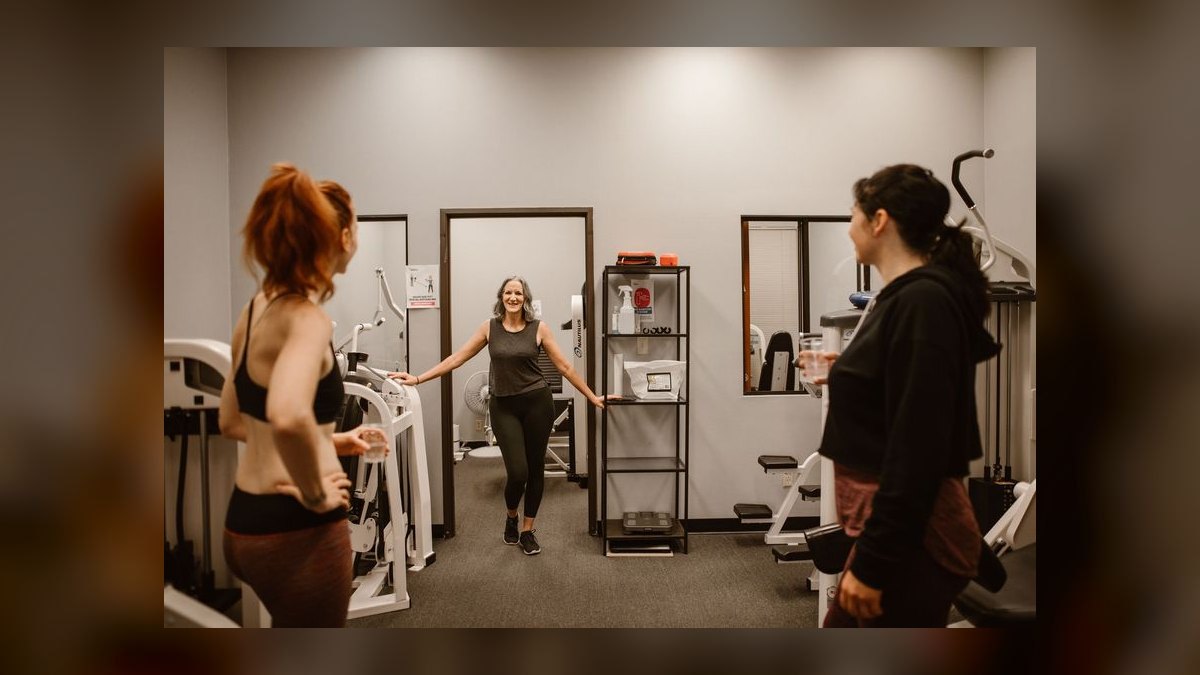
Prioritize digital-first, asynchronous resources that people can reach from anywhere — virtual coaching, on-demand content, and stipends for home-office ergonomics — so support doesn't depend on being in a building. Then add intentional connection: virtual communities and events scheduled with different time zones in mind, plus periodic in-person opportunities where feasible.
Is financial wellness really necessary, or is it a nice-to-have?
It is close to essential. Financial stress is one of the most common and persistent sources of anxiety, and it directly affects mental focus and physical health. Practical, discreet support — budgeting help, debt management, savings guidance, and retirement planning — relieves a burden that quietly undermines performance and well-being.
How do I handle employee privacy concerns with wellness technology?
Be radically transparent. Explain in plain language what is collected, how it's used, and who can see it. Rely on opt-in participation, use aggregated and de-identified data for analytics, and give employees genuine control to opt out. Most importantly, guarantee — and honor — that wellness data is never used for performance evaluation or monitoring.
Can wellness programs actually reduce turnover?
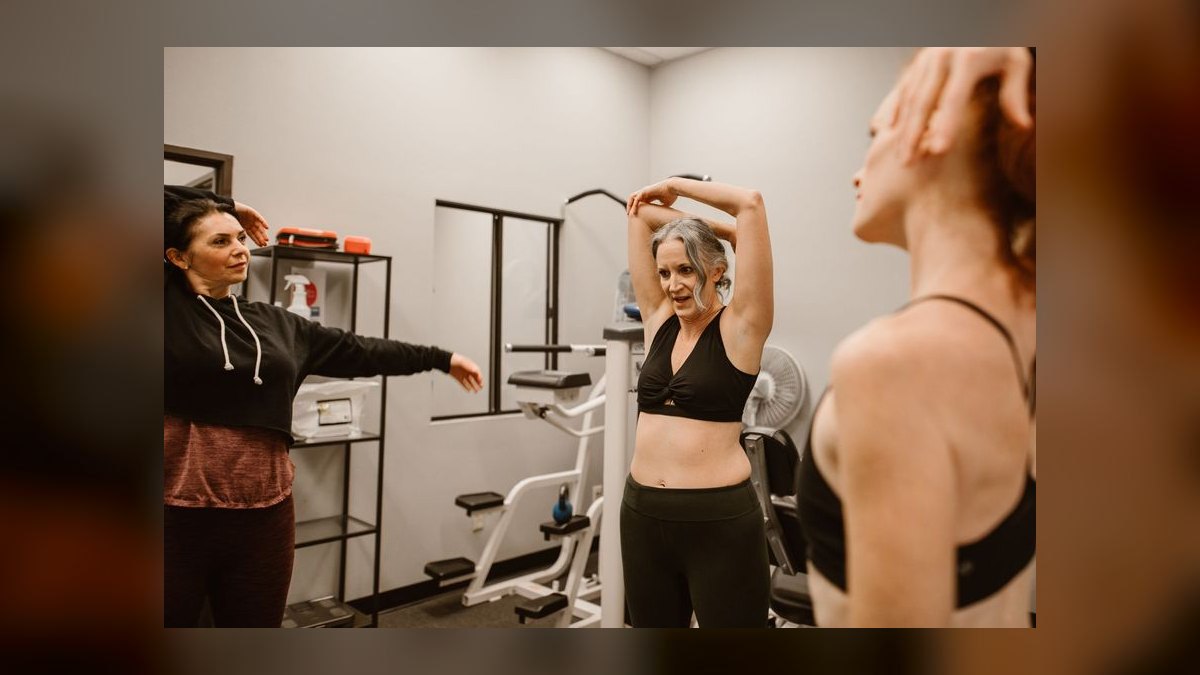
Yes. By improving day-to-day well-being, reducing stress, and building a sense of belonging, effective programs make people more likely to stay. The effect is strongest when wellness is backed by an authentic culture rather than offered as an isolated perk, and retention improvements typically show up over time rather than immediately.
How long does it take to see a return on a wellness program?
It varies by outcome. Softer signals like engagement and morale often improve within a few months. Harder financial effects — healthcare cost trends and retention — generally take longer to materialize and stabilize, so measurement should be longitudinal. Expect a gradual, compounding return rather than an overnight result, and track it patiently over quarters and years.
What role should gamification play?
It can boost engagement through friendly challenges, streaks, and recognition, but it should always be optional and designed to support intrinsic motivation. Poorly designed gamification creates pressure, excludes people who can't compete, or turns health into a leaderboard — which backfires. Keep it light, inclusive, and never tied to consequences.
Sources
- Harvard Business Review — topics on employee well-being and management
- Gallup — State of the Global Workplace and employee engagement research
- World Economic Forum — future of work and well-being
- SHRM (Society for Human Resource Management) — employee benefits and workplace resources
- McKinsey & Company — insights on organizational health and workforce
- American Psychological Association — workplace and well-being research
- Deloitte — Global Human Capital Trends
- Centers for Disease Control and Prevention — Workplace Health Promotion
Related on PULSE
- How does the concept of "metabolic flexibility" redefine our understanding of weight management beyond calorie restriction and exercise alone?
- Top 10 Posture Correctors — Best Overall + Best Value in 2027
- Top 10 Meditation Apps 2027
- Top 10 Infrared Sauna Blankets — Best Overall + Best Value in 2027
Recently Added — Related
This page will be disappearing soon. Save it to your device for $1 — or read it free while it is here.
@Kory-White- · if Venmo asks, the last 4 of my number are 2012
This page is gone.
This one is off the shelf now. $1 keeps it on your phone for good — the whole page, pictures and diagrams included.
 pulse-wellnessWhat does a Level 2 infrared sauna blanket cost in 2027?
 pulse-wellnessHow much does Wellness cost in 2027?
 pulse-wellnessWhat are the most common mistakes in Wellness in 2027?
 pulse-wellnessWhat should you know before investing in Wellness in 2027?
 pulse-wellnessWhat is the real-world cost of a Theragun Pro Gen 5 in 2027?
 pulse-wellnessTop 10 best Wellness options in 2027
 pulse-wellnessIs Wellness worth it in 2027?
 pulse-wellnessHow do you get started with Wellness in 2027?
 pulse-wellnessTop 10 Breathwork Apps 2027
 pulse-wellnessTop 10 Habit Tracker Apps 2027