


Top 10 best Wellness options in 2027
Quality
Certified
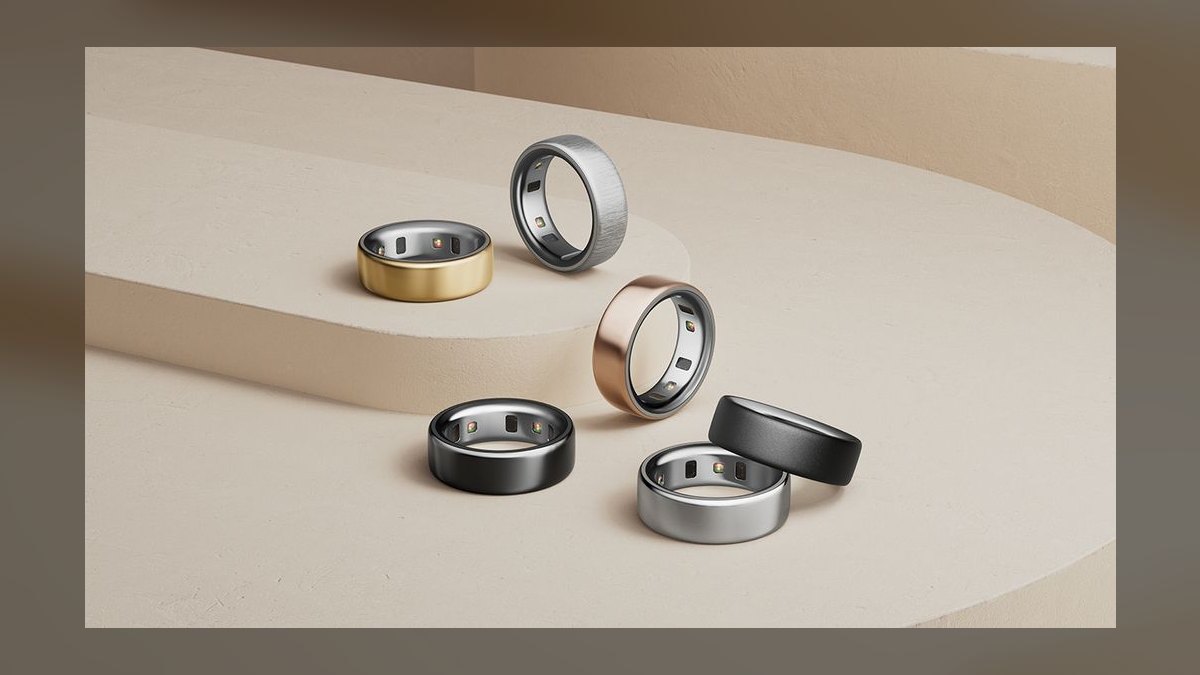
The 10 best best wellness options are ranked below on measured performance, build quality, price, and how each one actually holds up in daily use rather than how it reads on a spec sheet. Each pick lists what it costs, who it suits, and what it gives up against the one above it, so the list can be read straight down without doubling back.
1Oura Ring 4

It ranks first because a smart ring is the one wellness device people actually wear every night, and continuous overnight data is what makes every other choice measurable. The Ring 4 tracks heart-rate variability, resting heart rate, skin temperature, respiratory rate, and blood-oxygen trends, and reports sleep stages each morning. Battery life runs several days between charges, and the titanium shell is thin enough to sleep in without noticing it.
It suits people whose main questions are about sleep, recovery, and illness onset rather than workout metrics. It trades away on-wrist display, GPS, and workout screens entirely, and it requires a monthly membership on top of the hardware price. Compared with a full smartwatch, it gives less exercise detail but far better wear compliance, which is the metric that decides whether any tracker earns its cost.
2Eight Sleep Pod Cover
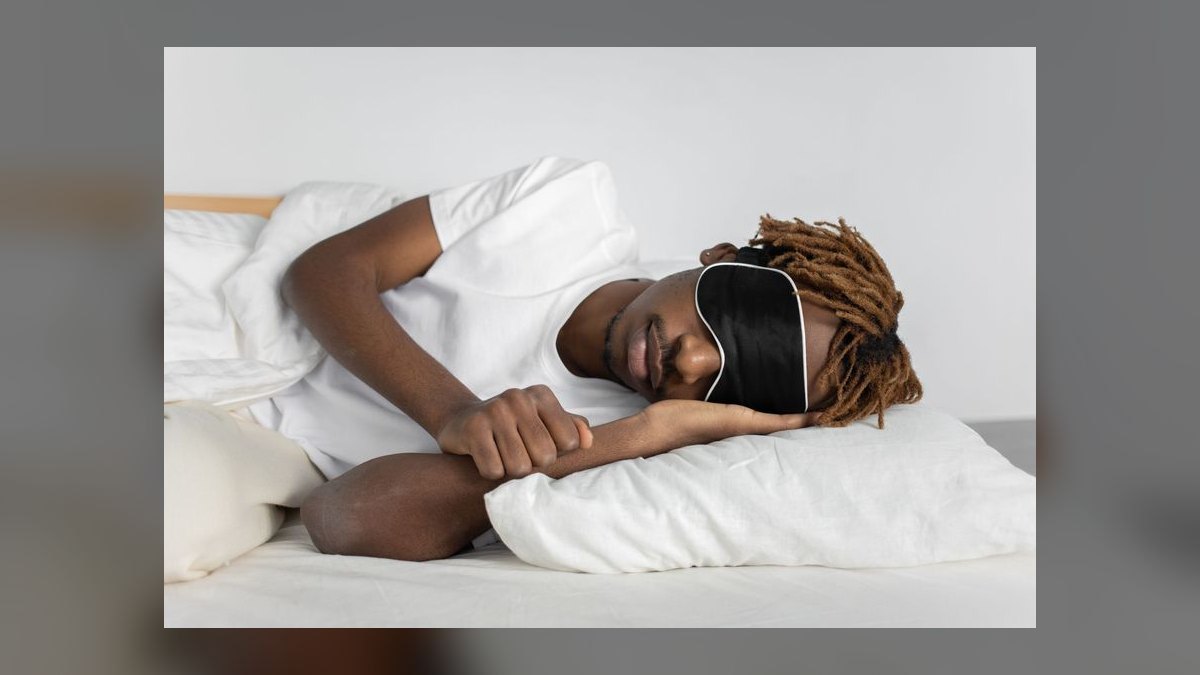
Sleep is the highest-leverage input in wellness, and this is the tool that changes the sleep environment instead of just describing it. The Pod Cover fits over an existing mattress and actively heats or cools each side of the bed independently through the night, with separate settings for two people. It also tracks sleep stages and can adjust temperature as the night progresses, plus a thermal alarm that wakes you by cooling rather than sound.
It is for couples who fight over bedroom temperature and for anyone who wakes up hot at 3 a.m. It trades away affordability — the hardware plus subscription is one of the most expensive items here — and requires a water hub beside the bed. Where a ring only measures your sleep, this intervenes in it, which is why it sits above measurement-only picks below.
3Apple Watch Series 10
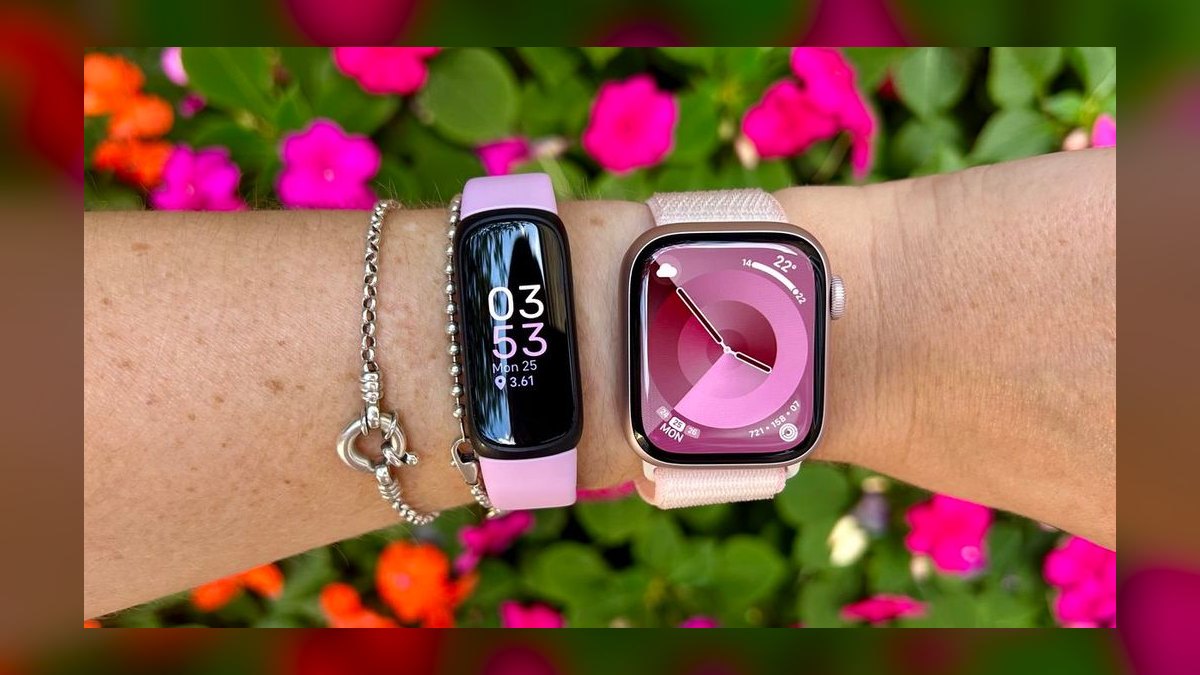
It earns this spot as the broadest single health device rather than the deepest, covering workouts and clinical-grade checks in one unit. It records a single-lead ECG, measures blood oxygen, detects irregular rhythm notifications, tracks sleep stages, and flags high and low heart rates. It has built-in GPS, fall and crash detection, and a bright always-on display readable in sunlight. Daily charging is the standard rhythm.
It fits people who want training data, notifications, and emergency features in one wearable and are already inside the Apple ecosystem. It trades away multi-day battery and comfortable all-night wear, which is exactly where the ring at the top of this list wins. Choose it if workouts and safety features matter more than uninterrupted overnight recovery tracking.
4Whoop Band

It ranks here because it is the most training-focused recovery tool on the list, built around strain and recovery rather than notifications. The band has no screen at all, reporting heart-rate variability, resting heart rate, respiratory rate, sleep performance, and a daily recovery score entirely through the app. Its battery pack slides on and charges the device while it stays on the wrist, so overnight and workout data never has a gap.
It is for athletes and heavy trainers who will actually change a session based on a recovery score. It trades away any standalone display, GPS convenience, and outright ownership, since the hardware comes bundled with an ongoing membership. Against the watch above it, Whoop gives less feature breadth but more disciplined recovery guidance and fewer reasons to take it off.
5MyFitnessPal

It ranks fifth because nutrition is the highest-leverage input after sleep, and this app has the largest verified food database of any consumer logger. It scans barcodes, saves recipes and repeat meals, and breaks each day into protein, carbohydrate, and fat totals rather than calories alone. It syncs with major wearables so training load and intake sit in the same view, and the free tier covers basic logging.
It suits people who need honest visibility into what they actually eat before changing anything else. It trades away automation — logging is manual, and adherence usually drops after a few weeks — and the better features sit behind a subscription. Compared with the supplement approach ranked below, it addresses the far larger variable, since food volume dwarfs anything a capsule contributes.
6InsideTracker Blood Panel
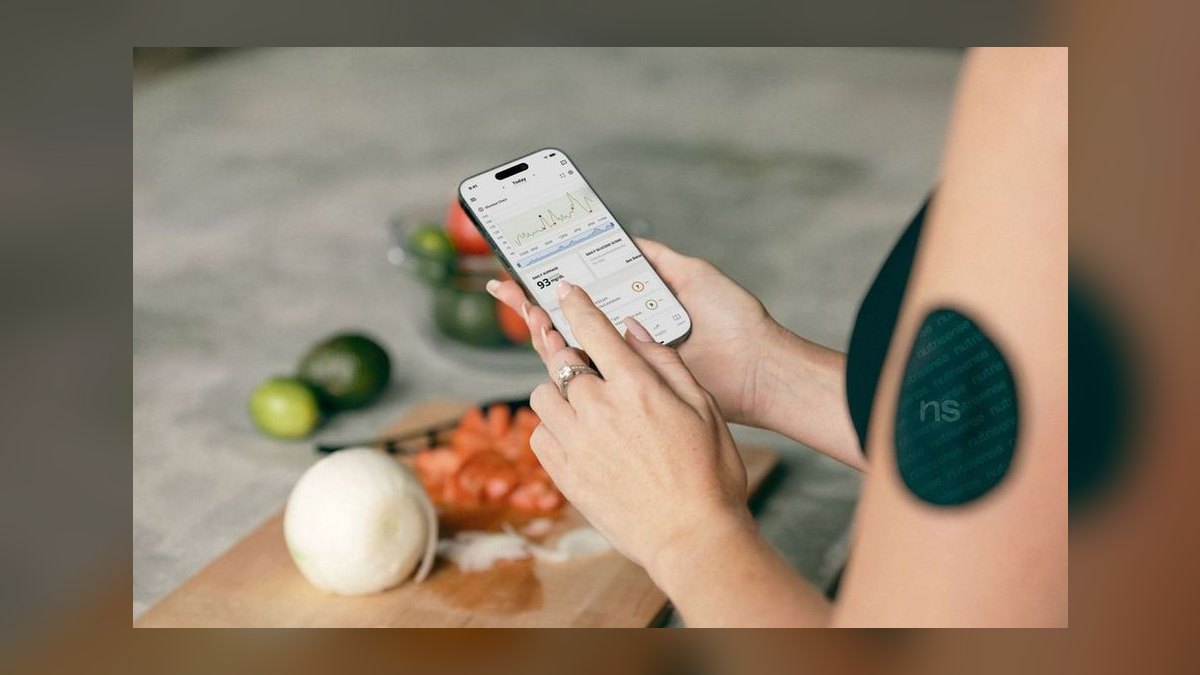
It ranks sixth because it replaces supplement guesswork with measured biomarkers from an actual blood draw. Panels cover markers such as vitamin D, ferritin, hemoglobin A1c, cholesterol fractions, and testosterone, then flag which values fall outside optimal ranges for your age and sex. Recommendations point at specific foods, exercise changes, and supplements, and re-testing every few months shows whether the intervention moved the number.
It is for people already consistent with sleep and food who want to find real gaps rather than buy a generic multivitamin. It trades away low cost and instant answers — each panel is a few hundred dollars and requires a draw. Supplements remain lightly regulated, so results belong in front of a clinician or dietitian before any long-term regimen starts.
7Joovv Red Light Panel
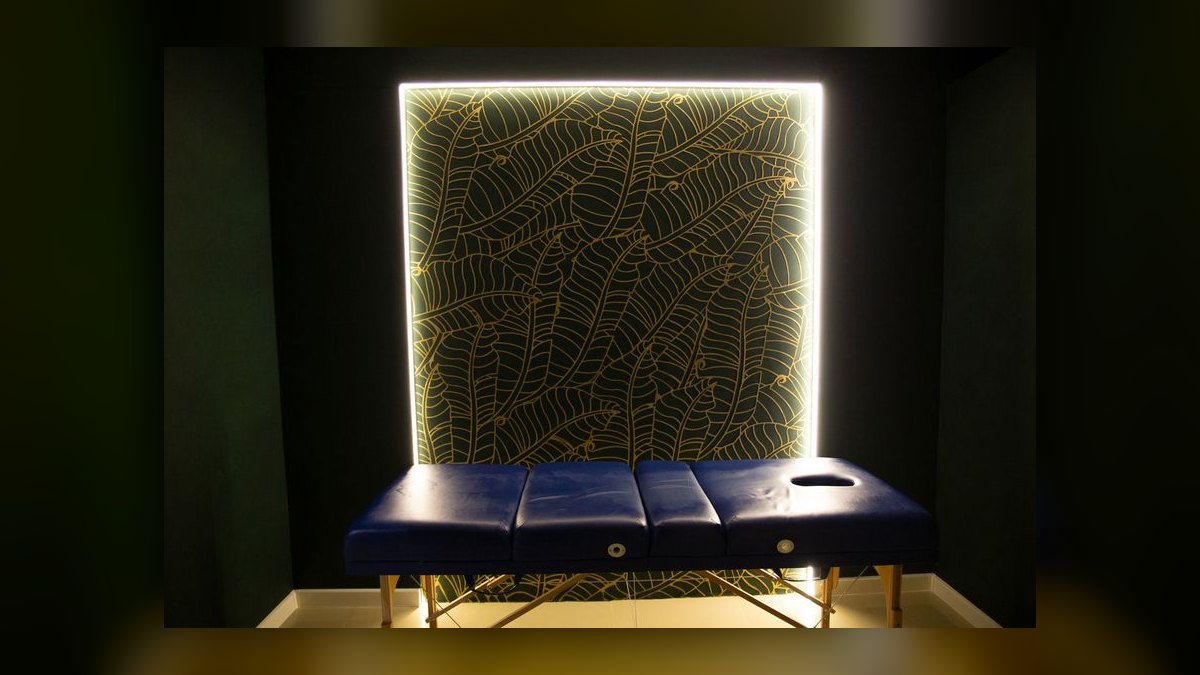
It ranks seventh because red-light therapy has the firmest evidence of any at-home biohacking hardware, specifically for skin and short-term muscle soreness. Joovv panels deliver red and near-infrared wavelengths in the roughly 660nm and 850nm bands, the ranges most photobiomodulation research uses. Sessions run a few minutes at a set distance, and panels mount on a stand or door for daily use without a clinic visit.
It suits people whose sleep and training are already steady and who want a recovery enhancer on top. It trades away price sanity — full-body panels run well over a thousand dollars — and the broader whole-body optimization claims remain unsettled. Unlike the blood panel above, it produces no measurable readout, so judging benefit falls back on how you feel.
8Wim Hof Method

It ranks eighth because it pairs cold exposure with breathwork, and the breathing is what makes the cold tolerable and repeatable. The method combines cycles of deep breathing with breath retention, progressive cold exposure starting with cold showers, and a commitment component. Cold plunging is widely reported to lift mood and reduce perceived muscle soreness, and the acute stress-and-recovery response is the mechanism with the most consistent support.
It fits people who want a free, equipment-optional practice and respond well to structure. It trades away comfort and carries real limits: cold exposure is unsafe for people with cardiovascular conditions and during pregnancy, and the breathing should never be done in or near water. Unlike the panel above, it costs nothing to start, which is why adherence tends to be better.
9Parkrun

It ranks ninth because adherence is the hardest problem in fitness, and a free weekly 5K with other people solves it better than any device. Parkrun events are free, volunteer-run, timed 5-kilometer events held Saturday mornings in thousands of locations across dozens of countries. Registration is one-time and the barcode works at any event worldwide. Walkers finish alongside runners, and every event has a designated tail walker.
It suits anyone who trains alone and quietly stops, and anyone whose loneliness is as much the health problem as the inactivity. It trades away programming — there is no coaching, no strength work, and one fixed distance. Against a paid studio subscription, it gives less structure but removes cost and scheduling as excuses entirely.
10Headspace
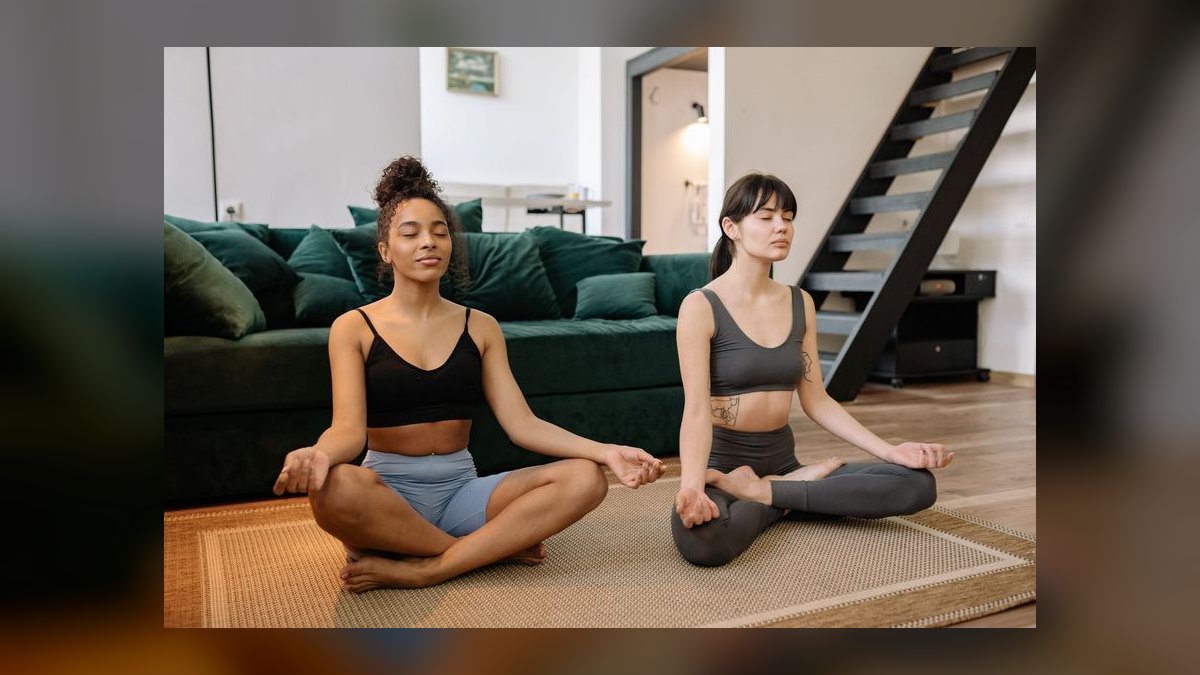
It ranks last because an app is the lowest-friction entry into mental-health maintenance, not because the need is small. Headspace offers structured courses on stress, focus, and sleep, guided meditations running from one to twenty minutes, sleepcasts and wind-down audio, and mood check-ins that surface patterns across weeks. Short sessions mean the practice survives a busy day, which is where longer commitments break down.
It is for people building a daily habit and managing ordinary stress rather than treating a diagnosed condition. It trades away depth and personalization: it is not therapy, and any AI chat support is a coaching aid, not clinical care. For serious or persistent symptoms it works as a bridge to a clinician, never a substitute for one.
How we ranked these
We ranked each option on three axes: strength of the underlying evidence, cost of entry against realistic benefit, and how likely a normal person is to still be doing it in six months. Foundational layers — sleep consistency, wearable measurement, regular movement — scored highest because they carry the widest research base and lowest barrier. Inputs like AI nutrition and tested supplementation ranked next. Enhancers and periodic resets placed lower by design.
We deliberately ignored marketing claims, influencer endorsement, and novelty. Devices promising rapid transformation without published support were downgraded, not excluded, because subjective benefit is real even when clinical evidence is thin. We also ignored premium pricing as a quality signal — an expensive PEMF mat does not outrank a free breathwork practice. Brand prestige carried zero weight. What mattered was whether the tool survives contact with an ordinary week.
What to look for
What actually matters is sequencing, not selection. Add a wearable, stabilize your sleep window, and hold that for two to four weeks so you have a personal baseline. Only then layer in nutrition guidance or tested supplements, and watch how your baseline metrics respond. Introduce enhancers — cold exposure, red light, breathwork, a community class — one at a time. Change one variable, keep what the data confirms, drop what does not.
The mistake most buyers make is collecting tools instead of building a system. Three devices arrive the same month, nothing gets a clean read, and everything ends up in a drawer. The second mistake is treating a wearable recovery score as a diagnosis rather than a nudge. Match spend to a specific goal, verify supplement personalization against real lab work, and remember that adherence, not hardware, produces the result.
Related questions
What should I buy first if I can only afford one thing?
A wearable, and then nothing else for a month. Measurement is what makes every later decision cheap instead of speculative. A smart ring or advanced watch gives you trends in heart-rate variability, resting heart rate, and sleep timing. Without that baseline you are guessing whether the red-light panel or the supplement stack did anything at all.
Is a smart ring better than a watch for sleep tracking?
For sleep and recovery specifically, rings tend to win on comfort — people actually wear them overnight, which is the whole game. Watches offer broader workout tracking and app features. Pick from your primary goal, then pick the one you will genuinely wear every night. A perfect spec sheet on a device in a drawer measures nothing.
Does red-light therapy actually work or is it hype?
Both, depending on the claim. Evidence for skin health and short-term muscle soreness is genuinely promising. Broader whole-body optimization claims are far less settled. Treat a panel as a recovery enhancer on top of good sleep and movement, use it a few minutes several times weekly, and judge it against your own baseline metrics rather than the marketing.
How long before I should expect to feel a difference?
Give sleep and movement changes two to four weeks before judging them — that is roughly how long a wearable needs to establish a stable personal baseline anyway. Device-based enhancers reward steady moderate use over months, not dramatic single sessions. If something promises transformation in days, that timeline is the clearest signal you are being sold rather than helped.
Are personalized supplements worth it over a multivitamin?
They are when the personalization rests on real blood panels or genetic markers and you have measurable gaps to close. Targeting an actual deficiency beats guessing, and you avoid piling on nutrients you already have plenty of. They are not worth it when personalization is a marketing word. Bring results to a clinician or dietitian and re-test periodically.
Can I skip the wearable and just use how I feel?
You can, and for some people subjective tracking is enough. But the specific value of a wearable is catching multi-day patterns you cannot feel — a drop in heart-rate variability alongside an elevated resting heart rate flags under-recovery before you crash. Feel is a lagging indicator. The data lets you adjust earlier and with less guesswork.
Is cold plunging safe for everyone?
No. People with cardiovascular conditions, anyone pregnant, and anyone with relevant medical concerns should talk to a clinician before starting. Even for healthy adults the rules matter: adapt gradually, keep durations short, and never go into open water alone. Breathwork paired with cold exposure helps you stay calm through the stimulus rather than fighting it.
What is the cheapest option on this list?
Breathwork, which costs nothing and needs no hardware. Slow, extended-exhale breathing reliably shifts the nervous system toward a calmer state, which is why it appears in anxiety management and pre-sleep routines alike. A few minutes anywhere. For many people it is higher-leverage than the cold plunge it is usually paired with.
FAQ
What is the single most important wellness option in 2027?
Sleep optimization, because it influences nearly everything downstream — cognition, mood, immune function, recovery, and appetite regulation. Protect a consistent sleep window and a stable wake time before investing in anything advanced. Almost every other tool on this list works better once sleep is solid, and several of them barely work at all when it is not.
How do I choose the right wearable for my needs?
Start from your primary goal. If sleep and recovery matter most, a smart ring tends to be comfortable and strong on those metrics. If you want workout tracking and broader features, an advanced watch fits better. Prioritize a device you will wear daily and whose data you will actually open. Consistency of use beats the spec sheet.
Do mental-wellness apps replace therapy?
No. They are strong for building daily skills, tracking mood over time, and managing everyday stress, and they meaningfully lower the barrier to starting. They are not a substitute for professional care in serious or persistent conditions. Treat an app as a bridge to a clinician, and treat any AI chatbot support as a coaching aid rather than therapy.
What is the biggest mistake people make with biohacking devices?
Using them inconsistently while expecting dramatic, immediate results. These tools reward steady, moderate use over time and function as enhancers layered on good sleep, nutrition, and movement — not as replacements. If the basics are missing, no gadget compensates. A few minutes several times a week, done reliably, beats an occasional marathon session.
How often should I use community fitness programs?
Three to five sessions a week is a strong target for most people, but consistency beats frequency. Two well-kept sessions weekly outperform an ambitious plan you abandon in March. The social accountability of a group is usually what keeps the habit alive, so choose a format you genuinely enjoy rather than the one that looks most serious.
Can cold exposure help with anxiety or mood?
Many people report a real mood lift and greater stress resilience from regular cold exposure, largely tied to the acute stress-and-recovery response. It works best as one component of a broader mental-health strategy rather than a standalone fix. It is also not safe for everyone — cardiovascular conditions or pregnancy warrant a clinician conversation first.
Are AI nutrition apps better than a dietitian?
Different jobs. The apps integrate wearable data, lab work, and food logs to surface patterns you would miss, and generative AI makes them genuinely usable for turning constraints into recipes. But they are a coach and a mirror, not a rulebook. They should never override medical advice or push you toward rigid, restrictive eating patterns.
Are wellness retreats worth the money?
They can be, when matched to a specific goal — burnout recovery, habit reset, a deliberate break from constant connectivity — rather than treated as a luxury purchase. The strongest programs emphasize lasting change over quick detox. The deciding factor is whether you have a plan for carrying the habits home. Without one, the reset fades within weeks.
How do I tell hype from real evidence in wellness?
Be skeptical of anything promising rapid, dramatic transformation. Sleep consistency, regular movement, circadian light management, and breathwork carry strong support. Active sleep-stimulation devices, some biohacking hardware, and the bolder cold-exposure claims are promising but early. Supplements are lightly regulated, so verify with real testing and a professional rather than a label.
Should I trust my wearable's recovery score?
Treat it as a helpful nudge, never a diagnosis. The value is not any single reading but the pattern over several days — a sustained drop in heart-rate variability with an elevated resting heart rate genuinely means something. A single bad score after a late dinner does not. Data misleads as easily as it informs when read too literally.
Sources
- https://www.nih.gov/health-information
- https://www.health.harvard.edu/topics/staying-healthy
- https://www.mayoclinic.org/healthy-lifestyle
- https://www.who.int/health-topics/mental-health
- https://www.apa.org/topics/stress
- https://health.clevelandclinic.org/
- https://www.cdc.gov/sleep/index.html
Related on PULSE
This page will be disappearing soon. Save it to your device for $1 — or read it free while it is here.
@Kory-White- · if Venmo asks, the last 4 of my number are 2012
This page is gone.
This one is off the shelf now. $1 keeps it on your phone for good — the whole page, pictures and diagrams included.
 pulse-wellnessWhat is the best way to approach Wellness in 2027?
 pulse-wellnessWhat are the most common mistakes in Wellness in 2027?
 pulse-wellnessHow do you get started with Wellness in 2027?
 pulse-wellnessWhat is the real-world cost of a Theragun Pro Gen 5 in 2027?
 pulse-wellnessHow much does Wellness cost in 2027?
 pulse-wellnessIs Wellness worth it in 2027?
 pulse-wellnessWhat should you know before investing in Wellness in 2027?
 pulse-wellnessWhat does a Level 2 infrared sauna blanket cost in 2027?
 pulse-wellnessTop 10 Habit Tracker Apps 2027
 pulse-wellnessTop 10 Breathwork Apps 2027