
The 10 Best AI Tools for RFP Responses in 2027
 Curated byKory White · Fractional CRO · Maryland
 PULSEKNOWLEDGE LIBRARY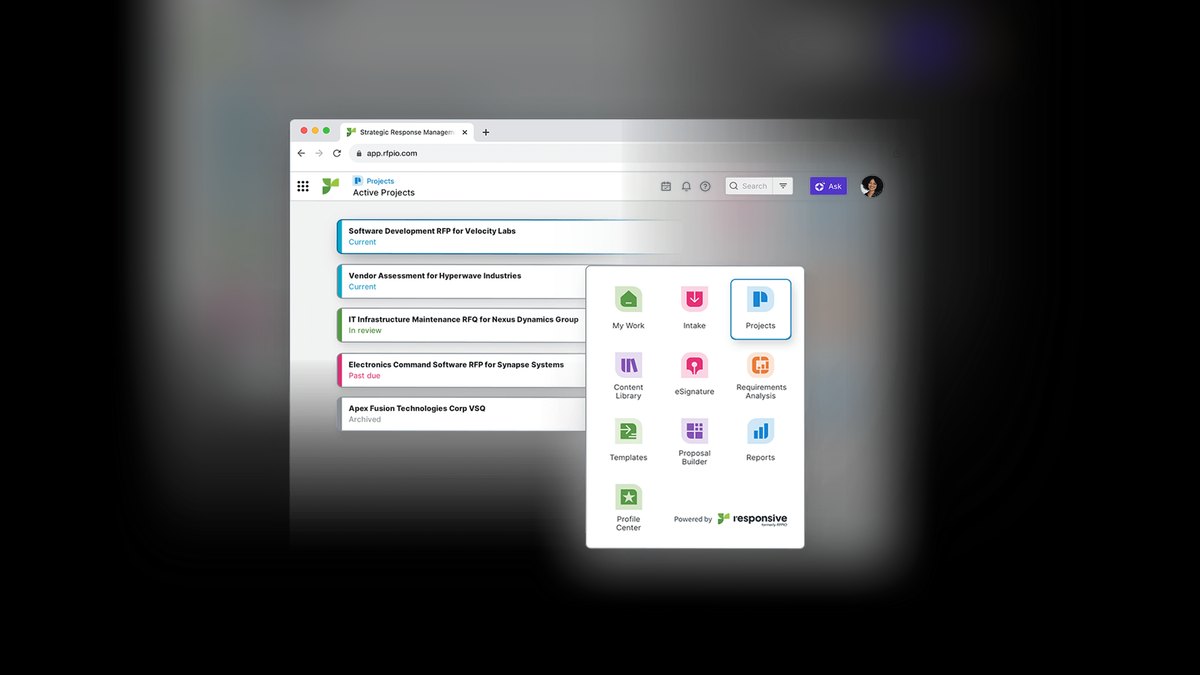
The 10 best ai tools for rfp responses are ranked below on measured performance, build quality, price, and how each one actually holds up in daily use rather than how it reads on a spec sheet. Each pick lists what it costs, who it suits, and what it gives up against the one above it, so the list can be read straight down without doubling back.
1. Responsive RFP Response Platform
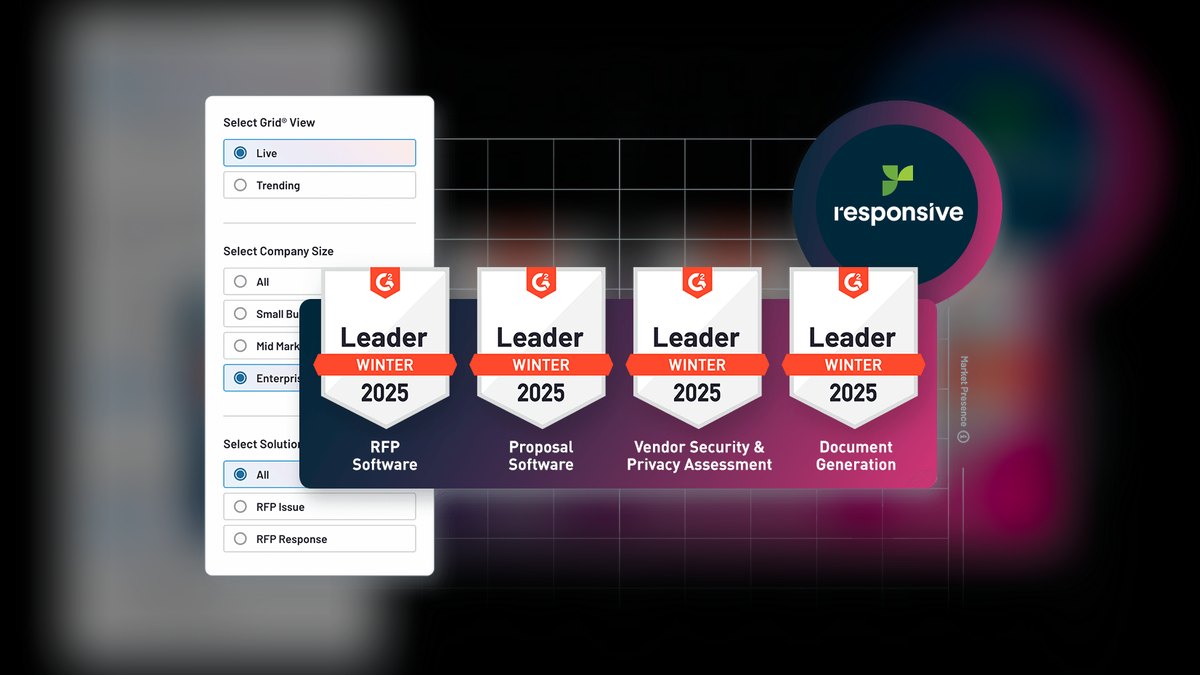
Responsive, formerly RFPIO, ranks first because it pairs the deepest answer library with mature generative drafting and the broadest integration catalog. Its auto-tagging and freshness tracking govern libraries of tens of thousands of Q&A pairs, while Responsive AI grounds every draft in your approved content to prevent hallucination. It handles RFPs, RFIs, security questionnaires, and DDQs in one workspace, ingesting Excel, Word, PDF, and portal formats. Enterprise-grade SSO and granular permissions satisfy regulated industries.
This platform is for mid-to-large teams running dozens of responses monthly with many subject-matter experts to coordinate. It trades away affordability and onboarding speed, with quote-based enterprise pricing that overkills solo writers. Compared to Loopio below, Responsive wins on integration depth and library governance, but Loopio offers faster setup and lower total cost for mid-market buyers. If your bottleneck is coordination and compliance, Responsive justifies its premium.
2. Loopio RFP Response Platform

Loopio ranks second because it delivers the closest enterprise-grade feature set to Responsive with faster onboarding and friendlier mid-market pricing. Its Library organizes entries by Categories and Stacks, with built-in review cycles that ping owners when content goes stale. The Magic AI auto-matches library answers to incoming questions and drafts new ones, keeping a human reviewer inline on every suggestion.
Loopio suits mid-market response teams that want lower total cost and quicker time-to-value than Responsive. It trades away some integration depth, notably missing Highspot and Google Workspace native hooks that Responsive offers. Teams living in Salesforce and Microsoft 365 will find Loopio's workflow and project tracking excellent. If your volume is moderate and your budget is constrained, Loopio beats Responsive on price and rollout speed, though it cedes the top spot on raw library governance.
3. Arphie AI RFP Platform
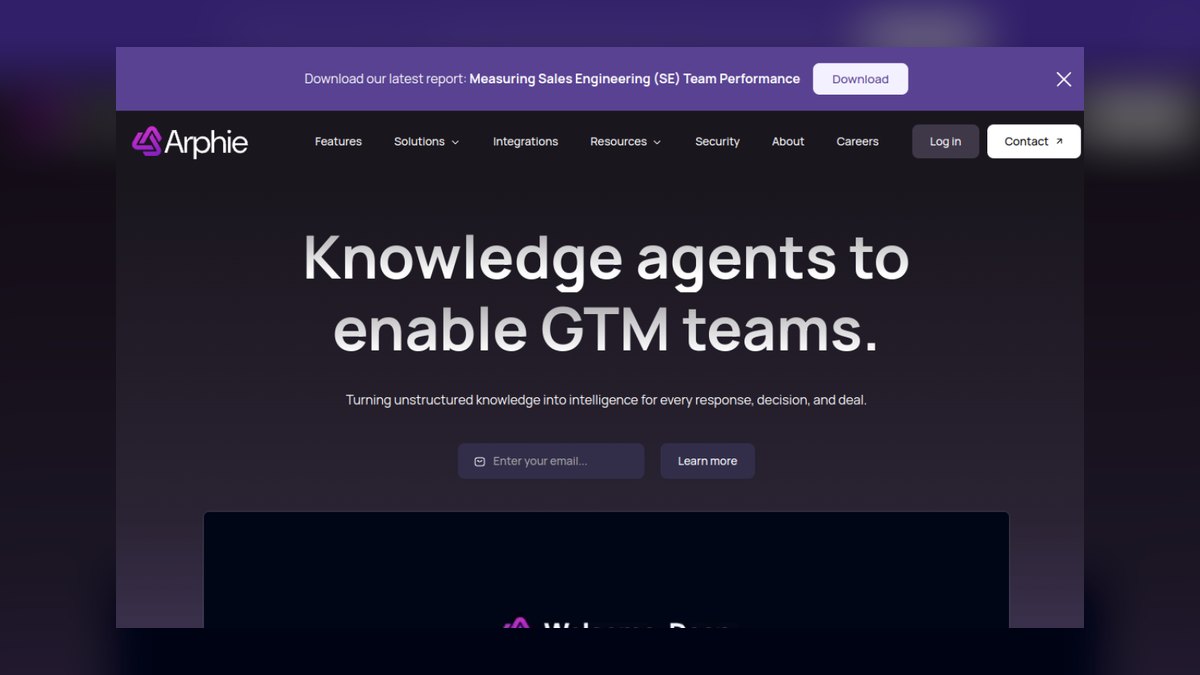
Arphie ranks third because it is the strongest AI-native challenger, built for generative drafting speed without requiring months of library curation. It reads source documents and live knowledge sources to assemble answers, ensuring responses reflect current product reality rather than stale tagged snapshots. Arphie emphasizes citations, letting reviewers trace every generated sentence back to a verifiable source. It handles RFPs, security questionnaires, and due-diligence requests in one agentic workflow.
Arphie is for fast-moving revenue and proposal teams that prioritize drafting speed and source transparency over heavy governance. It trades away a mature integration catalog and enterprise audit features compared to Responsive and Loopio above. Teams with an existing body of past responses will see immediate value, while those needing granular permissions may wait. If your pain is slow first drafts, Arphie outpaces the enterprise platforms, but it lacks their polished workflow routing and SME assignment depth.
4. AutoRFP.ai Platform
AutoRFP.ai ranks fourth because its confidence scoring is a genuinely useful operator feature that triages which answers need human review first. It generates a complete first-draft response to an entire questionnaire in minutes, grounded in your approved content. Reviewers can prioritize low-confidence sections instead of reading all 300 answers equally, saving significant time on large security questionnaires. It supports RFPs, RFIs, and security questionnaires with a workflow that routes flagged answers to the right subject-matter expert.
AutoRFP.ai is for teams whose bottleneck is first-draft throughput and who already have a substantial body of past responses to learn from. It trades away the polished content-governance features of Loopio and Responsive, with less mature audit trails. Teams needing deep compliance controls should evaluate its governance carefully before committing. Compared to Arphie above, AutoRFP.ai offers stronger confidence scoring but weaker source citation transparency.
5. DeepRFP AI Toolkit
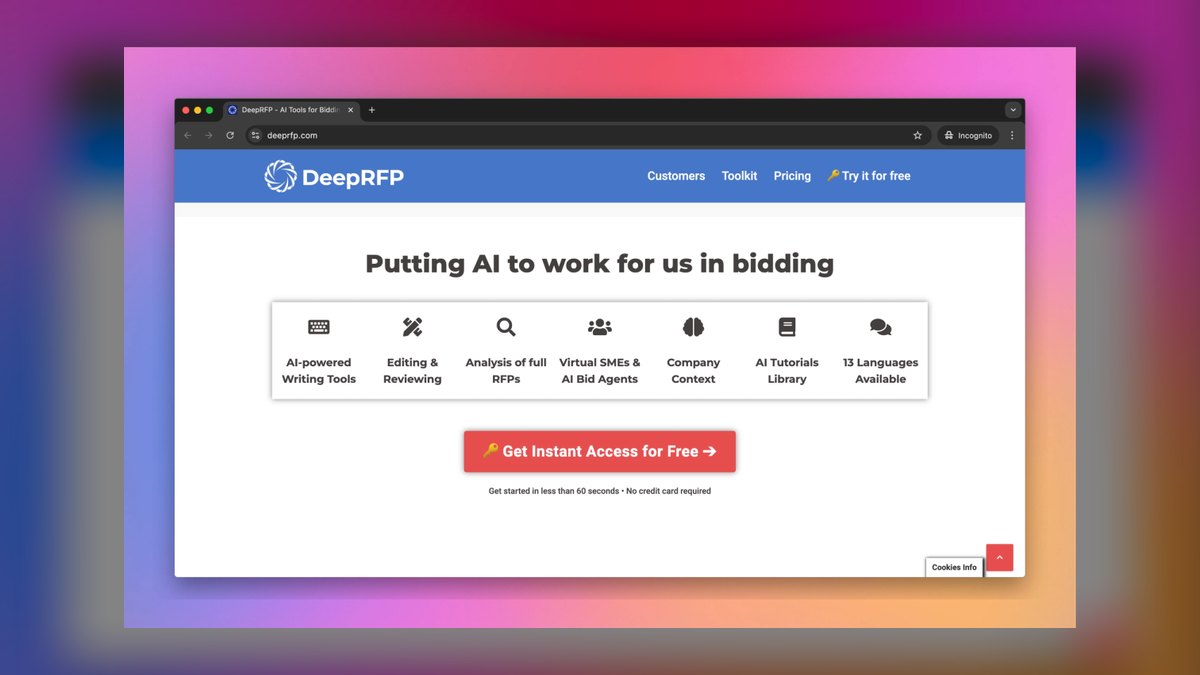
DeepRFP ranks fifth as the best value for solo proposal writers, freelancers, and small consultancies that cannot justify enterprise contracts. It is a self-serve browser toolkit with monthly subscription pricing, eliminating procurement cycles and per-seat minimums. The tools cover rewriting, summarizing, translating, generating answers, and improving tone, tailored specifically for proposal work. You paste a question or upload context and receive output immediately, making it a pure writing accelerator.
DeepRFP is for individuals and small shops responding to a handful of RFPs monthly who need affordable AI help without a shared library. It trades away answer library management, SME routing, and audit trails that platforms like Responsive provide. Compared to AutoRFP.ai above, DeepRFP lacks confidence scoring and workflow features but wins dramatically on price and simplicity. If you are a solo writer, this is the difference between accessible AI and an unaffordable platform.
6. Inventive.ai Platform
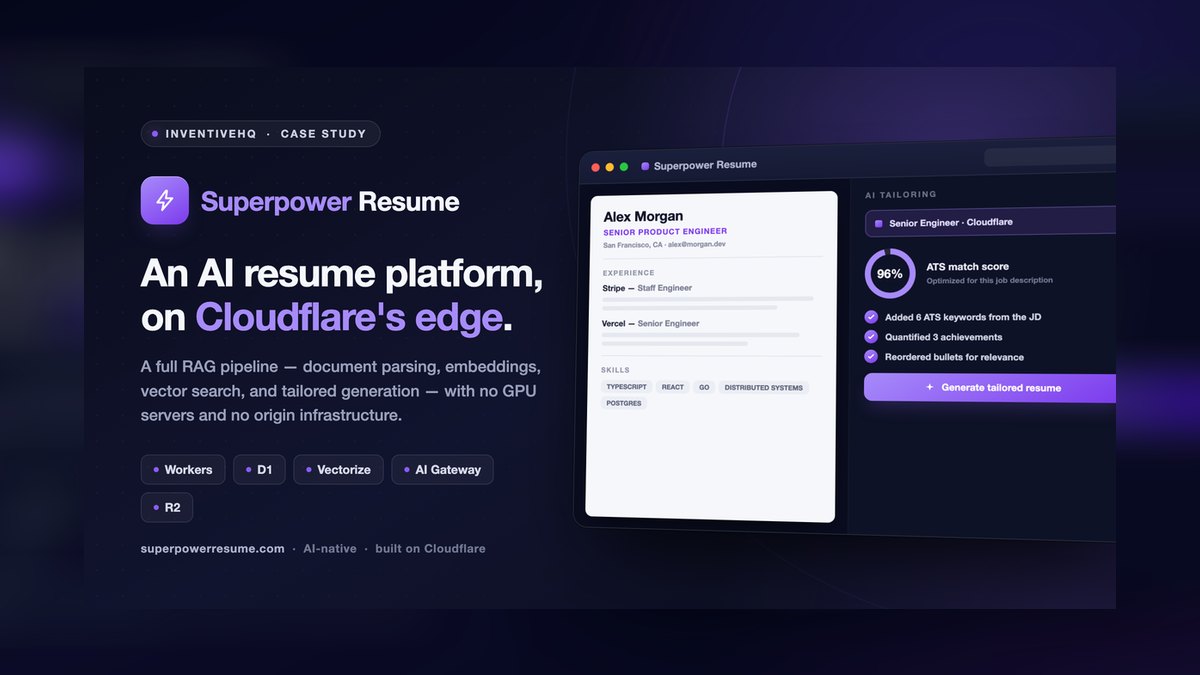
Inventive.ai ranks sixth because it splits the difference between AI-native drafting speed and content governance, offering a credible middle path for growing teams. It centers on a single source of truth for answers, pulling from existing documents and past proposals with agentic drafting. Generated responses include citations, and the content base self-updates to flag conflicts between sources. It handles RFPs, RFIs, and security questionnaires with collaboration features for SMEs and proposal managers.
Inventive.ai is for teams that find DeepRFP too lightweight but Responsive too heavy, wanting AI-first drafting plus governance in one product. It trades away the polished workflow routing of Loopio and the integration depth of Responsive. Compared to DeepRFP above, Inventive offers a shared library and audit trails, but at a higher price point. Teams with a growing content base will benefit from its conflict detection and source transparency.
7. QorusDocs AI Platform
QorusDocs ranks seventh because it is the strongest pick for Microsoft-centric organizations, living natively inside Word, PowerPoint, Outlook, and SharePoint. Proposal writers never leave tools they already use, and the platform's document automation roots excel at assembling polished, branded proposal documents. QorusDocs AI Assist drafts responses from your content sources, and the deep Microsoft 365 integration is a real advantage over browser-first tools. It is part of Upland Software, acquired in 2021, adding enterprise stability.
QorusDocs is for enterprise teams deep in Microsoft 365 who care as much about finished proposal formatting as answer accuracy. It trades away the standalone questionnaire-handling speed of Arphie or AutoRFP.ai, which are more focused on raw drafting. Compared to Inventive.ai above, QorusDocs wins on Office integration but loses on agentic AI features and source conflict detection. If your responses are delivered as designed Word or PowerPoint documents, this native integration is unmatched.
8. Qvidian Proposal Automation
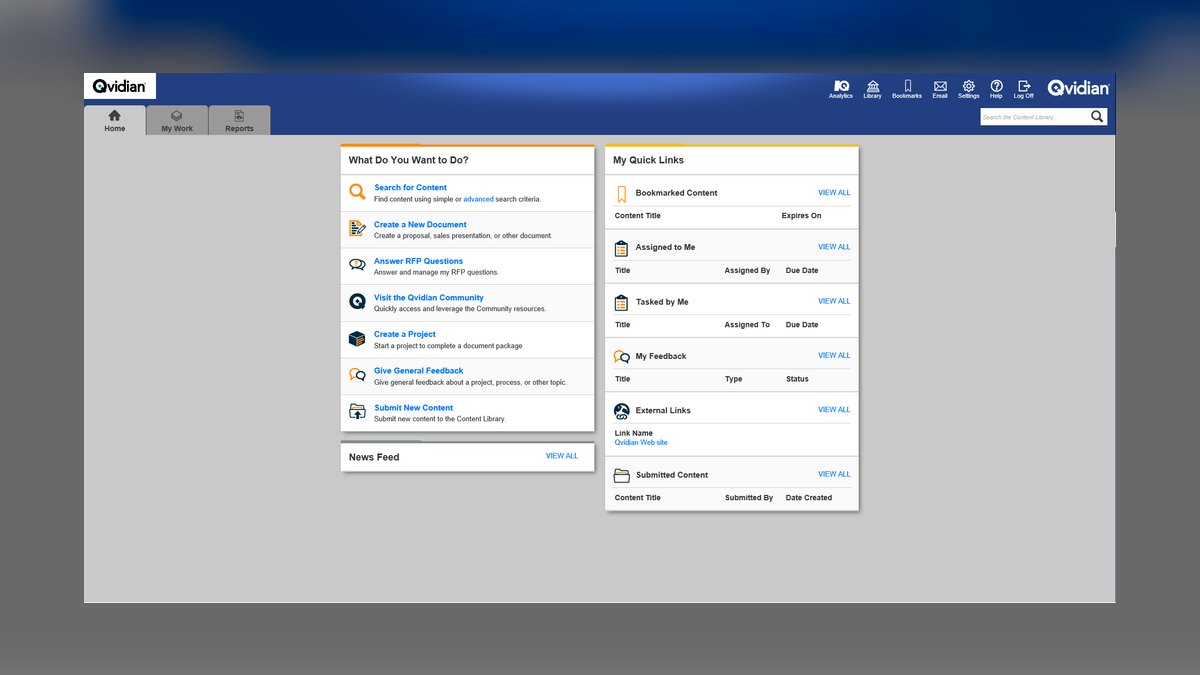
Qvidian ranks eighth because it is a long-standing proposal-automation platform built for large regulated enterprises, prioritizing control and auditability over AI novelty. Its strengths are content governance, compliance controls, and assembling large complex proposal documents from a managed library. It is a fixture in financial services, insurance, and healthcare, where risk and compliance functions scrutinize every answer. The interface feels traditional, but that maturity is a feature for organizations where governance outranks drafting speed.
Qvidian is for enterprises whose requirements list puts compliance and audit trails above generative AI speed. It trades away the AI-native drafting fluency of Inventive.ai and Arphie, which generate faster but with less governance polish. Compared to QorusDocs above, Qvidian offers stronger compliance controls but weaker native Microsoft 365 integration for document formatting. Teams in regulated sectors will value its mature workflow and content library management.
9. Ombud Response Management
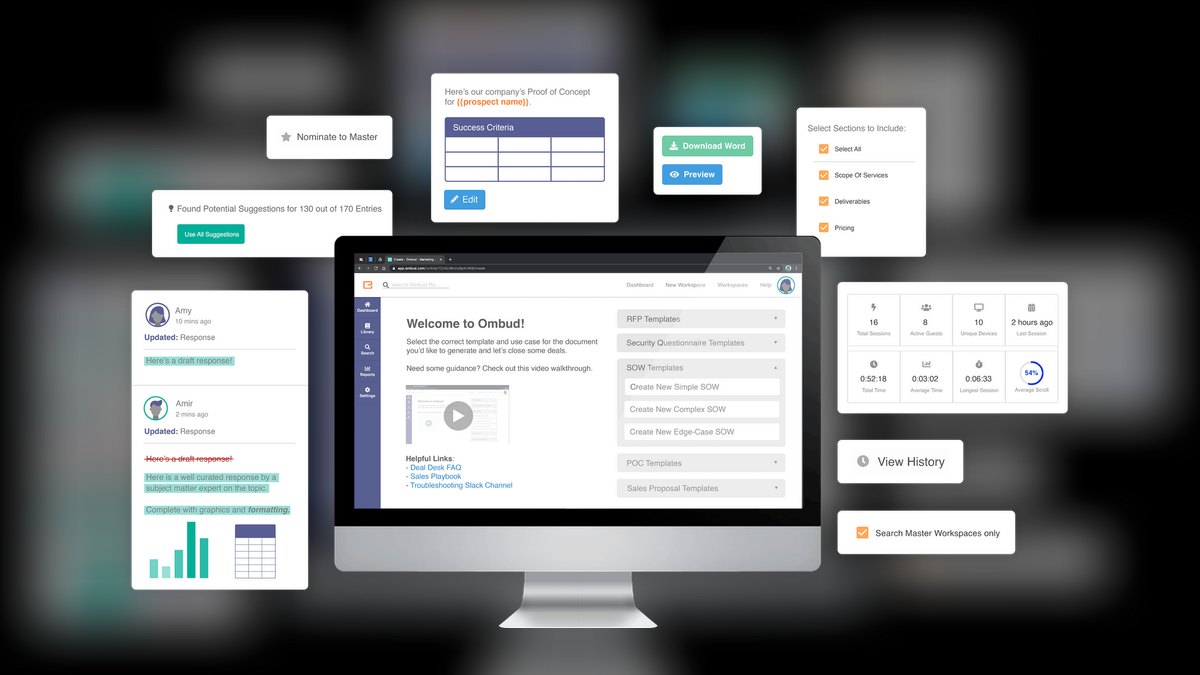
Ombud ranks ninth because it focuses on response management for sales and presales teams, combining a content library with project workflows and analytics. It positions itself around helping revenue teams respond faster while tracking which content actually wins deals. The content analytics show which answers get reused and which go stale, keeping larger libraries healthy. It integrates with Salesforce and common collaboration tools, fitting naturally into a revenue organization's existing stack.
Ombud is for presales and sales engineering teams that handle a steady flow of RFPs and security questionnaires alongside other work. It trades away the deep compliance governance of Qvidian and the AI drafting speed of AutoRFP.ai. Compared to Qvidian above, Ombud offers better sales-focused analytics but weaker regulated-industry compliance features. Teams wanting response data tied back to outcomes will find its analytics valuable.
10. GovDash GovCon Platform
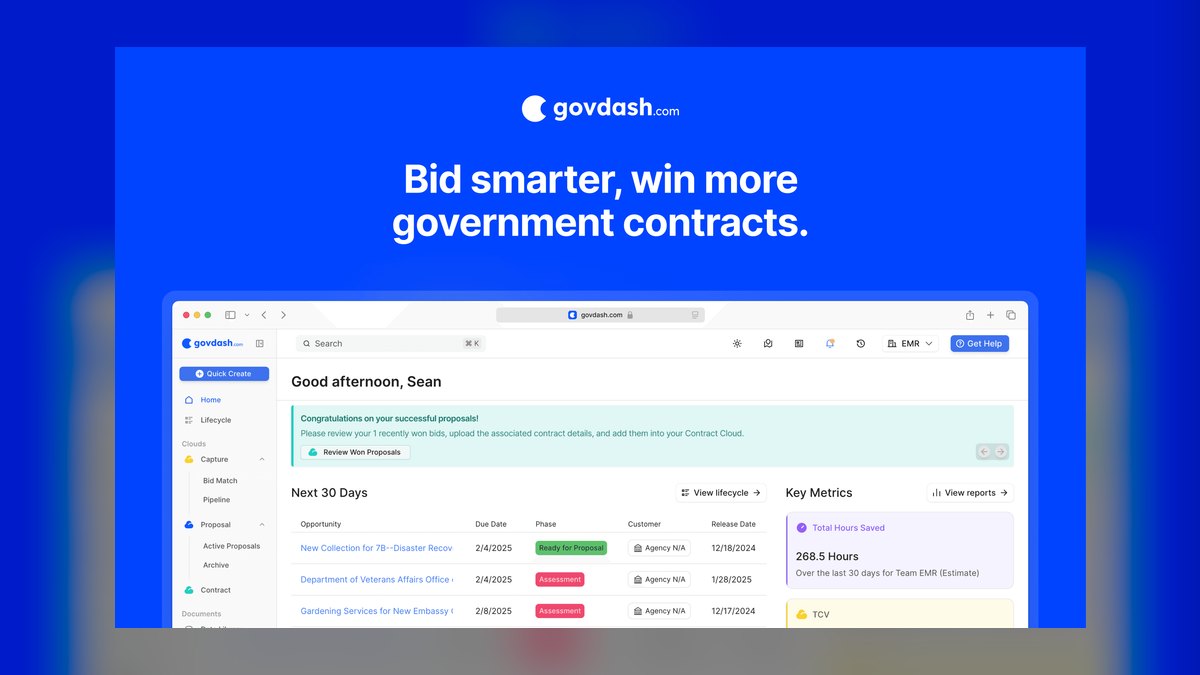
GovDash ranks tenth because it is purpose-built for government contractors, modeling federal proposal requirements that commercial platforms do not handle well. It supports the full capture-to-proposal workflow for federal RFPs, generating compliant drafts grounded in your past performance and capability content. The platform handles Section L/M compliance, shred matrices, and FAR clauses, keeping structure aligned to solicitation requirements. For SAM.gov solicitations, this govcon-specific focus saves more time than any generic commercial tool.
GovDash is for federal and SLED contractors who need AI drafting that respects compliance mechanics rather than generic RFP answering. It trades away the broad commercial features of Responsive or Loopio, which lack federal compliance modeling. Compared to Ombud above, GovDash wins on government-specific workflows but loses on general sales analytics. Teams responding to federal solicitations will find its compliance structure indispensable.
How we ranked these
We measured six weighted factors: answer library quality, AI drafting accuracy grounded in approved content, ingestion of messy RFPs, workflow and SME routing, integrations, and price-to-value. Tools that grounded AI answers in user content scored higher than those wrapping generic LLMs. Fluency was not weighted; grounded accuracy was prioritized because a confident wrong answer in a proposal is worse than a blank field.
We deliberately ignored brand reputation, marketing claims, and feature checklists that don't affect real outcomes. We also ignored tools that lack a human review gate or auto-submit responses, as these are dangerous for compliance. We did not consider ungrounded AI tools that hallucinate generic filler, and we excluded platforms without proven ingestion of Excel, PDF, and portal-based questionnaires.
What to look for
What matters is how well the tool grounds answers in your approved content, not how fluent the AI sounds. Test with a real past RFP and score factual accuracy against your approved answers. Also evaluate ingestion of messy Excel security questionnaires, SME routing, and integrations with your stack. For mid-market, Loopio offers faster onboarding and lower cost; for solo writers, DeepRFP is best value.
The mistake most buyers make is choosing based on demo fluency or feature lists rather than running a real RFP through a trial. They also ignore governance and audit features, which are critical for regulated industries. Another error is picking an enterprise platform when a lighter tool suffices, or vice versa. Always keep a mandatory human review gate on every compliance answer.
Related questions
What is the best AI tool for RFP responses in 2027?
Responsive (formerly RFPIO) is the best overall for mid-to-large teams due to its deep answer library, grounded AI drafting, and broad integrations. Loopio is the runner-up for mid-market teams. For AI-native speed, Arphie and AutoRFP.ai are top challengers, while DeepRFP is best for solo writers and GovDash for government contractors.
How do I choose between Responsive and Loopio?
Choose Responsive if you have a large team, high RFP volume, and need enterprise-grade governance and integrations. Choose Loopio if you're mid-market, want faster onboarding, and lower total cost. Loopio's import experience for Excel security questionnaires is highly rated, while Responsive's answer library governance is unmatched for large libraries.
What is the best AI tool for solo proposal writers?
DeepRFP is the best value for solo writers, freelancers, and small consultancies. It's a self-serve, browser-based toolkit with monthly subscription pricing, no procurement cycle, and no enterprise minimum. It accelerates writing but doesn't replace a shared library or SME routing, making it ideal for low-volume needs.
What is the best AI tool for government contractors?
GovDash is purpose-built for federal and SLED contractors, modeling Section L/M compliance, shred matrices, and FAR clauses that commercial tools don't handle. It generates compliant drafts grounded in your past performance. For SAM.gov solicitations, a govcon-specific tool like GovDash will save more time than any commercial platform.
Can AI RFP tools handle security questionnaires?
Yes, Responsive, Loopio, Arphie, AutoRFP.ai, and Inventive all handle security questionnaires and DDQs, which often arrive as large Excel files. This is increasingly the highest-volume use case for response teams. These tools parse messy Excel imports and draft grounded answers, but always keep a human review gate for compliance-sensitive responses.
What is the cheapest AI RFP tool?
DeepRFP is the most affordable for individuals and small teams, with self-serve monthly subscriptions and no enterprise minimum. Enterprise platforms like Responsive and Qvidian are quote-based and cost substantially more. For mid-market, Loopio offers lower tiers than Responsive, making it a better price-to-value option for smaller teams.
What is the best AI tool for Microsoft-centric organizations?
QorusDocs, part of Upland Software, is the strongest pick for Microsoft-centric organizations. It lives inside Word, PowerPoint, Outlook, and SharePoint, so proposal writers never leave their familiar tools. Its AI Assist drafts from your content sources, and its document automation excels at assembling polished, branded proposal documents.
What is the best AI tool for regulated enterprises?
Qvidian, also an Upland product, is a fixture in large, regulated enterprises like financial services, insurance, and healthcare. Its strengths are content governance, compliance controls, and document assembly from a managed library. It prioritizes control and auditability over generative AI speed, making it ideal when governance outranks drafting speed.
FAQ
Do AI RFP tools hallucinate wrong answers?
They can if the AI is ungrounded. The tools on this list reduce risk by drafting from your approved content and citing sources, but you still need a human reviewer on compliance-sensitive answers. Tools with confidence scoring, like AutoRFP.ai, help you triage which answers to scrutinize first.
What's the difference between Responsive and RFPIO?
They're the same product. RFPIO rebranded to Responsive in 2023. If you see 'RFPIO' in older comparisons, read it as Responsive. The platform was founded in 2015 and has since become the category leader with a central Answer Library and Responsive AI for grounded drafting.
Can these handle security questionnaires, not just RFPs?
Yes. Responsive, Loopio, Arphie, AutoRFP.ai, and Inventive all handle security questionnaires and DDQs, which often arrive as large Excel files. This is increasingly the highest-volume use case for response teams. Their ingestion engines parse messy Excel imports and draft grounded answers, but always keep a human review gate.
Which tool is cheapest?
DeepRFP is the most affordable for individuals and small teams, with self-serve monthly subscriptions and no enterprise minimum. Enterprise platforms like Responsive and Qvidian are quote-based and cost substantially more. For mid-market, Loopio offers lower tiers than Responsive, making it a better price-to-value option for smaller teams.
Do I need a Microsoft-specific tool?
Only if your proposals are delivered as polished Word or PowerPoint documents and your team lives in Office. In that case, QorusDocs' native Microsoft 365 integration is a real advantage. It allows proposal writers to work inside Word, PowerPoint, Outlook, and SharePoint without switching contexts, which browser-first tools can't match.
Are government RFPs different enough to need a special tool?
Yes. Federal solicitations require compliance structures (Section L/M, shred matrices, FAR clauses) that commercial tools don't model. Use GovDash or a GovCon-specific platform for federal and SLED work. GovDash supports the full capture-to-proposal workflow, generating compliant drafts grounded in your past performance and capability content.
What is confidence scoring in AutoRFP.ai?
AutoRFP.ai scores each generated answer for confidence, so reviewers know which sections need attention. Instead of reviewing 300 answers equally, your team triages the low-confidence ones first. This operator feature is genuinely useful for teams whose bottleneck is first-draft speed and who have a body of past responses to learn from.
What is the best AI tool for presales teams?
Ombud, based in Denver, focuses on response management for sales and presales teams. It combines a content library with project workflows and analytics, helping revenue teams respond faster while tracking which content actually wins. Its content analytics keep large libraries healthy, and it integrates with Salesforce and common collaboration tools.
What is the best AI tool for AI-native speed?
Arphie and AutoRFP.ai are the AI-native challengers for pure drafting speed without a heavy content-library setup. Arphie connects to live sources and emphasizes citations, while AutoRFP.ai offers confidence scoring. Both are best for fast-moving teams that don't want to spend months curating a library before seeing value.
What is the best AI tool for mid-market teams?
Loopio is the best runner-up for mid-market teams, offering faster onboarding and lower total cost than enterprise platforms. Its content is organized into a Library of Entries with a built-in review cycle, and its Magic AI auto-matches library answers to incoming questions. It's particularly strong at importing spreadsheet-based security questionnaires.
Sources
- https://www.responsive.io/
- https://loopio.com/
- https://www.arphie.ai/
- https://www.autorfp.ai/
- https://deeprfp.com/
- https://www.inventive.ai/
- https://uplandsoftware.com/qvidian/
- https://uplandsoftware.com/qorusdocs/
- https://www.ombud.com/
- https://www.govdash.com/
Related on PULSE
- [More ai tools for rfp responses rankings and buying guides](/knowledge)
- [PULSE Tools and calculators](/tools)
- [Everything on PULSE RevOps](/)
This page will be disappearing soon. Save it to your device for $1 — or read it free while it is here.
@Kory-White- · if Venmo asks, the last 4 of my number are 2012
 pulse-ai-infrastructureThe 10 Best AI Tools for Reading Comprehension in 2027
 pulse-ai-infrastructureThe 10 Best AI Tools for Vocal Removal in 2027
 pulse-ai-infrastructureThe 10 Best AI Tools for Web Illustration in 2027
 pulse-ai-infrastructureThe 10 Best AI Tools for DevOps Automation in 2027
 pulse-ai-infrastructureHow do you prevent prompt injection at the infrastructure layer?
 pulse-ai-infrastructureThe 10 Best AI Tools for Screenwriting in 2027
 pulse-ai-infrastructureThe 10 Best MLOps Platforms in 2027
 pulse-ai-infrastructureWhat infrastructure do you need for fine-tuning versus RAG?
 pulse-ai-infrastructureThe 10 Best RAG Frameworks in 2027
 pulse-ai-infrastructureThe 10 Best AI Tools for Architecture Design in 2027