
The 10 Best AI Tools for Web Scraping in 2027
 Curated byKory White · Fractional CRO · Maryland
 PULSEKNOWLEDGE LIBRARY
The 10 best ai tools for web scraping are ranked below on measured performance, build quality, price, and how each one actually holds up in daily use rather than how it reads on a spec sheet. Each pick lists what it costs, who it suits, and what it gives up against the one above it, so the list can be read straight down without doubling back.
1. Firecrawl
Firecrawl ranks first because it is built specifically for LLM-native workflows, converting any URL into clean Markdown or structured JSON in a single API call. Its /extract endpoint accepts natural-language schemas and returns typed data, while /crawl and /map handle entire domains automatically. It manages JavaScript rendering, rate-limit backoff, and PDFs out of the box, with a free tier of roughly 500 credits and a Hobby plan starting around $16/month.
Firecrawl is for developers and AI teams feeding RAG pipelines, agents, and vector databases who need zero-cleanup output. It trades away the massive residential proxy network of Bright Data, so it may struggle against the most aggressive anti-bot defenses at extreme scale. Compared to Crawl4AI below, Firecrawl offers a managed service with SLA and support, while remaining open source and self-hostable for compliance-bound teams.
2. Bright Data
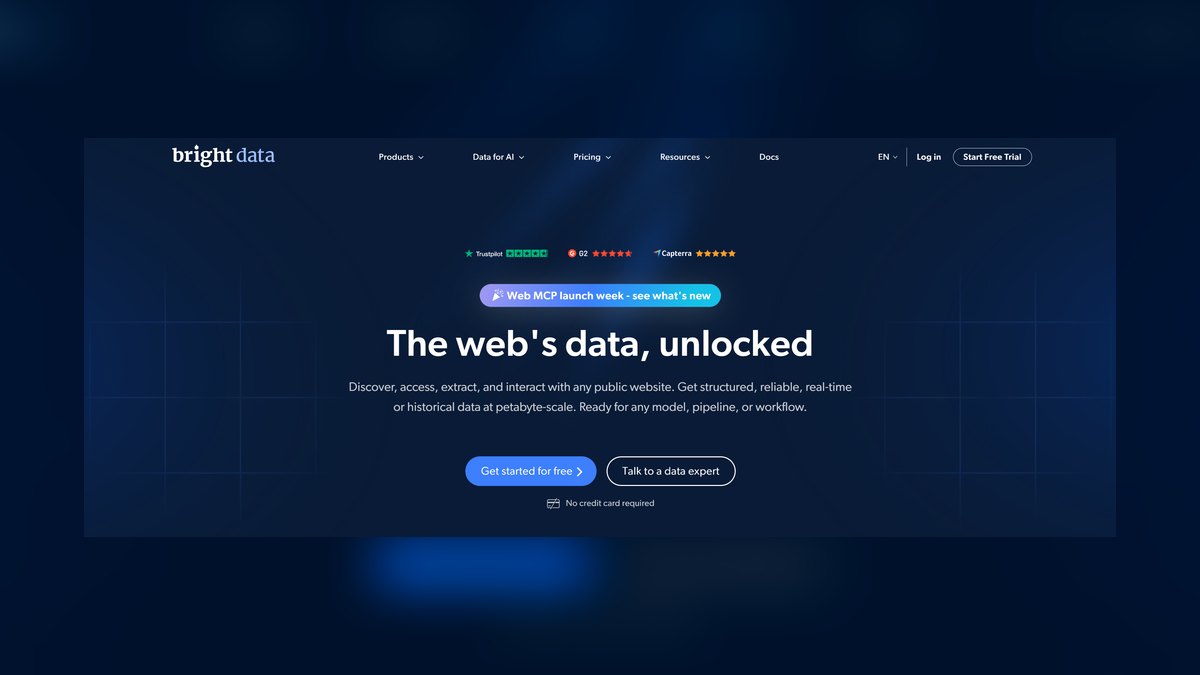
Bright Data ranks second because its proxy network and Web Unlocker survive the hardest anti-bot defenses at scale, with tens of millions of residential IPs and automatic CAPTCHA solving, fingerprint management, and retry logic. It bills on successful requests, making costs predictable even against heavily protected targets. Its Web Scraper APIs provide pre-built extractors for sites like Amazon and LinkedIn, and an MCP server allows agents to fetch unblocked pages on demand.
Bright Data is for enterprises running millions of requests daily against aggressively protected targets where reliability outweighs cost. It trades away the LLM-ready Markdown output of Firecrawl, returning raw unblocked HTML that requires parsing, and offers no self-hosting option. Compared to Oxylabs below, Bright Data has a larger proxy pool and more mature Web Unlocker, but both sit in the same premium price bracket.
3. Apify
Apify ranks third because it is a full platform with a marketplace of thousands of pre-built scrapers called Actors, covering Google Maps, TikTok, Instagram, and Zillow without writing code. Its open-source Crawlee library handles queues, proxy rotation, and headless browsers for custom builds, while the RAG Web Browser Actor returns Markdown specifically for LLM consumption. Apify runs a first-class MCP server, making its entire Actor catalog callable from AI agents.
Apify is for builders who want breadth—one account to scrape almost any popular site through community-maintained Actors—and for teams needing a managed platform with scheduling and storage. It trades away the raw unblocking power of Bright Data, as Actors may break when target sites change, and it lacks the enterprise-grade proxy network. Compared to Zyte below, Apify offers more pre-built options and a more vibrant community, while Zyte provides deeper Scrapy integration.
4. Zyte
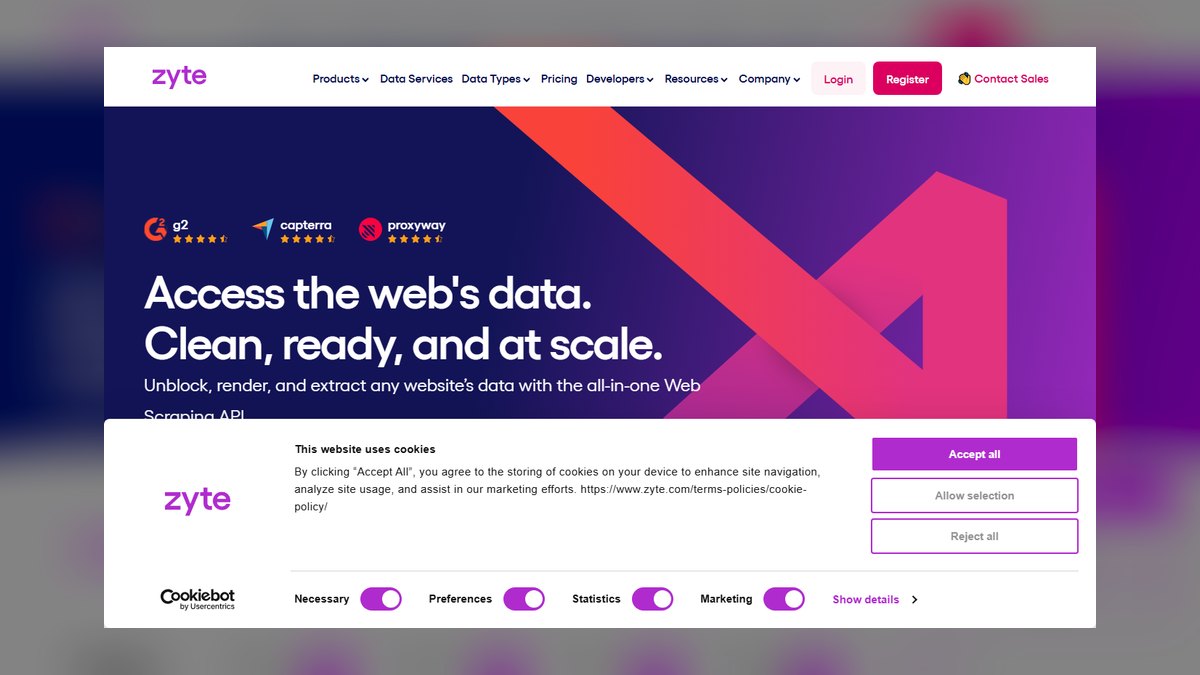
Zyte ranks fourth because its API unifies proxy management, ban handling, and AI-powered automatic extraction into a single call, describing a product or article and returning structured fields without bespoke selectors. Its smart proxy logic picks the cheapest IP type that will succeed, optimizing cost per successful page. As the creators of the Scrapy framework, Zyte integrates natively with Scrapy, making it the obvious managed backend for teams already invested in that stack.
Zyte is for organizations that want extraction quality plus the credibility of the team behind one of the most-used scraping frameworks, particularly for e-commerce and news at scale. It trades away the platform breadth of Apify, offering fewer pre-built scrapers but stronger automatic extraction for varied page layouts. Compared to Crawl4AI below, Zyte is a managed service with SLA and support, while Crawl4AI is free and self-hosted but requires manual operation.
5. Crawl4AI
Crawl4AI ranks fifth because it is the best value—free and open source under an MIT license, with one of the most-starred scraping projects on GitHub. It is built specifically to produce LLM-ready Markdown with smart content filtering that strips noise, running asynchronously on Playwright with session reuse, proxy rotation, and JavaScript execution. Its arun() API and structured LLM-based extraction strategies let you supply a schema and have a model do the parsing.
Crawl4AI is for developers comfortable with Python who want full control, zero per-request fees, and the ability to self-host for compliance. It trades away managed proxy pools, SLA, and support—you handle bans and infrastructure yourself. Compared to Firecrawl above, Crawl4AI delivers most of the output quality at a price of $0, but Firecrawl offers a managed service with automatic rate-limit backoff and native MCP server support.
6. ScrapingBee
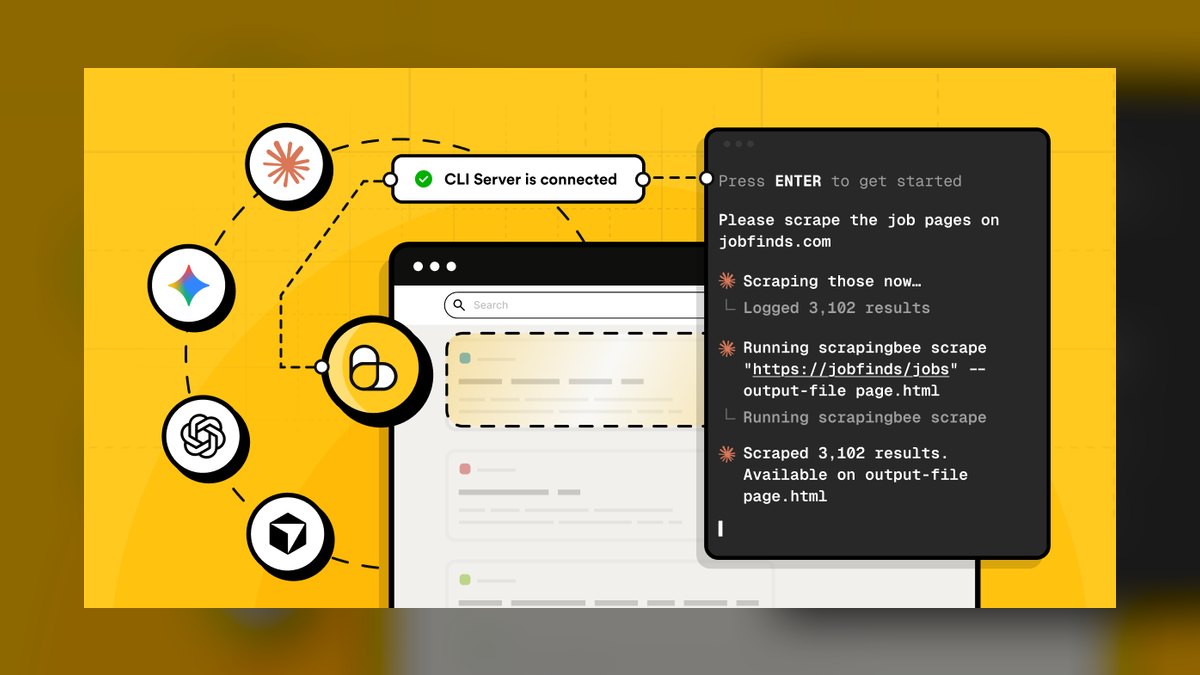
ScrapingBee ranks sixth because it is the clean, developer-friendly scraping API, where a single GET request handles headless Chrome rendering, rotating proxies, and premium residential IPs, returning rendered HTML or structured data from a natural-language query. It is especially good at JavaScript-heavy sites and offers a Google Search API for SERP scraping.
ScrapingBee is for small teams and solo developers who want reliable rendering and proxies without managing infrastructure or a sprawling platform. It trades away the breadth of Apify's Actor marketplace and the enterprise-scale proxy network of Bright Data, focusing instead on a simple, predictable API. Compared to Diffbot below, ScrapingBee is far more affordable and simpler, while Diffbot offers automatic entity extraction and a Knowledge Graph at a much higher price.
7. Diffbot
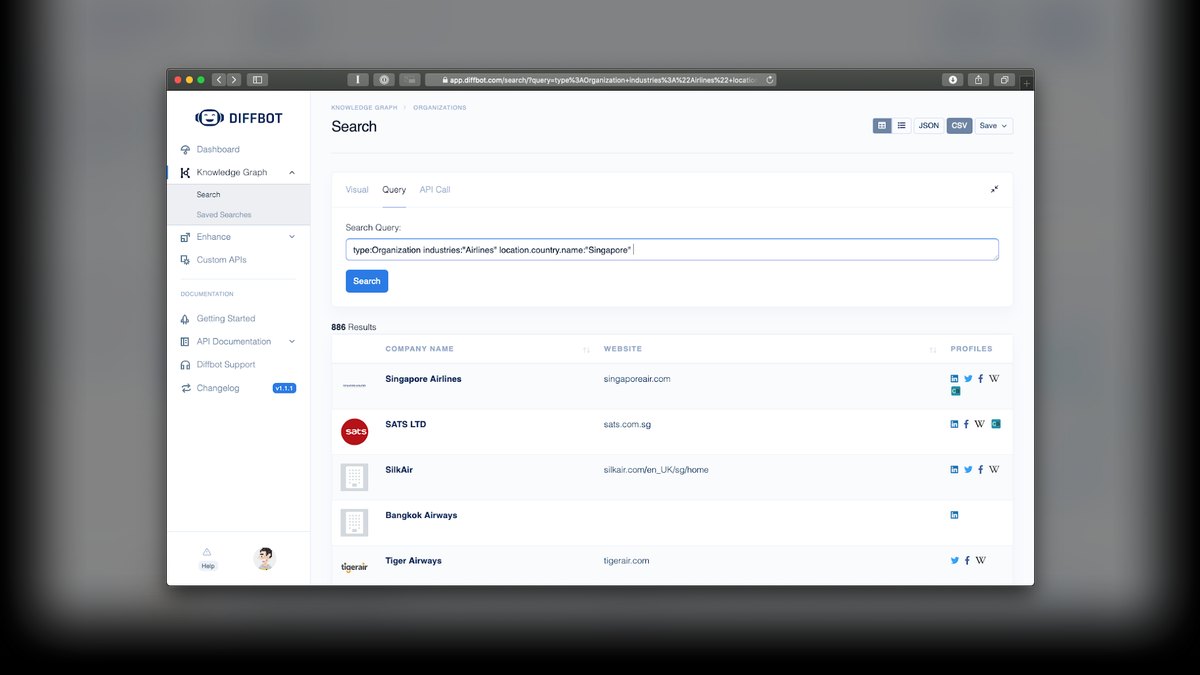
Diffbot ranks seventh because it uses computer vision and machine learning to read pages the way a human would, running automatic AI extraction APIs for specific page types like Article, Product, and Discussion, with no selectors or per-site rules. Its standout asset is the Knowledge Graph, a continuously crawled database of billions of entities—companies, people, products—that you can query directly instead of scraping.
Diffbot is for market intelligence, lead enrichment, and research feeds where you care less about crawling mechanics and more about structured entity data at web scale. It trades away the developer-friendly simplicity of ScrapingBee and the affordability of Crawl4AI, offering a premium, specialized service instead. Compared to Octoparse below, Diffbot requires no coding but also offers no no-code visual builder, focusing purely on API access to its extraction and knowledge graph.
8. Octoparse
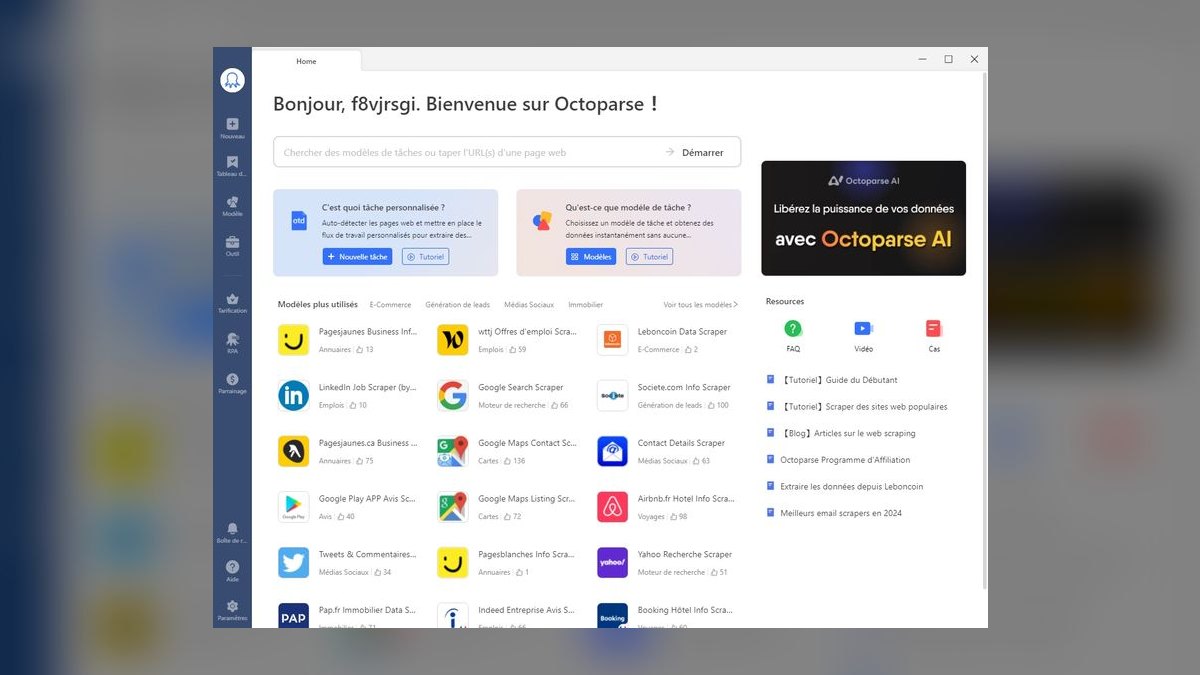
Octoparse ranks eighth because it is the leading no-code option for non-developers, with a point-and-click desktop app that lets you build a scraper by clicking elements on a live page. Its auto-detect proposes fields and pagination, and AI assistance suggests workflows from a URL, while hundreds of pre-built templates cover popular sites.
Octoparse is for analysts, marketers, and researchers who need data but do not write code, trading developer flexibility for genuine accessibility—most people can build a working scraper in an afternoon. It trades away the API-first power of ScrapingBee and the automatic extraction of Diffbot, offering a visual interface instead. Compared to Browse AI below, Octoparse is better for one-off bulk extraction, while Browse AI specializes in ongoing monitoring and change alerts.
9. Oxylabs
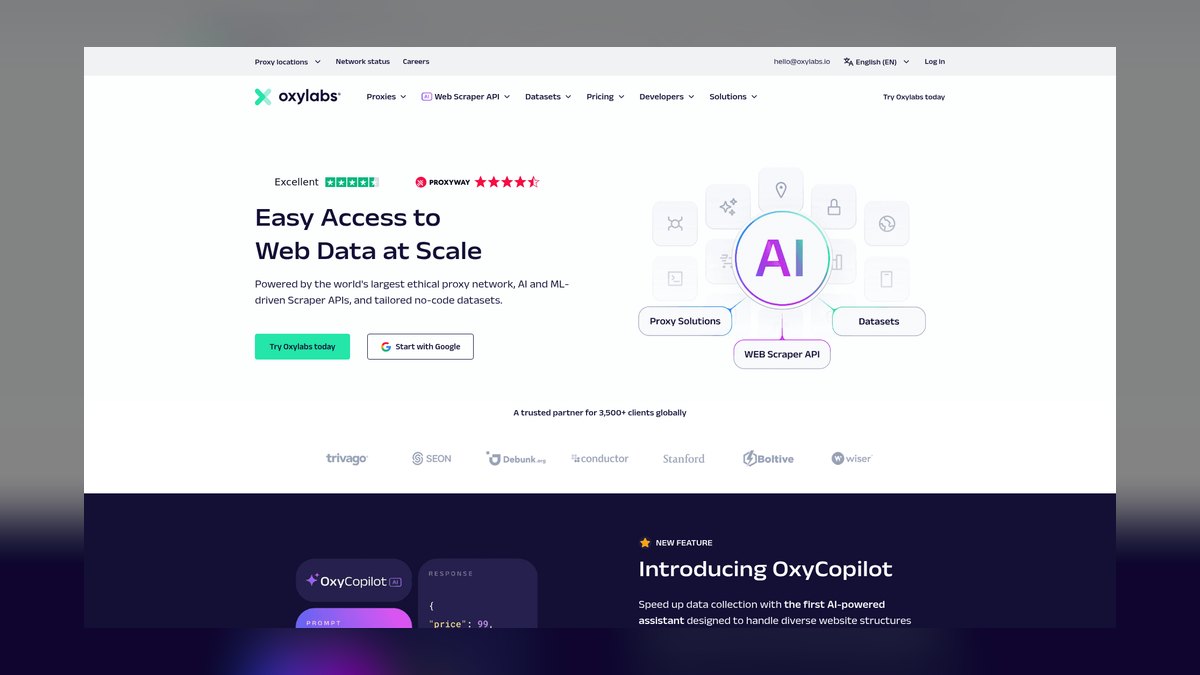
Oxylabs ranks ninth because it is Bright Data's closest rival in the premium-proxy tier, with a 100M+ residential IP pool and enterprise compliance credentials. Its Web Scraper API handles rendering, geo-targeting, and parsing across e-commerce, search, and general sites, billing on successful results. The AI-relevant feature is OxyCopilot, which generates scraper code and parsing instructions from a natural-language description, saving time when onboarding a new site.
Oxylabs is for large organizations that need enterprise-grade proxies plus AI-assisted scraper authoring and value responsive support over the lowest possible price. It trades away the no-code accessibility of Octoparse and the LLM-ready output of Firecrawl, focusing on raw unblocking and parsing. Compared to Bright Data above, Oxylabs has a slightly smaller proxy pool but offers comparable reliability and dedicated account management, making the choice between them a matter of specific feature preference.
10. Browse AI
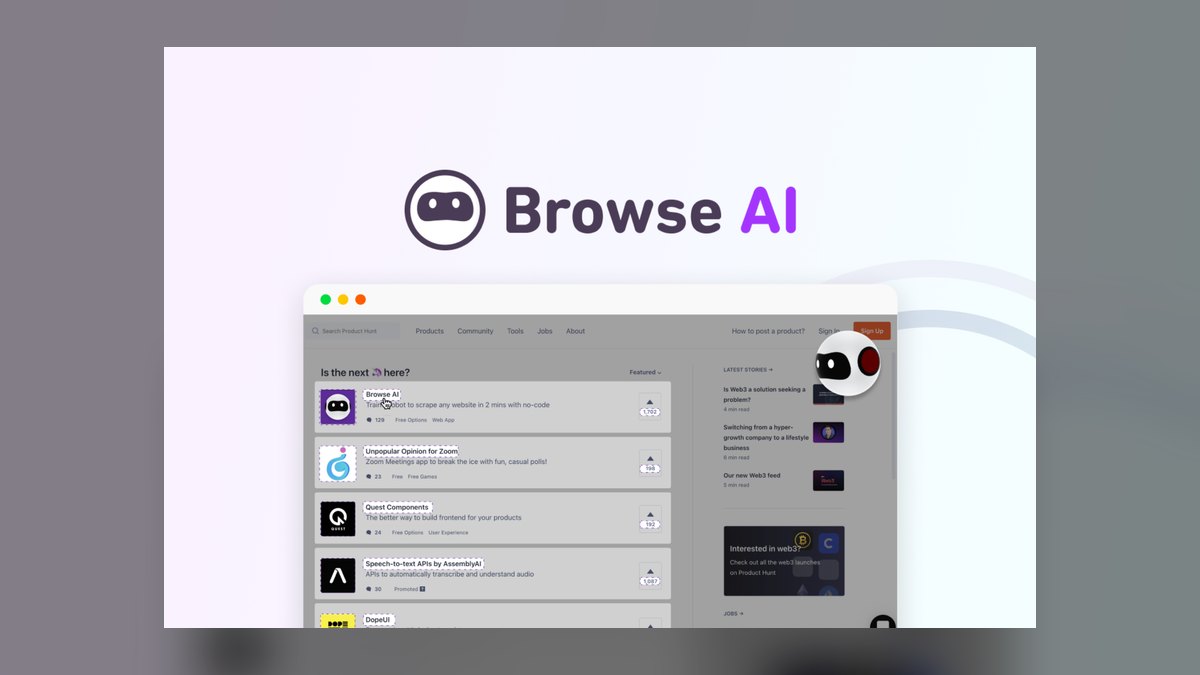
Browse AI ranks tenth because it is the no-code monitoring and automation specialist, where you train a robot by recording yourself clicking through a site, and it then extracts that data on a schedule and alerts you when values change—prices, listings, stock, rankings. It handles pagination, login flows, and bulk runs of thousands of pages, exporting to Google Sheets, Airtable, or webhooks.
Browse AI is for website monitoring—watching competitors and feeds—rather than large-scale corpus building, trading away the bulk extraction power of Octoparse and the API flexibility of ScrapingBee. It trades away raw scraping throughput for scheduled change detection and alerting. Compared to Octoparse above, Browse AI is better for ongoing monitoring with alerts, while Octoparse is superior for one-off, large-volume extractions with its cloud concurrency and scheduling.
How we ranked these
We ranked tools across six weighted factors: output quality (clean Markdown/JSON vs raw DOM), anti-bot evasion (proxy rotation, CAPTCHA solving, fingerprinting), AI extraction capabilities (natural-language schemas), scale and reliability under load, pricing transparency, and developer experience (SDKs, self-hosting, MCP support). Each factor was scored based on documented features, public pricing, and community reputation.
We deliberately ignored subjective aesthetics, brand recognition, and unverifiable marketing claims. We did not weigh the number of pre-built integrations or the size of the proxy network as a proxy for quality, as these metrics often mask poor extraction accuracy or hidden costs. We also excluded tools without a clear, publicly verifiable pricing model or a demonstrable AI-native workflow, as these are core to the 2027 use case.
Related questions
What is the best free AI web scraping tool?
Crawl4AI is the best free option. It is an MIT-licensed, open-source Python library that produces LLM-ready Markdown, supports asynchronous crawling with Playwright, and offers LLM-based extraction strategies. Your only costs are compute and any LLM API you use for parsing. It requires self-hosting and managing your own proxies.
How does Firecrawl compare to Bright Data for AI workflows?
Firecrawl is designed for AI engineers, returning clean Markdown or JSON that drops directly into RAG pipelines. Bright Data is built for enterprise scale, offering a massive proxy network and Web Unlocker to bypass the hardest anti-bot defenses. Choose Firecrawl for ease and LLM-native output; choose Bright Data for raw unblocking power at massive volume.
Can no-code tools like Octoparse handle JavaScript-heavy sites?
Yes, Octoparse and Browse AI render JavaScript and can handle dynamic content. However, they may struggle with aggressive anti-bot measures that require premium proxy tiers. For heavily protected sites, a developer-focused API like ScrapingBee or Bright Data's Web Unlocker is often more reliable, though it requires coding skills.
What does an MCP server do for web scraping tools?
An MCP (Model Context Protocol) server allows AI agents like Claude to call the scraping tool directly as a function. Instead of writing custom code, an agent can use a natural-language command to scrape a URL and receive structured data. Firecrawl, Bright Data, and Apify all offer MCP servers for this purpose.
Is it legal to scrape data from LinkedIn or Amazon?
Scraping publicly visible data is generally permissible, but you must respect the site's Terms of Service and robots.txt. Personal data and paywalled content carry significant legal liability. For sites like LinkedIn, which have specific anti-scraping terms, you should get legal advice before scaling any operation.
What is the difference between Zyte and Scrapy?
Scrapy is a free, open-source Python framework for building scrapers. Zyte (formerly Scrapinghub) is a commercial company founded by Scrapy's creators. Zyte offers a managed API that handles proxies, bans, and AI-powered extraction, and it integrates natively with Scrapy, acting as a reliable, managed backend for your existing Scrapy projects.
When should I use Diffbot instead of a standard scraper?
Use Diffbot when you need structured entity data (companies, people, products) at web scale without writing per-site selectors. Its computer-vision-based APIs and Knowledge Graph are ideal for market intelligence and lead enrichment. It is expensive (from ~$299/month) and overkill for simple page-to-Markdown conversion tasks.
FAQ
What does 'LLM-ready' output actually mean?
It means the tool returns clean Markdown or typed JSON with navigation, ads, and boilerplate already removed, so the text drops straight into a model's context window or a vector database without a cleanup step. Firecrawl, Crawl4AI, and Apify's RAG Web Browser all target this format.
Is web scraping legal in 2027?
Scraping publicly available data is broadly permissible in many jurisdictions, but it is not unlimited. Respect robots.txt, Terms of Service, and rate limits, and never collect personal data or copyrighted material you lack rights to. When in doubt, get legal sign-off before scaling.
Do I still need proxies if a tool has AI extraction?
Often yes. AI extraction parses the page; proxies get you the page past anti-bot defenses. Tools like Bright Data, Oxylabs, and ScrapingBee bundle both, while open-source options like Crawl4AI leave proxy sourcing to you.
Which tool is cheapest?
Crawl4AI is free and open source — you pay only for compute and any LLM you use for extraction. Among managed services, ScrapingBee and Apify offer the most generous entry tiers.
Can these tools handle JavaScript-heavy sites and CAPTCHAs?
Yes. Firecrawl, ScrapingBee, Bright Data's Web Unlocker, and Oxylabs all render JavaScript and handle CAPTCHAs automatically. No-code tools like Octoparse and Browse AI render pages too, though heavy anti-bot targets may need premium proxy tiers.
What's the difference between an API and a no-code tool here?
APIs (Firecrawl, ScrapingBee, Zyte) require code but offer flexibility and scale. No-code tools (Octoparse, Browse AI) let you build scrapers by clicking, trading flexibility for accessibility.
What is the best tool for monitoring competitor prices?
Browse AI is specifically designed for this. You can train a robot to extract pricing data on a schedule and receive alerts when values change. It handles pagination and login flows, making it ideal for ongoing competitive intelligence rather than one-off bulk extraction.
How does Apify's Actor marketplace work?
Apify's Store is a marketplace of thousands of pre-built scrapers, called Actors, for sites like Google Maps, TikTok, and Zillow. You rent an Actor, pass inputs, and get structured results without writing scraper logic. It is a breadth-first approach, ideal for quickly accessing many different sites.
What is OxyCopilot and how does it help?
OxyCopilot is Oxylabs' AI feature that generates the scraper code and parsing instructions for a target from a natural-language description. This is a significant time-saver when onboarding a new site, as it automates the initial setup and reduces the need for manual selector writing.
Sources
- https://docs.firecrawl.dev/
- https://brightdata.com/products/web-scraper
- https://apify.com/store
- https://www.zyte.com/zyte-api/
- https://github.com/unclecode/crawl4ai
- https://www.scrapingbee.com/documentation/
- https://www.diffbot.com/products/
- https://oxylabs.io/products/scraper-api/web
- https://www.octoparse.com/
Related on PULSE
- [More ai tools for web scraping rankings and buying guides](/knowledge)
- [PULSE Tools and calculators](/tools)
- [Everything on PULSE RevOps](/)
This page will be disappearing soon. Save it to your device for $1 — or read it free while it is here.
@Kory-White- · if Venmo asks, the last 4 of my number are 2012
 pulse-ai-infrastructureThe 10 Best AI Tools for Vocal Removal in 2027
 pulse-ai-infrastructureThe 10 Best AI Tools for Supply Chain Planning in 2027
 pulse-ai-infrastructureThe 10 Best AI Tools for Wedding Planning in 2027
 pulse-ai-infrastructureThe 10 Best AI Tools for Architecture Design in 2027
 pulse-ai-infrastructureThe 10 Best AI Tools for Public Speaking Practice in 2027
 pulse-ai-infrastructureThe 10 Best AI Tools for YouTube Optimization in 2027
 pulse-ai-infrastructureThe 10 Best AI Tools for Product Page Design in 2027
 pulse-ai-infrastructureThe 10 Best AI Tools for Writing Poetry in 2027
 pulse-ai-infrastructureThe 10 Best AI Tools for Brand Voice Guides in 2027
 pulse-ai-infrastructureThe 10 Best AI Tools for Reading Comprehension in 2027