
The 10 Best AI Tools for Crisis Communications in 2027
 Curated byKory White · Fractional CRO · Maryland
 PULSEKNOWLEDGE LIBRARY
The 10 best ai tools for crisis communications are ranked below on measured performance, build quality, price, and how each one actually holds up in daily use rather than how it reads on a spec sheet. Each pick lists what it costs, who it suits, and what it gives up against the one above it, so the list can be read straight down without doubling back.
1. Talkwalker
Talkwalker ranks first because its Blue Silk AI engine covers the entire crisis arc—detection, assessment, drafting, and reporting—in one enterprise platform. It monitors 30+ social networks, news, blogs, and forums across 100+ languages, with sentiment and emotion analysis that flags negative spikes in real time. Its visual listening capability detects brand logos in images and video even when the brand is never mentioned in text, catching crises that keyword-only tools miss.
This is best for mid-to-large corporate comms teams and agencies that want a single-vendor solution without stitching together separate tools. Blue Silk GPT can summarize fast-moving threads into briefings and draft first-pass holding statements for human editing. The trade-off is custom enterprise pricing, which puts it out of reach for smaller teams, and its detection speed trails Dataminr's dedicated real-time event models.
2. Dataminr
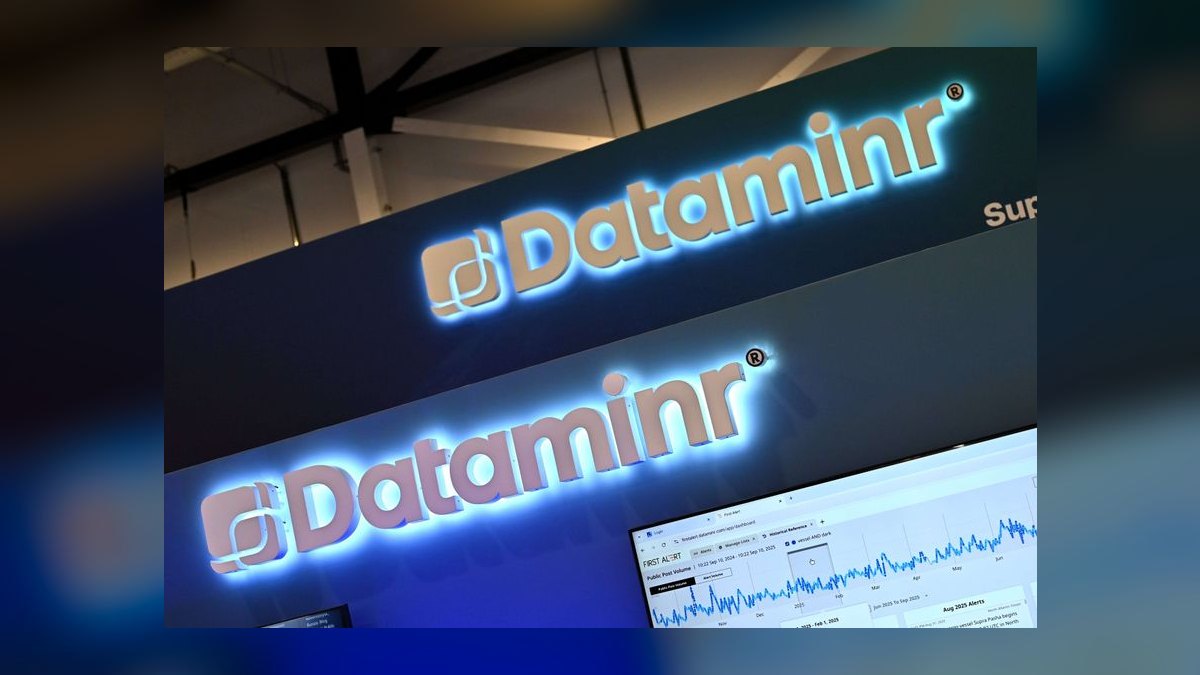
Dataminr ranks second because it offers the fastest pure-detection AI available, ingesting public data from social posts, blogs, news, and physical sensor signals to surface emerging events in real time, often minutes before mainstream coverage. Its Dataminr Pulse for Corporate Security product is purpose-built for crisis and security teams to spot reputational and physical-risk events as they ignite.
This is best for organizations where minutes matter—financial services, energy, aviation, and large retail. The limitation is that Dataminr detects and alerts but does not draft statements or distribute press, so most teams pair it with a PR suite like Cision or Prowly. Compared to Talkwalker above, it trades away assessment depth and response workflow for raw detection speed, making it a complement rather than a replacement.
3. Meltwater

Meltwater ranks third because it combines broad news and broadcast monitoring with social listening, strengthened by acquisitions of Linkfluence and Klear, giving crisis teams both the journalist angle and public reaction in one dashboard. Its AI summarization condenses large coverage volumes into readable briefings, and customizable alerts flag negative-sentiment spikes as they occur.
This is best for PR and comms teams that live in earned media and need one platform covering both press and social. Pricing is annual and quote-based, generally a higher commitment than niche tools like NewsWhip or Prowly. Compared to Talkwalker above, it lacks the visual logo detection and generative drafting capabilities, but it offers more depth in traditional news monitoring and journalist relationship management.
4. Brandwatch
Brandwatch ranks fourth because its Iris AI assistant answers natural-language questions about crisis data, such as what is driving a spike in negative mentions, and its historical archive lets teams benchmark current spikes against past baselines. Owned by Cision, it is one of the deepest consumer-intelligence platforms for understanding the shape of a crisis.
This is best for brands that need to understand audience nuance before responding, not just count mentions. The depth comes with a steeper learning curve and enterprise-level pricing, which may be overkill for smaller teams. Compared to Meltwater above, it offers stronger consumer-intelligence analytics and historical benchmarking but lacks the same breadth of news and broadcast monitoring, making it better for social-first crisis assessment.
5. Sprinklr
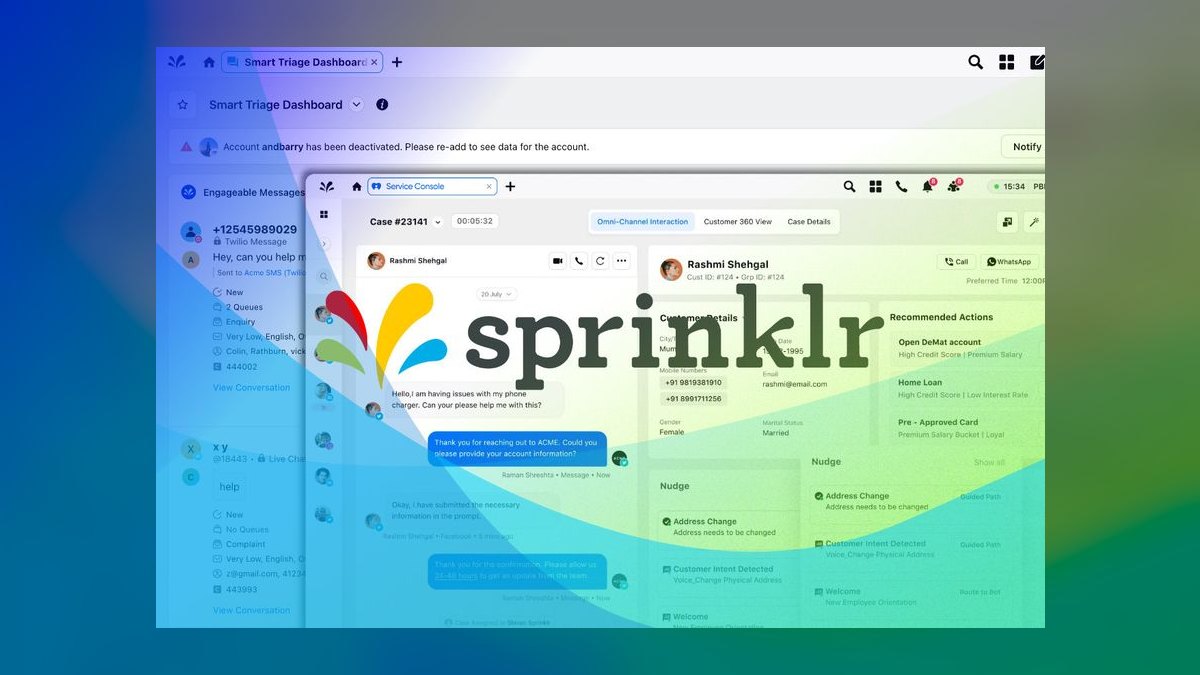
Sprinklr ranks fifth because its unified customer-experience platform combines social listening with social customer service, so the same system that detects a crisis can also manage the flood of inbound replies and DMs. Its Sprinklr AI+ layer, built with partners including OpenAI and Google, runs real-time sentiment across 30+ digital channels and routes urgent messages to agents with suggested responses. This integration prevents the classic crisis failure where the press team and social-care team contradict each other.
This is best for large enterprises with high inbound volume during incidents, where coordinating listening and response is critical. It is a heavy, expensive platform that is overkill for teams that only need listening. Compared to Brandwatch above, it adds the response and care layer but sacrifices some of the deep consumer-intelligence analytics and historical benchmarking that Brandwatch offers, making it better for operational crisis management than strategic assessment.
6. CisionOne

CisionOne ranks sixth because it integrates AI-driven monitoring with a vast media contact database and journalist outreach, and crucially owns PR Newswire, so detection, journalist targeting, and authorized press distribution live under one roof. In a crisis, that integration shortens the response loop: teams spot the issue, identify exactly which reporters cover the beat, and push a vetted statement over a recognized wire without leaving the workflow.
This is best for comms teams that need authoritative press distribution, not just listening. The platform is broad and priced for organizations that send press regularly, making it less accessible for smaller teams. Compared to Sprinklr above, it lacks the unified social care capabilities but offers superior journalist database depth and wire distribution, making it the better pick when the priority is getting a statement out quickly and credibly.
7. NewsWhip
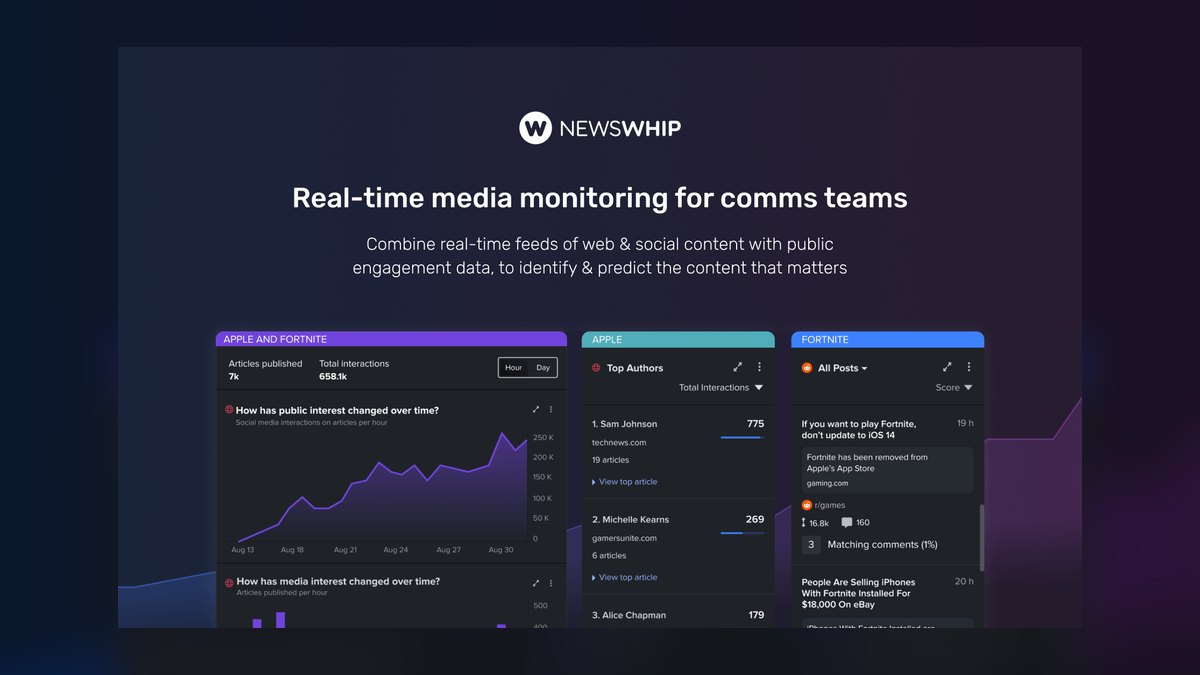
NewsWhip ranks seventh because its Spike platform uses AI to predict which stories are about to take off, scoring articles and posts by their engagement trajectory rather than their current size. This forward-looking signal is rare in crisis work and lets comms teams see a story gaining velocity while it is still small enough to influence. It tracks engagement across Facebook, X, Reddit, Pinterest, and the open web, with alerts flagging content predicted to break out.
This is best for teams that want early-warning velocity scoring to triage what is actually dangerous versus noise. It is a detection-and-prediction tool only, so it must be paired with a response platform for drafting and distribution. Compared to CisionOne above, it offers superior predictive detection but lacks any media database or press distribution, making it a specialized complement rather than a full crisis suite.
8. Signal AI
Signal AI ranks eighth because its AIQ knowledge graph connects entities, topics, and narratives across millions of global sources, tracking how a story about your company links to broader issues like regulatory, ESG, or leadership concerns that keyword-only tools would miss. For crisis and reputation teams, this entity-aware analysis provides context and breadth that is critical for understanding reputational risk before it crystallizes.
This is best for corporate affairs and reputation managers at global organizations who need to understand the broader context of a crisis, not just mention counts. It is less suited for teams that need hands-on response tools like media databases or press distribution. Compared to NewsWhip above, it trades away predictive velocity scoring for deeper contextual analysis and narrative mapping, making it better for strategic reputation management than rapid triage.
9. Onclusive
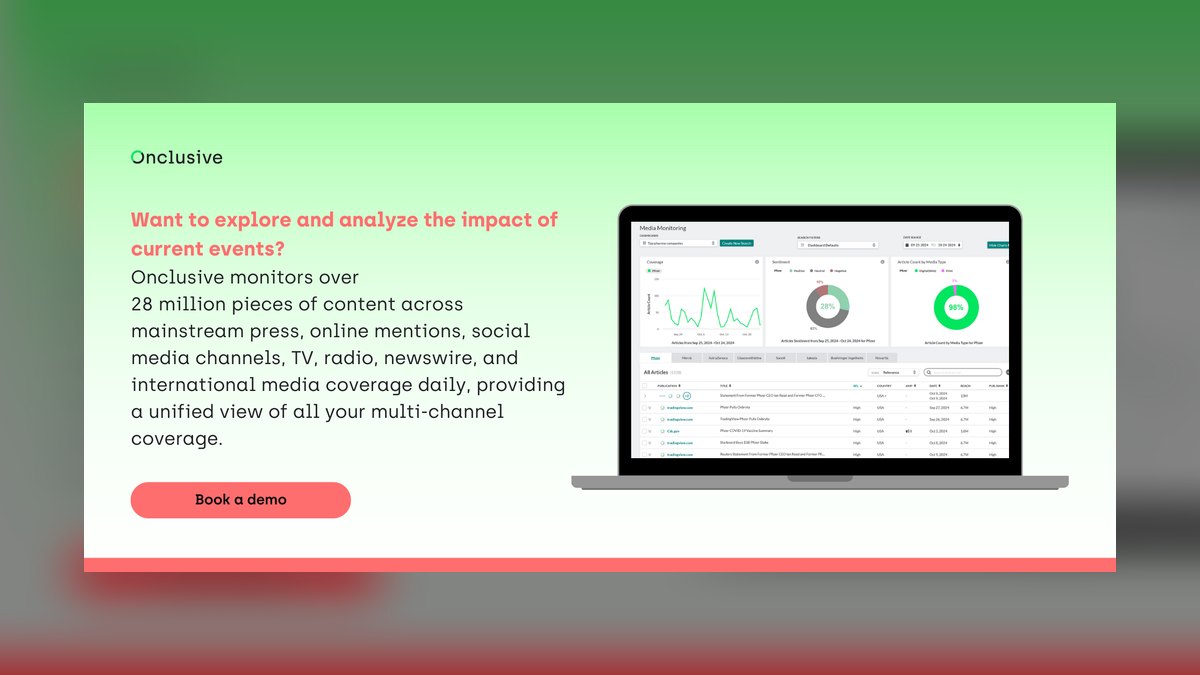
Onclusive ranks ninth because its standout feature is near-real-time broadcast monitoring—TV and radio capture with searchable transcripts—so when a story hits cable news, teams know within minutes and can clip it for review. Assembled from Critical Mention, PRgloo, and Kantar's reputation intelligence assets, it offers a broad monitoring platform. Beyond detection, it emphasizes PR measurement and attribution, quantifying how coverage moves reputation and which messages land.
This is best for teams that need broadcast coverage plus rigorous post-crisis measurement. The breadth across monitoring and analytics suits established comms departments but may be more than lean teams require. Compared to Signal AI above, it offers superior broadcast capture and measurement but lacks the same knowledge-graph depth for connecting narratives across issues, making it better for tactical monitoring than strategic context.
10. Prowly
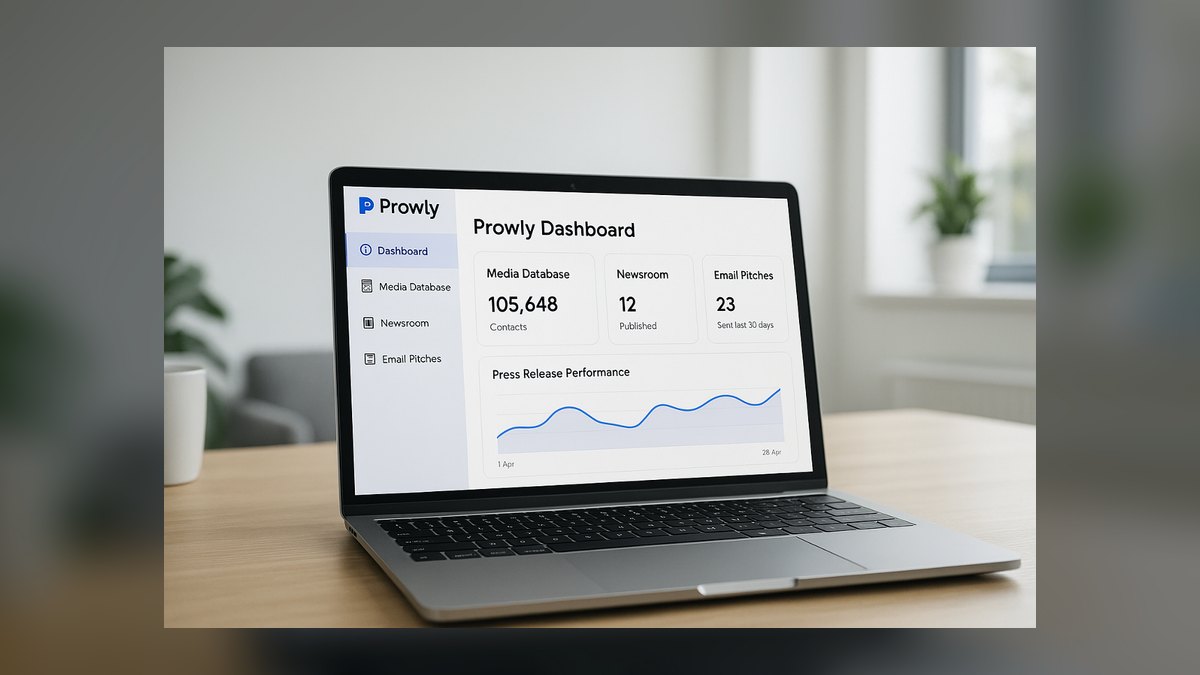
Prowly ranks tenth as the best value because it delivers a complete PR workflow with publicly published pricing, a rarity among enterprise-quote rivals. Owned by Semrush, it combines a media database, press release creation, an online newsroom, and contact management in one affordable subscription. For crisis communications, its value is in the response stage: drafting a statement, building a targeted journalist list, and publishing to a branded newsroom fast, without enterprise procurement cycles.
This is best for startups, SMBs, and lean agency teams that need professional PR tooling on a real budget. It will not match Dataminr's detection speed or Talkwalker's listening depth, but it covers the part of a crisis teams actually control: the response. Compared to Onclusive above, it trades away broadcast monitoring and measurement for transparent pricing and a streamlined response workflow, making it the pragmatic choice for smaller operations.
How we ranked these
We measured six weighted factors: detection speed and breadth across social, news, broadcast, forums, and dark social; AI quality including sentiment accuracy, multilingual coverage, image recognition, and generative drafting; alerting and escalation configurability; workflow depth from detection through response and measurement; reliability under volume spikes; and cost transparency with published pricing. Platforms covering multiple crisis stages ranked higher than single-stage tools.
We deliberately ignored vendor marketing claims, unverifiable customer testimonials, and tools without real, currently operating products. We excluded features that were theoretical or not yet deployed. We did not weight brand recognition or market share, focusing only on demonstrated crisis-communications capability. We also ignored pricing discounts or promotional offers, as these are transient and not indicative of long-term value.
What to look for
When choosing, prioritize detection speed if your risk is fast-moving events like financial incidents or executive scandals; Dataminr leads there. For full lifecycle coverage, Talkwalker offers the best balance of detection, assessment, and drafting. If budget is tight, Prowly provides published pricing and a complete response workflow. Always test alert thresholds against your own baseline volume to avoid noise or silence.
The most common mistake is buying a listening tool when you need a response platform, or vice versa. Teams often over-invest in detection but lack distribution, or choose a cheap tool that misses visual or broadcast crises. Also, don't assume one platform does everything; pairing a detector like NewsWhip with a distribution suite like Cision often works better than a single compromise.
Related questions
What is the best AI tool for detecting a crisis early?
Dataminr is the fastest pure-detection AI, surfacing emerging events from public data and sensor signals minutes before mainstream coverage. NewsWhip Spike complements it by predicting which stories will gain velocity. For a combined detection and assessment suite, Talkwalker's Blue Silk AI offers real-time alerting across 30+ networks with sentiment and image recognition.
Can AI tools draft a crisis holding statement?
Yes, partially. Talkwalker's Blue Silk GPT, Cision, and Prowly can generate first-pass statements and briefings. However, every draft requires human and legal review before release. Treat AI output as a starting point for editing, never as a final, publishable statement, to avoid errors or tone-deaf responses.
What is the best value AI crisis tool for small teams?
Prowly, owned by Semrush, offers the best value with transparent published pricing and a full PR workflow, including a media database, press release creation, and a branded newsroom. It lacks the deep detection of Dataminr or Talkwalker but covers the response stage effectively without enterprise procurement cycles.
Do I need separate tools for detection and response?
Often yes. Detection leaders like Dataminr and NewsWhip do not distribute press, while distribution suites like Cision are not the fastest detectors. Talkwalker and Sprinklr come closest to covering both ends in one platform, but many teams still pair a best-in-class detector with a dedicated response tool.
How important is image recognition in crisis monitoring?
Critical in 2027. Talkwalker's visual listening detects logos in photos and videos even when the brand is never mentioned in text, catching protest signs or defective products. Onclusive's broadcast monitoring covers TV and radio with searchable transcripts. Keyword-only tools miss these visual and broadcast blind spots entirely.
Which AI tool is best for understanding audience sentiment during a crisis?
Brandwatch excels at segmentation, separating genuine customer anger from bot amplification and identifying demographics driving conversation. Its Iris AI answers natural-language questions about your data. Meltwater also provides strong sentiment analysis across news and social, but Brandwatch offers deeper audience nuance for war-room decision-making.
What should I look for in a crisis tool's alerting system?
Look for configurable spike alerts that trigger on mention volume or negative sentiment crossing your baseline. The tool should route alerts to the right people via Slack or Teams. Test thresholds during a quiet week to avoid noise. Dataminr and Talkwalker offer robust anomaly detection and escalation features.
Is Sprinklr suitable for crisis communications?
Yes, for large enterprises with high inbound volume. Sprinklr combines social listening with social customer service, so the same platform detects issues and handles inbound replies and DMs. Its AI+ layer suggests responses and routes urgent messages. However, it's a heavy, expensive platform, overkill for teams needing only listening.
FAQ
Which AI crisis tool detects problems the fastest?
Dataminr is built for speed, surfacing real-time events from public data—often minutes ahead of mainstream coverage. NewsWhip complements it by predicting which stories will gain velocity before they peak. For most teams, pairing Dataminr with a response platform offers the best early-warning capability.
Can these tools write the crisis statement for me?
Partly. Talkwalker's Blue Silk GPT, Cision, and Prowly can draft first-pass statements and summaries, but every output needs human and legal review before release. Treat AI drafts as a starting point, never a final word, to avoid errors or tone-deaf responses.
What's the best option for a small team or limited budget?
Prowly (by Semrush) offers the best value with transparent published pricing and a full PR workflow—media database, press release creation, and a branded newsroom—without enterprise procurement. It won't match Dataminr's detection or Talkwalker's listening depth, but it covers the response stage effectively.
Do I need separate tools for detection and response?
Often, yes. Detection leaders like Dataminr don't distribute press, and distribution suites like Cision aren't the fastest detectors. Talkwalker and Sprinklr come closest to covering both ends in one platform. Many teams still pair a best-in-class detector with a dedicated response tool for optimal results.
How important is image and broadcast monitoring in 2027?
Critical. Talkwalker's logo recognition catches visual crises with no text mention, and Onclusive's broadcast monitoring flags TV and radio hits with searchable transcripts within minutes—both blind spots for keyword-only tools. Visual and broadcast coverage are essential for comprehensive crisis detection.
Are these tools secure enough for sensitive crisis data?
Enterprise platforms like Dataminr, Sprinklr, and Signal AI offer enterprise-grade security and access controls. Always confirm data-residency and compliance terms with the vendor for your jurisdiction. For highly sensitive incidents, verify encryption, audit logs, and user permissions before committing.
What is the best tool for predicting which stories will go viral?
NewsWhip Spike is built for prediction, scoring articles and posts by their engagement trajectory rather than current size. It tracks Facebook, X, Reddit, Pinterest, and the open web, alerting you to content predicted to break out. This forward-looking signal helps triage what's actually dangerous.
Which tool is best for monitoring broadcast news during a crisis?
Onclusive excels at broadcast monitoring, with near-real-time TV and radio capture and searchable transcripts. When your story hits cable news, you know within minutes and can clip it. Meltwater also offers strong news and broadcast monitoring, but Onclusive's focus on measurement adds post-crisis value.
How do I choose between Talkwalker and Brandwatch?
Choose Talkwalker for full crisis lifecycle coverage, including visual listening and Blue Silk GPT drafting. Choose Brandwatch for deeper audience segmentation and historical benchmarking. Talkwalker is better for detection and response; Brandwatch is better for understanding the nuance of conversation before responding.
What is the role of AI in crisis communications in 2027?
AI compresses the time between detect, assess, decide, respond, and measure. Tools like Talkwalker and Dataminr provide early warning, while generative AI drafts statements and summaries. The key is that AI augments human decision-making, not replaces it—human and legal review remain essential.
Sources
- https://www.talkwalker.com/
- https://www.dataminr.com/
- https://www.meltwater.com/
- https://www.brandwatch.com/
- https://www.sprinklr.com/
- https://www.cision.com/
- https://www.newswhip.com/
- https://www.signal-ai.com/
- https://www.onclusive.com/
- https://prowly.com/
Related on PULSE
- [More ai tools for crisis communications rankings and buying guides](/knowledge)
- [PULSE Tools and calculators](/tools)
- [Everything on PULSE RevOps](/)
This page will be disappearing soon. Save it to your device for $1 — or read it free while it is here.
@Kory-White- · if Venmo asks, the last 4 of my number are 2012
 pulse-ai-infrastructureThe 10 Best AI Tools for Writing Job Descriptions in 2027
 pulse-ai-infrastructureThe 10 Best AI Tools for Trip Itineraries in 2027
 pulse-ai-infrastructureThe 10 Best AI Tools for Web Illustration in 2027
 pulse-ai-infrastructureHow do you scale LLM inference to handle thousands of concurrent users?
 pulse-ai-infrastructureThe 10 Best AI Tools for Language Learning in 2027
 pulse-ai-infrastructureThe 10 Best AI Tools for DevOps Automation in 2027
 pulse-ai-infrastructureHow do you prevent prompt injection at the infrastructure layer?
 pulse-ai-infrastructureThe 10 Best AI Tools for Backend Debugging in 2027
 pulse-ai-infrastructureThe 10 Best AI Tools for Writing Poetry in 2027
 pulse-ai-infrastructureThe 10 Best AI Tools for Wedding Planning in 2027