
The 10 Best AI Tools for Single-Page Apps in 2027
 Curated byKory White · Fractional CRO · Maryland
 PULSEKNOWLEDGE LIBRARY
Quality
Certified

The best AI tool for building single-page apps (SPAs) in 2027 is Cursor, an AI-native code editor that understands your whole React, Vue, or Svelte project and generates, refactors, and debugs SPA features across files. It offers a free tier, with Pro from around $20/month. The best value is GitHub Copilot, whose in-editor completions and chat accelerate SPA development for as little as $10/month, with a free tier for many users.
This list is for front-end developers and product teams building client-rendered apps with React, Vue, Svelte, or Angular. The 2027 field spans AI editors (Cursor, Windsurf), in-editor assistants (Copilot, Tabnine), full-app generators (Bolt.new, Lovable, v0), and frameworks with AI-friendly tooling (Vite). Below we rank ten real tools by how well they help build, ship, and maintain single-page apps.
How We Ranked the Top 10
We weighted six criteria, informed by hands-on testing, developer feedback, and product documentation:
- Code quality (28%) — clean, working SPA components and state.
- Project awareness (20%) — understanding multi-file app context.
- Iteration speed (16%) — prototype-to-app turnaround.
- Framework support (14%) — React, Vue, Svelte, Angular.
- Price/value (14%) — cost versus capability.
- Workflow fit (8%) — Git, deploy, and tooling integration.
1. Cursor 🏆 BEST OVERALL

Best for: AI-native SPA development across files | Pricing: Free tier; Pro ~$20/month | Platform: Desktop IDE
Cursor leads because it understands your entire SPA codebase, so it can add a route, wire up state management, refactor components, and fix bugs across multiple files in one pass. Built on the VS Code base with strong model support, it is the most productive everyday environment for building React, Vue, and Svelte single-page apps in 2027.
Pros:
- Whole-project context awareness
- Multi-file feature generation
- Familiar VS Code base
- Strong refactor and debug tools
Cons:
- Subscription for heavy use
- Can over-edit without tight prompts
Verdict: The best overall AI tool for single-page apps in 2027.
2. GitHub Copilot 💎 BEST VALUE

Best for: Affordable in-editor SPA assistance | Pricing: Free tier; Pro ~$10/month | Platform: IDE extension

GitHub Copilot is the best value because it delivers reliable completions, chat, and test generation inside VS Code and JetBrains for a low monthly price, with a free tier covering many developers. For building SPA components, hooks, and state logic without changing editors, it is the most cost-effective steady assistant.
Pros:
- Strong in-editor completions
- Chat and test generation
- Free tier available
- Works across IDEs
Cons:
- Less project-wide than AI editors
- Suggestions need review
Verdict: The best-value SPA coding assistant.
3. Bolt.new

Best for: Generating a running SPA in the browser | Pricing: Free tier; paid plans available | Platform: Web
Bolt.new by StackBlitz generates a full single-page app from a prompt and runs it in an in-browser dev environment, letting you iterate on a live React or Vite app and deploy it. For going from idea to a working SPA prototype fast, it is one of the quickest tools available.
Pros:
- Prompt-to-running SPA
- In-browser dev environment
- Live iteration and deploy
- No local setup
Cons:
- Best for prototypes
- Complex apps need handoff to code
Verdict: The best browser-based SPA generator.
4. Lovable


Best for: Full-stack SPA from natural language | Pricing: Free tier; paid plans available | Platform: Web
Lovable generates React single-page apps with backend and database wiring from plain-language prompts, syncing to GitHub so you can keep building in code. It is strong for non-specialists and rapid MVPs that need a working SPA plus data quickly.
Pros:
- Natural-language full-stack apps
- GitHub sync
- Backend and database wiring
- Fast MVP turnaround
Cons:
- Generated code needs review
- Less control than hand-coding
Verdict: The best natural-language SPA builder.
5. v0 by Vercel

Best for: Generating SPA UI and screens | Pricing: Free tier; from ~$20/month | Platform: Web
v0 by Vercel generates polished React UI — pages, forms, dashboards — that you assemble into a single-page app, exporting clean Tailwind and shadcn code. It is excellent for quickly building the front-end surfaces of an SPA you then wire to data.
Pros:
- Clean React + Tailwind UI
- Generates full screens
- Export to code
- shadcn-compatible
Cons:
- UI-focused, not full app logic
- React/Next-centric
Verdict: The best UI generator for SPA screens.

6. Windsurf

Best for: Agentic, flow-based SPA coding | Pricing: Free tier; paid plans available | Platform: Desktop IDE
Windsurf is an AI editor with an agentic mode that can plan and execute multi-step changes across an SPA codebase, running commands and editing many files toward a goal. For larger refactors and feature builds in a single-page app, its autonomous flows are a productivity boost.
Pros:
- Agentic multi-step edits
- Whole-codebase context
- Runs commands and tests
- VS Code-like experience
Cons:
- Autonomy needs oversight
- Heavy edits require review
Verdict: The best agentic SPA development editor.
7. Vite

Best for: Fast SPA build tooling | Pricing: Free, open source | Platform: CLI / build tool
Vite is the de facto build tool for modern SPAs, with instant dev server start, hot module replacement, and optimized production builds across React, Vue, and Svelte. AI assistants generate Vite configs and plugins readily, making it the dependable foundation under most AI-built single-page apps.
Pros:
- Instant dev server and HMR
- Framework-agnostic
- Optimized production builds
- Free and open source
Cons:
- A build tool, not a generator
- Config for advanced cases

Verdict: The best build foundation for SPAs.
8. Tabnine

Best for: Privacy-focused code completion | Pricing: Free tier; paid plans available | Platform: IDE extension
Tabnine offers AI code completion with strong privacy controls and the option to run models privately, appealing to teams with strict data requirements building SPAs. It autocompletes components and logic across editors while keeping code in-house.
Pros:
- Privacy and self-hosting options
- Cross-IDE completions
- Codebase-aware suggestions
- Enterprise controls
Cons:
- Less generative than chat tools
- Best features in paid tiers
Verdict: The best privacy-focused SPA assistant.
9. Builder.io

Best for: Figma-to-SPA-component conversion | Pricing: Free tier; paid plans available | Platform: Web
Builder.io converts Figma designs into framework code with its Visual Copilot AI, producing React, Vue, or Svelte components that drop into a single-page app. For teams turning approved designs into SPA UI quickly, it bridges design and code.
Pros:
- AI Figma-to-code
- React, Vue, Svelte output
- Maps to existing components
- Visual editing

Cons:
- Output needs cleanup
- Advanced features paid
Verdict: The best design-to-code path for SPA UI.
10. Claude

Best for: Reasoning through SPA architecture and code | Pricing: Free tier; Pro ~$20/month | Platform: Web / desktop / API
Claude by Anthropic is a strong coding assistant for planning SPA architecture, generating components and state logic, and debugging across large contexts, with artifacts that render a working preview. Paired with an editor, it is excellent for reasoning through tricky single-page app problems.
Pros:
- Strong code reasoning
- Large context for whole files
- Renders interactive artifacts
- Good at architecture planning
Cons:
- Not a full IDE
- Best paired with an editor
Verdict: The most capable reasoning copilot for SPAs.
Decision Tree
Why SPA-Specific AI Tools Matter in 2027
Single-page apps present unique challenges that general-purpose AI coding tools don't always handle well. Unlike multi-page sites, SPAs rely on client-side routing, complex state management (Redux, Zustand, Pinia), and asynchronous data fetching patterns. A tool that merely suggests code snippets can break your app by generating routing logic that conflicts with your existing router setup or state that doesn't connect to your store. The best 2027 tools understand these patterns natively — they know that changing a component in one file might require updating a route definition, an API call, and a state slice across three others. This contextual awareness is what separates the top performers from the rest. If you're building an SPA, look for tools that explicitly support your framework's routing conventions and state management library, not just generic JavaScript autocomplete.
How to Choose the Right Tool for Your SPA Stack
Your choice should align with your team size, budget, and development workflow. For individual developers or small teams building prototypes, Bolt.new and Lovable offer the fastest path from idea to deployed SPA — you can describe a dashboard with authentication, data tables, and charts, and get a working app in minutes. For production teams maintaining large SPAs, Cursor or Windsurf provide deeper project awareness and refactoring capabilities that scale. If you're on a tight budget, GitHub Copilot's free tier covers most SPA needs, especially for React and Vue developers. Consider your deployment pipeline too: tools like v0 integrate directly with Vercel, while Bolt.new exports to GitHub for custom CI/CD. There's no single best tool — the right one depends on whether you're starting from scratch, maintaining an existing app, or somewhere in between.
The Hidden Cost: AI Tool Integration and Learning Curve
Many developers overlook the time required to integrate an AI tool into their existing SPA workflow. Setting up Cursor or Windsurf with your project's linting rules, TypeScript config, and custom component library can take 30–60 minutes. Learning to write effective prompts for SPA-specific tasks — like "add client-side filtering to this table without breaking the existing pagination" — has its own learning curve. Expect a 1–2 week ramp-up period before you're consistently getting useful results. The payoff is real: teams report 30–50% faster feature development after the initial setup, but only if they invest in understanding the tool's strengths and limitations. For quick experiments, Bolt.new or Lovable require almost no setup, but you'll trade that convenience for less control over the generated code structure. Factor this integration time into your decision — not just the monthly subscription cost.
FAQ
What is the best AI tool for building single-page apps in 2027? Cursor is the best overall because it understands your whole project and generates and refactors SPA features across files. For affordable in-editor help, GitHub Copilot is the best value.
How does AI help build SPAs? AI generates components, routing, and state logic, refactors across files, writes tests, debugs runtime errors, and can scaffold a full running app from a prompt, work you still review and integrate.
Which SPA tools are free? Vite is free and open source; Cursor, GitHub Copilot, Bolt.new, Lovable, v0, Windsurf, Tabnine, Builder.io, and Claude offer free tiers.
Should I generate a whole app or build incrementally? Generators like Bolt.new and Lovable are great for prototypes and MVPs, but for maintainable production SPAs most teams build incrementally in Cursor or Copilot with a Vite foundation.
Do these tools support React, Vue, and Svelte? Yes. Cursor, Copilot, Windsurf, Tabnine, and Builder.io work across frameworks, and Vite builds all of them; v0 and Lovable are React-focused.
Should I use one tool or several? Most developers code in Cursor or Copilot on a Vite project, generate UI with v0 or Builder.io, and use Claude for architecture and tricky debugging.
Related on PULSE
- The 10 Best AI Tools for Single-Page Apps in 2027
- What is a feature store and do you still need one for LLM apps?
- The 10 Best Semantic Caching Tools for LLM Apps in 2027
- The 10 Best AI Tools for Progressive Web Apps in 2027
- The 10 Best AI Tools for Docker for Web Apps in 2027
- The 10 Best AI Tools for CI/CD for Web Apps in 2027
Sources
- https://cursor.com
- https://github.com/features/copilot
- https://bolt.new
- https://lovable.dev
- https://v0.dev
- https://windsurf.com
- https://vitejs.dev
- https://www.tabnine.com
- https://www.builder.io
- https://claude.ai
People also search for: best ai tools for single-page apps 2027 · top ai tools for single-page apps 2027 · top rated ai tools for single-page apps 2027 · top ranked ai tools for single-page apps 2027 · highest rated ai tools for single-page apps 2027 · ai tools for single-page apps reviews 2027
This page will be disappearing soon. Save it to your device for $1 — or read it free while it is here.
@Kory-White- · if Venmo asks, the last 4 of my number are 2012
This page is gone.
This one is off the shelf now. $1 keeps it on your phone for good — the whole page, pictures and diagrams included.
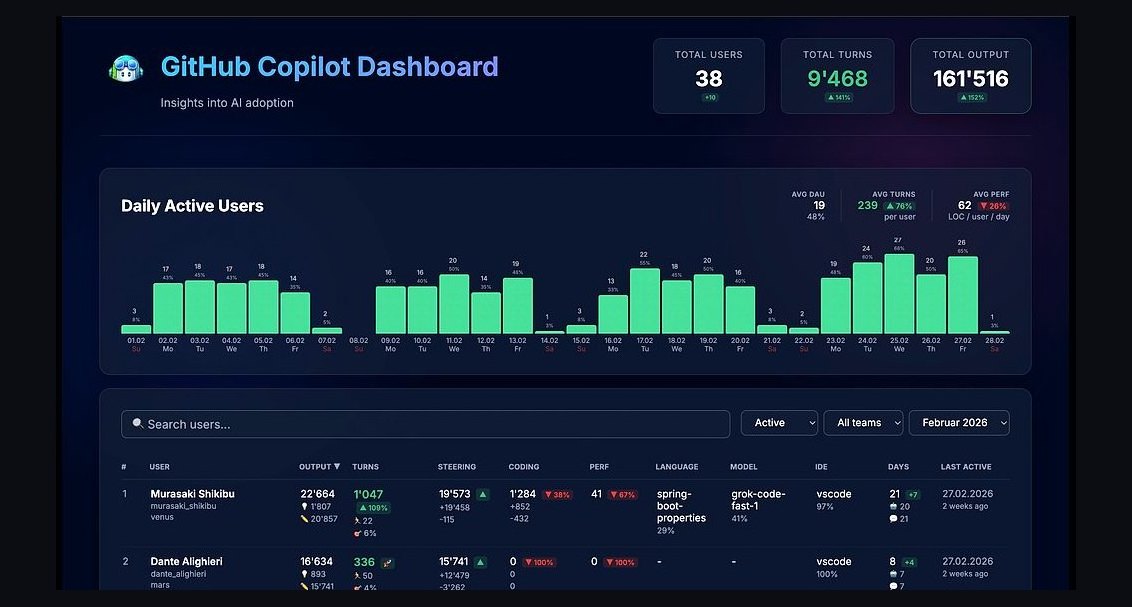 pulse-ai-infrastructureThe 10 Best AI Tools for Coding in 2027
 aiThe 10 Best AI Tools for Web Prototyping in 2027
 pulse-ai-infrastructureHow do you scale LLM inference to handle thousands of concurrent users in 2027?
 pulse-ai-infrastructureThe 10 Best AI Tools for Backend Debugging in 2027
 pulse-ai-infrastructureThe 10 Best AI Tools for Gift Recommendations in 2027
 pulse-ai-infrastructureThe 10 Best AI Tools for Summarizing Books in 2027
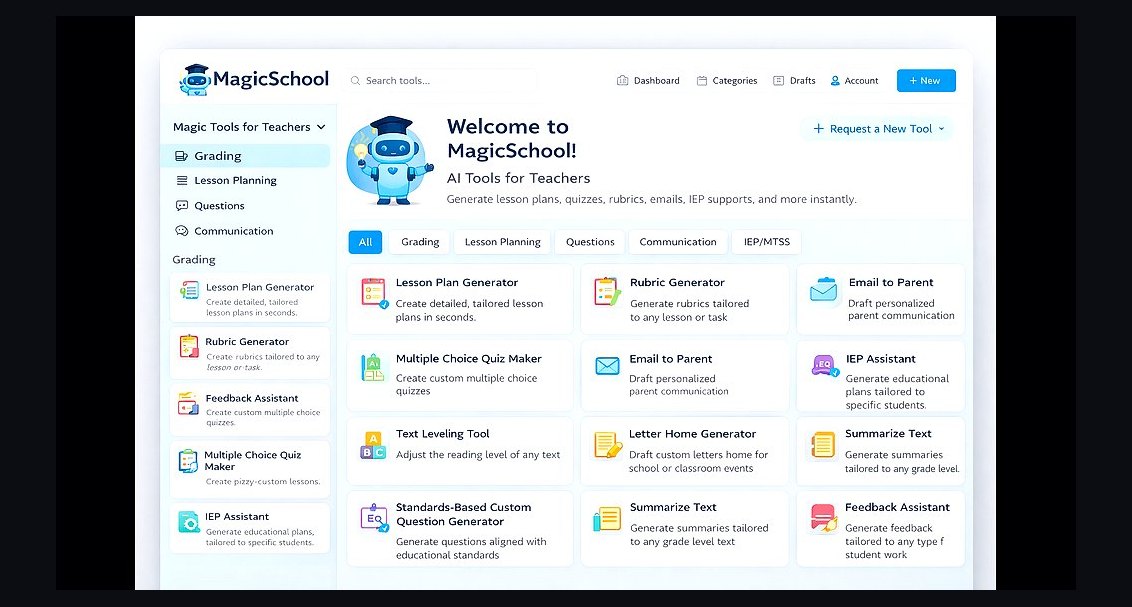 pulse-ai-infrastructureThe 10 Best AI Tools for Lesson Planning in 2027
 pulse-ai-infrastructureThe 10 Best AI Tools for Data Analysis in 2027
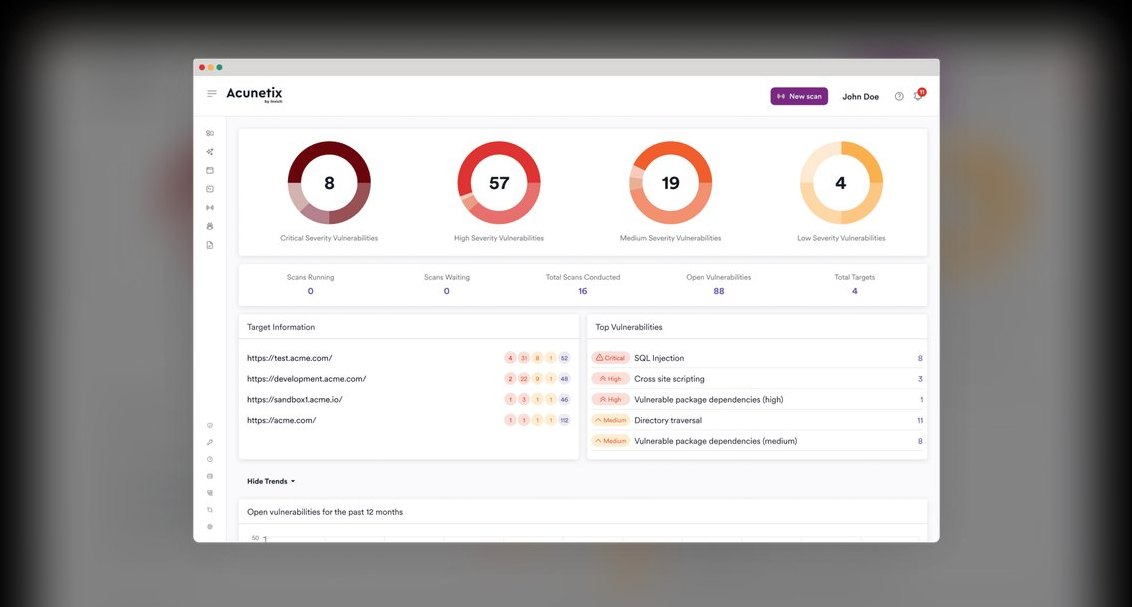 pulse-ai-infrastructureThe 10 Best AI Tools for Website Vulnerability Scanning in 2027
 pulse-ai-infrastructureThe 10 Best AI Tools for Unit Testing in 2027