

How do you prevent and treat fish fungal infections in 2027?
 Curated byKory White · Fractional CRO · Maryland
Quality
Certified

Most "fungus" in aquariums is a true water mold (*Saprolegnia* or *Achlya*) that appears as fluffy white or gray cottony tufts on the skin, fins, gills, or eyes — and it is almost always a secondary infection that takes hold only after a fish is injured, stressed, or already sick. You prevent it by keeping clean, well-filtered water, avoiding injuries, and reducing stress; you treat it by isolating the fish in a quarantine tank, fixing the underlying water-quality problem, and dosing an antifungal such as methylene blue, malachite green/formalin combination, or a dedicated aquarium antifungal. Fungus that has been mistaken for columnaris (a bacterial infection) is common, so identifying it correctly matters before you medicate.
What Aquarium "Fungus" Actually Is
The classic white, cotton-wool growth that hobbyists call fungus is usually a water mold in the genera *Saprolegnia* or *Achlya* — technically an oomycete, not a true fungus, though it is treated similarly. Its spores are present in virtually every aquarium at all times, living harmlessly on decaying organic matter, uneaten food, and dead plant material. Healthy fish with intact slime coats are not bothered by it. The mold only colonizes living tissue when a fish's natural defenses are breached: a torn fin, a scrape from netting or rough decor, a bite wound, an ulcer from another disease, or chronic stress that thins the protective slime coat. This is why fungus is described as an opportunistic, secondary infection — finding it almost always means something else went wrong first. Fungus also readily attacks fish eggs, which is why breeders often add methylene blue or a few drops of antifungal to hatching containers.
How to Tell Fungus From Columnaris and Other Look-Alikes
Misidentification is the single most common reason fungal treatments fail, because columnaris — a bacterial infection from *Flavobacterium columnare* — produces white-to-gray patches that look similar but require a completely different (antibacterial) treatment. True fungus is fluffy and three-dimensional, like cotton wool or mold on bread, and it stands up off the body. Columnaris tends to be flatter, more grayish, often with a yellowish or "peppery" edge, frequently starts around the mouth ("mouth fungus" is actually bacterial columnaris, not fungus) or as a saddle-shaped lesion on the back, and spreads far faster — sometimes killing within a day or two. Other look-alikes include the white spots of ich (which are small, discrete, and salt-grain-like, not fluffy) and excess slime-coat production. When in doubt, treat for both with a combination medication or treat the more aggressive threat (columnaris) first, since misjudging columnaris as harmless fungus loses fish quickly.
How to Treat a Fungal Infection
Move the affected fish to a quarantine/hospital tank if you can, so you can medicate without harming your filter bacteria, plants, or invertebrates in the display. Then:
- Fix the water first. Test for ammonia, nitrite, and nitrate. Do a large water change to bring the fish into clean, stable water — poor water quality is the most common underlying cause, and no medication works against a constant ammonia insult.
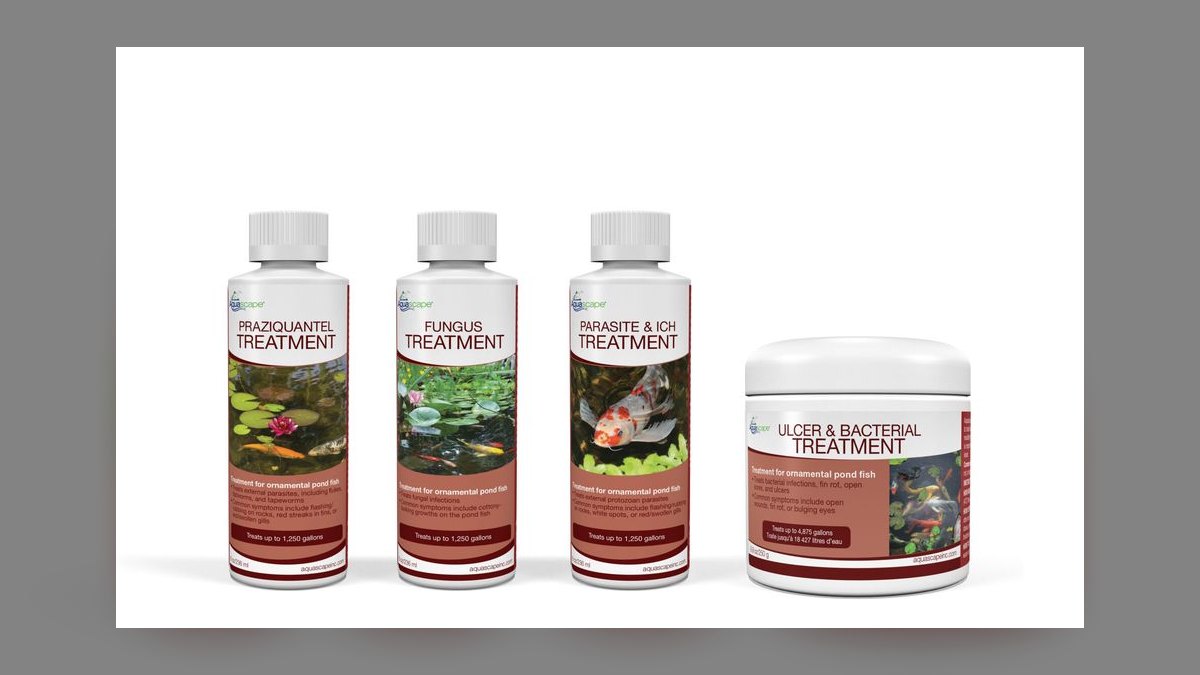
- Choose an appropriate antifungal. Common, proven options include methylene blue (gentle, good for mild cases and eggs), malachite green with formalin (e.g., products in the Ich-X / Rid-Ich family, effective against water molds), or a dedicated aquarium antifungal containing those actives. Follow the label dosing for your water volume exactly.
- Add aquarium salt at a low therapeutic dose for many freshwater species (roughly 1 tablespoon per 3–5 gallons, raised gradually), which supports the slime coat and inhibits mold — but skip salt for salt-sensitive species and scaleless fish unless you have verified tolerance.
- Keep oxygen high. Many medications reduce dissolved oxygen, so add an air stone and keep the surface moving during treatment.
- Repeat dosing per label (often with a water change between doses) and continue a few days past the point where visible growth disappears.
How to Treat Fungus on Fish Eggs
Fungus on eggs is normal and usually starts on the infertile eggs, which turn white and fuzzy and can spread mold to healthy embryos. Breeders prevent it by adding methylene blue to the hatching water (which tints it blue and suppresses mold), keeping gentle flow over the eggs, and physically removing or siphoning out fungused eggs promptly. Some species' parents fan and tend eggs to prevent fungus naturally, which is one reason pulling eggs into a bare hatching container sometimes increases fungus risk.
How to Prevent Fungal Infections
Because fungus is opportunistic, prevention is about removing the openings it exploits:
- Maintain pristine water. Regular water changes, a properly cycled filter, and zero ammonia/nitrite remove the chronic stress that suppresses fish immunity. Decaying food and waste also feed mold spores directly.
- Avoid injuries. Use smooth decor with no sharp edges, handle fish gently, use a soft net or a container instead of chasing, and avoid mixing fin-nippers with long-finned tankmates.
- Quarantine new arrivals. A 2–4 week quarantine keeps incoming disease and stressed, weakened fish out of your display where they could trigger an outbreak.
- Reduce stress. Stable temperature, appropriate stocking, hiding places, and compatible tankmates keep the slime coat healthy — the fish's first line of defense.
- Remove the dead and dying promptly. A dead fish or rotting plant is a fungus farm; siphon it out before mold colonizes nearby living tissue.
When to Get Help and What to Avoid
If growth spreads rapidly, the fish stops eating, develops ulcers, or you see fin/mouth erosion, suspect a bacterial component (columnaris or a secondary bacterial infection) and consider an antibacterial medication or a combination treatment. Avoid the common mistakes: dosing the whole display "just in case" (which can crash beneficial bacteria and harm invertebrates), mixing multiple medications without checking compatibility, and ignoring the water test that usually reveals the real cause. Slow, correct treatment in a hospital tank beats throwing every bottle at the display.
Identifying Fungus vs. Look-Alike Conditions
Misdiagnosis is the most common reason treatment fails for suspected fungal infections. Several conditions mimic the classic white cottony growth but require entirely different treatments. Columnaris (bacterial infection caused by *Flavobacterium columnare*) is the most frequent misidentification — it produces grayish-white or yellowish patches that look like fungus but often have a reddened base, appear around the mouth first, and spread rapidly within 24–48 hours. Unlike true fungus, columnaris responds to antibiotics like kanamycin or nitrofurazone, not antifungal medications. Lymphocystis (a viral disease) creates small, white, cauliflower-like growths on fins and skin that are hard and irregular, not fluffy — these are benign and usually resolve on their own without medication. Epistylis (a protozoan) produces white or pinkish tufts that look similar to fungus but are usually attached to a red, inflamed base and often appear with other protozoan signs like flashing or clamped fins. To differentiate, gently touch the growth with a cotton swab: fungus will pull away in stringy strands, while columnaris is more slimy and adheres firmly. If the growth is on the gills and the fish is gasping, it could be gill flukes or bacterial gill disease, not fungus. When in doubt, perform a skin scrape (gently slide a coverslip along the fish's side) and examine under a microscope at 100x–400x magnification — *Saprolegnia* shows distinct, branching, non-septate hyphae with rounded tips, while columnaris shows long, rod-shaped bacteria in haystack-like formations.
Step-by-Step Quarantine and Treatment Protocol
Once you confirm it is true fungus, follow this structured approach to maximize recovery while minimizing harm to the fish. Step 1: Set up a quarantine tank — use a bare-bottomed 5–10 gallon tank with a sponge filter (pre-cycled or seeded with beneficial bacteria from the main tank) and an air stone for high oxygen. Fill with water from the main tank to match temperature and pH exactly. Do not use carbon in the filter during treatment. Step 2: Perform a 50% water change in the main tank and vacuum the substrate thoroughly to remove decaying matter that feeds fungal spores. Reduce feeding to once every other day to lower waste. Step 3: In the quarantine tank, add aquarium salt at 1 tablespoon per 5 gallons — salt helps restore the fish's slime coat and reduces osmotic stress, but avoid salt with scaleless fish (loaches, catfish, goldfish) or use half dose. Step 4: Choose your antifungal — for mild cases, methylene blue (1–2 drops per gallon, or follow label) is gentle and effective, especially for eggs and small fish; it stains everything blue but is safe for plants in the main tank if used there. For moderate to severe cases, malachite green (often combined with formalin in products like API Fungus Cure or Kordon Malachite Green) is more potent but toxic to invertebrates and some plants — use only in quarantine. Step 5: Dose according to label instructions — typically one dose every 24–48 hours for 3–5 days. Remove any carbon filtration before dosing. Monitor the fish closely: if it shows signs of distress (rapid breathing, loss of balance), perform an immediate 50% water change and reduce the next dose by half. Step 6: After 3 days, reassess — the cottony growth should visibly shrink and turn gray or brown as it dies. If no improvement, the diagnosis may be wrong (possible columnaris or another infection) or the fish's immune system is too compromised to heal. Continue daily 25% water changes in the quarantine tank to remove medication residues and waste.
Long-Term Prevention and Environmental Management
Preventing recurrence means addressing the root causes that allowed fungus to take hold in the first place. Water quality is the foundation — test ammonia, nitrite, and nitrate weekly; keep ammonia and nitrite at 0 ppm, nitrate below 20 ppm for most community fish. Perform weekly water changes of 25–30% and clean the filter media monthly (rinse in old tank water, not tap water). Reduce stress triggers that thin the slime coat: avoid overcrowding (follow the one-inch-per-gallon rule loosely, but consider adult size and bioload), provide hiding spots with smooth decor (no sharp edges), and maintain stable temperature within the species' preferred range (most tropical fish need 76–82°F, goldfish 65–72°F). Quarantine all new fish for 2–4 weeks in a separate tank before adding them to the main display — this catches latent infections and prevents introducing new pathogens. Handle fish minimally and gently — use a soft mesh net, wet your hands before touching fish, and never lift them out of water for more than a few seconds. Feed a varied, high-quality diet to boost immunity: alternate between pellets, frozen or live foods (brine shrimp, daphnia, bloodworms), and occasional blanched vegetables (zucchini, spinach). Add vitamin supplements (like garlic extract or vitamin C drops) to food once a week during high-stress periods (after adding new fish, after a temperature swing, or during breeding). For tanks with a history of recurring fungus, consider adding Indian almond leaves or alder cones — they release tannins that mildly lower pH and have natural antifungal properties, creating a more stable environment that discourages spore germination. Finally, remove any dead or dying fish immediately and do not leave uneaten food in the tank for more than 5 minutes — decaying organic matter is the primary fuel for fungal spore growth.
Frequently Asked Questions
Is aquarium fungus contagious to other fish? The mold spores are already in every tank, so it does not "spread" the way a virus does — but the same conditions (dirty water, injuries, stress) that triggered it in one fish can let it colonize others. Fix the environment, not just the individual fish.

Can I treat fungus with just aquarium salt? Mild, early cases sometimes resolve with salt plus clean water alone, because salt supports the slime coat and inhibits water mold. Established or spreading infections need a dedicated antifungal such as methylene blue or a malachite green/formalin product.
Why do people call mouth rot "mouth fungus" if it's not fungus? Because the gray-white growth around the mouth looks fungal. In reality "mouth fungus" is almost always columnaris, a bacterial infection, and it must be treated with an antibacterial — treating it as fungus is a common, fatal mistake.
Will fungus go away on its own? Rarely, and only if the underlying stress or injury resolves and the fish is otherwise strong. Counting on it to clear by itself usually lets it spread to the gills or eyes, so treat early.
Is methylene blue safe for all fish? Methylene blue is one of the gentler antifungals and is widely used, including on eggs and fry, but it stains silicone and decor blue and will harm beneficial filter bacteria and many plants — so use it in a hospital tank, not the display.
How long does treatment take? Visible fungus usually starts shrinking within a few days of correct treatment and clean water. Continue dosing per the label for a few days past the last visible growth, and keep the fish in good water afterward so it does not relapse.
Can I use human antifungal creams on fish? No. Human antifungal creams contain inactive ingredients and preservatives that can be toxic to fish. Only use medications specifically formulated for aquarium use.

Should I remove carbon from my filter during treatment? Yes. Activated carbon will absorb most medications, rendering them ineffective. Remove carbon cartridges or media before dosing and replace with fresh carbon after treatment is complete.
Related on PULSE
- Top 10 fungal infection signs 2027
- Why is my aquarium pH dropping overnight and how to prevent it?
- Top 10 ways to prevent algae 2027
- How do you treat velvet disease in aquarium fish?
- How do you treat fin rot in aquarium fish?
- How do I treat fin rot in freshwater fish without medication?
Sources
- The Spruce Pets — "Fungal Infections in Aquarium Fish": https://www.thesprucepets.com/fungal-infections-in-freshwater-fish-1378467
- Aquarium Co-Op — "Fish Disease: Fungus and Columnaris": https://www.aquariumcoop.com/blogs/aquarium/fish-disease-fungus
- Seachem — "Treating Fungal Infections" (methylene blue guidance): https://www.seachem.com/methylene-blue.php
- Merck Veterinary Manual — "Fungal Diseases of Fish (Saprolegniasis)": https://www.merckvetmanual.com/exotic-and-laboratory-animals/aquatic-animals/fungal-diseases-of-fish
- VCA Animal Hospitals — "Fungal Infections in Fish": https://vcahospitals.com/know-your-pet/fungal-infections-in-fish
- Fishlab / PetMD — "Saprolegnia (Cotton Wool Disease) in Aquarium Fish": https://www.petmd.com/fish/conditions/skin/c_fi_saprolegniasis
This page will be disappearing soon. Save it to your device for $1 — or read it free while it is here.
@Kory-White- · if Venmo asks, the last 4 of my number are 2012
This page is gone.
This one is off the shelf now. $1 keeps it on your phone for good — the whole page, pictures and diagrams included.
 pulse-aquariumsWhat are the most common mistakes in Aquariums in 2027?
 pulse-aquariumsHow do you choose the right filter for your aquarium in 2027?
 pulse-aquariumsTop 10 Nano Saltwater Corals for Beginners in 2027
 pulse-aquariumsTop 10 Aquarium Controllers for Smart Tanks in 2027
 pulse-aquariumsWhat should you know before investing in Aquariums in 2027?
 pulse-aquariumsWhat size aquarium is best for beginners in 2027?
 pulse-aquariumsHow do you set up a betta fish tank in 2027?
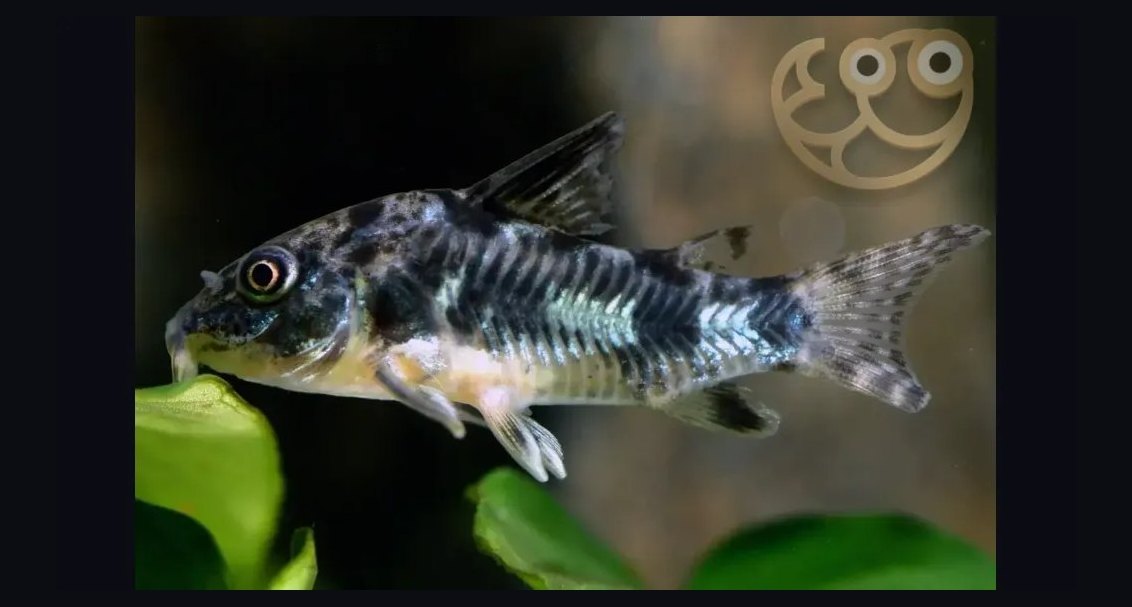 pulse-aquariumsTop 10 Catfish Species for Community Aquariums in 2027
 pulse-aquariumsWhat is old tank syndrome and how do you avoid it in 2027?
 pulse-aquariumsTop 10 Reef Salt Mixes in 2027