
How Do I Budget a Comic, Game, or Hobby Store Buildout?
 Curated byKory White · Fractional CRO · Maryland
 PULSEKNOWLEDGE LIBRARY
Budgeting a comic, game, or hobby store buildout requires a strategic focus on event space and shelving rather than expensive construction, because in-store play events drive your primary revenue. Target a second-generation retail space of 1,500–3,000 square feet to keep hard costs at $30–$70 per square foot instead of the $120–$200 for a raw shell. The biggest single investment should be gaming tables and chairs at $6,000–$15,000, followed by shelving at $8,000–$20,000 and a POS system at $2,500–$6,000. Always negotiate 2–4 months of free rent and keep your total occupancy cost under 10% of projected sales to avoid the most common financial trap that kills new hobby stores.
What Is the Realistic Cost Per Square Foot for a Hobby Store in 2026?
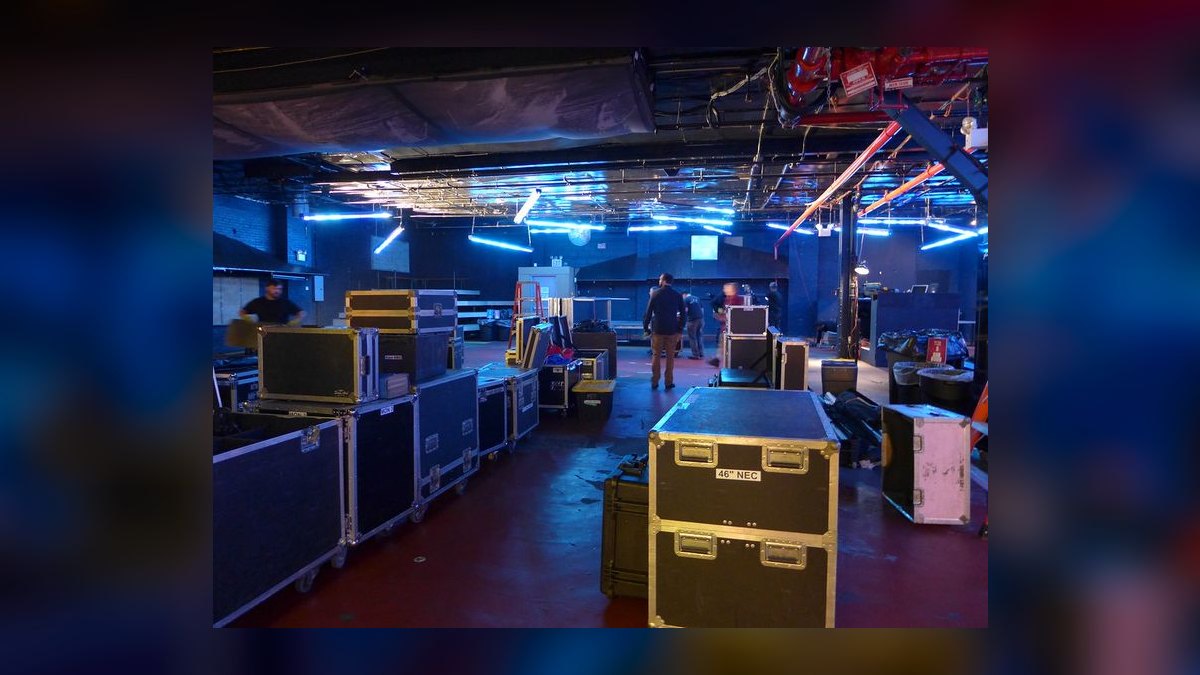
The cost per square foot for a comic, game, or hobby store buildout depends almost entirely on whether you choose a raw shell or a second-generation retail space. A raw shell—an empty concrete box with no finishes, HVAC, restrooms, or electrical—will cost $120–$200 per square foot to build out, which means a 2,000 square foot store could cost $240,000–$400,000 before you buy a single game or comic. That model works for a high-margin business like a jewelry store, but a hobby store with 40–50% margins on comics and 30–40% on games cannot support that capital investment.
Instead, target a second-generation space: a former retail store that already has a working HVAC system, a sprinklered ceiling, ADA-compliant restrooms, and basic electrical infrastructure. These spaces typically need only cosmetic updates and fixture installation, bringing your hard buildout cost to $30–$70 per square foot. For a 2,000 square foot store, that means $60,000–$140,000 for construction, not including furniture and technology. The key is to spend your money on what customers see and use—tables, shelving, lighting—rather than on structural changes that add no revenue value. For a broader view of retail buildout costs across different sectors, see How Do I Budget a Retail Store Buildout?.

What Are the Biggest Line Items in a Hobby Store Buildout Budget?
The largest single line item in any hobby store buildout is not construction—it is gaming tables and seating, because this is the asset that drives your event revenue. You need 6–12 sturdy tables for a 1,500–3,000 square foot space, and the cost range is wide: folding banquet tables at $150–$300 each are perfectly functional for Friday Night Magic and Warhammer play, while dedicated gaming tables with cup holders and felt surfaces run $800–$2,000 each. Add stackable chairs at $25–$60 each, and you are looking at $6,000–$15,000 for this category alone.
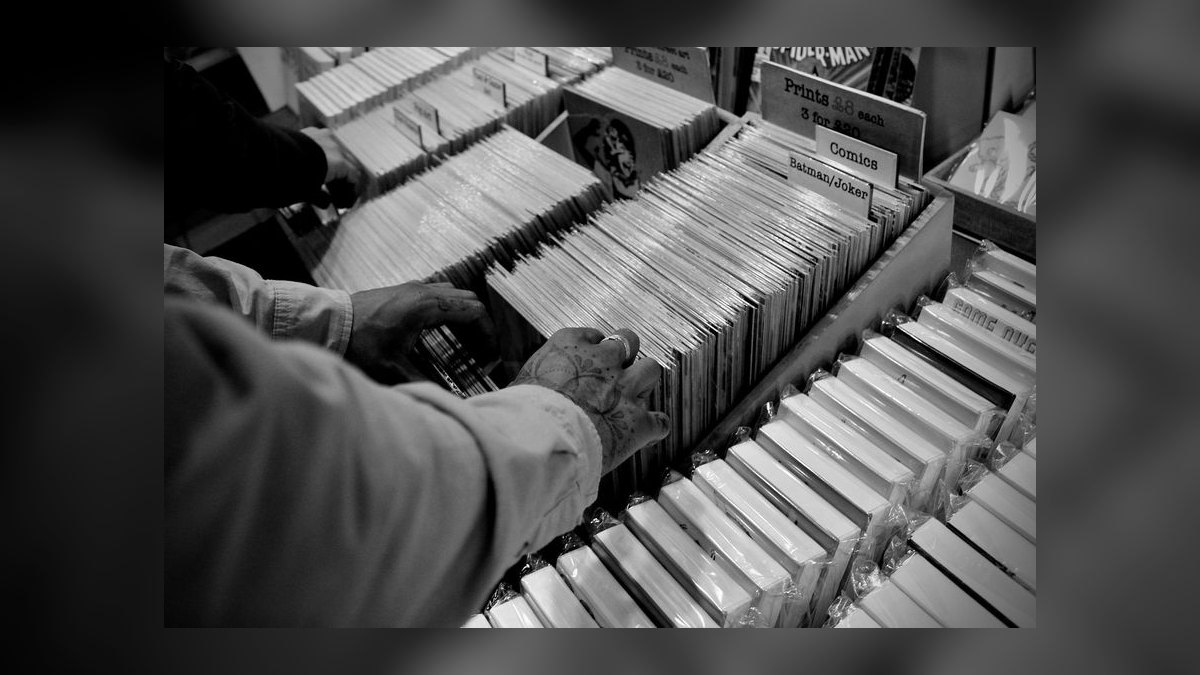
The second biggest line item is shelving and display fixtures at $8,000–$20,000. You need gondola runs for boxed games and miniatures, slatwall for sealed product and accessories, and comic bins or longbox displays for back issues. A glass display counter for graded comics and high-value singles costs $1,500–$4,000 and is essential for theft prevention. The third major category is lighting at $6,000–$15,000—LED retrofits are standard, and the play area needs to be significantly brighter than typical retail so players can read card text and rulebooks without strain. Used fixtures from a liquidating store can cut shelving costs by 40–60%, and many vendors offer display racks at reduced prices if you commit to minimum purchase volumes.
How Do I Avoid Hidden Buildout Costs That Kill My Budget?
The most common hidden cost in a hobby store buildout is electrical work for gaming events. Standard retail spaces have one outlet every 12 feet, but your players will need power every 4–6 feet for laptops, tablets, and phones during tournaments. Adding floor outlets or running power strips with cord covers costs $1,500–$4,000 depending on whether your concrete slab needs trenching. Another budget killer is HVAC zoning—a 2,000 square foot store with 20–30 people playing Magic on a Saturday afternoon generates significant body heat, while the retail area stays cooler. Without separate thermostat zones, your system will run inefficiently. Adding a second zone or ceiling fans costs $800–$2,500 but saves $200–$500 annually in utility bills.
Permits and professional fees are also frequently underestimated. Building permits run $500–$2,500 depending on your city and scope of work. If you need an architect or engineer to stamp your floor plan—common when modifying load-bearing walls or adding bathrooms—add $1,000–$4,000. Electrical and plumbing permits are often separate at $100–$400 each. Set aside 10% of your total buildout budget for these hidden costs, or roughly $3,000–$7,000 for a typical 2,000 square foot space. Understanding how these costs interact with your overall budget is crucial; for a detailed breakdown of structuring a small business buildout budget, see How Do I Budget a Small Business Buildout?.
What Financing Options Exist for a Hobby Store Buildout?
You rarely need to pay for the entire buildout out of pocket if you negotiate effectively. The most powerful tool is the tenant improvement (TI) allowance from your landlord. In a soft retail market—common in many secondary markets in 2026—landlords often offer $20–$50 per square foot in TI money to secure a tenant. For a 2,000 square foot space, that is $40,000–$100,000, enough to cover your entire construction cost if you choose a second-generation space. Negotiate this upfront in your letter of intent; if the landlord balks, ask for a free rent period of 3–6 months instead, which effectively funds your buildout by deferring rent.
If you are starting without a TI allowance, the SBA 7(a) loan is the standard for hobby stores. You can borrow up to $500,000 for buildout costs, equipment, and initial inventory with a 10–25 year term. The catch is you need a 10–20% down payment and good personal credit (680+). For smaller amounts ($10,000–$50,000), consider equipment financing for your gaming tables, shelving, and POS system—rates are higher at 12–20% but approval is faster. A creative hack is vendor financing for display fixtures: comic distributors and game publishers often offer display racks or demo tables at cost or even free if you commit to a minimum purchase volume. This can save $2,000–$5,000 while building vendor relationships.
How Do I Calculate the Right Square Footage for Play vs. Retail Space?
The single most important square footage decision is the ratio of play space to retail space. A comic/game store that dedicates less than 35% of its floor to play is a retail store competing with online discounters on price—a losing battle. The winning formula is 35–50% play space, which means for a 2,000 square foot store, you allocate 700–1,000 square feet to gaming tables and seating. Each gaming table that seats 4 and turns 2–3 times on a busy night drives entry fees, snack sales, and singles purchases.
The math works because play-driven traffic justifies higher rent. A 2,000 square foot store with 8 tables running 4 ticketed events per week at $10 entry × 16 players generates $640/week in entry alone—before the $30–$60 per attendee in product sales that play nights reliably pull. That $640/week adds $33,280/year in entry fees, enough to cover all of your rent at $20–$25 per square foot. Skimp on tables to add more shelf space and you invert the model: you become a low-traffic retail store with high inventory costs and no competitive advantage against online retailers.
What Are the Critical Lease Traps for Hobby Store Owners?
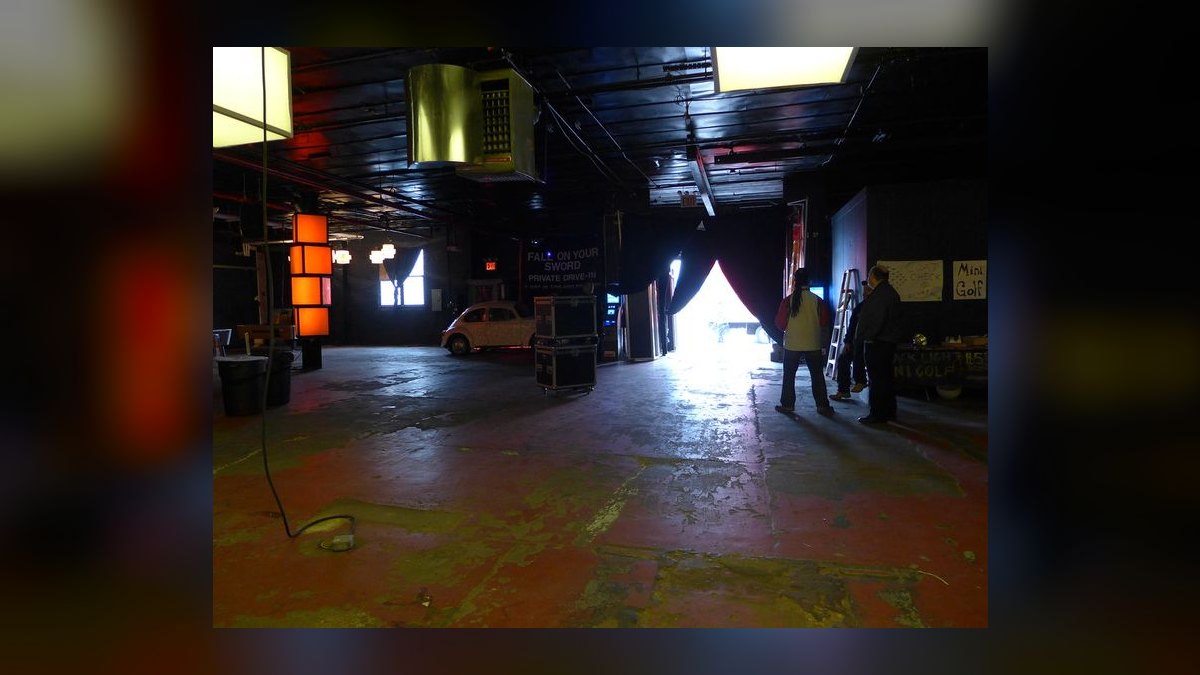
The most dangerous lease trap is a surprise code upgrade triggered by occupancy load. When you add gaming tables, your space may reclassify from mercantile (retail) to assembly use, which triggers stricter fire suppression, egress, and ADA requirements. This can cost $15,000–$40,000 for sprinkler upgrades, wider doorways, and additional exits. Counter: make the landlord warrant the space is delivered code-compliant for your intended use and carry any base-building code-triggered upgrades. Get this in writing before signing.
Another trap is uncapped common area maintenance (CAM). Strip-center landlords love passing through unlimited CAM for parking lot resurfacing, roof repairs, and landscaping. Cap controllable CAM at 5% per year with an audit right. Also watch for the restoration clause—anchored shelving and a counter are cheap to install but costly to remove. Cap restoration at a fixed number or strike it entirely. Finally, avoid too much space. The classic failure is leasing 3,500 square feet "to grow into" at full rent on day one. Lease what your sales support now and negotiate a right of first refusal on the adjacent unit instead of paying for empty square footage. For more on lease negotiation, see How Do I Negotiate a Commercial Lease for a Hobby Store?.
How Much Operating Capital Should I Reserve Beyond the Buildout?
Your buildout budget is only half the equation—you must reserve operating capital to survive the first year. Industry data shows 40% of new hobby stores fail within 18 months, and the #1 reason is underestimating how long it takes to build a player community. Even with a perfect buildout, expect 3–6 months of negative cash flow while you build your Magic: The Gathering and Warhammer player base. Budget $15,000–$30,000 in cash reserves specifically for rent, utilities, and payroll during this ramp-up period.
A practical rule: your total buildout budget should be no more than 50% of your first-year operating capital. So if you have $100,000 total, spend no more than $50,000 on the physical buildout and keep $50,000 for inventory, rent, and living expenses. This means your buildout per square foot should stay under $25–$35 for a 2,000 square foot store—achievable with a second-generation space and DIY labor for painting, shelving assembly, and flooring. Inventory costs are essential: a comic and game store needs $20,000–$50,000 in initial inventory to look stocked and attract repeat customers. Many new owners blow their entire budget on a fancy buildout and then have empty shelves—a fatal mistake. Prioritize function over form: a clean, well-lit space with sturdy tables and good inventory will outperform a beautiful empty store every time.
Related questions
What is the cheapest way to build out a hobby store?
Use a second-generation retail space, buy used fixtures from a liquidating store, install your own shelving and flooring, and negotiate a tenant improvement allowance from the landlord. This approach can keep your total buildout under $25 per square foot.
How much does it cost to open a small comic book store?
A small 1,000–1,500 square foot comic store in a second-generation space typically costs $25,000–$50,000 for buildout plus $20,000–$40,000 for inventory. The biggest savings come from using folding tables and used shelving instead of custom fixtures.
Do I need a contractor for a hobby store buildout?
Only if you are modifying load-bearing walls, adding restrooms, or upgrading electrical panels. For cosmetic work like painting, flooring, and shelving installation, you can DIY and save $5,000–$15,000. Always get permits for electrical and structural work.
What is a tenant improvement allowance?
A tenant improvement (TI) allowance is money the landlord provides to build out your space, typically $20–$50 per square foot. It covers construction costs like HVAC, electrical, and flooring. Negotiate this in your letter of intent before signing the lease.
How long does a hobby store buildout take?
A second-generation space with cosmetic updates only takes 4–8 weeks. A raw shell buildout with new HVAC, restrooms, and electrical takes 10–16 weeks. Factor in 2–4 months of free rent to cover the build period without paying rent on a dark store.
FAQ
What’s the first thing I should budget for in a hobby store buildout? The first budget item is the lease itself—specifically the tenant improvement (TI) allowance. Most landlords offer $10–$30 per square foot in TI, which can cover basic electrical, lighting, and flooring. If you negotiate well, you can push that higher and keep your own cash for shelving and event tables.
How much should I set aside for shelving and display fixtures? For a 1,500–2,500 square foot store, expect to spend $8,000–$20,000 on commercial-grade shelving, display cases, and countertops. Used fixtures from liquidations can cut that in half, but plan for new if you want a polished look. Don’t overspend here—your real draw is play space.
What’s the typical cost for building out a play area or event space? Event space requires sturdy tables, chairs, and maybe sound dampening. Budget $3,000–$8,000 for 10–20 tables and chairs, plus $500–$2,000 for basic audio or lighting. The key is leaving room for 4–6 player tables per 100 square feet—that’s where your weekly revenue from tournaments and events comes from.
How much does flooring and basic construction usually run? If the space needs new flooring, budget $2–$5 per square foot for vinyl or laminate, or $4–$8 per square foot for tile or wood. Basic electrical work for outlets and lighting can cost $1,500–$5,000 depending on the layout. Always get three contractor quotes and ask for a breakdown of materials vs. labor.
What about point-of-sale systems and software? A solid POS system with inventory management runs $1,000–$3,000 upfront for hardware (tablet, scanner, receipt printer) plus $50–$150 monthly for software. For a comic or game store, look for systems that handle trade-ins and event registration—that can save hours of manual work each week.
Should I budget for a grand opening or marketing? Yes, set aside $1,000–$3,000 for a launch event—free pizza, demo games, and social media ads. Word-of-mouth from local gaming groups is free, but a small ad spend on Facebook or Instagram targeting nearby players can bring in 50–100 new faces in the first month. Don’t skip this; it’s cheaper than a slow first quarter.
How do I calculate if my buildout budget is realistic? Take your total buildout cost and divide it by your projected first-year gross sales. If that number is more than 15–20%, you are overbuilding. A healthy hobby store should have a buildout-to-sales ratio under 15%, meaning a $50,000 buildout needs at least $333,000 in first-year sales to be sustainable.
Sources
- CBRE — U.S. Retail Tenant Improvement Cost Benchmarks
- JLL — Retail Leasing and Build-Out Cost Trends
- Cushman & Wakefield — Retail Advisory and Occupancy-Cost Ratios
- RSMeans (Gordian) — Commercial Retail Construction Unit Cost Data
- BOMA International — CAM Pass-Through and Operating Expense Standards
- ICSC — Retail Lease and Occupancy-Cost Benchmarks
- ICv2 — Hobby Games and Comics Retail Market Data
- International Code Council — Occupancy Classification and Egress Requirements
- SBA — 7(a) Loan Program for Small Business Buildouts
Related on PULSE
- [How Do I Budget a Gas Station or Convenience Store Buildout?](/knowledge/bo0186)
- [Can I use a phased buildout to open a pop-up store and expand later?](/knowledge/bo0250)
- [How Do I Budget an Ambulatory Surgery Center Buildout?](/knowledge/bo0219)
- [How Do I Budget a Dry Cleaner Buildout?](/knowledge/bo0170)
- [How Do I Budget a Senior Living or Assisted Living Buildout?](/knowledge/bo0188)
- [How Do I Budget a Sports Bar Buildout?](/knowledge/bo0209)
This page will be disappearing soon. Save it to your device for $1 — or read it free while it is here.
@Kory-White- · if Venmo asks, the last 4 of my number are 2012
 buildoutsHow Do I Budget a Distillery Buildout?
 buildoutsHow Do I Budget a Chiropractic Clinic Buildout?
 buildoutsHow Do I Budget a Light Manufacturing Buildout?
 buildoutsHow Do I Budget an Escape Room Buildout?
 buildoutsWhat Is a Go-Dark Clause and Should I Fight for One?
 buildoutsHow Do I Budget a Pet Grooming Buildout?
 buildoutsHow Do I Budget a Florist Shop With a Walk-In Cooler Buildout?
 buildoutsHow Do I Budget a Data Center or Colocation Buildout?
 buildoutsHow Do I Budget a Church or Worship Space Buildout?
 buildoutsHow Do I Budget a Gas Station or Convenience Store Buildout?