


How do I budget for a landlord-funded buildout without hidden out-of-pocket costs in 2027?
Quality
Certified

Budget the landlord's tenant improvement allowance as a reimbursement, not a payment. Model the full commercial buildout cost, subtract the allowance, then add what it never covers: design fees, permits, furniture, cabling, signage, sales tax, and rent during construction. That gap, plus float financing until reimbursement lands, is your real out-of-pocket number.
The commercial deal in plain terms
A landlord-funded buildout is not the landlord building your space for you. It is the landlord agreeing to contribute a capped dollar amount toward construction work that you direct, on terms written into the lease and its work letter. The distinction matters because almost every hidden cost in a tenant improvement project comes from the gap between what a tenant assumes "landlord-funded" means and what the lease documents actually promise. Anchor the entire exercise on one question: what does the work letter say the landlord delivers, what does the allowance reimburse, and what does the allowance explicitly exclude? Those three sentences drive your out-of-pocket number more than any contractor bid.
There are three common structures, and they behave very differently on a cash-flow statement.
Turnkey build. The landlord delivers the space finished to an agreed plan and specification, hires the general contractor, holds the construction contract, and hands you keys. You have essentially no construction cash exposure. The trade-off is control: the landlord builds to their specification, uses their preferred contractor, and any change you request is a change order you pay for directly. Turnkey deals also tend to price the buildout into rent at a rate that assumes the landlord's cost basis, not yours. If the landlord's contractor is expensive, that inefficiency shows up in your rent for the full term.
Tenant improvement allowance (TIA). The landlord commits a dollar amount, usually expressed per rentable square foot, and you manage the project. This is the most common structure in office, medical, and retail leases. The allowance is almost always paid as a reimbursement after work is complete and documentation is submitted. That single word — reimbursement — is the source of the largest surprise in most tenant budgets. You pay contractors on their schedule, then get repaid on the landlord's schedule.
Rent abatement or amortized TI. Instead of cash, the landlord gives free rent months, or funds excess construction cost and amortizes it back into rent at an interest rate. Amortized TI is a loan. It typically carries a rate in the high single digits to low teens, and it is stapled to your lease term, so it survives even if you would rather have walked away. Read the amortization rate as carefully as you would read a bank term sheet, because it functions identically.
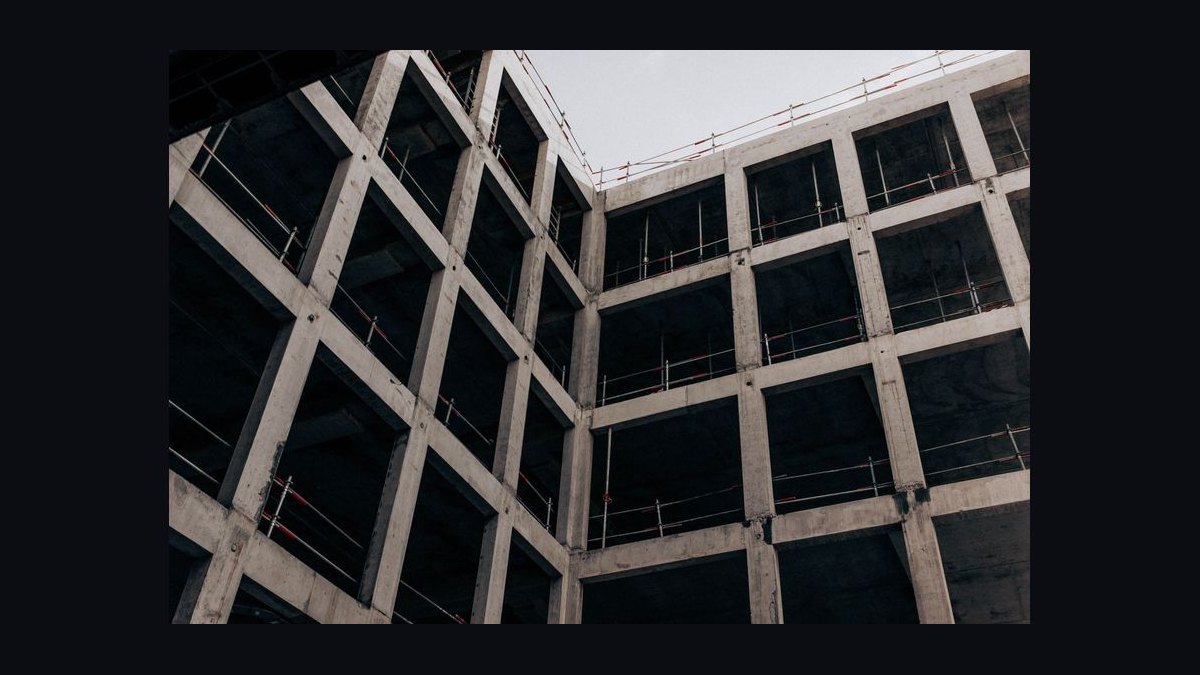
Mixed structures are common. A landlord may deliver a warm shell — demised space with base HVAC distribution, a demising wall, sprinklers to code, and a finished restroom core — and then offer a smaller allowance for everything above that. The definition of the delivery condition is where a large share of your budget lives. "Cold dark shell" means bare slab, open deck, no HVAC distribution, no ceiling grid, sometimes no electrical service beyond a stub. Getting from cold dark shell to occupiable space can cost more than everything you thought of as "your" buildout. For a 2027 plan, assume delivery condition language is the single clause most likely to move your number by six figures.
How the buildout process flows
The sequence matters because cash leaves your account at predictable moments, and the allowance arrives at exactly one moment — usually the last one. Mapping the flow is how you find where you need working capital rather than budget.

Notice where the money moves. Design fees hit at steps C and D, months before any allowance is available. Permit fees hit at E. Contractor deposits and progress payments run from G through L. Furniture and cabling — items landlords frequently exclude — hit at K. The reimbursement arrives at O, potentially thirty to sixty days after the draw package at N, which itself cannot be submitted until lien waivers are collected at M.
That means a tenant with a fully funded allowance can still need to carry the entire construction cost for several months. If your buildout is $400,000 and the allowance is $400,000, your budget line for the buildout is zero and your cash requirement is $400,000 plus float. Those are different numbers and confusing them is the most common way a buildout blows a small company's balance sheet.
Some leases allow progressive draws — the landlord funds monthly against contractor invoices and conditional lien waivers. Ask for this in the letter of intent stage, before the lease is drafted. It is far easier to negotiate a draw schedule when the landlord is still competing for your tenancy than after the work letter is signed. If you get progressive draws, expect the landlord to hold back a retainage of five to ten percent until final completion, mirroring the retainage you hold from your own contractor. Progressive draws can cut your float from five months to one, which on a $400,000 project at a nine percent line of credit is roughly $12,000 of interest you never pay.
Costs per square foot, timelines, and ranges
Precise numbers depend on market, building class, scope, and year, so treat any figure as a starting frame to be replaced by real local bids. What follows is how practitioners structure the estimate, with the caveat that construction pricing has moved substantially in recent years and 2027 planning should assume continued volatility rather than a fixed number.
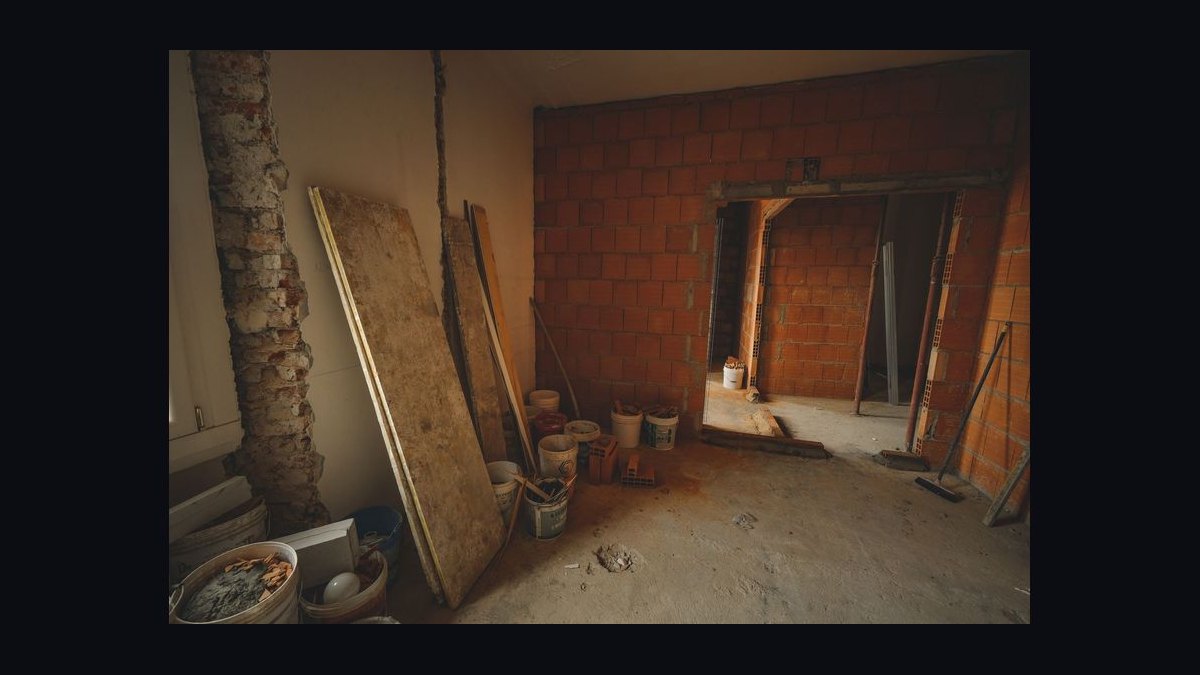
Build the estimate in layers rather than as one per-square-foot figure.
*Hard costs.* Demolition, framing, drywall, doors and hardware, ceilings, flooring, paint, millwork, electrical, mechanical, plumbing, fire sprinkler modification, and the general contractor's general conditions, overhead, and fee. Contractor fee typically runs in the range of a few percent to around ten percent of hard costs, with general conditions stacked on top. Ask for these as separate line items in every bid so you can compare apples to apples.
*Soft costs.* Architect, mechanical/electrical/plumbing engineer, structural engineer if you are cutting slab or adding rooftop equipment, permit and plan review fees, expediter if your jurisdiction is slow, third-party project manager, and any required commissioning or energy code documentation. Soft costs commonly land somewhere in the range of ten to twenty percent of hard costs on a straightforward office fit-out, and higher on medical, lab, or restaurant work where code review is heavier.
*Furniture, fixtures, and equipment.* Desks, chairs, conference tables, appliances, specialty equipment. Nearly always excluded from a TI allowance because it is not affixed to the building and the landlord gets no residual value.
*Technology and low voltage.* Structured cabling, wireless access points, network closet build, security and access control, conference room audio-visual, digital signage. Some landlords allow cabling against the allowance if it is in-wall and permanent; many do not. Get it in writing.
*Sales tax.* On materials and, in some jurisdictions, on labor. A meaningful line item that tenants routinely omit from the spreadsheet.
*Contingency.* Ten percent of hard costs is a common floor for a clean second-generation space. Fifteen to twenty percent is prudent for a first-generation shell, an older building, or anything with unknown existing conditions above the ceiling.
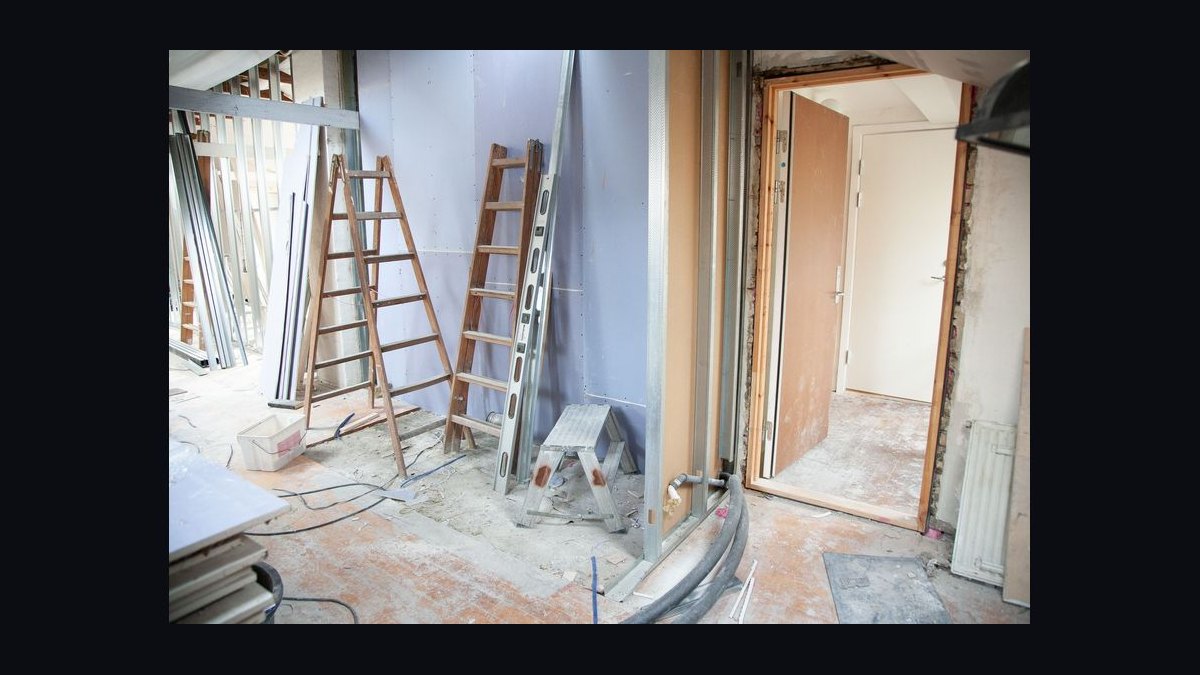
Timeline. A realistic schedule for a modest office fit-out runs roughly: two to four weeks for test fit and space planning, four to eight weeks for construction documents, four to twelve weeks for permitting depending on jurisdiction, two to four weeks for bidding and award, and eight to sixteen weeks of construction. Total: roughly four to eight months from lease signature to occupancy. Restaurants, medical, and lab spaces run considerably longer because of health department, accessibility, and specialty system review.
Long-lead items. Electrical switchgear, rooftop HVAC units, custom glass, and specialty millwork have historically carried long lead times, and in recent years electrical equipment in particular has been a schedule driver. Identify long-lead items during design and order them before the general contractor is even awarded if necessary. A perfect budget with a twenty-week switchgear lead time still leaves you paying rent on an empty box.
Rent during construction. Negotiate free rent covering the construction period plus a buffer. If the landlord grants six months of abatement and construction runs eight, you pay two months of full rent on unusable space. That is a real out-of-pocket cost created entirely by schedule risk, and it is why the abatement period should be tied to a delivery milestone rather than a fixed calendar date wherever you can get that language.
A worked example. Take a 6,000 square foot second-generation office in a mid-tier suburban building. Hard costs at a moderate $85 per square foot land at $510,000. Soft costs at fifteen percent add $76,500. Furniture and low voltage add $120,000. Sales tax and contingency at twelve percent of hard costs add another $61,200. Total project cost: roughly $767,700, or about $128 per square foot. The landlord's allowance at $45 per square foot contributes $270,000. Your out-of-pocket exposure before float is about $497,700 — even though the deal is described as "landlord-funded." That gap is the number to bring to your CFO, not the allowance.
Where budgets and schedules slip

Here is the practical inventory of costs that arrive uninvited. Work through it line by line against your specific lease.
The allowance excludes more than you think. Typical exclusions: furniture, moving costs, IT equipment, cabling, signage, security systems, appliances, any work outside the demised premises, tenant's own consultants, and sometimes the architect. If the work letter says the allowance covers "building standard tenant improvements," you need a definition of building standard, in writing, item by item. "Building standard" carpet may be a grade you would never accept, and every upgrade is on you.
Landlord oversight and construction management fees. Many leases let the landlord charge a construction management or supervision fee — often expressed as a percentage of total construction cost — deducted from the allowance. On a large project this is real money. Negotiate it down or cap it in dollars. Also watch for a required use of the landlord's engineer to review your drawings, billed to you.
Base building upgrades triggered by your work. This is the classic budget killer. Your fit-out triggers a code requirement to upgrade the fire alarm panel, add sprinkler heads for a new ceiling layout, bring a restroom into accessibility compliance, or upgrade electrical service. The work is in the base building, benefits the landlord permanently, and yet many work letters push it to the tenant. Negotiate explicit language that base building code compliance and any latent condition — asbestos, unknown structural issues, deficient existing systems — is the landlord's cost.
Unused allowance is forfeited. If you negotiate a generous allowance and build lean, most leases let the landlord keep the difference. Some allow conversion to rent credit, often at a discount or capped at a portion of the unused amount. Ask for conversion language. It costs nothing to request and can be worth a lot.
Documentation requirements gate the reimbursement. Landlords typically require: final unconditional lien waivers from the general contractor and every subcontractor and material supplier, a certificate of occupancy, as-built drawings, warranties, a contractor's affidavit, paid invoices matched to the draw request, and sometimes a notice of completion recorded with the county. Any missing lien waiver from a minor supplier can hold the entire reimbursement. Build the waiver collection process into your contractor's payment terms from day one — no payment without the corresponding waiver.
Deadlines on the allowance. Many work letters state the allowance expires if not drawn within a fixed window — twelve months from lease commencement is common. A permitting delay can push you past that date. Negotiate the clock to start at permit issuance or delivery of the premises, not lease signature, and negotiate an extension for delays outside your control.
Change orders. The single largest source of hard-cost overrun. Every change order carries the contractor's fee and general conditions on top of the raw cost, and change orders priced mid-project have no competitive tension. Freeze the design before bidding. Make a rule that any change over a set dollar threshold requires a written approval from one named person. Keep a running change order log with a committed and pending column so you always know your true exposure.
Existing conditions. Second-generation space hides surprises above the ceiling and behind walls: undersized ductwork, abandoned conduit, non-compliant wiring, floor slab that is not level, mold, asbestos-containing floor tile or mastic in older buildings. Get a pre-lease walkthrough with your contractor and, in an older building, a hazardous materials survey. Put the results in the lease as an agreed baseline condition.
Payment and performance risk. Verify your general contractor's licensing, insurance certificates naming both you and the landlord as additional insureds, and bonding capacity if the project warrants it. A contractor failure mid-project is catastrophic to both budget and schedule, and a payment bond is cheap relative to that risk on a larger job.
Financing the float. If you are carrying the project until reimbursement, price the cost of that capital honestly. A line of credit drawn for four months at a meaningful rate is a real expense. Some tenants use the reimbursement obligation itself as collateral. Talk to your bank early — a signed lease with a defined allowance is a more financeable asset than a verbal promise.
Adjacent projects that ride along. Buildouts tend to attract scope. New phone system, new access control standard, a rebranded office, a move coordinator, temporary storage, overlapping rent on the old space during the transition. Each is defensible on its own and collectively they can add a meaningful percentage to the project. Put them in the budget as a named category rather than letting them arrive as surprises.
Decision framework
Run this sequence before you sign anything, and rerun it after the first round of contractor bids comes in.
Two practical rules make this framework work.
First, build the budget bottom-up from a real estimate before you commit to an allowance number. Tenants routinely negotiate an allowance based on what sounds generous in the market rather than what their specific program costs. Get a rough order-of-magnitude estimate from a contractor during the letter of intent stage, using the test fit. It is a small expense that reframes the entire negotiation, because you can then argue for a specific number backed by a specific scope.
Second, maintain two separate spreadsheets: total project cost and cash timing. The first answers "what does this cost." The second answers "when does money leave and arrive." Approving the first without the second is exactly how a fully funded buildout still creates a liquidity crisis. Build the cash timing sheet by month, with contractor draws as outflows and the allowance reimbursement placed at the realistic date — not the optimistic one.
Finally, treat the tracking discipline the same way you would treat pipeline hygiene: one owner, one source of truth, weekly review. A buildout is a revenue-blocking project with a hard date attached, and the failure modes are the same ones that plague any cross-functional operation — unclear ownership, stale numbers, and decisions made from a version of the spreadsheet nobody else is looking at.
Related questions
Can I negotiate a bigger tenant improvement allowance instead of lower rent?
Usually yes, and landlords often prefer it because capital improvements add building value while rent reductions hit net operating income and therefore valuation directly. Trade-off: a larger allowance frequently comes with a longer term commitment.
What happens to the buildout if I leave at lease end?
Improvements typically become the landlord's property. Some leases require you to restore the space to its original condition at your cost, which can be a significant unfunded liability. Negotiate a restoration waiver, or at minimum have the landlord identify at signing which items must be removed.
Should I hire my own project manager?

For projects above a modest size, a tenant-side project manager or owner's representative generally pays for themselves through bid management, change order control, and draw package administration. Their fee is a soft cost; confirm whether it is reimbursable under your allowance before assuming it.
Is amortized TI cheaper than a bank loan?
Not necessarily. Landlord amortization rates are often above commercial lending rates and the obligation cannot be prepaid or refinanced. Compare the effective rate against an equipment or working capital line before accepting amortized funding as the default.
How do I handle a permit delay that pushes past the allowance deadline?
Notify the landlord in writing as soon as the delay is known and request an extension referencing the force majeure or governmental delay clause. Better: negotiate the deadline before signing so it runs from permit issuance rather than lease commencement.
FAQ
Does the landlord pay contractors directly or reimburse me?
Both structures exist, but reimbursement is far more common with a tenant improvement allowance. You contract with and pay the general contractor, then submit a documented draw package for repayment. Direct landlord payment appears mostly in turnkey deals where the landlord holds the construction contract. Confirm which applies in your work letter, because it determines whether you need working capital for the full construction cost or only for the excluded items.
What is the single most overlooked line item in a buildout budget?
Cash timing. Not a specific cost — the lag between paying contractors and receiving reimbursement. Second place goes to furniture, cabling, and low-voltage work, which are usually excluded from the allowance and can add a substantial amount on top of a construction number that already looked complete.

Can the landlord charge a fee against my own allowance?
Frequently, yes. Construction management or supervision fees, drawing review fees by the landlord's engineer, and after-hours building access charges are all commonly deducted from the allowance. Read the work letter for any fee expressed as a percentage of construction cost and negotiate either a reduction or a hard dollar cap.
How much contingency should I carry?
Ten percent of hard costs is a reasonable minimum for clean second-generation space with a completed design. Fifteen to twenty percent is more appropriate for a shell space, an older building with unknown conditions, or any project where the design is not fully frozen before bidding. Contingency you do not spend is not wasted — it is the only thing standing between a change order and a difficult conversation with your CFO.
Do I get to keep unused allowance money?
Usually not. Most leases let the landlord retain any unspent portion. Some permit conversion to rent credit, occasionally at a discount or with a cap. Ask for conversion language during negotiation; it is a low-friction request that preserves value if you build efficiently.
What documentation does the landlord require before releasing funds?
Expect final unconditional lien waivers from the general contractor and every subcontractor and supplier, paid invoices reconciled to the draw request, the certificate of occupancy, as-built drawings, warranty documentation, and a contractor's affidavit. Some landlords also require a recorded notice of completion. Start collecting waivers with each progress payment rather than at the end.
Sources
- https://www.irs.gov/publications/p535 — IRS guidance on business expenses, including treatment of leasehold improvements and amortization
- https://www.sba.gov/business-guide/manage-your-business/buy-assets-equipment — Small Business Administration guidance on acquiring business assets and space
- https://www.osha.gov/laws-regs — federal construction safety regulations applicable to buildout work
- https://www.usgbc.org/leed — LEED requirements that can affect tenant improvement scope and cost
- https://www.ada.gov/resources/title-iii-primer/ — ADA Title III accessibility obligations for commercial facilities
- https://www.iccsafe.org/ — International Code Council, publisher of the model building codes most jurisdictions adopt
- https://www.energy.gov/eere/buildings/building-energy-codes-program — building energy code requirements affecting HVAC and lighting scope
- https://www.epa.gov/asbestos — EPA asbestos guidance relevant to renovation of older commercial buildings
- https://www.agc.org/ — Associated General Contractors of America, contract and industry practice resources
- https://www.aia.org/contract-documents — AIA standard construction contract documents used in most tenant improvement projects
Related on PULSE
- How do I evaluate a commercial lease before signing?
- What should be in a construction contract change order process?
- How do I forecast cash flow through a capital project?
- What is the real cost of moving offices?
- How do I decide between leasing and buying commercial space?
- How do I build a capital expenditure approval process?
This page will be disappearing soon. Save it to your device for $1 — or read it free while it is here.
@Kory-White- · if Venmo asks, the last 4 of my number are 2012
This page is gone.
This one is off the shelf now. $1 keeps it on your phone for good — the whole page, pictures and diagrams included.
 pulse-recentWhat interest rate do landlords typically charge when they amortize a TI allowance into rent instead of paying it as cash in 2027?
 pulse-recentHow do I budget for the landlord's construction management fees in a buildout in 2027?
 pulse-recentHow do I calculate the total landlord-funded buildout budget for a 15,000 sq ft office in 2027?
 pulse-recentHow do I sequence the concrete steps of a buildout to avoid out-of-pocket costs in 2027?
 pulse-recentHow much of my own cash should I budget on top of a landlord TI allowance for a typical retail buildout in 2027?
 buildoutsHow Do I Avoid Paying for Vacant-Space Costs in CAM in 2027?
 pulse-recentWhat is the average landlord construction allowance per square foot for a retail buildout in 2027?
 pulse-recentHow much does a 10,000 SF medical office buildout cost per square foot in 2027?
 buildoutsHow Do I Save on Buildout by Taking a Second-Generation Restaurant Space in 2027?
 pulse-recentHow do I create a step-by-step buildout plan when the landlord only provides a shell space in 2027?