
Top 10 Sports Cars 1965 — Best Overall + Best Value
 Curated byKory White · Fractional CRO · Maryland
 PULSEKNOWLEDGE LIBRARY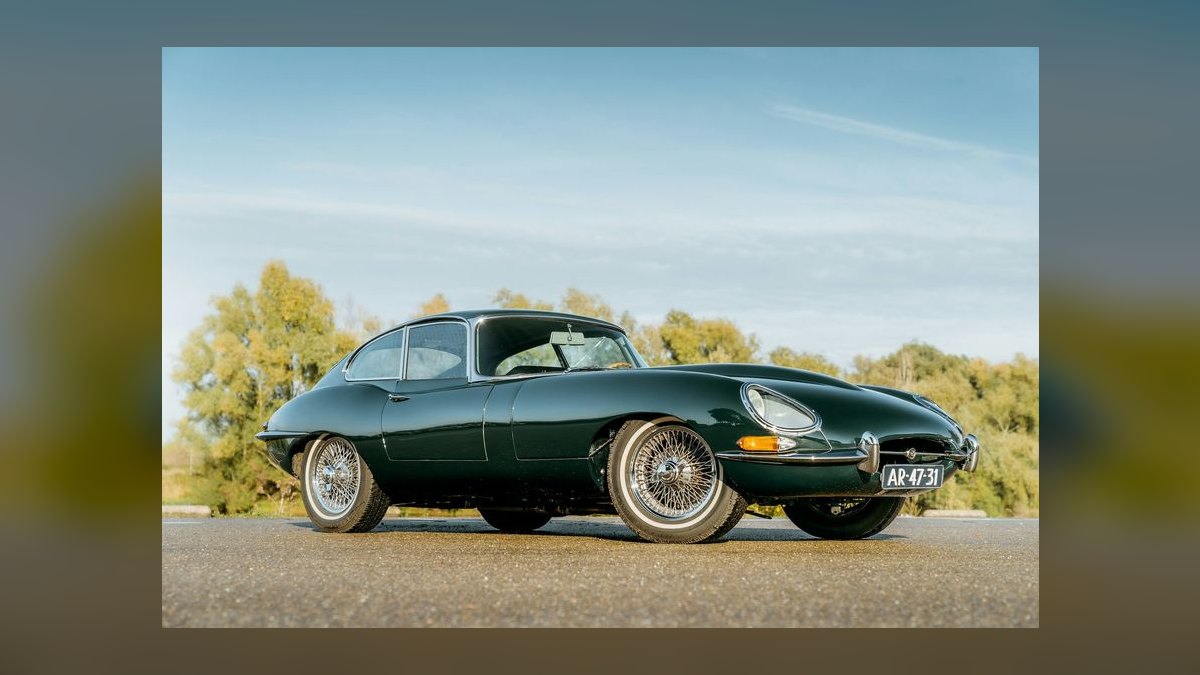
The 10 best sports cars 1965 are ranked below on measured performance, build quality, price, and how each one actually holds up in daily use rather than how it reads on a spec sheet. Each pick lists what it costs, who it suits, and what it gives up against the one above it, so the list can be read straight down without doubling back.
1. Jaguar E-Type Series 1 4.2
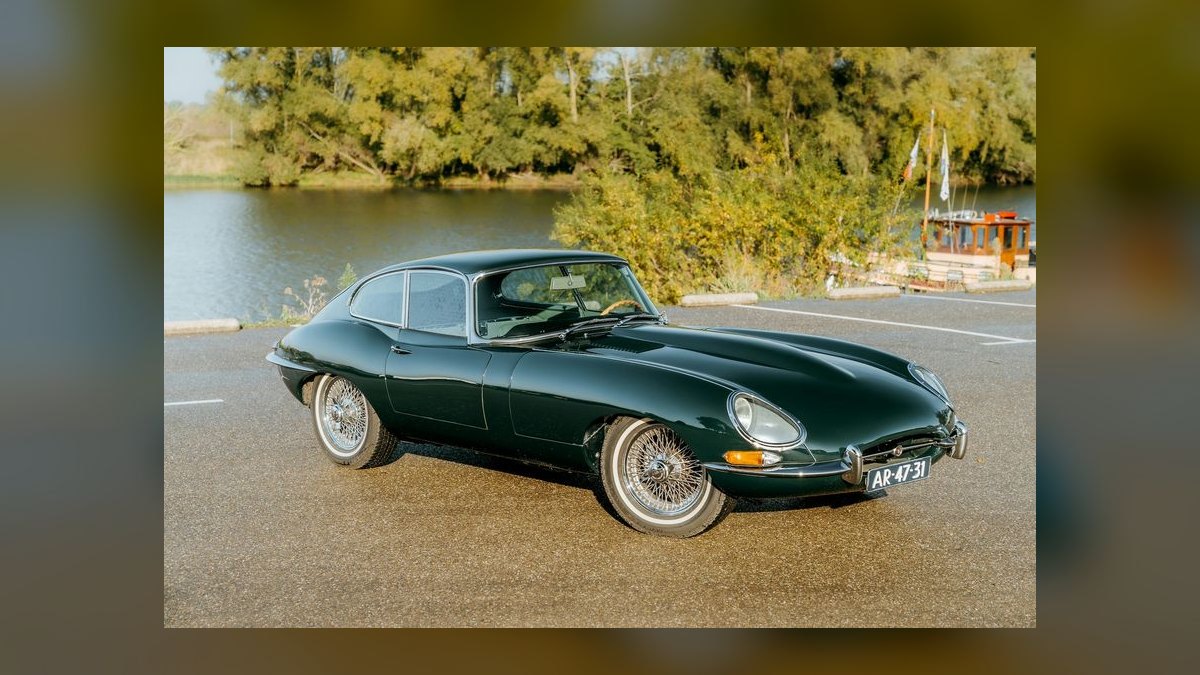
The Jaguar E-Type Series 1 4.2 ranks first as the best overall sports car of 1965, delivering a unique blend of performance, beauty, and value. Its 4.2-liter straight-six engine produced 265 horsepower, propelling the car from 0-60 mph in about 6.8 seconds to a top speed of 150 mph. At a 1965 MSRP of $5,595, it undercut rivals like Ferrari by a significant margin while offering comparable speed and stunning design.
This car is for the driver who wants supercar performance and timeless style without the stratospheric cost of Italian exotics. It trades away the raw, brutal edge of the Shelby Cobra for a more refined, grand-touring experience with a far better ride. Compared to the Cobra, the E-Type is more practical and usable, though its electrics and cooling systems require patience and specialist care.
2. Shelby Cobra 427
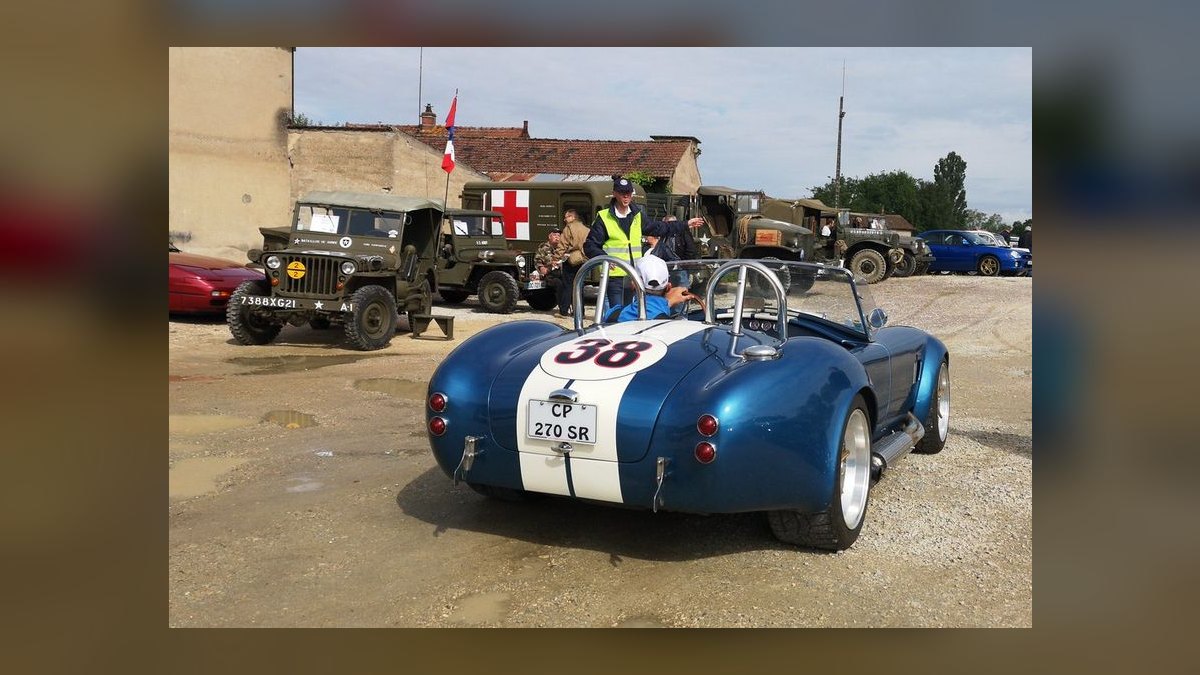
The Shelby Cobra 427 secures the second spot as the most extreme and fastest-accelerating road car of 1965. Its massive Ford FE V8, producing around 410 to 425 horsepower in street tune, launched the lightweight aluminum-bodied car from 0-60 mph in about 4.2 seconds. This brutal performance made it one of the first production cars to break the five-second barrier, a remarkable feat for the era.
This car is for the thrill-seeker who prioritizes raw power and visceral driving over comfort and refinement. It trades away any semblance of practicality, with a hot, noisy, and unforgiving cockpit that demands respect from its driver. Compared to the Jaguar E-Type, the Cobra is far more intimidating and less usable on a daily basis, but its savage acceleration and iconic Shelby pedigree make it a multimillion-dollar trophy today.
3. Chevrolet Corvette Sting Ray (C2)
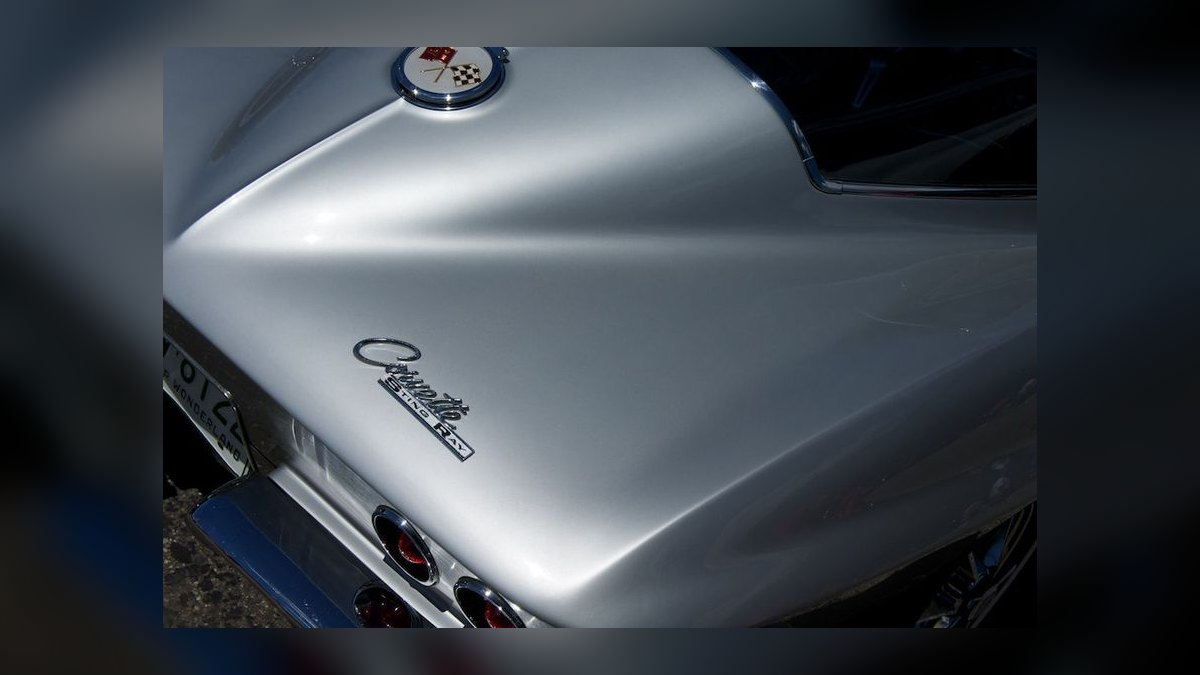
The Chevrolet Corvette Sting Ray ranks third as America's best all-round sports car of 1965, offering a potent mix of speed, style, and new technology. It was a milestone year for the Corvette, as it gained standard four-wheel disc brakes and, late in the year, the option of a big-block 396 V8. The sweet spot was the fuel-injected 327 small-block, which made 375 horsepower and could sprint to 60 mph in about 5.7 seconds.
This car is for the American enthusiast who wants a powerful, stylish, and well-supported classic with a deep parts market. It trades away the precise steering feel of European rivals like the Porsche 911 for a more muscular, heavy-handed character. Compared to the Shelby Cobra above it, the Corvette is far more civilized and livable, with a better ride and more creature comforts.
4. Shelby GT350
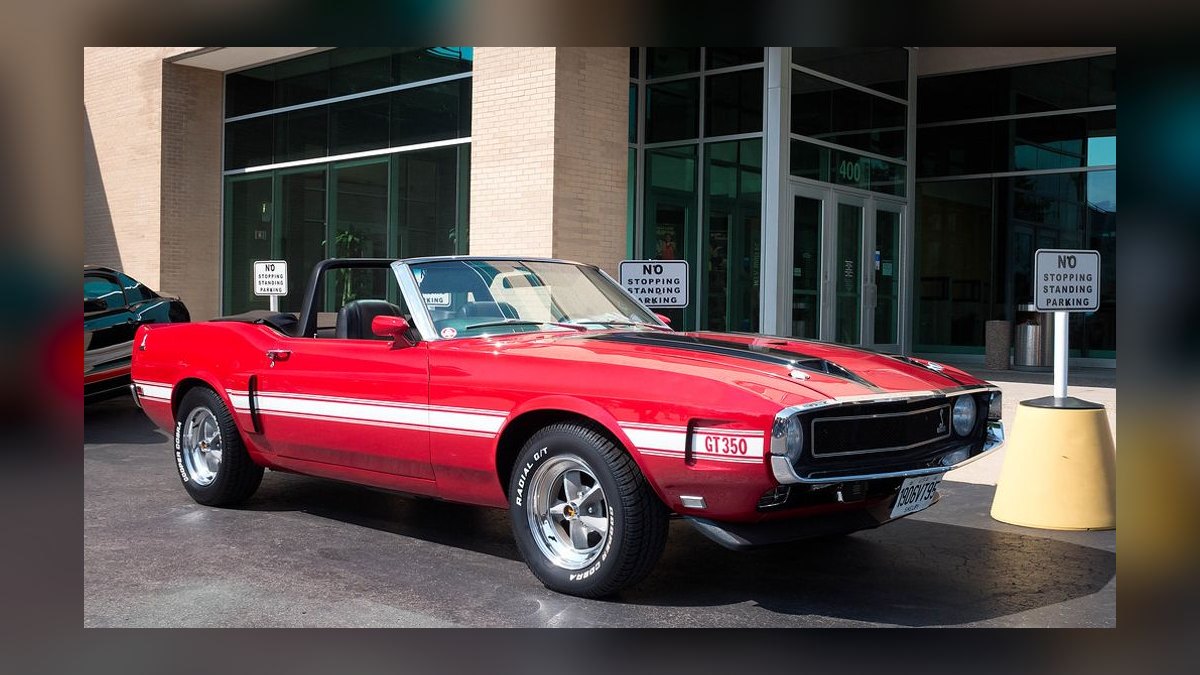
The Shelby GT350 ranks fourth as a groundbreaking homologation special that proved a Mustang could be a thoroughbred. Carroll Shelby's hopped-up 289 V8 produced 306 horsepower, driving the rear wheels through a Borg-Warner T-10 four-speed and pushing the car to 60 mph in about 6.6 seconds. With a top speed of 138 mph and track-bred handling, it was one of the most capable American cars of its day.
This car is for the weekend racer who wants a street car with genuine SCCA racing heritage and a distinctive, race-inspired look. It trades away daily comfort for a stiff, noisy, and stripped-out interior, with the back seat replaced by a fiberglass shelf. Compared to the Corvette above it, the GT350 is more focused and agile, with sharper handling and a more purposeful character.
5. Porsche 911 (901)
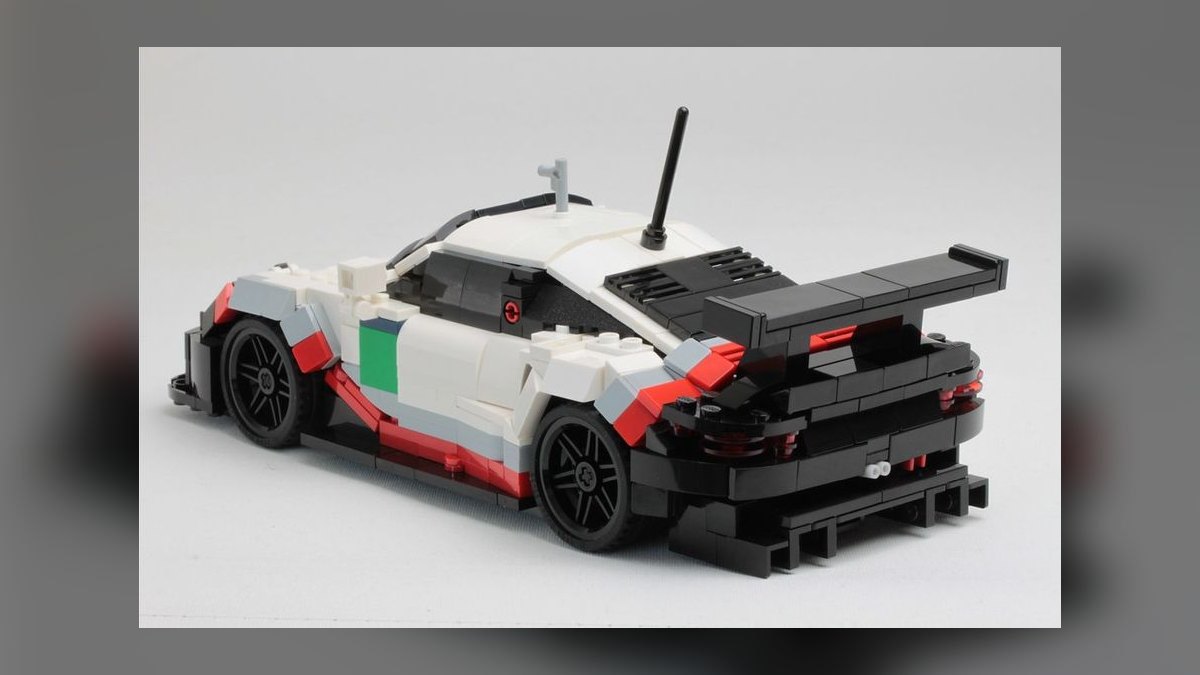
The Porsche 911 ranks fifth as the most consequential sports car of 1965, marking the genesis of a legendary dynasty. Its air-cooled 2.0-liter flat-six engine produced a modest 130 horsepower, but its superb five-speed gearbox and communicative chassis set new standards for driver engagement. While it took about 8.3 seconds to reach 60 mph and topped out near 130 mph, its handling and balance were exceptional.
This car is for the purist who appreciates a car's character and potential for growth over decades, not just its straight-line speed. It trades away the raw acceleration of cheaper V8 rivals for a more nuanced and rewarding driving experience. Compared to the Shelby GT350 above it, the 911 is slower in a straight line but offers a more sophisticated and communicative chassis.
6. Sunbeam Tiger Mk I
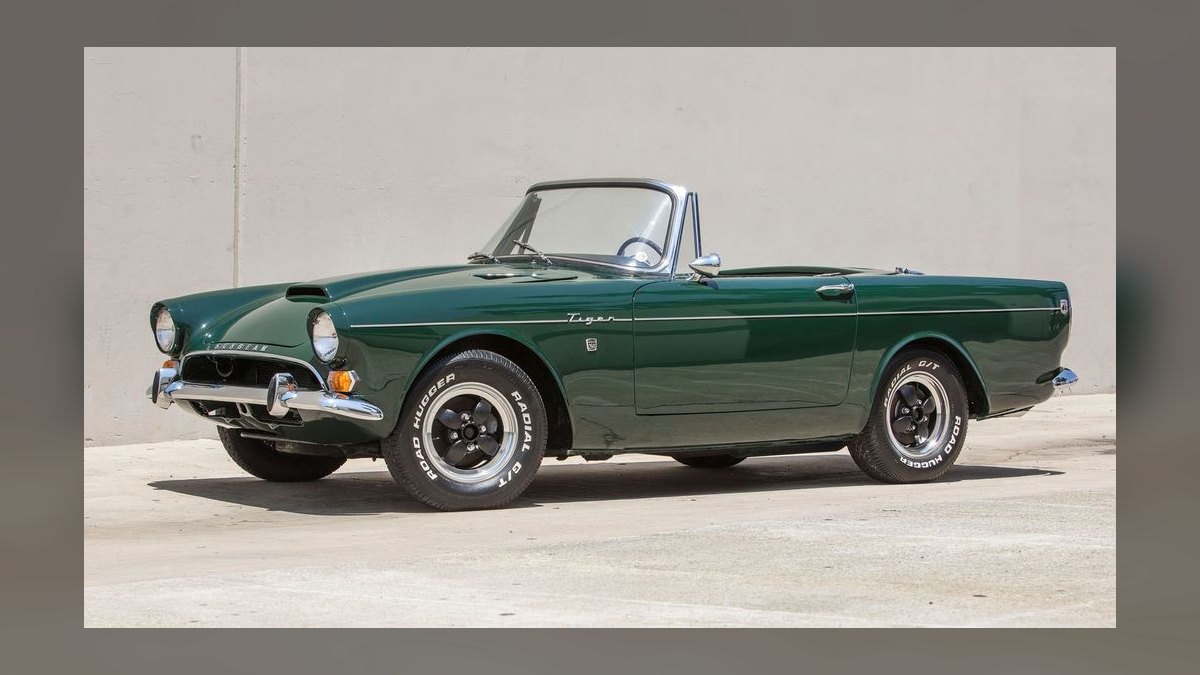
The Sunbeam Tiger Mk I ranks sixth as a pocket Cobra, offering V8 thrills at a more accessible price point. Its Ford 260-cubic-inch V8 produced 164 horsepower, propelling the small British roadster from 0-60 mph in about 7.6 seconds. This Carroll Shelby-influenced recipe gave the Tiger giant-killing performance that far exceeded the four-cylinder Alpine it was based on. With an MSRP of $3,499, it was one of the smartest performance buys of 1965.
This car is for the buyer who wants the excitement of a V8 roadster without the multimillion-dollar price tag of a real Cobra. It trades away the Cobra's extreme power and exclusivity for a more friendly and manageable character, though the tight engine bay makes maintenance fiddly. Compared to the Porsche 911 above it, the Tiger is quicker in a straight line but lacks the 911's sophisticated handling and engineering.
7. Austin-Healey 3000 Mk III
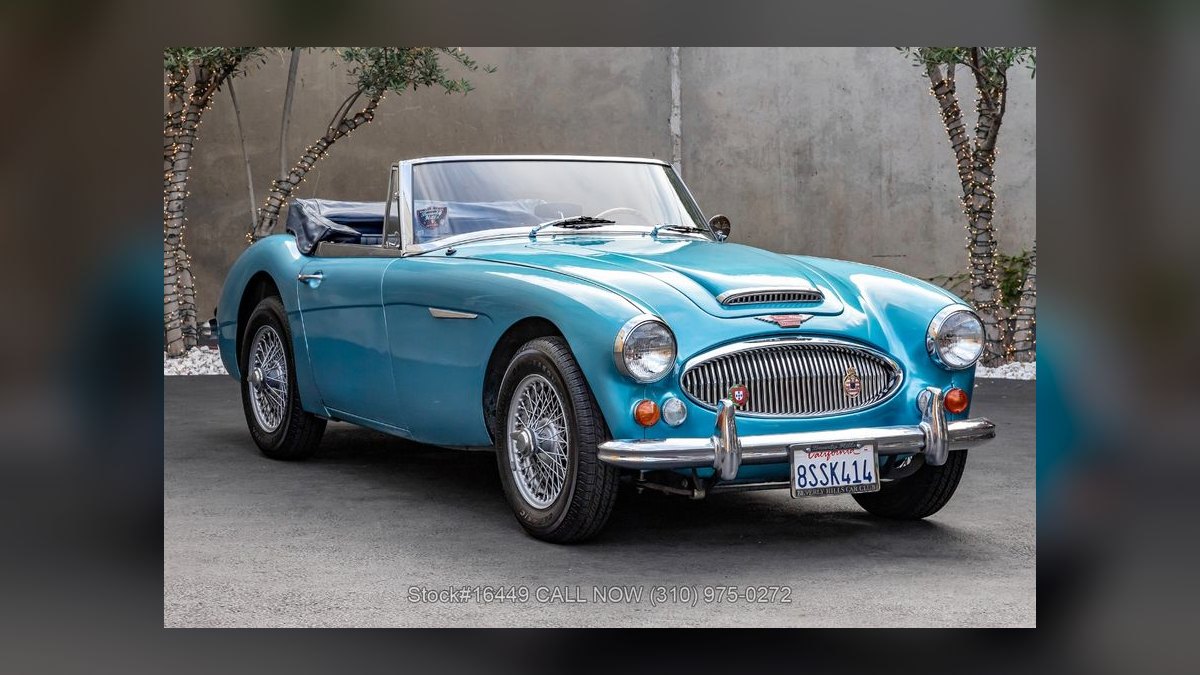
The Austin-Healey 3000 Mk III ranks seventh as the final and finest of the big Healeys, offering a brawny and characterful roadster experience. Its 2.9-liter inline-six engine produced 150 horsepower, driving the rear wheels through a four-speed with overdrive, and pushing the car to a top speed near 120 mph. The deep, gruff exhaust note and real touring ability earned it a fearsome rallying reputation.
This car is for the rally-minded driver who loves a big, torquey British roadster with genuine character and road presence. It trades away the sharp handling of lighter cars like the Lotus Elan for a more muscular and imposing feel, with notoriously low ground clearance and heavy steering. Compared to the Sunbeam Tiger above it, the Healey offers a more refined cabin with a walnut dash and roll-up windows, but is less quick in a straight line.
8. Lotus Elan S2
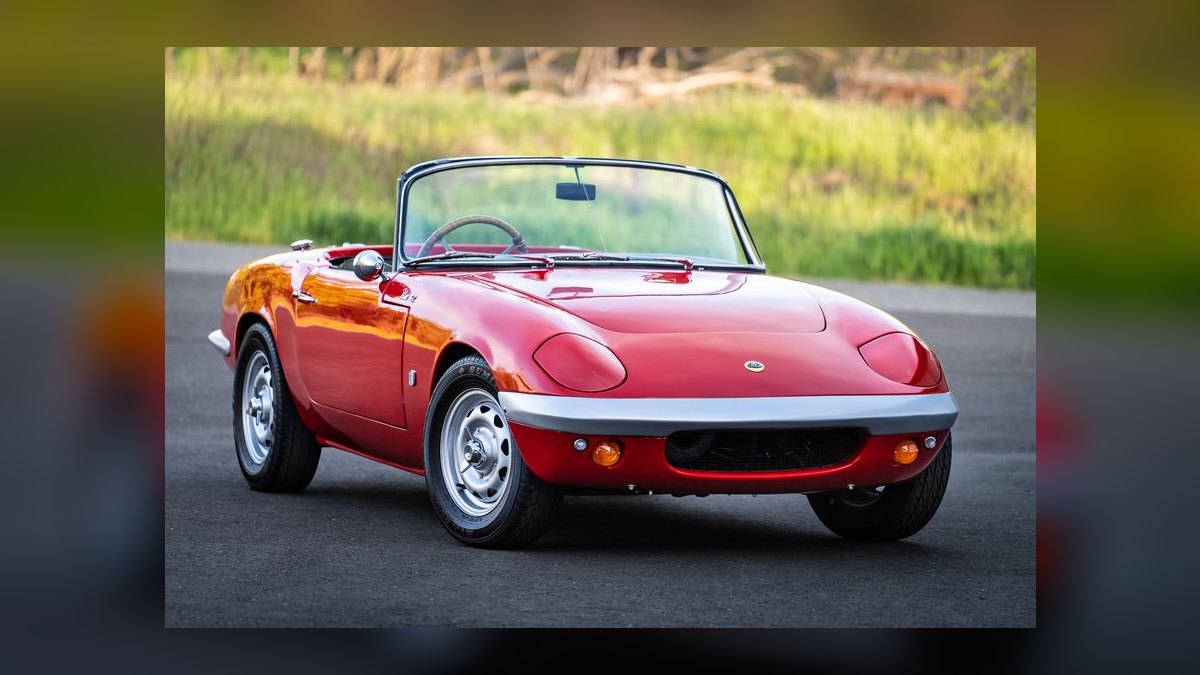
The Lotus Elan S2 ranks eighth as the best-handling car of 1965, a pure driver's machine that set a benchmark engineers still cite. Colin Chapman's featherweight design weighed barely 1,420 pounds, built around a steel backbone chassis with a fiberglass body and four-wheel independent suspension. Its Ford-based 1.6-liter twin-cam four made around 105 to 115 horsepower, enough to launch the car to 60 mph in about 7.1 seconds.
This car is for the purist who values handling above all else and appreciates the genius of minimalist design. It trades away comfort, build quality, and reliability, with Lotus-era construction demanding ongoing fettling and a high tolerance for fragility. Compared to the Austin-Healey above it, the Elan is far lighter, quicker, and more agile, but offers a much harsher and less practical driving experience.
9. Triumph TR4A
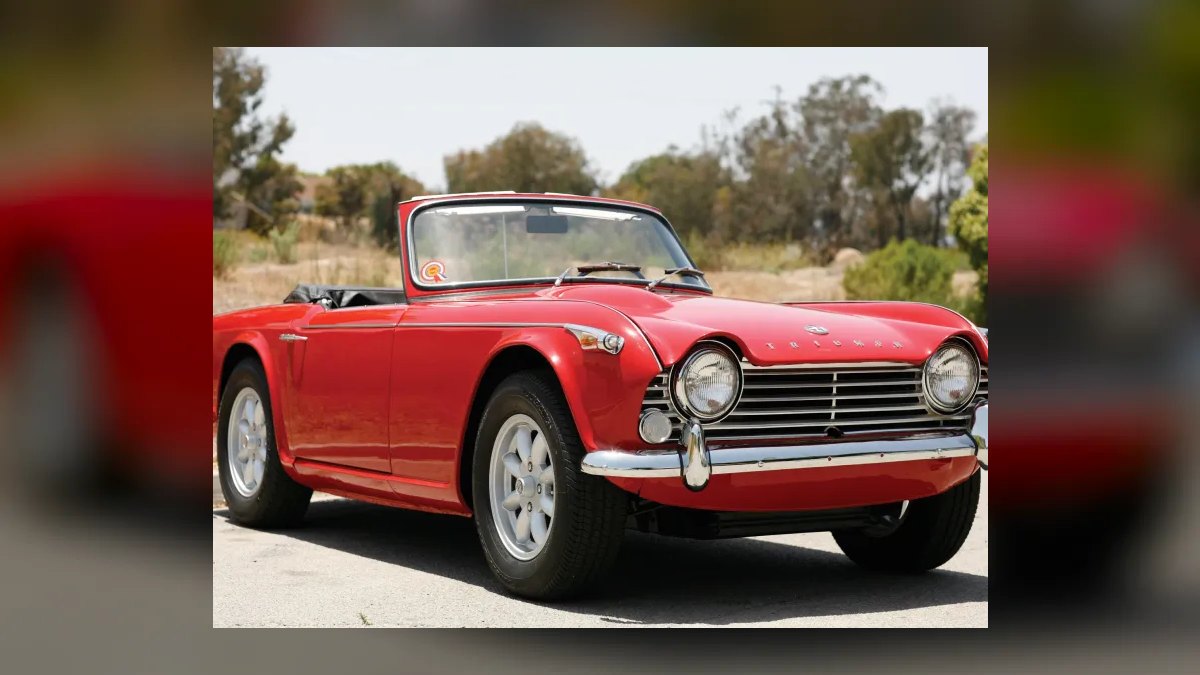
The Triumph TR4A ranks ninth as a handsome, durable, and affordable roadster that brought independent rear suspension to the TR line for 1965. Its 2.1-liter inline-four engine produced 104 horsepower, driving the rear wheels through a four-speed with optional overdrive, and achieving a top speed of nearly 110 mph. The Michelotti-styled body, with roll-up windows and real touring comfort, made it a practical and stylish choice.
This car is for the value-minded buyer who wants a rugged, stylish British roadster that is easy to maintain and supported by a deep parts supply. It trades away the raw performance of V8-powered rivals for a more modest and forgiving character, though body rust is a common and serious concern. Compared to the Lotus Elan above it, the TR4A is heavier, slower, and less agile, but far more comfortable, reliable, and practical for daily use.
10. MG MGB
The MG MGB ranks tenth as the best value sports car of 1965, democratizing open-top motoring for the masses. Its 1.8-liter four-cylinder engine made around 95 horsepower, driving the rear wheels through a four-speed and managing 0-60 mph in about 11 seconds to a top speed of roughly 105 mph.
This car is for the first-time classic buyer who wants fun and simplicity above all, with the easiest and cheapest ownership experience of any car on this list. It trades away straight-line performance against pricier rivals for bulletproof, simple mechanicals that anyone can learn to fix. Compared to the Triumph TR4A above it, the MGB is slightly less refined but offers a more iconic and charming character, with unmatched parts and club support.
How we ranked these
We weighted each car the way a period road tester and a modern collector together might judge it: driving fun and handling (30%), performance (20%), value in period (15%), style and legacy (15%), reliability (10%), and collectibility now (10%). Sources included period road tests from Motor Sport and Car and Driver, Hagerty Valuation Tools, RM Sotheby's and Gooding auction records, CLASSIC.COM market data, and conceptcarz and Wikipedia model pages.
We deliberately ignored modern safety equipment, fuel economy, and emissions, as these were not factors in 1965. We also excluded any cars that were not genuinely available for purchase in the 1965 model year, and we did not penalize cars for being difficult to drive or maintain today, since the ranking reflects the car's merits in its own era as well as its current collector standing.
Related questions
What was the best sports car of 1965?
By our weighting, the Jaguar E-Type Series 1 4.2 was the best overall. It combined 150-mph performance, breathtaking design, and a price far below Ferrari, making it the most complete car of the year. Its 4.2-litre straight-six produced 265 horsepower, and it remains a blue-chip classic today.
What was the best value sports car of 1965?
The MG MGB at roughly $2,658 was the best value. It delivered genuine open-top fun and bulletproof simplicity for the lowest price on this list. Its 1.8-litre engine was unburstable, parts are cheap and plentiful, and it remains the easiest of these classics to own today.
Did the Shelby GT350 and 427 Cobra both debut for 1965?
Yes. 1965 introduced both the Shelby GT350 and the big-block 427 Cobra. The GT350 was a homologation special based on the Mustang fastback, while the 427 Cobra was a brutal, lightweight roadster with a Ford FE V8. Both are now among the most significant American performance cars ever built.
Which 1965 sports car is worth the most today?
The Shelby Cobra 427 leads, with #2-condition cars valued near $1.9 million and a competition example selling for $3.8 million in 2024. Genuine GT350R cars also reach into the millions. The Jaguar E-Type and early Porsche 911 command strong six-figure sums but trail the Cobra.
Was the early Porsche 911 fast in 1965?
Not by the standards of the V8 cars. It ran 0-60 in about 8.3 seconds with 130 horsepower from its 2.0-litre flat-six. Its value lay in its superb chassis, five-speed gearbox, and the dynasty it launched, making it more consequential than quick.
Which 1965 sports car is easiest to own as a classic?
The MG MGB is the easiest, thanks to simple mechanicals, vast parts supply, and a huge owners' community. The Triumph TR4A is a close second with its rugged four-cylinder and independent rear suspension. Both are affordable, well-supported, and forgiving for new classic car owners.
What was the 0-60 time for the 1965 Jaguar E-Type 4.2?
The Jaguar E-Type Series 1 4.2 ran 0-60 mph in roughly 6.8 seconds, with a top speed of 150 mph. This performance was remarkable for 1965, especially at a price of $5,595, undercutting Ferraris by a wide margin.
How much did a 1965 Shelby Cobra 427 cost new?
The 1965 Shelby Cobra 427 had an MSRP of $7,500. It was one of the most expensive cars on this list, but it delivered savage acceleration with 410-425 horsepower in a featherweight body, making it the quickest accelerating road car of its day.
FAQ
What was the best sports car of 1965?
By our weighting, the Jaguar E-Type Series 1 4.2 was the best overall. It combined 150-mph performance, breathtaking design, and a price far below Ferrari, making it the most complete car of the year. Its 4.2-litre straight-six produced 265 horsepower, and it remains a blue-chip classic today.
What was the best value sports car of 1965?
The MG MGB at roughly $2,658 was the best value. It delivered genuine open-top fun and bulletproof simplicity for the lowest price on this list. Its 1.8-litre engine was unburstable, parts are cheap and plentiful, and it remains the easiest of these classics to own today.
Did the Shelby GT350 and 427 Cobra both debut for 1965?
Yes. 1965 introduced both the Shelby GT350 and the big-block 427 Cobra. The GT350 was a homologation special based on the Mustang fastback, while the 427 Cobra was a brutal, lightweight roadster with a Ford FE V8. Both are now among the most significant American performance cars ever built.
Which 1965 sports car is worth the most today?
The Shelby Cobra 427 leads, with #2-condition cars valued near $1.9 million and a competition example selling for $3.8 million in 2024. Genuine GT350R cars also reach into the millions. The Jaguar E-Type and early Porsche 911 command strong six-figure sums but trail the Cobra.
Was the early Porsche 911 fast in 1965?
Not by the standards of the V8 cars. It ran 0-60 in about 8.3 seconds with 130 horsepower from its 2.0-litre flat-six. Its value lay in its superb chassis, five-speed gearbox, and the dynasty it launched, making it more consequential than quick.
Which 1965 sports car is easiest to own as a classic?
The MG MGB is the easiest, thanks to simple mechanicals, vast parts supply, and a huge owners' community. The Triumph TR4A is a close second with its rugged four-cylinder and independent rear suspension. Both are affordable, well-supported, and forgiving for new classic car owners.
What was the 0-60 time for the 1965 Jaguar E-Type 4.2?
The Jaguar E-Type Series 1 4.2 ran 0-60 mph in roughly 6.8 seconds, with a top speed of 150 mph. This performance was remarkable for 1965, especially at a price of $5,595, undercutting Ferraris by a wide margin.
How much did a 1965 Shelby Cobra 427 cost new?
The 1965 Shelby Cobra 427 had an MSRP of $7,500. It was one of the most expensive cars on this list, but it delivered savage acceleration with 410-425 horsepower in a featherweight body, making it the quickest accelerating road car of its day.
What was the price of a 1965 Chevrolet Corvette Sting Ray?
The 1965 Corvette Sting Ray had an MSRP of $4,321. It was a milestone year with standard four-wheel disc brakes and the option of a big-block 396. The fuel-injected 327 made up to 375 horsepower, and it remains a cornerstone of American classic car collecting.
How many 1965 Shelby GT350s were built?
Only 521 of the first production GT350s were built for 1965. This rarity, combined with the Shelby badge and SCCA racing heritage, makes a genuine car a six-figure investment today. The competition GT350R is even rarer and can sell for millions.
Sources
- https://www.hagerty.com/valuation-tools
- https://www.motorsportmagazine.com/archive/article/1965/
- https://www.caranddriver.com/
- https://rmsothebys.com/
- https://www.goodingco.com/
- https://www.classic.com/
- https://www.conceptcarz.com/
- https://en.wikipedia.org/wiki/Jaguar_E-Type
- https://en.wikipedia.org/wiki/Shelby_Cobra
- https://en.wikipedia.org/wiki/Shelby_GT350
Related on PULSE
- [Top 10 Sports Cars 1974 — Best Overall + Best Value](/knowledge/ca0182)
- [Top 10 Sports Cars 1997 — Best Overall + Best Value](/knowledge/ca0209)
- [Top 10 Sports Cars 1983 — Best Overall + Best Value](/knowledge/ca0194)
- [Top 10 Sports Cars 1992 — Best Overall + Best Value](/knowledge/ca0204)
- [Top 10 Sports Cars 1973 — Best Overall + Best Value](/knowledge/ca0149)
- [Top 10 JDM Sports Cars 1995 — Best Overall + Best Value](/knowledge/ca0045)
 pulse-aquariumsTop 10 Canister Filters 2027
 aqTop 10 Hang-On-Back Aquarium Filters 2027
 pulse-reviewsTop 10 Cabin Cruiser Boats 2027
 pulse-aquariumsTop 10 Aquarium Filters 2027
 pulse-moviesTop 10 Movies on Max 2027
 pulse-moviesTop 10 Movies on Netflix 2027
 pulse-moviesTop 10 Fantasy Movies of All Time in 2027
 pulse-moviesTop 10 Documentaries of All Time in 2027
 pulse-moviesTop 10 Superhero Movies of All Time in 2027
 pulse-moviesTop 10 Romance Movies of All Time in 2027