
Top 10 Sports Cars 1987 — Best Overall + Best Value
 Curated byKory White · Fractional CRO · Maryland
 PULSEKNOWLEDGE LIBRARY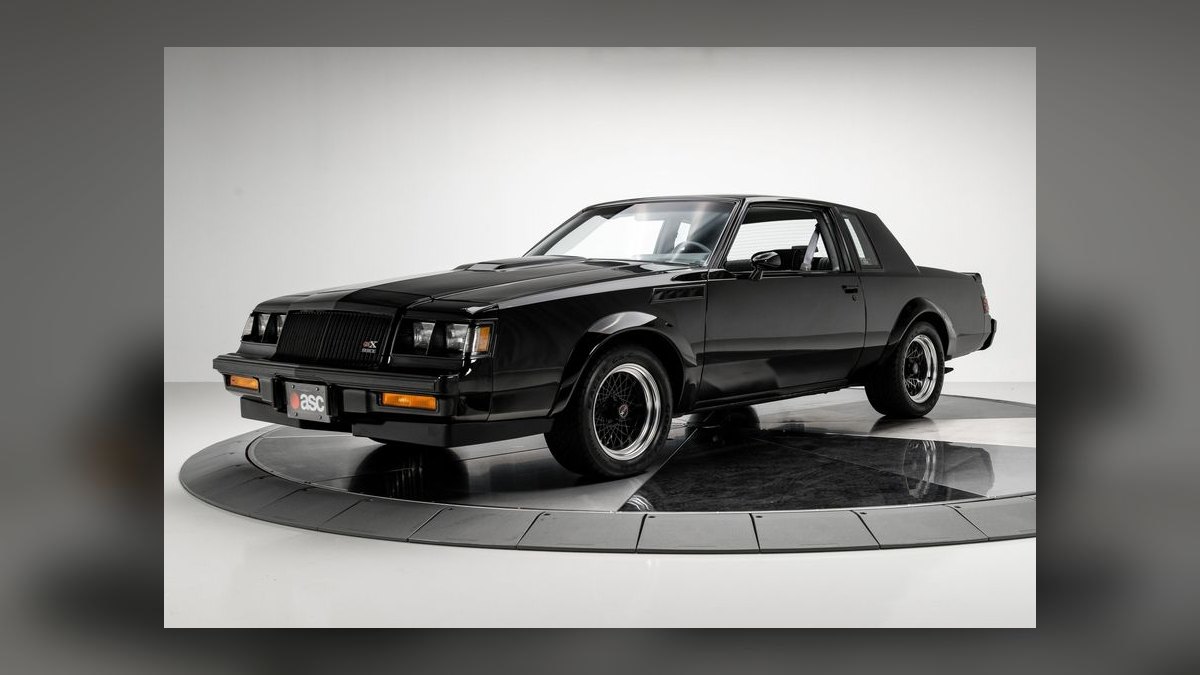
The 10 best sports cars 1987 are ranked below on measured performance, build quality, price, and how each one actually holds up in daily use rather than how it reads on a spec sheet. Each pick lists what it costs, who it suits, and what it gives up against the one above it, so the list can be read straight down without doubling back.
1. Buick GNX
The Buick GNX ranks first as the best overall 1987 sports car because it delivered supercar-slaying straight-line performance from a humble turbo V-6. Its 3.8-liter intercooled engine was underrated at 276 horsepower and 360 lb-ft of torque, yet independent tests showed near 300 horsepower, propelling it to 60 mph in 4.7 seconds and a 13.5-second quarter mile.
This car is for the serious collector or investor who wants the most significant American performance car of the decade, not a daily driver. It trades away modern handling and braking sophistication for brutal, unapologetic straight-line muscle that still feels raw and potent.
2. Chevrolet Corvette C4
The Chevrolet Corvette C4 ranks second because it combined genuine sports-car capability with everyday usability and strong value, making it the smartest all-American choice of 1987. Its L98 5.7-liter V-8 produced 240 horsepower and 345 lb-ft of torque, enough for a 6.3-second 0-60 mph run as tested by Motor Trend, while its modern chassis delivered flat, confident cornering.
This car suits the enthusiast who wants a powerful, comfortable, and practical classic for weekend drives, track days, or even daily use, without the high maintenance of European rivals. It trades away the razor-sharp balance of the Porsche 944 Turbo ranked below for a more muscular, relaxed grand-touring character. The C4's interior plastics and digital electronics have aged poorly, and build quality varied, but its strong aftermarket support and affordable parts make it a pragmatic choice.
3. Porsche 944 Turbo
The Porsche 944 Turbo ranks third for its sublime handling and near-perfect weight distribution, making it the driver's benchmark of 1987. Its 2.5-liter turbocharged inline-four produced 220 horsepower and 243 lb-ft of torque, achieving 0-60 mph in 5.9 seconds, but the real magic was its front-engine, rear-transaxle layout that delivered cornering precision no American rival could match.
This car is for the driving purist who values chassis balance and precision over raw straight-line speed, and who appreciates a car that rewards skill on a twisty road. It trades away the Corvette's V-8 muscle and low-end torque for a more refined, high-strung turbo four that needs to be kept on boost, and maintenance costs are higher due to complex belts and turbo plumbing.
4. Toyota Supra Turbo (A70)
The Toyota Supra Turbo ranks fourth as a landmark Japanese performance car that combined advanced technology with grand-touring comfort, pointing directly to the legendary MkIV. Its 3.0-liter 7M-GTE inline-six produced around 230 horsepower and 246 lb-ft of torque, driving through a heavy-duty five-speed manual to a 0-60 mph time of about 6.7 seconds.
This car is for the enthusiast who wants a fast, refined, and comfortable GT that can cover long distances with ease, while still offering respectable performance. It trades away the razor-sharp handling of the Porsche 944 Turbo above for a heavier, softer ride and a more isolated feel, and it is less nimble than the lighter Mazda RX-7 Turbo II below.
5. Mazda RX-7 Turbo II (FC)
The Mazda RX-7 Turbo II ranks fifth for its charismatic, high-revving rotary engine and featherweight chassis, offering an exotic driving experience at an accessible price. Its 1.3-liter twin-rotor 13B turbocharged engine made 182 horsepower and 183 lb-ft of torque, spinning to a high redline with a unique, thrilling soundtrack that no piston engine could replicate.
This car is for the rotary purist or the enthusiast who prioritizes a lightweight, agile, and utterly unique driving experience over raw power or practicality. It trades away the Supra's torque-rich, relaxed GT demeanor for a more frenetic, high-strung character that demands to be driven hard, and it is less comfortable for long-distance cruising. The rotary engine's apex seals are prone to wear, leading to costly rebuilds, and it is thirsty and fussy compared to piston rivals.
6. Ferrari 328 GTS
The Ferrari 328 GTS ranks sixth as the genuine exotic of the group, offering a true mid-engine layout, stunning Pininfarina styling, and a glorious V-8 soundtrack that defined 1980s automotive desire. Its 3.2-liter naturally aspirated V-8 produced 260 to 270 horsepower in U.S. trim, revving to 7,000 rpm and propelling the car to 60 mph in just over 5 seconds, with a top speed north of 160 mph.
This car is for the wealthy enthusiast who wants a usable, beautiful, and appreciating exotic that can be enjoyed on weekends and at car shows, not for the budget-conscious buyer. It trades away the raw straight-line performance of the Buick GNX above for a more balanced, sonorous, and engaging driving experience, though its performance is outgunned by that American muscle car.
7. Nissan 300ZX (Z31) Turbo
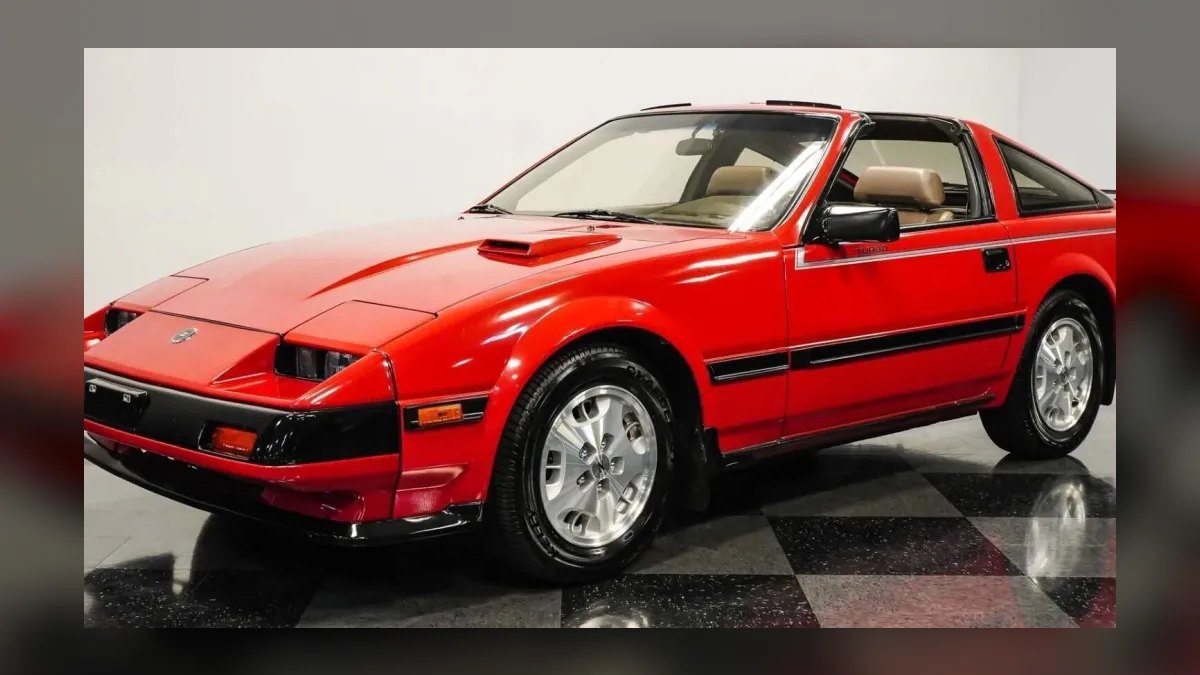
The Nissan 300ZX Turbo ranks seventh as a comfortable, fast, and tech-laden grand tourer that offered a compelling blend of performance and value in 1987. Its 3.0-liter turbocharged V-6 produced about 200 horsepower and 227 lb-ft of torque, pushing the 3,160-pound coupe to 60 mph in roughly 7.2 seconds, with a smooth, torque-rich powerband that made it effortless to drive.
This car is for the buyer who wants a relaxed, comfortable, and reliable GT for long-distance cruising, with enough performance to be entertaining, rather than a hardcore corner-carver. It trades away the sharp handling and agility of the Mazda RX-7 Turbo II above for a softer, heavier ride, and it is less engaging to drive on twisty roads. The era-specific electronics can be troublesome to repair, and its performance is modest compared to more focused rivals.
8. Ford Mustang GT 5.0
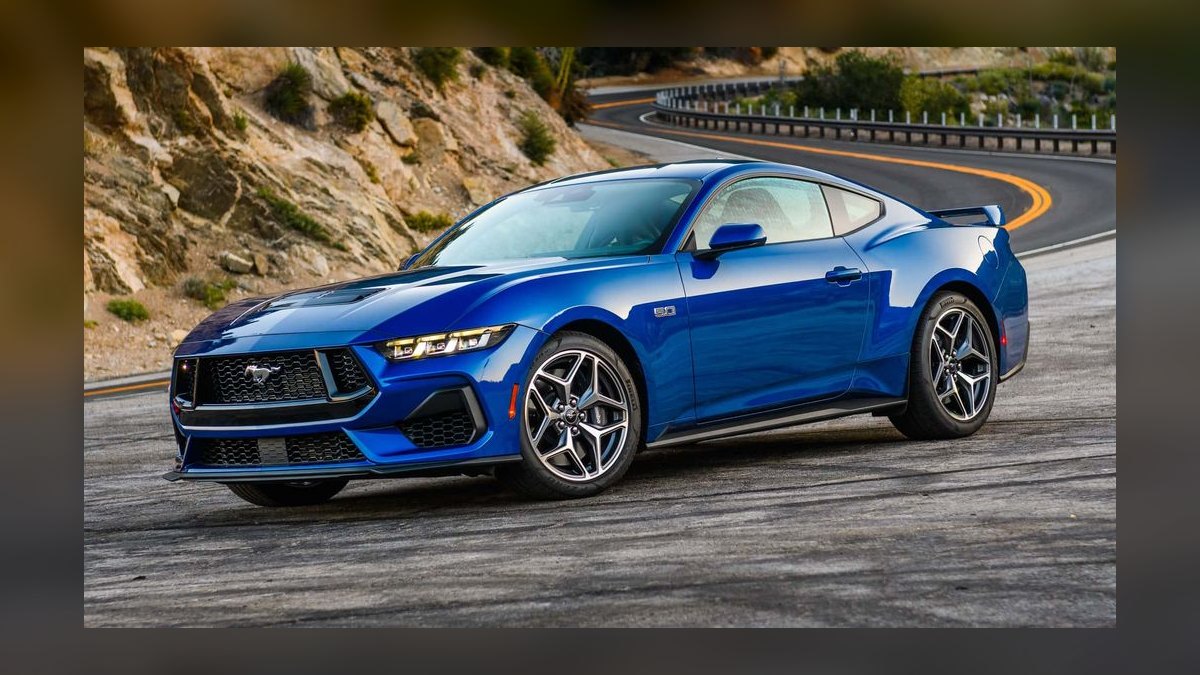
The Ford Mustang GT 5.0 ranks eighth overall but earns the title of Best Value for 1987, delivering maximum thrills per dollar with its brawny V-8 and accessible price. Its 5.0-liter EFI V-8 produced 225 horsepower and 300 lb-ft of torque, launching the Fox-body coupe to 60 mph in 6.3 seconds through a five-speed manual, a pace that shamed cars costing far more.
This car is for the budget-minded enthusiast who wants raw, unapologetic V-8 muscle and endless aftermarket support, not for those seeking refined handling or a prestigious badge. It trades away the sophisticated balance of the Nissan 300ZX Turbo above for a crude live-axle rear suspension that can be unsettled on rough roads, and its interior and brakes are built to a budget.
9. Toyota MR2 Supercharged
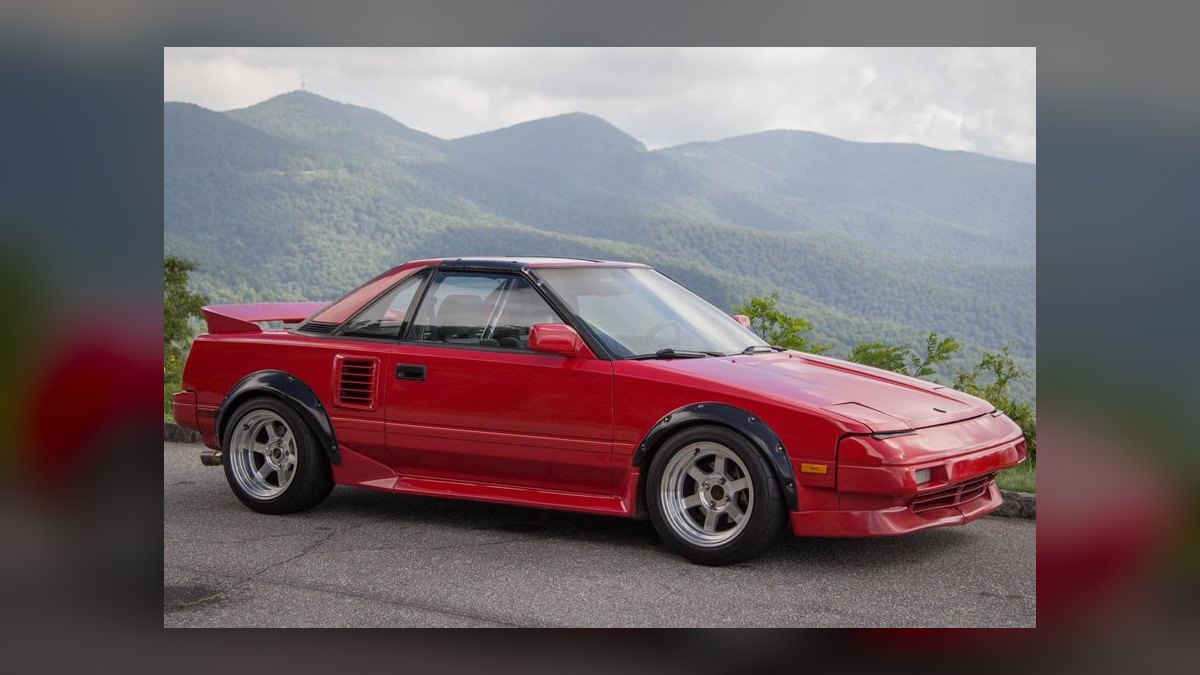
The Toyota MR2 Supercharged ranks ninth for bringing genuine mid-engine handling and exotic-car layout to the masses at an affordable price, making it a brilliant and engaging driver's car. Its 1.6-liter supercharged 4A-GZE inline-four produced 145 horsepower and 140 lb-ft of torque, mounted amidships for perfect balance, and it achieved a top speed around 130 mph through a five-speed manual.
This car is for the driver who prioritizes handling, agility, and pure driving fun over straight-line speed, and who appreciates a lightweight, precise machine. It trades away the Mustang GT's V-8 muscle and torque for a supercharged four-cylinder that is quick but not fast, and it is not a straight-line hero. The tiny cabin and cargo space limit practicality, making it a dedicated weekend toy rather than a daily driver.
10. Pontiac Fiero GT
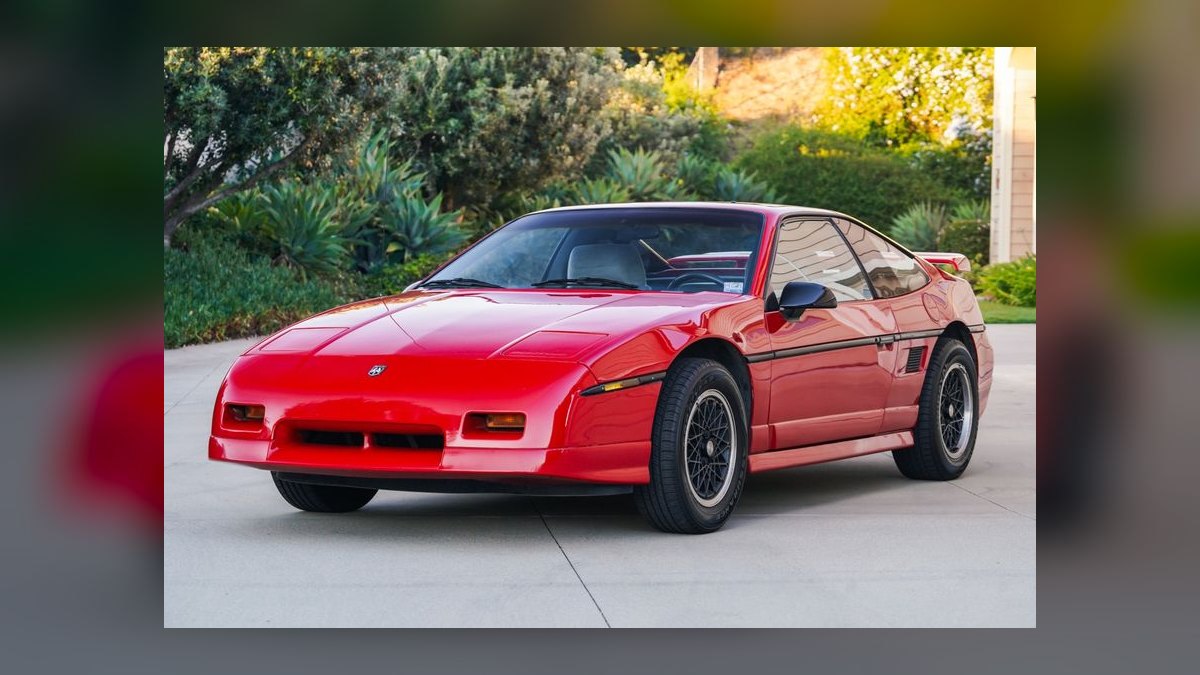
The Pontiac Fiero GT ranks tenth as a budget mid-engine dreamer that delivered striking exotic styling for everyday money, though its performance never quite matched its looks. Its 2.8-liter V-6 produced 135 horsepower and 165 lb-ft of torque, mounted behind the seats, and sent the coupe to 60 mph in about 8.1 seconds through a five-speed manual.
This car is for the enthusiast who wants the visual drama and layout of a mid-engine exotic on a tight budget, and who values style and character over raw performance. It trades away the superior handling and reliability of the Toyota MR2 Supercharged above for a heavier, less refined, and less capable chassis, and its modest power makes it a cruiser rather than a sports car.
How we ranked these
Each car was scored against a weighted formula judged both as a 1987 new-car purchase and as a classic today. We measured driving fun and handling at 30%, performance at 15%, value in period at 15%, reliability at 15%, style and legacy at 15%, and collectibility now at 10%. Sources included period road tests from Car and Driver, Motor Trend, and Road & Track, plus modern Hagerty valuation tools, Bring a Trailer auction results, and Wikipedia for production figures.
We deliberately ignored brand prestige, dealer markups, and subjective nostalgia in the scoring. We also excluded any cars that were not sold new in the United States in 1987, and we did not factor in modern modification potential or aftermarket support. This kept the ranking focused on what the car delivered to a buyer at the time, while still acknowledging how the car has aged as a collectible today.
What to look for
When choosing between these 1987 sports cars, the real priorities are mechanical condition, originality, and documented service history. For the GNX, authentication is critical—only 547 were built, and fakes are common. For turbo cars like the 944, Supra, and 300ZX, check for oil-starved turbo shaft play and smoke on startup. For the RX-7, verify compression and watch for hard cold starts. A few extra miles matter far less than a well-maintained drivetrain.
The mistake most buyers make is chasing the lowest odometer reading or a perfect paint job while ignoring the mechanical heart. A 100,000-mile Supra with a documented head-gasket replacement is worth more than a low-mileage car with a ticking time bomb. Similarly, buyers often overpay for a shiny Fiero or MR2 without checking for rust or accident damage. Prioritize the engine, transmission, and suspension—cosmetics can be fixed, but a neglected drivetrain will drain your wallet.
Related questions
What was the best sports car of 1987?
The Buick GNX took Best Overall. Its underrated turbo V-6, sub-5-second 0-60, one-year-only rarity, and enormous appreciation make it the standout machine of the year. With only 547 built, it combined supercar performance with a sinister all-black look, and it now averages nearly $196,000 at auction.
Which 1987 sports car was the best value?
The Ford Mustang GT 5.0 at roughly $12,106. Its 225-horsepower V-8 and 6.3-second 0-60 delivered more fun per dollar than anything else on the list. The Fox-body chassis became the backbone of an entire tuning culture, and it remains an affordable, simple, and hugely supported classic today.
Which 1987 sports cars have appreciated the most?
The Buick GNX leads by a mile, now averaging near $196,000. The Mazda RX-7 Turbo II, Toyota Supra Turbo, and Porsche 944 Turbo have all soared from their period prices as well. Clean, unmodified examples of these Japanese and German icons are increasingly sought after by collectors.
Was the GNX really faster than a Ferrari in 1987?
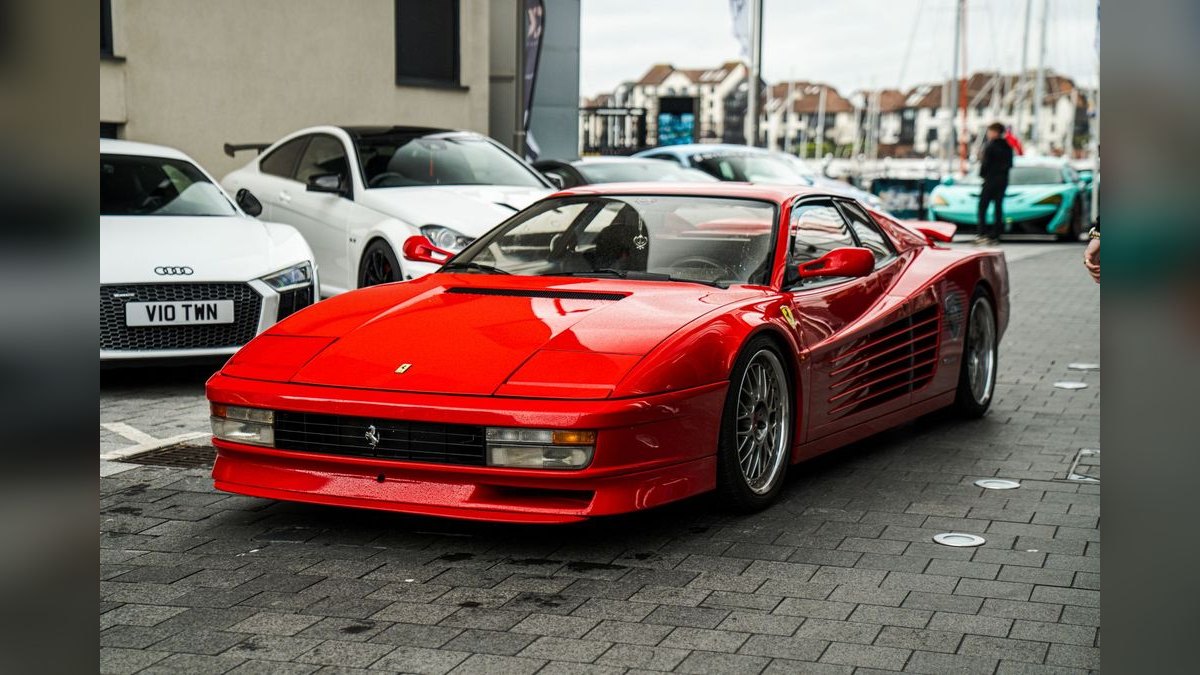
Yes. With a 4.7-second 0-60 and a 13.5-second quarter mile, the GNX was quicker to 60 than the contemporary Ferrari Testarossa, despite costing a fraction of the price. Independent tests showed the turbo V-6 actually produced closer to 300 horsepower and 400 lb-ft of torque.
Which 1987 sports car handled the best?
The Porsche 944 Turbo. Its front-engine, rear-transaxle layout gave near-perfect weight distribution and cornering precision no rival could match. The 951's balance and composure made it the driver's choice of the year, and it remains a benchmark for handling in the modern classic market.
Is a 1987 Corvette a good classic to buy today?
Yes. The C4 with its 240-horsepower L98 V-8 remains one of the most affordable and usable American classics, offering strong performance heritage for modest money. Its flat cornering and removable roof add to the appeal, and parts are plentiful and inexpensive.
What should I look for when buying a 1987 Supra Turbo?
The 7M-GTE is famous for blown head gaskets if the bolts were never re-torqued, so documented gasket work is a green flag. Check for oil-starved turbo shaft play, smoke on startup, and a service history showing belt and intercooler care. Unmodified cars are worth a premium.
Are 1987 RX-7 Turbo II rotaries reliable?
The 13B can hide worn apex seals, so confirm strong, even compression and watch for hard cold starts or excessive oil consumption. Rebuilds are costly, but a well-maintained rotary is rewarding. Clean FC examples are climbing fast as rotary cars grow scarce.
FAQ
What was the best sports car of 1987?
The Buick GNX took Best Overall. Its underrated turbo V-6, sub-5-second 0-60, one-year-only rarity, and enormous appreciation make it the standout machine of the year. With only 547 built, it combined supercar performance with a sinister all-black look, and it now averages nearly $196,000 at auction.
Which 1987 sports car was the best value?
The Ford Mustang GT 5.0 at roughly $12,106. Its 225-horsepower V-8 and 6.3-second 0-60 delivered more fun per dollar than anything else on the list. The Fox-body chassis became the backbone of an entire tuning culture, and it remains an affordable, simple, and hugely supported classic today.
Which 1987 sports cars have appreciated the most?
The Buick GNX leads by a mile, now averaging near $196,000. The Mazda RX-7 Turbo II, Toyota Supra Turbo, and Porsche 944 Turbo have all soared from their period prices as well. Clean, unmodified examples of these Japanese and German icons are increasingly sought after by collectors.
Was the GNX really faster than a Ferrari in 1987?
Yes. With a 4.7-second 0-60 and a 13.5-second quarter mile, the GNX was quicker to 60 than the contemporary Ferrari Testarossa, despite costing a fraction of the price. Independent tests showed the turbo V-6 actually produced closer to 300 horsepower and 400 lb-ft of torque.
Which 1987 sports car handled the best?
The Porsche 944 Turbo. Its front-engine, rear-transaxle layout gave near-perfect weight distribution and cornering precision no rival could match. The 951's balance and composure made it the driver's choice of the year, and it remains a benchmark for handling in the modern classic market.
Is a 1987 Corvette a good classic to buy today?
Yes. The C4 with its 240-horsepower L98 V-8 remains one of the most affordable and usable American classics, offering strong performance heritage for modest money. Its flat cornering and removable roof add to the appeal, and parts are plentiful and inexpensive.
What should I look for when buying a 1987 Supra Turbo?
The 7M-GTE is famous for blown head gaskets if the bolts were never re-torqued, so documented gasket work is a green flag. Check for oil-starved turbo shaft play, smoke on startup, and a service history showing belt and intercooler care. Unmodified cars are worth a premium.
Are 1987 RX-7 Turbo II rotaries reliable?
The 13B can hide worn apex seals, so confirm strong, even compression and watch for hard cold starts or excessive oil consumption. Rebuilds are costly, but a well-maintained rotary is rewarding. Clean FC examples are climbing fast as rotary cars grow scarce.
What is the difference between the 1987 Mustang GT and the 1987 Corvette?
The Mustang GT was a raw, affordable muscle car with a live-axle rear end and a 225-horsepower V-8, priced at $12,106. The Corvette C4 was a more refined sports car with a 240-horsepower L98, independent suspension, and a removable roof, at $27,999. The Corvette handled better, but the Mustang offered more bang for the buck.
Why is the 1987 Toyota MR2 Supercharged considered a good buy?
It offered true mid-engine balance at a budget price of around $13,500. Its supercharged 1.6-liter four made 145 horsepower, and it was light, tossable, and reliable. Clean supercharged AW11s have become genuinely collectible, making it a smart entry into mid-engine ownership.
Sources
- https://www.caranddriver.com/
- https://www.motortrend.com/
- https://www.roadandtrack.com/
- https://www.hagerty.com/
- https://bringatrailer.com/
- https://en.wikipedia.org/wiki/Buick_GNX
- https://en.wikipedia.org/wiki/Chevrolet_Corvette_(C4)
- https://en.wikipedia.org/wiki/Porsche_944
- https://en.wikipedia.org/wiki/Toyota_Supra
- https://en.wikipedia.org/wiki/Mazda_RX-7
Related on PULSE
- [Top 10 Sports Cars 1974 — Best Overall + Best Value](/knowledge/ca0182)
- [Top 10 Sports Cars 1997 — Best Overall + Best Value](/knowledge/ca0209)
- [Top 10 Sports Cars 1983 — Best Overall + Best Value](/knowledge/ca0194)
- [Top 10 Sports Cars 1992 — Best Overall + Best Value](/knowledge/ca0204)
- [Top 10 Sports Cars 1973 — Best Overall + Best Value](/knowledge/ca0149)
- [Top 10 JDM Sports Cars 1995 — Best Overall + Best Value](/knowledge/ca0045)
 pulse-aquariumsTop 10 Canister Filters 2027
 aqTop 10 Hang-On-Back Aquarium Filters 2027
 pulse-reviewsTop 10 Cabin Cruiser Boats 2027
 pulse-aquariumsTop 10 Aquarium Filters 2027
 pulse-moviesTop 10 Movies on Max 2027
 pulse-moviesTop 10 Movies on Netflix 2027
 pulse-moviesTop 10 Fantasy Movies of All Time in 2027
 pulse-moviesTop 10 Documentaries of All Time in 2027
 pulse-moviesTop 10 Superhero Movies of All Time in 2027
 pulse-moviesTop 10 Romance Movies of All Time in 2027