
Best Performance EVs in 2027
 Curated byKory White · Fractional CRO · Maryland
 PULSEKNOWLEDGE LIBRARY
The best performance EVs in 2027 balance raw acceleration with chassis composure, thermal endurance, and usable range. The Porsche Taycan Turbo GT leads as the Best Overall pick with a 2.2-second 0–60 mph time and over 1,000 horsepower, while the Tesla Model 3 Performance offers the Best value at roughly $54,000 with a 2.9-second sprint and 296 miles of range.
The 2027 Buyer's Dilemma: More Than Just a Quick Launch
Walk onto any dealership lot in 2027 and the spec sheets all blur together. Every performance EV claims a sub-3-second 0–60 mph time, dual or tri motors, and some form of launch control. The problem is that these numbers only tell part of the story. A car that posts one spectacular acceleration run but overheats on the second attempt, or one that delivers blistering speed but cannot sustain it through a single lap of a track, is not genuinely fast — it is just quick in a straight line.
Consider a typical enthusiast's weekend. You drive 45 minutes to a regional circuit, do three or four 20-minute sessions, then need to drive home. The car that impresses you on the first launch might be throttling power by the third lap because the battery temperature climbed past its optimal window. The car that feels slightly slower on paper but maintains consistent power delivery, stable braking, and predictable handling through every session is the one you will actually enjoy owning.
This is the core tension in the 2027 performance EV market. Battery chemistry, cooling system design, and motor thermal management determine whether a car can deliver its headline numbers repeatedly. The Porsche Taycan Turbo GT, for example, uses an 800-volt architecture with sophisticated thermal management that keeps the battery in its happy operating window even during sustained track use. The Hyundai Ioniq 5 N takes a different approach, adding simulated gear shifts and aggressive cooling strategies to make its performance feel engaging and repeatable.
The buyer's dilemma, then, is not which car has the fastest claimed time — it is which car delivers that time when it matters, in real-world conditions, without compromising daily usability. This page breaks down exactly how the top contenders in 2027 handle that challenge, what the real numbers look like, and where the trade-offs hide.
How EV Performance Actually Works in 2027
Electric motors deliver maximum torque from zero rpm, which is why even modest dual-motor EVs feel quicker off the line than most gasoline sports cars. There is no waiting for revs to build, no transmission to shift, no power band to chase. The instant shove is the defining characteristic of electric acceleration.
But that instant torque creates engineering challenges. Large battery packs add significant weight — most performance EVs tip the scales between 4,500 and 5,300 pounds — and that mass taxes brakes, tires, and suspension components under repeated hard use. The cars that rank highest in 2027 are the ones whose engineers managed that weight with sophisticated chassis tuning, strong braking systems, and cooling that keeps motors and batteries in their optimal temperature range.
The thermal management question is the hidden differentiator. When you launch a performance EV, the battery discharges at an enormous rate — often 600 to 1,000 kilowatts. That discharge generates heat, and if the battery exceeds roughly 120 degrees Fahrenheit, the management system begins throttling power to protect the cells. A car with marginal cooling will post one spectacular 0–60 time and then progressively lose power on subsequent runs.
Charging architecture also matters. An 800-volt platform like the one in the Porsche Taycan and Audi RS e-tron GT can recover range dramatically faster than a 400-volt design. At a 350 kW DC fast charger, an 800-volt car can add roughly 150 to 200 miles of range in 15 to 20 minutes, while a 400-volt car typically adds 100 to 150 miles in the same window. After a track day, that difference matters when you are trying to get home.

Traction control and torque vectoring complete the picture. Modern performance EVs use individual motor control to manage power delivery at each wheel, which improves cornering grip and stability. The Tesla Model S Plaid, for example, uses its tri-motor setup to vector torque between the rear wheels, while the Lucid Air Sapphire uses sophisticated software to manage its 1,200-plus horsepower without overwhelming the tires.
Real Numbers, Ranges, and Benchmarks for 2027
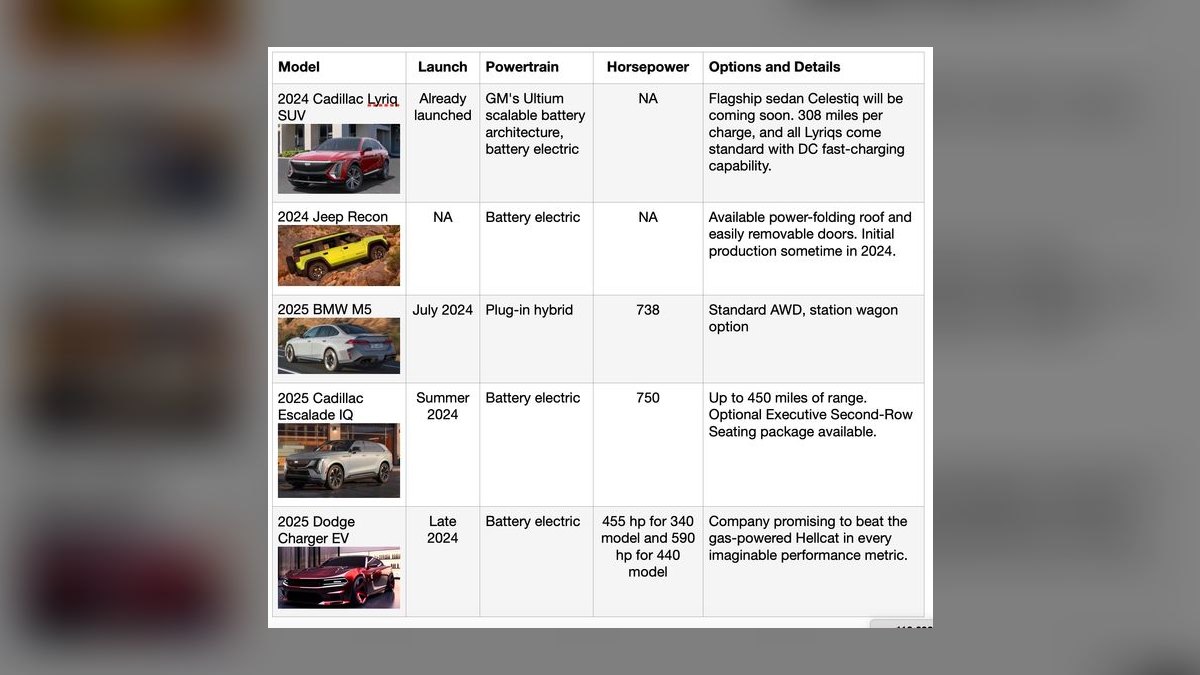
The 2027 performance EV market spans a massive price and capability range. Here are the concrete figures that define the segment, based on manufacturer specifications, EPA ratings, and instrumented testing from major automotive publications.
The Porsche Taycan Turbo GT sits at the top of the performance hierarchy. It delivers 0–60 mph in about 2.2 seconds with up to 1,019 horsepower in launch overboost. EPA range lands around 278 miles, which is respectable for a car with this level of performance. The 800-volt architecture supports charging at up to 320 kW, meaning a 10-to-80 percent charge takes roughly 18 minutes at a compatible station. The starting MSRP is $231,000, and the optional Weissach package removes the rear seats and adds carbon fiber components to save about 165 pounds.

The Lucid Air Sapphire is the range-and-speed champion. It posts a 0–60 mph time near 1.9 seconds — the quickest of any production sedan in 2027 — with over 1,200 horsepower from its tri-motor setup. The remarkable part is the EPA range of approximately 427 miles, which no other car in this segment approaches. The Sapphire starts around $249,000, making it the most expensive car on this list, but it offers a spacious luxury cabin and the longest real-world range of any performance EV.
The Tesla Model S Plaid remains one of the quickest production cars at any price. It hits 0–60 mph in about 2.1 seconds with 1,020 horsepower and an EPA range near 348 miles. Starting around $90,000, it offers the best combination of speed, range, and practicality in the six-figure-plus category. The Plaid's tri-motor setup provides torque vectoring between the rear wheels, and Supercharger access adds real-world convenience that no other charging network matches.
The Tesla Model 3 Performance is the value benchmark. It delivers a 2.9-second 0–60 mph sprint with around 510 horsepower and an EPA-rated 296 miles of range, all starting near $54,000. Adaptive damping and a track mode make it credible on a circuit, and the Supercharger network makes road trips practical. No other car in 2027 offers this much acceleration and usable range for the money.

The mid-tier segment offers strong options. The BMW i4 M50 posts a 3.7-second 0–60 mph time with 536 horsepower and an EPA range around 269 miles, starting near $72,000. The Hyundai Ioniq 5 N delivers 0–60 mph in about 3.2 seconds with 641 horsepower in boost and an EPA range around 221 miles, starting near $67,000. The Kia EV6 GT shares the Ioniq 5 N's drivetrain with a 3.4-second 0–60 mph time and 641 horsepower, with an EPA range around 218 miles, starting near $65,000.
The Tesla Model Y Performance and Audi RS e-tron GT round out the upper and practical ends. The Model Y Performance delivers a 3.5-second 0–60 mph time with around 456 horsepower and an EPA range near 285 miles, starting around $52,000 in a practical crossover body. The RS e-tron GT posts 0–60 mph in about 2.5 seconds with up to 912 horsepower in performance trim and an EPA range near 278 miles, starting around $148,000.
Real-world range numbers differ from EPA figures. Aggressive driving can cut range by 30 to 50 percent, so expect 100 to 200 miles on a track day or spirited canyon run. The EPA ratings assume a mix of city and highway driving at moderate speeds, not repeated full-throttle acceleration. For daily commuting and highway cruising, the EPA numbers are reasonably accurate; for performance driving, plan for significantly less.
Braking performance is another key benchmark. The Taycan Turbo GT and Model S Plaid both use large carbon-ceramic brake options, while the Ioniq 5 N and EV6 GT rely on high-performance steel rotors with aggressive pad compounds. Regenerative braking handles much of the deceleration in normal driving, but track use demands friction brakes that can survive repeated hard stops from high speeds.
Trade-offs and Alternatives: Matching the Car to the Driver
No single performance EV in 2027 does everything perfectly. Each car makes deliberate trade-offs, and the right choice depends on how you plan to use the car. Understanding these trade-offs is the difference between buying a car that delights you and one that frustrates you.
The most fundamental trade-off is range versus performance. The Lucid Air Sapphire offers the best of both — 427 miles of range and 1.9-second acceleration — but it costs $249,000. The Hyundai Ioniq 5 N and Kia EV6 GT offer thrilling performance for around $65,000, but their EPA ranges of 218 to 221 miles are the shortest in the segment. If you drive more than 150 miles per day or plan frequent road trips, the range disadvantage becomes a real compromise.
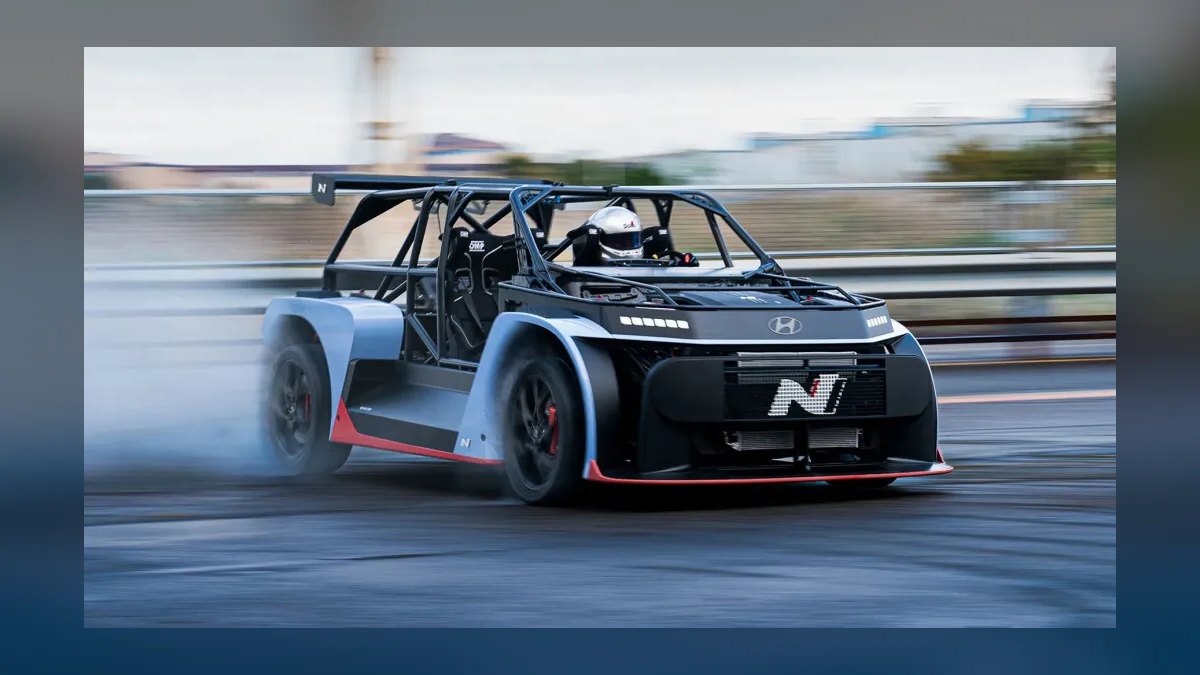
Track capability is another axis. The Porsche Taycan Turbo GT is engineered for sustained track use, with cooling systems and brake packages that survive repeated hard laps. The Hyundai Ioniq 5 N was also developed with track driving in mind, featuring dedicated cooling strategies and simulated gear shifts that make it genuinely fun to drive hard. The Tesla Model S Plaid and Model 3 Performance can handle occasional track days, but they will throttle power after several hard laps as battery temperatures climb. The Lucid Air Sapphire prioritizes straight-line speed and range over track endurance.
Daily usability varies significantly. The Tesla Model 3 Performance and Model Y Performance offer the most practical combination of performance, range, and charging infrastructure. The Model S Plaid adds more space and comfort. The BMW i4 M50 delivers traditional sport-sedan feel with a practical four-door body. The Audi RS e-tron GT is the refined grand tourer, with a polished cabin and comfortable ride. The Taycan Turbo GT, in its Weissach configuration, removes the rear seats entirely — a clear signal that it prioritizes track performance over passenger hauling.
Price-to-performance value is where the segment diverges most dramatically. The Tesla Model 3 Performance delivers 80 percent of the acceleration of cars costing four times as much. The Model S Plaid offers supercar performance for $90,000. The Ioniq 5 N and EV6 GT provide genuine excitement for under $70,000. At the top end, the Taycan Turbo GT and Lucid Air Sapphire cost more than $230,000 but offer capabilities — track precision and combined range-speed — that cheaper cars cannot match.

Charging network access is a practical consideration that often gets overlooked. Tesla's Supercharger network remains the most extensive and reliable in North America, with over 25,000 stalls across the continent. The Taycan and RS e-tron GT can use the Electrify America network, which offers 350 kW chargers but has historically been less reliable than Superchargers. Lucid is building its own charging network but currently relies primarily on third-party providers. If you plan road trips, Supercharger access is a meaningful advantage.
Common Pitfalls and How to Avoid Them
Buyers shopping for performance EVs in 2027 tend to make the same mistakes. Knowing these pitfalls in advance can save you significant money and frustration.
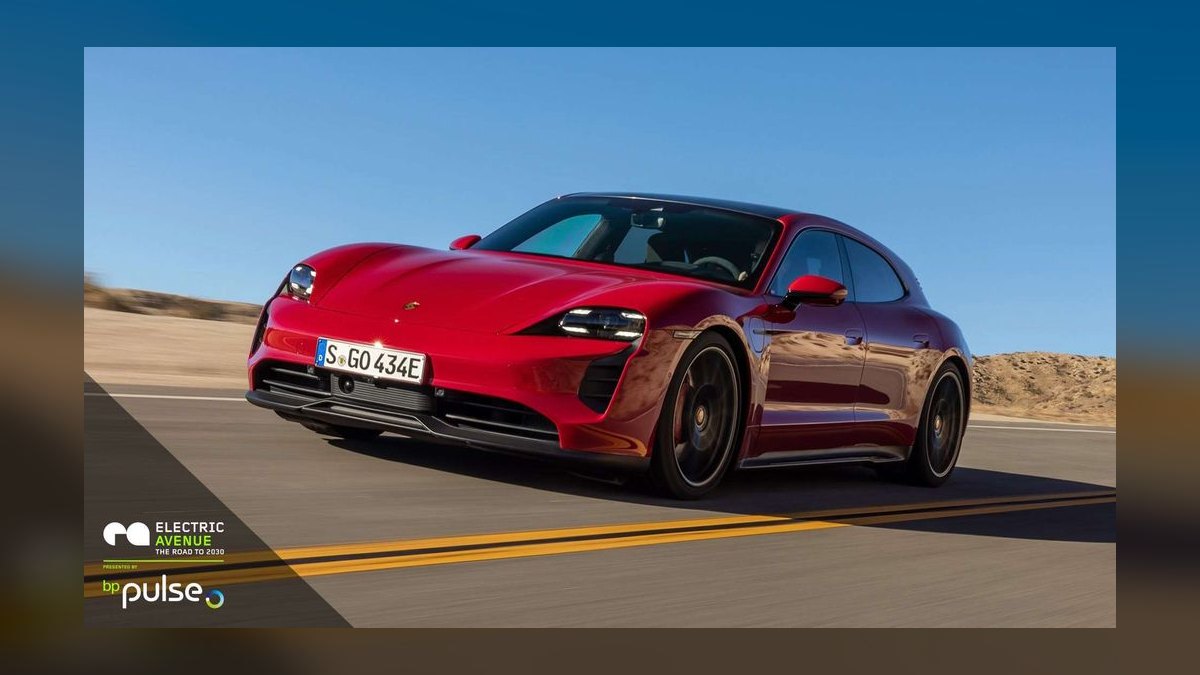
The first pitfall is chasing the fastest 0–60 time without considering repeatability. A car that posts one spectacular launch but throttles power on the second run is not genuinely fast. Before you buy, ask for a test drive that includes multiple hard acceleration runs from a standstill. Pay attention to whether the car maintains its power delivery on the second and third runs, or whether it feels noticeably slower as the battery warms up. The cars that hold their power consistently are the ones worth the money.
The second pitfall is ignoring tire and brake costs. Performance EVs wear through tires quickly — the grippy summer tires that come standard on most of these cars typically last 15,000 to 25,000 miles, and replacements cost $1,200 to $2,500 per set. Brake pads and rotors also wear faster under aggressive driving, especially on cars without carbon-ceramic options. Factor these consumable costs into your budget before you buy.
The third pitfall is assuming EPA range translates to real-world driving. Aggressive driving can cut range by 30 to 50 percent. If you plan to drive a performance EV hard on a regular basis, expect 100 to 200 miles of usable range per charge, not the EPA figure. This matters for daily commutes, road trips, and especially track days. Plan your charging stops accordingly.
The fourth pitfall is overlooking charging speed and network reliability. A car that charges at 150 kW on a network with unreliable stations will be far more frustrating than one that charges at 250 kW on a reliable network. Check the car's maximum charging rate, the availability of compatible fast chargers in your area, and the reliability track record of the networks you plan to use. Tesla's Supercharger network remains the gold standard, but other networks are improving.
The fifth pitfall is buying more car than you need. A $231,000 Taycan Turbo GT is an extraordinary machine, but if you never take it to a track and mostly drive in traffic, the $54,000 Model 3 Performance will deliver 80 percent of the experience for a fraction of the cost. Be honest about how you will actually use the car, and buy accordingly.
The sixth pitfall is neglecting home charging infrastructure. A performance EV without home charging is a constant source of frustration. Level 2 home charging adds about 20 to 30 miles of range per hour, which is sufficient for overnight top-ups. Installation costs typically range from $500 to $2,500 depending on your electrical panel and wiring. Budget for this before you buy.
Related questions
What is the fastest production EV in 2027?
The Lucid Air Sapphire holds the title with a 0–60 mph time near 1.9 seconds and over 1,200 horsepower. It also offers the longest EPA range in the segment at approximately 427 miles, making it both the quickest and most efficient performance EV available.
Which performance EV has the best range in 2027?
The Lucid Air Sapphire leads with an EPA range of roughly 427 miles, significantly ahead of the Tesla Model S Plaid at 348 miles and the Model 3 Performance at 296 miles. The Sapphire's combination of range and speed is unmatched in 2027.
What is the cheapest performance EV with under 3-second 0–60 mph?
The Tesla Model 3 Performance is the most affordable, starting near $54,000 with a 2.9-second 0–60 mph time. No other car in 2027 offers sub-3-second acceleration at this price point.
Can performance EVs handle track days without overheating?
Some can. The Porsche Taycan Turbo GT and Hyundai Ioniq 5 N are engineered with advanced thermal management for sustained track use. Others, like the Tesla Model S Plaid, will throttle power after several hard laps as battery temperatures climb.
How much does it cost to charge a performance EV in 2027?
Charging costs vary by location and electricity rates. Home charging typically costs $0.10 to $0.30 per kWh, meaning a full charge for a 100 kWh battery costs $10 to $30. DC fast charging costs more, typically $0.30 to $0.60 per kWh.
FAQ
How do 2027 performance EVs compare to gasoline supercars?
Top performance EVs now match or exceed most gasoline supercars in 0–60 mph times, thanks to instant torque and advanced traction control. However, gasoline cars still often offer longer track endurance and a different driving feel, with some enthusiasts preferring the sound and weight of traditional engines.
What is the real-world range like for these high-performance EVs?
EPA range for these models varies widely, typically from around 200 miles for track-focused variants to over 400 miles for the Lucid Air Sapphire. Aggressive driving can cut range by 30 to 50 percent, so expect 100 to 200 miles on a track day or spirited canyon run.
How much do these performance EVs cost in 2027?
Prices range from about $52,000 for the Tesla Model Y Performance to over $249,000 for the Lucid Air Sapphire. Most high-performance trims fall between $65,000 and $150,000, with the Tesla Model 3 Performance offering the best value at around $54,000.
Can these EVs handle track days without overheating?
Some models, like the Porsche Taycan Turbo GT and Hyundai Ioniq 5 N, are engineered with advanced thermal management for sustained track use. Others may throttle power after a few hard laps, so check specific cooling systems and brake upgrades if track driving is a priority.
How do I charge a performance EV for daily use?
All current models support DC fast charging, typically adding 100 to 200 miles of range in 15 to 30 minutes at 350 kW stations. Home Level 2 charging is slower, adding about 20 to 30 miles per hour, which is fine for overnight top-ups.
Are these EVs reliable for daily driving?
Yes, most performance EVs are built on dedicated platforms with robust battery and motor warranties, often 8 years or 100,000 miles. However, high-performance tires and brakes wear faster than standard versions, and some exotic models may have limited service networks.
Sources
- Car and Driver — Porsche Taycan Turbo GT Testing
- EPA Fuel Economy — EV Range Ratings
- Edmunds — Performance EV Reviews and Pricing
- MotorTrend — EV Track Testing and Comparisons
- InsideEVs — Performance EV Coverage
- Tesla — Model 3 Performance Specifications
- Porsche — Taycan Turbo GT Specifications
- Lucid Motors — Air Sapphire Specifications
Related on PULSE
- [Top 10 Performance Electric Cars in 2027](/knowledge/ca0993)
- [Top 10 Performance SUVs 2027 — Best Overall + Best Value](/knowledge/ca0228)
- [Best Long-Range EVs in 2027](/knowledge/ca0382)
- [Best EVs for Families in 2027](/knowledge/ca0387)
- [Best Used EVs in 2027](/knowledge/ca0386)
- [Best Luxury EVs in 2027](/knowledge/ca0391)
This page will be disappearing soon. Save it to your device for $1 — or read it free while it is here.
@Kory-White- · if Venmo asks, the last 4 of my number are 2012
 pulse-carsBest Audi A3 Model Years (Ranked) in 2027
 pulse-carsBest Cadillac XT6 Model Years (Ranked) in 2027
 pulse-carsTop 10 Sports Cars 2027 — Best Overall + Best Value
 pulse-carsBest Acura NSX Generations (Ranked) in 2027
 pulse-carsBest Mercedes-Benz CLA Model Years (Ranked) in 2027
 pulse-carsBest Nissan Titan Model Years (Ranked) in 2027
 pulse-carsTop 10 Electric Minivans 2027 — Best Overall + Best Value
 pulse-carsTop 10 Cargo Vans 2027 — Best Overall + Best Value
 pulse-carsTop 10 Luxury SUVs 2027 — Best Overall + Best Value
 pulse-carsBest Used Hybrid Cars Under $40,000 in 2027 (Ranked)