
Best Long-Range EVs in 2027
 Curated byKory White · Fractional CRO · Maryland
 PULSEKNOWLEDGE LIBRARY
The longest-range EV in 2027 is the Lucid Air, EPA-rated up to 512 miles, starting near $71,000. The best value is the Hyundai Ioniq 6 at up to 360 miles for about $38,000 with 800-volt charging. Every pick here clears 350 miles.
The long-range field, compared head to head
The 2027 long-range EV field splits into four practical buckets, and once you see the split, the shopping decision gets a lot simpler.
Maximum-range flagships. The Lucid Air sits alone at the top with an EPA-estimated up to 512 miles on its most efficient trims, and even mid-tier Air trims clear 400 miles comfortably. It gets there through powertrain efficiency and aerodynamics rather than brute battery size, which matters because a smaller, more efficient pack costs less to charge and weighs less to haul. The Chevrolet Silverado EV is the surprise second entry in this bucket at up to 490 miles, but it gets there the opposite way — an enormous battery in a full-size truck body. Same headline number, completely different engineering philosophy, and the ownership economics diverge sharply because of it.
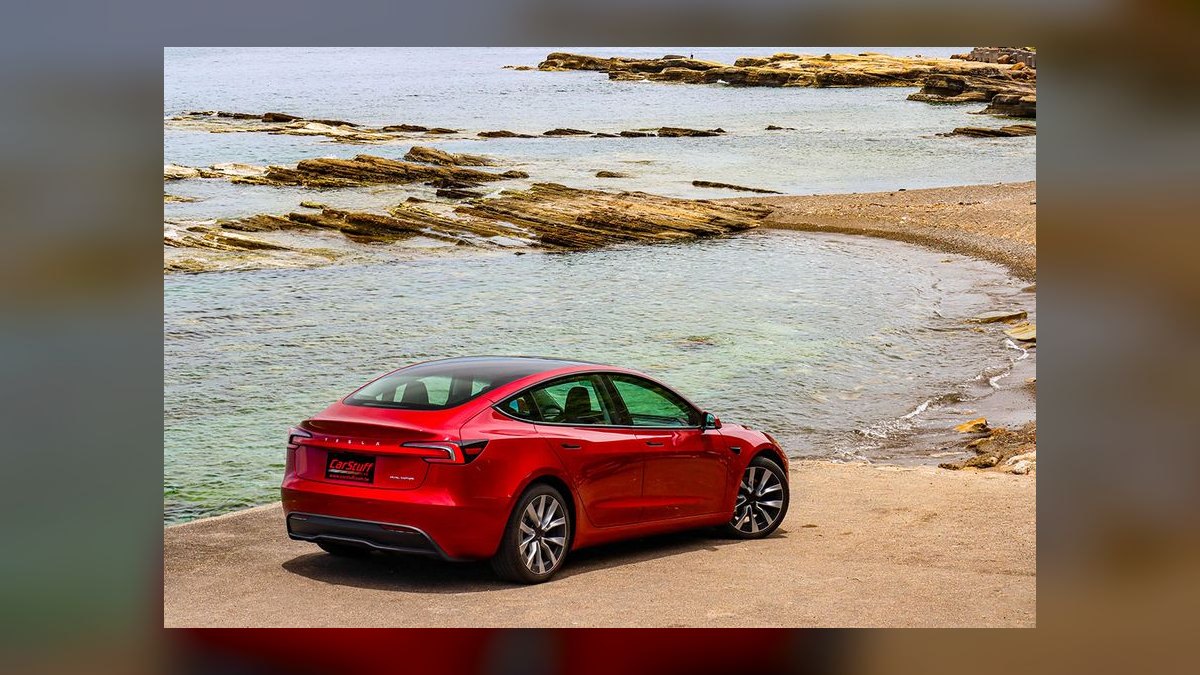
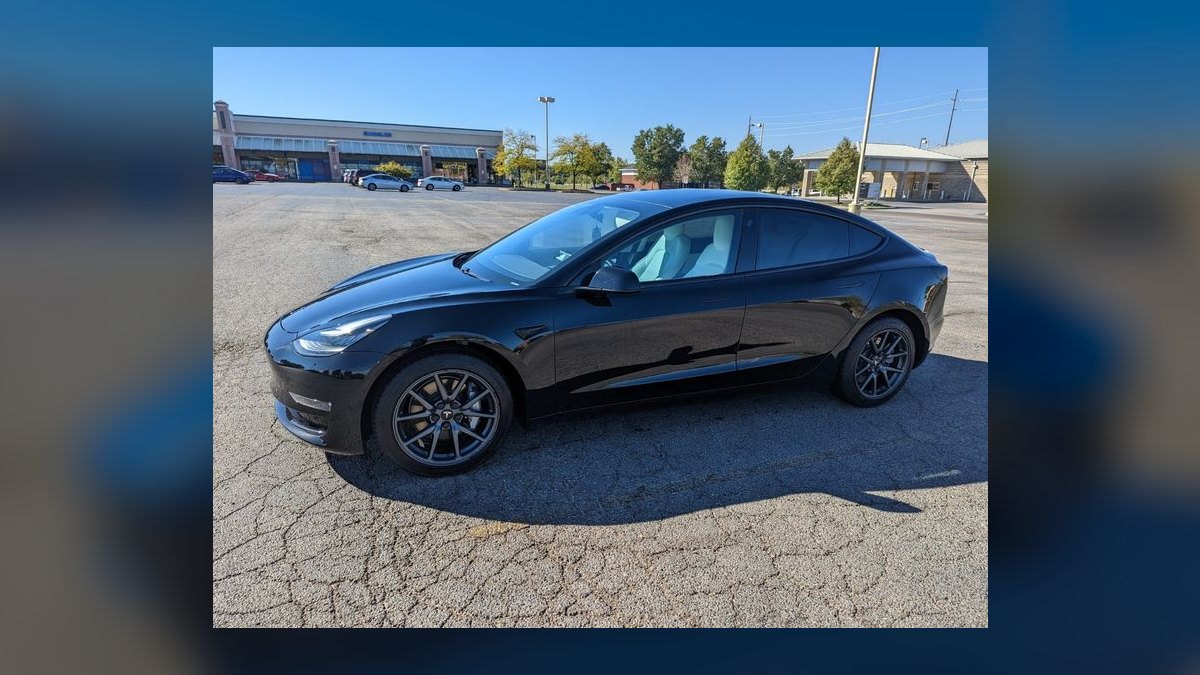
Value long-range sedans. The Hyundai Ioniq 6 delivers up to 360 miles from roughly $38,000, and the Tesla Model 3 Long Range delivers roughly 360 miles from roughly $42,000. Both are efficiency plays: modest batteries, slippery bodies, low curb weight. Neither is a luxury car, and neither pretends to be. What they prove is that in 2027, 350-plus miles no longer requires a luxury budget — a fact that reshapes the whole segment, because it puts price pressure on everything above it.

Long-range SUVs. The Lucid Gravity delivers up to 450 miles in a three-row body, starting near $80,000. The Rivian R1S with the Max pack delivers roughly 410 miles near $78,000, with genuine off-road hardware and quad-motor trims exceeding 1,000 horsepower. The Cadillac ESCALADE IQ pushes past 450 miles from a roughly 200-kWh battery, near $130,000, with a 55-inch pillar-to-pillar display and up to eight seats. These three are not really competitors — Gravity is the efficiency SUV, R1S is the capability SUV, ESCALADE IQ is the presence SUV.
Luxury flagship sedans. The Tesla Model S clears 400 miles near $80,000 and carries Supercharger access as a structural advantage. The BMW i5 eDrive40 delivers roughly 365 miles near $67,000 with conventional German luxury manners. The Mercedes-Benz EQS delivers roughly 390 miles near $105,000 with an available dash-spanning Hyperscreen and the quietest cabin in the class.
The useful insight across all four buckets: range and price correlate far less tightly than buyers assume. A $38,000 Ioniq 6 gets within 130 miles of a $105,000 EQS. What the extra money buys is cabin quality, ride isolation, and badge — not miles.
How to decide between them
Start with the honest question most buyers skip: how often do you actually drive more than 250 miles in a day? For most people the answer is a handful of times a year. That reframes the decision — you are not buying range for your commute, you are buying it for your worst-case trip, and the right amount of insurance is a budget question.

The decision sequence that works:
Step one: set your range floor from your actual longest routine trip. Take that distance, add 25 percent for cold-weather and highway-speed loss, then add another 10 percent so you never plan to arrive below 10 percent state of charge. A 220-mile regular run implies roughly 300 miles of EPA rating. That number, not the headline 500, is your real requirement.
Step two: pick the body before the badge. Three rows and towing means Gravity, R1S, or ESCALADE IQ. Bed and payload means Silverado EV. Two rows and efficiency means Ioniq 6, Model 3 LR, i5, Model S, or EQS. This step eliminates most of the list instantly and prevents the common mistake of cross-shopping vehicles that do not serve the same purpose.
Step three: weigh charging access against charging speed. These are different advantages. Tesla's Supercharger network is a coverage advantage — more stalls in more places, higher reliability. Hyundai's 800-volt architecture and Lucid's 900-volt-class architecture are speed advantages: 10-to-80 percent in roughly 18 minutes for the Ioniq 6, and hundreds of miles in roughly 20 minutes for the Air. If your long trips follow major interstate corridors, coverage matters less than it used to. If you drive rural routes, coverage still wins.
Step four: test-drive the finalists. Ride quality, seat comfort, and software behavior differ more between these vehicles than range does, and none of it shows up on a spec sheet. A car you find irritating at hour three of a road trip is a bad long-range car regardless of its EPA number.
The numbers behind each option
Here is what the field actually looks like when you line up EPA range against starting price.
The Lucid Air: up to 512 miles, from roughly $71,000 on long-range Pure and Touring trims, with higher trims well past six figures. Its 900-volt-class architecture adds hundreds of miles in roughly 20 minutes.

The Hyundai Ioniq 6: up to 360 miles on the long-range rear-drive version, from roughly $38,000. Its 800-volt platform does 10-to-80 percent in around 18 minutes — faster than most cars costing twice as much.
The Lucid Gravity: up to 450 miles, from roughly $80,000, seating up to seven, with front and rear cargo space and Air-matching charging architecture.
The Cadillac ESCALADE IQ: 450-plus miles from a roughly 200-kWh battery, from roughly $130,000, around 750 horsepower in Velocity Max mode, seating up to eight, with the ability to power a home.

The Tesla Model S: above 400 miles, from roughly $80,000, with Supercharger network access.
The Tesla Model 3 Long Range: around 360 miles from a modest battery, from roughly $42,000 — the efficiency benchmark of the group.
The BMW i5 eDrive40: around 365 miles, from roughly $67,000.
The Rivian R1S Max pack: around 410 miles, from roughly $78,000, three rows, genuine off-road hardware.

The Chevrolet Silverado EV: up to 490 miles on the high-range version, from roughly $75,000 for well-equipped trims, with a midgate pass-through bed and tool-powering export.
The Mercedes-Benz EQS: around 390 miles on the efficient rear-drive version, from roughly $105,000.
Reading these numbers correctly. EPA figures are a standardized best-case baseline, not a promise. Expect real-world range to fall 20 to 30 percent in freezing temperatures or at sustained 75-mph highway speeds — the two conditions that most define a long road trip. A 400-mile car is a 280-to-320-mile car in a January interstate run. That is exactly why the extra insurance in the Lucid Air and Silverado EV numbers is worth something to genuine high-mileage drivers even though it looks like overkill on paper.
Degradation. Moderate capacity loss is normal — roughly 5 to 10 percent after 100,000 miles, depending on charging habits and climate. Most automakers back this with 8-year/100,000-mile battery warranties covering excessive capacity loss, so catastrophic range collapse is a covered risk rather than an owner risk. Plan your range floor against the degraded number, not the showroom number, if you intend to keep the car past 100,000 miles.
Where the cost curve bends. Between $38,000 and $80,000 you buy roughly 150 additional miles of range plus a substantial jump in cabin quality. Between $80,000 and $130,000 you buy almost no additional range — the ESCALADE IQ's 450-plus is below the Air's 512 — and instead buy size, seats, and presence. Buyers optimizing for miles per dollar should recognize that the efficient frontier of this segment tops out well before six figures.
Sequencing the purchase and the charging setup
Buying the car is the visible half of the decision. The infrastructure and timing around it determine whether the car actually works for you, and this is the part most long-range shoppers sequence backwards.
Home charging comes first, before the vehicle order. A Level 2 home charger on a 240-volt circuit is what makes a long-range EV effortless, because it turns every morning into a full tank. Electrical panel capacity is the usual constraint — older panels often need a service upgrade, and permitting plus electrician scheduling can take weeks. Start this before you place a vehicle order, not after delivery. If you cannot install Level 2 at home, the calculus changes completely: you should weight charging network access far more heavily, which pushes you toward the Tesla models or toward the fastest-charging 800-volt platforms so public sessions stay short.
Then map your actual corridors. Before finalizing, plot your two or three most common long trips against real charging infrastructure along those specific routes. Coverage that looks fine at national scale can be thin on a particular corridor. This exercise regularly changes people's shortlist — a buyer set on one brand discovers the other has three more stalls at the exact midpoint they always stop at.
Then time the order against trim availability. Long-range trims are frequently the constrained configuration, because the big battery packs and the efficient drive units are the parts in shortest supply. The trim that hits the headline range number is often a later-availability build than the base car. If your requirement is genuinely the 490-mile Silverado EV rather than a standard-range version, treat availability timing as part of the decision.
Then plan the trade or resale. Long-range EVs hold value differently than short-range ones. The used market discounts short-range EVs heavily because range is the first thing a second buyer checks, while genuinely long-legged cars retain broader appeal. If you plan to sell in three to five years, the range premium you pay up front is partially recoverable — not fully, but partially. That changes the effective cost of the Air-versus-Ioniq-6 decision more than most spreadsheets capture.
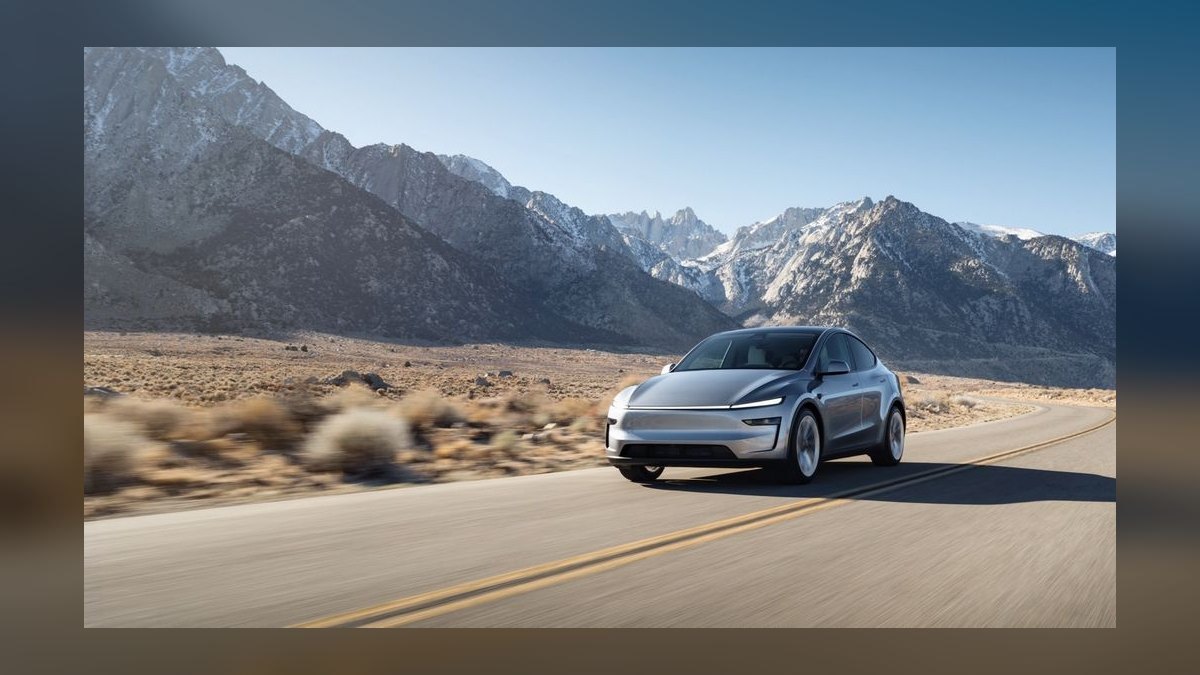
Adjacent effects worth planning for. A long-range EV shifts household electricity load meaningfully, so check whether your utility offers time-of-use rates and shift charging to off-peak windows. For anyone tracking business revenue against vehicle cost — contractors, sales teams, delivery operations — the fuel-versus-electricity delta and the reduced maintenance interval are the two line items that actually move, and both scale with miles driven. A high-mileage business case for a long-range EV is far stronger than a low-mileage personal one, which is the inverse of how most people assume the math works. The vehicles here that support bidirectional power export — the ESCALADE IQ and Silverado EV — add a further wrinkle, since a truck that runs tools on a job site or backs up a house during an outage is doing work a fuel vehicle would need a separate generator to do.
Where long-range EVs still fall short
Being clear-eyed about the limits keeps expectations calibrated.
Weight. Big batteries are heavy, and heavy vehicles chew through tires and brake components faster. The ESCALADE IQ's roughly 200-kWh pack is a substantial mass penalty, and tire replacement intervals on the largest long-range EVs run shorter than on comparable gasoline vehicles. Budget for it.
Charging speed is not uniform across the session. The headline "10 to 80 percent in 18 minutes" figures describe the fast part of the curve. Charging above 80 percent slows dramatically to protect the cells, so a 512-mile car does not deliver 512 miles per fast-charge stop in practice — it delivers roughly 80 percent of that before the curve makes waiting inefficient. Road-trip planning should assume you use the 10-to-80 window and stop more often than the range number implies.
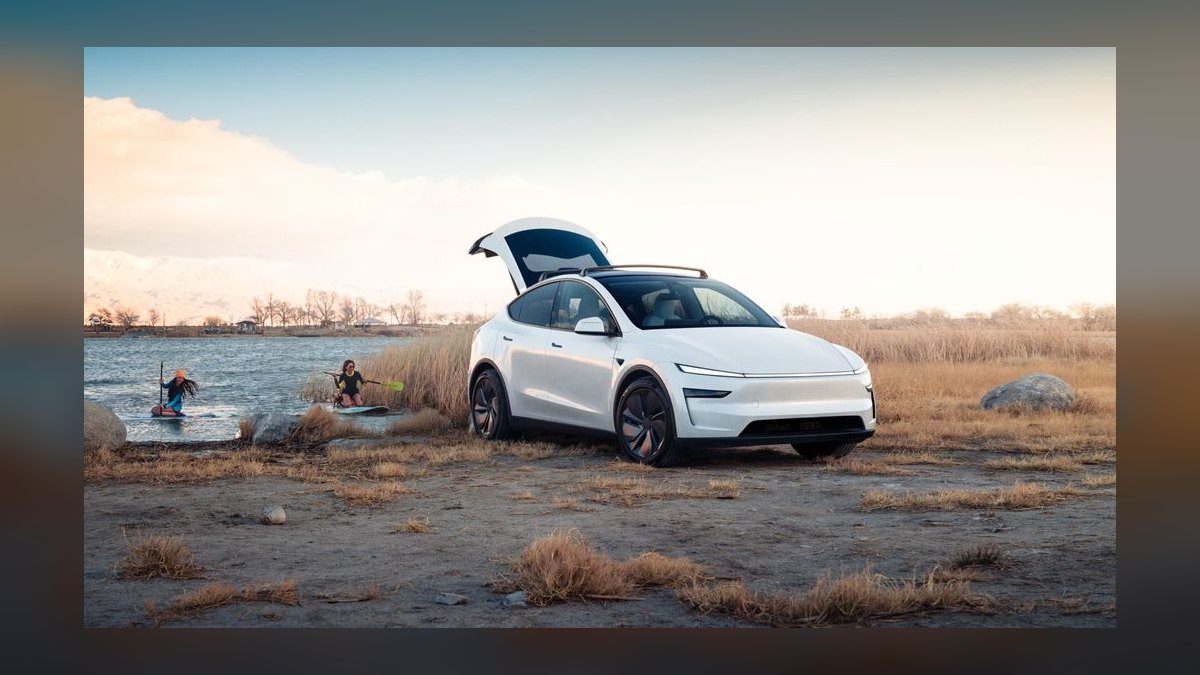
Cold weather compounds. The 20-to-30 percent winter penalty applies to both range and charging speed, since cold cells accept current more slowly. A winter road trip is meaningfully longer than a summer one in the same car. Preconditioning the battery before a charging stop helps considerably and is worth learning on whichever car you buy.
Towing collapses range. Any of these SUVs and trucks will tow, but towing at capacity can roughly halve range. A 490-mile Silverado EV pulling a trailer is not a 490-mile truck. If towing is a routine use case rather than an occasional one, plan around the towing number, not the EPA number.
The efficiency lesson generalizes. The most interesting thing about the 2027 field is that the range leader got there through efficiency, not battery size. That is the direction the whole segment is moving, and it is good news for buyers — efficiency lowers charging cost, reduces weight, and shrinks the price premium for long range. The gap between the best and worst long-range choices in this list is less about how many miles they advertise and more about how many kilowatt-hours it takes them to deliver those miles.
Related questions
How much range do I actually need?
Take your longest routine trip, add 25 percent for cold and highway losses, then 10 percent more so you never plan to arrive below 10 percent charge. Most drivers land between 280 and 350 miles of EPA rating, well short of the 500-mile flagships.
Is the Supercharger network still a decisive advantage?
Less than it was. Coverage and reliability remain strong, but 800-volt platforms from Hyundai and Lucid charge fast enough that shorter stops offset thinner coverage on major corridors. Rural driving still favors the broader network.
Does a bigger battery always mean more range?
No. The Lucid Air leads on efficiency, not pack size, while the ESCALADE IQ's roughly 200-kWh battery yields less range than the Air's smaller pack. Aerodynamics, weight, and drive-unit efficiency matter as much as capacity.
Are long-range EVs worth it for low-mileage drivers?
Usually not. The financial case for a long-range EV strengthens with miles driven, since fuel and maintenance savings scale with usage. A low-mileage driver pays a range premium they will rarely use.
FAQ
Is 500 miles of range really necessary for most drivers?
No, not for daily driving. Most people cover under 40 miles a day, so even a 250-mile EV handles a full week of errands with charge to spare. The 500-mile cars serve road warriors, frequent long-haul drivers, and anyone who wants to skip charging stops entirely on a ten-hour trip. If that is not you, the money is better spent elsewhere in the car.
How much does a long-range EV cost in 2027?
Prices span roughly $38,000 for a Hyundai Ioniq 6 up to around $130,000 for a Cadillac ESCALADE IQ. Most models clearing 350 miles fall between $50,000 and $90,000, with luxury trims pushing higher. The efficient frontier — the best miles per dollar — sits well below six figures.
Do these range numbers hold up in cold weather or highway driving?
Real-world range can drop 20 to 30 percent in freezing temperatures or at sustained 75-mph highway speeds. EPA estimates are a standardized best-case baseline. Winter road trips typically require an extra charging stop compared with the same route in summer, and cold cells also charge more slowly, which lengthens each stop.
How fast do these EVs charge on a road trip?
The fastest — the Hyundai Ioniq 6 and the Lucid Air — can add roughly 200 miles in about 15 to 20 minutes at a high-power DC fast charger. Slower-charging models may need 30 to 40 minutes for the same gain. Charging speed varies with battery size, station power, cell temperature, and current state of charge.
Are there any long-range EVs under $40,000 in 2027?
Yes. The Hyundai Ioniq 6 starts near $38,000 with up to 360 miles of range, making it the cheapest genuine long-distance EV in the field. A few other compact sedans and crossovers may dip just under $40,000, but most options above 350 miles start in the mid-$40,000 range.
Will battery degradation cut into range over time?
Moderate degradation is normal — expect roughly 5 to 10 percent capacity loss after 100,000 miles, depending on charging habits and climate. Most automakers offer 8-year/100,000-mile battery warranties covering excessive capacity loss, so a severe drop is a warranty matter rather than an owner expense.
Sources
- https://www.fueleconomy.gov/
- https://www.caranddriver.com/
- https://www.motortrend.com/
- https://www.edmunds.com/
- https://www.kbb.com/
- https://lucidmotors.com/
- https://www.hyundaiusa.com/
- https://www.tesla.com/
- https://rivian.com/
- https://www.epa.gov/greenvehicles
Related on PULSE
- [Top 10 Long-Range Electric Cars in 2027](/knowledge/ca0991)
- [Best EVs for Families in 2027](/knowledge/ca0387)
- [Best Used EVs in 2027](/knowledge/ca0386)
- [Best EVs for Cold Weather in 2027](/knowledge/ca0385)
- [Best Performance EVs in 2027](/knowledge/ca0384)
- [Best EVs Under $40,000 in 2027](/knowledge/ca0380)
This page will be disappearing soon. Save it to your device for $1 — or read it free while it is here.
@Kory-White- · if Venmo asks, the last 4 of my number are 2012
 pulse-carsBest Audi A3 Model Years (Ranked) in 2027
 pulse-carsBest Chevrolet Equinox Model Years (Ranked) in 2027
 pulse-carsBest Used Hybrid Cars Under $40,000 in 2027 (Ranked)
 pulse-carsBest Mercedes-Benz CLA Model Years (Ranked) in 2027
 pulse-carsTop 10 Hot Hatchbacks 2027 — Best Overall + Best Value
 pulse-carsBest Hyundai Ioniq 5 Model Years (Ranked) in 2027
 pulse-carsBest Nissan Titan Model Years (Ranked) in 2027
 pulse-carsTop 10 Electric Minivans 2027 — Best Overall + Best Value
 pulse-carsBest Volkswagen GTI Generations (Ranked) in 2027
 pulse-carsTop 10 Electric SUVs in 2027