
Best EVs for Families in 2027
 Curated byKory White · Fractional CRO · Maryland
 PULSEKNOWLEDGE LIBRARY
The best family EV for 2027 is the Kia EV9, near $56,000, pairing genuine three-row seating for seven with roughly 304 miles of EPA range and 800-volt fast charging. Families wanting five seats for less get more value from the Hyundai Ioniq 5 at about $43,000, with 318 miles and a flat floor.
The outcome you should expect
Buy the right family EV and the change you feel first is not acceleration — it is that the car is always full. A Level 2 charger in the garage turns fueling into something that happens while you sleep, and the weekly gas-station detour with two kids in the back simply disappears. For a household driving 12,000 miles a year, that is roughly 250 charging sessions you never physically attend, replaced by plugging in a cable the way you plug in a phone.
The second outcome is cost predictability. Home electricity is billed at a rate you can look up and, in many markets, lock into an off-peak window. Gasoline is a commodity that reprices weekly and that you have no ability to hedge. That difference matters more to a family budget than the raw per-mile savings, because it makes an entire line item forecastable a year ahead. Maintenance follows the same pattern: no oil changes, no transmission fluid, no spark plugs, no exhaust system, and brake pads that often last past 80,000 miles because regenerative braking does most of the slowing. What is left is tires, cabin filters, wiper blades, and coolant for the battery loop.
The third outcome is the one buyers underestimate: the packaging. Because there is no engine block and no transmission tunnel, the floor between the rear footwells is flat. A child buckling their own seat belt in the middle position is not straddling a hump. A rear-facing seat behind the driver does not force the driver's seat as far forward as it would in a comparable gas SUV, because the cabin starts further forward relative to the wheels. The front trunk on models that have one — the Rivian R1S, the Ford Mustang Mach-E, the Tesla Model Y — absorbs the wet, dirty, or bulky items that otherwise ride in the cabin: a folded stroller, soccer cleats, a cooler.
What you should not expect is a free lunch on road trips. A gas SUV refuels in five minutes at nearly any exit. An EV on a 300-mile day will want one stop of 20 to 30 minutes, and that stop has to happen at a working fast charger with an open stall. Families who do this four times a year adapt easily. Families who do it four times a month should think harder, or should look at the models with the longest range and the most mature charging networks rather than the cheapest sticker.

What drives that outcome
Four variables decide whether a family EV works for a specific household, and they interact rather than adding up independently.
Seat count versus footprint. Three rows in an EV are expensive because the battery occupies the floor, which raises the seat height, which eats the headroom a third row needs. The vehicles that solve this — the Kia EV9, the Hyundai Ioniq 9, the Rivian R1S, the Volvo EX90 — are all large and all start above roughly $56,000. The Volkswagen ID.Buzz solves it differently, using a van shape and sliding doors to trade range (around 234 miles in long-wheelbase form) for the easiest third-row access of anything here. Two-row EVs at $35,000 to $46,000 exist in volume; three-row EVs under $50,000 essentially do not.
Range against your actual duty cycle. EPA range is measured under conditions your February commute will not match. Cold weather, highway speeds above 70 mph, a roof box, and a full load of people and gear each subtract. A 300-mile EPA rating is a comfortable 250-mile real number in mild weather and can be a 210-mile number at 15°F with the cabin heater working. That is fine for a household whose longest routine drive is 90 miles. It is a planning burden for one that regularly runs 280 miles each way.

Charging architecture. The 800-volt systems in the Kia EV9, Kia EV6, Hyundai Ioniq 5, and Hyundai Ioniq 9 accept very high peak DC rates and can move from roughly 10% to 80% in under 20 minutes on a capable charger. A 400-volt vehicle on the same charger takes noticeably longer. On a road trip with restless kids, the difference between an 18-minute stop and a 35-minute stop is the difference between a bathroom break and an argument.
Home charging access. This is the hidden gate. A family with a garage and a 240-volt circuit gets the full ownership experience. A family in a rental with street parking gets a worse experience than a gas car — every charge becomes a scheduled errand. Assess this before you assess anything on the spec sheet.
Benchmarks and realistic ranges
Use these figures as planning anchors rather than promises, because trim, wheel size, drive configuration, and options move all of them.
Price bands. The value floor for a two-row family EV sits near $35,000, where the Chevrolet Equinox EV lands in front-drive form while still offering EPA range up to about 319 miles — an unusually strong range-per-dollar position. The mainstream band runs roughly $43,000 to $46,000 and holds the Hyundai Ioniq 5, the Kia EV6, the Ford Mustang Mach-E, and the Tesla Model Y. The three-row band starts near $56,000 with the Kia EV9, runs through the Hyundai Ioniq 9 and Volkswagen ID.Buzz around $60,000, and tops out with the Rivian R1S near $78,000 and the Volvo EX90 near $81,000. Crossing from two rows to three costs roughly $13,000 to $15,000 at the entry point.
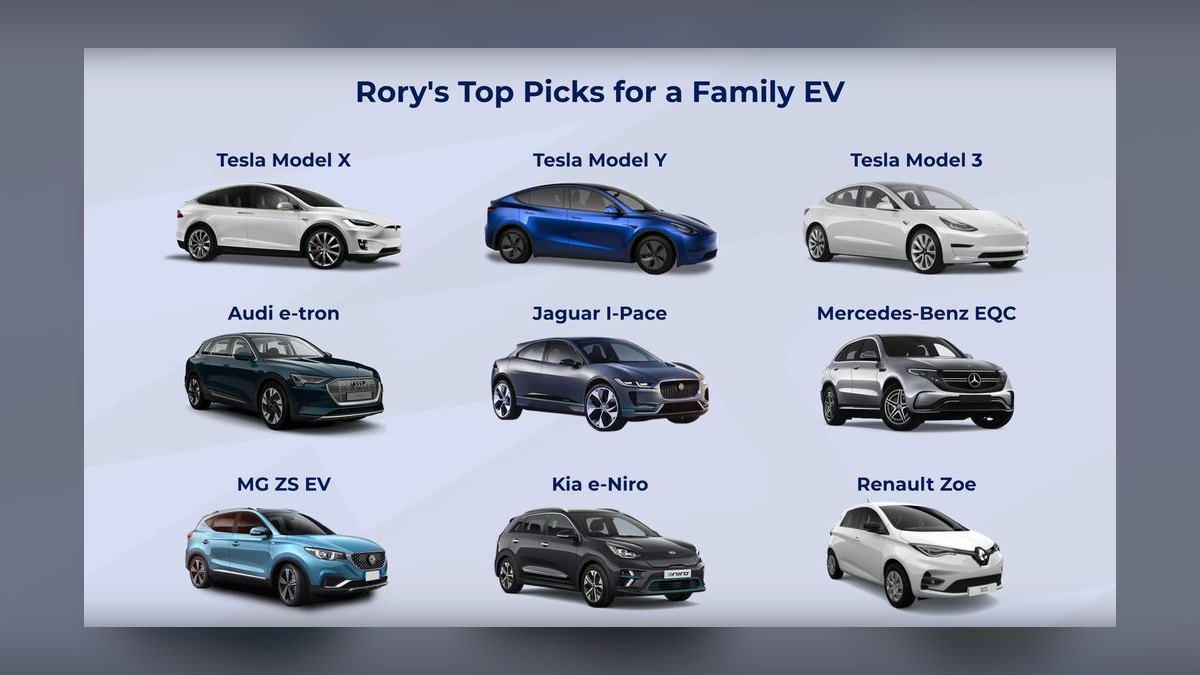
EPA range. The competitive two-row set clusters tightly between 310 and 320 miles: the Ioniq 5 at up to 318, the Equinox EV at up to 319, the EV6 at up to 310, the Mach-E at up to 320 in extended-range form, the Model Y around 320. Three-row figures spread wider — up to 304 for the EV9, up to 335 for the Ioniq 9, above 400 for the long-range Rivian R1S, around 310 for the EX90, and around 234 for the long-wheelbase ID.Buzz. Note that the ID.Buzz is the outlier and the trade is deliberate: you are buying door geometry, not miles.
Real-world derate. A reasonable planning haircut is 10 to 15% off EPA in mild weather at 70 mph, and 20 to 30% in deep cold before the battery warms. Applied to the EV9, a 304-mile EPA rating becomes roughly 260 to 290 miles in ordinary conditions — the figure most owners actually report — and materially less on a 20°F morning with the cabin heat on full. Vehicles with a standard heat pump, including the Ioniq 5, hold up better in that scenario than those without.
Charging time. On a 350 kW DC fast charger, an 800-volt car like the Ioniq 5 covers 10% to 80% in roughly 18 minutes, which works out to about 100 miles of range added in the first 10 minutes. Charging above 80% slows sharply on every EV, so the road-trip pattern that actually works is short frequent stops in the 10-to-80 window rather than one long stop to 100%. At home, a 240-volt Level 2 unit typically restores a full pack overnight; a 120-volt household outlet adds only a few miles per hour and is a supplement, not a plan.

Cargo. The three-row benchmark to hold in your head: roughly 20 cubic feet behind a raised third row in the Kia EV9 — a few suitcases or one double stroller — expanding to about 45 cubic feet with the third row folded and roughly 80 with both rows down. That first number is the one that matters, because it is the configuration you use when the car is full of people, which is exactly when you are also carrying the most gear.
Risks, edge cases, and failure modes
The third row is often a myth. Many "seven-seat" crossovers offer a third row that a ten-year-old tolerates for twenty minutes. The EV9 and Ioniq 9 are genuinely adult-usable; several competitors are not. Test it with the person who will actually sit there, with the second row set where that passenger actually wants it, not slid all the way forward.
Car-seat geometry defeats spec sheets. A rear-facing convertible seat is long. Installed behind the driver in a mid-size two-row EV, it can force the driver's seat forward enough to be uncomfortable for a tall parent. Count the LATCH positions, not just the seats — some vehicles offer full lower anchors in only two of three second-row positions, and third rows frequently have tether anchors but no lower anchors. If you run three seats across, bring all three and install them in the parking lot before signing anything.
Winter is the real range test. Cold reduces both battery capacity and charging speed, and cabin heat draws real power. The mitigations are practical: precondition the cabin while still plugged in, which spends grid power rather than battery; use heated seats and a heated steering wheel in preference to blasting cabin air; and precondition the battery before a fast-charge stop so the car arrives warm enough to accept high power. A vehicle with a heat pump and battery preconditioning behaves very differently in January from one without.
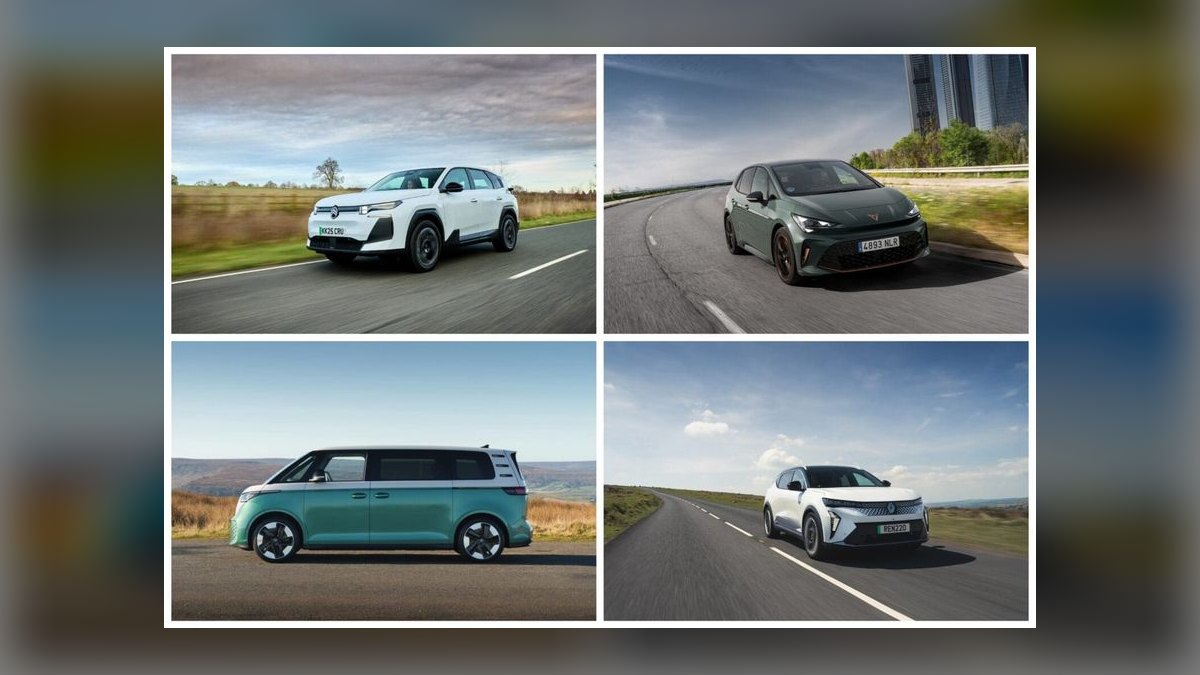
Charging deserts and broken stalls. Route coverage is not uniform. The Tesla Supercharger network remains the most consistently available, and access for other brands has widened, but adapters, connector types, and payment handling vary. Before you commit, plan two real trips you take every year — the drive to the in-laws, the summer trip — and check charger locations and reviews along those specific corridors, not in the abstract.
Towing collapses range. Pulling a small trailer or a pop-up camper can cut range roughly in half. If towing is part of family life, treat the towing range, not the EPA range, as the number that matters and verify the tow rating and hitch availability on the exact trim.
Roof boxes and bikes. A cargo box costs meaningful highway range because EVs are aerodynamically sensitive in a way gas cars mask with cheap fuel. A hitch-mounted rack usually costs less range than a roof box for the same volume.

Home charging installation. A Level 2 install can be simple or can require a panel upgrade, which is the largest surprise expense in EV ownership. Get an electrician's quote before you buy, not after.
Depreciation and incentives. EV resale values have moved unpredictably, and purchase incentives change at the federal, state, and utility level with little notice. Verify current eligibility rules and any point-of-sale mechanics at the time of purchase, and check whether leasing changes the calculus in your situation — the answer has varied by year and by model.
A practical rollout plan
Treat the purchase as a short project with a fixed sequence rather than a weekend of test drives.
Week one — audit your actual driving. Pull three months of trips from memory or your phone's location history. Write down the longest routine drive, the longest annual drive, and the maximum number of people you carry in a typical month. Most families discover the third row they were about to pay $14,000 for gets used six times a year, which may still be worth it — but it should be a decision, not an assumption.
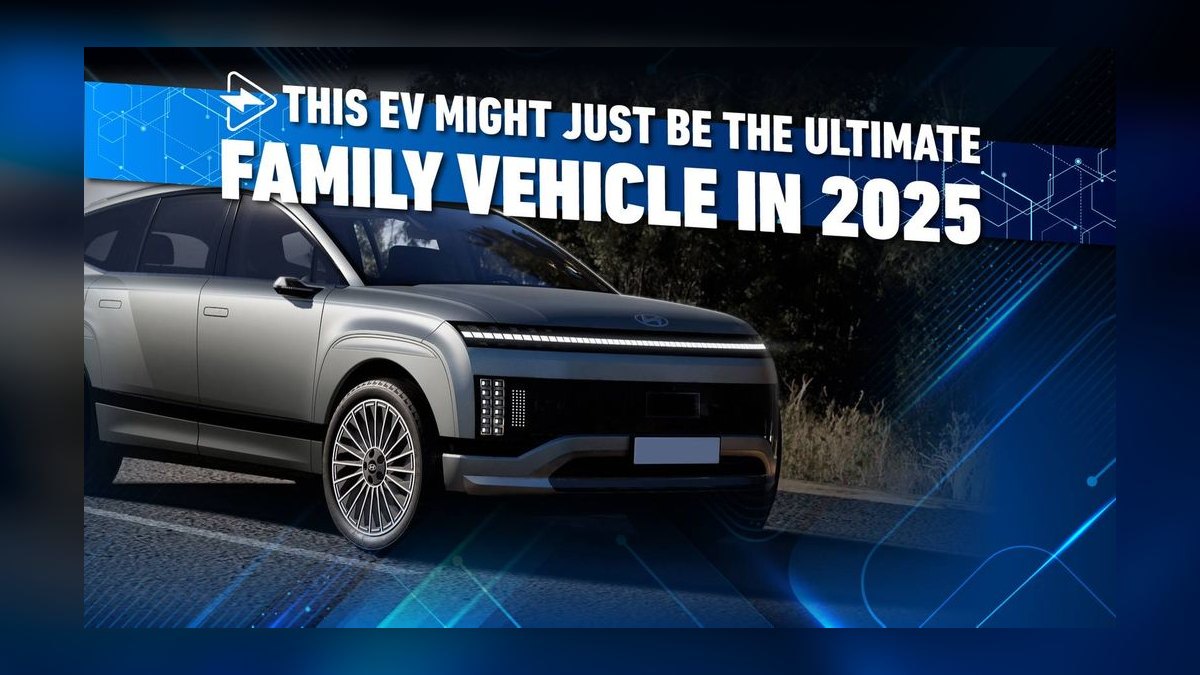
Week one — settle home charging. Call an electrician. Ask what a 240-volt, 40-to-50-amp circuit to your parking spot costs and whether your panel supports it. If you rent, ask your landlord in writing now. This single answer determines whether the rest of the process is worth continuing.
Week two — shortlist three vehicles across the bands. Include one you think is too cheap and one you think is too expensive. Comparing a $35,000 Equinox EV against a $56,000 EV9 clarifies what the extra money buys better than comparing two $50,000 crossovers.
Week two — road-trip simulate on paper. Take your longest annual drive and map the fast chargers along it for each shortlisted vehicle. Count stops and total added time. A vehicle that adds 25 minutes to that trip and one that adds 70 minutes are different products regardless of similar EPA numbers.
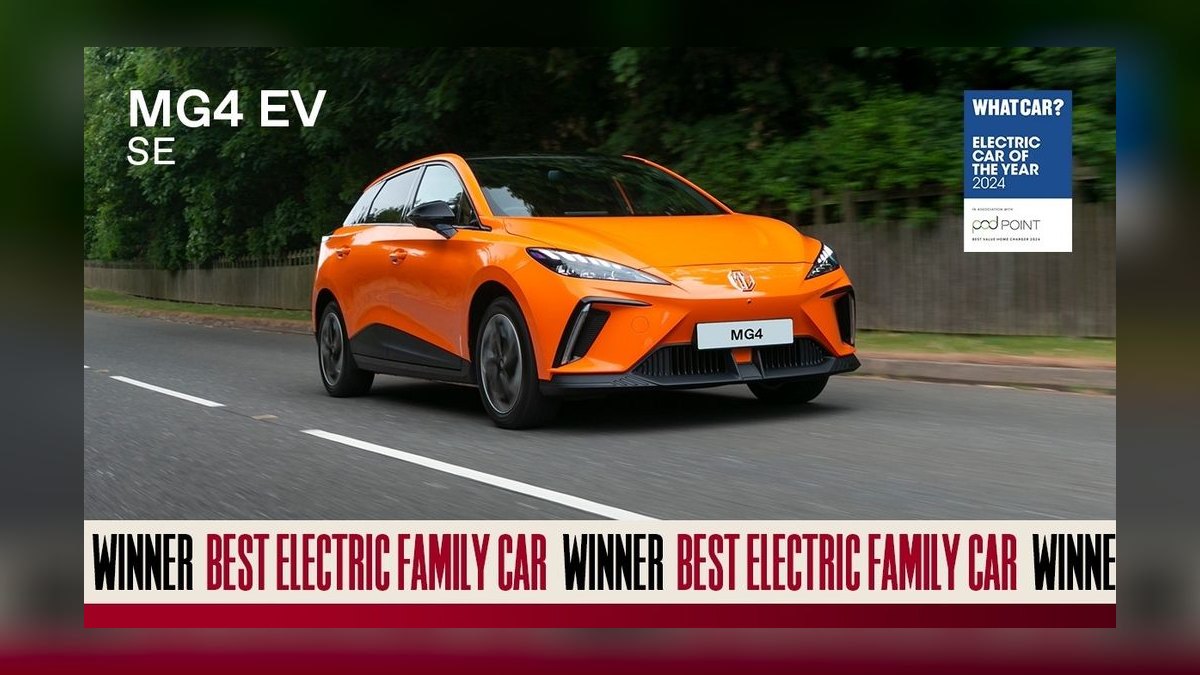
Week three — test drive with your real cargo. Bring the car seats, the stroller, and the tallest family member. Install the seats yourself. Put the stroller in behind the third row if you are buying three rows. Sit the tall passenger behind the driver's seat, adjusted where the driver actually drives. Check USB port count and placement against the number of devices your household charges.
Week three — drive the route you actually drive. Not the dealer's loop. Your school run, your highway on-ramp, your parking garage. Confirm the vehicle physically fits your garage with the door closed and the charge port reachable from where the charger will mount.
Week four — negotiate and verify incentives. Confirm any federal, state, or utility incentive in writing and check whether it applies at the point of sale or at tax filing. Ask the utility about EV-specific off-peak electricity rates, which frequently cut home charging cost substantially and are the least-known lever in the whole process.
Month one of ownership — establish habits. Set a charge limit around 80% for daily use and reserve 100% for trip days, which is gentler on the pack. Schedule charging for the off-peak window. Learn one-pedal driving properly — it is smoother for passengers and easier on brakes. Install two charging apps and create the accounts before you need them at a roadside stall in the rain.

Adjacent decisions that change the answer
The vehicle choice sits inside a set of surrounding decisions that often matter more than which badge is on the hood.
Two-car households can split duties. If you keep one gas or hybrid vehicle for long tows and remote trips, the EV's range stops being a constraint at all, and a cheaper, shorter-range model becomes the rational pick. The Equinox EV near $35,000 makes far more sense as the second car in a two-car household than as the only car in a one-car household.
Leasing versus buying behaves differently for EVs than for gas cars. Battery technology and charging standards are still moving, and residual values have been volatile. A three-year lease transfers that uncertainty to the lessor. Buying is the better long-run math if you keep cars eight years and have stable home charging.

Utility rate plans are an underused lever. Many utilities offer a time-of-use plan with a deeply discounted overnight window specifically because they want EV charging off the daytime peak. Moving a household onto that plan and scheduling the car to charge inside the window can change the effective per-mile cost meaningfully — and it costs nothing but a phone call.
Solar and home batteries change the ownership picture. If you already have rooftop solar, charging behavior shifts toward midday when you are exporting anyway. Some vehicles also support bidirectional power, which turns the car into a backup supply for a house during an outage — a real family-safety feature, not a gimmick, if you live somewhere the grid goes down.
Insurance and tires are the costs people forget. EVs are heavy, and heavy vehicles wear tires faster; a three-row EV can go through a set noticeably sooner than a comparable gas SUV. Insurance premiums also vary more between EV models than between comparable gas models. Get quotes for your specific shortlist before you decide, because a $2,000 lifetime difference in tires and a $400 annual difference in premiums can erase the gap between two models that looked identical on sticker price.
Software matters more over time. Over-the-air updates mean the vehicle you buy is not the vehicle you own in year three. That cuts both ways — features arrive, but interfaces also change without your consent. Ask how the manufacturer handles updates and whether critical functions like climate and defrost remain on physical controls, which is a genuine usability issue with kids in the back and one hand on the wheel.
Related questions
Do I actually need three rows?
Only if you carry more than five people at least weekly. Many families find a two-row EV plus occasional carpooling costs $13,000 to $15,000 less. Audit three months of real trips before committing to the larger vehicle and its higher tire, insurance, and parking costs.
How much does home charging cost per month?
It depends on your rate and mileage, but the calculation is simple: divide your monthly miles by the vehicle's efficiency in miles per kWh, then multiply by your electricity rate. A time-of-use overnight plan from your utility usually cuts that figure substantially.
Is an EV safe with kids in a crash?
Modern family EVs earn strong ratings from the IIHS and NHTSA, and the low, heavy battery pack lowers the center of gravity, which reduces rollover risk in tall SUVs. Verify current ratings for the exact model year and trim you are considering.
What about apartment living without a garage?
This is the hardest case. Workplace charging, a nearby reliable Level 2 site, or a building that will install a circuit can all work, but confirm the arrangement before purchase. Without dependable overnight access, EV ownership is meaningfully worse than a hybrid.
Should I buy new or used?
Used EVs can be excellent value, but battery health varies with age, climate, and prior fast-charging habits. Request a state-of-health readout and remaining battery-warranty coverage. A used two-row EV often beats a new one on total cost if the pack checks out.
FAQ
What is the real-world range of the Kia EV9?
Most owners see roughly 260 to 290 miles on a full charge in ordinary conditions, against an EPA rating of up to 304 miles. Cold weather, sustained highway speeds, a full load of passengers and gear, or a roof box will each pull that figure lower. Plan road trips around the conservative end of that band.
How many car seats fit in a Hyundai Ioniq 5?
The Ioniq 5 is a two-row vehicle with no third row. Its flat rear floor and generous legroom make installing two car seats across the back straightforward, with room for a child or smaller adult in the middle. Verify the LATCH anchor positions for your specific seats, since three-across fit depends heavily on seat width.
Which family EVs charge fastest on a road trip?
The 800-volt models — Kia EV9, Kia EV6, Hyundai Ioniq 5, Hyundai Ioniq 9 — move from about 10% to 80% in under 20 minutes on a 350 kW charger. Charging past 80% slows dramatically on every EV, so plan shorter, more frequent stops rather than one long one.
How much cargo space does a three-row EV really have?
The useful benchmark is space behind a raised third row: roughly 20 cubic feet in the Kia EV9, enough for a few suitcases or a double stroller. Folding the third row expands that to about 45 cubic feet, and both rows down gives roughly 80. Judge the vehicle on the first number, since that is the configuration you use when full.
Are there family EVs under $40,000 in 2027?
Yes, in the two-row segment. The Chevrolet Equinox EV starts near $35,000 in front-drive form with EPA range up to about 319 miles, which is exceptional range per dollar. Genuine three-row EVs remain above roughly $56,000, so budget-limited families with more than five people should compare against a hybrid minivan.
What should I check at the dealership before buying?
Bring your actual car seats and stroller and install them yourself. Sit your tallest passenger behind the driver's seat adjusted to driving position. Count LATCH anchors and USB ports. Confirm the vehicle fits your garage with the door closed and the charge port reachable from where the charger will mount.
Sources
- https://www.fueleconomy.gov/
- https://www.iihs.org/
- https://www.nhtsa.gov/
- https://www.edmunds.com/
- https://www.kbb.com/
- https://www.caranddriver.com/
- https://www.consumerreports.org/cars/
- https://www.energy.gov/energysaver/electric-vehicles
- https://afdc.energy.gov/fuels/electricity_locations
Related on PULSE
- [Best Long-Range EVs in 2027](/knowledge/ca0382)
- [Best Used EVs in 2027](/knowledge/ca0386)
- [Best EVs for Cold Weather in 2027](/knowledge/ca0385)
- [Best Performance EVs in 2027](/knowledge/ca0384)
- [Best EVs Under $40,000 in 2027](/knowledge/ca0380)
- [Top 10 Affordable EVs 2026 — Best Overall + Best Value](/knowledge/ca0254)
This page will be disappearing soon. Save it to your device for $1 — or read it free while it is here.
@Kory-White- · if Venmo asks, the last 4 of my number are 2012
 pulse-carsBest Audi Models in 2027
 pulse-carsTop 10 Electric Sedans 2024 — Best Overall + Best Value
 pulse-carsTop 10 Affordable Cars 2027 — Best Overall + Best Value
 pulse-carsBest Buick Regal Model Years (Ranked) in 2027
 pulse-carsTop 10 Hybrid Trucks 2027 — Best Overall + Best Value
 pulse-carsBest Nissan Titan Model Years (Ranked) in 2027
 pulse-carsTop 10 Supercars 2027 — Best Overall + Best Value
 pulse-carsBest Audi A3 Model Years (Ranked) in 2027
 pulse-carsTop 10 Luxury Pickup Trucks 2026 — Best Overall + Best Value
 pulse-carsBest Used Wagons Under $40,000 in 2027 (Ranked)