
Best Used EVs in 2027
 Curated byKory White · Fractional CRO · Maryland
 PULSEKNOWLEDGE LIBRARY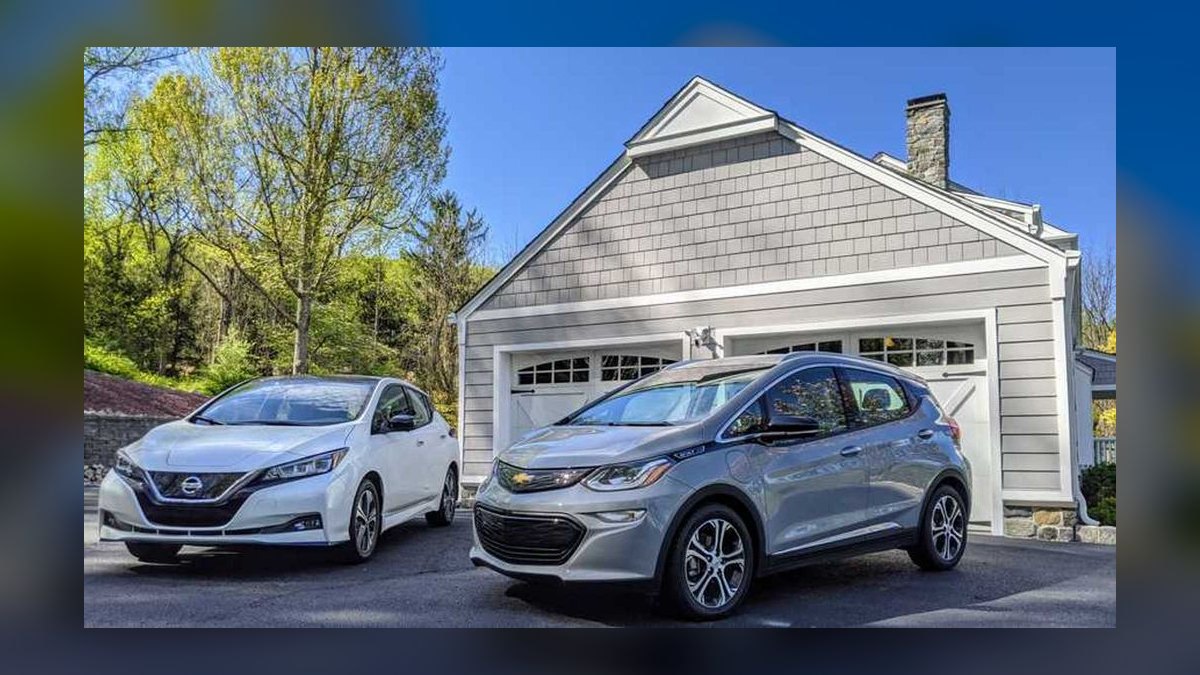
The best used EV in 2027 is the 2021–2023 Tesla Model 3 Long Range at roughly $24,000–$30,000, pairing about 333 miles of original EPA range with proven pack durability and Supercharger access. On a tighter budget, a 2020–2022 Chevrolet Bolt EV near $15,000–$19,000 — ideally one with a recall replacement battery — delivers about 259 miles for economy-car money.
The two front-runners compared, and the field behind them
Almost every used-EV shopping trip in 2027 collapses into the same fork: pay in the mid-twenties to low thirties for a long-range car with a dense charging network, or pay in the teens for a car that covers daily driving beautifully and asks you to plan road trips. The Model 3 Long Range and the Bolt EV are the cleanest expressions of each side.
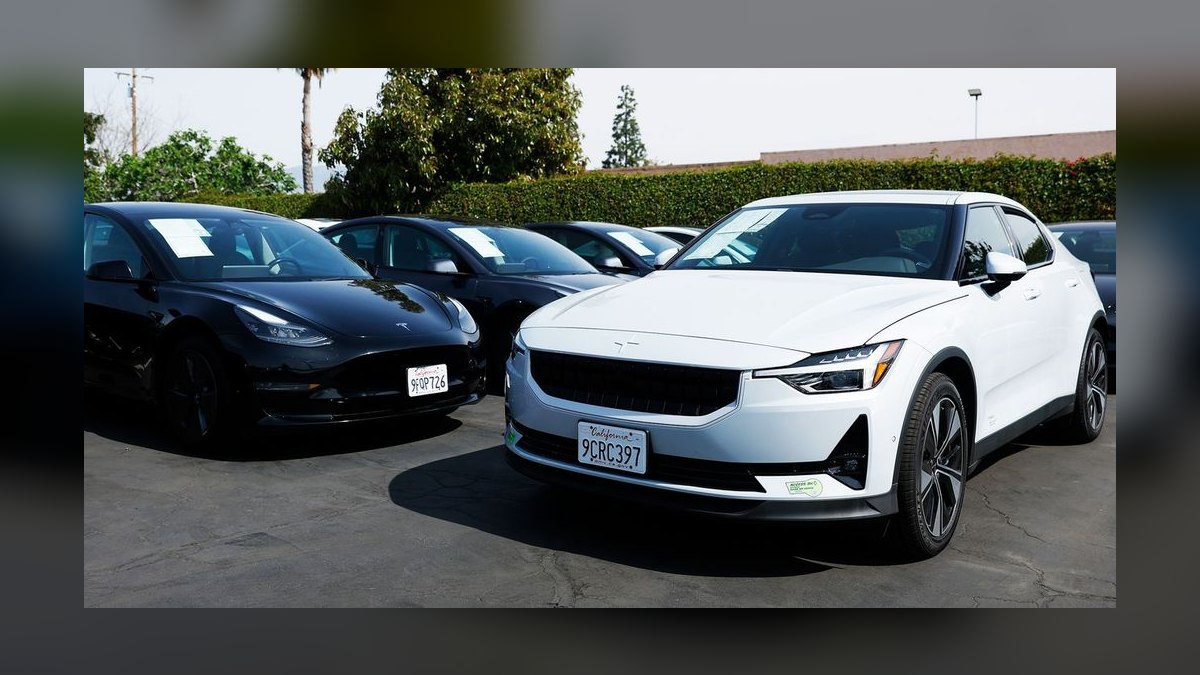
The Model 3 Long Range arrived with roughly 333 miles of EPA range, dual motors, and a battery that has aged unusually well across large tracked fleets. Battery-health services that monitor thousands of cars consistently show modern packs losing a few percent of capacity in the first few years and then flattening out, and the Model 3 sits at the favorable end of that curve. Combine that with Supercharger access — still the most reliable fast-charging experience in North America by a wide margin — and you get a used car that behaves almost exactly like a new one for the trips people actually take. Typical asking prices run $24,000–$30,000 depending on year, mileage, and whether the seller is a franchise dealer or a private party.
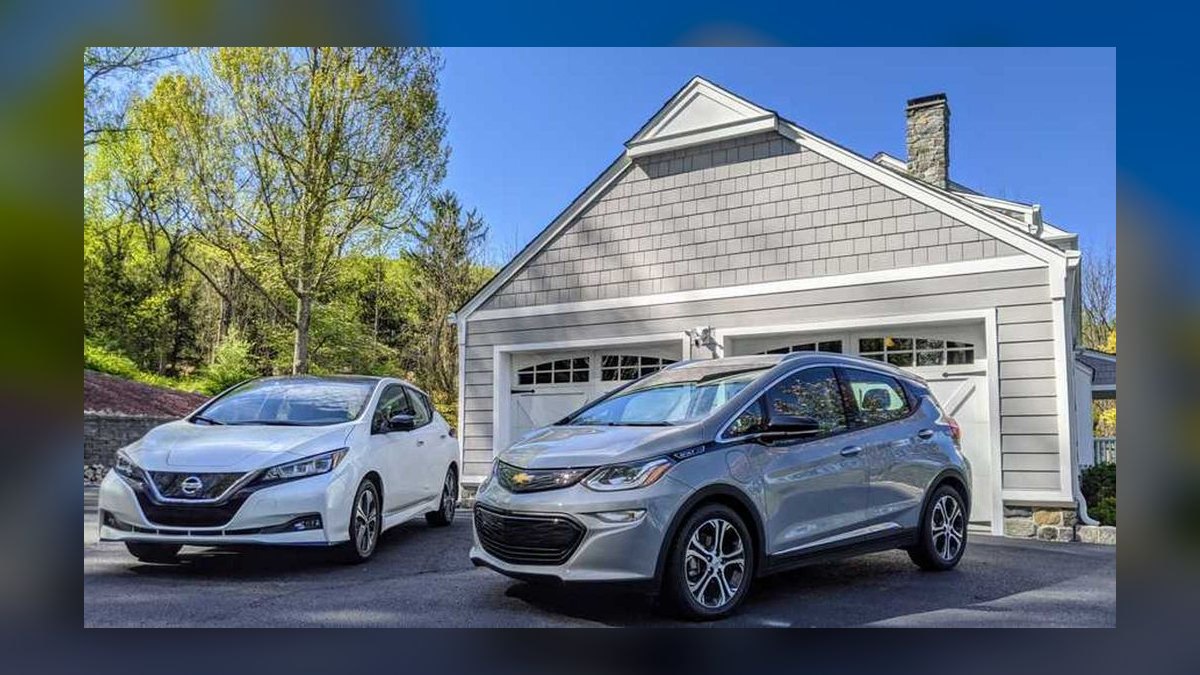
The Bolt EV comes at the problem from the opposite direction. It offered about 259 miles of EPA range from a modest, efficient package, and its used prices — commonly $15,000–$19,000 for 2020–2022 cars, and as little as $11,000–$15,000 for 2017–2020 examples — are the lowest per mile of range on the market. The wrinkle that makes it interesting rather than merely cheap is the battery recall: GM replaced packs in a large share of these cars, which means a meaningful number of used Bolts are running a battery that is years younger than the chassis around it, with its own warranty clock. What the Bolt does not have is fast DC charging worth planning around. Its peak charge rate is modest, so a long trip means long stops. For a commuter with home charging, that is close to irrelevant; for someone who drives four hours to see family monthly, it is the whole story.
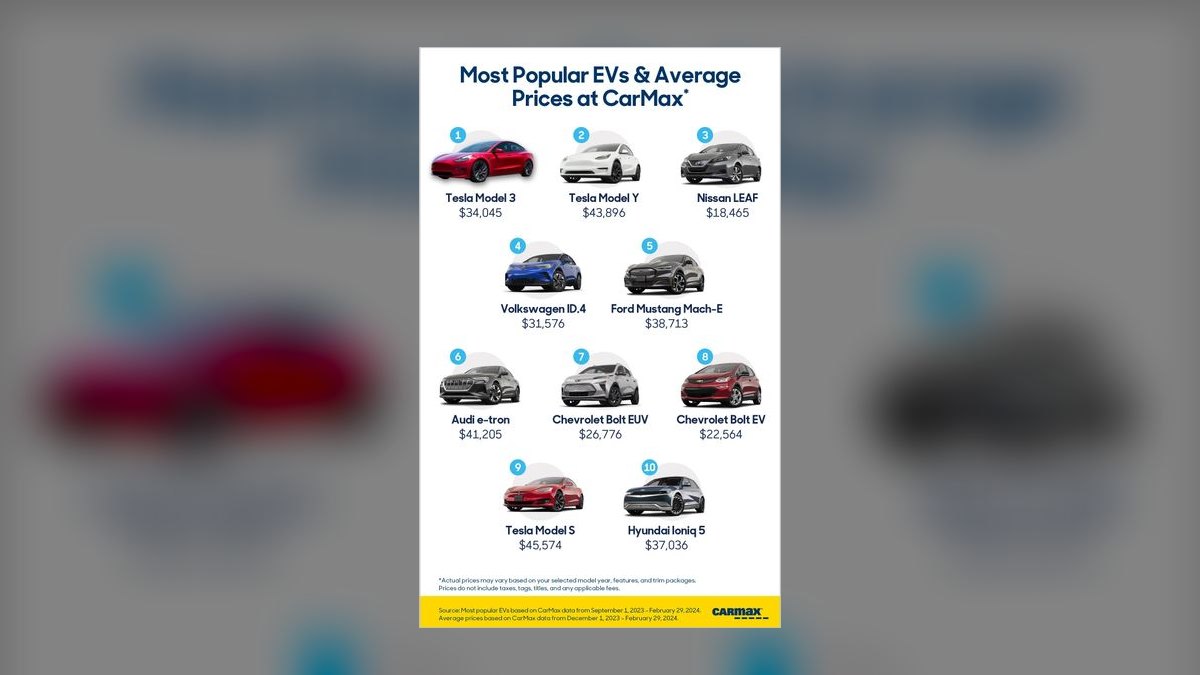
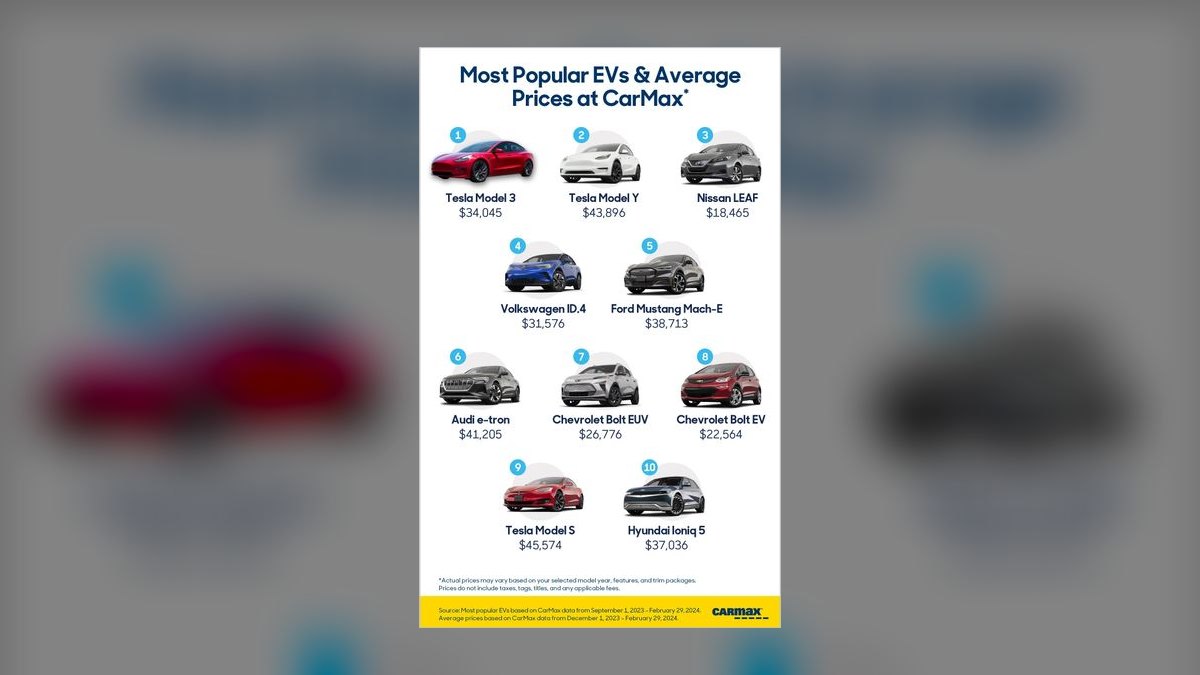
Behind those two sits a field worth knowing. The Hyundai Ioniq 5 (up to 303 miles, roughly $26,000–$33,000) and Kia EV6 (up to 310 miles, roughly $27,000–$34,000) share an 800-volt architecture that charges faster than almost anything else at their used price, and Hyundai and Kia's long original warranties often carry meaningful coverage into a second owner's hands. The Ford Mustang Mach-E in extended-range form offered up to 305 miles and trades around $24,000–$32,000, with genuine crossover space. The Tesla Model Y Long Range — about 330 miles, roughly $28,000–$36,000 — is the Model 3's argument with a hatchback and a higher seating position, and it has the deepest used inventory of any EV crossover, which is itself a feature when you are trying to be picky about condition. The Volkswagen ID.4 with the larger battery offered up to 275 miles and sits around $20,000–$28,000, an easy, conventional car whose early software complaints were largely resolved by updates. At the top, a 2019–2022 Model S Long Range (up to 405 miles when new, roughly $30,000–$42,000) and a 2020–2022 Audi e-tron / Q8 e-tron (about 222 miles, roughly $28,000–$40,000) offer full-size luxury for mid-crossover money — the Audi trading range for a genuinely excellent cabin and conservative battery management that has kept it out of trouble.
Note that all of these ranges are representative of market positioning rather than quotes. Condition, region, trim, and whether a car is a private-party sale swing the number by thousands.

How to decide between them
The decision is less about which car is best in the abstract and more about which constraint binds first: money, road trips, or space. Work through them in that order and the field narrows fast.
Budget is the hardest gate. Under $20,000 you are shopping the Bolt EV and the lower end of the ID.4 market, and you should shop with the assumption that fast charging is a bonus rather than a plan. Between $20,000 and $33,000 is where the market is deepest and where the Model 3, Mach-E, Ioniq 5, EV6, and Model Y overlap — this is the band where you can actually optimize for the thing you care about instead of taking what you can afford. Above $33,000 the used market starts handing you luxury: the Model S and the Audi, both of which are enormous value per dollar and both of which carry heavier consumables costs.

Charging comes next. If you do not have home charging — an apartment, street parking, a shared garage with no outlet — the calculus inverts completely. Public charging becomes your fuel, and network reliability outranks range. That pushes you toward Tesla for the Supercharger experience, or toward the Ioniq 5 and EV6 whose 800-volt hardware minimizes the time you spend at whatever charger you find. If you do charge at home, most of your driving happens on a full battery every morning, and cheap range becomes far more attractive than fast range.
Space is the last filter and the easiest. Two adults and occasional passengers fit a Model 3 or a Bolt without complaint. Car seats, dogs, bikes, and a stroller argue for the Model Y, Mach-E, Ioniq 5, or ID.4. Do not let a hypothetical annual road trip talk you into a car that is worse for the 350 days a year you commute in it — that is the single most common misallocation in used-EV shopping.

Concrete numbers behind each option
The numbers that matter are not the ones on the window sticker. They are degradation, remaining warranty, charging speed, and the running-cost gap.
Degradation. Real-world data on modern packs is more reassuring than the used market's pricing implies. Typical loss lands somewhere in the 5–10% band by 50,000 miles for most models, with the steepest portion happening early and the curve flattening after. Long-range Teslas frequently land under that band. Big, sudden losses are rare and almost always indicate a specific defect rather than ordinary aging. Practically: a Model 3 Long Range with 60,000 miles showing 310-plus miles of full-charge estimate is healthy; the same car showing 260 is a car to walk away from or price aggressively.
Remaining warranty. Federal rules put an 8-year/100,000-mile floor on EV battery warranties, and that coverage transfers with the car. A 2022 model bought in 2027 still has roughly three years of battery coverage left if mileage is moderate — meaningful protection on the single most expensive component. The Korean cars are the standout here because their original powertrain terms were unusually long, though transfer conditions vary and are worth confirming in writing rather than assuming. A recall-replaced Bolt battery is the extreme case: the pack's clock effectively restarted, which is why a $16,000 Bolt with documented replacement can be a lower-risk purchase than a $26,000 car with an original pack and a murky history.
Charging speed. This is where the spec sheets diverge most. The 800-volt Ioniq 5 and EV6 add usable range in the shortest DC stops of anything in their price class. Teslas charge quickly and, more importantly, charge predictably — the network's stall availability and uptime remain its real advantage over raw peak kilowatts. The Mach-E and ID.4 charge respectably. The Bolt is genuinely slow on DC, which is a non-issue for a commuter and a real cost for a road-tripper.
Running costs. Home charging typically costs a fraction of gasoline per mile, and the gap widens where electricity is cheap and gas is not. Maintenance is where the savings compound quietly: no oil changes, no timing belts, no exhaust, no spark plugs, and regenerative braking that routinely takes pads past 100,000 miles. The offsetting costs are real and worth budgeting — EVs are heavy and torque-rich, so tires wear faster and often need replacement every 30,000–50,000 miles, cabin and battery coolant service comes due around the 100,000-mile mark on many models, and premium cars like the Model S and e-tron carry air-suspension and large-wheel costs that a Bolt simply does not have.
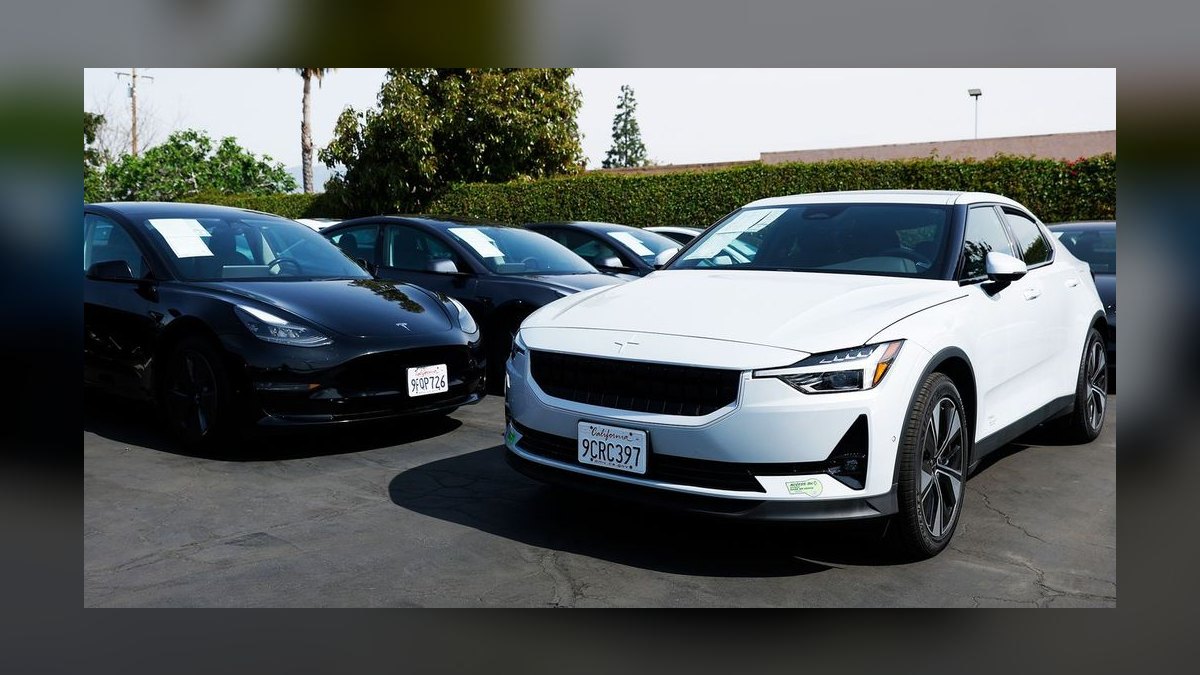
The tax credit. The used clean-vehicle credit — up to $4,000 or 30% of the sale price, whichever is lower — applies to qualifying vehicles under $25,000 purchased from a dealer, subject to buyer income limits and other eligibility conditions. That threshold does real work in this list: it sits right at the top of the Bolt and lower ID.4 market and just under most Model 3 asking prices. Because credit rules have been amended repeatedly, confirm current eligibility with the IRS guidance and the dealer before you count on it, and get the transfer or filing mechanics in writing. Do not let a possible credit push you into a worse car — but if two cars are close, credit eligibility is a legitimate tiebreaker worth several thousand dollars.
Implementation details and sequencing
Buying a used EV rewards a specific order of operations, and most bad outcomes come from doing these steps out of sequence — falling in love with a car before you know its pack health, or wiring money before you have confirmed a recall remedy.
Sort your charging first, before you shop. This is the step people skip, and it determines which car is even reasonable. If you own your home, get a quote for a 240-volt circuit; if you rent, find out in writing what the building permits. A used EV bought without a charging plan becomes a chore, and a $1,500 electrical job changes the effective price of a $16,000 car by roughly 10%.
Pull a battery health report before the test drive, not after. Third-party services like Recurrent generate reports from telemetry and comparable-vehicle data, and many cars will surface a health figure through the infotainment system or an OBD-II app. Tesla owners can run a built-in health check through the service menu. The comparison that matters is current full-charge capability against the original EPA figure for that exact trim. Under 60,000 miles, a healthy pack generally reads around 90% or better of original capacity.
Run the VIN. Check open recalls through NHTSA's VIN lookup, and for any Bolt confirm specifically that the battery recall remedy was completed — this is documentable, not a matter of the seller's word. Pull a history report for accident and title issues the same way you would on a gas car; EV structures with damaged battery enclosures are expensive and sometimes unrepairable.
Test the charging hardware, not just the drive. A test drive tells you about suspension and tires. It tells you nothing about the onboard charger or the DC contactor. If you can, plug into a Level 2 station and confirm it initiates and holds a normal rate, then run a short DC fast-charge session and watch the rate curve. Charging-hardware faults are a known failure mode on used EVs and are far cheaper to discover before purchase than after.
Inspect the unglamorous parts. Tires are the biggest near-term consumable and a fresh set on a heavy crossover is a four-figure line item. The 12-volt battery — yes, EVs still have one — is a common no-start cause and is cheap to replace preemptively. On the Model S and Audi e-tron, budget attention for air suspension. On any car with a heat pump, verify it operates, because that system does real work on winter range.

Sequence the money last. Negotiate after the inspection findings, not before. Battery health, tire condition, and an incomplete recall are all legitimate, documentable price levers, and used-EV sellers are frequently less certain about their car's condition than gas-car sellers are.
Adjacent moves worth considering before you commit
Two neighboring decisions change the math enough to be worth a paragraph each.
Leasing returns and off-lease inventory. A large share of used EV supply arrives through lease returns, which tends to mean known service history, moderate mileage, and cars that were maintained under a manufacturer's eye. Off-lease units often hit the market in waves roughly three years after a strong sales quarter, and those waves temporarily soften prices for that specific model. Watching for them is a legitimate strategy: the same car can be several thousand dollars cheaper during a supply bulge than six months later.

Plug-in hybrids as the hedge. If your charging situation is genuinely unresolved — no home outlet, unreliable public infrastructure, frequent long drives — a used plug-in hybrid covers daily electric commuting while removing the road-trip constraint entirely. It is a worse EV and a heavier hybrid, but for a household with one car and no garage it is often the honest answer. Buying a used EV into a bad charging situation is the most common way people end up disliking an otherwise excellent car.
Where used EVs fit against a comparable used gas car. The purchase-price gap has largely closed on the models here, which is the actual news of the 2027 market. A $17,000 Bolt competes directly with a $17,000 used compact hatchback, and once you fold in fuel and maintenance the Bolt usually wins on total cost within a couple of years — provided you can charge at home. Without home charging, the total-cost advantage narrows considerably, and the decision has to be made on driving experience rather than spreadsheet.
Related questions
Which used EV holds its range best over time?
Long-range Teslas, particularly the Model 3 Long Range, consistently rank among the strongest in tracked degradation data, with many examples losing under 5% by 50,000 miles. Any Bolt with a recall replacement pack effectively starts fresh, which makes it competitive on this measure despite being an older car.
Is a used EV without home charging a mistake?
Not automatically, but it raises the bar. Without home charging you need a car with a reliable fast-charging network or 800-volt hardware — Tesla, Ioniq 5, or EV6 — and a realistic weekly plan. A slow-charging budget car like the Bolt becomes a chore rather than a bargain.
How much should a battery replacement cost factor into the decision?
Enough that you verify pack health rather than gamble. Out-of-warranty replacement can approach or exceed the car's value on cheaper models. That is precisely why remaining warranty coverage and a documented health report are worth more than a few thousand dollars of purchase-price savings.
Are early Nissan Leafs still worth buying in 2027?
Generally no. Pre-2018 Leafs lack active battery thermal management and lose range badly in hot climates. The 2018-and-later Leaf Plus, with 226 miles of range and a larger pack, is a defensible budget pick around $12,000–$16,000, particularly in cooler regions.
Does high mileage matter less on an EV than a gas car?
Somewhat. Without an engine and transmission to wear out, a high-mileage EV's condition is dominated by pack health, tires, and suspension. A 90,000-mile EV with a healthy battery and documented service can be a better buy than a 60,000-mile one with unexplained capacity loss.
FAQ
What's the typical battery warranty left on a 2021–2023 used EV?
Most 2021–2023 EVs carry an 8-year/100,000-mile battery warranty that transfers to subsequent owners, so buying one in 2027 commonly leaves three to five years of coverage. Actual remaining protection depends on the model, in-service date, and accumulated mileage — a 45,000-mile 2022 car typically has substantially more runway than a 90,000-mile 2021.
How much range loss is normal for a used EV with 50,000 miles?
Roughly 5–10% for most modern EVs, with the loss concentrated in the first years and flattening afterward. Long-range Teslas frequently show under 5%. A Bolt with a recall replacement pack can show near-zero degradation because the battery is essentially new relative to the car's age.
Can I still get a federal tax credit on a used EV in 2027?
The used clean-vehicle credit — up to $4,000 or 30% of the sale price, whichever is lower — applies to qualifying vehicles priced under $25,000 bought from a dealer, subject to income limits and other conditions. Rules have changed repeatedly, so confirm current eligibility against IRS guidance and get the dealer's paperwork commitment before relying on it.
Do used EVs actually cost less to maintain than gas cars?
Yes, on the whole. There are no oil changes, timing belts, exhaust systems, or spark plugs, and regenerative braking often stretches brake pads past 100,000 miles. Budget for the offsets: tires every 30,000–50,000 miles, coolant service around 100,000 miles, and air-suspension costs on premium models like the Model S and Audi e-tron.
How do I check a used EV's battery health before buying?
Use a third-party report from a service like Recurrent, the vehicle's own health readout, or an OBD-II app that reads pack capacity. Tesla offers a built-in health test through the service menu. Compare full-charge capability to the original EPA rating for that trim — under 60,000 miles, expect roughly 90% or better.
Is the Chevrolet Bolt's recall battery genuinely an advantage?
Yes, when documented. A replacement pack resets the battery's effective age and its warranty clock, which is why a well-priced Bolt with a completed remedy can carry less battery risk than a more expensive car with an original pack. Verify completion through the VIN and dealer records rather than the seller's description.
Sources
- https://www.fueleconomy.gov/
- https://www.edmunds.com/
- https://www.kbb.com/
- https://www.caranddriver.com/
- https://insideevs.com/
- https://www.recurrentauto.com/
- https://www.nhtsa.gov/recalls
- https://www.irs.gov/credits-deductions/used-clean-vehicle-credit
- https://www.consumerreports.org/cars/hybrids-evs/
Related on PULSE
- [Best Long-Range EVs in 2027](/knowledge/ca0382)
- [Best EVs for Families in 2027](/knowledge/ca0387)
- [Best EVs for Cold Weather in 2027](/knowledge/ca0385)
- [Best Performance EVs in 2027](/knowledge/ca0384)
- [Best EVs Under $40,000 in 2027](/knowledge/ca0380)
- [Top 10 Affordable EVs 2026 — Best Overall + Best Value](/knowledge/ca0254)
This page will be disappearing soon. Save it to your device for $1 — or read it free while it is here.
@Kory-White- · if Venmo asks, the last 4 of my number are 2012
 pulse-carsBest Ford Escape Model Years (Ranked) in 2027
 pulse-carsTop 10 Diesel Trucks 2027 — Best Overall + Best Value
 pulse-carsTop 10 Hybrid Trucks 2027 — Best Overall + Best Value
 pulse-carsBest Ford EcoSport Model Years (Ranked) in 2027
 pulse-carsTop 10 Sports Sedans 2027 — Best Overall + Best Value
 pulse-carsTop 10 Compact SUVs 2025 — Best Overall + Best Value
 pulse-carsBest Nissan Titan Model Years (Ranked) in 2027
 pulse-carsBest Mazda RX-8 Model Years (Ranked) in 2027
 pulse-carsTop 10 Muscle Cars 1968 — Best Overall + Best Value
 pulse-carsBest Lexus RX Generations (Ranked) in 2027