
Best Used Electric SUVs Under $25,000 in 2027 for Pacific Northwest Families: Cold-Weather Range & Reliability
 Curated byKory White · Fractional CRO · Maryland
 PULSEKNOWLEDGE LIBRARY
Quality
Certified
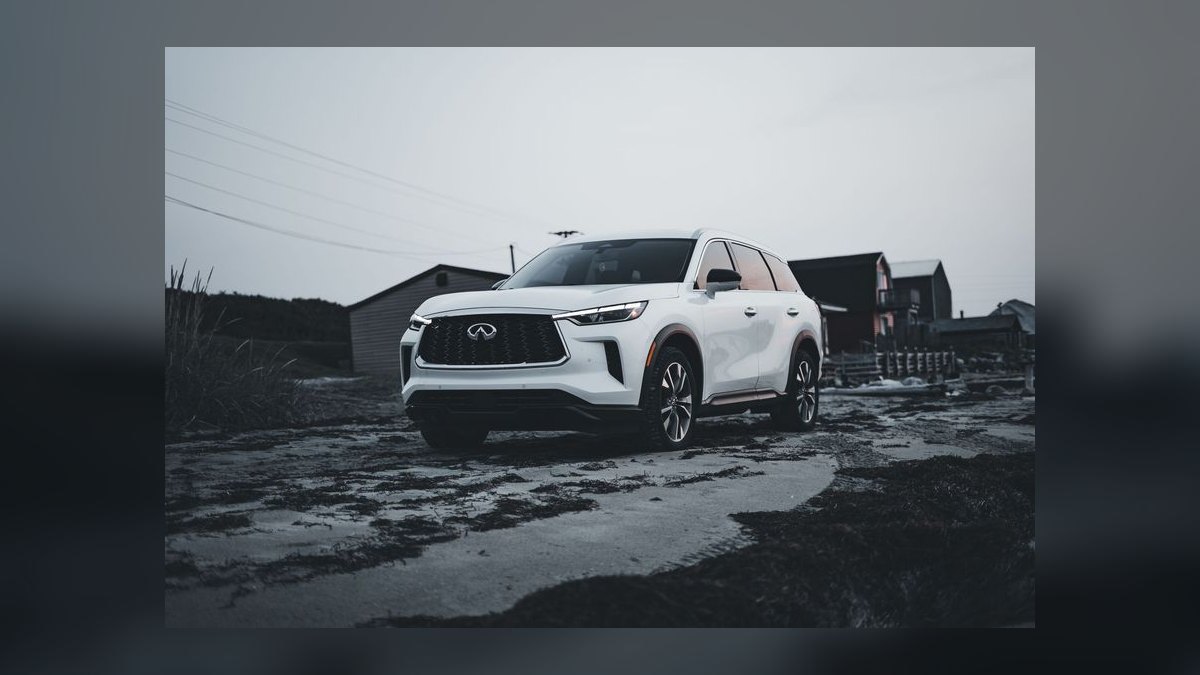
Under $25,000 in 2027, the most reliable used electric SUVs for Pacific Northwest families are the Hyundai Ioniq 5, Kia EV6, Ford Mustang Mach-E, Volkswagen ID.4, and Chevrolet Bolt EUV. Prioritize heat-pump-equipped trims, verify battery state of health, and expect roughly 20–30% winter range loss on Cascade passes.
A Portland family with $23,000 and two car seats
Picture the situation concretely, because it changes every recommendation that follows. A family of four lives in Beaverton, commutes 34 miles round-trip to a Portland office three days a week, drops kids at a school six miles the other direction, and makes a Mount Hood trip roughly twice a month between November and March. They rent a townhouse with a shared carport — no dedicated Level 2 charger yet, though the landlord has agreed to a 120V outlet. Their budget ceiling is $23,000 out the door, which after Oregon's zero sales tax but including title, registration, and a $180 pre-purchase inspection leaves about $22,300 for the vehicle itself.
That profile is unremarkable and it is exactly why it matters. It sits at the intersection of every constraint the Pacific Northwest imposes on used EV buying: moderate but real cold, significant elevation change, long rural gaps between fast chargers once you leave the I-5 corridor, and a housing situation where overnight Level 2 charging is not guaranteed. A family in Phoenix with a garage and a 240V outlet can buy almost any used EV and be fine. A family in the Northwest without home charging, driving over a 4,000-foot pass in December, cannot.
Run the daily numbers first. The commute plus school runs total roughly 40 miles on a heavy day, about 200 miles a week. On a 120V outlet delivering roughly 3–4 miles of range per hour, twelve overnight hours recovers 36–48 miles — enough for the weekday pattern with margin, which is the single most under-appreciated fact in used EV shopping. Level 1 charging is genuinely sufficient for a large fraction of American driving, and the Northwest's relatively short average commute distances make that more true here than in Texas or Georgia. The failure case is not the commute. It is the Hood trip.

Beaverton to Government Camp is about 58 miles each way with roughly 3,900 feet of net elevation gain. In 34°F weather with the cabin heater running, ski gear in the back, and four people aboard, a used EV rated at 240 miles EPA will realistically deliver 165–185 miles of usable range, and the climb itself consumes energy at roughly double the flat-highway rate. Regeneration recovers a meaningful share on the descent — often 15–25% of what the climb cost — but you cannot bank on it if the pass is chained up and you are crawling with the heat on full. The round trip is genuinely doable on a single charge in most of these vehicles, but with less margin than the EPA number suggests, and that margin is what the rest of this page is about.
Now widen the lens slightly, because the same arithmetic governs adjacent decisions. A Seattle family considering a Whistler run, a Spokane family crossing Snoqualmie eastbound in January, a Eugene family driving to Bend over Santiam Pass — these are structurally identical problems with different mileage. The framework transfers: identify your longest realistic winter trip, apply a cold-weather derate, check whether a fast charger exists at the midpoint, and buy the battery capacity that clears it. Everything else is preference.
How cold weather actually drains an EV battery
The mechanism is worth understanding because it determines which used vehicles are worth paying more for. Cold-weather range loss comes from three largely independent sources, and they stack.
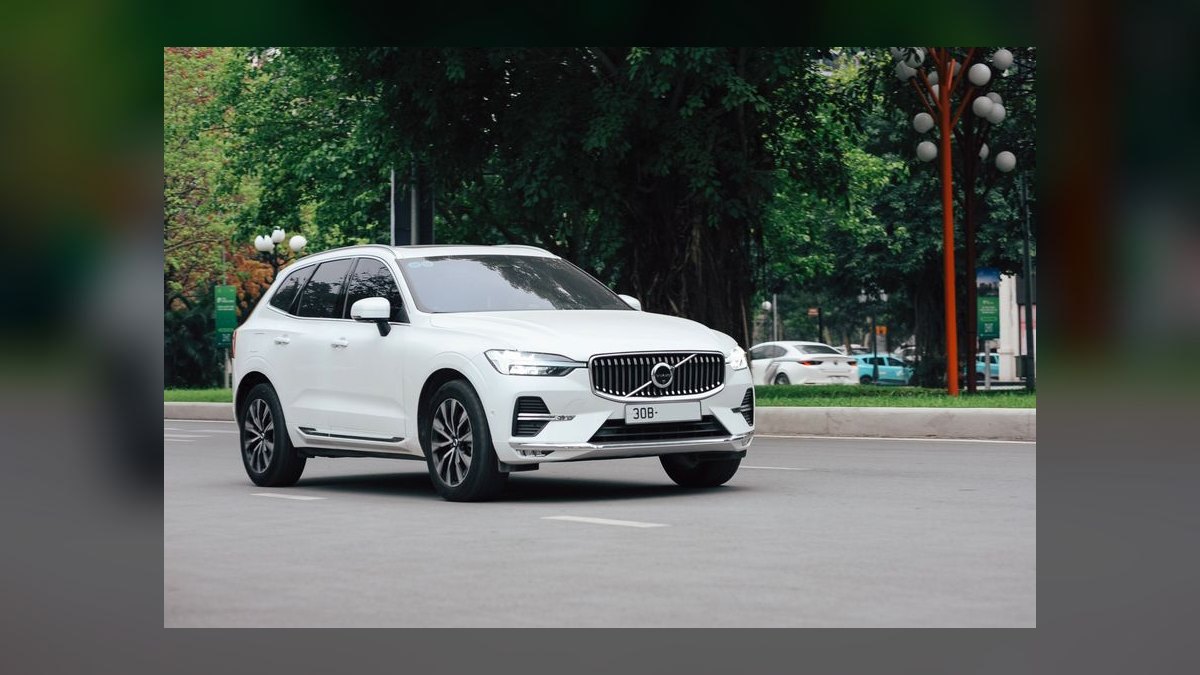
Cabin heating is the largest and most controllable. A resistive heater — the kind found in early EVs and in base trims of several models well into the 2020s — pulls 3 to 6 kilowatts to warm a cabin from freezing. On a 60 mph highway drive consuming roughly 20 kW, that is a 15–30% hit to range, sustained for the entire trip. A heat pump does the same job for roughly 1 to 2 kW in typical Northwest conditions, because it moves ambient heat rather than manufacturing it. The critical detail: heat pumps lose efficiency as temperatures drop, and most automotive units fall back to resistive assistance somewhere between 14°F and -4°F. In the Pacific Northwest west of the Cascades, where winter lows typically sit in the 30s and dip to the 20s, a heat pump operates in its efficient band nearly all winter. East of the mountains — Spokane, the Columbia Basin, the Methow — sub-10°F stretches are routine and the advantage narrows.
Battery chemistry slows in the cold. Lithium-ion cells have higher internal resistance at low temperature, which reduces both available capacity and the rate at which the pack can accept or deliver charge. This is why a cold pack shows fewer usable kilowatt-hours and why DC fast charging is dramatically slower until the pack warms. It is largely unavoidable, though preconditioning mitigates it.
Rolling and aerodynamic resistance rise. Cold, dense air increases drag. Tire pressure drops roughly 1 PSI per 10°F, raising rolling resistance. Winter tires, which many Northwest families run, add another few percent. Wet pavement — the defining Northwest road condition from October through May — adds measurable rolling loss on its own.
Preconditioning is the lever most owners underuse. Warming the cabin and the pack while still plugged in draws from the wall rather than the battery, and arriving at a fast charger with a warm pack can cut a charging stop from 45 minutes to 25. Several of the vehicles discussed here precondition automatically when you route to a fast charger in the built-in navigation — a feature that only works if you use the car's own nav rather than your phone, which is a real usability trade-off worth knowing before you buy.
One more mechanism deserves mention because it is specific to used vehicles: calendar and cycle degradation. A pack that has lost 8% of its original capacity has lost 8% of its winter range too, and the losses compound with the cold derate rather than replacing it. A 2021 vehicle rated at 250 miles, now at 92% health, driving in 32°F weather with a resistive heater, is realistically a 165-mile car. That is still plenty for the Beaverton commute and adequate for Hood with a charge at the base. It is not a Portland-to-Boise car in January without planning.
Real numbers: what these five actually cost and deliver
Here is where the sub-$25,000 2027 used market lands for the vehicles worth considering. Treat every price as a band, not a quote — condition, mileage, trim, and whether you are buying private-party or from a franchised dealer move these numbers by thousands.

Hyundai Ioniq 5. Model years 2022–2023 in mid-trim, typically 40,000–70,000 miles, land broadly in the low-to-mid $20,000s by 2027, with rear-drive long-range examples at the more attainable end and dual-motor AWD trims pushing the ceiling. EPA ratings run roughly 220–303 miles depending on drivetrain and wheel size. The standout feature for Northwest use is the 800-volt architecture: on a 350 kW charger, a warm pack can go from 10% to 80% in the neighborhood of 18–20 minutes. On a cold pack without preconditioning, expect that to stretch considerably. Heat pump availability varies by model year and trim — verify it on the specific car, do not assume. Interior space is genuinely excellent for families; the flat floor and sliding center console make the second row unusually livable for car seats.
Kia EV6. Mechanically the Ioniq 5's sibling on the same E-GMP platform, with the same 800V charging advantage and similar range figures — roughly 232–310 miles EPA depending on configuration. It typically trades slightly below the Ioniq 5 on the used market because of somewhat lower cargo volume and a more raked roofline that costs rear headroom. For a family hauling ski gear, that cargo difference is worth measuring in person rather than reading in a spec sheet. Same advice on the heat pump: confirm per-vehicle.
Ford Mustang Mach-E. 2021–2022 examples have depreciated hard, which makes them the value play in this group — standard-range rear-drive cars can dip well under $20,000 by 2027, with extended-range and AWD versions costing more. EPA ranges span roughly 211–314 miles across configurations. It charges on a 400V architecture, meaning peak DC rates in the 115–150 kW band rather than the E-GMP twins' 230 kW+, so pass-route stops run longer. Ford included a heat pump on many trims from 2021 forward and it works well in Northwest conditions. Real-world winter efficiency reports from owners in wet, cool climates have generally been favorable. The trade-off is a firmer ride and a lower roof than the Hyundai/Kia pair.
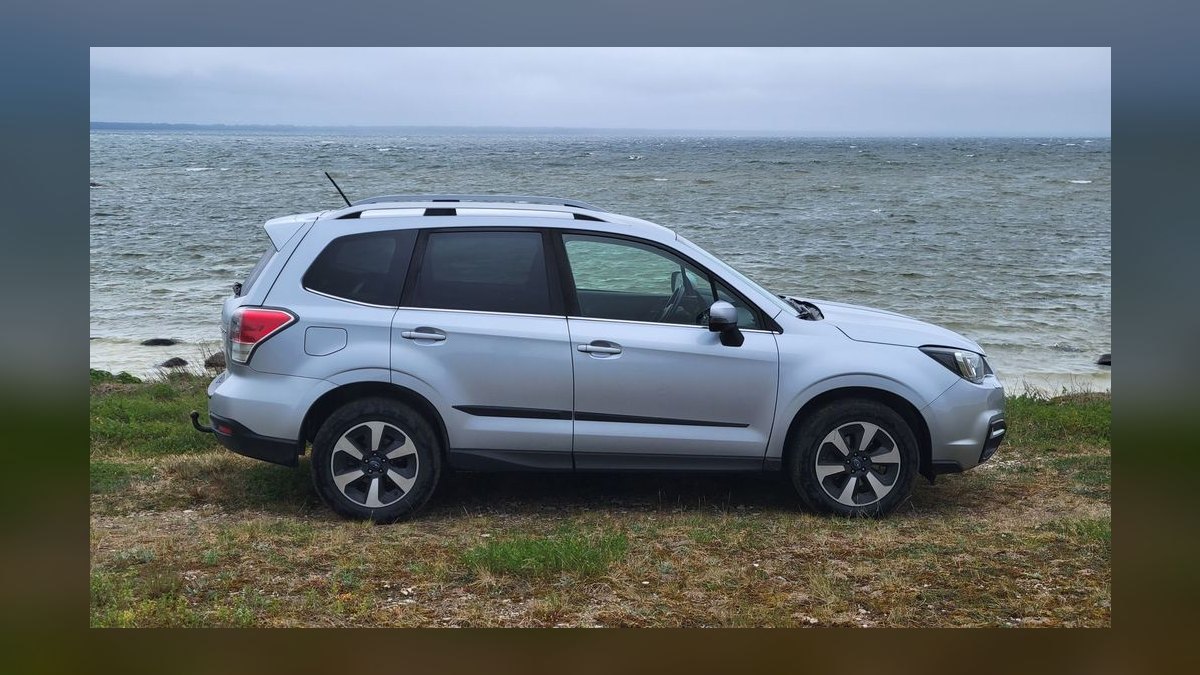
Volkswagen ID.4. Often the cheapest capable AWD option in the group by 2027, with 2021–2022 examples clustering in the high-teens to low-$20,000s. EPA range runs roughly 200–275 miles by configuration. Two caveats matter enormously for a used buyer. First, early cars shipped with genuinely troublesome infotainment software; VW issued major over-the-air and dealer-installed updates, and you want a car that has received them — verify at a dealer before purchase. Second, the AWD variant's rear-biased setup and available heat pump make it a strong snow vehicle, but heat pump availability again varies by year and trim.
Chevrolet Bolt EUV. The budget entry, frequently available well under $20,000 by 2027, with 247 miles EPA. Two things define it. The good: GM replaced the battery pack in a very large share of 2017–2022 Bolts under the recall program, meaning many used examples carry a battery that is years newer than the car with a fresh warranty period — verify the replacement was performed via VIN with a Chevrolet dealer, because this single check can be worth thousands. The bad: DC fast charging peaks around 55 kW, which is slow. A 10–80% stop can run 45–60 minutes, and in the cold, longer. For a family whose driving is 95% local with occasional long trips, that is an acceptable trade for the price. For frequent I-5 corridor runs to Seattle or Eugene, it is genuinely painful.
Apply the winter derate to all of these. A useful planning rule for west-of-Cascades conditions: multiply EPA range by 0.75 for a heat-pump car in 35°F weather, and by 0.65 for a resistive-heat car, then subtract another 5–10% for a pack at 90% state of health. That gives you a conservative number you can actually plan a Hood or Snoqualmie trip around. For the elevation-gain portion specifically, budget roughly 2–3 miles of range consumed per 100 feet climbed beyond the flat-road cost, and expect to recover a meaningful but unpredictable fraction on the way down.
Battery state of health is the number that separates a good used EV from a bad one, and it is not printed on the window sticker. Several of these vehicles expose it through the car's own service menus; independent tools like the OBD-II dongle plus a compatible app can read pack capacity on most of them. A dealer can pull it from the service computer. Insist on a state-of-health reading before purchase the way you would insist on a compression test on a used gas engine — it is the equivalent diagnostic. Federal law requires EV traction battery warranties of at least 8 years or 100,000 miles, so a 2022 vehicle bought in 2027 typically retains three or more years of pack coverage. Confirm that the warranty transfers to a second owner; most do, but read the specific terms.
Trade-offs: charging infrastructure and where the Northwest gets thin
The Pacific Northwest has a genuinely good fast-charging spine and genuinely bad ribs. Understanding which is which should shape your purchase more than any range number.
The West Coast Electric Highway and the subsequent buildout along I-5 mean the Portland–Seattle–Vancouver corridor is well served. Electrify America, EVgo, and Tesla Supercharger sites — many now open to non-Tesla vehicles via the NACS transition and CCS adapters — cluster densely along that route. I-84 east from Portland through the Gorge is reasonable. I-90 over Snoqualmie has coverage, though winter demand at pass-adjacent sites spikes hard on ski weekends and a queue behind three cars at a 50 kW charger is a genuinely bad afternoon.
Where it thins: the Olympic Peninsula, the central Oregon coast between the larger towns, the Cascade crest away from the interstate corridors, southeastern Oregon broadly, and the rural stretches of eastern Washington off I-90. These are not charging deserts in the absolute sense — there is usually something — but the density drops to where a single broken or occupied charger changes your day. This is precisely the case for buying more range than you think you need and for weighting charging speed heavily.
The NACS transition adds a wrinkle specific to used buyers in 2027. Vehicles built before the changeover use CCS ports; the Supercharger network's opening to CCS vehicles happens through adapters, and adapter availability, cost, and per-vehicle compatibility vary. Before buying, check that your specific model and year has a supported adapter path to Supercharging, because the Supercharger network's reliability advantage over some CCS operators is real and worth having access to.
The trade-off matrix is not complicated once you see it. Fast charging speed buys you freedom from planning; total range buys you freedom from charging at all; a heat pump buys you winter range cheaply; and price buys you the ability to absorb a surprise. You cannot maximize all four under $25,000. The Ioniq 5 and EV6 maximize charging speed and are the right answer for families who cross passes often. The Mach-E extended range and ID.4 AWD maximize range-per-dollar and suit families whose long trips are occasional. The Bolt EUV maximizes budget headroom and suits families whose driving is overwhelmingly local.
Worth considering alongside the pure-EV options: a used plug-in hybrid SUV covers the same commute electrically while removing pass anxiety entirely, at the cost of maintaining a combustion drivetrain. For a family with exactly one vehicle and no home charging, that is not a compromise — it is often the correct answer. Similarly, a household with two cars can put a shorter-range EV in the daily-driver slot and keep a gas vehicle for Hood and Whistler, which unlocks the cheapest end of the used EV market without any of the range concerns. Do not let EV purism cost you thousands.
Pitfalls that cost Northwest buyers real money
Buying on EPA range without a state-of-health check. The most expensive mistake in used EV buying. A 2022 car advertised at "303 miles EPA" might be a 250-mile car today and a 175-mile car in February. Get the number. If the seller will not permit a diagnostic read, walk — there is no legitimate reason to refuse.
Assuming a heat pump is present. Heat pump availability moved around by model year, trim, and package across nearly every manufacturer in this group. It is the single highest-value winter feature per dollar and it is genuinely hard to confirm from a listing. Check the build sheet by VIN, ask the dealer's service department, or look for the physical equipment. Getting this wrong costs you 10–20% of winter range for the life of the car.
Overlooking the Bolt battery recall status. A 2020 Bolt EUV with an original pack and one with a 2022-replacement pack are different vehicles at the same price. Run the VIN through Chevrolet's recall lookup and confirm the replacement was completed. This check takes five minutes and can be worth several thousand dollars.
Ignoring the home charging question until after purchase. Installing a 240V circuit runs from a few hundred dollars for a short run to a modern panel, up to several thousand if the panel needs upgrading or the run is long — and older Northwest housing stock frequently has 100-amp service that cannot easily accept a 40-amp EVSE circuit. Get an electrician's estimate before you commit to the car, not after. Renters should confirm landlord permission in writing. Both Oregon and Washington have offered utility and state-level incentives for charger installation at various points; check with your specific utility, since programs change and eligibility varies.
Underestimating tire cost. EVs are heavy and torquey, and they eat tires. A set of four for these vehicles typically runs $800–$1,400 installed, and Northwest families often want a second set of winter tires on top of that. Budget it. Also inspect tread depth carefully at purchase — a car needing tires immediately is effectively $1,000 more expensive than its sticker.
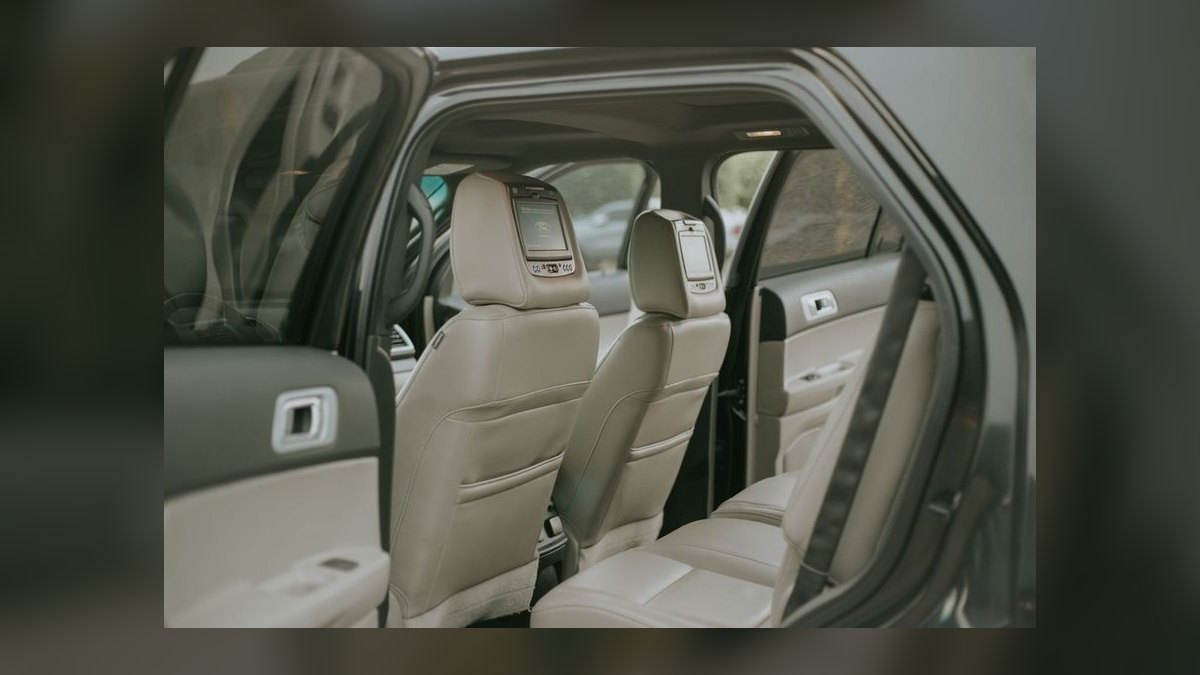
Skipping the pre-purchase inspection because "EVs have no engine." They have suspension, brakes, cooling systems for the pack and power electronics, 12-volt batteries that strand cars constantly, and body damage histories. A $150–$250 inspection at a shop that has actually worked on EVs is cheap insurance. Find one that has — not every independent shop has EV experience, though the Portland and Seattle metros both have a reasonable number that do.
Not testing DC fast charging before purchase. Take the car to a fast charger during the test drive. Confirm it initiates a session, confirm the rate climbs to something reasonable for the model, and confirm the charge port door and latch work. A damaged charge port is not obvious in a parking lot and is expensive to fix.
Buying out of state without checking corrosion and history. Vehicles from salt-belt states carry underbody corrosion that Northwest cars generally do not. Conversely, a Northwest car has lived in constant moisture — check for water intrusion in the trunk well and under carpets, and verify that any flood branding is absent from the title.
Related questions
Does a heat pump really matter west of the Cascades?
Yes. Western Washington and Oregon winters sit mostly in the 30s and low 40s — squarely in the range where a heat pump operates at peak advantage. Expect roughly 10–20% better winter range than an equivalent resistive-heat car, sustained across the whole season.
Can I make a sub-$20,000 EV work for a family here?
Often yes, especially as a second vehicle or with home Level 2 charging. A Bolt EUV or standard-range Mach-E covers typical Northwest commutes easily. The constraint is long trips over passes, which slower charging makes tedious rather than impossible.
How much does elevation gain actually cost in range?
Budget roughly 2–3 miles of range per 100 feet climbed above flat-road consumption. A 4,000-foot climb costs meaningfully more than the same distance flat, though descent regeneration typically returns 15–25% of it depending on grade and traffic.
Is battery warranty transferable to a second owner?
Federal minimums require 8 years or 100,000 miles of traction battery coverage, and most manufacturers' EV battery warranties do transfer. Terms vary by brand — confirm the specific policy and remaining coverage by VIN before purchase.
Should I wait for prices to fall further?
Used EV prices have already absorbed steep depreciation. Waiting trades a possible small price improvement against losing remaining battery warranty coverage on the car you would have bought — often a net loss.
FAQ
What is the single most reliable used electric SUV under $25,000 for a Pacific Northwest family?
The Hyundai Ioniq 5 is the strongest all-around pick when a heat-pump-equipped example is available in budget. It combines genuine family-sized interior space, 800-volt fast charging that makes pass-route stops brief, and a solid reliability record for the powertrain. The Kia EV6 is functionally the same recommendation with slightly less cargo room and often a slightly lower price. If budget forces a compromise, a Mustang Mach-E extended range delivers more range per dollar at the cost of slower charging.
How much winter range should I actually plan around?
Take the EPA figure, multiply by 0.75 for a heat-pump vehicle in typical 35°F western-Washington or western-Oregon conditions, or 0.65 for a resistive-heat vehicle, then subtract another 5–10% for battery degradation on a car with 50,000-plus miles. That conservative number is what you plan trips against. East of the Cascades, where sub-20°F stretches are common, derate further.
Can I live with only a 120-volt outlet at home?
For many Northwest households, yes. A standard 120V outlet recovers roughly 3–4 miles of range per hour, or 36–48 miles overnight, which covers the majority of daily commuting patterns in the region. The constraint appears on back-to-back long days and on weekends with heavy driving, where you will need a public Level 2 or DC session to catch up. Level 2 at home is a large quality-of-life improvement, not a requirement.
How do I verify a used EV's battery health before buying?
Ask the selling dealer's service department to pull a state-of-health reading from the vehicle's diagnostic system, or use an OBD-II dongle with an app that supports the specific model. Compare the reported usable capacity against the original spec. A car retaining 90% or more at four to five years old is in good shape; below roughly 85%, price the shortfall in or move on.
Is charging infrastructure adequate for regular trips over Cascade passes?
Along I-5, I-90, and I-84 the coverage is genuinely good. Away from those corridors — the Olympic Peninsula, southeastern Oregon, the rural Cascades — density drops sharply, and pass-adjacent chargers see heavy queuing on winter weekends. Buy more range and faster charging than you think you need if these trips are routine, and always check charger status in a live app before departing.
Should I consider a plug-in hybrid instead?
If it is your household's only vehicle, you have no home Level 2 charging, and you regularly drive beyond the well-served corridors, a used plug-in hybrid SUV is a legitimate answer. It handles the daily commute on electricity and removes winter range planning entirely, at the cost of continued combustion maintenance. Families with a second gas vehicle should generally buy the EV and skip the compromise.
Sources
- EPA Fuel Economy — EV Range and Efficiency Data
- U.S. Department of Energy Alternative Fuels Data Center — Charging Station Locator
- Consumer Reports — Used Cars
- Kelley Blue Book
- Edmunds
- NHTSA Recalls Lookup
- IIHS Vehicle Ratings
- Car and Driver
- Washington State Department of Commerce — Electric Vehicles
- Oregon Department of Energy — Electric Vehicles
Related on PULSE
- [Best Used Electric Cars Under $25,000 in 2027 (Ranked)](/knowledge/ca0791)
- [Best Used Hybrid SUVs Under $25,000 in 2027 (Ranked)](/knowledge/ca0937)
- [Best Used Mid-Size SUVs Under $25,000 in 2027 (Ranked)](/knowledge/ca0938)
- [Best Used Subcompact SUVs Under $25,000 in 2027 (Ranked)](/knowledge/ca0939)
- [Best Used Off-Road SUVs Under $25,000 in 2027 (Ranked)](/knowledge/ca0801)
- [Best Used Full-Size SUVs Under $25,000 in 2027 (Ranked)](/knowledge/ca0798)
This page will be disappearing soon. Save it to your device for $1 — or read it free while it is here.
@Kory-White- · if Venmo asks, the last 4 of my number are 2012
 pulse-carsBest Lexus UX Model Years (Ranked) in 2027
 pulse-carsTop 10 Sports Cars 2027 — Best Overall + Best Value
 pulse-carsBest Audi A3 Model Years (Ranked) in 2027
 pulse-carsTop 10 Luxury EVs 2027 — Best Overall + Best Value
 pulse-carsTop 10 Mid-Size Sedans 2027 — Best Overall + Best Value
 pulse-carsBest Used AWD Cars Under $20,000 in 2027 (Ranked)
 pulse-carsTop 10 Compact Cars 2027 — Best Overall + Best Value
 pulse-carsBest Audi TT Model Years (Ranked) in 2027
 pulse-carsBest Ford Escape Model Years (Ranked) in 2027
 pulse-carsBest Used Off-Road SUVs Under $30,000 in 2027 (Ranked)