
Best Used Subcompact SUVs Under $25,000 for Fuel Economy in the Pacific Northwest (2027)
 Curated byKory White · Fractional CRO · Maryland
 PULSEKNOWLEDGE LIBRARY
Quality
Certified

For daily Pacific Northwest commuting under $25,000, hybrid subcompact and small crossovers deliver the best real-world fuel economy — a used Toyota RAV4 Hybrid, Honda CR-V Hybrid, or Kia Niro typically returns 35–40 mpg combined, while non-hybrid options like the Mazda CX-5 or Subaru Crosstrek land near 26–30 mpg. Verify EPA figures at fueleconomy.gov before committing.
The outcome you should expect
Set your expectations against the specific conditions of a Northwest commute, because those conditions change which vehicle wins. A drive from Tacoma to Seattle, Beaverton to downtown Portland, or Everett to Bellevue is not a steady-state highway run. It is 25 to 45 minutes of stop-and-go on I-5, I-405, or Highway 217, punctuated by long idles, short bursts to 60 mph, and then another wall of brake lights. Mild temperatures year-round mean you rarely pay the winter cold-start penalty that hammers fuel economy in Minnesota or Buffalo, and you rarely run air conditioning at full load the way a Phoenix commuter does. That combination — heavy low-speed traffic, moderate ambient temperatures, and modest elevation change west of the Cascades — is close to the ideal operating envelope for a hybrid powertrain.
The practical consequence is that a used hybrid subcompact or small crossover will beat its own EPA highway number in Seattle traffic, while a conventional gasoline SUV will fall short of its EPA city number. That inversion is the single most important thing to understand before shopping. A conventional 2.0-liter or 2.5-liter crossover rated at 26 mpg city will realistically return 21 to 24 mpg on a congested I-5 commute, because every stop wastes the kinetic energy you just paid for. A hybrid rated at 40 mpg city will often deliver 36 to 42 mpg on the same route, because regenerative braking recaptures a meaningful share of that energy and the engine shuts off entirely at stops.
Translate that into dollars. A 20-mile each-way commute is roughly 10,000 commuting miles per year on a five-day schedule, before errands. At 24 mpg you burn about 417 gallons; at 38 mpg you burn about 263 gallons. That 154-gallon gap, at Washington and Oregon pump prices that have consistently run above the national average, is real money every single year — and it compounds over the five to eight years most used-car buyers keep a vehicle. Washington's fuel tax structure and the state's Climate Commitment Act cost pass-through have kept regional prices among the highest in the continental United States outside California, which widens the gap further than the same comparison would in Texas or Missouri.
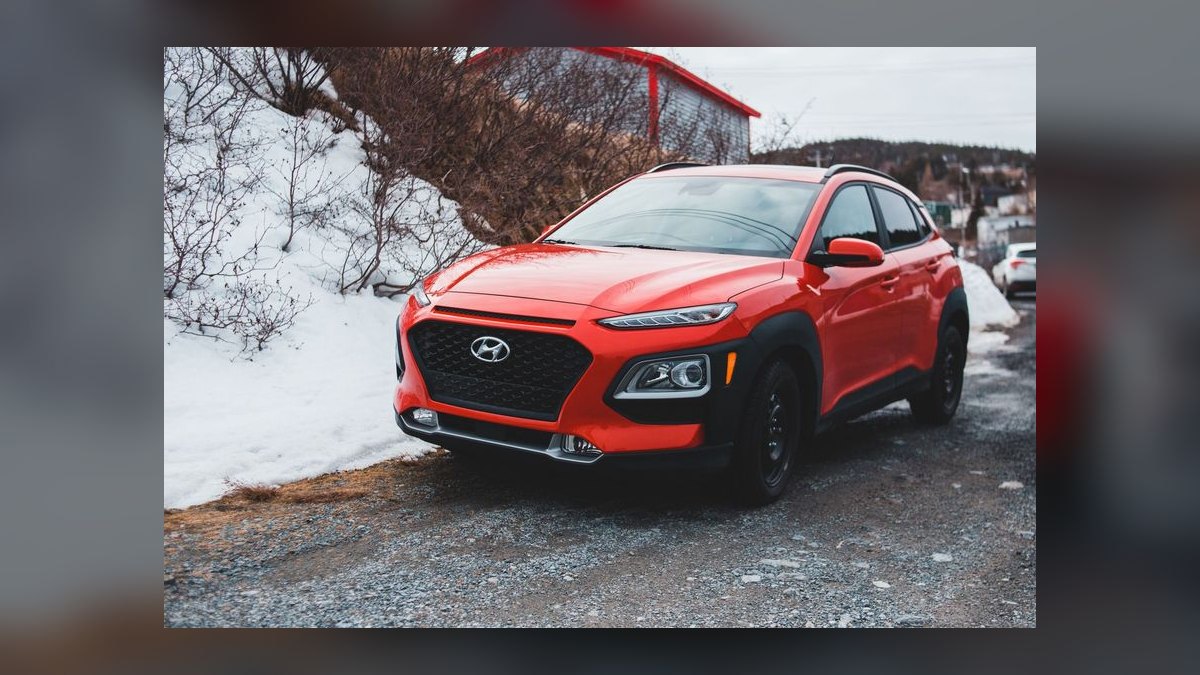
Expect, then, a clear hierarchy. Best-in-class for this use case: a used hybrid crossover or hybrid hatchback with a proven traction battery. Strong second tier: a small-displacement conventional crossover with a well-sorted automatic. Distant third: an all-wheel-drive body-on-frame or older V6 SUV, which will cost you 30 to 40 percent more fuel for capability you will use twice a year on a Snoqualmie Pass ski trip.
What drives that outcome
Three mechanisms explain almost all of the variance in Pacific Northwest commuting fuel economy, and each one points toward a specific shopping decision.
Regenerative braking recovery. In stop-and-go traffic, a conventional vehicle converts every deceleration into brake-pad heat and throws it away. A hybrid converts a portion — typically a meaningful fraction, though never all of it, because friction brakes still handle hard stops — back into battery charge. The denser the traffic, the larger the advantage. This is why hybrids uniquely post higher EPA city ratings than highway ratings, an inversion that holds for the RAV4 Hybrid, CR-V Hybrid, Niro, and Corolla Cross Hybrid alike. If your commute is genuinely congested, you are in the exact scenario the technology was designed for.

Engine-off idle time. Sitting still burns fuel in a conventional car and burns nothing in a hybrid with the engine stopped. A commuter who spends 8 to 12 minutes of a 40-minute drive at a dead stop — not unusual on the I-5 corridor through Seattle or on the Banfield in Portland — is spending roughly a quarter of the trip in a state where the hybrid consumes zero gasoline. Some conventional vehicles from roughly the mid-2010s onward include auto stop-start, which captures part of this benefit; check whether the specific vehicle has it and whether previous owners disabled it, since many drivers do.
Drivetrain and mass penalty. All-wheel drive costs fuel economy through added mass and parasitic driveline loss — the exact penalty varies by system and model year, but it is consistently a negative, not a wash. The relevant question for a Northwest buyer is whether you actually need it. West of the Cascades, in Seattle, Portland, Tacoma, Olympia, Vancouver, Salem, and Eugene, snow events are infrequent and usually brief. Good all-season or dedicated winter tires on a front-wheel-drive vehicle handle nearly everything the Willamette Valley or Puget Sound lowlands produce. East of the mountains — Spokane, Yakima, the Tri-Cities — or for anyone who regularly crosses a pass in winter, the calculus flips and AWD earns its fuel penalty.

There is a fourth factor that matters less mechanically but a great deal financially: the used-market premium on hybrids. Because everyone else has also noticed that hybrids save fuel, a used hybrid commands a higher asking price than an otherwise-identical conventional version of the same model. Your job as a buyer is to check whether the fuel savings recover that premium inside your ownership horizon. Often they do on a long commute; sometimes they do not on a short one. Run the arithmetic rather than assuming.
Benchmarks and realistic ranges
Treat every number below as a starting point to verify, not a quote. Used pricing moves with mileage, trim, region, condition, and the month you shop. The authoritative source for EPA figures is fueleconomy.gov, which lets you enter a specific year, make, model, and drivetrain — always confirm there before you commit, because ratings differ between FWD and AWD versions of the same nameplate and the EPA revised its testing methodology in ways that make cross-generation comparisons tricky.
Hybrid crossovers — the top tier. The Toyota RAV4 Hybrid has been the reference point since it launched, with EPA combined ratings in the high 30s and standard all-wheel drive via a rear electric motor, which is unusual and valuable: you get AWD traction without the conventional driveline penalty. The Honda CR-V Hybrid occupies similar territory with a different two-motor architecture. The Kia Niro, technically a hybrid hatchback rather than an SUV, posts among the highest combined ratings of anything in this shape and is often cheaper on the used market because it lacks the RAV4 badge premium. The Hyundai Kona Hybrid, Toyota Corolla Cross Hybrid, and Ford Escape Hybrid round out the field. Note that model-year availability determines what actually falls under $25,000 — older, higher-mileage examples of the desirable hybrids will fit the budget more readily than recent low-mileage ones.

Efficient conventional subcompact and small crossovers — the second tier. The Mazda CX-30 and CX-5, Honda HR-V, Toyota C-HR, Subaru Crosstrek, Hyundai Kona, Kia Seltos, and Nissan Kicks all live in roughly the high-20s to low-30s EPA combined range depending on drivetrain and model year. The Nissan Kicks deserves specific mention for Northwest commuters: it is front-wheel drive only, light, and small-displacement, which makes it one of the more efficient non-hybrids in the class — and the FWD-only configuration that disqualifies it for a Spokane buyer is irrelevant for a Portland one. The Crosstrek is the opposite trade: standard AWD, genuine capability on a forest-service road, and a fuel-economy figure that reflects both.
What to expect in the real world. Assume you will land 8 to 15 percent below the EPA combined figure on a congested commute in a conventional vehicle, and roughly at or slightly above the EPA combined figure in a hybrid, because the drive cycle favors it. Cold, wet Northwest mornings do impose a modest penalty — the engine takes longer to reach operating temperature and wet pavement increases rolling resistance — but far less than a genuine cold-climate winter.
Mileage and price bands. Under $25,000 in the used market you are generally looking at vehicles with meaningful mileage on them. Budget $150 to $250 for an independent pre-purchase inspection regardless of what the seller says, and hold back $500 to $1,000 for tires, brakes, and deferred maintenance on any higher-mileage example. Tires matter more than usual here: Northwest rain makes tread depth a safety item, not a cosmetic one, and worn tires also cost you fuel economy through increased rolling resistance and slip.

Adjacent option worth pricing. If your commute is short enough and you have home charging, a used plug-in hybrid or a used battery-electric vehicle changes the math entirely, because the Northwest grid is heavily hydroelectric and regional electricity rates are among the lowest in the country. A used Toyota Prius Prime, Kia Niro PHEV, or Ford Escape PHEV can cover a typical one-way commute on battery alone and burn gasoline only on longer trips. That is outside the strict "subcompact SUV" framing of the question, but it is the single most effective way to cut per-mile commuting cost in this region, and any honest answer should put it on the table.
Risks, edge cases, and failure modes
Traction battery age and condition. This is the number one risk in a used hybrid and the one most buyers under-investigate. Hybrid battery packs degrade gradually; a pack in poor health reduces electric assist, which erodes exactly the fuel-economy advantage you paid a premium for. Ask for a hybrid-system health check from a shop that has the right diagnostic tooling — a general independent mechanic may not. Toyota and Honda have both extended hybrid-component warranty coverage on various model years, and coverage sometimes transfers to subsequent owners, so verify the specific vehicle's remaining coverage by VIN with a franchise dealer rather than trusting a listing.
Rust is a smaller risk here than you have been told, but not zero. The Northwest does not salt roads the way the Midwest and Northeast do, which is a genuine advantage when buying used locally. The failure mode is the imported car: a vehicle that spent its first six years in Ohio or Ontario and was shipped west. Run the history report specifically to see where the car has been registered, and inspect the underbody, subframe, brake lines, and rear suspension mounting points on anything with an out-of-region history.

Flood and water-intrusion history. Persistent rain is not flood damage, but the Northwest does see localized flooding, and the national used-car market moves flood vehicles across state lines aggressively after major storms elsewhere. Check for musty odors, silt lines under carpet and in the spare-tire well, corrosion on unpainted metal under the seats, and connectors that look freshly cleaned.
Buying more capability than you need. The most common and most expensive error for a Northwest commuter is buying a larger AWD SUV "for the mountains" and then commuting in it 240 days a year. You pay the fuel penalty daily for capability you use on a handful of weekends. If ski trips or trailhead access genuinely matter, price a set of dedicated winter tires on an efficient vehicle first — that combination handles far more than most drivers expect and costs a fraction of what the AWD fuel penalty runs over five years.
Continuously variable transmissions. Several efficient small crossovers in this class use CVTs, which help fuel economy but have model-specific reliability histories. Research the exact model year, check for fluid-service records, and treat any shudder, drone under load, or slipping on the test drive as a walk-away signal rather than a negotiating point.

Assuming the sticker mpg is your mpg. Window-sticker and EPA numbers come from a standardized test cycle, not from your route. Your driving style, tire pressure, roof racks, cargo weight, and how aggressively you accelerate all move the number. A roof box alone can cost a noticeable chunk of highway economy — a relevant detail in a region where a lot of people carry bikes, skis, and kayaks.
Title branding and salvage. Walk away from salvage, rebuilt, or lemon-branded titles unless you are deliberately shopping project vehicles and have the skills to evaluate the repair. The discount is never as large as the risk.
Total cost is not fuel cost. Washington and Oregon registration, insurance, and — in Washington — sales tax at purchase all vary. Some states have applied additional registration fees to electrified vehicles to offset lost fuel-tax revenue; check current rules for the specific vehicle type in your state before assuming the fuel savings flow straight to your pocket.

A practical rollout plan
Work the problem in a fixed order. Buying a used vehicle rewards discipline and punishes enthusiasm.
Step one — measure your actual commute. Log a full week: total miles, minutes, and roughly how much of it is below 25 mph. If more than a third of your drive time is congested crawl, hybrid economics are strong. If your commute is a 35-mile mostly-free-flowing run down I-5 south of Olympia, the hybrid advantage narrows and an efficient conventional crossover may win once you account for the used-market hybrid premium.

Step two — decide the AWD question honestly. Count the days last year you genuinely could not have made the trip in a front-wheel-drive car on good tires. For most Puget Sound and Willamette Valley commuters the number is very small. If it is large — or if you live east of the Cascades, in the Columbia Gorge, or above the snow line — accept the fuel penalty and shop AWD. The RAV4 Hybrid's electric rear axle is the one configuration that gives you both.
Step three — build a shortlist of three to five specific year-and-trim combinations, and look up each one's exact EPA rating on fueleconomy.gov. Do not shortlist by nameplate alone; drivetrain and model year change the numbers materially.
Step four — price them against real listings on the major used-car marketplaces, and check valuation ranges on Kelley Blue Book and Edmunds so you know what a fair number looks like before you are standing on a lot.

Step five — run the payback math. Annual gallons saved times local price per gallon, against the price premium you are paying for the more efficient vehicle. If the payback lands inside your intended ownership period, the efficient choice is also the cheap choice.
Step six — inspect before you buy, every time. An independent pre-purchase inspection, plus a hybrid-battery health check if applicable, plus a vehicle history report. No exceptions, no matter how clean the car looks or how much the seller insists.
Step seven — protect the economy you bought. Keep tires at the door-placard pressure, remove roof racks and boxes when you are not using them, and stay on the maintenance schedule. Under-inflated tires and a permanently mounted cargo box can quietly erase a meaningful share of the advantage you spent extra money to get.
Related questions
Does all-wheel drive really matter for a Seattle or Portland commute?
For most lowland commuters, no. Snow events west of the Cascades are infrequent and short. A front-wheel-drive vehicle on quality all-season or winter tires handles typical conditions. AWD earns its fuel penalty for pass crossings, mountain access, or living east of the Cascades.
Is a used hybrid battery a dealbreaker on an older vehicle?
Not automatically, but it requires diagnosis. Get a hybrid-system health check from a shop with proper tooling, and verify remaining manufacturer hybrid-component coverage by VIN. A degraded pack erodes the fuel-economy advantage you paid a premium for.
Would a used EV beat a hybrid for Northwest commuting costs?
Often yes, if you have home charging and your daily range fits comfortably. Regional electricity is inexpensive and largely hydroelectric. The trade-offs are battery degradation on older models, public charging availability, and any state fees applied to electrified vehicles.
How much below the EPA rating should I expect in real traffic?
Conventional vehicles typically land 8 to 15 percent under their EPA combined figure on a congested commute. Hybrids often meet or slightly exceed theirs, because heavy stop-and-go is the drive cycle their regenerative systems are built to exploit.
Do winter tires hurt fuel economy enough to matter?
Slightly — softer compounds increase rolling resistance. The penalty is modest and seasonal, and it is a far cheaper way to gain traction than paying an all-wheel-drive fuel penalty every day of the year. Swap back to all-seasons in spring.
FAQ
What is the single best used vehicle under $25,000 for Pacific Northwest commuting fuel economy?
A used hybrid crossover — the Toyota RAV4 Hybrid, Honda CR-V Hybrid, or Kia Niro — is the strongest general answer, because heavy stop-and-go traffic and mild temperatures make this region close to ideal for hybrid powertrains. Which specific model year fits your budget depends on mileage and local market conditions, so confirm the exact EPA rating on fueleconomy.gov and price real listings before deciding.
How do I confirm a vehicle's actual fuel economy rating?
Use fueleconomy.gov, the EPA's official database. Enter the exact year, make, model, and drivetrain — front-wheel-drive and all-wheel-drive versions of the same nameplate carry different ratings, and figures change across generations. Never rely on a dealer listing or a magazine summary for the number you are basing a purchase decision on.
Is it worth paying more for a hybrid if my commute is short?
Frequently not. The hybrid premium on the used market is recovered through fuel savings over miles driven. A 6-mile each-way commute may not generate enough annual gallons saved to justify the premium inside a typical ownership period. Run the arithmetic with your real mileage before assuming the efficient choice is the cheap choice.
What should I inspect specifically on a used car sold in the Pacific Northwest?
Because the region salts roads far less than the Midwest or Northeast, locally-registered cars tend to show less structural rust — so the priority is verifying the car has actually lived here. Check the history report for out-of-region registration, and inspect for water intrusion: musty odors, silt in the spare-tire well, and corrosion on unpainted metal under the seats.
Do I need all-wheel drive to get over Snoqualmie or Santiam Pass in winter?
Not necessarily, but you do need appropriate tires and to respect posted traction requirements, which state transportation departments enforce during winter conditions and which sometimes mandate chains regardless of drivetrain. Check the Washington and Oregon DOT pass reports before traveling, and carry chains when required.
How much should I budget beyond the purchase price?
Plan for sales tax and registration in your state, a $150 to $250 pre-purchase inspection, a hybrid-battery health check if applicable, and a $500 to $1,000 reserve for tires and brakes on any higher-mileage vehicle. Tires deserve particular attention in a wet climate, where tread depth is a safety item rather than a cosmetic one.
Sources
- EPA Fuel Economy Database
- Kelley Blue Book
- Edmunds
- Consumer Reports — Used Cars
- IIHS Vehicle Ratings
- NHTSA Vehicle Safety
- U.S. Energy Information Administration — Gasoline Prices
- Washington State Department of Transportation
- Oregon Department of Transportation — TripCheck
- U.S. News Best Cars
Related on PULSE
- [Best Used Subcompact SUVs Under $20,000 in 2027 (Ranked)](/knowledge/ca0935)
- [Best Used Subcompact SUVs Under $30,000 in 2027 (Ranked)](/knowledge/ca0943)
- [Best Used Subcompact SUVs Under $15,000 in 2027 (Ranked)](/knowledge/ca0931)
- [Best Used Subcompact SUVs Under $35,000 in 2027 (Ranked)](/knowledge/ca0967)
- [Best Used Subcompact SUVs Under $40,000 in 2027 (Ranked)](/knowledge/ca0971)
- [Best Used Subcompact SUVs Under $10,000 in 2027 (Ranked)](/knowledge/ca0927)
This page will be disappearing soon. Save it to your device for $1 — or read it free while it is here.
@Kory-White- · if Venmo asks, the last 4 of my number are 2012
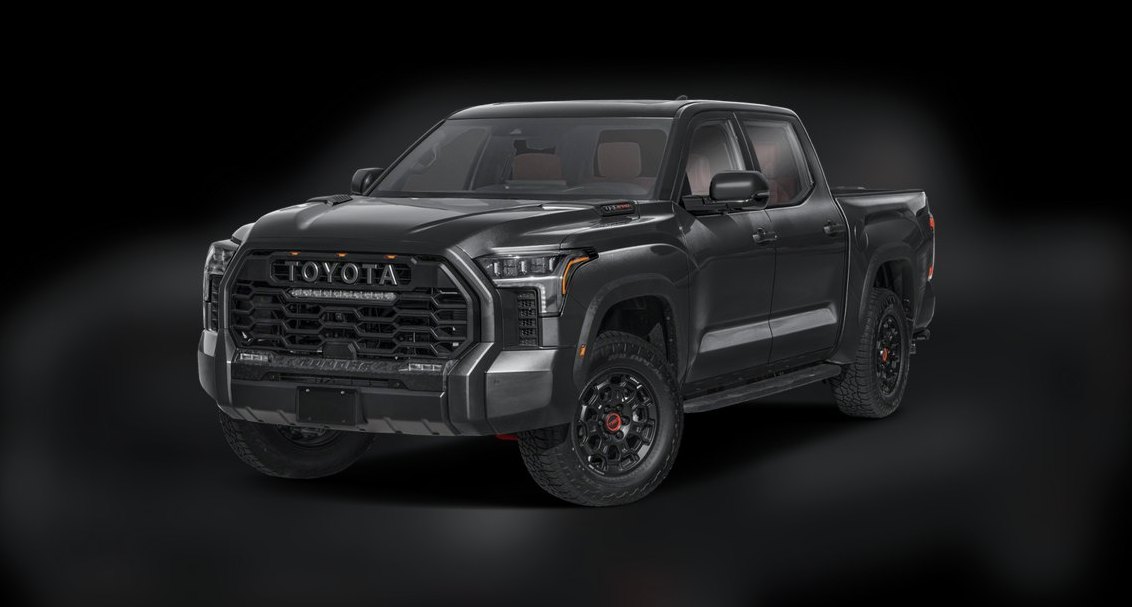 pulse-carsTop 10 Hybrid Trucks 2027 — Best Overall + Best Value
 pulse-carsBest Used Wagons Under $40,000 in 2027 (Ranked)
 pulse-carsBest Used Off-Road SUVs Under $30,000 in 2027 (Ranked)
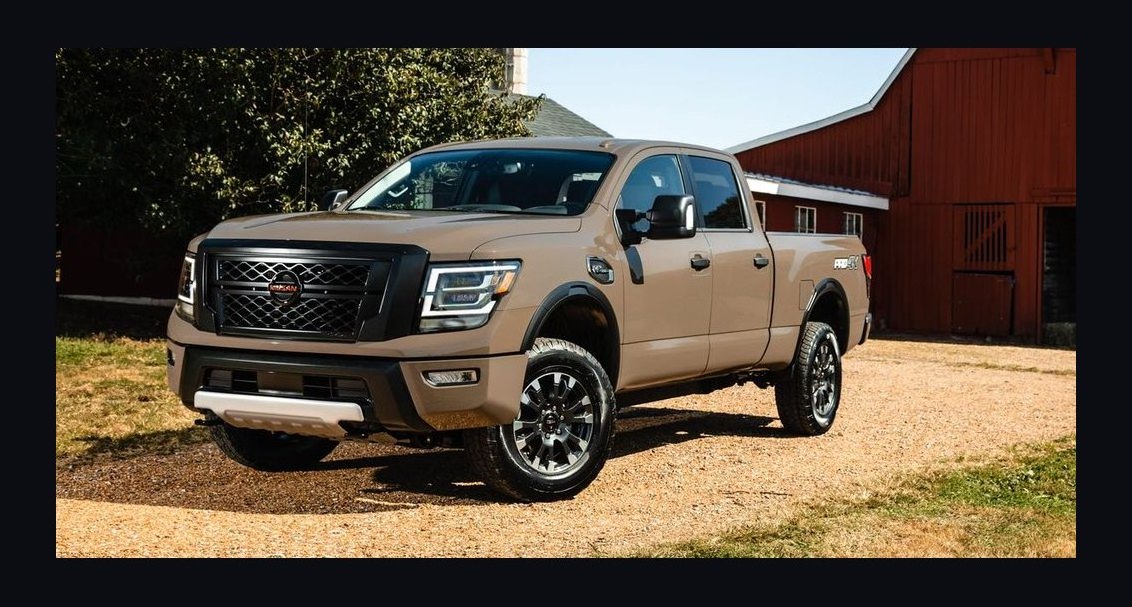 pulse-carsBest Nissan Titan Model Years (Ranked) in 2027
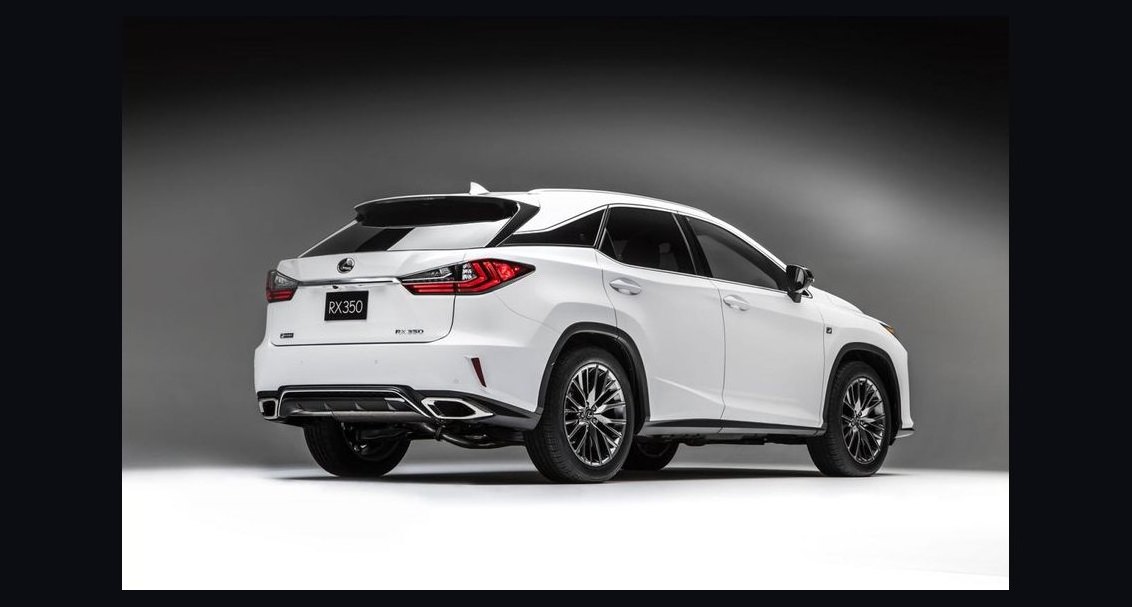 pulse-carsBest Lexus RX Generations (Ranked) in 2027
 pulse-carsTop 10 Compact SUVs 2025 — Best Overall + Best Value
 pulse-carsTop 10 Sports Cars 1990 — Best Overall + Best Value
 pulse-carsBest Toyota Tercel Model Years (Ranked) in 2027
 pulse-carsTop 10 Pickup Trucks 1969 — Best Overall + Best Value
 pulse-carsBest Buick Regal Model Years (Ranked) in 2027