
Best Used Subcompact SUVs Under $35k for Seattle Urban Commuters in 2027: Fuel-Sipping and Compact
 Curated byKory White · Fractional CRO · Maryland
 PULSEKNOWLEDGE LIBRARY
Quality
Certified
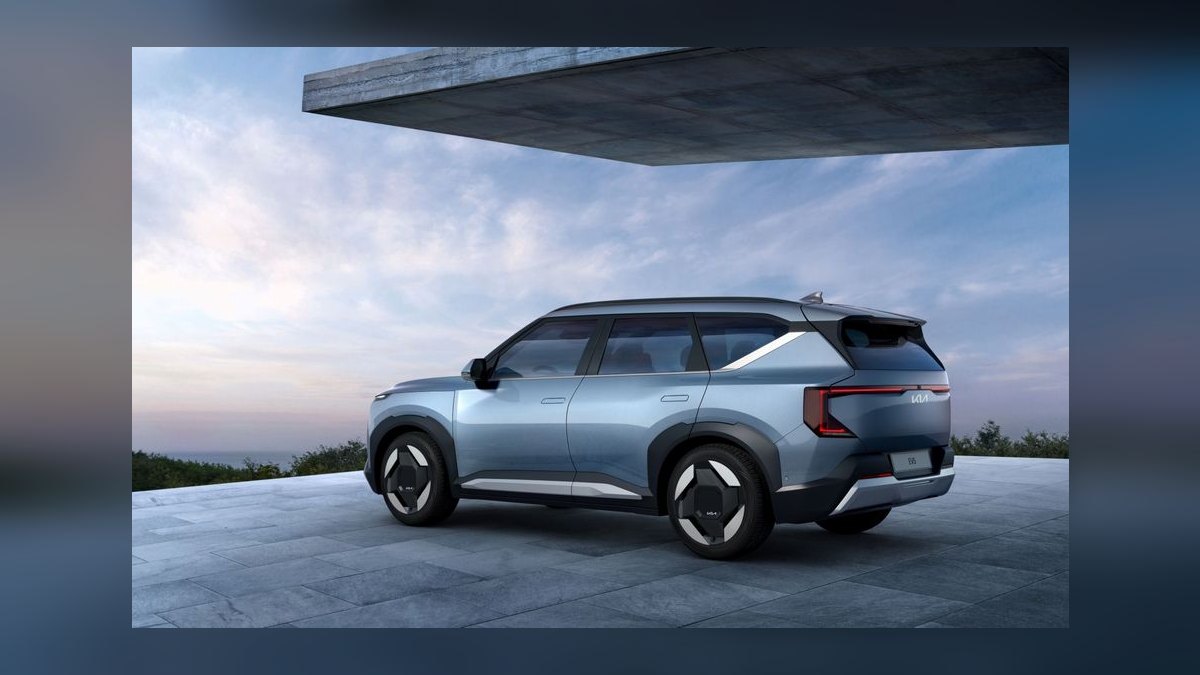
For urban Seattle commuting in 2027, the strongest pre-owned subcompact SUVs are the Mazda CX-3, Honda HR-V, Toyota C-HR, Subaru Crosstrek, and Hyundai Kona. All park under 172 inches, return roughly 26–33 mpg city, and carry low, predictable maintenance costs at independent shops throughout the metro area.
The outcome you should expect
Buy correctly in this segment and your realistic Seattle outcome looks like this: a vehicle 168–172 inches long that slots into the tight parallel spaces on Capitol Hill and Ballard side streets, a monthly fuel bill in the $70–$110 range if you drive 700–900 miles a month, and a maintenance budget you can actually forecast rather than fear.
The urban-commuter math is different from the suburban math, and most ranked lists get this wrong by optimizing for highway mpg and cargo volume. Downtown Seattle commuting is a low-speed, high-stop-count, elevation-varied duty cycle. From West Seattle to the downtown core you are looking at roughly 7–9 miles that can take 30–40 minutes at peak. From Fremont or Wallingford, 5–6 miles that can take 25 minutes. Your engine spends most of its life between idle and 35 mph, climbing and descending grades on Denny, Yesler, and James that are steep enough to matter for brake wear.
That duty cycle rewards three specific things. First, strong city EPA numbers rather than combined numbers — a vehicle rated 30 city/34 highway will beat a 26/34 vehicle by a wide margin on your actual commute, even though their combined figures look close. Second, a short overall length and a tight turning circle, because the binding constraint downtown is not acceleration or towing, it is whether you fit the space you found on Bell Street. Third, regenerative or hybrid-assisted braking if you can afford it, because stop-and-go on grades is exactly where a hybrid system converts what would be brake heat into range.
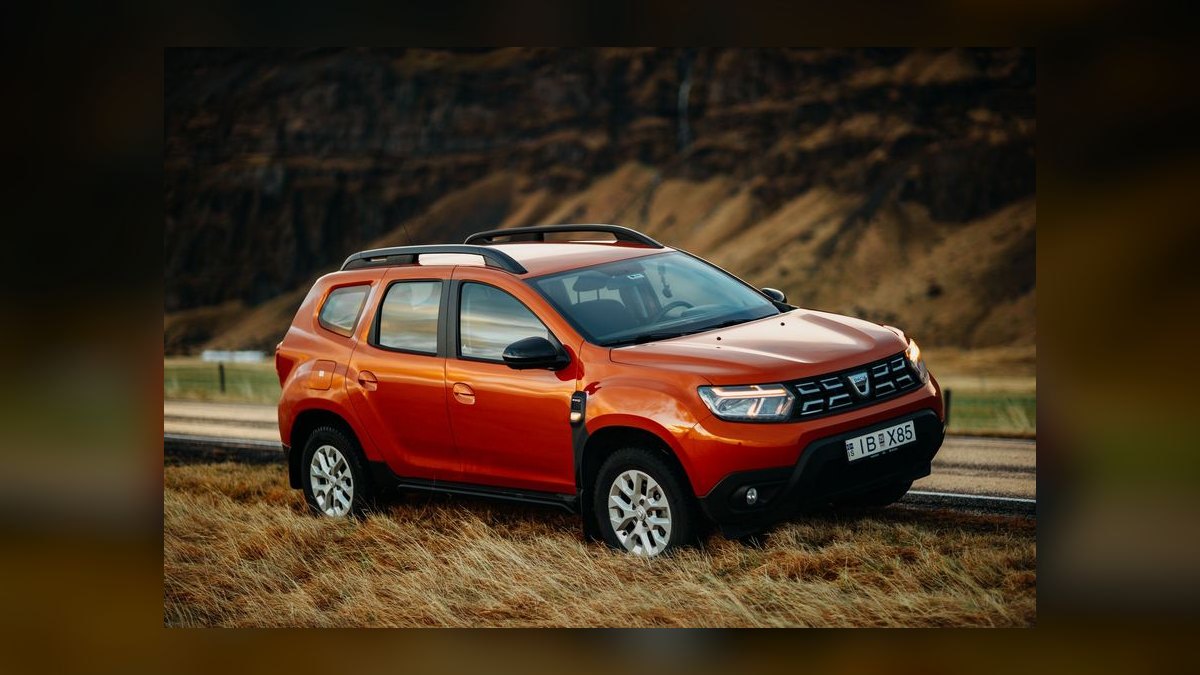
Expect to spend $13,000–$22,000 for a 2020–2023 example with 35,000–70,000 miles in the Puget Sound market, and expect scheduled maintenance to land near $400–$700 a year for the Japanese entries once you are past factory coverage. Expect no rust problem — Washington does not salt roads the way the Midwest does — but expect moisture-related issues instead: door seal degradation, sunroof drain clogs, and the occasional wet carpet from a plugged cowl drain. That trade is heavily in your favor. A ten-year-old Seattle car frequently has a cleaner underbody than a four-year-old Chicago car.
Also expect the parking dividend to be real and measurable. Seattle's on-street spaces in the older neighborhoods were laid out long before crossovers grew. A 172-inch subcompact fits spaces a 182-inch compact crossover simply cannot take. Over a year of commuting, that is the difference between circling for eight minutes and taking the first space you see — and in paid garages with small-car designations, it is a real dollar discount at some facilities.
What drives that outcome
Three mechanical realities drive city fuel efficiency, and understanding them changes what you shop for.
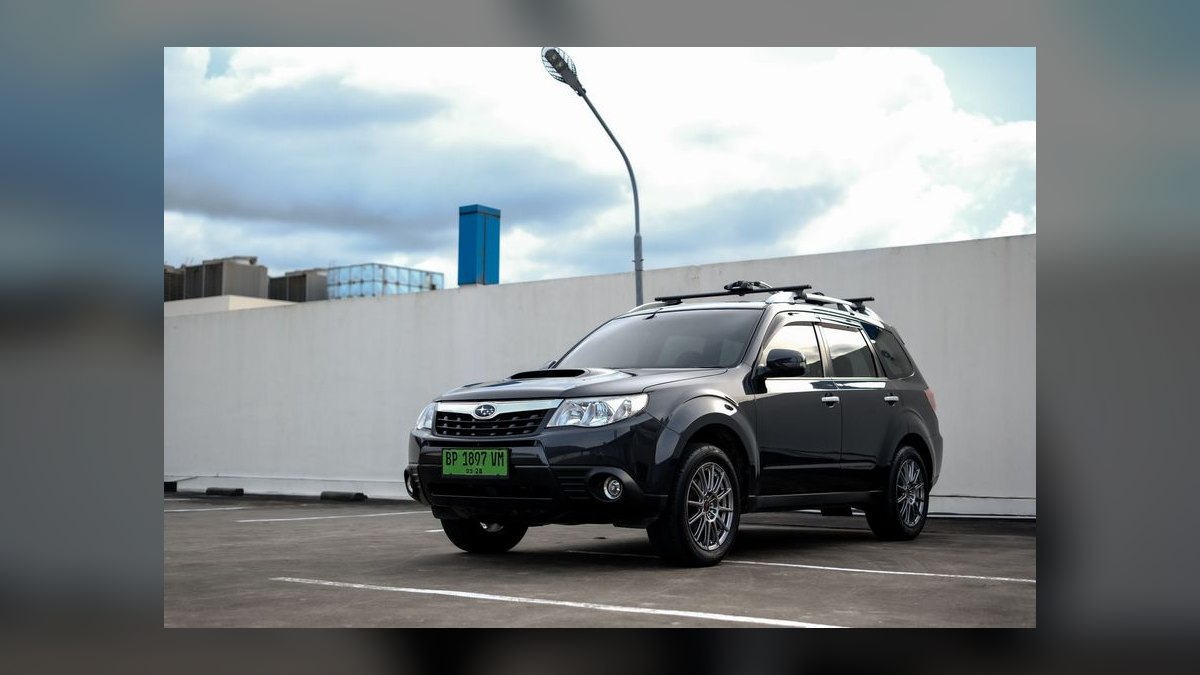
Transmission type dominates city mpg. Continuously variable transmissions, which the HR-V, Crosstrek, C-HR, and Rogue Sport all use in this era, keep the engine near its efficient load point during the constant speed changes of stop-and-go traffic. Conventional automatics hunt between fixed ratios and burn more fuel doing it. This is why the CVT crossovers post city numbers within a few mpg of their highway numbers, while older torque-converter automatics show a much larger city/highway gap. If you see a used subcompact SUV with a wide spread — say 21 city, 29 highway — that spread is telling you the drivetrain is unhappy in exactly the conditions you drive in every day.
Displacement and vehicle mass set the floor. Most of this class runs a naturally aspirated 1.8–2.0 liter four making 140–180 horsepower in a 2,900–3,300 pound body. That power-to-weight is entirely adequate for I-5 merges and the Highway 99 tunnel, and the small displacement means low idle fuel burn — which matters enormously when you spend fifteen minutes a day not moving. Turbocharged variants like the Kona's 1.6T offer real acceleration but only deliver their efficiency advantage under light load; in city driving, where you are frequently into boost from a stop, they often return worse real-world city mileage than the naturally aspirated version.
All-wheel drive costs you 1–2 mpg and buys you very little in Seattle. This is the single most commonly over-bought feature in the Pacific Northwest. Seattle proper sees measurable snow accumulation only a handful of days most winters, and on those days the city's steep grades close to traffic regardless of your drivetrain. AWD adds weight, a rear differential and driveshaft to maintain, and a fuel penalty you pay 365 days a year. Good all-season or winter tires solve more of the actual traction problem than AWD does. The exception is genuine: if your commute includes Snoqualmie Pass, a Cascade foothill neighborhood, or you regularly leave the metro in winter, AWD earns its keep and the Crosstrek becomes the obvious answer.
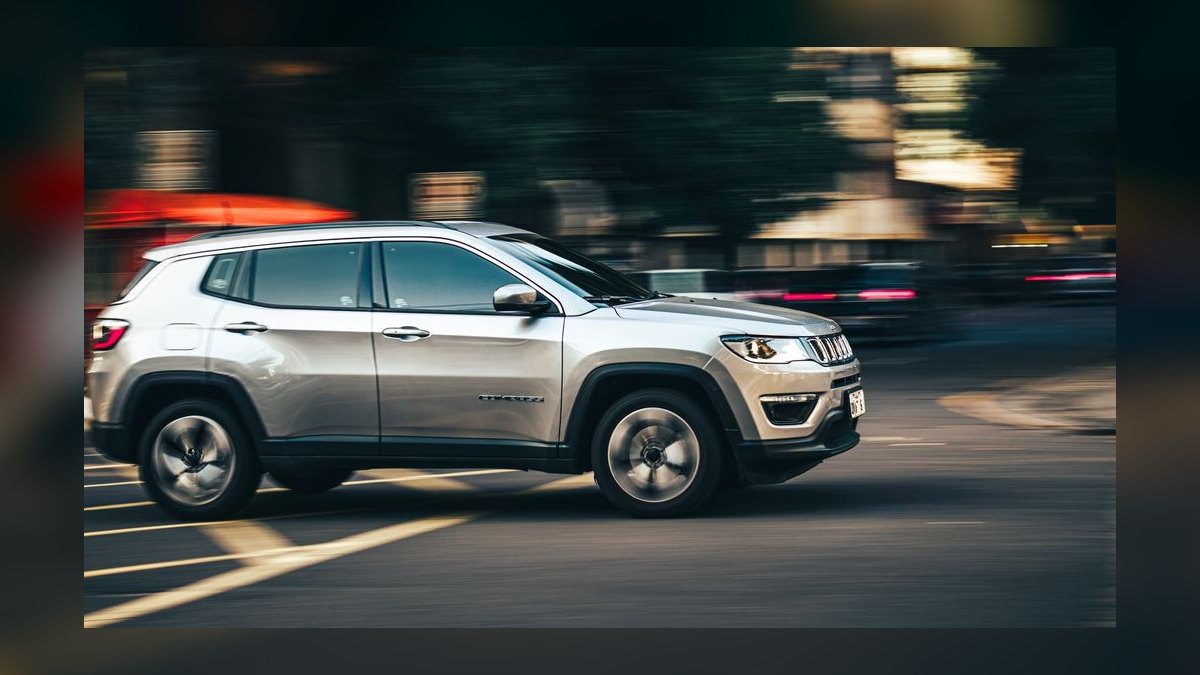
The fourth driver is less mechanical and more economic: parts availability and independent-shop familiarity in this specific metro. Seattle has a dense network of independent Japanese-specialist shops — the Honda/Toyota/Subaru independent scene here is unusually deep because of decades of regional buying habits. That density suppresses labor rates for those brands and makes parts same-day available. A Kona or a Trax will be serviced competently, but you will find fewer shops that have done the job a hundred times, and that shows up in diagnostic hours billed. Over a five-year ownership window, brand-specific shop density is worth more than a $1,500 difference in purchase price.
Benchmarks and realistic ranges
Here is what each of the main candidates actually delivers, with the caveats a practitioner needs.
Mazda CX-3 (2016–2021). Roughly 168 inches long — the shortest thing in the class and the easiest to park anywhere in the city. EPA city figures land around 29 mpg for front-wheel drive. It uses a conventional six-speed automatic rather than a CVT, which is unusual here and is a plus for long-term durability and driving feel, though it costs a little city efficiency versus a CVT competitor. The real limitation is rear seat and cargo space, which are genuinely small — this is a commuter and a two-person car, not a family vehicle. Mazda discontinued it in the US after 2021, so the used pool is finite and shrinking, but that also keeps prices reasonable.

Honda HR-V (2016–2022 first generation). About 170 inches, with the "Magic Seat" rear bench that folds flat and also flips up to create a tall floor-to-ceiling space behind the front seats. For a city dweller who occasionally hauls a bike, a bookcase, or a dog crate, that packaging trick is worth more than raw cubic feet. City EPA around 28 mpg front-wheel drive. The CVT is well-proven at this point. Honda's maintenance minder system does a good job of not over-servicing you, and the parts network in Seattle is excellent. The second generation (2023+) grew to about 179 inches, which crosses out of the easy-parking zone — check the year carefully.
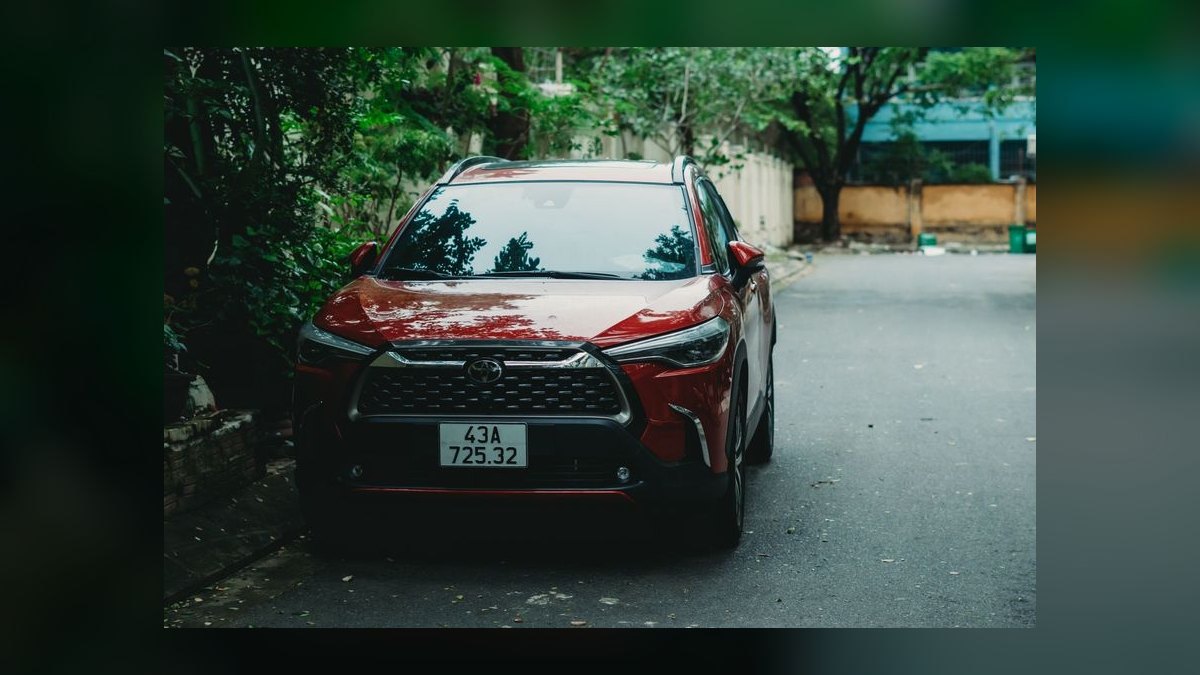
Toyota C-HR (2018–2022). Around 172 inches, front-wheel drive only in the US, roughly 27 mpg city. Rear visibility is genuinely poor due to the styling — the rear quarter windows are small and high, which matters when you are reversing into a tight space on a hill. Compensate by insisting on a model with a backup camera and, ideally, blind-spot monitoring. In exchange you get Toyota reliability, a conventional and well-understood powertrain, and the cheapest maintenance curve in the group. It also holds value well, meaning you pay more up front but recover more on resale.
Subaru Crosstrek (2018–2023). About 176 inches, standard all-wheel drive, around 8.7 inches of ground clearance, roughly 27 mpg city with the CVT. It is the correct answer for the Seattle commuter who is also a Seattle weekend person — the one who drives to Mount Baker, to a trailhead off Highway 2, or to a cabin. It is slightly longer than ideal for the tightest street parking but still manageable. Watch for oil consumption on the earlier boxer engines and check that the CVT fluid has been serviced; Subaru's intervals are longer than what an aggressive city duty cycle really wants.

Hyundai Kona (2018–2023). Around 165 inches, the naturally aspirated 2.0 returns roughly 27 mpg city front-wheel drive. Hyundai's original 10-year/100,000-mile powertrain warranty does not fully transfer to a second owner — the transferred coverage is 5 years/60,000 miles from original in-service date, which is a distinction that trips up a lot of used buyers. Verify the actual remaining coverage with a VIN lookup at a dealer rather than assuming. The Kona Electric variant is a separate and genuinely interesting option for a short urban commute if you have home or workplace charging.
Two adjacent categories worth considering. First, hybrids that are not technically SUVs: a used Prius or a Corolla Hybrid will deliver 50-plus mpg city in exactly your duty cycle and park more easily than any crossover. If you want the crossover seating position specifically, that is a legitimate reason to pay the fuel penalty — but be honest with yourself about whether you want it or need it. Second, one size up: a Toyota RAV4 or Honda CR-V from the mid-2010s trades parking ease for real cargo capacity at similar money, and a RAV4 Hybrid from 2019 onward returns city figures competitive with much smaller vehicles. If your building has assigned parking, the size constraint largely evaporates and that trade becomes attractive.
Cost benchmarks for the Seattle metro. Budget $150–$250 for an independent pre-purchase inspection — non-negotiable, and shops in Georgetown, Ballard, and Shoreline all offer them. Washington charges sales tax at purchase plus a Regional Transit Authority motor vehicle excise tax within the Sound Transit district that is assessed on a depreciation schedule, not your purchase price, so a nicer trim of the same year costs the same RTA amount. Budget $500–$1,200 for the first year of deferred items — tires, brakes, fluids — on anything over 60,000 miles. Annual routine maintenance thereafter runs $400–$700 for the Toyota, Honda, and Mazda entries, somewhat higher for the Subaru because AWD adds driveline service.
Risks, edge cases, and failure modes
The CVT question. CVTs in this class are far more durable than their early reputation suggests, but they are not maintenance-free. The failure mode is fluid neglect: an owner follows a "lifetime fluid" marketing claim, never services it, and the transmission degrades. City duty cycles are harder on CVTs than highway miles because of the constant load cycling. Insist on seeing a CVT fluid service record, or budget to have it done immediately after purchase. On a used vehicle with unknown history and over 60,000 miles, a fluid exchange is cheap insurance.
Ex-rideshare vehicles. Seattle has a large rideshare fleet, and those cars accumulate exactly the punishing low-speed, high-idle, constant-stop miles that wear a vehicle fastest per mile. A 60,000-mile rideshare car has lived harder than a 100,000-mile highway commuter. Signs: excessive wear on the driver's seat bolster and steering wheel relative to indicated mileage, phone-mount adhesive residue on the windshield, worn rear door handles and rear seat belts, and a charging cable rat's nest. A history report may not flag it. Ask directly.
The parking-length trap on newer generations. Several nameplates in this class grew substantially at their generation change. The HR-V went from about 170 to about 179 inches for 2023. The Kona grew for 2024. If you are shopping by nameplate rather than by measured length, you can easily buy a "subcompact" that no longer fits the spaces you were buying it for. Measure the actual car, or look up the specific model year's overall length before you commit.
Hill-start and brake wear. Seattle's grades are steep enough that brake service intervals run shorter than national averages. Downtown-adjacent commuters should expect front pads at the earlier end of any range, and should check rotor condition specifically rather than trusting pad thickness alone. Electronic parking brakes and hill-start assist are genuinely useful features here, not gimmicks — on a manual transmission car in this city, hill-start assist is close to essential.
Moisture and mildew, not rust. The Pacific Northwest failure mode is water intrusion. Check the sunroof drains by pouring a small amount of water into the channel and confirming it exits at the wheel wells. Pull up the carpet edge in the footwells and feel for dampness. Smell the cabin with the HVAC running on recirculate — a musty odor means an evaporator or a wet carpet, and both are expensive to chase. Ask whether the car was garaged; a Seattle car that lived outside for eight years has taken far more water than one that lived in a building.
Warranty transfer assumptions. Beyond the Hyundai case noted above, several manufacturers' extended powertrain coverage is original-owner only. Never assume you are inheriting the advertised warranty length. Verify by VIN, at a dealer, before you use warranty as a reason to pay more.
Title and history edge cases. Washington issues rebuilt titles that can look clean at a glance on some listings. Run both Carfax and AutoCheck if the price seems too good — they pull from different sources and one sometimes catches what the other misses. Flood vehicles migrate from other states; check for silt in seat rails, corrosion on under-seat electrical connectors, and mismatched interior odor.
The insurance variable people forget. Seattle insurance rates vary meaningfully by ZIP code and by vehicle. Get quotes on your two finalists before you buy. A $600-a-year difference in premium changes the ranking, and it is invisible until you check.
A practical rollout plan
Here is the sequence that actually works in this market, considering both the vehicle and the local buying conditions.
Week one — define your constraints honestly. Measure your actual parking situation. If it is street parking, walk your block and estimate the typical space length; if it is a garage, find the posted stall dimensions and any small-car designation. Write down your monthly mileage from the last three months of actual driving, not your estimate. Decide the AWD question on evidence: how many times in the last two winters did you actually need it? Set a total budget that includes purchase price plus sales tax plus RTA excise tax plus $1,000 for immediate deferred maintenance.
Week two — build a shortlist by measured spec, not by nameplate. Pull EPA city figures from fueleconomy.gov for the specific year and drivetrain, not the model line. Pull overall length from the manufacturer's specs for that model year. Cross-reference reliability data from Consumer Reports and complaint volume from NHTSA for the exact year — model years within a generation can differ substantially, and a single bad year can hide inside a good nameplate.
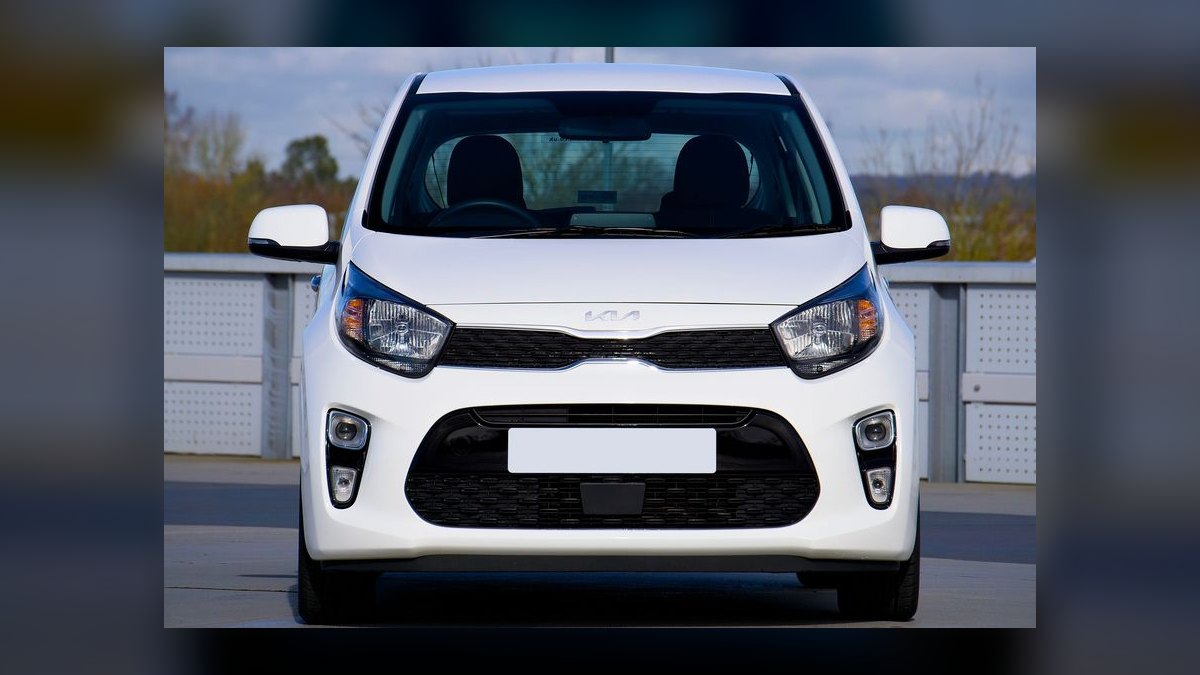
Week three — search wide, then narrow geographically. Search the full Puget Sound region, not just Seattle proper. Everett, Tacoma, and the Eastside consistently list the same cars at different prices, and a 40-minute drive to save $1,500 is worth it. Private-party listings in this market typically run below dealer retail, but dealer cars sometimes carry remaining certified coverage. Filter for one-owner where possible, and read the service history in the listing photos if the seller posted them.
Week four — inspect, verify, and close. Book the independent pre-purchase inspection before you negotiate, not after. Bring the inspection findings to the price conversation as specific line items with quotes, not as vague complaints. Verify the title in hand matches the VIN on the dash and the door jamb. Confirm the odometer against the history report and the service records. Then move quickly — clean examples of the good ones in this segment sell within days in this market, and hesitating on a well-documented car to save $400 usually costs you the car.
After you buy — the first ninety days. Do the deferred fluids immediately, especially CVT fluid if the record is unclear. Fit good all-season tires if the existing set is more than half worn; in this climate, wet-weather grip and tread depth matter far more than any drivetrain choice. Establish a relationship with one independent shop and stay with it — a shop that knows your specific car catches trends across visits that a rotating cast of shops never will. Log every service. When you sell in five years, that log is worth real money in a market full of undocumented cars.
Related questions
Is all-wheel drive worth it for a Seattle city commute?
Usually not, if you stay inside the metro. Seattle sees few accumulating snow days and steep streets close regardless of drivetrain. Good tires solve more of the real problem. AWD becomes worthwhile if you regularly cross the Cascades or live in the foothills.
What overall length fits Seattle street parking comfortably?
Aim for 172 inches or less. Older neighborhoods like Capitol Hill, Fremont, and Queen Anne have on-street spaces laid out before crossovers grew. Under 172 inches opens spaces that a 180-inch compact crossover has to pass by.
Do I need to worry about rust on a used Seattle car?
Far less than in salt-belt states — Washington does not salt heavily. Check for water intrusion instead: sunroof drains, damp footwell carpet, musty HVAC odor, and corrosion on under-seat connectors. A well-kept Seattle car often has a cleaner underbody than a much newer Midwest one.
Should I consider a hybrid instead of a subcompact SUV?
Seriously, yes. A used Prius or Corolla Hybrid returns 50-plus mpg in stop-and-go traffic and parks easily. Choose the crossover only if you specifically want the higher seating position and cargo shape, and accept the fuel penalty knowingly.
How do I spot a former rideshare vehicle?
Look for wear that outpaces the odometer: driver's seat bolster, steering wheel, rear door handles, and rear seat belts. Check for windshield mount residue and worn charging ports. History reports frequently miss commercial use, so ask the seller directly.
FAQ
What is the most reliable pre-owned subcompact SUV for a downtown Seattle commute?
The Toyota C-HR and first-generation Honda HR-V have the strongest combination of proven reliability and low ownership cost in this class, and both are supported by an unusually deep network of independent Japanese-specialist shops across the Seattle metro. The Mazda CX-3 is close behind and uses a conventional automatic rather than a CVT, which some owners prefer for long-term simplicity.
How much should I budget annually for maintenance?
Plan on $400–$700 a year in routine service for the Toyota, Honda, and Mazda entries once out of factory coverage, and somewhat more for a Subaru because all-wheel drive adds driveline fluid services. Budget an additional $500–$1,200 in the first year for deferred items on any vehicle over 60,000 miles — tires, brakes, and fluids are the usual catch-up costs.
Does city fuel efficiency really matter more than combined mpg here?
Yes. A downtown Seattle commute is a low-speed, high-stop-count duty cycle where the engine rarely reaches its highway efficiency band. Two vehicles with similar combined ratings can differ by several real-world mpg on your route. Always compare the EPA city figure for the specific model year and drivetrain, not the headline combined number.
How many miles is too many for this segment?
Under 90,000 miles is the comfortable zone for a subcompact SUV in this price band, and well-documented examples up to 120,000 remain reasonable buys. Documentation matters more than the number — a 100,000-mile car with a complete service log is a better purchase than a 60,000-mile car with no records and unexplained wear.
Is a certified pre-owned car worth the premium in this market?
Sometimes. CPO adds a manufacturer-backed warranty and an inspection, which has genuine value on a CVT-equipped vehicle where a transmission failure would be the largest single risk. Compare the premium against the cost of an independent inspection plus a third-party warranty quote, and remember that CPO does not eliminate the need for your own inspection.
What Seattle-specific costs should I factor beyond the purchase price?
Washington sales tax at purchase, plus the Regional Transit Authority motor vehicle excise tax if you register inside the Sound Transit district — that RTA amount is assessed on a depreciation schedule rather than what you paid, so trim level does not change it. Add licensing, your first service, and get insurance quotes on your finalists before committing, since premiums vary meaningfully by ZIP code.
Sources
- EPA Fuel Economy — city and highway ratings by model year
- IIHS Vehicle Ratings
- NHTSA Safety Ratings and Complaints
- Consumer Reports — Used Cars
- Edmunds
- Kelley Blue Book
- Washington State Department of Licensing
- Sound Transit — Motor Vehicle Excise Tax
- Car and Driver
- RepairPal Reliability Ratings
Related on PULSE
- [Best Used Subcompact SUVs Under $20,000 in 2027 (Ranked)](/knowledge/ca0935)
- [Best Used Subcompact SUVs Under $25,000 in 2027 (Ranked)](/knowledge/ca0939)
- [Best Used Subcompact SUVs Under $30,000 in 2027 (Ranked)](/knowledge/ca0943)
- [Best Used Subcompact SUVs Under $15,000 in 2027 (Ranked)](/knowledge/ca0931)
- [Best Used Subcompact SUVs Under $10,000 in 2027 (Ranked)](/knowledge/ca0927)
This page will be disappearing soon. Save it to your device for $1 — or read it free while it is here.
@Kory-White- · if Venmo asks, the last 4 of my number are 2012
 pulse-carsBest Kia Seltos Model Years (Ranked) in 2027
 pulse-carsBest Ford EcoSport Model Years (Ranked) in 2027
 pulse-carsBest Honda Crosstour Model Years (Ranked) in 2027
 pulse-carsTop 10 SUVs 2010 — Best Overall + Best Value
 pulse-carsTop 10 Muscle Cars 1968 — Best Overall + Best Value
 pulse-carsTop 10 SUVs 2000 — Best Overall + Best Value
 pulse-carsBest Acura Models in 2027
 pulse-carsTop 10 Luxury Pickup Trucks 2026 — Best Overall + Best Value
 pulse-carsBest Used Wagons Under $40,000 in 2027 (Ranked)
 pulse-carsTop 10 Pickup Trucks 1969 — Best Overall + Best Value